

Vauxhall Meriva Code 84: Meaning, Causes, Diagnosis, and Fixes

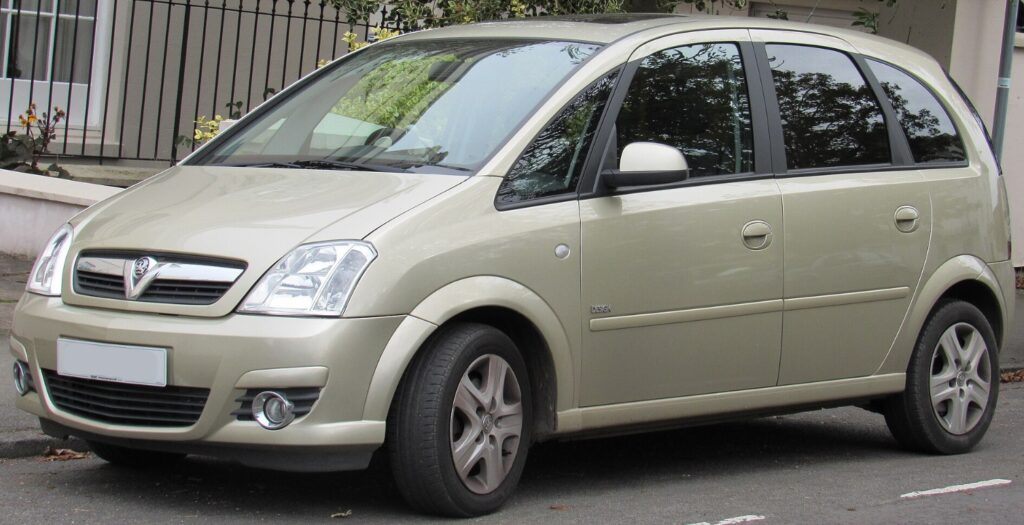
Seeing Vauxhall Meriva Code 84 appear on the dashboard can be unsettling, especially when the car suddenly feels sluggish, struggles to accelerate, or refuses to maintain its usual speed. One moment everything seems normal; the next, the Meriva feels as though someone has tied a heavy trailer to the rear bumper.
The good news is that Code 84 is not the name of one specific failed component. According to the Vauxhall Meriva owner’s manual, it means “engine power is reduced.” In practical terms, the engine control system has detected a problem and deliberately limited performance to protect the engine, emissions system, or drivetrain from further damage.
That distinction matters. Replacing a throttle body, EGR valve, turbocharger, or sensor merely because Code 84 appears can become an expensive guessing game. We need to find the diagnostic trouble codes stored in the engine control unit before deciding what to repair.
In this guide, we will explain what Code 84 means, why it appears, whether the car remains safe to drive, and how to diagnose the real cause without throwing random parts at the problem.
Content in this publication
- What Does Vauxhall Meriva Code 84 Mean?
- Why Does the Meriva Reduce Engine Power?
- Common Causes of Vauxhall Meriva Code 84
- 1. Faulty or Contaminated EGR Valve
- 2. Turbocharger or Boost-Control Problems
- 3. Throttle Body Fault
- 4. Accelerator-Pedal Position Sensor Problems
- 5. Mass Airflow Sensor Fault
- 6. MAP or Boost-Pressure Sensor Contamination
- 7. Diesel Particulate Filter Restriction
- 8. Fuel-Pressure or Fuel-Delivery Problems
- 9. Intake-Air Temperature or Thermal Problems
- 10. Engine Temperature or Cooling-System Faults
- 11. Wiring, Connector, or Ground Faults
- 12. Weak Battery or Charging-System Voltage
- Symptoms That Often Accompany Code 84
- Can We Drive a Vauxhall Meriva With Code 84?
- How to Diagnose Vauxhall Meriva Code 84
- Possible Repairs for Vauxhall Meriva Code 84
- Can We Reset Vauxhall Meriva Code 84?
- Common Diagnostic Mistakes to Avoid
- How Much Does It Cost to Fix Code 84?
- How to Reduce the Chance of Code 84 Returning
- Does Code 84 Mean the Engine Is Finished?
- Final Thoughts on Vauxhall Meriva Code 84
- Frequently Asked Questions
What Does Vauxhall Meriva Code 84 Mean?
Vauxhall Meriva Code 84 means:
Engine power is reduced.
It is a dashboard message rather than a complete diagnostic fault code. The vehicle is telling us that the engine management system has restricted power because it has detected an operating condition outside its expected limits.
The same message may appear on equivalent Opel Meriva models because Vauxhall and Opel vehicles share many mechanical and electronic systems.
Code 84 commonly accompanies one or more of the following symptoms:
- Weak or delayed acceleration
- Limited engine speed
- Reduced turbo boost
- Poor throttle response
- Rough running or hesitation
- An illuminated engine-management light
- The service vehicle soon warning
- Difficulty climbing hills
- A maximum speed that is lower than normal
- Engine power returning temporarily after restarting
The dashboard message tells us what the vehicle is doing—reducing power—but it does not tell us why.
Is Code 84 the Same as Limp Mode?
In most cases, yes. Code 84 usually indicates that the Meriva has entered a reduced-power strategy commonly called limp mode or limp-home mode.
Limp mode is the electronic equivalent of the car saying, “Something is wrong, so I am going to take it easy.” The engine control module may restrict throttle opening, turbo boost, fuel delivery, or maximum engine speed.
This protective response can prevent a relatively small fault from developing into serious engine or emissions-system damage.
However, not every Code 84 event feels equally severe. Some drivers notice only slightly slower acceleration, while others find that the car barely moves beyond residential-road speeds.
Code 84 Is Not an OBD-II Trouble Code
This point is easy to overlook.
Code 84 is not the same type of code as:
- P0299
- P0401
- P0101
- P0234
- P2135
- P2263
Those are diagnostic trouble codes stored in the engine control unit. They identify the system or circuit in which the fault has been detected.
By contrast, Code 84 is a short dashboard message. To find the underlying cause, we must connect a suitable diagnostic scanner and retrieve the stored OBD fault codes.
Why Does the Meriva Reduce Engine Power?
Modern engines depend on dozens of sensors, actuators, valves, hoses, and electronic modules. The control unit constantly compares requested engine performance with actual engine behaviour.
For example, it may compare:
- Accelerator-pedal position with throttle position
- Requested turbo boost with measured boost pressure
- Expected airflow with mass-airflow readings
- Desired EGR flow with actual EGR performance
- Engine temperature with intake and coolant-temperature data
- DPF pressure with calculated soot loading
When the figures disagree beyond an acceptable limit, the system may reduce engine power.
Think of it like an orchestra losing its rhythm. One instrument playing the wrong note may be enough for the conductor—the engine control module—to stop the performance before the whole song collapses.
Common Causes of Vauxhall Meriva Code 84
The exact cause depends heavily on the engine, model year, driving conditions, symptoms, and stored diagnostic codes. Nevertheless, several problems appear more frequently than others.
1. Faulty or Contaminated EGR Valve
The exhaust gas recirculation valve directs a controlled amount of exhaust gas back into the intake system. This lowers combustion temperatures and helps reduce nitrogen-oxide emissions.
Over time, soot and oily vapour can form thick deposits inside the EGR valve and intake passages. The valve may stick open, remain closed, or respond too slowly.
Possible symptoms include:
- Hesitation at low engine speeds
- Rough idling
- Black exhaust smoke
- Poor fuel economy
- Reduced acceleration
- Engine-management warning
- Code 84 appearing during acceleration
EGR trouble is especially relevant to diesel Merivas used mainly for short urban journeys. Low-speed driving can encourage carbon accumulation because the engine spends less time at full operating temperature.
Can Cleaning the EGR Valve Fix Code 84?
It can, but only when carbon contamination is the actual cause and the valve’s electronics remain healthy.
Cleaning will not repair:
- A failed EGR motor
- A defective position sensor
- Damaged wiring
- A leaking EGR cooler
- A mechanically broken valve
- An ECU calibration issue
We should therefore scan the vehicle before removing the valve.
2. Turbocharger or Boost-Control Problems
Turbocharged petrol and diesel Merivas rely on controlled boost pressure. If actual boost differs significantly from the pressure requested by the engine control module, the vehicle may reduce power.
Common turbo-related causes include:
- Split intercooler hoses
- Loose boost-pipe connections
- A damaged intercooler
- Vacuum leaks
- A faulty boost-control solenoid
- A sticking turbo actuator
- Carbon-restricted variable turbo vanes
- A worn turbocharger
- A contaminated boost-pressure sensor
Underboost can make the Meriva feel flat, as though the turbo has disappeared. Overboost can produce a sudden surge followed by limp mode.
Signs of a Boost Leak
A boost leak may produce:
- A hissing or rushing-air noise
- Oily residue around a hose connection
- Weak acceleration
- Black smoke from a diesel engine
- Code 84 under heavy throttle
- Normal performance during gentle driving
- A fault that appears mainly on hills or motorways
A small split may remain hidden until the hose expands under boost pressure. For that reason, a visual check with the engine switched off may not always reveal the leak.
3. Throttle Body Fault
The electronic throttle body controls the amount of air entering many petrol engines. Some diesel systems also use an intake throttle valve for EGR and shutdown functions.
A dirty or faulty throttle body can cause discrepancies between the requested and actual throttle position. The engine control system may respond by restricting power.
Symptoms can include:
- Delayed acceleration
- Unstable idling
- Stalling
- Poor throttle response
- Code 84 immediately after starting
- The accelerator pedal appearing unresponsive
- Engine speed failing to rise normally
Carbon deposits may occasionally be cleaned away, but a failed motor or internal position sensor usually requires replacement.
4. Accelerator-Pedal Position Sensor Problems
The Meriva uses an electronic accelerator rather than a traditional cable directly connecting the pedal to the throttle.
The pedal assembly normally contains multiple position signals for safety. If those signals disagree, the system cannot confidently determine how much acceleration the driver is requesting.
Instead of risking uncontrolled throttle operation, it reduces engine power.
Potential causes include:
- A worn pedal-position sensor
- Loose electrical connectors
- Damaged wiring
- Water ingress
- Corroded terminals
- A poor electrical ground
This kind of fault may make the accelerator feel dead or inconsistent.
5. Mass Airflow Sensor Fault
The mass airflow sensor measures the amount of air entering the engine. The control unit uses this information to calculate fuelling, EGR operation, and turbo response.
A contaminated or failing sensor may send implausible readings, leading to:
- Poor acceleration
- Rough running
- Excessive smoke
- Increased fuel consumption
- Hesitation
- Reduced engine power
Before replacing the sensor, we should also inspect the air filter, intake pipework, connector, and wiring. An air leak downstream of the sensor can make a healthy sensor appear faulty.
6. MAP or Boost-Pressure Sensor Contamination
The manifold absolute pressure sensor measures pressure inside the intake manifold. On diesel engines, oily soot can cover its sensing element.
A contaminated sensor may under-report or over-report boost pressure. This can confuse the ECU and trigger reduced-power operation even when the turbocharger itself remains serviceable.
Careful cleaning may restore normal readings, although harsh solvents or physical scraping can permanently damage the sensor.
7. Diesel Particulate Filter Restriction
Diesel Merivas fitted with a diesel particulate filter collect soot from the exhaust. The vehicle periodically burns this soot during regeneration.
Regeneration may fail when the car is repeatedly driven on:
- Very short journeys
- Low-speed urban routes
- Stop-start traffic
- Trips during which the engine never fully warms up
As soot loading increases, exhaust backpressure rises. The engine may lose performance and eventually enter reduced-power mode.
Other warning signs include:
- Frequent cooling-fan operation
- Higher idle speed
- Increased fuel consumption
- Hot or unusual exhaust smells
- Regeneration attempts happening often
- A DPF or engine warning light
- Oil level increasing because of fuel dilution
A forced regeneration is not always the correct solution. If the filter is excessively blocked, damaged, or contaminated with ash, regeneration may be ineffective or unsafe. We must also correct the reason regeneration failed in the first place.
8. Fuel-Pressure or Fuel-Delivery Problems
The engine cannot produce normal power without stable fuel pressure.
Possible causes include:
- A clogged fuel filter
- Air entering a diesel fuel line
- A weak fuel pump
- A faulty rail-pressure sensor
- A defective pressure-control valve
- Injector problems
- Contaminated fuel
Fuel-pressure faults may cause Code 84 during hard acceleration because demand is highest at that moment.
The car may drive reasonably well at low speed but lose power when overtaking or climbing a hill.
9. Intake-Air Temperature or Thermal Problems
Certain early Meriva B vehicles have been associated with Code 84 caused by excessive intake-air temperature linked to a thermal issue. Technical information published by Hella describes reduced engine power and points to a specific issue affecting a limited VIN range rather than every Meriva.
This is why the car’s VIN, engine code, and production date matter. A technical bulletin applying to one engine and manufacturing range should not automatically be treated as the explanation for every Code 84 complaint.
10. Engine Temperature or Cooling-System Faults
If the engine becomes too hot, the ECU may reduce power to limit further heat generation.
Potential causes include:
- Low coolant
- Coolant leaks
- A faulty thermostat
- A failed cooling fan
- A defective temperature sensor
- A restricted radiator
- Water-pump problems
Never continue driving an overheating engine simply because it still runs. Reduced power combined with a high-temperature warning requires immediate attention.
11. Wiring, Connector, or Ground Faults
Electrical faults often imitate failed components.
A sensor may be perfectly healthy but send unreliable information because of:
- Broken wires
- Chafed insulation
- Corroded terminals
- Loose plugs
- Oil contamination
- Water ingress
- Poor grounding
- Low battery voltage
Intermittent wiring faults are particularly frustrating because restarting the car may temporarily clear Code 84.
Before replacing an expensive component, we should check its electrical supply, ground, signal wiring, and connector condition.
12. Weak Battery or Charging-System Voltage
Modern engine-management systems require stable voltage. A weak battery, alternator problem, or poor terminal connection can cause multiple electronic warnings.
Low-voltage symptoms may include:
- Slow cranking
- Several unrelated warning messages
- Start-stop becoming unavailable
- Intermittent dashboard faults
- Warning lights appearing after startup
- Problems becoming worse in cold weather
A battery test and charging-voltage check are inexpensive compared with replacing sensors at random.
Symptoms That Often Accompany Code 84
Code 84 does not feel identical in every Meriva. The accompanying symptoms can help narrow the search.
Code 84 and No Acceleration
When the engine idles but barely responds to the accelerator pedal, likely areas include:
- Accelerator-pedal sensor
- Throttle body
- Throttle-position correlation
- Wiring or connector faults
- Severe boost or fuel-pressure problems
A diagnostic scanner capable of displaying live data can show whether pedal position changes normally when the pedal is pressed.
Code 84 Under Hard Acceleration
When the warning appears only during strong acceleration, we would pay particular attention to:
- Turbo underboost
- Turbo overboost
- Split boost hoses
- Fuel-pressure drop
- A sticking turbo actuator
- DPF restriction
- Airflow readings
The load-dependent pattern is valuable evidence. It suggests the system fails when pressure, airflow, or fuel demand rises.
Code 84 When the Engine Is Hot
A fault appearing after the engine warms up may point toward:
- Heat-sensitive sensors
- Failing ignition coils on petrol engines
- Temperature-sensor errors
- Turbo actuators sticking when hot
- Cooling-system problems
- Wiring expanding and losing contact
- Intake-temperature issues
A workshop may need to test the vehicle at full operating temperature rather than diagnosing it only when cold.
Code 84 With Jerking or Stuttering
Jerking can be associated with:
- Ignition misfires
- Injector faults
- EGR malfunction
- Airflow-meter errors
- Fuel-pressure instability
- Boost leaks
- Throttle-control problems
Continued driving with a severe petrol-engine misfire can overheat and damage the catalytic converter.
Code 84 After Restarting
Sometimes Code 84 disappears after the ignition is switched off and back on. This does not necessarily mean the fault has repaired itself.
Restarting may reset the temporary reduced-power strategy, but the underlying fault may remain stored or return when the same operating conditions occur.
It is like silencing a smoke alarm without removing the smoke.
Can We Drive a Vauxhall Meriva With Code 84?
Whether the vehicle is safe to drive depends on its behaviour and the other warning signs present.
A short, gentle journey to a safe location or nearby workshop may be reasonable when:
- The engine runs smoothly
- Temperature remains normal
- No red warning lights appear
- There is no heavy smoke
- There are no abnormal mechanical noises
- The car can keep up safely with traffic
- Braking and steering feel normal
We should avoid:
- Hard acceleration
- High engine speeds
- Towing
- Steep routes
- Motorway driving
- Long journeys
- Carrying unusually heavy loads
Stop Driving Immediately When…
Pull over safely and switch off the engine if we notice:
- A red oil-pressure warning
- Severe overheating
- Thick smoke
- Loud knocking or rattling
- Strong fuel smells
- Sudden major coolant loss
- Severe shaking or misfiring
- The engine repeatedly stalling
- Insufficient power to remain safe in traffic
Code 84 is a protective warning, not permission to continue driving indefinitely.
How to Diagnose Vauxhall Meriva Code 84
A logical diagnosis saves both money and frustration.
Step 1: Record the Exact Symptoms
Before switching off the engine, note:
- Whether the engine was hot or cold
- Vehicle speed
- Engine speed
- Whether we were accelerating
- Road gradient
- Weather conditions
- Other warning lights
- Smoke, smells, or noises
- Whether performance returned after restarting
These details can be more useful than simply saying, “Code 84 came up.”
Step 2: Check Fluid Levels and Temperature
With the vehicle parked safely and the engine cooled, inspect:
- Engine-oil level
- Coolant level
- Obvious coolant leaks
- Split or disconnected intake hoses
- Loose battery terminals
- Damaged wiring visible in the engine bay
Never open a hot coolant expansion tank.
Step 3: Scan the Engine Control Unit
This is the most important step.
Use a scanner capable of reading Vauxhall-compatible engine data. A basic reader may retrieve generic powertrain codes, but a more advanced diagnostic tool can access manufacturer-specific codes, freeze-frame data, live readings, and actuator tests.
Freeze-frame data tells us what the engine was doing when the fault was recorded. It may reveal:
- Engine speed
- Coolant temperature
- Vehicle speed
- Boost pressure
- Airflow
- Throttle position
- Fuel pressure
- Engine load
Step 4: Do Not Clear the Codes Immediately
Clearing fault codes before recording them erases valuable evidence.
Write down:
- Every stored code
- Pending codes
- Permanent codes
- Freeze-frame information
- The order in which codes appear
One fault may cause several secondary codes. An experienced diagnosis identifies the root cause rather than replacing every component mentioned.
Step 5: Inspect the Relevant System
Once the stored codes point us toward a system, we can test it properly.
For example:
- An underboost code calls for hose, intercooler, actuator, vacuum, sensor, and turbo checks.
- An EGR flow code calls for valve operation, intake restriction, wiring, and live-data checks.
- A throttle-correlation code calls for pedal, throttle body, wiring, and voltage tests.
- A DPF code calls for differential-pressure, temperature-sensor, soot-load, and regeneration checks.
Step 6: Compare Requested and Actual Values
Live data is extremely useful.
A technician may compare:
- Requested boost versus actual boost
- Desired EGR position versus actual position
- Accelerator position versus throttle position
- Requested rail pressure versus measured pressure
- DPF pressure at idle versus higher engine speed
This is often where the real story emerges.
Possible Repairs for Vauxhall Meriva Code 84
The correct repair depends entirely on the confirmed cause. Potential solutions include:
- Reconnecting or replacing a boost hose
- Repairing damaged wiring
- Cleaning a contaminated MAP sensor
- Replacing a faulty airflow sensor
- Cleaning or replacing the EGR valve
- Repairing the EGR cooler
- Replacing a throttle body
- Replacing the accelerator-pedal assembly
- Repairing a vacuum leak
- Replacing a boost-control solenoid
- Repairing a turbo actuator
- Cleaning or replacing the DPF
- Replacing a blocked fuel filter
- Repairing the fuel-pressure system
- Fixing a cooling-system fault
- Updating control-module software where applicable
- Replacing a weak battery or faulty alternator
The cheapest repair might be a loose hose clamp. The most expensive could involve a turbocharger, DPF, fuel system, or complex electrical fault. That wide range is precisely why diagnosis must come before parts replacement.
Can We Reset Vauxhall Meriva Code 84?
There is no universal dashboard reset that permanently fixes Code 84.
Switching the ignition off may temporarily restore normal power. Disconnecting the battery or clearing codes with a scanner may also remove the warning for a while.
However, if the ECU detects the fault again, reduced-power mode will return.
A proper reset process is:
- Read and record the diagnostic codes.
- Diagnose the underlying fault.
- Complete the necessary repair.
- Clear the stored codes.
- Test-drive the vehicle.
- Recheck for pending or returning faults.
Clearing the message without repairing the cause is like painting over a damp wall. It looks better briefly, but the stain returns.
Common Diagnostic Mistakes to Avoid
Replacing the EGR Valve Without Scanning
The EGR valve is frequently blamed for diesel problems, but Code 84 alone does not prove it has failed.
Assuming the Turbocharger Is Ruined
Low boost can result from a £20 hose, a vacuum leak, a dirty sensor, or a control-solenoid fault. The turbo itself should be tested before replacement.
Forcing DPF Regeneration Repeatedly
A blocked DPF may be the consequence rather than the original cause. Faulty temperature sensors, glow systems, EGR operation, injectors, or driving patterns can prevent successful regeneration.
Ignoring Intermittent Wiring Faults
A connector that loses contact only under vibration or heat may produce unpredictable reduced-power events.
Using the Dashboard Message as the Diagnosis
Code 84 describes the protection strategy. It does not identify the failed part.
How Much Does It Cost to Fix Code 84?
Repair costs vary significantly by engine, location, labour rate, and component quality.
A minor repair may involve:
- Cleaning a sensor
- Securing a connector
- Replacing a split hose
- Repairing a damaged wire
- Installing a new fuel filter
More costly work may involve:
- EGR valve replacement
- DPF cleaning or replacement
- Throttle-body replacement
- Turbocharger repair
- Injector testing
- Fuel-pump replacement
- Advanced electrical diagnosis
Before authorising expensive work, ask the workshop for:
- The exact stored fault codes
- The tests performed
- The measured values
- Why the suspected component failed
- Whether related hoses and wiring were checked
- Whether the replacement part requires programming or adaptation
A diagnosis supported by test results is far more convincing than “these cars usually need an EGR valve.”
How to Reduce the Chance of Code 84 Returning
Not every failure is preventable, but sensible maintenance lowers the risk.
Maintain the Engine Correctly
Use oil that meets the correct Vauxhall specification and change it at suitable intervals. Old or incorrect oil can affect turbocharger health, emissions systems, and engine wear.
Avoid Endless Short Diesel Journeys
A diesel Meriva benefits from reaching full operating temperature regularly. Longer drives can support normal DPF regeneration, although motorway driving will not repair a genuinely faulty system.
Inspect Hoses During Servicing
Boost and vacuum hoses age, soften, crack, and loosen. Finding deterioration early is cheaper than diagnosing repeated limp-mode events.
Do Not Ignore Early Warning Signs
Hesitation, smoke, whistling, rough idling, poor fuel economy, and frequent regeneration attempts often appear before severe power loss.
Keep the Battery Healthy
Stable voltage helps the vehicle’s control modules and sensors communicate correctly.
Does Code 84 Mean the Engine Is Finished?
Usually, no.
Code 84 means the control system has reduced engine power. It does not automatically mean the engine has suffered internal mechanical failure.
Many cases result from peripheral systems such as:
- Sensors
- Valves
- Hoses
- Wiring
- Emissions components
- Fuel-pressure controls
Nevertheless, ignoring the warning can turn a manageable issue into a costly one. A boost leak can overwork the turbo, a misfire can damage the catalytic converter, and a blocked DPF can create excessive exhaust backpressure.
Early diagnosis gives us the best chance of a straightforward repair.
Final Thoughts on Vauxhall Meriva Code 84
Vauxhall Meriva Code 84 means engine power has been reduced. The vehicle has detected a problem and activated a protective operating mode. The official dashboard message identifies the effect, but not the defective component.
Possible causes range from a split turbo hose or contaminated pressure sensor to an EGR fault, throttle problem, DPF restriction, fuel-pressure issue, electrical defect, or cooling-system malfunction.
Our best response is not to panic—and certainly not to order the first component mentioned on an internet forum. We should record the symptoms, check basic fluid levels, retrieve the stored diagnostic codes, examine freeze-frame and live data, and test the relevant system.
Code 84 is the car waving a yellow flag. It is asking us to slow down, investigate, and fix the reason before the problem becomes a red flag.
Frequently Asked Questions
1. What does Code 84 mean on a Vauxhall Meriva?
Code 84 means engine power is reduced. The engine control system has detected a fault and limited performance to protect the vehicle. It does not identify one specific failed component.
2. Can a dirty EGR valve cause Vauxhall Meriva Code 84?
Yes. A dirty, sticking, or electrically faulty EGR valve can contribute to reduced engine power, particularly on diesel models. However, the stored diagnostic codes and test results should confirm the fault before the valve is cleaned or replaced.
3. Will restarting the car clear Code 84?
Restarting may temporarily restore normal performance, but it does not necessarily repair the underlying problem. The warning can return when the ECU detects the fault again.
4. Can a blocked DPF trigger Code 84?
Yes. Excessive soot loading or high exhaust backpressure can lead to reduced engine performance. The DPF system, pressure sensor, temperature sensors, and reason for failed regeneration should all be checked.
5. Is Vauxhall Meriva Code 84 expensive to repair?
Not always. The cause could be a loose connector, split hose, dirty sensor, or blocked filter. Repairs become more expensive when the fault involves the turbocharger, DPF, fuel system, throttle body, or complex wiring. A diagnostic scan is the best first investment.
If you want to know other articles similar to Vauxhall Meriva Code 84: Meaning, Causes, Diagnosis, and Fixes you can visit the category Service and Parts.
MG HS Tyre Pressure Guide: Correct PSI and TPMS

Toyota Yaris Cross Dashboard Symbols

BMW 3 Series Warning Lights: The Complete Guide to Understanding Every Dashboard Symbol

Nissan Qashqai Fuel Tank Capacity: Complete Guide

Suzuki Swift Fuel Tank Capacity: Complete Guide

Mazda CX-5 Weight (2013–2026): Complete Guide in Pounds and KG
Leave a Reply
More content of your interest