

Volkswagen Amarok Reliability: How Dependable Is This Pickup?

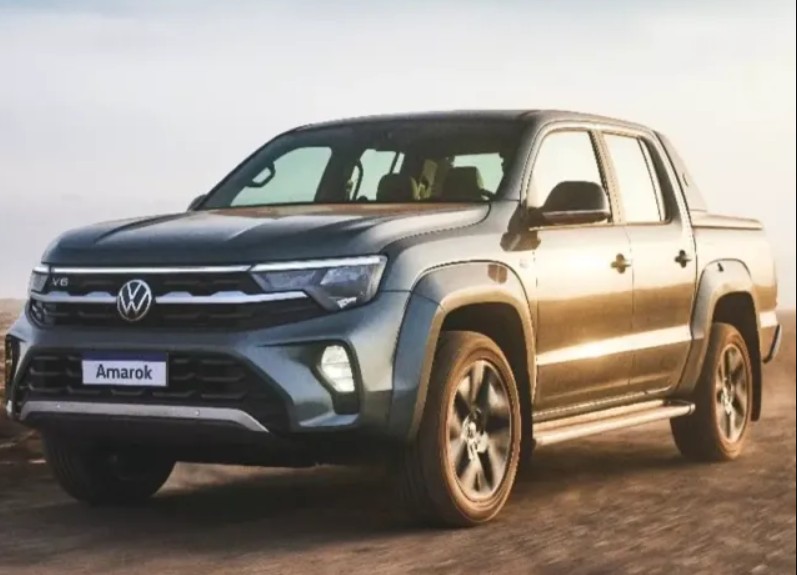
The Volkswagen Amarok has always been a slightly different creature in the pickup world. While rivals often lean heavily into their agricultural or work-truck roots, the Amarok has traditionally mixed utility with the road manners and cabin feel we expect from a Volkswagen. That makes it attractive, but it also raises an obvious question for anyone considering a used or new example: how good is Volkswagen Amarok reliability?
The short answer is encouraging, with a few important conditions. A properly maintained Amarok can be a dependable, long-lasting pickup, particularly when servicing has been carried out on schedule and the vehicle has not spent its entire life towing huge trailers, crawling through mud, or being treated like construction equipment.
However, the Amarok isn't the sort of vehicle we would buy blindly.
Diesel emissions equipment, automatic transmissions, cooling components, electronics, turbocharging hardware, and previous-owner neglect can turn an apparently inexpensive Amarok into an expensive project.
So rather than simply saying the Amarok is reliable or unreliable, we need to look underneath the surface.
Content in this publication
- Is the Volkswagen Amarok Reliable?
- Volkswagen Amarok Reliability by Generation
- How Reliable Is the Amarok Diesel Engine?
- Volkswagen Amarok V6 Reliability
- Amarok Automatic Transmission Reliability
- Manual Amarok Reliability
- Volkswagen Amarok DPF Reliability
- EGR Problems and Amarok Reliability
- Turbocharger Reliability
- Cooling-System Reliability
- Amarok 4Motion Reliability
- Electrical Reliability
- Suspension and Steering Reliability
- Does Towing Affect Volkswagen Amarok Reliability?
- How Long Can a Volkswagen Amarok Last?
- What Mileage Is Too High for a Used Amarok?
- Volkswagen Amarok Reliability Compared With Toyota Hilux
- Volkswagen Amarok Reliability Compared With Ford Ranger
- Are Amaroks Expensive to Maintain?
- Most Important Things to Check Before Buying an Amarok
- Should We Avoid Modified Amaroks?
- Is a High-Mileage Amarok Worth Buying?
- Best Habits for Improving Amarok Reliability
- Who Should Buy a Volkswagen Amarok?
- Who Should Think Twice About Buying One?
- Is Volkswagen Amarok Reliability Good Enough for Daily Driving?
- Used Amarok Reliability: Condition Beats Reputation
- Final Verdict: Is the Volkswagen Amarok Reliable?
- Frequently Asked Questions About Volkswagen Amarok Reliability
Is the Volkswagen Amarok Reliable?
Overall, we'd describe Volkswagen Amarok reliability as good rather than bulletproof.
That distinction matters.
The Amarok has proven that it can handle serious mileage, demanding commercial use, towing, and long-distance driving. Plenty of examples remain on the road well beyond the mileage at which many buyers start getting nervous.
But reliability depends heavily on maintenance.
Think of the Amarok like a high-quality pair of hiking boots. Look after them and they'll carry you through countless adventures. Ignore maintenance, abuse them every weekend, and eventually the seams start coming apart.
Diesel Amaroks in particular benefit from regular servicing, correct fluids, proper warm-up and cool-down habits, and enough longer-distance driving to allow their emissions systems to operate normally.
When shopping used, service history matters almost as much as mileage.
A 160,000-km Amarok with meticulous maintenance may be a considerably safer purchase than a neglected 90,000-km truck with missing records.
Volkswagen Amarok Reliability by Generation
Reliability isn't exactly the same across every Amarok because there are two substantially different generations.
First-Generation Amarok
The original Amarok arrived in global markets around the beginning of the 2010s and remained available for more than a decade in various regions.
These vehicles were true Volkswagen-developed Amaroks and were offered with several diesel configurations depending on market and model year.
They're now common on the used market, which means buyers have a large pool of vehicles to choose from.
The downside?
Age is starting to become just as important as design reliability.
Rubber hoses deteriorate. Suspension bushes wear. Sensors fail. Batteries weaken. Cooling systems need attention. A pickup that has spent years towing might also have considerably more drivetrain wear than its odometer suggests.
Second-Generation Amarok
The newer Amarok represents a major change.
Volkswagen developed this generation in partnership with Ford, with the Amarok sharing significant engineering with the Ford Ranger.
That's neither automatically good nor bad.
In fact, shared engineering can be useful because major mechanical components are used across a large number of vehicles. It can also improve parts availability and expand the pool of technicians familiar with the platform.
However, long-term reliability takes years to establish.
The newest Amarok simply hasn't accumulated the same decade-plus history as first-generation models.
How Reliable Is the Amarok Diesel Engine?
Diesel engines are one of the Amarok's biggest attractions.
They provide the low-end torque drivers want for towing, hauling, off-road use, and long-distance driving.
But modern diesel engines are complicated machines.
Four-Cylinder Diesel Reliability
Earlier Amaroks were widely associated with four-cylinder turbo-diesel engines.
When properly maintained, these engines can cover substantial distances.
The biggest concern isn't normally whether a diesel engine can survive high mileage. It's whether all the systems attached to it can survive high mileage without expensive intervention.
These can include:
- Turbochargers
- Diesel particulate filters
- Exhaust gas recirculation systems
- Fuel injectors
- Sensors
- Cooling components
- High-pressure fuel-system parts
- Intake components
None automatically means the Amarok is unreliable.
They're simply parts of modern diesel ownership.
Maintenance Matters More Than Engine Reputation
We wouldn't judge an Amarok diesel purely from online horror stories.
Instead, we'd examine how the specific truck has been maintained.
A complete service record is gold.
Oil that's been changed consistently with the correct specification can make an enormous difference to turbocharger and engine longevity.
Volkswagen Amarok V6 Reliability
The V6 Amarok has earned a particularly enthusiastic following.
It's easy to understand why.
A strong diesel V6 transforms the character of the pickup. Acceleration feels effortless, highway overtaking becomes easier, and towing feels less like asking the engine to drag a refrigerator uphill.
From a reliability perspective, the V6 can also provide long service when maintained correctly.
But more performance doesn't eliminate maintenance costs.
A V6 Amarok may be extremely appealing, yet buyers should budget realistically for servicing and wear items.
Is the V6 Amarok Better Than the Four-Cylinder?
Not necessarily in every situation.
A V6 provides excellent performance and refinement, but buyers primarily concerned with running costs may prefer a simpler or less powerful configuration where available.
Meanwhile, buyers towing regularly may appreciate the stronger engine enough to justify its potentially higher operating expenses.
Reliability isn't just about what breaks.
It's also about whether maintenance costs fit comfortably within our budget.
Amarok Automatic Transmission Reliability
Automatic transmissions deserve special attention when assessing a used Amarok.
A healthy automatic should shift smoothly and predictably.
Hard engagement, hesitation, flaring between gears, shuddering, or unpredictable shifting deserves investigation before purchase.
Don't assume a rough gearbox merely "needs a service."
Sometimes it does.
Sometimes there's a considerably more expensive story underneath.
Transmission Maintenance Shouldn't Be Ignored
Transmission fluid lives a difficult life.
It deals with heat, pressure, friction, towing loads, and thousands upon thousands of gear changes.
For pickups used for towing or commercial work, those stresses increase significantly.
That's why transmission history matters.
If we were buying a high-mileage automatic Amarok, we'd want to know whether drivetrain servicing had been taken seriously rather than ignored until something started behaving strangely.
Manual Amarok Reliability
Manual-transmission Amaroks introduce a different set of considerations.
The gearbox itself can be durable, but clutch wear depends heavily on use.
An Amarok that's spent years pulling heavy equipment through traffic can wear a clutch much faster than an identical truck used mainly for highway journeys.
A high clutch bite point, slipping under acceleration, vibration, or unusual noises deserve attention.
Don't Forget the Dual-Mass Flywheel
On many modern diesel vehicles, clutch replacement may involve more than replacing one friction plate.
Dual-mass flywheel wear can add considerably to the cost.
Again, this doesn't mean manual Amaroks should be avoided.
It simply means we shouldn't mistake mechanical simplicity for zero maintenance.
Volkswagen Amarok DPF Reliability
The diesel particulate filter, or DPF, can become one of the most discussed components on modern diesel vehicles.
Its job is to capture soot and periodically burn it away.
That process works best when the vehicle gets suitable operating conditions.
Constant short journeys can make life harder for the system.
Imagine trying to bake a cake while someone switches the oven off every five minutes. Eventually, the process doesn't work properly.
The same general principle applies to DPF regeneration.
Who Should Be Most Concerned About DPF Issues?
Drivers who mainly make short urban trips should think carefully before buying any modern diesel pickup.
The Amarok makes far more sense for people who regularly drive:
- Longer highway journeys
- Intercity routes
- Rural roads
- Work trips covering meaningful distances
- Towing journeys
Diesels generally prefer being allowed to reach proper operating temperature.
EGR Problems and Amarok Reliability
Exhaust gas recirculation systems help modern diesel engines meet emissions requirements.
Over time, soot and carbon contamination can affect EGR-related components.
Symptoms can include reduced performance, warning lights, rough operation, or increased fuel consumption.
However, it's important not to diagnose every diesel warning light as an EGR failure.
Modern vehicles rely on interconnected sensors and control systems.
You may be interested in reading Mazda 6 Cons: The Downsides You Should Know Before Buying
Proper diagnostics beats guesswork every time.
Turbocharger Reliability
The turbocharger is another component buyers naturally worry about.
A turbo spins at extremely high speed while dealing with tremendous heat.
Quality oil is its lifeblood.
Long intervals between oil changes, incorrect oil, or poor maintenance can shorten turbo life.
Signs Worth Investigating
We would pay attention to:
- Unusual whistling noises
- Blue or excessive exhaust smoke
- Sudden loss of power
- Oil consumption
- Boost-related warning lights
- Limp-mode episodes
None of these automatically proves the turbo itself has failed, but all deserve diagnosis.
Cooling-System Reliability
Heat is the silent enemy of engines.
Cooling-system maintenance can therefore have a huge influence on long-term Volkswagen Amarok reliability.
As Amaroks age, hoses, thermostats, pumps, radiators, coolant connections, and related components deserve inspection.
A small coolant leak can become an expensive problem if ignored.
Never Ignore Temperature Warnings
If the temperature gauge behaves unusually or the truck repeatedly loses coolant, we shouldn't continue driving and hope the problem disappears.
Engines rarely negotiate.
Overheating can convert a manageable repair into a disastrous bill remarkably quickly.
Amarok 4Motion Reliability
Volkswagen's 4Motion system is one reason the Amarok appeals to drivers who venture beyond pavement.
Depending on the model, market, and generation, the exact drivetrain configuration varies.
In general, four-wheel-drive hardware can be dependable when maintained properly.
But off-road use introduces additional wear.
Water crossings, mud, rocks, deep sand, and towing place stress on:
- Differentials
- Driveshafts
- CV joints
- Wheel bearings
- Transfer-case components
- Suspension
- Underbody protection
A pristine-looking cabin doesn't necessarily mean the drivetrain has had an easy life.
Inspect the Underside
When buying used, get underneath the truck.
Scraped protection plates, bent brackets, fresh underbody paint, damaged suspension components, oil leaks, or accumulated mud can reveal more than polished bodywork ever will.
Electrical Reliability
Modern Amaroks contain far more electronics than old-school pickups.
That brings convenience, safety, entertainment, and better engine management.
It also means there are more sensors and control modules that can generate warnings.
Occasional electrical issues aren't unique to Volkswagen.
They affect virtually every modern pickup.
Still, when inspecting an Amarok we should operate absolutely everything.
Try the windows.
Test the infotainment.
Check climate control.
Activate parking sensors.
Test cameras.
Use every steering-wheel button.
Lock and unlock every door.
Check every exterior light.
A ten-minute inspection can uncover irritating problems that a test drive alone might miss.
Suspension and Steering Reliability
Pickups live hard lives.
Even a mechanically excellent Amarok will eventually require suspension components as mileage accumulates.
Bushings, shocks, ball joints, wheel bearings, tie-rod ends, and related components are wear items.
The rate at which they deteriorate depends strongly on where the vehicle has been driven.
A pickup used on smooth highways could feel tight after years of use.
Another with similar mileage that's spent its life on corrugated rural roads may feel like a shopping trolley rolling down stairs.
Listen During the Test Drive
Drive over uneven surfaces at low speed.
Listen for knocking.
Notice steering play.
Check whether the vehicle pulls sideways.
Feel for vibration through the steering wheel.
A quiet test drive is often more informative than a loud conversation with the salesperson.
Does Towing Affect Volkswagen Amarok Reliability?
Absolutely.
The Amarok is designed to tow, but towing still creates additional mechanical stress.
The engine works harder.
Transmission temperatures increase.
Brakes work harder.
Suspension carries more load.
Cooling demand rises.
That's normal.
The question isn't whether the vehicle has towed.
It's how it was used and maintained while towing.
An experienced owner who serviced the truck carefully may have caused less wear than someone who repeatedly overloaded it and ignored maintenance.
How Long Can a Volkswagen Amarok Last?
There's no magical expiration mileage.
A vehicle doesn't reach a particular odometer reading and suddenly turn into a pumpkin.
Maintenance history, climate, driving conditions, towing, off-road use, fuel quality, accident history, and ownership habits all influence longevity.
Well-maintained Amaroks can remain useful long after crossing conventional used-car mileage thresholds.
But high mileage should change how we evaluate the purchase.
We need to look beyond the engine.
At higher mileage, buyers should expect gradual replacement of components such as:
- Suspension parts
- Engine mounts
- Batteries
- Wheel bearings
- Cooling-system parts
- Belts and tensioners
- Sensors
- Brake components
- Driveline components
- Emissions-system hardware
A long-lasting vehicle still needs parts.
Reliability doesn't mean immortality.
What Mileage Is Too High for a Used Amarok?
There isn't one universal number.
We would rather buy a thoroughly documented high-mileage Amarok than a low-mileage example with suspicious history.
Mileage only tells us how far the truck travelled.
It doesn't tell us how it travelled.
A pickup covering long motorway journeys may accumulate mileage gently.
Meanwhile, a low-mileage farm vehicle could spend years idling, towing, crawling across rough terrain, and driving through mud.
Service History Changes Everything
Look for evidence of consistent servicing rather than vague promises.
Receipts are better than verbal assurances.
A stamped book is useful.
Detailed invoices are even better.
They can reveal exactly what has been replaced and when.
Volkswagen Amarok Reliability Compared With Toyota Hilux
This comparison inevitably appears because the Toyota Hilux has an enormous reputation for durability.
The Hilux traditionally attracts buyers prioritizing ruggedness, straightforward ownership, and proven commercial use.
The Amarok often appeals to someone wanting a more refined driving experience without giving up serious pickup capability.
You may be interested in readingMazda 6 Cons: The Downsides You Should Know Before BuyingYou may be interested in reading
 Ram 1500 Reliability: How Dependable Is This Full-Size Truck?
Would we automatically claim an Amarok is more reliable than a Hilux?
No.
But neither should we assume every Hilux is dependable and every Amarok is complicated.
Condition matters.
History matters.
Previous owners matter.
A carefully maintained Amarok can easily be a smarter purchase than an abused rival wearing a supposedly indestructible badge.
Volkswagen Amarok Reliability Compared With Ford Ranger
This comparison has become particularly interesting because newer Amarok and Ranger models share substantial engineering.
Historically, though, they were distinct pickups.
Used buyers comparing older models should therefore evaluate each truck individually rather than assuming today's relationship existed across every generation.
For newer vehicles, shared architecture means reliability experiences between Ranger and Amarok may increasingly overlap.
Even so, equipment specifications, calibration, warranty arrangements, servicing networks, and ownership experiences can still differ.
Are Amaroks Expensive to Maintain?
They can be more expensive than a basic economy car, but that should hardly surprise anyone.
This is a large, sophisticated pickup, often fitted with diesel engines, four-wheel drive, turbocharging, advanced electronics, and substantial towing capability.
Those components don't maintain themselves for the price of a sandwich.
Regular maintenance is usually cheaper than delayed maintenance.
That's the central rule.
Ignoring a small oil leak because we're trying to save money can eventually create a much larger repair.
Skipping servicing rarely makes ownership cheaper in the long run.
Most Important Things to Check Before Buying an Amarok
A pre-purchase inspection is one of the smartest investments we can make when considering a used pickup.
Have an independent mechanic inspect the vehicle, ideally someone familiar with diesel Volkswagens or modern pickups.
We would focus particularly on the following:
- Complete service history: Verify dates, mileage, fluids, and major repairs.
- Cold starting: Ask to see the vehicle before the engine has been warmed up.
- Engine noise: Listen for unusual rattles, knocking, or inconsistent idle.
- Exhaust smoke: Investigate excessive or unusual smoke.
- Coolant condition: Check for leaks or signs of overheating.
- Transmission behaviour: Gear changes should feel consistent.
- Four-wheel-drive operation: Confirm the system works correctly.
- Warning lights: Don't accept explanations without proper diagnostics.
- Tyre wear: Uneven wear can reveal suspension or alignment problems.
- Undercarriage: Look for off-road damage, leaks, rust, or poor repairs.
- Electronics: Test every switch and convenience feature.
- Towing equipment: Heavy-duty modifications may indicate a demanding previous life.
- Accident repairs: Inspect paint consistency, panel gaps, and chassis condition.
- Diagnostic scan: Modern electronic faults may be stored even when no warning light currently appears.
- Road test: Drive long enough to reach operating temperature.
Should We Avoid Modified Amaroks?
Not automatically.
Some Amarok owners fit excellent aftermarket equipment professionally.
Others turn their trucks into rolling experiments.
Suspension lifts, engine tuning, oversized tyres, intake modifications, exhaust changes, aggressive ECU remaps, and towing upgrades can all alter how the vehicle operates.
The problem isn't modification itself.
It's uncertainty.
Who installed it?
Were reputable parts used?
Was the calibration appropriate?
Were supporting components upgraded?
Was the truck driven harder after modification?
A standard, documented Amarok usually gives us fewer unknowns.
Is a High-Mileage Amarok Worth Buying?
Potentially, yes.
Depreciation can make high-mileage Amaroks attractive.
The trick is understanding what we're buying.
A cheaper purchase price doesn't necessarily mean cheaper ownership.
If several expensive components are approaching the end of their service lives, that bargain can disappear quickly.
That's why we should calculate total ownership cost rather than staring only at the advertised price.
Sometimes paying more for the cleaner truck is actually the economical decision.
Best Habits for Improving Amarok Reliability
Owners have significant influence over long-term reliability.
Good habits aren't glamorous, but neither is waiting for a recovery truck beside the motorway.
To give an Amarok the best possible chance of a long life, we should:
- Follow the correct service schedule
- Use appropriate engine oil and fluids
- Don't ignore dashboard warnings
- Investigate coolant loss immediately
- Maintain the transmission appropriately
- Give diesel engines regular longer journeys
- Avoid repeatedly exceeding towing or payload limits
- Allow mechanical components to warm properly
- Check tyre pressures regularly
- Inspect suspension after severe off-road driving
- Keep records of every service and repair
Consistency wins.
Reliability is usually built through hundreds of boring maintenance decisions rather than one miraculous repair.
Who Should Buy a Volkswagen Amarok?
The Amarok makes particular sense for someone who wants a pickup that can work during the week without feeling painfully agricultural during everyday driving.
It's appealing for drivers who:
- Tow regularly
- Cover long distances
- Need a practical dual-purpose vehicle
- Want stronger road manners than traditional work trucks
- Appreciate diesel torque
- Need four-wheel-drive capability
- Are prepared to maintain the vehicle correctly
It might be less suitable for someone who wants the absolute cheapest maintenance possible or only drives tiny distances around town.
Who Should Think Twice About Buying One?
We would hesitate if the vehicle:
- Has no meaningful service records
- Displays multiple warning lights
- Has evidence of overheating
- Shifts badly
- Has questionable engine modifications
- Shows signs of extreme off-road abuse
- Has suspiciously fresh underbody repairs
- Loses coolant
- Produces unusual smoke
- Has unexplained electrical problems
One minor defect isn't necessarily a deal-breaker.
Several unrelated problems are different.
When a used vehicle starts waving multiple red flags, we don't need to collect them all.
Is Volkswagen Amarok Reliability Good Enough for Daily Driving?
Yes.
An Amarok in good condition can work perfectly well as a daily driver.
In fact, its blend of pickup capability and relatively civilized road behaviour is one of the reasons it became popular.
The bigger issue is whether a large diesel pickup fits our actual lifestyle.
If we're commuting two kilometres through dense city traffic every day and never towing anything, we're probably not using the Amarok where it makes the most sense.
If we regularly travel longer distances, haul equipment, tow trailers, or need a versatile family-and-work vehicle, the equation changes dramatically.
Used Amarok Reliability: Condition Beats Reputation
This is perhaps the most important point in the entire discussion.
Online reliability ratings can help.
Owner forums can help.
Mechanical reviews can help.
But we're not purchasing an average Amarok.
We're purchasing one specific truck.
That individual vehicle could have enjoyed meticulous maintenance since new.
Or it could have spent years towing at maximum load while its previous owner treated oil changes as optional suggestions.
That's why physical inspection and documentation matter more than brand mythology.
Final Verdict: Is the Volkswagen Amarok Reliable?
So, where does that leave us?
Volkswagen Amarok reliability is generally strong enough to make the pickup a serious option for both personal and professional use, but ownership rewards preventative maintenance.
The Amarok isn't a primitive machine that can be neglected indefinitely.
Modern diesel technology, turbocharging, emissions systems, four-wheel-drive hardware, sophisticated transmissions, and electronics mean maintenance needs to be taken seriously.
The encouraging part is that a well-kept Amarok can deliver years of useful service.
If we're buying used, the formula is simple: prioritize condition, servicing, sensible previous ownership, and professional inspection.
Don't chase the lowest mileage.
Don't chase the lowest price.
Chase the best history.
A properly maintained Amarok can be like a dependable work partner—strong, capable, comfortable, and ready when needed. A neglected one can resemble a discounted luxury watch filled with sand: attractive from a distance, but potentially expensive once we discover what's happening inside.
Frequently Asked Questions About Volkswagen Amarok Reliability
1. Are Volkswagen Amaroks reliable at high mileage?
Yes, an Amarok can remain reliable at high mileage when it has been serviced properly. At higher mileage, however, buyers should expect more age-related maintenance involving suspension, cooling, drivetrain, emissions, and electrical components. Service history becomes increasingly important as mileage rises.
2. Is the Volkswagen Amarok V6 reliable?
The Amarok V6 can provide excellent durability when maintained correctly. Regular oil changes, cooling-system maintenance, proper drivetrain servicing, and quick attention to warning signs are important. We would prioritize a documented V6 over a cheaper truck with uncertain maintenance history.
3. What are the biggest reliability concerns on a used Amarok?
Potential concerns include neglected servicing, diesel emissions-system faults, turbo-related problems, cooling-system issues, drivetrain wear, transmission behaviour, electrical faults, and damage caused by hard towing or off-road use. The exact risks vary by engine, model year, mileage, and previous use.
4. Is a Volkswagen Amarok more reliable than a Ford Ranger?
There isn't a universal winner because reliability depends on generation, engine, maintenance, and previous use. Newer Amarok and Ranger models share significant engineering, while older generations were more mechanically distinct. When buying used, condition and service history should carry more weight than the badge.
5. Is a used Volkswagen Amarok worth buying?
Yes, a used Amarok can be an excellent purchase when it has complete maintenance records, drives properly, shows no major warning signs, and passes an independent inspection. We'd avoid poorly documented examples simply because they're cheaper. Spending more on a healthy truck can save far more later.
You may be interested in readingMazda 6 Cons: The Downsides You Should Know Before BuyingYou may be interested in reading
Ram 1500 Reliability: How Dependable Is This Full-Size Truck?You may be interested in reading
Is Mazda 6 a Good Car? A Complete Owner-Focused GuideIf you want to know other articles similar to Volkswagen Amarok Reliability: How Dependable Is This Pickup? you can visit the category Blog.
Honda Passport Life Expectancy: How Many Miles Can It Last?
Honda Passport Depreciation: How Well Does It Hold Its Value?
Nissan Rogue Reliability Rating: How Reliable Is the Rogue?
Nissan Rogue Life Expectancy: How Long Does It Last?
Vauxhall Agila Reliability: Common Problems, Best Engines and What to Check
Vauxhall Agila Insurance Group UK: Complete Guide to Insurance Costs
Leave a Reply
More content of your interest