

Volkswagen Up Pollen Filter Replacement: The Complete DIY Guide for Fresh Cabin Air

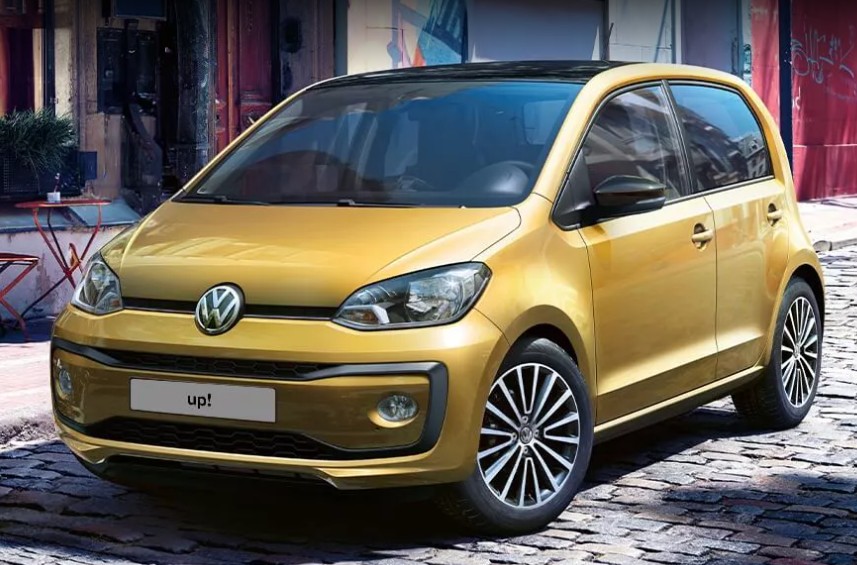
Let’s be honest—there’s nothing worse than switching on your air vents and getting a dusty, stale blast instead of clean, crisp air. If you drive a Volkswagen Up, chances are the culprit is hiding in plain sight: the humble pollen filter.
This tiny component works silently behind the scenes, filtering out dust, pollen, pollutants, and even odors. But like any hardworking hero, it eventually gets tired. And when it does, your driving experience suffers.
So, how do we bring that fresh-air feeling back? Stick with me—we’re diving deep into everything you need to know about Volkswagen Up pollen filter replacement.
Content in this publication
- Why the Pollen Filter Matters More Than You Think
- Signs Your Volkswagen Up Needs a Pollen Filter Replacement
- How Often Should You Replace the Pollen Filter?
- Where Is the Pollen Filter Located in a Volkswagen Up?
- Tools You’ll Need for the Job
- Step-by-Step Volkswagen Up Pollen Filter Replacement
- Choosing the Right Pollen Filter
- Common Mistakes to Avoid
- DIY vs. Professional Replacement
- Cost of Volkswagen Up Pollen Filter Replacement
- Benefits of Regular Replacement
- How to Extend the Life of Your Pollen Filter
- Environmental Impact of Used Filters
- Is It Safe to Drive with a Dirty Pollen Filter?
- Final Thoughts: A Small Change That Makes a Big Difference
- FAQs About Volkswagen Up Pollen Filter Replacement
Why the Pollen Filter Matters More Than You Think
A Breath of Fresh Air—Literally
The pollen filter (also known as the cabin air filter) is responsible for:
- Trapping airborne particles like pollen and dust
- Filtering harmful pollutants from outside air
- Keeping your cabin air clean and breathable
Think of it as the lungs of your car. When it’s clogged, everything feels… heavier.
A dirty filter doesn’t just affect airflow—it can:
- Trigger allergies
- Create unpleasant odors
- Reduce HVAC efficiency
- Increase fogging on windows
So yes, replacing it is more than maintenance—it’s self-care on wheels.
Signs Your Volkswagen Up Needs a Pollen Filter Replacement
1. Weak Airflow from Vents
If your fan is working overtime but barely pushing air, your filter could be blocked.
2. Unpleasant Odors Inside the Cabin
Musty smells are often caused by trapped moisture and debris.
3. Increased Allergy Symptoms
Sneezing more than usual while driving? Your filter might be the culprit.
4. Noisy Fan Operation
A clogged filter forces the fan to work harder—leading to unusual sounds.
How Often Should You Replace the Pollen Filter?
General Rule of Thumb
Most experts recommend replacing the pollen filter every:
- 12,000 to 15,000 miles, or
- Once a year
But Let’s Be Real… It Depends
Driving conditions matter:
- Dusty roads → Replace sooner
- Urban pollution → Replace more frequently
- Allergy season → Don’t delay
If you live in a busy city or drive daily, yearly replacement is a safe bet.
Where Is the Pollen Filter Located in a Volkswagen Up?

Behind the Glove Box Area
In most Volkswagen Up models, the pollen filter is located:
- Behind or beneath the glove box
- Inside the HVAC housing
- Accessible without special tools
It’s one of the easier DIY maintenance tasks—no mechanic needed.
Tools You’ll Need for the Job
Keep It Simple
You won’t need a full toolbox. Just grab:
- A new pollen filter (specific to your Up model)
- A flathead screwdriver (optional)
- A clean cloth or vacuum
That’s it. Seriously.
Step-by-Step Volkswagen Up Pollen Filter Replacement
Step 1: Prepare the Workspace
- Turn off the engine
- Open the passenger door
- Empty the glove box
Step 2: Access the Filter Compartment
- Locate the panel behind or under the glove box
- Remove clips or gently pry open the cover
Step 3: Remove the Old Filter
- Slide the filter out carefully
- Note the airflow direction (usually marked with arrows)
Step 4: Clean the Area
- Use a cloth or vacuum to remove debris
- Avoid pushing dirt deeper into the system
Step 5: Install the New Filter
- Insert the new filter in the correct orientation
- Ensure a snug fit
Step 6: Reassemble Everything
- Replace the cover
- Close the glove box
Done. Just like that—you’ve upgraded your air quality.
Choosing the Right Pollen Filter
Standard vs. Activated Carbon Filters
Not all filters are created equal:
- Standard filters → Trap dust and pollen
- Activated carbon filters → Also remove odors and gases
If you drive in urban areas, go for carbon—it’s worth it.
Common Mistakes to Avoid
Installing the Filter Backwards
Airflow direction matters. Always follow the arrows.
Skipping the Cleaning Step
Leaving debris behind defeats the purpose.
Using the Wrong Filter Size
Always double-check compatibility with your Up model year.
DIY vs. Professional Replacement
DIY Advantages
- Saves money
- Takes 10–15 minutes
- No special skills required
When to Call a Professional
- If access is restricted
- If clips or panels are damaged
- If you’re unsure about installation
But honestly? Most drivers can handle this.
Cost of Volkswagen Up Pollen Filter Replacement
DIY Costs
- Filter: $10–$30
- Total: Minimal
Professional Service
- Labor + filter: $40–$100
Why pay more for something so simple?
Benefits of Regular Replacement
Improved Air Quality
You’ll notice the difference immediately.
Better HVAC Performance
Your system won’t have to work as hard.
Enhanced Driving Comfort
Fresh air = better mood = better drives.
How to Extend the Life of Your Pollen Filter
Smart Driving Habits
- Avoid dusty roads when possible
- Use recirculation mode in heavy traffic
Regular Maintenance Checks
- Inspect every 6 months
- Replace before peak allergy seasons
Environmental Impact of Used Filters
Dispose Responsibly
Used filters contain pollutants. Always:
- Dispose at a recycling center
- Avoid burning or dumping
Small actions, big impact.
Is It Safe to Drive with a Dirty Pollen Filter?
Short Answer: Yes… But Not Ideal
While it won’t damage your engine, it can:
- Reduce comfort
- Affect health
- Strain your HVAC system
So why wait?
Final Thoughts: A Small Change That Makes a Big Difference
Replacing the pollen filter in your Volkswagen Up is one of those rare tasks that’s quick, cheap, and incredibly rewarding.
It’s like opening a window on a crisp morning—but without the noise, dust, or chaos outside.
So next time your car feels a little stuffy, don’t ignore it. Pop open that glove box, swap the filter, and breathe easy again.
FAQs About Volkswagen Up Pollen Filter Replacement
1. Can I drive without a pollen filter?
Technically yes, but it exposes your cabin to dust and pollutants.
2. How long does replacement take?
Usually 10–15 minutes for most drivers.
3. Are expensive filters better?
Activated carbon filters offer better protection but cost slightly more.
4. Does a dirty filter affect fuel economy?
Indirectly, yes—your HVAC system works harder, increasing load.
5. Can I clean instead of replacing it?
Not recommended. Replacement ensures proper filtration.
If you want to know other articles similar to Volkswagen Up Pollen Filter Replacement: The Complete DIY Guide for Fresh Cabin Air you can visit the category Service and Parts.
Kia Sorento Service Reset: How to Reset the Service Light
Kia Sorento Fuel Tank Capacity: Gallons, Litres and Model Differences
Kia Sorento Tyre Pressure: Recommended PSI, Bar and Complete Guide
Kia Sorento Boot Space: How Much Luggage Space Does It Really Have?
Kia Sorento Towing Capacity: How Much Can a Sorento Tow?

Honda Passport Payload Capacity: How Much Weight Can It Carry?
Leave a Reply
More content of your interest