
Volvo XC90 or BMW X7: Which Luxury SUV Should You Buy?

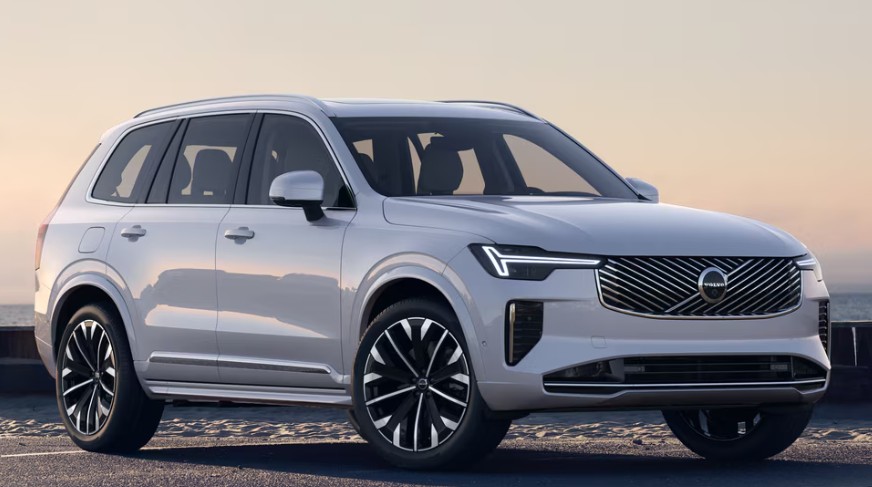
Choosing between the Volvo XC90 or BMW X7 is a little like deciding whether we want to spend the weekend in a stylish Scandinavian cabin or a five-star German hotel. Both feel luxurious, both can carry the family, and both make ordinary journeys feel considerably more special. Yet they achieve those things in very different ways.
The Volvo XC90 is elegant without shouting about it. Its cabin feels calm, restrained, and deliberately uncluttered. The BMW X7 takes another route. It is bigger, more imposing, more performance-focused, and noticeably more theatrical inside.
So, which one actually deserves a place in our driveway?
For most buyers, the answer comes down to priorities rather than simply asking which SUV is "better." The XC90 makes enormous sense for families who value sophisticated design, sensible dimensions, comfort, and understated luxury. The X7 appeals more strongly when we want maximum space, stronger performance, a commanding road presence, and an interior that feels genuinely flagship-level.
Let's break down the Volvo XC90 vs BMW X7 comparison properly.
Content in this publication
- Volvo XC90 vs BMW X7 at a Glance
- Which Is Bigger: Volvo XC90 or BMW X7?
- Exterior Design: Scandinavian Restraint vs German Presence
- Interior Quality: Volvo XC90 or BMW X7?
- Volvo XC90 vs BMW X7 Seating Capacity
- Cargo Space and Everyday Practicality
- Driving Experience: Comfortable Cruiser or Luxury Performance SUV?
- Performance: BMW X7 Takes the Lead
- Volvo XC90 Plug-In Hybrid vs BMW X7
- Ride Comfort: Which SUV Is Better for Long Journeys?
- Technology and Infotainment
- Safety: The Volvo Reputation Still Matters
- Fuel Economy and Running Costs
- Reliability: Volvo XC90 or BMW X7?
- Maintenance Costs: Which Is Cheaper to Own?
- Volvo XC90 vs BMW X7 for Families
- City Driving and Parking
- Motorway Driving
- Towing: Volvo XC90 or BMW X7?
- Off-Road Capability
- Luxury and Prestige
- Volvo XC90 or BMW X7 for Value?
- Volvo XC90 vs BMW X7: Pros and Cons
- Who Should Buy the Volvo XC90?
- Who Should Buy the BMW X7?
- Should You Buy a Volvo XC90 or BMW X7 Used?
- Volvo XC90 or BMW X7: Which One Would We Choose?
- Final Verdict: Volvo XC90 or BMW X7?
- Frequently Asked Questions
Volvo XC90 vs BMW X7 at a Glance
At first glance, these two SUVs seem like natural rivals. Both come from premium European manufacturers, both offer three rows of seating, and both sit near the top of their respective brands' SUV families.
Look more closely, though, and an important difference appears.
The XC90 is essentially Volvo's sophisticated large family SUV. The BMW X7 is closer to a luxury flagship that happens to have an SUV body.
That distinction influences nearly everything.
The XC90 generally feels easier to maneuver and less intimidating in everyday life. The X7 provides a greater sense of occasion, additional interior space, and stronger performance potential.
A simple way to think about them is this:
- Choose the Volvo XC90 if we prioritize elegant design, comfortable family transport, manageable dimensions, and understated luxury.
- Choose the BMW X7 if we prioritize cabin space, performance, road presence, technology, and flagship-level luxury.
Neither philosophy is wrong. They simply target slightly different buyers.
Which Is Bigger: Volvo XC90 or BMW X7?
The BMW X7 is the larger SUV, and that difference becomes obvious when the vehicles are parked beside one another.
The X7 has the proportions of a genuine full-size luxury SUV. Its long body, broad stance, and tall profile make it look substantial even before we climb inside.
The XC90 is large enough for three-row family duties but doesn't feel quite as enormous.
Why Size Matters in Everyday Driving
Bigger sounds better on paper, but there is another side to the story.
An enormous SUV can become frustrating when we're squeezing into underground parking garages, navigating old city streets, or trying to park outside a crowded supermarket.
The XC90's somewhat more manageable footprint can therefore be an advantage rather than a compromise.
The X7, meanwhile, rewards its larger dimensions with additional passenger space and a greater feeling of openness.
The Real Question Isn't Simply Which Is Bigger
Instead, we should ask ourselves:
Do we actually need maximum interior volume?
If we're regularly carrying six or seven people, the X7's larger body becomes genuinely useful. If the third row is mainly for occasional school runs or visiting relatives, the XC90 may give us all the space we realistically need without feeling like we're piloting a small yacht.
Few comparisons demonstrate two different approaches to luxury quite as clearly as the Volvo XC90 or BMW X7.
The Volvo follows Scandinavian design principles. The body is clean, sophisticated, and relatively restrained. It doesn't need twenty styling tricks fighting for attention.
Its recognizable lighting signature, upright proportions, and subtle detailing give it personality without making it excessively aggressive.
The BMW X7 doesn't really understand the concept of arriving quietly.
It's bold.
It's wide.
It's imposing.
And yes, that oversized front-end treatment makes absolutely certain nobody mistakes it for a smaller BMW.
Which SUV Looks More Expensive?
The BMW X7 arguably has greater visual presence. Pull up outside a luxury hotel and it looks completely at home.
But presence and beauty aren't necessarily the same thing.
We suspect many buyers will find the XC90's simpler styling ages more gracefully. Instead of chasing visual drama, Volvo relies on proportions and carefully considered details.
The X7 says, "We've arrived."
The XC90 quietly suggests, "We don't need to announce it."
Which attitude sounds more like us?
Interior Quality: Volvo XC90 or BMW X7?
Open either driver's door and the premium positioning becomes immediately obvious.
Yet once again, the personalities couldn't be more different.
Inside the Volvo XC90
The XC90 cabin has long been one of Volvo's strongest selling points.
Rather than surrounding us with endless buttons, screens, decorative lighting, and complicated shapes, Volvo creates something closer to a carefully designed modern living room.
The dashboard is relatively minimal.
Materials generally feel tasteful rather than flashy.
Seats are designed with long-distance comfort in mind.
The overall environment feels remarkably relaxing.
It's the sort of cabin that seems to reduce our blood pressure before we've even left the driveway.
Inside the BMW X7
The BMW X7 approaches luxury with more drama.
There is more visual technology, a greater feeling of physical scale, and a stronger sense that we're sitting inside one of BMW's most expensive models.
Displays dominate the dashboard more noticeably, while trim elements and available luxury features can make the X7 feel more opulent than the Volvo.
If the XC90 resembles a Scandinavian boutique hotel, the X7 feels closer to a presidential suite.
Which Interior Is Better?
For pure richness and flagship atmosphere, we'd give the advantage to the BMW X7.
For simplicity and calming design, we'd choose the Volvo XC90.
It's less a difference in quality than philosophy.
Volvo XC90 vs BMW X7 Seating Capacity
Both SUVs can work as genuine family vehicles, but buyers who intend to use every seating position frequently should pay particularly close attention here.
The XC90 offers three-row versatility and works well when occasional extra seats are necessary.
The BMW X7's greater overall dimensions generally give passengers a more generous environment, particularly when adults occupy multiple rows.
Second-Row Comfort
Both vehicles provide a properly premium experience in the second row.
Passengers benefit from good legroom, comfortable seats, ventilation and climate options depending on specification, plus enough space to survive long road trips without turning against one another.
However, the BMW's additional cabin width and overall scale make it feel airier.
Third-Row Practicality
Here the X7's size starts paying dividends.
If we frequently carry adults or growing teenagers in the third row, the BMW deserves serious consideration.
The Volvo can handle seven-person duties, but its third row makes most sense for children, teenagers, or occasional adult use.
Best Choice for Large Families
For maximum passenger flexibility:
BMW X7 wins.
For families that only occasionally need the third row:
Volvo XC90 remains perfectly practical.
Cargo Space and Everyday Practicality
Family SUVs aren't judged merely by leather quality and horsepower. Eventually somebody is going to arrive with three suitcases, a stroller, grocery bags, sports equipment, and something enormous that apparently "will definitely fit."
This is where practical design matters.
Both vehicles allow rear seats to be folded when additional cargo capacity is required.
The X7 benefits from its greater physical size, particularly when we're carrying both passengers and luggage.
The Volvo remains versatile but can't completely disguise the fact that it occupies a smaller footprint.
Which Is Better for Road Trips?
If we're taking five people and luggage, either SUV works beautifully.
If we're taking seven people and luggage, the BMW X7 becomes more appealing.
That's the recurring theme of this comparison: the Volvo offers enough space for most situations, while the X7 offers more breathing room when we actually use every inch.
Driving Experience: Comfortable Cruiser or Luxury Performance SUV?
This category exposes one of the biggest differences between the BMW X7 and Volvo XC90.
Volvo prioritizes smoothness, refinement, and predictable behavior.
BMW places noticeably greater emphasis on performance.
How the Volvo XC90 Drives
The XC90 feels happiest when driven smoothly.
It's a comfortable motorway companion, a relaxed family transporter, and a reassuring SUV during ordinary everyday journeys.
Steering is designed more for confidence than entertainment. Likewise, suspension tuning generally prioritizes comfort rather than encouraging us to attack every corner.
And that's perfectly appropriate.
Nobody needs to set a lap record while transporting children to football practice.
How the BMW X7 Drives
The X7 performs an impressive trick.
Despite its enormous dimensions, it can feel surprisingly controlled and responsive.
BMW has decades of experience making heavy vehicles behave with more athleticism than physics initially seems willing to permit.
The steering, power delivery, and chassis tuning combine to make the X7 feel noticeably more engaging when driven quickly.
Which Is More Fun to Drive?
BMW X7.
Quite comfortably.
You may be interested in reading Volvo XC90 or Acura MDX: Which Luxury SUV Is Better?
If driving enjoyment sits near the top of our priority list, BMW has the advantage.
If we'd rather relax and watch the miles disappear quietly beneath us, the Volvo's calmer personality may suit us better.
Performance: BMW X7 Takes the Lead
Performance varies according to engine and market, but the broad difference between these SUVs is straightforward.
BMW offers the X7 with powertrains designed to provide serious acceleration despite the vehicle's size.
The XC90's powertrain strategy has increasingly emphasized electrification, efficiency, and smooth usable performance.
Does the Volvo XC90 Feel Slow?
Not necessarily.
Modern XC90 variants can deliver plenty of acceleration for normal driving, overtaking, and motorway merging.
But the distinction appears when we compare them directly.
BMW treats performance as part of the luxury experience.
Volvo treats performance more as something that should be available when required.
It's the difference between having a powerful engine because we enjoy using it and having enough power so we never need to worry about lacking it.
Volvo XC90 Plug-In Hybrid vs BMW X7
One major reason some buyers may favor the XC90 is its electrified powertrain strategy.
A plug-in-hybrid XC90 can make considerable sense for drivers who have convenient charging access and complete many short daily journeys.
We could potentially handle much of our urban commuting using electric assistance while retaining a combustion engine for longer trips.
The BMW X7 traditionally emphasizes powerful combustion-based luxury performance rather than making plug-in driving the center of its identity.
Who Should Consider the XC90 Plug-In Hybrid?
The Volvo becomes especially interesting if:
- We can charge regularly at home.
- Our weekday journeys are relatively short.
- We still want long-distance flexibility.
- Fuel consumption matters.
- We want strong performance without choosing a purely performance-oriented SUV.
Of course, a plug-in hybrid only works to its full potential when we actually charge it.
Buying one and never plugging it in is a bit like purchasing a coffee machine and only using the kettle beside it.
Ride Comfort: Which SUV Is Better for Long Journeys?
This is close.
Both vehicles were designed with long-distance comfort very much in mind.
Volvo's excellent seats deserve particular praise. The company has built a reputation around ergonomics, and the XC90 is particularly comfortable during extended journeys.
BMW counters with a more substantial luxury-car feel.
Air Suspension and Road Isolation
Depending on configuration and market, sophisticated suspension systems can transform how these SUVs deal with poor road surfaces.
The BMW X7 has the ability to glide along the motorway like a luxury limousine sitting several inches higher than normal.
The XC90 tends to feel lighter and slightly less isolated, but it remains extremely comfortable.
If absolute isolation matters most, we'd lean toward the X7.
If supportive seats and a relaxed driving environment matter just as much as suspension softness, the Volvo remains difficult to fault.
Technology and Infotainment
Technology develops quickly, which means infotainment systems can heavily influence how modern luxury vehicles feel.
BMW has invested aggressively in digital interfaces, large displays, connectivity, and configurable vehicle functions.
The X7 therefore presents itself as a high-tech flagship.
Volvo takes a cleaner approach, integrating many controls into a central digital interface.
BMW's Advantage
BMW's system can feel more comprehensive.
There are numerous menus, customization options, vehicle settings, and connected functions.
Technology enthusiasts may enjoy exploring everything it can do.
Volvo's Advantage
The Volvo's interface philosophy attempts to keep the dashboard visually simple.
That approach looks elegant, although relying heavily on touchscreen controls won't please everybody.
Sometimes we simply want a physical button rather than navigating through menus while bouncing down the motorway.
Which System Is Easier?
BMW generally offers more capability.
Volvo arguably presents less visual clutter.
We'd recommend spending at least 20 minutes using both systems during a test drive because infotainment frustration has an annoying habit of becoming more irritating with time, not less.
Safety: The Volvo Reputation Still Matters
Mention Volvo and safety inevitably enters the conversation.
The brand has spent decades building its reputation around occupant protection and collision-avoidance technology.
The XC90 therefore attracts buyers who place family safety near the top of their priority list.
But we shouldn't make the mistake of assuming the BMW X7 is somehow lacking.
Modern flagship SUVs such as the X7 also incorporate extensive driver assistance, active safety systems, structural protection, cameras, sensors, and sophisticated braking technology.
Is the Volvo XC90 Safer Than the BMW X7?
Rather than treating safety as a simple brand-versus-brand contest, it's smarter to compare the exact model year, trim, optional equipment, and independent crash-test results available where we live.
Both are fundamentally designed as premium family vehicles with extensive safety technology.
The meaningful difference is that safety forms a particularly central part of Volvo's identity.
Fuel Economy and Running Costs
Nobody buys a large luxury three-row SUV expecting economy-car running costs.
Even so, there can be meaningful differences.
The BMW X7 is larger and available with powerful engines. Fuel consumption can therefore become substantial, particularly during short urban trips.
The XC90's smaller dimensions and electrified options may make it considerably more attractive to efficiency-conscious owners.
Remember that ownership costs include more than visits to the fuel station.
We also need to consider:
- Insurance
- Tires
- Scheduled servicing
- Brake components
- Luxury-specific electronic repairs
- Depreciation
- Suspension repairs
- Extended warranty coverage
- Fuel or electricity
- Registration and taxes depending on location
Large premium SUVs tend to wear expensive tires and contain sophisticated systems.
A used luxury SUV can look like a bargain until the first major repair invoice lands on the kitchen table.
Reliability: Volvo XC90 or BMW X7?
Reliability is difficult to summarize with one universal answer because it depends heavily on the model year, powertrain, maintenance history, driving conditions, and individual vehicle.
Both SUVs contain substantial amounts of electronics and complicated mechanical systems.
That means maintenance history matters enormously when buying used.
Buying a Used Volvo XC90
We'd look for:
- Complete service records
- Evidence that software updates were completed
- Proper hybrid-system maintenance where applicable
- Smooth operation of electronic systems
- Suspension condition
- Working climate control
- No unexplained dashboard warnings
Buying a Used BMW X7
We'd inspect many of the same areas while paying particular attention to sophisticated suspension equipment, electronics, cooling systems, and maintenance documentation.
Never Buy One Solely Because the Price Looks Attractive
Luxury vehicles depreciate.
Repair costs don't necessarily depreciate with them.
A previously expensive SUV sold cheaply can still contain previously expensive components.
Always arrange a thorough pre-purchase inspection before buying a used example of either vehicle.
Maintenance Costs: Which Is Cheaper to Own?
The XC90 is likely to appeal more strongly to buyers worried about long-term operating costs.
That doesn't mean it's inexpensive.
It's still a sophisticated European luxury SUV.
However, the BMW X7 occupies a higher luxury and performance category, and that can translate into higher costs for tires, brakes, servicing, insurance, and repairs depending on specification.
The more complicated the configuration, the more important a strong warranty becomes.
Should We Buy an Extended Warranty?
For owners intending to keep either SUV well beyond its original warranty period, extended coverage can be worth investigating.
Read the exclusions carefully.
A warranty that doesn't cover expensive electronic or suspension components may be about as useful as an umbrella with holes in it.
Volvo XC90 vs BMW X7 for Families
This is where the XC90 becomes extremely persuasive.
Volvo has designed the XC90 around everyday family life without making it feel like an appliance.
It's comfortable, elegant, safe, relatively easy to maneuver for its class, and spacious enough for most households.
The BMW X7 is also an excellent family SUV—but it approaches the job differently.
It offers more room and greater luxury at the cost of requiring more space outside the vehicle too.
Choose the XC90 for Family Life If We Want
A calmer interior, easier maneuverability, sophisticated styling, occasional seven-seat capability, and potentially lower running costs.
Choose the X7 for Family Life If We Want
More generous third-row accommodation, a larger cargo area, greater passenger space, stronger performance, and more flagship luxury.
City Driving and Parking
Anyone living in a dense city should think carefully before automatically choosing the larger SUV.
The XC90 is already substantial.
The BMW X7 is bigger again.
Parking sensors, cameras, and automated assistance certainly make these vehicles easier to maneuver, but technology doesn't physically enlarge a parking space.
XC90 Makes More Sense in Tight Urban Environments
This is one category where we'd happily sacrifice a little interior space.
The Volvo simply feels easier to integrate into everyday urban life.
When we're performing a seven-point maneuver inside a crowded underground garage, nobody is thinking about how impressive their SUV looked outside the dealership.
You may be interested in readingVolvo XC90 or Acura MDX: Which Luxury SUV Is Better?You may be interested in reading
Volvo XC90 vs Palisade: Which Three-Row SUV Is Better?Motorway Driving
Move away from tight streets and the BMW X7 begins to demonstrate why being enormous can be wonderful.
At speed, the X7 can feel exceptionally stable, quiet, and effortless.
Long journeys suit it perfectly.
The elevated seating position, refinement, comfortable seats, powerful engines, and large cabin create an excellent grand-tourer experience.
The Volvo XC90 remains highly competent on motorways but doesn't deliver quite the same flagship sensation.
Best Long-Distance SUV
If budget is secondary and we regularly drive long distances:
BMW X7.
If we want long-distance comfort without owning something quite so enormous:
Volvo XC90.
Towing: Volvo XC90 or BMW X7?
Both vehicles may be available with meaningful towing capability depending on model, drivetrain, equipment, and local regulations.
The BMW's larger size and powerful engines make it feel naturally suited to heavy-duty touring.
The XC90 can also work well for caravans, trailers, and recreational equipment when properly configured.
Anyone buying specifically for towing should check the exact legal towing rating for the vehicle's model year, engine, drivetrain, tow-bar configuration, and country.
Never assume every version has identical limits.
Off-Road Capability
Let's be realistic.
Most XC90s and X7s will spend more time climbing parking-garage ramps than rocky mountain tracks.
Both can handle poor weather, gravel roads, and mild off-road situations depending on drivetrain and configuration.
Neither should be our first choice for serious wilderness exploration.
BMW X7 Off Road
Available traction systems, considerable ground clearance, and sophisticated electronics can make the X7 surprisingly capable.
Its size, however, becomes a liability on narrow trails.
Volvo XC90 Off Road
The XC90 similarly offers enough capability for snow, rural roads, campsites, and light trails.
For typical luxury-SUV buyers, that's probably all the off-road capability they'll ever need.
Luxury and Prestige
Brand image is subjective, but it absolutely influences purchases in this category.
BMW's X7 occupies an unmistakably flagship position.
It looks expensive.
It feels expensive.
And people generally recognize it as one of BMW's biggest and most luxurious models.
The Volvo XC90 is different.
Its prestige comes from sophistication rather than conspicuousness.
Which Has More Status?
BMW X7.
Which Has More Understated Elegance?
Volvo XC90.
This is essentially the automotive version of choosing between a prominently displayed designer logo and beautifully tailored clothing with almost no visible branding.
Volvo XC90 or BMW X7 for Value?
Value doesn't simply mean choosing whichever vehicle costs less.
We should ask what we're receiving for the money.
The XC90's appeal lies in delivering premium quality, seven-seat practicality, sophisticated design, and strong comfort without moving completely into ultra-luxury SUV territory.
The X7 asks us to spend more in exchange for more physical vehicle, more performance potential, more passenger space, and a richer flagship experience.
The Volvo Is the Rational Luxury Choice
If we're considering the family budget as well as the vehicle itself, the XC90 often makes more sense.
The BMW Is the Emotional Luxury Choice
If we're already spending substantial money and don't want to wonder whether we should have bought the bigger, faster, more luxurious option, the X7 becomes difficult to resist.
Volvo XC90 vs BMW X7: Pros and Cons
Volvo XC90 Pros
- Elegant Scandinavian interior
- Comfortable seats
- Strong family focus
- Three-row practicality
- Easier to maneuver than the X7
- Attractive electrified powertrain options
- Understated exterior styling
- Strong safety-oriented reputation
Volvo XC90 Cons
- Third row isn't as spacious as the X7's
- Less outright performance
- Smaller cargo capacity
- Heavy reliance on touchscreen controls may annoy some drivers
- Doesn't provide quite the same flagship presence
BMW X7 Pros
- Extremely spacious interior
- Strong performance
- Luxurious cabin
- Excellent motorway refinement
- More accommodating third row
- Impressive technology
- Strong road presence
- Surprisingly enjoyable handling for its size
BMW X7 Cons
- Expensive to purchase
- Potentially costly to operate
- Very large exterior dimensions
- More difficult to park
- Styling may feel too bold for some buyers
- Powerful versions can consume considerable fuel
Who Should Buy the Volvo XC90?
The XC90 makes the most sense if we want one luxury SUV capable of doing nearly everything without feeling excessive.
It's particularly attractive for families.
We can take children to school Monday morning, meet clients Tuesday afternoon, drive several hundred miles on Friday, and arrive at a nice restaurant Saturday evening without the SUV ever feeling out of place.
That versatility is one of its greatest strengths.
The Ideal XC90 Buyer
We'd recommend the Volvo to buyers who prioritize comfort, safety, elegant design, practicality, efficiency, and subtle luxury over maximum performance.
It's also the better choice when our neighborhood contains narrow roads or our parking space wasn't designed around enormous modern SUVs.
Who Should Buy the BMW X7?
The X7 is aimed at someone who doesn't want the sensible compromise.
They want space.
Power.
Luxury.
Presence.
Technology.
And they want all of those things simultaneously.
If six adults regularly travel together, the extra cabin room matters.
If we cover huge motorway distances, the refinement matters.
If we simply enjoy powerful luxury vehicles, that matters too.
The Ideal X7 Buyer
The BMW works best when budget and dimensions aren't major obstacles.
If we have the space to park it, the money to maintain it, and a genuine reason to use its larger cabin, it's a tremendously appealing SUV.
Should You Buy a Volvo XC90 or BMW X7 Used?
Buying used changes the calculation considerably.
Depreciation can make expensive premium SUVs look surprisingly affordable after several years.
But purchase price is only one side of the equation.
Maintenance doesn't suddenly become economy-car cheap because the SUV has lost half its original value.
Check the Vehicle, Not Just the Badge
Before buying either used, we'd prioritize:
- Complete maintenance history.
- Professional pre-purchase inspection.
- Electronic diagnostic scan.
- Suspension condition.
- Tire condition and matching tire brands.
- Brake wear.
- Evidence of accident repairs.
- Powertrain behavior from cold.
- Infotainment and camera functionality.
- Remaining or extended warranty coverage.
The cleanest, best-maintained example is usually a smarter purchase than chasing a particular specification.
Volvo XC90 or BMW X7: Which One Would We Choose?
Our decision would depend heavily on how the SUV will actually be used.
For an everyday family vehicle, we'd lean toward the Volvo XC90.
Why?
Because it gives us most of what makes a three-row premium SUV desirable while avoiding some of the disadvantages of an enormous flagship SUV.
It's luxurious without being extravagant, spacious without becoming cumbersome, and sophisticated without desperately trying to attract attention.
But if money and parking space weren't major concerns?
The BMW X7 is difficult to ignore.
It provides more room, stronger performance, greater refinement, and an extra layer of luxury that makes every journey feel more significant.
Final Verdict: Volvo XC90 or BMW X7?
So, Volvo XC90 or BMW X7—which is better?
For most families, we'd pick the Volvo XC90.
It hits a particularly attractive sweet spot between practicality and luxury. It's comfortable, stylish, versatile, easier to maneuver, and doesn't feel unnecessarily enormous.
The BMW X7, however, is the superior choice when maximum luxury matters more than value or compactness.
It's more spacious, more powerful, more imposing, and better suited to buyers who regularly need genuine three-row passenger space.
Think of the XC90 as the perfectly designed luxury family home.
The X7 is the penthouse.
The penthouse is unquestionably more impressive, but not everybody needs one—and the monthly bills might remind us why.
Ultimately, choose the Volvo XC90 if understated sophistication and everyday usability matter most.
Choose the BMW X7 if we want our family SUV experience turned up several notches.
Neither is the wrong answer.
They're simply two very different interpretations of what luxury should feel like.
Frequently Asked Questions
1. Is the BMW X7 bigger than the Volvo XC90?
Yes. The BMW X7 is the larger vehicle overall and provides a more spacious cabin, particularly when we consider third-row passenger accommodation. The XC90 remains a large three-row SUV but is easier to maneuver and park.
2. Is the Volvo XC90 more reliable than the BMW X7?
Reliability varies significantly according to model year, engine, maintenance history, and individual vehicle condition. Both SUVs use sophisticated electronics and mechanical systems, so a complete service history and professional inspection are particularly important when buying used.
3. Which is better for families, Volvo XC90 or BMW X7?
The XC90 is arguably the better all-round family choice because it combines seven-seat flexibility with relatively manageable exterior dimensions. Families that frequently carry six or seven passengers may prefer the roomier BMW X7.
4. Which is more luxurious, BMW X7 or Volvo XC90?
The BMW X7 generally delivers the more opulent flagship experience, with greater cabin space, stronger road presence, and extensive luxury technology. The Volvo XC90 focuses more on minimalist Scandinavian luxury and a calm interior atmosphere.
5. Should I buy a Volvo XC90 or BMW X7?
Buy the Volvo XC90 if we value safety-focused design, comfort, understated styling, efficiency, and everyday practicality. Choose the BMW X7 if we want greater passenger space, stronger performance, more technology, and a more prestigious flagship-SUV experience.
You may be interested in readingVolvo XC90 or Acura MDX: Which Luxury SUV Is Better?You may be interested in reading
Volvo XC90 vs Palisade: Which Three-Row SUV Is Better?You may be interested in reading
 Ram 1500 Trim Levels: Complete Guide to Choosing the Right Truck
If you want to know other articles similar to Volvo XC90 or BMW X7: Which Luxury SUV Should You Buy? you can visit the category Models.
Volkswagen T-Cross vs Volkswagen T-Roc: Which Is Better?
Hyundai Tucson Weight: Complete Guide to Curb, Gross, and Payload Specs

Honda Passport vs Toyota 4Runner: Which SUV Is Better?
Honda Passport vs Ford Bronco: Which SUV Is Better?
Honda Passport vs Ford Explorer: Which SUV Is Better?
Honda Passport or Pilot: Which SUV Is Better?
Leave a Reply
More content of your interest