

Subaru Crosstrek Fuel Consumption: Real-World MPG, Costs, and Efficiency Secrets

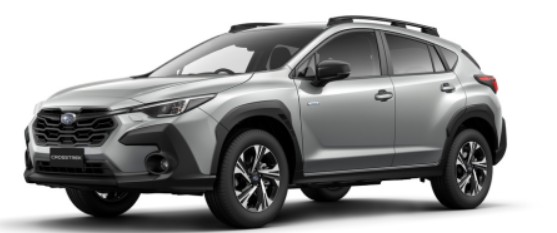
Content in this publication
- Why Fuel Consumption Matters More Than Ever
- Understanding Subaru Crosstrek Fuel Consumption Basics
- Official Fuel Economy Figures Across Generations
- Hybrid Crosstrek: The Efficiency Game-Changer
- Real-World Fuel Consumption: What Owners Actually Experience
- Engine Options and Their Impact on Fuel Economy
- All-Wheel Drive: The Efficiency Trade-Off
- Driving Habits That Affect Fuel Consumption
- Terrain and Weather: Hidden Fuel Killers
- Transmission Type and Efficiency
- Fuel Type and Quality: Does It Matter?
- Maintenance and Its Role in Fuel Efficiency
- Tire Choices and Rolling Resistance
- Comparing Crosstrek Fuel Consumption to Rivals
- Cost of Fuel Ownership Over Time
- Tips to Maximize Subaru Crosstrek Fuel Efficiency
- Is the Subaru Crosstrek Fuel Efficient Overall?
- Who Benefits Most from Crosstrek Fuel Economy?
- Closing Thoughts: The Balance Between Efficiency and Adventure
- FAQs
Why Fuel Consumption Matters More Than Ever
When we talk about compact SUVs, the Subaru Crosstrek often enters the conversation as the adventurous underdog—the one that blends practicality with a dash of rugged personality. But here’s the real question we should be asking: how thirsty is it?
Fuel consumption isn’t just a number on a spec sheet. It’s the quiet companion of every road trip, the hidden cost behind every commute, and sometimes the deciding factor between love and regret.
So, let’s unpack everything—real MPG, driving habits, engine differences, and the subtle tricks that can stretch every drop of fuel a little further.
Understanding Subaru Crosstrek Fuel Consumption Basics
What Does MPG Really Mean?
Miles per gallon (MPG) is the universal language of fuel efficiency. The higher the number, the less fuel your Crosstrek drinks.
But here’s the twist—official MPG figures are like movie trailers: polished, optimized, and sometimes a bit optimistic.
City vs Highway vs Combined
- City MPG: Stop-and-go driving, more fuel burned
- Highway MPG: Steady cruising, better efficiency
- Combined MPG: A blended average
Think of city driving as jogging uphill, while highway cruising feels like gliding downhill.
Official Fuel Economy Figures Across Generations
First Generation (2013–2017)
2.0L Engine Efficiency
- City: ~23 MPG
- Highway: ~31 MPG
- Combined: ~26 MPG
Back then, efficiency was decent—but not groundbreaking.
Second Generation (2018–2023)
Improved Engineering, Better MPG
- City: ~28 MPG
- Highway: ~33 MPG
- Combined: ~30 MPG
This is where things got interesting. Subaru refined the engine and aerodynamics, squeezing more miles from every gallon.
Latest Generation (2024+)
Modern Efficiency Meets Capability
- City: ~27 MPG
- Highway: ~34 MPG
- Combined: ~29–31 MPG
A small dip in city MPG due to added tech and weight—but highway efficiency shines brighter.
Hybrid Crosstrek: The Efficiency Game-Changer
Plug-In Hybrid Overview
The hybrid version of the Crosstrek offers:
- Electric-only driving for short trips
- Combined efficiency exceeding 90 MPGe
- Reduced fuel dependency
Real-World Hybrid Use
In reality, hybrid efficiency depends heavily on:
- Charging habits
- Trip length
- Driving style
Short commutes? You might barely touch gasoline.
Real-World Fuel Consumption: What Owners Actually Experience
The Truth Behind the Numbers
Owners often report:
- 25–28 MPG in mixed driving
- Lower MPG in cold climates
- Better efficiency on long highway trips
Why Real MPG Differs
- Traffic conditions
- Driving style
- Terrain (hello hills!)
- Weather
It’s like cooking—same recipe, different results depending on who’s in the kitchen.
Engine Options and Their Impact on Fuel Economy
2.0L vs 2.5L Engines
- 2.0L Engine: Better fuel economy
- 2.5L Engine: More power, slightly higher fuel consumption
Which One Should You Choose?
If you:
- Prioritize efficiency → go 2.0L
- Want stronger acceleration → 2.5L
It’s the classic balance between sipping and sprinting.
All-Wheel Drive: The Efficiency Trade-Off
Subaru’s Symmetrical AWD System
One of Subaru’s trademarks—but it comes at a cost.
Fuel Consumption Impact
- Slightly lower MPG than FWD rivals
- Increased traction and safety
Think of AWD like carrying a backpack—more capability, but a bit more effort.
Driving Habits That Affect Fuel Consumption
Aggressive Driving vs Smooth Driving
- Rapid acceleration = more fuel burned
- Smooth driving = improved efficiency
Top Fuel-Saving Habits
- Maintain steady speeds
- Avoid sudden braking
- Use cruise control on highways
Driving gently is like whispering to your engine—it responds kindly.
Hilly Roads
Climbing hills consumes more fuel, while descending barely compensates.
Cold Weather Effects
- Engine takes longer to warm up
- Fuel efficiency drops
Hot Weather and AC Use
Running AC can reduce MPG slightly—but not dramatically.
Transmission Type and Efficiency
CVT Transmission Explained
The Crosstrek uses a Continuously Variable Transmission (CVT).
Why It Helps Fuel Economy
- Keeps engine in optimal RPM range
- Smooth power delivery
It’s like having an automatic brain constantly optimizing performance.
Fuel Type and Quality: Does It Matter?
The Crosstrek runs on:
- Regular unleaded fuel
Not really. You’ll just spend more money without noticeable gains.
Maintenance and Its Role in Fuel Efficiency
Key Maintenance Tips
- Keep tires properly inflated
- Change engine oil regularly
- Replace air filters
Why It Matters
A poorly maintained engine is like running in heavy boots—everything becomes harder.
Tire Choices and Rolling Resistance
All-Terrain vs Road Tires
- All-terrain tires = lower MPG
- Highway tires = better efficiency
Optimal Tire Pressure
Underinflated tires increase resistance and fuel consumption.
Comparing Crosstrek Fuel Consumption to Rivals
How It Stacks Up
Compared to rivals:
- Slightly less efficient than FWD crossovers
- More capable off-road
Key Competitors
- Honda HR-V
- Toyota Corolla Cross
- Mazda CX-30
The Crosstrek trades a bit of efficiency for adventure-ready performance.
Cost of Fuel Ownership Over Time
Annual Fuel Cost Estimate
Assuming:
- 12,000 miles/year
- 30 MPG average
Fuel usage:
- ~400 gallons/year
Multiply that by fuel price, and you get your yearly cost.
Long-Term Perspective
Over 5 years, small MPG differences can mean thousands saved—or spent.
Tips to Maximize Subaru Crosstrek Fuel Efficiency
Simple Everyday Hacks
- Remove unnecessary weight
- Avoid idling
- Plan routes to reduce traffic
Advanced Strategies
- Use eco-driving modes
- Monitor fuel consumption via dashboard
- Combine errands into one trip
Efficiency isn’t just about the car—it’s about the driver.
Is the Subaru Crosstrek Fuel Efficient Overall?
The Honest Verdict
Yes—but with context.
The Crosstrek:
- Offers solid fuel economy for AWD
- Prioritizes capability over pure efficiency
- Balances performance and practicality
It’s not the most frugal—but it’s far from wasteful.
Who Benefits Most from Crosstrek Fuel Economy?
Ideal Drivers
- Outdoor enthusiasts
- Daily commuters with mixed driving
- Drivers needing AWD confidence
Less Ideal For
- Those chasing maximum MPG
- Urban-only drivers seeking hybrid-level efficiency
Closing Thoughts: The Balance Between Efficiency and Adventure
Fuel consumption is just one piece of the puzzle—but with the Subaru Crosstrek, it tells an interesting story.
We’re not just driving from point A to point B—we’re navigating hills, weather, and unexpected detours. And in that journey, the Crosstrek proves something valuable: efficiency doesn’t have to come at the cost of capability.
So, is it perfect? No. But is it smart, balanced, and dependable? Absolutely.
FAQs
1. What is the average MPG of a Subaru Crosstrek?
Most models average around 28–31 MPG combined, depending on engine and driving conditions.
2. Does AWD reduce fuel efficiency in the Crosstrek?
Yes, slightly. AWD adds weight and resistance, lowering MPG compared to FWD vehicles.
3. Is the hybrid Crosstrek worth it for fuel savings?
If you frequently drive short distances and can charge regularly, the hybrid can significantly reduce fuel usage.
4. How can I improve my Crosstrek’s fuel economy?
Drive smoothly, maintain proper tire pressure, and keep up with regular maintenance.
5. Which Crosstrek engine is more fuel efficient?
The 2.0L engine typically offers better fuel economy than the more powerful 2.5L option.
If you want to know other articles similar to Subaru Crosstrek Fuel Consumption: Real-World MPG, Costs, and Efficiency Secrets you can visit the category Driving.
Kia Sorento Fuel Economy: MPG, Hybrid, and Plug-In Hybrid Explained
BYD Shark 6 Fuel Consumption: Real-World Economy, Range and What to Expect
Vauxhall Agila MPG: Real-World Fuel Economy and Engine Guide

Honda Passport MPG: Real-World Fuel Economy, Ratings, and What to Expect

Nissan Rogue Fuel Economy: MPG, Range, Costs, and Real-World Efficiency
BYD Shark 6 Long Range Fuel Tank: Is the 120L Upgrade Worth It?
Leave a Reply
More content of your interest