
Volkswagen ID 4 Charge Time: The Complete Charging Guide for Every Driver

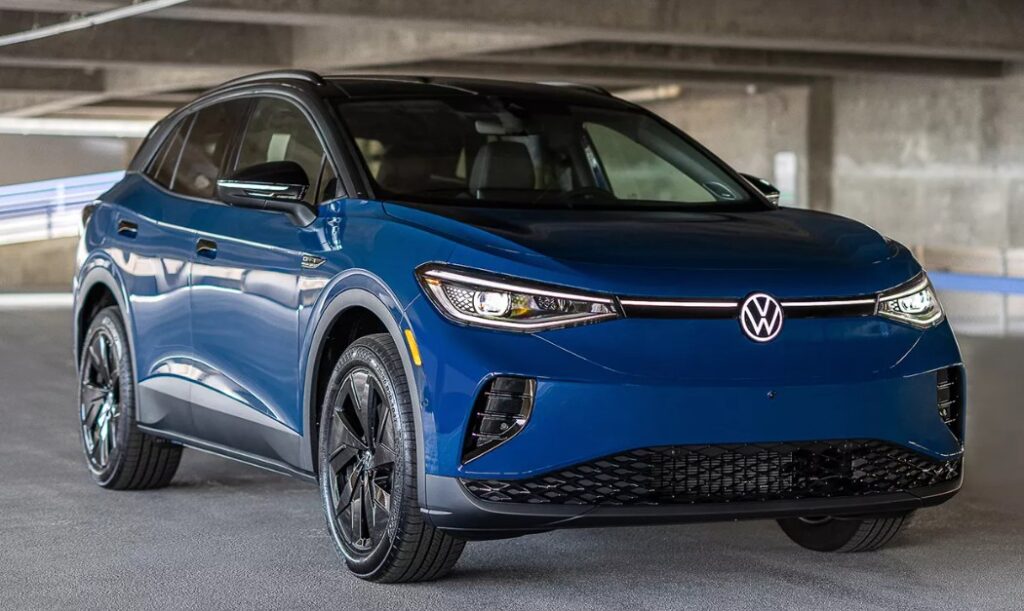
The rise of electric vehicles feels a little like watching the smartphone revolution happen all over again. One minute we were skeptical, and the next, we could not imagine life without them. The Volkswagen ID.4 sits right in the middle of that transformation, blending practicality, comfort, and electric efficiency into a family SUV that feels surprisingly normal—in the best possible way.
Yet one question echoes louder than almost any other:
How long does the Volkswagen ID 4 take to charge?
The answer is not as simple as throwing out one number. Charging time changes depending on battery size, charger type, weather, software, and even how impatient we happen to feel that day.
In this guide, we will break down everything about Volkswagen ID 4 charge time in a practical, easy-to-understand way. Whether we charge at home overnight, top up at a rapid charger during a road trip, or simply want to maximize battery efficiency, this article covers it all.
Content in this publication
- Understanding Volkswagen ID 4 Charging Basics
- Volkswagen ID 4 Battery Sizes Explained
- Volkswagen ID 4 Charge Time at Home
- Level 1 Charging: The Slowest Option
- Level 2 Charging: The Sweet Spot
- Volkswagen ID 4 Charge Time on 7 kW Chargers
- Volkswagen ID 4 Charge Time on 11 kW Chargers
- Why Most Owners Rarely Charge From 0% to 100%
- Volkswagen ID 4 Fast Charging Time
- What Is DC Fast Charging?
- Maximum DC Charging Speed of the ID.4
- Volkswagen ID 4 Charge Time From 10% to 80%
- Why Charging Slows After 80%
- Factors That Affect Volkswagen ID 4 Charge Time
- Battery Temperature Matters
- State of Charge Impacts Speed
- Charger Quality Makes a Difference
- Software Updates Can Improve Charging
- How Far Can the ID.4 Drive After Charging?
- Typical Volkswagen ID 4 Range
- How Much Range Does Fast Charging Add?
- Best Charging Habits for Battery Health
- Avoid Constant 100% Charging
- Do Not Frequently Deep Discharge
- Use Fast Charging Strategically
- Home Charging vs Public Charging
- Why Home Charging Feels Easier
- Why Public Fast Charging Still Matters
- Volkswagen ID 4 Charging Costs
- Home Charging Costs
- Public Fast Charging Costs
- Can You Charge the ID.4 Every Night?
- How Long Does the ID.4 Hold Its Charge?
- Volkswagen ID 4 Charging in Winter
- Why Winter Charging Takes Longer
- Tips for Faster Winter Charging
- Can the Volkswagen ID 4 Use Tesla Chargers?
- Charging the ID.4 on Road Trips
- Planning Matters More Than With Gas Cars
- Ideal Road Trip Charging Strategy
- Common Volkswagen ID 4 Charging Problems
- Slow Charging Speeds
- Charging Interruptions
- Is the Volkswagen ID 4 Charging Speed Competitive?
- How the ID.4 Compares to Rivals
- The Future of Volkswagen ID 4 Charging
- Final Thoughts on Volkswagen ID 4 Charge Time
- FAQs
Understanding Volkswagen ID 4 Charging Basics
Before we talk about exact charge times, we need to understand what affects them.
Charging an EV is a little like filling a swimming pool with different hoses. Some hoses trickle. Others blast water like a fire hydrant.
The ID.4 supports three primary charging methods:
- Level 1 AC charging
- Level 2 AC charging
- DC fast charging
Each dramatically changes how long charging takes.
Volkswagen ID 4 Battery Sizes Explained
Different ID.4 models come with different battery capacities.
Smaller Battery Variants
Some entry-level markets received smaller battery packs around 52 kWh.
These versions charge faster simply because there is less battery to fill.
77 kWh Battery Models
Most global ID.4 versions use the larger 77 kWh usable battery pack.
This is the version most drivers search for when discussing Volkswagen ID 4 charge time.
It balances:
- Range
- Performance
- Charging speed
- Road trip practicality
The larger battery naturally takes longer to charge fully.
Volkswagen ID 4 Charge Time at Home
Home charging is where most EV owners live emotionally. It is the equivalent of charging our phone overnight instead of hunting for outlets during the day.
And honestly? That convenience changes everything.
Level 1 Charging: The Slowest Option
Using a Standard Household Outlet
A standard wall outlet usually provides:
- 120V in the United States
- 2.3 kW or less in many regions
This method is painfully slow for the ID.4.
Typical Charge Time
Charging from 0% to 100% can take:
- 40 to 60 hours
Yes, really.
This method works best if:
- We drive short daily distances
- We rarely drain the battery
- We simply need emergency charging
It is more survival mode than convenience.
Level 2 Charging: The Sweet Spot
This is where the ID.4 truly shines.
What Is Level 2 Charging?
Level 2 charging uses:
- A dedicated home wallbox
- 240V electricity
- Faster AC charging speeds
Most homeowners install:
- 7.2 kW chargers
- 11 kW chargers
Volkswagen ID 4 Charge Time on 7 kW Chargers
A 7 kW charger is one of the most common home setups.
Estimated Charging Time
For the 77 kWh battery:
- Around 11 to 13 hours from empty to full
This means:
- Plug in after dinner
- Wake up fully charged
Simple.
For many families, this feels almost magical after years of gas station visits.
Volkswagen ID 4 Charge Time on 11 kW Chargers
The ID.4 supports faster AC charging in many markets.
Expected Charging Duration
Using an 11 kW charger:
- Approximately 7 to 8 hours
That makes overnight charging effortless.
Even if the battery is heavily depleted, the car usually finishes charging before sunrise.
Why Most Owners Rarely Charge From 0% to 100%
Here is something many new EV buyers do not realize.
We almost never fully drain the battery.
Typical EV usage looks more like:
- 40% to 80%
- 30% to 90%
- Daily top-ups
That dramatically shortens practical charging time.
For example:
- Charging from 20% to 80% may only take 4–5 hours at home
Suddenly, charging no longer feels slow.
It simply becomes part of the routine.
Volkswagen ID 4 Fast Charging Time
This is where things get exciting.
DC fast charging transforms the ID.4 from a commuter EV into a road-trip machine.
What Is DC Fast Charging?
Unlike AC charging, DC fast chargers bypass portions of the car’s onboard charger.
That allows extremely high charging speeds.
Think of AC charging as sipping through a straw and DC charging as drinking from a waterfall.
Maximum DC Charging Speed of the ID.4
Charging speeds vary by model year and software version.
Many modern ID.4 versions support:
- 135 kW
- 170 kW
- Up to 175 kW in newer configurations
The faster the charger and battery conditions, the quicker the recharge.
Volkswagen ID 4 Charge Time From 10% to 80%
This is the most important metric for EV drivers.
Why?
Because DC charging slows dramatically after 80%.
Most road-trippers stop charging at 80% and continue driving.
Typical Fast Charging Times
Using a high-speed DC charger:
You may be interested in reading Volkswagen ID 4 Battery Capacity
- 10% to 80% takes around 28 to 38 minutes
That is just enough time to:
- Grab coffee
- Stretch legs
- Scroll social media
- Debate snacks we definitely do not need
By the time we return, the car is usually ready.
Why Charging Slows After 80%
Battery charging curves are fascinating.
At low percentages, the battery eagerly accepts power.
Near full capacity, it becomes cautious.
The system reduces speed to:
- Protect battery longevity
- Control heat
- Prevent degradation
That means:
- 10% to 80% may take 30 minutes
- 80% to 100% may take another 30–45 minutes
This surprises many first-time EV owners.
Factors That Affect Volkswagen ID 4 Charge Time
Charging is not fixed like pouring gasoline.
Many variables influence real-world charging speed.
Battery Temperature Matters
Cold batteries charge slower.
Very hot batteries can also reduce charging speed.
Winter charging often takes longer because the battery chemistry becomes less efficient.
Some drivers notice dramatically slower fast charging in freezing conditions.
State of Charge Impacts Speed
Charging from:
- 5% to 20% is very fast
- 20% to 60% stays strong
- 80%+ slows significantly
This is completely normal.
Charger Quality Makes a Difference
Not all charging stations deliver promised speeds.
A charger labeled 150 kW may:
- Share power
- Throttle output
- Experience congestion
Real-world performance varies.
Software Updates Can Improve Charging
Volkswagen has released multiple software updates for the ID.4.
Some updates improve:
- Charging stability
- Charging curves
- Battery thermal management
That can slightly reduce charge time over time.
How Far Can the ID.4 Drive After Charging?
Range and charge time go hand in hand.
The longer the range, the less frequently we need to charge.
Typical Volkswagen ID 4 Range
Depending on version and conditions:
- Around 250–330 miles EPA/WLTP estimates
Real-world range depends on:
- Speed
- Temperature
- Tire choice
- Driving style
- Terrain
How Much Range Does Fast Charging Add?
Fast charging can add:
- Around 70–100 miles in roughly 10 minutes under ideal conditions
That makes highway travel surprisingly practical.
Best Charging Habits for Battery Health
Charging habits influence long-term battery performance.
Fortunately, the ID.4 includes intelligent battery management systems.
Still, good habits help.
Avoid Constant 100% Charging
For daily driving:
- 80% is usually ideal
Keeping lithium-ion batteries at maximum charge continuously can accelerate wear.
Do Not Frequently Deep Discharge
Running near 0% repeatedly is also not ideal.
A balanced range between:
- 20% and 80%
often promotes healthier long-term battery life.
Use Fast Charging Strategically
DC fast charging is convenient but generates more heat.
Occasional use is perfectly fine.
Constant rapid charging every day may increase battery stress over many years.
Home Charging vs Public Charging
Each charging method serves a different lifestyle.
Why Home Charging Feels Easier
Home charging eliminates:
- Waiting at gas stations
- Fuel price anxiety
- Detours for refueling
The car charges while we sleep.
It feels oddly futuristic at first, then quickly becomes normal.
Why Public Fast Charging Still Matters
Road trips require fast charging infrastructure.
The good news is charging networks continue expanding rapidly.
Public charging enables:
- Long-distance travel
- Apartment living
- Urban EV ownership
Without it, EV adoption would stall like a bicycle with square wheels.
Volkswagen ID 4 Charging Costs
Charging time matters, but cost matters too.
Home Charging Costs
Home charging is usually cheaper than gasoline.
Costs vary by electricity rates.
For example:
- Charging a full battery may cost between $10 and $20 in many regions
That can provide hundreds of miles of driving.
Public Fast Charging Costs
DC fast charging is more expensive.
Typical pricing structures include:
- Per kWh
- Per minute
- Subscription plans
Fast charging prioritizes convenience over absolute savings.
Can You Charge the ID.4 Every Night?
Absolutely.
You may be interested in readingVolkswagen ID 4 Battery CapacityYou may be interested in reading
Volkswagen ID 4 Battery LifeIn fact, that is how most EV owners operate.
The car handles charging management automatically.
Many drivers:
- Plug in nightly
- Set charge limits
- Schedule off-peak charging
The experience becomes nearly effortless.
How Long Does the ID.4 Hold Its Charge?
One underrated advantage of EVs is low energy loss while parked.
The ID.4 can sit for days or weeks with minimal battery drain.
That makes it practical even for occasional drivers.
Volkswagen ID 4 Charging in Winter
Winter changes everything for EVs.
Cold weather affects:
- Charging speed
- Battery efficiency
- Driving range
Why Winter Charging Takes Longer
Lithium-ion batteries dislike cold temperatures.
Charging systems may:
- Reduce charging speed
- Warm the battery first
- Protect battery cells
This adds time during freezing conditions.
Tips for Faster Winter Charging
Precondition the Battery
Many EVs allow battery warming before charging.
That improves:
- Charging speed
- Efficiency
Charge Immediately After Driving
A recently driven battery is already warm.
This can improve charging performance significantly.
Can the Volkswagen ID 4 Use Tesla Chargers?
This depends on:
- Region
- Adapter compatibility
- Network access
In some areas, the ID.4 can use selected Tesla Superchargers through adapters or open-access programs.
Compatibility continues improving as charging standards evolve.
Charging the ID.4 on Road Trips
Road trips once terrified EV skeptics.
Today, they are increasingly manageable.
Planning Matters More Than With Gas Cars
EV travel rewards preparation.
Drivers often:
- Plan charging stops
- Monitor charger availability
- Use charging apps
At first it feels different.
Soon it simply feels smarter.
Ideal Road Trip Charging Strategy
Most efficient strategy:
- Arrive low
- Charge to 80%
- Continue driving
- Repeat
This minimizes total travel time.
Common Volkswagen ID 4 Charging Problems
Most charging sessions go smoothly.
Still, occasional issues happen.
Slow Charging Speeds
Possible causes:
- Cold battery
- Busy charger
- Software limitations
- Power sharing
Charging Interruptions
Sometimes charging stops unexpectedly due to:
- Network communication errors
- Faulty cables
- Charger malfunctions
Restarting the session often resolves the issue.
Is the Volkswagen ID 4 Charging Speed Competitive?
Yes, especially for a mainstream electric SUV.
The ID.4 may not be the absolute fastest-charging EV on earth, but it balances:
- Cost
- Comfort
- Charging practicality
- Everyday usability
That balance matters more than headline numbers.
How the ID.4 Compares to Rivals
Compared with competitors like:
- Tesla Model Y
- Hyundai Ioniq 5
- Kia EV6
- Ford Mustang Mach-E
the ID.4 offers respectable charging performance with strong comfort and practicality.
Some rivals charge faster.
Others feel less refined.
The ID.4 lands comfortably in the middle ground.
The Future of Volkswagen ID 4 Charging
Charging technology evolves quickly.
Future improvements may include:
- Faster charging curves
- Better battery chemistry
- Expanded charging infrastructure
- Smarter route planning
The EV landscape today already feels dramatically better than just a few years ago.
And it is only accelerating.
Final Thoughts on Volkswagen ID 4 Charge Time
The Volkswagen ID.4 proves that electric driving no longer belongs to the future—it belongs to the present.
Yes, charging takes longer than filling a gasoline tank. But that comparison misses the bigger picture. Most charging happens quietly in the background while we sleep, work, shop, or eat lunch.
For daily life:
- Home charging is easy
- Overnight charging covers most needs
- Fast charging enables long trips
The ID.4 delivers a charging experience that feels practical rather than experimental.
And perhaps that is its greatest strength.
It does not scream for attention.
Instead, it quietly integrates electric mobility into normal life like a well-designed appliance—smooth, dependable, and increasingly difficult to live without.
FAQs
How long does it take to charge a Volkswagen ID 4 at home?
Using a 7 kW home charger, the ID.4 typically takes around 11–13 hours for a full charge. An 11 kW charger can reduce that to roughly 7–8 hours.
How fast can the Volkswagen ID 4 charge on DC fast chargers?
Most versions can charge from 10% to 80% in approximately 28–38 minutes under ideal conditions.
Should I charge my Volkswagen ID 4 to 100% every day?
For daily use, charging to around 80% is generally recommended to help preserve long-term battery health.
Does cold weather affect Volkswagen ID 4 charge time?
Yes. Cold temperatures can slow charging speeds and reduce overall efficiency, especially during fast charging sessions.
Can the Volkswagen ID 4 use Tesla chargers?
In some regions, the ID.4 can use selected Tesla chargers with compatible adapters or open-access Supercharger networks.
You may be interested in readingVolkswagen ID 4 Battery CapacityYou may be interested in reading
Volkswagen ID 4 Battery LifeYou may be interested in reading
Volkswagen ID 4 Key Battery ReplacementIf you want to know other articles similar to Volkswagen ID 4 Charge Time: The Complete Charging Guide for Every Driver you can visit the category Service and Parts.
Vauxhall Meriva Head Gasket Replacement Cost UK: Complete Price Guide
Vauxhall Meriva Tyre Pressure PSI: Complete Guide
Vauxhall Meriva Fault Codes: Meanings, Causes, and Fixes
Vauxhall Meriva Door With Key Symbol: Meaning, Causes, and Fixes
Vauxhall Meriva Code 59 and 60: Causes, Reset Steps, and Solutions
Vauxhall Meriva Immobiliser Reset: Complete Troubleshooting Guide
Leave a Reply
More content of your interest