

Hyundai Ioniq Not Charging: Causes, Fixes, and What We Should Do Next

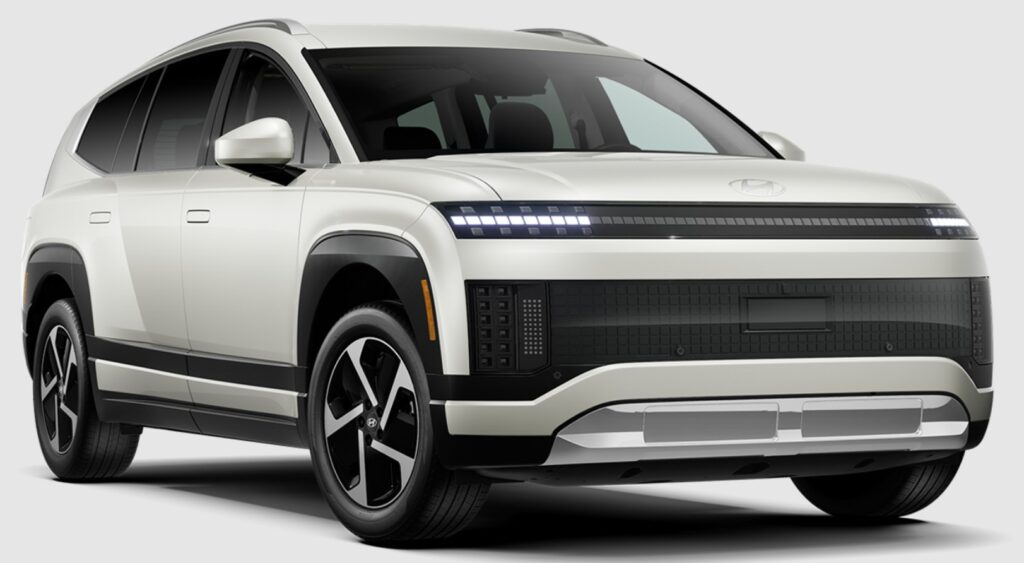
Electric vehicles feel like the future until one morning the charging cable clicks in, the lights blink strangely, and nothing happens. Suddenly, our sleek and silent Hyundai Ioniq 5 or Hyundai Ioniq 6 turns into a giant smartphone stuck at 1%.
If you are dealing with a “Hyundai Ioniq not charging” issue, you are far from alone. Charging problems can happen because of software glitches, charging station incompatibility, faulty charging cables, 12V battery issues, overheating systems, or even settings buried deep inside the infotainment menu.
The good news? Most charging problems are diagnosable without panic. In many cases, the fix is surprisingly simple.
In this detailed guide, we will break down everything we need to know about Hyundai Ioniq charging problems, including home charging failures, DC fast charging interruptions, battery-related issues, warning messages, and practical troubleshooting steps that actually work.
Content in this publication
- Why Is My Hyundai Ioniq Not Charging?
- Understanding How the Hyundai Ioniq Charging System Works
- Signs Your Hyundai Ioniq Charging System Has a Problem
- The 12V Battery Problem Most Owners Overlook
- Home Charger Problems That Stop the Hyundai Ioniq From Charging
- Public Charger Compatibility Issues
- Battery Temperature and Charging Failures
- How Battery Preconditioning Affects Charging
- Software Glitches That Prevent Charging
- Scheduled Charging Settings Can Trick Us
- Hyundai Ioniq Charging Port Problems
- When the Charging Cable Is the Real Problem
- Can a Software Update Fix Hyundai Ioniq Charging Problems?
- Fast Charging Slower Than Expected? Here’s Why
- How to Reset the Hyundai Ioniq Charging System
- What the Dashboard Warning Messages Really Mean
- Should We Call Hyundai Service Immediately?
- Warranty Coverage for Charging Problems
- How to Prevent Hyundai Ioniq Charging Problems
- Is Hyundai Ioniq Charging Reliability Improving?
- The Emotional Side of EV Charging Problems
- Closing Thoughts on Hyundai Ioniq Not Charging Issues
- FAQs
Why Is My Hyundai Ioniq Not Charging?
When an Ioniq refuses to charge, the vehicle is usually trying to protect itself. Modern EVs are incredibly intelligent machines. Think of them as cautious gatekeepers rather than stubborn devices.
Common reasons include:
- Faulty charging cable
- Charging station communication failure
- Weak 12V battery
- Battery overheating
- Charging port lock malfunction
- Software bugs
- Scheduled charging settings
- Blown circuit breaker
- Charger incompatibility
- Battery management system errors
Sometimes the issue is as tiny as a loose connector. Other times, it may require dealership diagnostics.
The trick is identifying the symptoms correctly.
Understanding How the Hyundai Ioniq Charging System Works
Before we fix anything, we need to understand the ecosystem.
The Hyundai Ioniq charging system consists of:
The High-Voltage Battery
This is the main EV battery powering the vehicle.
The 12V Battery
Ironically, a tiny 12V battery often causes major charging problems. Without it, the charging handshake cannot begin.
The Onboard Charger
This converts AC electricity into usable battery power.
Battery Management System (BMS)
The BMS acts like the conductor of an orchestra, coordinating temperature, voltage, and charging speed.
Charging Port Communication Module
This system “talks” to charging stations before electricity flows.
If any one of these components stumbles, charging can fail.
Signs Your Hyundai Ioniq Charging System Has a Problem
The symptoms often provide the first clue.
Charging Starts Then Stops
This commonly points toward:
- Overheating
- Charger incompatibility
- Software issues
- Weak electrical supply
Charging Cable Will Not Lock
Possible causes include:
- Frozen locking pin
- Faulty actuator
- Software malfunction
No Charging Lights Appear
This may indicate:
- Dead 12V battery
- Faulty charging cable
- Power supply issue
Slow Charging Speeds
This can happen because of:
- Battery temperature
- Charger limitations
- Charging settings
- Grid fluctuations
“Check Electric Vehicle System” Warning
This message often signals a deeper electrical or battery-related issue.
The 12V Battery Problem Most Owners Overlook
Ironically, one of the smallest batteries in the car can create the biggest headache.
Many Hyundai Ioniq owners discover their EV will not charge because the 12V battery is weak or dying.
Without adequate 12V power:
- The charging port cannot communicate
- The locking mechanism may fail
- The onboard systems refuse charging sessions
It is like trying to start a concert with no microphone connected.
Symptoms of a Weak 12V Battery
- Car appears dead
- Charging cable clicks repeatedly
- Dashboard flickers
- Charging initiates briefly then fails
- Remote functions stop working
How to Fix It
We should:
- Test the 12V battery voltage
- Jump-start if necessary
- Replace the battery if degraded
This single step solves many Ioniq charging complaints.
Home Charger Problems That Stop the Hyundai Ioniq From Charging
Sometimes the issue is not the vehicle at all.
Home chargers can fail silently.
Circuit Breaker Trips
A breaker may partially fail without fully shutting down.
Check:
- Main breaker panel
- GFCI outlets
- Charging amperage settings
Loose Wiring
A poor electrical connection can cause intermittent charging.
Wi-Fi Smart Charger Errors
Some smart chargers disconnect because of firmware bugs.
Restarting the charger often helps.
Incorrect Charging Current Settings
If charging current is set too high for the home's electrical capacity, charging interruptions can occur.
Public Charger Compatibility Issues
Public charging can feel like speed dating for electronics. Sometimes the handshake works beautifully. Sometimes it is painfully awkward.
Why Public Chargers Fail
Potential reasons include:
You may be interested in reading Hyundai Ioniq 9 Issues: Common Problems, Reliability Concerns, and Owner Complaints
- Software communication mismatch
- Faulty station hardware
- Payment authorization failure
- Connector damage
DC Fast Charging Problems
High-speed charging places enormous thermal stress on the battery.
The vehicle may reduce speed or stop charging if temperatures rise too high.
Battery Temperature and Charging Failures
EV batteries are temperature-sensitive creatures.
Too cold? Charging slows dramatically.
Too hot? Charging may stop entirely.
Cold Weather Charging Issues
In freezing temperatures:
- Battery chemistry slows
- Charging speed drops
- Fast charging may become unavailable
Hot Weather Charging Issues
Extreme heat can trigger:
- Thermal protection mode
- Reduced charging speed
- Charging interruptions
Think of the battery as an athlete. It performs best within a comfortable temperature zone.
How Battery Preconditioning Affects Charging
Battery preconditioning warms or cools the battery before charging.
When functioning correctly, it improves:
- Charging speed
- Efficiency
- Battery health
If preconditioning fails, charging performance may suffer.
Signs Preconditioning Is Not Working
- Slow fast-charging speeds
- Charging caps below expected levels
- High battery temperature warnings
Software Glitches That Prevent Charging
Modern EVs are rolling computers.
And computers occasionally throw tantrums.
- Charging schedule conflicts
- Frozen infotainment systems
- Failed OTA updates
- BMS communication errors
Restarting the Vehicle
Sometimes the fix is shockingly simple.
Try:
- Turning the car fully off
- Locking it
- Walking away for 15 minutes
- Restarting the vehicle
It sounds almost magical, but rebooting resets several systems.
Scheduled Charging Settings Can Trick Us
Many owners accidentally activate delayed charging.
Then they plug in the vehicle and assume something is broken.
Check These Settings
Navigate through:
- EV settings
- Charging schedule
- Off-peak charging
- Departure timer
If scheduling is enabled incorrectly, charging may not begin immediately.
Hyundai Ioniq Charging Port Problems
The charging port itself can fail.
Physical Damage
Inspect for:
- Bent pins
- Dirt buildup
- Moisture
- Corrosion
Charging Port Lock Failure
The locking mechanism sometimes sticks.
This may prevent proper charging initialization.
Frozen Charging Ports
In cold climates, moisture can freeze around the locking pin.
Warm water or garage heating may help.
When the Charging Cable Is the Real Problem
Charging cables endure constant bending, weather exposure, and electrical stress.
Eventually, some fail.
Signs of a Faulty Charging Cable
- Intermittent charging
- Burn marks
- Excessive heat
- Loose connections
Testing Another Cable
One of the fastest troubleshooting steps is trying a different charger or cable.
If charging suddenly works, the culprit becomes obvious.
Can a Software Update Fix Hyundai Ioniq Charging Problems?
Absolutely.
Hyundai frequently releases software updates improving:
- Charging stability
- Battery management
- Fast-charging compatibility
- Thermal control systems
Dealership updates or over-the-air updates may solve persistent charging problems.
Fast Charging Slower Than Expected? Here’s Why
Many drivers expect ultra-fast charging every time.
Reality is more nuanced.
Factors Affecting Fast Charging Speed
- Battery state of charge
- Battery temperature
- Charger power output
- Station congestion
- Battery health
The 80% Slowdown
Charging slows intentionally above 80% to protect battery longevity.
This is normal behavior.
Think of filling a water balloon. The closer it gets to full, the more carefully we must proceed.
You may be interested in readingHyundai Ioniq 9 Issues: Common Problems, Reliability Concerns, and Owner ComplaintsYou may be interested in reading
 Jeep Grand Cherokee Issues
How to Reset the Hyundai Ioniq Charging System
Sometimes a reset clears temporary faults.
Basic Reset Procedure
- Turn vehicle off
- Disconnect charger
- Wait 10 minutes
- Disconnect 12V battery briefly if comfortable doing so
- Reconnect everything
- Restart charging
This can clear minor communication glitches.
What the Dashboard Warning Messages Really Mean
Dashboard messages often sound terrifying.
But they are clues, not death sentences.
“Check Electric Vehicle System”
Possible causes:
- BMS fault
- Charging module error
- Sensor malfunction
“Charging Unsuccessful”
Usually linked to:
- Charger incompatibility
- Interrupted communication
- Charging station errors
“Battery Conditioning Required”
The battery temperature may be outside optimal range.
Should We Call Hyundai Service Immediately?
Not always.
Some issues are DIY-friendly. Others absolutely require professional attention.
Try Troubleshooting First If
- Charging works intermittently
- Different chargers behave differently
- No warning lights appear
Visit a Dealer If
- Warning messages persist
- Charging completely fails
- Burning smells appear
- Battery overheating occurs
- The vehicle refuses DC charging consistently
Warranty Coverage for Charging Problems
Many Hyundai EV components are covered under extensive warranties.
Potentially covered components include:
- High-voltage battery
- Charging module
- Electrical systems
- BMS components
Warranty terms vary by market and model year.
How to Prevent Hyundai Ioniq Charging Problems
Prevention is always cheaper than repair.
Best Practices
Keep Software Updated
Updates improve charging reliability.
Avoid Frequent 100% Charging
Unless needed for long trips.
Protect Charging Equipment
Store cables carefully.
Monitor the 12V Battery
A healthy 12V system prevents many EV headaches.
Avoid Extreme Heat When Possible
Thermal stress impacts charging efficiency.
Is Hyundai Ioniq Charging Reliability Improving?
Yes.
Newer software versions and hardware refinements have significantly improved charging consistency.
Early adopters often face growing pains. But Hyundai continues refining the EV ownership experience.
The charging ecosystem itself is also maturing rapidly.
Public infrastructure today is far better than it was just a few years ago.
The Emotional Side of EV Charging Problems
Let us be honest.
Few things feel more stressful than seeing an EV refuse to charge before an important trip.
Range anxiety transforms into charging anxiety.
But most charging issues are solvable. EV ownership still offers incredible advantages:
- Lower fuel costs
- Quiet driving
- Instant torque
- Reduced maintenance
- Cleaner transportation
Sometimes the technology feels like a brilliant genius with occasional mood swings.
Closing Thoughts on Hyundai Ioniq Not Charging Issues
When a Hyundai Ioniq is not charging, the situation can feel overwhelming at first. Yet most problems trace back to a handful of common causes: weak 12V batteries, charger communication failures, temperature management, software glitches, or charging equipment problems.
The key is approaching the issue methodically rather than emotionally.
We should start simple:
- Check the charger
- Inspect the cable
- Verify charging settings
- Test the 12V battery
- Restart the system
From there, deeper diagnostics become easier.
Electric vehicles are transforming transportation, but they are also teaching us a new relationship with technology. Charging is not merely “plugging in.” It is a digital conversation between machines.
And occasionally, those machines need a little help understanding each other.
FAQs
Why does my Hyundai Ioniq plug in but not charge?
This may happen because of charging schedule settings, charger incompatibility, a weak 12V battery, or charging port communication problems.
Can a bad 12V battery stop my Hyundai Ioniq from charging?
Yes. A failing 12V battery is one of the most common causes of charging failures in modern EVs.
Why is my Hyundai Ioniq charging very slowly?
Slow charging can result from cold weather, battery temperature management, charger limitations, or charging above 80%.
How do I reset my Hyundai Ioniq charging system?
Turn the vehicle off, disconnect the charger, wait several minutes, and restart the charging session. Some cases may require disconnecting the 12V battery briefly.
You may be interested in readingHyundai Ioniq 9 Issues: Common Problems, Reliability Concerns, and Owner ComplaintsYou may be interested in reading
Jeep Grand Cherokee IssuesYou may be interested in reading
Jeep Grand Cherokee Not Starting: Causes, Fixes, and What To Do NextShould I replace my charging cable if charging fails?
If another charger works properly, the cable may indeed be faulty and should be inspected or replaced.
If you want to know other articles similar to Hyundai Ioniq Not Charging: Causes, Fixes, and What We Should Do Next you can visit the category Common Problems.
Hyundai i40 Heater Not Working: Causes, Diagnosis, and Fixes
Hyundai i40 Common Problems: Complete Owner’s Guide
Hyundai i40 Automatic Gearbox Problems: Symptoms, Causes, and Repair Advice
Kia Rio Not Starting: Causes, Fixes, and Smart Troubleshooting Guide
Kia Rio Boot Won’t Open: Complete Troubleshooting & Fix Guide
Kia Rio Common Problems: What We Should Know Before Buying or Owning One
Leave a Reply
More content of your interest