

Toyota 4Runner Engine Options

Content in this publication
- Why the Toyota 4Runner’s Engine Matters More Than Ever
- The Evolution of Toyota 4Runner Engines
- Current Toyota 4Runner Engine Options Overview
- The Classic 4.0L V6: The Engine That Built the Legend
- What Made the 4.0L V6 So Reliable?
- The New 2.4L Turbocharged Engine
- How Turbocharging Changes the Driving Experience
- The i-FORCE MAX Hybrid Powertrain
- Why the Hybrid Option Is a Big Deal
- Which Toyota 4Runner Engine Is Best for Off-Roading?
- Toyota 4Runner Engine Towing Performance
- Fuel Economy Comparison
- Are Turbocharged Engines Reliable Long-Term?
- How the Hybrid System Affects Reliability
- Best Toyota 4Runner Engine for Daily Driving
- Best Engine for Overlanding Adventures
- How Engine Options Affect Resale Value
- Comparing the 4Runner to Rival SUV Engines
- Should You Choose the Hybrid 4Runner?
- Should You Still Buy an Older V6 4Runner?
- Future Toyota 4Runner Engine Possibilities
- How to Choose the Right Toyota 4Runner Engine
- Final Thoughts on Toyota 4Runner Engine Options
- FAQs
Why the Toyota 4Runner’s Engine Matters More Than Ever
The Toyota 4Runner has always marched to the beat of a different drum. While many modern SUVs glide toward soft suspensions, tiny turbocharged engines, and pavement-focused personalities, the 4Runner still feels like a rugged mountain guide wearing hiking boots instead of loafers. That toughness is exactly why engine options matter so much.
When we shop for an SUV like the 4Runner, we are not simply choosing horsepower figures on paper. We are choosing personality. We are deciding whether we want brute-force reliability, hybrid efficiency, trail-conquering torque, or old-school simplicity that can survive years of abuse.
The modern Toyota 4Runner lineup now offers more variety under the hood than many people expected. Some buyers want naturally aspirated dependability. Others want turbocharged muscle. A growing number want hybrid technology without sacrificing off-road capability.
The result? The 4Runner engine conversation has become far more interesting than it used to be.
Let’s dive deep into every Toyota 4Runner engine option, how they compare, and which one actually makes sense for different types of drivers.
The Evolution of Toyota 4Runner Engines
The 4Runner did not become legendary overnight. Its engine history stretches back decades, evolving like a seasoned athlete adapting to new generations of competition.
Early 4Runner models relied on smaller four-cylinder engines and rugged V6 setups designed more for durability than outright speed. Over time, Toyota refined the formula while keeping the SUV’s body-on-frame DNA intact.
Today’s engine lineup reflects a balancing act between:
- Power
- Fuel economy
- Towing performance
- Emissions regulations
- Off-road durability
- Everyday drivability
And honestly, that balancing act is harder than ever in today’s automotive world.
Current Toyota 4Runner Engine Options Overview
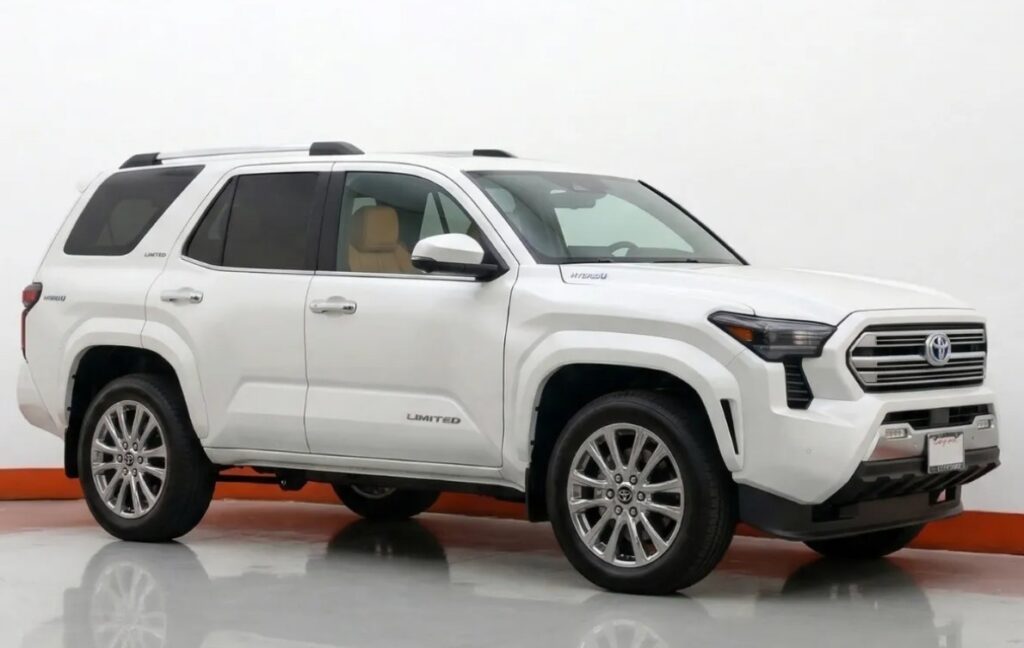
The newest generation of the Toyota 4Runner introduces a dramatic shift in philosophy.
Instead of relying solely on a naturally aspirated V6, Toyota now offers turbocharged and hybridized powertrains that significantly change the SUV’s character.
The main engine options include:
| Engine | Type | Approx. Power | Key Focus |
|---|---|---|---|
| 2.4L Turbocharged Inline-4 | Gasoline | Around 278 hp | Efficiency + Torque |
| 2.4L i-FORCE MAX Hybrid | Hybrid Turbo | Around 326 hp | Power + Economy |
| Older 4.0L V6 (Previous Gen) | Naturally Aspirated | 270 hp | Reliability |
Each option tells a completely different story.
The Classic 4.0L V6: The Engine That Built the Legend
Why Enthusiasts Still Love It
The older 4.0-liter V6 was never flashy. It did not roar like a muscle car or sprint like a sports SUV. Yet it earned respect the hard way.
This engine became famous because it was dependable in the way a hammer is dependable. Turn the key, drive for years, repeat.
Many owners pushed these engines well beyond 200,000 miles with minimal drama.
Key characteristics included:
- Naturally aspirated simplicity
- Strong low-end torque
- Proven long-term reliability
- Excellent off-road durability
- Minimal turbo-related complexity
For traditionalists, this engine represented the soul of the 4Runner.
What Made the 4.0L V6 So Reliable?
Simple Engineering Wins Long-Term
There is an old saying in the automotive world: “Complexity is the enemy of reliability.”
The 4.0L V6 embraced simplicity.
Without turbochargers, large hybrid battery systems, or aggressive tuning, the engine operated under relatively low stress. That matters because less stress often translates into longer lifespan.
The engine also used:
- Timing chains instead of belts
- Conservative tuning
- Strong cooling systems
- Durable internal components
It behaved like an overbuilt workhorse rather than a high-strung athlete.
And that philosophy perfectly matched the 4Runner’s rugged identity.
The New 2.4L Turbocharged Engine
Toyota Embraces Modern Performance
The newest Toyota 4Runner generation introduces a turbocharged 2.4-liter four-cylinder engine.
At first glance, some loyal fans panicked.
“Four cylinders in a 4Runner?”
But numbers tell an interesting story.
The turbocharged engine delivers significantly more torque than the old V6 while improving fuel efficiency. In everyday driving, that extra torque often makes the SUV feel stronger and quicker.
This engine is designed for:
- Faster acceleration
- Better fuel economy
- Improved towing response
- Modern emissions compliance
Toyota essentially traded displacement for smarter engineering.
How Turbocharging Changes the Driving Experience
Torque Arrives Earlier
Turbocharging transforms how power feels.
The old V6 delivered smooth, predictable acceleration, but it sometimes felt sleepy at lower RPMs. The new turbocharged engine changes that personality dramatically.
Instead of gradually building momentum, the turbo engine hits with immediate torque.
Imagine pushing a heavy shopping cart downhill versus pushing it across flat pavement. That instant shove is what turbo torque feels like.
Benefits include:
- Faster merging
- Easier hill climbing
- Stronger towing response
- Less strain during off-road crawling
For many drivers, the new engine actually feels more powerful than the old V6 despite having fewer cylinders.
The i-FORCE MAX Hybrid Powertrain
The Most Powerful 4Runner Engine Yet
The hybrid-powered i-FORCE MAX setup completely rewrites expectations for the Toyota 4Runner.
This is no mild hybrid focused purely on fuel savings. Toyota engineered this system to increase both efficiency and performance.
The setup combines:
- 2.4-liter turbocharged engine
- Electric motor
- Hybrid battery system
- Advanced power management
Together, they produce roughly 326 horsepower and massive torque numbers that dramatically improve responsiveness.
For the first time, the 4Runner genuinely feels quick.
Why the Hybrid Option Is a Big Deal
It Is About More Than Fuel Economy
Many people hear “hybrid” and immediately picture tiny eco cars creeping silently through parking lots.
That is not what Toyota is doing here.
The i-FORCE MAX system focuses heavily on torque delivery. Electric motors produce instant torque, which is incredibly useful for:
- Off-road climbing
- Rock crawling
- Towing
- City acceleration
- Passing on highways
The hybrid engine feels muscular in a way older 4Runners never did.
It is like replacing hiking boots with mountain-bike suspension. The SUV suddenly reacts faster and feels more alive.
Which Toyota 4Runner Engine Is Best for Off-Roading?
The Answer Depends on Your Priorities
Off-road enthusiasts do not all want the same thing.
Some prioritize simplicity. Others want maximum torque. Some value fuel range during remote expeditions.
Here is how each engine stacks up.
Best for Simplicity
The old 4.0L V6 remains beloved because naturally aspirated engines are easier to maintain in remote conditions.
Best for Torque
The hybrid i-FORCE MAX dominates thanks to instant electric torque delivery.
Best for Trail Efficiency
The turbocharged 2.4L offers a balanced mix of fuel economy and capability.
Toyota 4Runner Engine Towing Performance
Power Matters When Pulling Heavy Loads
Towing separates serious SUVs from soft crossovers.
The Toyota 4Runner has long been respected for towing boats, trailers, campers, and off-road toys. Engine choice plays a major role here.
The hybrid engine offers the strongest towing experience because of:
- Higher torque output
- Better low-speed response
- Smoother acceleration under load
Meanwhile, the turbocharged gasoline engine still performs impressively for daily towing duties.
The older V6 remains capable, but newer engines clearly provide more modern pulling power.
Fuel Economy Comparison
Efficiency Finally Improves
Previous-generation 4Runners were not exactly fuel-saving champions.
The old V6 often drank fuel like a thirsty marathon runner after crossing the finish line.
Toyota’s newer engines improve efficiency significantly.
Approximate expectations:
| Engine | Estimated MPG Range |
|---|---|
| 4.0L V6 | 16–19 MPG |
| 2.4L Turbo | 20–24 MPG |
| Hybrid i-FORCE MAX | 23–27 MPG |
Actual numbers depend on:
- Tire choice
- Driving habits
- Terrain
- Towing weight
- Weather conditions
Still, the improvements are substantial.
Are Turbocharged Engines Reliable Long-Term?
The Big Question Buyers Keep Asking
This question hovers over every modern SUV discussion.
Turbocharged engines create more heat and pressure than naturally aspirated engines. Historically, that raised reliability concerns.
However, Toyota tends to engineer conservatively compared to many competitors.
That matters.
Toyota’s turbo systems are generally tuned with durability in mind rather than extreme performance numbers. Maintenance becomes more important, though.
Owners should pay attention to:
- Oil changes
- Cooling system health
- High-quality fuel
- Proper warm-up habits
If maintained correctly, modern turbo engines can absolutely last a long time.
How the Hybrid System Affects Reliability
Hybrid Fear Is Slowly Fading
Some buyers worry about hybrid battery longevity.
But Toyota has years of hybrid experience across models like the Toyota Prius and Toyota Highlander Hybrid.
In reality, Toyota hybrid systems often prove extremely durable.
Benefits include:
- Reduced engine strain
- Regenerative braking
- Improved efficiency
- Smoother power delivery
Hybrid components add complexity, yes. But Toyota’s reputation in this area remains exceptionally strong.
Best Toyota 4Runner Engine for Daily Driving
Comfort Meets Capability
If we spend most of our time commuting, grocery shopping, or navigating traffic, the hybrid engine becomes incredibly appealing.
Why?
Because it smooths out the driving experience.
Electric assistance eliminates much of the sluggish feeling older SUVs sometimes had in stop-and-go traffic.
The turbocharged gasoline engine also works beautifully for daily life because it provides:
- Better acceleration
- Improved fuel economy
- Quieter cruising
- More responsive highway performance
The old V6 still feels charmingly rugged, but newer engines clearly feel more refined.
Best Engine for Overlanding Adventures
Reliability Versus Technology
Overlanding enthusiasts often debate engine choice passionately.
The old V6 appeals to people traveling far from civilization because simpler engines are easier to repair.
However, the hybrid system offers advantages too:
- Better fuel efficiency
- Stronger torque
- Improved crawling control
- Enhanced low-speed response
Ultimately, the best engine depends on how remote your adventures become.
Some adventurers trust simplicity.
Others trust Toyota engineering.
Both arguments carry weight.
How Engine Options Affect Resale Value
Toyota’s Reputation Helps Everyone
One reason the Toyota 4Runner maintains incredible resale value is trust.
Buyers believe these SUVs will survive long-term ownership.
Historically, naturally aspirated Toyota engines earned the strongest resale reputation. However, the new turbo and hybrid systems may continue that trend if reliability remains strong over time.
Factors influencing resale include:
- Fuel economy
- Reliability history
- Maintenance records
- Off-road desirability
- Trim level popularity
Hybrid versions may eventually command premium resale values as fuel prices fluctuate.
Comparing the 4Runner to Rival SUV Engines
How Toyota Stacks Up Against Competitors
The 4Runner competes against SUVs like:
- Jeep Grand Cherokee
- Ford Bronco
- Toyota Land Cruiser
- Nissan Pathfinder
Many competitors now rely heavily on turbocharged four-cylinder engines or turbo V6 setups.
Toyota’s advantage lies in balancing:
- Proven reliability
- Off-road capability
- Fuel efficiency
- Long-term durability
While rivals may offer more raw horsepower in some trims, the 4Runner often wins trust over time.
And trust sells SUVs.
Should You Choose the Hybrid 4Runner?
The Smartest Choice for Most Buyers
For many shoppers, the hybrid i-FORCE MAX system may become the sweet spot.
Why?
Because it delivers:
- Excellent torque
- Better MPG
- Strong towing
- Faster acceleration
- Modern drivability
It finally gives the 4Runner the punch many buyers wanted without sacrificing capability.
The hybrid system feels like the SUV grew a second set of lungs.
Should You Still Buy an Older V6 4Runner?
Absolutely—If You Value Proven Simplicity
Older V6-powered 4Runners still make tremendous sense.
They remain ideal for buyers who prioritize:
- Mechanical simplicity
- Long-term ownership
- DIY maintenance
- Proven reliability
- Traditional SUV character
In many ways, these older engines represent the final chapter of a disappearing automotive era.
A naturally aspirated body-on-frame SUV is becoming increasingly rare.
Future Toyota 4Runner Engine Possibilities
Could More Electrification Arrive?
The automotive industry is changing rapidly.
Toyota may eventually expand 4Runner powertrain options even further with:
- Plug-in hybrid systems
- More powerful hybrid setups
- Fully electric off-road models
Still, Toyota moves cautiously. The company understands the 4Runner audience values durability above trendy innovation.
That means future engine developments will likely prioritize ruggedness first.
How to Choose the Right Toyota 4Runner Engine
Ask Yourself These Questions
Before choosing an engine, we should ask:
Do we tow frequently?
Hybrid power may be ideal.
Do we value maximum simplicity?
Older V6 models still shine.
Do we drive long highway distances?
Turbo and hybrid engines improve efficiency.
Do we explore rough trails regularly?
Torque-rich hybrid systems can help tremendously.
Do we plan to keep the SUV for 15 years?
Toyota reliability across all engine options remains strong.
The right answer depends more on lifestyle than specifications.
Final Thoughts on Toyota 4Runner Engine Options
The Toyota 4Runner stands at an interesting crossroads.
The older V6 era represented rugged simplicity, the automotive equivalent of a cast-iron skillet passed down through generations. Reliable, familiar, nearly indestructible.
The new turbocharged and hybrid engines represent evolution rather than abandonment. Toyota is adapting the 4Runner for modern expectations without stripping away its adventurous spirit.
And honestly, that balance is impressive.
Whether we choose the proven V6, the efficient turbocharged engine, or the powerful hybrid setup, the 4Runner still delivers what made it legendary in the first place:
Confidence.
Confidence on trails.
Confidence in bad weather.
Confidence during long ownership.
That feeling is difficult to engineer, yet Toyota continues to bottle it remarkably well.
FAQs
Which Toyota 4Runner engine is the most reliable?
The older 4.0L V6 is widely considered the most proven and reliable because of its naturally aspirated design and long track record.
Does the Toyota 4Runner have a hybrid engine?
Yes. The newest generation offers the i-FORCE MAX hybrid powertrain, combining a turbocharged engine with electric assistance.
Is the turbocharged 4Runner engine better than the old V6?
It depends on priorities. The turbo engine offers more torque and better fuel economy, while the V6 offers proven simplicity and reliability.
Which Toyota 4Runner engine is best for towing?
The hybrid i-FORCE MAX engine delivers the strongest towing performance thanks to its higher torque output.
Will hybrid Toyota 4Runners last a long time?
Toyota has extensive hybrid experience, and its systems generally have an excellent durability reputation when maintained properly.
If you want to know other articles similar to Toyota 4Runner Engine Options you can visit the category Service and Parts.
Land Rover Defender 90 Tyre Pressure: Complete Guide
Land Rover Defender 90 Weight: Kerb Weight, GVW and Payload Explained
Land Rover Defender 90 Towing Capacity: Complete Guide
Land Rover Defender 90 Boot Space: Size, Dimensions and Practicality
Toyota Hilux Key Battery Replacement: Complete DIY Guide
Toyota Hilux Windscreen Replacement Cost: Prices, Factors, and Money-Saving Tips
Leave a Reply
More content of your interest