
Toyota 4Runner Generation Years

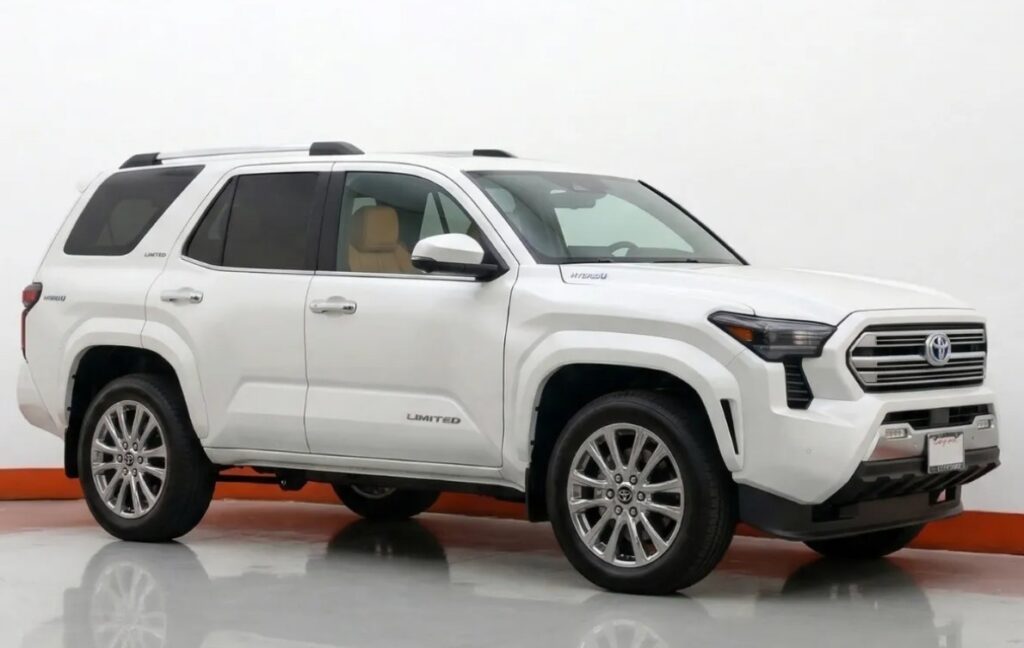
The Toyota 4Runner is more than just another SUV. It is a rolling time capsule of rugged engineering, off-road heritage, and old-school reliability wrapped in a boxy silhouette that somehow never goes out of style. While many SUVs transformed into soft crossovers chasing comfort and fuel economy, the 4Runner stayed loyal to its roots like a mountain climber refusing to leave the trail behind.
Understanding Toyota 4Runner generation years is essential whether we are shopping for a used model, comparing reliability, or simply admiring how this legendary SUV evolved over time. Each generation tells a different story. Some years focused on durability. Others embraced technology. A few became icons among overlanders and off-road enthusiasts.
Let’s walk through every Toyota 4Runner generation and uncover what makes each one unique.
Content in this publication
- The Evolution of the Toyota 4Runner
- First Generation Toyota 4Runner (1984–1989)
- Second Generation Toyota 4Runner (1990–1995)
- Third Generation Toyota 4Runner (1996–2002)
- Fourth Generation Toyota 4Runner (2003–2009)
- Fifth Generation Toyota 4Runner (2010–2024)
- Sixth Generation Toyota 4Runner (2025–Present)
- Toyota 4Runner Generation Years by Reliability
- Best Toyota 4Runner Generations for Off-Roading
- Which Toyota 4Runner Generation Is Best for Daily Driving?
- Toyota 4Runner Generations and Resale Value
- Common Problems Across Different Generations
- How Toyota Preserved the 4Runner’s Identity
- Toyota 4Runner vs Modern Crossovers
- Should We Buy an Older Toyota 4Runner?
- Why the Toyota 4Runner Became an Icon
- Final Thoughts on Toyota 4Runner Generation Years
- FAQs About Toyota 4Runner Generation Years
The Evolution of the Toyota 4Runner
The 4Runner first appeared in the early 1980s when SUVs were still rough around the edges. Back then, these vehicles were less about luxury and more about surviving muddy trails, snowy roads, and rocky terrain.
Over the decades, the 4Runner evolved from a compact utility vehicle into a midsize SUV powerhouse. Yet unlike many rivals, it never abandoned its body-on-frame construction. That single decision helped preserve its reputation as one of the toughest SUVs ever built.
Here is a quick overview of Toyota 4Runner generation years:
| Generation | Years |
|---|---|
| First Generation | 1984–1989 |
| Second Generation | 1990–1995 |
| Third Generation | 1996–2002 |
| Fourth Generation | 2003–2009 |
| Fifth Generation | 2010–2024 |
| Sixth Generation | 2025–Present |
First Generation Toyota 4Runner (1984–1989)
Where the Legend Began
The first-generation Toyota 4Runner looked like a pickup truck with a removable fiberglass shell. Honestly, that is basically what it was.
Toyota took the Hilux pickup platform and added an SUV body to create something adventurous and practical. Think of it as the automotive equivalent of hiking boots — rugged, simple, and built to last.
Key Features of the First Generation
- Removable rear fiberglass top
- Solid front axle on early models
- Compact SUV dimensions
- Available four-wheel drive
- Simple mechanical design
Engine Options
Toyota offered dependable four-cylinder engines alongside a V6 later in the generation.
Notable Engines
- 2.4L inline-four
- 3.0L V6
The four-cylinder was slow, but nearly indestructible. It moved like a determined turtle climbing a hill — not fast, but unstoppable.
Why Enthusiasts Love It
Collectors adore the first-generation 4Runner because it represents pure off-road simplicity. No giant touchscreens. No complicated electronics. Just gears, steel, and capability.
Second Generation Toyota 4Runner (1990–1995)
Toyota Moves Toward Comfort
The second generation marked a major shift. Toyota redesigned the 4Runner into a more refined family SUV while keeping its off-road DNA alive.
The removable top disappeared, and the vehicle became more spacious and civilized.
Major Changes in This Generation
A More Modern SUV Experience
Toyota introduced:
- Four full doors
- Improved suspension
- More passenger space
- Better highway comfort
- Updated safety features
The Growing Pains
Not every second-generation model aged gracefully.
Issues Some Owners Experienced
- Head gasket problems on certain V6 models
- Rust concerns in snowy regions
- Aging suspension systems
Still, many examples remain on the road today, proving Toyota durability was already becoming legendary.
Third Generation Toyota 4Runner (1996–2002)
The Golden Era of Reliability
Ask hardcore Toyota fans which 4Runner generation is best, and many point directly to the third generation.
Why? Because this era balanced reliability, off-road capability, comfort, and simplicity almost perfectly.
A Completely Redesigned Platform
Toyota gave the 4Runner:
- Rounded styling
- Improved aerodynamics
- Better ride quality
- Stronger frame design
- Enhanced interior quality
The Famous 3.4L V6
Why It Became Legendary
The 3.4L V6 earned a near-mythical reputation among owners.
Benefits included:
- Excellent longevity
- Simple maintenance
- Smooth power delivery
- Strong towing capability
Some owners pushed these engines beyond 300,000 miles without major repairs. That kind of durability feels almost fictional in today’s automotive world.
Off-Road Capability Improved Dramatically
Toyota equipped certain trims with:
- Rear locking differentials
- Advanced 4WD systems
- Increased ground clearance
This generation became a favorite among campers, explorers, and overlanders.
Fourth Generation Toyota 4Runner (2003–2009)
Bigger, More Powerful, More Sophisticated
The fourth generation introduced a more muscular personality. Toyota transformed the 4Runner into a true midsize SUV competitor.
This generation felt like the SUV equivalent of a Swiss Army knife — capable in almost every situation.
The Arrival of the V8
One of the biggest milestones in Toyota 4Runner generation years was the addition of a V8 engine.
Engine Choices Included
- 4.0L V6
- 4.7L V8
The V8 gave the 4Runner impressive towing power and effortless highway performance.
Technology Took a Leap Forward
Toyota added:
- Stability control
- Advanced traction systems
- Better infotainment
- Optional third-row seating
- Enhanced safety equipment
Why This Generation Still Matters
Many buyers today actively search for fourth-generation models because they offer:
- Strong reliability
- Modern comfort
- Available V8 power
- Excellent off-road ability
The V8 models, especially, have become highly desirable.
Fifth Generation Toyota 4Runner (2010–2024)
The Longest-Running Generation
The fifth generation lasted an incredibly long time. In automotive years, this generation practically survived an entire geological era.
You may be interested in reading Toyota 4Runner Year to Year Changes
Yet despite minimal redesigns, people kept buying it.
Why?
Because Toyota understood something important: if a formula works, do not destroy it chasing trends.
Design Philosophy
Toyota embraced aggressive styling with:
- Massive grilles
- Sharp body lines
- Rugged stance
- Off-road-focused trims
The 4Runner looked ready to climb a mountain even while parked outside a grocery store.
The Rise of the TRD Models
TRD Pro Changed Everything
Toyota expanded its off-road lineup dramatically.
Popular trims included:
- TRD Off-Road
- TRD Pro
- Limited
- SR5
- Trail Edition
The TRD Pro became especially iconic thanks to:
- Fox shocks
- All-terrain tires
- Skid plates
- Unique styling
Interior Improvements
Although critics sometimes complained the cabin felt dated, many owners appreciated its physical buttons and simple layout.
Sometimes simplicity wins. Especially when bouncing down rocky trails far from civilization.
Reliability Became a Core Selling Point
The fifth generation earned praise for:
- Exceptional durability
- Strong resale value
- Proven drivetrain reliability
- Minimal catastrophic failures
Some people joked the 4Runner would outlive its owners. Honestly, that joke did not feel far from reality.
Sixth Generation Toyota 4Runner (2025–Present)
A New Era Begins
The sixth-generation Toyota 4Runner finally arrived with major updates.
Toyota modernized the SUV without abandoning its adventurous identity.
Platform Changes
The new generation moved onto Toyota’s TNGA-F platform shared with vehicles like the Toyota Tacoma and Toyota Land Cruiser.
Benefits of the New Platform
- Improved rigidity
- Better ride quality
- Enhanced safety
- Greater towing capability
Turbocharged Engines Arrive
Toyota replaced the old naturally aspirated V6 with turbocharged powertrains.
New Engine Options
- Turbocharged 2.4L engine
- Hybrid i-FORCE MAX system
These engines provide stronger torque and better efficiency.
Technology Finally Catches Up
The sixth generation introduced:
- Large touchscreen displays
- Digital gauges
- Modern driver assistance
- Updated connectivity
- Premium interior materials
The 4Runner finally stepped fully into the modern era while still keeping its off-road soul intact.
Toyota 4Runner Generation Years by Reliability
Most Reliable Generations
If reliability is our top priority, several generations stand above the rest.
Top Choices
- Third Generation (1996–2002)
- Fifth Generation (2010–2024)
- Fourth Generation (2003–2009)
These generations consistently earn praise from owners and mechanics alike.
Best Toyota 4Runner Generations for Off-Roading
Trail Dominators
Some generations excel more in rugged environments.
Best Off-Road Generations
- First Generation
- Third Generation
- Fifth Generation TRD Pro
- Sixth Generation Trailhunter
Each offers a different off-road personality.
The first generation feels raw and mechanical.
The fifth-generation TRD Pro feels like a factory-built mountain goat.
Which Toyota 4Runner Generation Is Best for Daily Driving?
Comfort vs Ruggedness
Not every buyer plans to cross deserts or climb muddy trails.
For daily commuting, we may prefer:
Best Generations for Comfort
- Fourth Generation
- Fifth Generation Limited
- Sixth Generation
These models balance comfort, technology, and reliability better than older versions.
Toyota 4Runner Generations and Resale Value
Why the 4Runner Holds Value So Well
Few SUVs maintain resale value like the Toyota 4Runner.
Several reasons explain this phenomenon:
- Strong reliability reputation
- Off-road popularity
- Toyota brand trust
- Long lifespan
- Limited direct competitors
A used 4Runner often costs surprisingly close to a new one. It is almost like the SUV refuses to depreciate out of pure stubbornness.
Common Problems Across Different Generations
No SUV Is Perfect
Even legendary vehicles have weaknesses.
You may be interested in readingToyota 4Runner Year to Year ChangesYou may be interested in reading
Toyota 4Runner vs Land CruiserIssues Seen Across Various Generations
Rust Problems
Older models often struggle with frame rust.
Fuel Economy
The 4Runner has never been especially fuel efficient.
Aging Interiors
Some generations lagged behind competitors in interior refinement.
Still, many owners gladly accept these flaws because the overall durability outweighs the negatives.
How Toyota Preserved the 4Runner’s Identity
The Secret Sauce
Many SUVs changed dramatically over the years.
The 4Runner stayed recognizable because Toyota preserved several key traits:
- Body-on-frame construction
- Strong off-road capability
- Rugged styling
- Dependable engineering
- Adventure-focused branding
That consistency built trust across generations.
Toyota 4Runner vs Modern Crossovers
Why the 4Runner Still Feels Different
Drive a modern crossover and then hop into a 4Runner.
The difference is immediate.
Crossovers feel like comfortable sneakers.
The 4Runner feels like heavy-duty hiking boots.
Its steering feels heavier. Its suspension feels tougher. Its body structure feels more solid.
Some drivers love that old-school personality. Others prefer softer crossovers. It all depends on what kind of driving adventure we crave.
Should We Buy an Older Toyota 4Runner?
Things to Check Before Purchasing
Buying a used 4Runner can be an excellent investment if we inspect carefully.
Important Inspection Areas
- Frame rust
- Suspension wear
- Timing belt history
- Transmission condition
- Maintenance records
A well-maintained 4Runner can last for decades.
That is not marketing hype. It is simply part of the vehicle’s reputation.
Why the Toyota 4Runner Became an Icon
More Than Transportation
The 4Runner became a cultural icon because it represents freedom.
Camping trips.
Mountain roads.
Road trips into the unknown.
It symbolizes adventure in a way few modern SUVs still manage to capture.
Some vehicles simply transport us from point A to point B.
The Toyota 4Runner makes the journey feel like part of the reward.
Final Thoughts on Toyota 4Runner Generation Years
The story of Toyota 4Runner generation years is really the story of automotive consistency. While trends shifted toward car-based crossovers and flashy technology, the 4Runner stayed true to its rugged foundation.
From the removable-top first generation to the high-tech sixth generation, every era brought its own strengths. Some generations focused on simplicity. Others emphasized power or comfort. Yet all of them carried the same adventurous spirit.
If we want old-school durability, the third generation shines brightly.
If we crave V8 power, the fourth generation stands tall.
If we want modern technology mixed with trail capability, the sixth generation points toward the future.
And through it all, the Toyota 4Runner continues proving that toughness never goes out of style.
FAQs About Toyota 4Runner Generation Years
Which Toyota 4Runner generation is the most reliable?
Many enthusiasts consider the third generation (1996–2002) the most reliable because of its durable 3.4L V6 engine and simple engineering.
What generation Toyota 4Runner has a V8?
The fourth generation (2003–2009) offered an available 4.7L V8 engine.
Which Toyota 4Runner generation is best for off-roading?
The fifth-generation TRD Pro and third-generation models are especially popular for off-road adventures.
You may be interested in readingToyota 4Runner Year to Year ChangesYou may be interested in reading
Toyota 4Runner vs Land CruiserYou may be interested in reading
Toyota 4Runner Best YearsWhat is the newest Toyota 4Runner generation?
The sixth generation launched for the 2025 model year with turbocharged engines and modern technology.
Why do Toyota 4Runners last so long?
Toyota focused heavily on durable engineering, body-on-frame construction, and proven mechanical systems, helping the 4Runner achieve exceptional longevity.
If you want to know other articles similar to Toyota 4Runner Generation Years you can visit the category Models.
Land Rover Defender 90 Alternative: The Best Rivals Worth Considering
Land Rover Defender 90 Models: Complete Guide to Trims, Engines and Versions
Toyota Hilux Generations: Complete History, Evolution, and Key Differences
BMW M2 vs M340i: Which BMW Performance Car Should We Buy?
BMW M2 vs Porsche 911: Which Sports Car Makes More Sense?
BMW M2 vs Mustang GT: Which Performance Coupe Should We Buy?
Leave a Reply
More content of your interest