

BYD Seal Miles Per kWh: The Real-World Efficiency Guide Every EV Driver Should Read

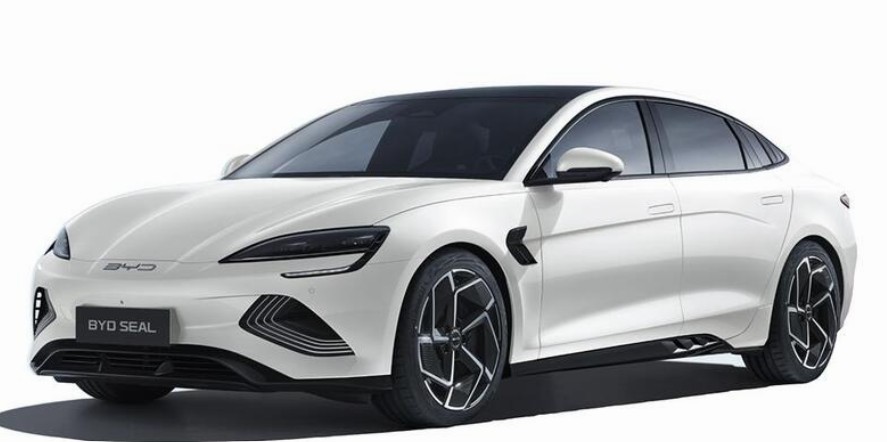
The rise of electric vehicles has transformed the way we think about efficiency. In the past, drivers focused on miles per gallon. Today, EV owners pay attention to miles per kWh, one of the most important measurements for understanding how efficiently an electric vehicle uses energy.
Among modern electric sedans, the BYD Seal has quickly earned a reputation for combining attractive styling, strong performance, advanced battery technology, and impressive efficiency. But how many miles per kWh can we realistically expect from the BYD Seal? Is it one of the most efficient electric cars available today? And what factors influence its real-world energy consumption?
In this comprehensive guide, we will explore everything there is to know about BYD Seal miles per kWh, including official figures, real-world performance, driving habits, charging costs, seasonal impacts, and practical tips to maximize efficiency.
Content in this publication
- Understanding Miles Per kWh
- Why Miles Per kWh Matters
- Introducing the BYD Seal
- Official BYD Seal Efficiency Figures
- How the BYD Seal Achieves Strong Efficiency
- Real-World BYD Seal Miles Per kWh
- City Driving Efficiency
- Highway Efficiency
- Winter Efficiency Impact
- Summer Performance
- Comparing BYD Seal to Other Electric Sedans
- How Driving Style Affects Miles Per kWh
- The Importance of Regenerative Braking Settings
- Wheel Size and Efficiency
- Tire Pressure Matters More Than You Think
- Calculating Charging Costs Using Miles Per kWh
- Long-Term Battery Health and Efficiency
- Tips to Maximize BYD Seal Miles Per kWh
- The Future of BYD Efficiency Technology
- Is the BYD Seal One of the Most Efficient EVs Available?
- Conclusion
- Frequently Asked Questions
Understanding Miles Per kWh
Before diving into the BYD Seal specifically, let's clarify what miles per kWh actually means.
A kilowatt-hour (kWh) is the amount of energy stored in an EV battery. Miles per kWh measures how far a vehicle can travel using one kilowatt-hour of electricity.
Think of it as the electric equivalent of miles per gallon.
For example:
- 3 miles per kWh means the vehicle travels 3 miles using 1 kWh.
- 4 miles per kWh means it travels 4 miles using the same amount of energy.
- Higher numbers indicate better efficiency.
This metric allows us to compare EVs regardless of battery size.
Why Miles Per kWh Matters
Many buyers focus exclusively on range. While range is important, efficiency often tells a more complete story.
A highly efficient EV:
- Costs less to run
- Requires less electricity
- Produces lower charging expenses
- Maximizes battery usage
- Delivers better long-term value
The BYD Seal shines because it balances range and efficiency exceptionally well.
Introducing the BYD Seal
The BYD Seal is a sleek electric sedan developed by BYD. Built on the company's advanced e-Platform 3.0 architecture, it competes directly with vehicles like the Tesla Model 3, Hyundai Ioniq 6, and Polestar 2.
Key highlights include:
- Blade Battery technology
- Aerodynamic design
- Fast charging capability
- Advanced driver assistance systems
- Competitive pricing
- Long driving range
These features contribute directly to the Seal's impressive miles-per-kWh performance.
Official BYD Seal Efficiency Figures
Depending on the version, the BYD Seal typically achieves efficiency figures ranging between:
Rear-Wheel Drive Models
Typical efficiency:
- Around 4.0 to 4.5 miles per kWh
All-Wheel Drive Performance Models
Typical efficiency:
- Around 3.4 to 4.0 miles per kWh
These numbers can vary depending on:
- Driving style
- Weather conditions
- Wheel size
- Road type
- Vehicle load
Nevertheless, the Seal consistently ranks among the more efficient electric sedans in its class.
How the BYD Seal Achieves Strong Efficiency
Several engineering decisions contribute to the vehicle's energy-saving capabilities.
Aerodynamic Design
The BYD Seal cuts through the air like a swimmer gliding through water.
Its streamlined shape helps reduce drag at highway speeds, where aerodynamic resistance becomes the largest consumer of energy.
Benefits include:
- Reduced power consumption
- Improved highway range
- Better miles per kWh figures
Blade Battery Technology
BYD's innovative Blade Battery offers more than safety advantages.
The design:
- Improves packaging efficiency
- Reduces wasted space
- Optimizes energy density
- Supports thermal management
All of these factors contribute to improved energy utilization.
Efficient Electric Motors
The Seal's motors convert electrical energy into motion with remarkable efficiency.
Compared to traditional combustion engines, which waste significant energy as heat, electric motors can achieve efficiency rates exceeding 90%.
Real-World BYD Seal Miles Per kWh
Official numbers are useful, but what happens in everyday driving?
Most owners report real-world efficiency figures between:
| Driving Condition | Miles per kWh |
|---|---|
| City Driving | 4.5 – 5.0 |
| Mixed Driving | 4.0 – 4.5 |
| Highway Driving | 3.2 – 4.0 |
| Winter Conditions | 2.8 – 3.8 |
These figures demonstrate the Seal's versatility across varying environments.
City Driving Efficiency
Urban driving often produces the best efficiency results.
Why?
Because electric vehicles thrive in stop-and-go conditions.
Regenerative Braking Benefits
Every time we lift off the accelerator, the BYD Seal recovers energy.
This recovered energy returns to the battery instead of being wasted as heat.
Benefits include:
- Increased efficiency
- Reduced brake wear
- Longer driving range
Many city drivers regularly achieve more than 4.5 miles per kWh.
Highway Efficiency
Highway travel presents a different challenge.
At higher speeds:
- Air resistance rises dramatically
- Energy consumption increases
- Range decreases
Even so, the BYD Seal remains impressively efficient thanks to its aerodynamic profile.
Maintaining speeds around 65–70 mph often yields significantly better results than driving above 80 mph.
Winter Efficiency Impact
Cold weather affects every electric vehicle.
The BYD Seal is no exception.
Why Efficiency Drops in Winter
Several factors contribute:
- Battery chemistry becomes less efficient
- Cabin heating consumes power
- Tire resistance increases
- Dense air creates more drag
During harsh winter conditions, drivers may experience efficiency reductions of 15% to 30%.
Summer Performance
Warm temperatures generally favor EV efficiency.
The battery operates closer to its ideal temperature range, resulting in:
- Improved charging speeds
- Better regenerative braking
- Increased miles per kWh
However, heavy air-conditioning use can still reduce efficiency slightly.
Comparing BYD Seal to Other Electric Sedans
Let's see how the Seal compares.
BYD Seal vs Tesla Model 3
Typical efficiency:
- BYD Seal: 4.0–4.5 miles per kWh
- Tesla Model 3: 4.0–5.0 miles per kWh
The Tesla may hold a slight efficiency advantage in some configurations, but the difference is often smaller than many expect.
BYD Seal vs Hyundai Ioniq 6
Typical efficiency:
- BYD Seal: 4.0–4.5 miles per kWh
- Hyundai Ioniq 6: 4.2–5.0 miles per kWh
The Ioniq 6 is one of the efficiency leaders in the EV market.
BYD Seal vs Polestar 2
Typical efficiency:
- BYD Seal: 4.0–4.5 miles per kWh
- Polestar 2: 3.2–4.0 miles per kWh
The Seal generally enjoys an efficiency advantage.
How Driving Style Affects Miles Per kWh
Perhaps the biggest factor is the driver.
Aggressive Acceleration
Rapid acceleration:
- Consumes more energy
- Increases battery drain
- Lowers efficiency
Smooth Inputs
Gentle acceleration often improves efficiency significantly.
Imagine carrying a full cup of coffee without spilling it. That same smoothness benefits EV efficiency.
The Importance of Regenerative Braking Settings
The BYD Seal allows drivers to customize regenerative braking levels.
Higher Regeneration
Benefits:
- Increased energy recovery
- Better city efficiency
- Reduced brake wear
Lower Regeneration
Benefits:
- More natural driving feel
- Easier adaptation for new EV owners
Finding the right balance can improve daily efficiency.
Wheel Size and Efficiency
Many buyers overlook wheel choice.
Larger wheels often:
- Increase weight
- Raise rolling resistance
- Reduce efficiency
Smaller wheels generally deliver:
- Better miles per kWh
- Improved range
- Lower replacement costs
Tire Pressure Matters More Than You Think
Proper tire inflation can significantly affect efficiency.
Underinflated tires:
- Increase drag
- Reduce range
- Increase energy consumption
Checking tire pressure monthly is one of the simplest efficiency improvements available.
Calculating Charging Costs Using Miles Per kWh
Let's look at a practical example.
Assume:
- Electricity cost: $0.15 per kWh
- BYD Seal efficiency: 4.2 miles per kWh
Cost per mile:
$0.15 ÷ 4.2 = $0.036
That's approximately 3.6 cents per mile.
Compared to many gasoline vehicles, the savings can be substantial.
Annual Savings Example
Driving:
- 12,000 miles per year
Energy required:
- 12,000 ÷ 4.2 = 2,857 kWh
Annual charging cost:
- 2,857 × $0.15 = $428
This demonstrates why efficient EVs remain attractive even when electricity prices fluctuate.
Long-Term Battery Health and Efficiency
Battery condition influences efficiency over time.
Fortunately, BYD's Blade Battery has gained recognition for durability and longevity.
Good practices include:
- Avoiding excessive fast charging
- Keeping charge levels moderate
- Parking in shaded areas when possible
- Following manufacturer recommendations
These habits help preserve both battery health and efficiency.
Tips to Maximize BYD Seal Miles Per kWh
Plan Ahead
Smooth journeys use less energy than rushed trips.
Precondition the Cabin
Preheating or precooling while plugged in reduces battery usage later.
Maintain Moderate Speeds
Reducing speed slightly can dramatically improve efficiency.
Use Eco Driving Modes
Eco modes optimize:
- Power delivery
- Climate control
- Energy consumption
Remove Unnecessary Weight
Every extra pound requires additional energy.
Monitor Energy Reports
The Seal provides useful efficiency data that can help identify habits that waste energy.
The Future of BYD Efficiency Technology
BYD continues investing heavily in battery innovation.
Future developments may include:
- Higher energy density batteries
- Faster charging
- Improved thermal management
- Greater motor efficiency
- Enhanced energy recovery systems
As these technologies evolve, miles-per-kWh figures will likely improve further.
Is the BYD Seal One of the Most Efficient EVs Available?
In many respects, yes.
While a handful of specialized efficiency champions may achieve slightly better figures, the BYD Seal delivers an excellent balance of:
- Performance
- Comfort
- Technology
- Range
- Efficiency
For most drivers, achieving around 4 miles per kWh or more in daily use is entirely realistic.
That places the Seal among the stronger performers in today's electric vehicle market.
Conclusion
The BYD Seal proves that efficiency and excitement can coexist. Its combination of aerodynamic design, advanced Blade Battery technology, intelligent energy management, and refined electric powertrain allows it to achieve impressive miles-per-kWh figures in real-world driving.
Whether we're commuting through city traffic, cruising along motorways, or exploring weekend destinations, the Seal consistently demonstrates that smart engineering matters. Typical drivers can expect between 4.0 and 4.5 miles per kWh under mixed conditions, with even higher numbers possible in urban environments.
As electricity costs continue to shape purchasing decisions, understanding miles per kWh becomes increasingly important. The BYD Seal doesn't merely offer impressive range—it uses its energy wisely, making every kilowatt-hour work harder.
Frequently Asked Questions
1. What is the average BYD Seal miles per kWh?
Most drivers report between 4.0 and 4.5 miles per kWh during mixed driving conditions.
2. Is the BYD Seal more efficient than the Tesla Model 3?
The Tesla Model 3 may be slightly more efficient in some versions, but the difference is often relatively small.
3. Does cold weather affect BYD Seal efficiency?
Yes. Winter temperatures can reduce efficiency by 15% to 30% depending on conditions.
4. What driving speed provides the best efficiency?
Moderate speeds around 60–70 mph typically deliver the best balance of efficiency and travel time.
5. How can I improve my BYD Seal miles per kWh?
Use regenerative braking, maintain proper tire pressure, drive smoothly, reduce unnecessary weight, and use Eco mode when appropriate.
If you want to know other articles similar to BYD Seal Miles Per kWh: The Real-World Efficiency Guide Every EV Driver Should Read you can visit the category Driving.
BYD Shark 6 Fuel Consumption: Real-World Economy, Range and What to Expect
Vauxhall Agila MPG: Real-World Fuel Economy and Engine Guide

Honda Passport MPG: Real-World Fuel Economy, Ratings, and What to Expect

Nissan Rogue Fuel Economy: MPG, Range, Costs, and Real-World Efficiency
BYD Shark 6 Long Range Fuel Tank: Is the 120L Upgrade Worth It?
BYD Shark 6 Average Per Litre: How Far Does It Really Go on One Litre?
Leave a Reply
More content of your interest