
Vauxhall Meriva Overheating: Causes, Warning Signs, and Fixes

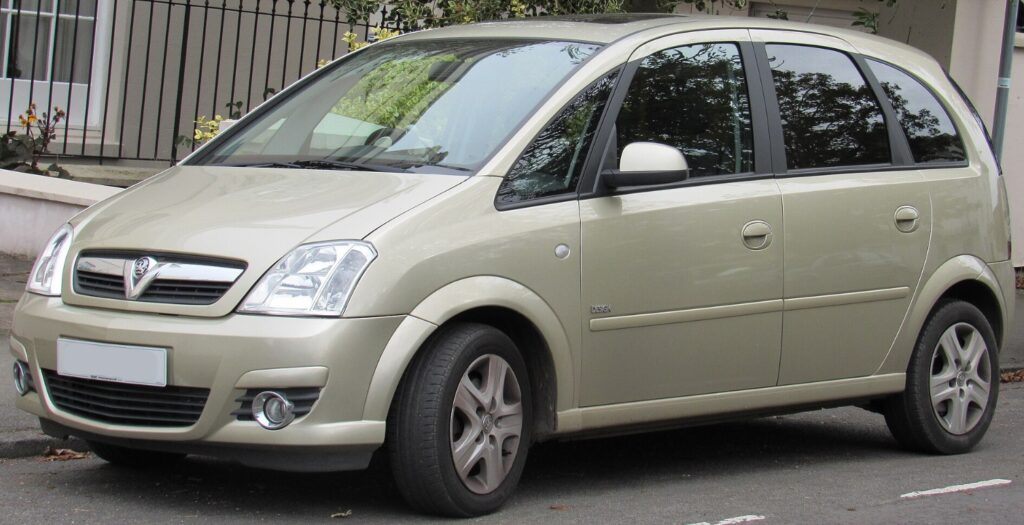
A Vauxhall Meriva overheating problem can turn an ordinary drive into a stressful roadside emergency. One moment the car feels normal; the next, the temperature warning appears, steam rises from the engine bay, or the cooling fan sounds like a small aircraft preparing for take-off.
Overheating should never be ignored. An engine that runs too hot can damage the head gasket, cylinder head, pistons, cooling system, and other expensive components. Fortunately, not every overheating problem means the engine is finished. In many cases, the cause is something relatively manageable, such as low coolant, a leaking hose, a faulty thermostat, or a damaged coolant flange.
In this guide, we will explore the most common reasons a Vauxhall Meriva overheats, the symptoms we should watch for, the checks we can perform safely, and the repairs that may be required.
Content in this publication
- Why Is My Vauxhall Meriva Overheating?
- Common Vauxhall Meriva Overheating Symptoms
- Low Coolant Levels
- Coolant Leaks Around the Engine
- Faulty Thermostat
- Radiator Fan Not Working
- Blocked or Damaged Radiator
- Failing Water Pump
- Air Trapped in the Cooling System
- Could It Be the Head Gasket?
- Why Does the Meriva Overheat in Traffic?
- Why Does It Overheat on the Motorway?
- What to Do When the Vauxhall Meriva Overheats
- Can We Drive an Overheating Meriva?
- How to Prevent Future Overheating
- Vauxhall Meriva Overheating Repair Costs
- Final Thoughts
- Frequently Asked Questions
Why Is My Vauxhall Meriva Overheating?
An engine produces a huge amount of heat while running. The cooling system controls this temperature by circulating coolant through the engine and radiator. When part of that system stops working properly, heat begins to build up.
The most common causes include:
- Low coolant
- Coolant leaks
- A faulty thermostat
- A blocked radiator
- A failing water pump
- A defective radiator fan
- Air trapped in the cooling system
- A damaged coolant flange
- A failed temperature sensor
- A blown head gasket
Some faults cause gradual overheating, while others appear suddenly. The timing of the problem often gives us useful clues.
Common Vauxhall Meriva Overheating Symptoms
The temperature gauge is not always the first sign of trouble. We may notice several symptoms before the engine reaches a dangerous temperature.
Temperature Warning Light
A dashboard temperature warning is one of the clearest signals that the cooling system cannot control engine heat. Some Meriva models may also display a warning code or message.
We should stop driving as soon as it is safe. Continuing to drive could transform a small cooling leak into major engine damage.
Steam From Under the Bonnet
Steam usually means coolant has become extremely hot and is escaping from the system. It may come from the expansion tank, radiator, hose connection, thermostat housing, or coolant flange.
Steam can cause serious burns, so we should never open the coolant cap while the engine is hot.
Coolant Smell
Engine coolant often has a sweet, chemical smell. If we notice that smell after driving, coolant may be leaking onto a hot part of the engine.
A leak may be small enough to evaporate before forming a visible puddle.
Heater Blowing Cold Air
Strangely, a cold heater can accompany an overheating engine. The cabin heater depends on hot coolant circulating through the heater matrix.
If coolant levels are too low or air is trapped in the system, the heater may suddenly blow cold while the engine temperature rises.
Low Coolant Levels
Low coolant is one of the first things we should investigate. Without enough coolant, the system cannot absorb and transfer heat effectively.
When the engine is completely cold, we can inspect the level in the expansion tank. The coolant should normally sit between the minimum and maximum marks.
If the level is low, adding the correct coolant may temporarily solve the symptom, but it does not explain why the coolant disappeared.
Coolant does not normally vanish without a reason. We should inspect the system for leaks rather than repeatedly topping it up.
Coolant Leaks Around the Engine
Leaks can occur in several areas of the Meriva cooling system.
Common leak points include:
- Radiator hoses
- Hose clips
- Expansion tank
- Expansion tank cap
- Radiator
- Thermostat housing
- Water pump
- Heater matrix
- Coolant flange
- Cylinder head gasket
A leak may leave wet patches, dried residue, coloured staining, or a crusty deposit around a connection.
Coolant Flange Problems
On some Vauxhall Meriva engines, a coolant flange or plastic coolant connection can crack or deteriorate with age. Plastic parts are constantly exposed to heat, pressure, and vibration. Over time, they can become brittle.
A leaking flange may release coolant slowly at first. Eventually, the coolant level drops enough to trigger overheating.
Replacing the flange may be straightforward for an experienced mechanic, but access can vary depending on the engine.
Faulty Thermostat
The thermostat controls coolant flow between the engine and radiator. When the engine is cold, it stays closed to help the engine warm up. Once operating temperature is reached, it opens.
If the thermostat sticks closed, hot coolant cannot flow properly to the radiator. The engine may then overheat quickly.
Signs of a Stuck Thermostat
Possible symptoms include:
- Rapid temperature increase
- Radiator remaining relatively cool
- Upper radiator hose becoming extremely hot
- Cabin heater behaving inconsistently
- Overheating during normal driving
A thermostat can also stick open, but that usually causes slow warm-up rather than overheating.
Radiator Fan Not Working
The radiator fan pulls air through the radiator when the vehicle is stationary or travelling slowly. It is especially important in traffic.
If the Meriva overheats while idling but cools down once we start moving, the radiator fan system becomes a strong suspect.
The problem could involve:
- Fan motor
- Fuse
- Relay
- Wiring
- Temperature sensor
- Fan control module
We may hear the fan switch on when the engine becomes hot. However, we should keep our hands, clothing, and tools away because electric fans can start unexpectedly.
Blocked or Damaged Radiator
A radiator can become blocked internally by corrosion, old coolant, debris, or cooling-system sealant. Externally, dirt, leaves, and damaged fins can reduce airflow.
A partially blocked radiator may cool the engine adequately during gentle driving but struggle on hills, motorways, or hot days.
The radiator may need professional flushing or replacement if coolant flow is restricted.
Failing Water Pump
The water pump circulates coolant through the engine. If the pump impeller becomes damaged, loose, or worn, coolant circulation may weaken.
A failing pump may cause:
- Overheating at higher engine speeds
- Coolant leaks near the pump
- Grinding or whining noises
- Temperature fluctuations
- Poor heater performance
Some water pumps are driven by the timing belt, while others use a separate belt or drive arrangement. Because replacement can involve significant labour, mechanics often recommend changing related components at the same time.
Air Trapped in the Cooling System
Air pockets can prevent coolant from circulating properly. This may happen after coolant has been drained, a hose has been replaced, or a leak has allowed air into the system.
Symptoms can include:
- Gurgling sounds
- Intermittent overheating
- Heater switching between hot and cold
- Coolant level rising and falling
- Temperature gauge fluctuations
The system may need to be bled using the correct procedure. Simply filling the expansion tank may not remove trapped air.
Could It Be the Head Gasket?
A blown head gasket is one of the most serious explanations for Vauxhall Meriva overheating. The gasket seals the joint between the engine block and cylinder head.
When it fails, coolant may enter the cylinders, combustion gases may enter the cooling system, or oil and coolant may mix.
Head Gasket Warning Signs
We should look for:
- Persistent white exhaust smoke
- Coolant loss without an obvious external leak
- Bubbles in the expansion tank
- Excessive cooling-system pressure
- Creamy residue under the oil cap
- Misfiring after starting
- Repeated overheating
- Hard coolant hoses shortly after a cold start
Creamy residue alone does not always confirm failure, especially on cars used for short journeys. A pressure test, combustion-gas test, or compression test provides better evidence.
Why Does the Meriva Overheat in Traffic?
Overheating in slow traffic usually points towards an airflow or fan problem.
When the car is moving, air naturally passes through the radiator. In traffic, the electric fan must create that airflow.
Likely causes include:
- Failed radiator fan
- Blown fuse
- Faulty relay
- Damaged wiring
- Incorrect coolant sensor reading
- Blocked radiator fins
If the temperature drops once we drive faster, we should have the fan circuit checked promptly.
Why Does It Overheat on the Motorway?
Motorway overheating often suggests a coolant circulation, pressure, or capacity problem rather than a simple fan fault.
Possible causes include:
- Low coolant
- Weak water pump
- Blocked radiator
- Stuck thermostat
- Collapsing hose
- Head gasket failure
- Incorrect coolant mixture
High engine load produces more heat. A cooling system that seems adequate around town may fail under sustained motorway driving.
What to Do When the Vauxhall Meriva Overheats
When the temperature warning appears, we should act calmly.
Step 1: Turn Off the Air Conditioning
Air conditioning adds load to the engine. Switching it off may slightly reduce heat production.
Step 2: Turn the Heater On
Turning the heater to maximum can draw some heat away from the engine. This is only a temporary emergency measure, not a repair.
Step 3: Stop Safely
We should pull over in a safe location and switch off the engine. If steam is visible, we should stay clear of the bonnet until the engine cools.
Step 4: Do Not Open the Coolant Cap
Hot cooling systems are pressurised. Opening the cap can release boiling coolant violently.
Step 5: Arrange Recovery if Necessary
If coolant is pouring out, the engine repeatedly overheats, or the warning returns quickly, driving should stop. Recovery costs far less than a replacement engine.
Can We Drive an Overheating Meriva?
Driving an overheating vehicle is a gamble with poor odds. Even a short distance may warp the cylinder head or damage the head gasket.
If the temperature has risen only slightly and immediately returns to normal after stopping, we may still be tempted to continue. However, without knowing the cause, the safer decision is to inspect the vehicle or arrange assistance.
How to Prevent Future Overheating
Prevention usually costs less than repair.
We should:
- Check coolant regularly
- Use the correct coolant specification
- Replace damaged hoses
- Investigate coolant loss immediately
- Service the vehicle on schedule
- Keep the radiator clean
- Replace old expansion tank caps
- Watch for temperature fluctuations
- Avoid mixing incompatible coolants
- Have recurring warning codes diagnosed
A healthy cooling system works quietly in the background. When it starts asking for attention, we should listen before the whisper becomes a scream.
Vauxhall Meriva Overheating Repair Costs
Repair costs vary by engine, location, labour rate, and the severity of the fault.
A loose hose clip or faulty cap may be inexpensive. A thermostat, coolant flange, sensor, or hose usually sits in the moderate repair range. A radiator or water pump can cost more due to parts and labour.
Head gasket failure is normally the most expensive scenario because the cylinder head may need removal, inspection, machining, and reassembly.
Obtaining a proper diagnosis before replacing parts can save money. Guessing at the problem often leads to changing several good components while the real fault remains.
Final Thoughts
A Vauxhall Meriva overheating problem should be treated as urgent, but we should not assume the worst immediately. Many cases begin with a leak, low coolant level, thermostat fault, damaged flange, fan issue, or circulation problem.
The key is to stop driving before excessive heat causes permanent damage. We should allow the engine to cool fully, inspect the coolant level, look for leaks, and arrange professional testing when the cause is unclear.
Overheating is the engine’s way of waving a bright red flag. The sooner we respond, the better our chances of turning a frightening breakdown into a manageable repair.
Frequently Asked Questions
1. Why is my Vauxhall Meriva losing coolant but showing no leak?
The coolant may be escaping only when the system is hot, evaporating on the engine, leaking through the heater matrix, or entering the cylinders through a damaged head gasket.
2. Can a faulty coolant cap cause overheating?
Yes. The cap maintains cooling-system pressure. If it cannot hold the correct pressure, coolant may boil earlier or escape from the expansion tank.
3. Why does my Meriva heater go cold before overheating?
This often indicates low coolant, trapped air, or poor coolant circulation. The heater matrix may no longer receive enough hot coolant.
4. Will topping up the coolant fix the problem?
It may temporarily lower the temperature, but it will not repair the underlying leak or mechanical fault. Continued coolant loss requires investigation.
5. How long should I wait before opening the coolant cap?
We should wait until the engine is fully cold. Depending on conditions, this may take an hour or longer. Never rely only on the dashboard gauge.
If you want to know other articles similar to Vauxhall Meriva Overheating: Causes, Warning Signs, and Fixes you can visit the category Common Problems.
Toyota Hilux DPF Problems: Causes, Symptoms, Fixes, and Prevention
Toyota Hilux Issues: Common Problems, Causes and What to Check

Subaru XV Not Starting: Causes, Diagnosis, and Fixes
BMW M2 Issues: Common Problems, Reliability and What Owners Should Know
Subaru XV Issues: Common Problems, Reliability and What Owners Should Know
Subaru XV Hybrid Problems: What Owners Should Know
Leave a Reply
More content of your interest