
Vauxhall Meriva Not Starting: Causes, Checks, and Fixes

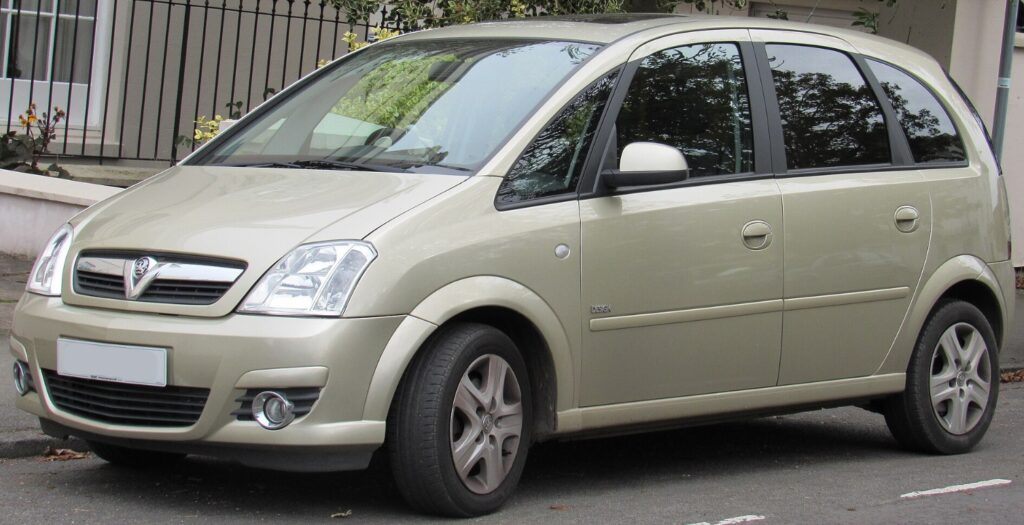
A Vauxhall Meriva not starting can turn an ordinary morning into a frustrating puzzle. You sit down, insert the key, turn the ignition, and expect the engine to wake up. Instead, you may hear silence, a rapid clicking noise, a slow crank, or an engine that spins enthusiastically but refuses to fire.
The good news is that a non-starting Meriva does not automatically mean the engine has suffered a catastrophic failure. In many cases, the culprit is something relatively simple: a weak battery, a faulty key, a poor electrical connection, an immobiliser issue, or a fuel-delivery problem.
The challenge is identifying which type of non-starting condition we are dealing with. A car that does not crank requires a different diagnostic approach from one that cranks normally but will not start. Treating every starting problem as a battery fault is like blaming every household blackout on a broken light bulb. Sometimes that is the issue, but often the real cause is hiding elsewhere.
In this guide, we will walk through the most common causes, useful warning signs, basic checks, likely repair options, and situations where professional diagnosis becomes the sensible choice.
Content in this publication
- First Identify What “Not Starting” Actually Means
- Weak or Flat Battery
- Faulty Starter Motor or Starter Solenoid
- Immobiliser or Key Recognition Problem
- Ignition Switch or Ignition Barrel Fault
- Clutch Pedal Switch Failure
- Automatic Gear Selector or Neutral Safety Switch
- Fuel Supply Problems
- Crankshaft Position Sensor Failure
- Camshaft Position Sensor Issues
- Ignition Coil or Spark Plug Problems
- Flooded Petrol Engine
- Blown Fuse or Faulty Relay
- Engine Control Module or Wiring Fault
- Alternator Failure and a Discharged Battery
- Timing Chain or Timing Belt Failure
- Glow Plug System Problems on Diesel Models
- Engine Coolant Temperature Sensor Fault
- Air Intake Obstruction or Throttle Fault
- Aftermarket Alarm or Tracker Problems
- Water Ingress and Corroded Electrical Connections
- What to Check at Home
- Using an OBD Diagnostic Scanner
- When Jump-Starting Is Worth Trying
- When We Should Stop Trying to Start It
- Likely Repair Costs and Diagnostic Priorities
- How to Prevent Future Starting Problems
- Vauxhall Meriva Not Starting After Battery Replacement
- Vauxhall Meriva Not Starting When Hot
- Vauxhall Meriva Not Starting in Cold Weather
- Vauxhall Meriva Starts and Then Cuts Out
- Final Thoughts
- Frequently Asked Questions
First Identify What “Not Starting” Actually Means
Before replacing parts, we need to pay attention to exactly what happens when the key is turned or the start button is pressed.
Your Meriva will usually behave in one of four ways:
- Nothing happens at all.
- The dashboard lights appear, but the starter only clicks.
- The engine turns over slowly.
- The engine cranks normally but does not start.
These symptoms may sound similar, but they point toward different systems.
The Engine Does Not Crank
If the starter motor does not turn the engine, the problem is usually related to the electrical supply, starter circuit, immobiliser, ignition switch, clutch switch, automatic transmission selector, or starter motor itself.
You may hear a single click, repeated clicks, or complete silence.
The Engine Cranks but Does Not Fire
When the engine turns normally but fails to start, the battery and starter may be doing their jobs. The fault may instead involve:
- Fuel pressure
- Ignition spark
- Engine timing
- Crankshaft position information
- Immobiliser authorisation
- Air intake
- Engine control electronics
This distinction should shape every check that follows.
Weak or Flat Battery
A weak battery is one of the most common reasons for a Vauxhall Meriva not starting. It may still power the radio, dashboard, interior lights, and central locking while lacking enough energy to operate the starter motor properly.
The starter demands far more current than most other electrical components. That is why a dashboard full of lights does not prove that the battery is healthy.
Typical Signs of a Weak Battery
Look for these clues:
- Rapid clicking when turning the key
- Dashboard lights dimming heavily
- Starter motor turning slowly
- Clock or radio settings resetting
- Central locking behaving erratically
- Car starting successfully with jump leads
Cold weather can expose a tired battery quickly. A battery that seemed acceptable during summer may collapse on a frosty morning like a runner reaching the final hill with nothing left in the tank.
Check the Battery Voltage
A multimeter can provide a useful first indication.
With the engine off, a healthy, fully charged 12-volt battery will commonly show around 12.6 volts. A reading near 12.2 volts suggests partial discharge, while a reading below 12 volts usually indicates significant discharge.
Voltage alone does not reveal the full condition of the battery. A battery may display acceptable resting voltage but drop dramatically under load. A proper battery load test is more reliable.
Inspect Battery Terminals
Loose, dirty, or corroded terminals can mimic a dead battery.
Check that:
- Both terminals are tight.
- There is no white or green corrosion.
- The negative cable is secure.
- The engine ground strap is intact.
- The positive cable is not damaged.
A poor ground connection can cause intermittent starting, clicking, dim lights, or strange electrical warnings.
Faulty Starter Motor or Starter Solenoid
If the battery is charged but the engine does not crank, the starter motor may be failing.
The starter motor uses electrical power to rotate the engine during startup. The solenoid acts like an electrical gatekeeper, engaging the starter gear and supplying current to the motor.
Common Starter Motor Symptoms
A failing starter may cause:
- One solid click but no cranking
- Intermittent starting
- Grinding noises
- Starter spinning without turning the engine
- No response despite a healthy battery
- Starting after several attempts
Starter motors can develop worn brushes, damaged internal contacts, solenoid faults, or mechanical wear.
Why Intermittent Starter Problems Matter
An intermittent starter can be deceptive. The Meriva may start perfectly ten times and then suddenly refuse on the eleventh attempt.
That unpredictability often causes drivers to suspect the key or battery. However, worn internal starter components can make contact only when they settle in a favourable position.
A technician can test whether the starter receives the correct voltage during a starting attempt. If power and ground are present but the starter does not operate, the unit is probably defective.
Immobiliser or Key Recognition Problem
The Meriva’s immobiliser is designed to prevent the engine from starting without an authorised key. If the system cannot recognise the transponder chip, it may disable starting or allow the engine to crank without firing.
Signs of an Immobiliser Fault
Watch for:
- A flashing key or security symbol
- An immobiliser warning on the dashboard
- Engine cranking but not starting
- Engine starting and immediately cutting out
- One key working while another does not
- Starting trouble after key damage or battery replacement
The remote-control battery and immobiliser transponder are not always the same system. A flat key-fob battery may prevent remote locking while the transponder still starts the car. However, a damaged key, lost programming, wiring fault, or receiver problem can prevent authorisation.
Try the Spare Key
Using the spare key is one of the simplest diagnostic steps.
If the spare starts the vehicle immediately, the original key may have:
- A damaged transponder
- Internal water damage
- A cracked circuit board
- Lost coding
- Physical wear near the ignition barrel
Do Not Rush Into Random Immobiliser Resets
Online reset procedures sometimes promise an instant cure, but not every Meriva generation or fault responds to a basic key cycle.
Repeatedly disconnecting the battery or turning the ignition in random sequences may erase useful fault evidence without solving the underlying issue. Proper diagnostic equipment can check whether the engine control module is receiving start authorisation.
Ignition Switch or Ignition Barrel Fault
A worn ignition switch can prevent the starter circuit from receiving the correct command.
You may notice that the dashboard lights flicker, the key feels loose, or the car starts only when the key is held in a certain position.
Warning Signs Around the Ignition
Possible symptoms include:
- No crank when the key is turned
- Accessories cutting in and out
- Key difficult to rotate
- Steering lock not releasing normally
- Engine stopping when the key is moved
- Starting only after wiggling the key
The mechanical barrel and the electrical ignition switch are related but separate components. A stiff or damaged barrel may require mechanical attention, while an electrical contact fault may require switch replacement.
Clutch Pedal Switch Failure
Manual Meriva models may use a clutch-position switch as part of the starting safety system. The vehicle may require the clutch pedal to be pressed before the starter is activated.
If the switch fails or becomes misaligned, the car may behave as though the clutch has not been pressed.
How to Spot a Clutch Switch Problem
You may experience:
- Dashboard lights working normally
- No starter operation
- Starting only when the clutch is pressed extremely hard
- Intermittent starting depending on pedal position
- Cruise-control irregularities on some models
Press the clutch fully to the floor and try again. Slightly changing foot pressure may temporarily reveal a switch alignment problem, although this is not a permanent repair.
Automatic Gear Selector or Neutral Safety Switch
Automatic and automated-manual versions generally need to detect Park or Neutral before permitting the engine to start.
If the selector switch or position sensor fails, the car may not recognise the selected gear.
Try Starting in Neutral
Move the selector firmly into Park, then try Neutral.
If it starts in Neutral but not Park, the gear-position sensor, selector adjustment, wiring, or switch may require attention.
Look for a missing or incorrect gear indication on the dashboard. If the display does not match the actual selector position, that clue is especially important.
Fuel Supply Problems
If the engine cranks at normal speed but does not fire, we need to consider whether fuel is reaching the engine at the correct pressure.
Possible causes include:
- Failed fuel pump
- Faulty fuel-pump relay
- Blown fuse
- Restricted fuel filter
- Empty fuel tank
- Incorrect fuel
- Injector control fault
- Low diesel rail pressure
Listen for the Fuel Pump
On many petrol vehicles, a brief humming sound may be heard from the rear of the car when the ignition is switched on.
No sound does not automatically prove the pump has failed, but it gives us a reason to inspect the fuse, relay, wiring, and pump supply.
You may be interested in reading Vauxhall Meriva Door Lock Fault: Causes, Diagnosis, and Fixes
Do Not Trust the Fuel Gauge Completely
A faulty fuel-level sender can mislead us. If the gauge is very low or has behaved strangely, adding a small amount of the correct fuel may be worthwhile.
This sounds obvious, but “empty tank” remains one of those embarrassingly simple causes that can hide behind more complicated assumptions.
Diesel Fuel Delivery Can Be More Complex
A diesel Meriva may crank without starting if the fuel system contains air, rail pressure is too low, or one or more injectors leak excessively through the return circuit.
Diesel engines need sufficient cranking speed and high-pressure fuel delivery. A battery that seems only slightly weak may prevent the rail pressure from rising enough for startup.
Crankshaft Position Sensor Failure
The crankshaft position sensor tells the engine control unit how fast the engine is turning and where the crankshaft is positioned.
Without that signal, the control unit may not trigger the injectors or ignition system correctly.
Common Crank Sensor Symptoms
A failing sensor may cause:
- Engine cranking but not starting
- Sudden stalling
- Starting again after cooling down
- Intermittent hot-start problems
- No engine-speed signal during cranking
- Engine warning light
A classic pattern is an engine that starts when cold, stalls after warming up, and refuses to restart until it cools.
However, symptoms vary, and replacing the sensor without testing can become an expensive guessing game.
Camshaft Position Sensor Issues
The camshaft sensor works alongside the crankshaft sensor to help control timing and injection.
Some engines may still start with a weak or missing camshaft signal, while others may crank for a long time, start poorly, or not start at all.
A diagnostic scan may reveal synchronisation errors or sensor-related fault codes. Wiring damage, connector corrosion, oil contamination, and timing problems can sometimes produce similar codes.
Ignition Coil or Spark Plug Problems
On petrol engines, the air-fuel mixture must receive a strong spark.
A single worn spark plug usually causes rough running or misfiring rather than a total no-start. However, a failed shared ignition component, severe flooding, damaged coil pack, or lost power supply can prevent the engine from firing.
Possible Ignition Symptoms
You may notice:
- Engine cranking normally
- Fuel smell from the exhaust
- Previous misfiring
- Rough running before the failure
- Engine warning light
- Damp-weather starting trouble
Testing for spark involves high voltage and should be approached carefully. Modern ignition systems can deliver a painful electric shock and may be damaged by incorrect testing.
Flooded Petrol Engine
Repeated short starting attempts can sometimes flood a petrol engine, especially if there is an ignition or sensor problem.
Too much fuel wets the spark plugs and makes combustion difficult.
Signs of Flooding
Potential clues include:
- Strong petrol smell
- Engine briefly trying to fire
- Wet spark plugs
- Failure after many short attempts
- Starting eventually after being left alone
Avoid endlessly cranking the engine. Long starting attempts can overheat the starter motor and drain the battery.
A flooded engine should also prompt us to investigate why it flooded. The underlying cause may involve weak ignition, incorrect temperature information, poor compression, or injector leakage.
Blown Fuse or Faulty Relay
Starting and engine-management systems depend on multiple fuses and relays.
A failed fuse may interrupt power to the:
- Engine control unit
- Starter circuit
- Fuel pump
- Ignition system
- Injectors
- Immobiliser module
Inspect Fuses Correctly
Do not rely only on visual inspection. A fuse can appear intact while having a small internal break.
Use the fuse layout for your specific model year and test the relevant fuse with a multimeter or test lamp.
Replace a fuse only with the correct amperage. Installing a higher-rated fuse is dangerous because it may allow wiring to overheat before the fuse reacts.
A Fuse That Blows Again Indicates a Fault
If a replacement fuse fails immediately, do not continue fitting new ones. The circuit may have a short, damaged wiring, or a defective component.
The fuse is acting as protection, not causing the problem.
Engine Control Module or Wiring Fault
The engine control module rarely deserves to be the first suspect. Wiring, grounds, connectors, low voltage, and sensor faults are far more common.
Nevertheless, water ingress, internal electronic failure, damaged connectors, poor earths, or communication faults can cause a no-start.
Possible Electronic Control Symptoms
These may include:
- No communication with the engine module
- Cooling fan running constantly
- Multiple unrelated warning lights
- No injector or ignition command
- Immobiliser communication errors
- Problems after water exposure
- Burnt or corroded connectors
Before condemning an expensive control unit, power supplies, grounds, communication lines, and immobiliser matching should be tested properly.
Alternator Failure and a Discharged Battery
The alternator does not normally start the engine, but it recharges the battery while the engine runs.
If it fails, the vehicle may continue driving until the battery becomes depleted. Later, the Meriva will not restart.
Signs the Alternator May Be Responsible
Look back at what happened before the no-start:
- Battery warning light appeared
- Headlights became dim
- Steering or dashboard systems behaved strangely
- Engine eventually stopped while driving
- New battery became flat quickly
- Electrical burning smell developed
Jump-starting may get the car running temporarily, but it will not solve an alternator that is not charging.
Timing Chain or Timing Belt Failure
A mechanical timing failure is less common than a weak battery, but it is far more serious.
Depending on the engine, the Meriva may use a timing chain or timing belt. If timing slips or fails, the camshaft and crankshaft can lose synchronisation.
Symptoms of a Possible Timing Failure
Warning signs may include:
- Engine cranking faster than usual
- Uneven cranking sound
- No attempt to fire
- Rattling before the breakdown
- Sudden engine cut-out
- Camshaft and crankshaft correlation codes
- Low or uneven compression
If the engine suddenly stopped while driving and now cranks unusually quickly, stop attempting to start it. Continued cranking could worsen internal damage.
Compression Testing May Be Required
A compression test or relative compression test can help determine whether the cylinders are sealing properly.
Low compression across several cylinders may point toward incorrect valve timing, internal wear, or mechanical damage.
Glow Plug System Problems on Diesel Models
Glow plugs help warm the combustion chambers during cold diesel starts.
One failed glow plug may cause rough starting, but several failed plugs, a defective control module, or extremely cold conditions can produce a no-start.
Cold-Start Warning Signs
You may notice:
- Long cranking in cold weather
- White smoke while cranking
- Rough running after startup
- Glow-plug warning
- Normal starting when the engine is warm
Glow plugs are only one part of diesel cold starting. Battery condition, cranking speed, fuel pressure, compression, and temperature sensor data also matter.
Engine Coolant Temperature Sensor Fault
The coolant temperature sensor helps the control unit decide how much fuel the engine needs.
If the sensor falsely reports that a cold engine is already hot, the mixture may be too lean for starting. If it reports extreme cold when the engine is warm, the engine may receive too much fuel.
A scan tool can compare the displayed coolant temperature with the actual ambient temperature before startup. A wildly unrealistic reading is an important clue.
Air Intake Obstruction or Throttle Fault
Engines need air as much as they need fuel.
A severely blocked intake, jammed throttle body, collapsed hose, or major sensor problem can interfere with starting.
Inspect the intake for:
You may be interested in readingVauxhall Meriva Door Lock Fault: Causes, Diagnosis, and FixesYou may be interested in reading
Vauxhall Meriva Heater Not Working: Causes, Checks, and Fixes- Loose hoses
- Heavy contamination
- Foreign objects
- Damaged wiring
- Oil or water accumulation
- Disconnected sensors
On diesel models, an intake shut-off flap that remains closed may prevent the engine from starting.
Aftermarket Alarm or Tracker Problems
An aftermarket immobiliser, alarm, tracker, or remote-start system can interrupt the starter, fuel pump, ignition, or injector circuits.
These systems may work reliably for years before a relay, wiring joint, control unit, or hidden switch fails.
Clues Pointing Toward an Aftermarket System
Consider this possibility if:
- The problem began after electrical work.
- An alarm behaves unusually.
- A non-factory key fob is fitted.
- Starting is intermittent.
- Wiring under the dashboard looks modified.
- The car has a hidden immobiliser switch.
Poorly installed accessories can create faults that look like factory-system failures.
Water Ingress and Corroded Electrical Connections
Water is a silent troublemaker. It can enter fuse boxes, wiring connectors, control modules, or footwell areas and create intermittent electrical problems.
The vehicle may start normally in dry weather but refuse after heavy rain or washing.
Inspect for Moisture
Look for:
- Damp carpets
- Corroded terminals
- Water marks near fuse boxes
- Green deposits on connectors
- Condensation inside lamps or modules
- Electrical faults after rainfall
Water-damaged wiring should be repaired correctly. Simply drying the area may restore operation temporarily, but corrosion can continue spreading under the insulation.
What to Check at Home
We can perform several basic checks without advanced equipment.
A Simple Diagnostic Sequence
Follow this order:
- Observe dashboard warning lights.
- Listen carefully during the starting attempt.
- Check whether the engine cranks.
- Inspect battery terminals.
- Try the spare key.
- Try jump-starting with suitable equipment.
- Check relevant fuses.
- Try Neutral on an automatic model.
- Press the clutch fully on a manual model.
- Read diagnostic trouble codes if possible.
This approach helps us avoid replacing parts randomly.
What the Starting Sound Can Reveal
The sound often tells a story:
- Rapid clicking usually suggests low voltage.
- One heavy click may indicate the starter or poor cable connection.
- Slow cranking may suggest a weak battery or mechanical resistance.
- Fast, unusually light cranking may suggest low compression.
- Normal cranking with no firing points toward fuel, spark, timing, or authorisation.
Using an OBD Diagnostic Scanner
A diagnostic scanner can shorten the search dramatically, but codes must be interpreted carefully.
A fault code does not always identify the failed part. It identifies the system or signal that behaved unexpectedly.
For example, a crankshaft sensor code could result from:
- A failed sensor
- Damaged wiring
- Poor connector contact
- Low cranking voltage
- Timing failure
- Control-module problems
Live data can be more useful than codes alone. During cranking, a technician may inspect:
- Engine speed
- Fuel rail pressure
- Immobiliser status
- Coolant temperature
- Cam-crank synchronisation
- Throttle position
- Battery voltage
When Jump-Starting Is Worth Trying
Jump-starting is reasonable when the symptoms suggest a weak battery.
Use the correct connection procedure and ensure both vehicles use compatible electrical systems. Keep leads away from moving components.
If the engine starts, do not immediately assume the battery alone is faulty. The battery may have discharged because of:
- Alternator failure
- Parasitic electrical drain
- Lights left on
- Short trips
- Loose battery connection
- Old age
A charging-system test should follow.
When We Should Stop Trying to Start It
Repeated starting attempts are not always harmless.
Stop cranking if:
- The engine makes metallic noises.
- Smoke appears.
- Wiring becomes hot.
- A strong burning smell develops.
- The engine cranks much faster than normal.
- Fuel is leaking.
- The timing system may have failed.
- The starter remains engaged.
A tow truck is cheaper than turning a manageable fault into major engine or electrical damage.
Likely Repair Costs and Diagnostic Priorities
Repair costs vary by model year, engine, labour rate, and location. Instead of focusing only on price, we should prioritise accurate diagnosis.
A sensible diagnostic order is usually:
- Battery condition and voltage drop
- Battery terminals and grounds
- Starter command and starter operation
- Immobiliser authorisation
- Fault-code scan
- Fuel pressure
- Crank and cam signals
- Spark or injector operation
- Compression and mechanical timing
- Control-module and network testing
This sequence starts with common, inexpensive faults before moving toward complex mechanical or electronic possibilities.
How to Prevent Future Starting Problems
Not every failure can be prevented, but routine care reduces the risk.
Useful Preventive Habits
We should:
- Test an ageing battery before winter.
- Keep battery terminals clean and tight.
- Avoid ignoring slow cranking.
- Repair oil or coolant leaks near electrical connectors.
- Use the correct fuel.
- Service the vehicle at suitable intervals.
- Investigate warning lights promptly.
- Keep the spare key in working condition.
- Avoid poorly installed electrical accessories.
- Drive long enough for the battery to recharge.
Short journeys can gradually weaken the battery because the starter consumes substantial energy, while a brief drive may not replace it fully.
Vauxhall Meriva Not Starting After Battery Replacement
Sometimes the starting problem appears immediately after fitting a new battery.
Possible causes include:
- Loose terminals
- Incorrect battery specification
- Low charge in the replacement battery
- Disturbed ground cable
- Blown fuse during installation
- Key or immobiliser communication issue
- Existing alternator fault
- Incorrect polarity connection
A new battery should not be treated as automatically faultless. It can be undercharged, defective, or unsuitable for the vehicle’s electrical demands.
Vauxhall Meriva Not Starting When Hot
A hot-start problem often behaves differently from a cold-start fault.
The engine may start perfectly in the morning but refuse after a short stop at a petrol station or shop.
Possible causes include:
- Crankshaft sensor heat failure
- Starter motor heat soak
- Low diesel rail pressure
- Injector leak-off
- Temperature sensor error
- Electrical resistance increasing with heat
Heat can expand internal components and weaken electrical connections. Once the vehicle cools, the fault may disappear temporarily.
Vauxhall Meriva Not Starting in Cold Weather
Cold weather places extra strain on the battery, starter, fuel system, and diesel glow-plug circuit.
Engine oil becomes thicker, battery output decreases, and fuel ignition becomes more difficult.
Before winter, we should check:
- Battery health
- Correct engine oil grade
- Glow-plug operation
- Charging voltage
- Fuel quality
- Terminal condition
Cold weather often exposes an existing weakness rather than creating a completely new fault.
Vauxhall Meriva Starts and Then Cuts Out
An engine that starts briefly and then stops may point toward:
- Immobiliser rejection
- Fuel-pressure loss
- Air intake fault
- Idle-control problem
- Crank sensor failure
- Electrical power interruption
Observe whether a security light flashes. Also note whether the engine dies immediately or runs for several seconds first.
Immediate cut-out often suggests authorisation or electrical control, while a slightly delayed stall may point toward fuel pressure or air supply.
Final Thoughts
A Vauxhall Meriva not starting can result from something as simple as a discharged battery or as serious as a mechanical timing failure. The fastest path to a reliable repair begins with careful observation.
Does the engine crank? Does it click? Does it turn slowly? Is a key symbol flashing? Did the car stall while driving? Does the problem happen only when hot or cold?
Those details are not background noise. They are the breadcrumbs that lead us toward the real fault.
Start with the battery, terminals, keys, fuses, starter circuit, and gear or clutch interlocks. If the engine cranks but does not fire, move toward immobiliser status, fuel pressure, crankshaft signals, ignition, and timing.
Most importantly, avoid the parts-cannon approach. Replacing sensors, pumps, keys, or starter motors without testing can quickly cost more than a proper diagnostic session. A thoughtful diagnosis is like switching on a torch in a dark room: suddenly, the problem becomes far less mysterious.
Frequently Asked Questions
Why does my Vauxhall Meriva click but not start?
Rapid clicking usually indicates low battery voltage or a poor battery connection. A single click may suggest a starter motor, starter solenoid, cable, or ground fault. Test the battery under load and inspect the terminals before replacing the starter.
Why does my Meriva crank but not start?
If the engine cranks normally, possible causes include an immobiliser fault, failed crankshaft sensor, low fuel pressure, ignition failure, blown fuse, timing problem, or engine-control fault. Diagnostic codes and live data can narrow the cause.
Can a key-fob battery stop a Vauxhall Meriva from starting?
The remote-locking battery and immobiliser transponder may operate independently. A flat remote battery may not prevent starting, but a damaged or unrecognised transponder can. Try the spare key and check for a flashing security symbol.
You may be interested in readingVauxhall Meriva Door Lock Fault: Causes, Diagnosis, and FixesYou may be interested in reading
Vauxhall Meriva Heater Not Working: Causes, Checks, and FixesYou may be interested in reading
Vauxhall Meriva Key Stuck in Ignition: Causes and FixesWhy will my Vauxhall Meriva start with jump leads but not normally?
The battery may be discharged, worn out, or unable to supply enough current. Poor terminals, a failing alternator, or an electrical drain may also be responsible. Test both the battery and charging system.
Should I keep trying if my Meriva will not start?
Avoid repeated cranking if you hear unusual mechanical noises, smell burning, see smoke, suspect a fuel leak, or notice the engine cranking much faster than normal. Continued attempts may damage the starter, battery, wiring, or engine.
If you want to know other articles similar to Vauxhall Meriva Not Starting: Causes, Checks, and Fixes you can visit the category Common Problems.
Vauxhall Meriva Gear Change Problems: Causes, Symptoms, and Practical Fixes
Vauxhall Meriva Gearbox Problems: Symptoms, Causes, Repairs, and Costs
Vauxhall Meriva Petrol Cap Won’t Open: Causes, Quick Fixes, and Repairs
Vauxhall Meriva Key Stuck in Ignition: Causes and Fixes
Vauxhall Meriva Heater Not Working: Causes, Checks, and Fixes
Vauxhall Meriva Door Lock Fault: Causes, Diagnosis, and Fixes
Leave a Reply
More content of your interest