

Opel Meriva vs Nissan Note: Which Used MPV Is Better?

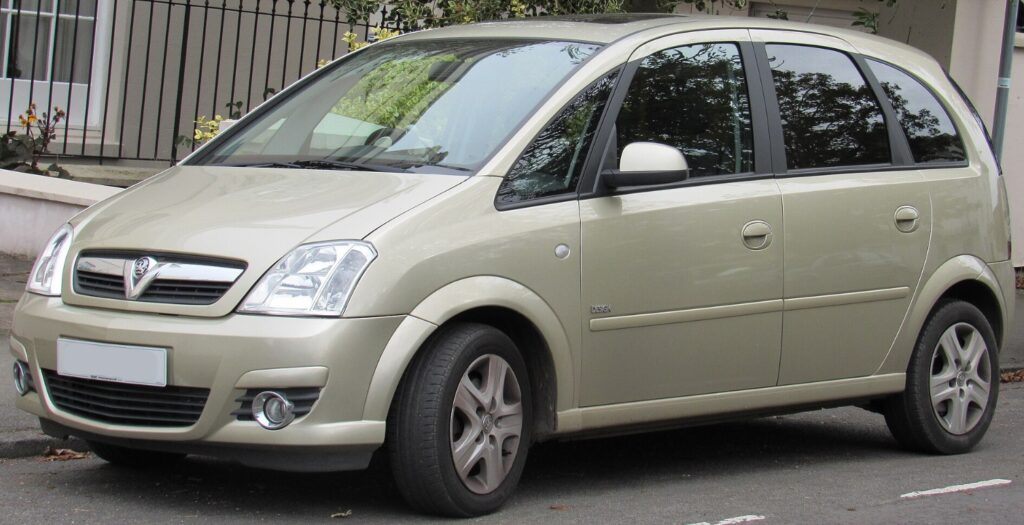
Choosing between the Opel Meriva and Nissan Note can feel like comparing two different interpretations of the same family-car recipe. Both are compact, practical, relatively affordable, and designed to make everyday driving easier. Yet they approach that mission from noticeably different angles.
The Opel Meriva feels like a small multipurpose vehicle with a touch of grown-up solidity. It offers a higher seating position, clever rear doors, a flexible cabin, and the reassuring sensation of driving something more substantial than a conventional hatchback.
The Nissan Note, meanwhile, behaves more like a roomy supermini that has learned a few MPV tricks. It is lighter on its feet, easier to manoeuvre, often cheaper to run, and surprisingly spacious considering its modest exterior dimensions.
So, which one deserves a place on our driveway?
The answer depends on what we value most. Families may prefer the Meriva’s easier access and more substantial cabin, while urban drivers could be drawn to the Note’s simplicity, visibility, and economy. Let us examine the Opel Meriva vs Nissan Note comparison from every practical angle.
Content in this publication
- Opel Meriva vs Nissan Note at a Glance
- Understanding the Two Cars
- Exterior Design and Road Presence
- Interior Quality and Cabin Design
- Passenger Space
- Doors and Accessibility
- Boot Space and Luggage Flexibility
- Engine Options
- Performance and Everyday Driving
- Ride Comfort and Refinement
- Fuel Economy and Running Costs
- Reliability Comparison
- Manual and Automatic Gearboxes
- Technology and Equipment
- Safety and Family Use
- Urban Driving
- Motorway and Long-Distance Driving
- Used-Car Buying Checklist
- Which Car Is Better for Families?
- Which Car Is Better for Older Drivers?
- Which One Offers Better Value?
- Opel Meriva vs Nissan Note: Pros and Cons
- Who Should Buy the Opel Meriva?
- Who Should Buy the Nissan Note?
- Final Verdict: Opel Meriva or Nissan Note?
- Frequently Asked Questions
Opel Meriva vs Nissan Note at a Glance
Before diving beneath the surface, here is the basic personality of each vehicle.
| Category | Opel Meriva | Nissan Note |
|---|---|---|
| Overall character | Compact family MPV | Spacious supermini-MPV |
| Driving position | Higher and more substantial | Upright but lighter |
| Cabin access | Excellent, especially with rear-hinged doors | Easy through conventional doors |
| Urban driving | Manageable but slightly bulky | Very easy and agile |
| Rear-seat flexibility | Strong | Strong, especially with sliding rear bench |
| Comfort | Generally softer and more mature | Comfortable but less refined |
| Running costs | Moderate | Usually lower |
| Road presence | More solid and MPV-like | Compact and discreet |
| Best suited to | Families and accessibility-focused buyers | City drivers and budget-conscious households |
Neither car is trying to be sporty. That is not a criticism. These vehicles are tools for real life: school runs, shopping trips, commuting, carrying relatives, squeezing into parking spaces, and occasionally swallowing more luggage than their modest footprints suggest.
Understanding the Two Cars
What Is the Opel Meriva?
The Opel Meriva is a compact MPV positioned below larger family vehicles such as the Opel Zafira. Depending on the country, it may also be known as the Vauxhall Meriva.
The first generation introduced a flexible interior and tall body, while the second-generation Meriva became especially distinctive because of its rear-hinged back doors. Opel called this arrangement FlexDoors.
Rather than opening in the same direction as the front doors, the rear doors open toward the back of the vehicle. When both front and rear doors are open, passengers gain a wide, unobstructed entry area.
That design makes the Meriva particularly appealing for:
- Parents fitting child seats
- Older passengers
- People with reduced mobility
- Drivers who frequently load bags into the rear footwells
- Families who value easy cabin access
The Meriva feels like a vehicle designed by people who paid attention to the awkward little moments of daily life.
What Is the Nissan Note?
The Nissan Note occupies a slightly different space. It combines the manageable dimensions of a small hatchback with the cabin height and versatility of a mini-MPV.
Its tall roofline creates generous headroom, while the compact nose and relatively short body help it fit into tight urban spaces. Some versions also feature a sliding rear bench, allowing us to choose between greater passenger space and a larger luggage compartment.
The Note does not have the Meriva’s dramatic door arrangement, but it counters with straightforward simplicity. Conventional doors are familiar, the controls are generally easy to understand, and the car rarely feels intimidating.
It is the sort of vehicle that can disappear into our routine. We drive it, park it, load it, and move on with our day.
Exterior Design and Road Presence
The Meriva Looks More Substantial
The Opel Meriva appears taller, broader, and more substantial than the Nissan Note. Its body has a pronounced MPV shape, particularly in second-generation form.
One of its most recognisable details is the unusual dip in the rear side-window line. This helps rear passengers see out more easily and gives the vehicle a distinctive profile.
The Meriva does not look glamorous, but it has visual confidence. It resembles a compact family lounge mounted on wheels. Higher-specification models may also include alloy wheels, chrome trim, roof rails, and larger bumpers that make the car look more polished.
The Note Is Compact and Unpretentious
The Nissan Note has a narrower, more lightweight appearance. Earlier versions look tall and rounded, while later models adopt sharper headlights and more sculpted bodywork.
Its exterior design serves a practical purpose. The upright shape maximises interior room, while the compact footprint makes the car easier to position in traffic.
Some buyers may find the Note less visually substantial than the Meriva. Others will appreciate that it does not pretend to be anything grander than an efficient, useful small car.
Which One Looks Better?
Styling is subjective, but the Meriva tends to look more mature and substantial. The Note appears friendlier, lighter, and more suited to city life.
We would give the visual advantage to the Meriva for road presence, though the Note’s smaller body can be more convenient in everyday use.
Interior Quality and Cabin Design
Opel Meriva Cabin Experience
Inside, the Meriva generally feels more like a conventional European family car. The dashboard is broad, the seats are supportive, and the overall environment feels reasonably solid.
However, some versions have a centre console crowded with buttons. At first glance, it can resemble the control panel of a small aircraft. Once we learn where everything is located, it becomes manageable, but the design is not always as intuitive as it could be.
Materials vary by trim level. Higher-specification cars may feature:
- Leather-trimmed steering wheels
- More supportive seats
- Automatic climate control
- Improved infotainment
- Additional storage systems
- Ambient interior details
The Meriva’s cabin feels more substantial than luxurious. It aims to withstand family life rather than impress luxury-car buyers.
Nissan Note Cabin Experience
The Note’s interior is simpler and often easier to understand. The controls are typically grouped logically, visibility is good, and the dashboard feels less cluttered.
The trade-off is material quality. Hard plastics are common, and some surfaces may feel lightweight compared with those in the Meriva.
Still, durability matters more than softness in this category. A hard dashboard is not necessarily a problem if it resists scratches, sticky fingers, shopping bags, and years of daily use.
Later Note models may offer useful equipment such as:
- Touchscreen infotainment
- Satellite navigation
- Climate control
- Keyless entry
- Reversing cameras
- Around-view parking systems
- Cruise control
Cabin Quality Winner
The Meriva usually wins for perceived solidity and seat comfort. The Note wins for simplicity and ease of operation.
Passenger Space
Front-Seat Comfort
Both cars provide a raised seating position compared with ordinary small hatchbacks. This makes entry easier and gives us a better view of surrounding traffic.
The Meriva’s front seats generally feel broader and more supportive. Drivers who regularly complete longer journeys may prefer its more substantial seating position.
The Note also provides good headroom and a comfortable upright posture, though larger drivers may find it narrower around the shoulders.
Rear-Seat Space
Rear-seat accommodation is one of the most important elements in the Opel Meriva vs Nissan Note debate.
The Meriva provides good headroom and reasonable legroom. Its rear seats may be adjusted or repositioned depending on the model and configuration. The wide-opening FlexDoors make getting in and out exceptionally easy.
The Note can be surprisingly generous in the rear. Models with a sliding bench allow the seat to move backward for improved legroom or forward to expand the boot.
This simple mechanism transforms the Note from a compact passenger carrier into a more practical luggage hauler.
Carrying Three Rear Passengers
Neither vehicle is ideal for carrying three adults across the rear bench for long periods. Both are relatively narrow compared with larger MPVs.
For children, however, the rear area is practical. The Meriva’s access advantage makes securing younger passengers easier, while the Note’s rear legroom can be excellent when its sliding bench is moved back.
Passenger-Space Verdict
The Note uses its exterior dimensions brilliantly, but the Meriva feels more substantial and easier to access. For raw packaging efficiency, the Note is remarkable. For family friendliness, the Meriva has the edge.
Doors and Accessibility
Why the Meriva’s FlexDoors Matter
The Meriva’s rear-hinged doors are not merely a styling trick. They can genuinely improve daily usability.
Imagine trying to install a child into a bulky safety seat while standing in a narrow parking space. With ordinary doors, we often twist our body awkwardly while reaching around the door frame.
The Meriva creates a wider side opening. We can stand closer to the seat and face the passenger more directly.
The doors are also useful for older relatives who may struggle to bend or rotate while entering a car.
However, there are a few considerations:
- The door arrangement takes time to get used to.
- Opening both doors in a tight space may still be awkward.
- Some passengers may initially find the design unusual.
- We should check door mechanisms carefully when buying used.
The Note Takes the Conventional Approach
The Note uses standard front- and rear-hinged doors. They do not create the same theatrical opening as the Meriva’s FlexDoors, but they are simple, familiar, and practical.
The roofline is high enough to make entry relatively easy, and the door apertures are generally generous for a vehicle of this size.
Accessibility Winner
The Opel Meriva wins clearly. Few small cars make rear-seat access as easy.
Boot Space and Luggage Flexibility
Opel Meriva Boot Practicality
The Meriva provides a useful, square luggage compartment with folding rear seats. Its taller body allows us to stack items vertically, which can be valuable when carrying suitcases, pushchairs, or large shopping loads.
The exact boot capacity varies by generation and seat position, so buyers should compare individual models rather than relying on one universal figure.
In practical terms, the Meriva is usually capable of handling:
- A weekly family shop
- A medium pushchair
- Several soft travel bags
- Small flat-packed furniture
- Sports equipment
- Pet carriers
Folding the rear seats creates a larger load area, though the floor may not be perfectly flat in every configuration.
You may be interested in reading Dacia Jogger Expression vs Extreme: Which Trim Is Better?
Nissan Note Boot Practicality
The Note’s boot may initially seem smaller, especially when the rear bench is positioned for maximum passenger legroom. Move the bench forward, however, and the luggage space becomes much more useful.
Some versions include an adjustable boot floor or additional underfloor storage. These small touches make it easier to separate fragile items, conceal valuables, or create a flatter loading surface.
Which Boot Is Better?
The Meriva generally feels like the more capable load carrier, especially for bulky items. The Note offers impressive flexibility for its size and lets us balance passenger and luggage space.
For regular family holidays, the Meriva may be preferable. For occasional luggage needs and urban use, the Note remains highly practical.
Engine Options
Engine availability varies significantly by model year and market, but both cars were sold with a mixture of petrol and diesel choices.
Opel Meriva Petrol Engines
Common Meriva petrol engines include naturally aspirated and turbocharged units of varying capacities.
Smaller non-turbo engines may be dependable when maintained correctly, but they can feel underpowered once the vehicle is loaded with passengers and luggage.
Turbocharged petrol engines offer stronger acceleration and more flexible performance. They suit mixed driving better, although their additional mechanical complexity makes service history especially important.
Opel Meriva Diesel Engines
Diesel Merivas can deliver strong fuel economy and useful low-speed pulling power. They make sense for drivers covering long distances or spending significant time on faster roads.
However, older diesels may develop problems when used mainly for short urban journeys. Components such as diesel particulate filters, exhaust gas recirculation systems, turbochargers, and injectors can become expensive if neglected.
Nissan Note Petrol Engines
Petrol power is often the safest choice for city-focused Note buyers. Small petrol engines are generally well suited to the car’s relatively light body.
They may not provide thrilling acceleration, but they usually deliver acceptable performance, straightforward maintenance, and respectable economy.
Some later versions use supercharged or more advanced petrol technology. These can improve efficiency and responsiveness, though buyers should still check service records and listen for unusual mechanical noise.
Nissan Note Diesel Engines
Diesel versions offer excellent fuel economy on longer journeys. They can feel stronger at low engine speeds than basic petrol models.
As with the Meriva, diesel Notes are best suited to drivers who regularly complete longer trips. Buying an older diesel solely for short journeys may create more problems than savings.
Best Engine Philosophy
For mostly urban driving, a petrol engine is often the more sensible choice in either car.
For frequent motorway travel, a well-maintained diesel can work well, but condition matters more than theoretical fuel economy.
Performance and Everyday Driving
How the Opel Meriva Drives
The Meriva feels heavier and more planted than the Note. It is not agile in the way a small hatchback might be, but it offers reassuring stability.
The steering is generally light enough around town, and the elevated driving position helps us judge traffic. On faster roads, the Meriva usually feels calmer and more substantial.
Body movement is noticeable through bends because of the vehicle’s height, but that is expected. We are buying a practical MPV, not a track-day machine.
With a stronger engine, the Meriva can cruise comfortably and overtake with reasonable confidence. Entry-level engines may require more planning, especially when climbing hills or carrying a full load.
How the Nissan Note Drives
The Note feels lighter and more agile in urban environments. Its compact dimensions, good visibility, and light steering make it easy to thread through narrow streets.
Parking is also simpler, particularly when the car has cameras or parking sensors.
At higher speeds, the Note may feel less insulated from road and wind noise than the Meriva. It remains perfectly usable on motorways, but it does not always provide the same sense of solidity.
The Note’s lighter weight helps modest engines feel more energetic. Even when outright acceleration is limited, the car can feel responsive enough during normal city driving.
Driving Winner
The Note wins in tight urban environments. The Meriva wins for longer-distance composure and a more substantial road feel.
Ride Comfort and Refinement
Meriva Comfort
The Opel Meriva is generally tuned for comfort. It absorbs ordinary road imperfections reasonably well, though large wheels and lower-profile tyres can make certain versions feel firmer.
Its seats are often one of its strongest features. Some models were offered with highly adjustable or ergonomically focused front seats, which can make a meaningful difference on long journeys.
Noise insulation is also usually better than in the Note. Engine and road noise remain present, but the cabin feels more mature at speed.
Note Comfort
The Nissan Note is comfortable around town, where its suspension deals effectively with speed bumps and broken surfaces.
However, refinement may deteriorate on rough motorways. Wind noise, tyre noise, and engine noise can become more noticeable.
The seats are adequate for ordinary trips, but drivers with back problems should test them carefully. Comfort is personal, and what feels supportive during a ten-minute test drive may become tiring after two hours.
Comfort Winner
The Meriva takes the advantage for seat comfort, refinement, and longer journeys.
Fuel Economy and Running Costs
Nissan Note Efficiency
The Note is usually the cheaper car to run. Its lower weight, smaller engines, and city-friendly design contribute to good fuel economy.
Petrol versions can be efficient during mixed use, while diesels may achieve excellent results on longer journeys.
Tyres are often relatively affordable, and insurance costs may also be competitive depending on the engine, trim, driver, and country.
Opel Meriva Efficiency
The Meriva can still be economical, especially with a diesel engine, but its heavier body means it often consumes more fuel than an equivalent Note.
Petrol versions driven mainly in town may return ordinary rather than outstanding economy. Turbocharged models can be efficient when driven gently, but frequent acceleration will quickly increase consumption.
Maintenance costs are not necessarily excessive, though certain repairs can be more involved due to the Meriva’s additional equipment and mechanical complexity.
Real-World Cost Factors
Fuel economy is only one part of ownership cost. We should also consider:
- Insurance
- Road tax or registration fees
- Tyre prices
- Service intervals
- Replacement parts
- Transmission condition
- Timing belt or chain requirements
- Diesel emissions equipment
- Air-conditioning repairs
- Electrical faults
- Depreciation
Running-Cost Winner
The Nissan Note generally wins. It is lighter, simpler, and often cheaper to fuel and maintain.
Reliability Comparison
Opel Meriva Reliability
A well-maintained Meriva can be a dependable family vehicle. However, used examples vary greatly in condition.
Potential issues may include:
- Electrical warning lights
- Central-locking problems
- Power-steering faults
- Turbocharger issues on certain engines
- Diesel particulate filter trouble
- Exhaust gas recirculation faults
- Worn suspension components
- Air-conditioning problems
- Door wiring or locking-system concerns
- Manual gearbox or clutch wear
Not every Meriva will suffer from these problems. Service history, mileage, previous use, and maintenance quality make a huge difference.
Nissan Note Reliability
The Nissan Note has a reputation for mechanical simplicity, particularly in basic petrol form. Many examples cover high mileages with routine servicing.
Possible concerns may include:
- Suspension knocks
- Wheel-bearing noise
- Air-conditioning faults
- Clutch wear
- Electrical issues
- Corrosion on older vehicles
- Noisy timing components on neglected engines
- Diesel emissions-system problems
- Automatic transmission concerns on certain versions
Again, condition is more important than reputation. A neglected Note can be a worse purchase than a carefully maintained Meriva.
Which Is More Reliable?
The Nissan Note may have a slight advantage because simpler petrol versions place fewer demands on the owner. Parts availability is generally good, and many independent mechanics are familiar with the car.
The Meriva can also be reliable, but its extra complexity creates more potential failure points.
Reliability Winner
The Nissan Note wins narrowly, particularly when comparing basic petrol models with complete service histories.
Manual and Automatic Gearboxes
Manual Versions
Manual transmissions are common in both vehicles. During a test drive, we should check for:
- A high clutch biting point
- Slipping under acceleration
- Difficulty selecting gears
- Grinding noises
- Vibration through the clutch pedal
- Gear-lever movement under acceleration
- Unusual whining sounds
A worn clutch can turn an apparently cheap vehicle into an expensive purchase.
Automatic Versions
Automatic options vary by generation and engine. Some may use conventional automatics, automated manuals, or continuously variable systems.
We should not assume every automatic behaves in the same way. Some are smooth, while others may feel hesitant by design.
The important questions are:
You may be interested in readingDacia Jogger Expression vs Extreme: Which Trim Is Better?You may be interested in reading
Dacia Jogger vs Skoda Kodiaq: Which Seven-Seater Is Better?- Has the transmission fluid been changed when required?
- Does the car pull away smoothly?
- Are there delays when selecting drive or reverse?
- Does the gearbox judder?
- Are warning lights present?
- Is there evidence of previous repair work?
When buying an older automatic, a professional inspection is money well spent.
Technology and Equipment
Meriva Features
Depending on trim level, the Meriva may include:
- Cruise control
- Automatic headlights
- Rain-sensing wipers
- Heated seats
- Heated steering wheel
- Parking sensors
- Built-in navigation
- Bluetooth connectivity
- Electronic climate control
- Flexible cabin storage
- Panoramic roof
The heated steering wheel is a particularly pleasant feature in colder climates. It sounds unnecessary until we use one on a freezing morning.
Note Features
Higher-specification Note models may offer:
- Keyless entry
- Push-button start
- Touchscreen navigation
- Bluetooth
- Cruise control
- Climate control
- Reversing camera
- Around-view camera system
- Lane-departure warning
- Blind-spot monitoring
The Note can be surprisingly well equipped, especially in later versions. Its camera technology may make it one of the easiest cars in its class to park.
Technology Winner
The result depends on trim level. The Meriva offers more comfort-oriented equipment, while the Note may provide more useful parking and driver-assistance technology.
Safety and Family Use
Both vehicles were designed with family use in mind, but safety specifications vary by model year.
We should look for:
- Electronic stability control
- Anti-lock brakes
- Front and side airbags
- Curtain airbags
- ISOFIX child-seat mounting points
- Tyre-pressure monitoring
- Rear parking sensors
- Reversing camera
- Autonomous braking on newer versions
- Lane or blind-spot assistance where fitted
The Meriva’s doors make child-seat access easier, but parents should understand how the central locking and child locks operate.
The Note’s compact size makes it easy to control, while optional camera systems can reduce parking stress.
Safety ratings also change over time because testing standards become stricter. A rating from one year should not be directly compared with a rating awarded under a later testing system.
Urban Driving
Why the Note Excels in Town
The Note feels designed for congested streets. Its strengths include:
- Compact exterior dimensions
- Light steering
- Excellent visibility
- Tight manoeuvrability
- Efficient petrol engines
- Easy parking
- Optional camera assistance
It slips through traffic like a small suitcase on wheels: upright, practical, and easy to place.
Meriva in the City
The Meriva remains manageable, but it feels wider and heavier. Parking may require slightly more concentration, especially in narrow spaces.
Its raised driving position provides good visibility, and parking sensors can make a substantial difference.
The FlexDoors are useful when loading passengers, but their benefits may be limited if another car is parked extremely close.
Urban Winner
The Nissan Note is the stronger city car.
Motorway and Long-Distance Driving
The Meriva’s additional weight and insulation become advantages on faster roads. It tends to feel steadier, quieter, and less vulnerable to crosswinds.
Cruise control, supportive seats, and stronger engines also make it a more natural long-distance companion.
The Note can handle motorway travel, but we may need to accept more cabin noise and less relaxed acceleration from smaller engines.
If most journeys involve long-distance driving, the Meriva is likely to feel more comfortable. If motorway trips are occasional, the Note remains perfectly capable.
Used-Car Buying Checklist
Inspecting an Opel Meriva
Before buying, check:
- That all doors open, close, and lock correctly.
- That the rear FlexDoors operate smoothly.
- That no warning lights remain illuminated.
- That the power steering feels consistent.
- That the clutch and gearbox operate cleanly.
- That the engine starts easily from cold.
- That diesel versions complete longer journeys regularly.
- That the air conditioning works.
- That the cabin is dry beneath the carpets.
- That the service history matches the vehicle’s mileage.
Inspecting a Nissan Note
Check:
- For suspension knocks over uneven roads.
- For clutch slip or gearbox noise.
- That the air conditioning produces cold air.
- That the rear bench slides and locks correctly where fitted.
- That cameras and infotainment equipment work.
- For corrosion underneath older examples.
- For uneven tyre wear.
- That the engine runs smoothly from cold.
- That automatic versions move away without juddering.
- That servicing has been completed consistently.
Never Skip the Cold Start
A warm engine can hide difficult starting, timing noise, smoke, and rough idle. Ask the seller not to start the vehicle before we arrive.
If the bonnet already feels warm, we should ask why.
Which Car Is Better for Families?
The Opel Meriva is likely to suit families who regularly carry young children, elderly relatives, or passengers who need easier access.
Its advantages include:
- Wide-opening rear doors
- A higher seating position
- Supportive seats
- A more substantial cabin
- Better long-distance comfort
- Strong luggage flexibility
The Nissan Note suits smaller families who prioritise economy, compact dimensions, and city usability.
Its advantages include:
- Lower likely running costs
- Excellent packaging
- Easy parking
- Flexible rear-seat positioning
- Good visibility
- Simple controls
For a family with toddlers and bulky child seats, we would lean toward the Meriva. For a family living in a busy city with limited parking, the Note may be the smarter choice.
Which Car Is Better for Older Drivers?
The Meriva’s elevated seating position and rear-door design make it highly attractive for older motorists. Getting into the driver’s seat requires less downward movement than in a low hatchback.
The Note is also accessible, light to steer, and easy to park. Drivers who prefer a smaller vehicle may feel more confident in it.
The choice comes down to physical access versus exterior size:
- Choose the Meriva for easier entry and more supportive seating.
- Choose the Note for lighter controls and simpler manoeuvring.
A long test drive is essential. Seat comfort, pedal position, and visibility matter more than brochure specifications.
Which One Offers Better Value?
Used-car value depends heavily on local prices. In some markets, the Meriva may be cheaper because small MPVs have become less fashionable. In others, clean examples command a premium due to their accessibility.
The Note often attracts buyers looking for affordable, economical transport. Strong demand for simple used cars can keep prices surprisingly firm.
The cheapest vehicle is not always the best value. A slightly more expensive example with:
- Full service history
- Recent tyres
- A new clutch
- Fresh brakes
- Working air conditioning
- Two keys
- No warning lights
may save us far more than a neglected bargain.
Value Winner
The Nissan Note generally offers lower everyday costs, while the Meriva may provide more car, comfort, and accessibility for the money.
Opel Meriva vs Nissan Note: Pros and Cons
Opel Meriva Pros
- Excellent rear-seat access
- Comfortable driving position
- More substantial cabin
- Good motorway refinement
- Flexible seating
- Practical boot
- Useful family-oriented equipment
Opel Meriva Cons
- Heavier than the Note
- Often less economical
- More complicated interior controls
- Additional mechanical and electrical complexity
- Larger exterior dimensions
- Some engines can feel underpowered
Nissan Note Pros
- Excellent use of interior space
- Easy to drive and park
- Usually economical
- Simple cabin layout
- Flexible sliding rear bench on some versions
- Good visibility
- Strong value as a small family car
Nissan Note Cons
- Less refined at motorway speeds
- Cabin materials can feel basic
- Narrower interior
- Smaller or variable boot space
- Less substantial road presence
- Basic engines may struggle when fully loaded
Who Should Buy the Opel Meriva?
The Meriva is the better choice when we want a compact car that feels closer to a traditional MPV.
It particularly suits buyers who:
- Regularly carry children
- Need easy passenger access
- Drive long distances
- Prefer supportive seats
- Want a higher driving position
- Carry bulky items
- Do not mind slightly higher running costs
It is also one of the more interesting options for drivers with mobility concerns, provided the specific vehicle is in good mechanical condition.
Who Should Buy the Nissan Note?
The Note makes sense when economy and simplicity matter most.
It suits buyers who:
- Drive mainly in urban areas
- Need easy parking
- Want low fuel consumption
- Prefer simple controls
- Carry passengers but do not want a large vehicle
- Need flexible interior space
- Want an affordable first or second family car
A well-maintained petrol Note can be an especially sensible choice for short journeys and city use.
Final Verdict: Opel Meriva or Nissan Note?
The Opel Meriva vs Nissan Note comparison does not produce one universal winner because these vehicles solve slightly different problems.
The Opel Meriva is the stronger all-round family MPV. It offers superior access, more comfortable seating, better long-distance refinement, and a greater sense of substance. Its FlexDoors are not simply a novelty; they can transform the daily routine of fitting child seats or helping less-mobile passengers.
The Nissan Note is the more efficient urban companion. It is easier to manoeuvre, usually cheaper to run, and remarkably spacious for its exterior size. Its straightforward character may also make it the safer used purchase for buyers who want dependable transport without unnecessary complexity.
Our decision would follow a simple rule:
- Choose the Opel Meriva for comfort, accessibility, family use, and longer journeys.
- Choose the Nissan Note for economy, urban driving, easy parking, and lower ownership costs.
Condition should always come before badge or model. A clean, carefully maintained Note is a better purchase than a neglected Meriva, and the reverse is equally true.
When viewing either car, we should examine the service history, complete a cold start, test every electrical feature, inspect the tyres, and drive on several types of road.
The ideal used car is not the one with the longest equipment list. It is the one that has been maintained properly and fits naturally into our life.
Frequently Asked Questions
1. Is the Opel Meriva bigger than the Nissan Note?
Yes, the Opel Meriva generally feels larger and more substantial. It has a stronger MPV character, while the Nissan Note has the exterior footprint of a small hatchback. Exact dimensions vary by generation, but the Note is usually easier to park and manoeuvre.
2. Which is more economical, the Opel Meriva or Nissan Note?
The Nissan Note is usually more economical because it is lighter and commonly fitted with smaller engines. Actual fuel consumption depends on the engine, transmission, driving conditions, maintenance, and passenger load.
3. Is the Opel Meriva more practical for children?
The Meriva is often more convenient for families with young children because its rear-hinged FlexDoors provide excellent access to child seats. The Nissan Note remains practical, especially when equipped with a sliding rear bench.
You may be interested in readingDacia Jogger Expression vs Extreme: Which Trim Is Better?You may be interested in reading
Dacia Jogger vs Skoda Kodiaq: Which Seven-Seater Is Better?You may be interested in reading
Dacia Jogger vs Sandero Stepway: Which One Should We Buy?4. Which car is more reliable?
Both can be reliable when maintained correctly, but simple petrol versions of the Nissan Note may have a slight advantage due to their lower complexity. Service history and current condition are more important than the model’s general reputation.
5. Which is better for motorway driving?
The Opel Meriva is generally better for motorway journeys. It feels more stable, offers more supportive seating, and usually provides better noise insulation. The Nissan Note is capable on faster roads but feels more at home in urban environments.
If you want to know other articles similar to Opel Meriva vs Nissan Note: Which Used MPV Is Better? you can visit the category Models.
Land Rover Defender 90 Alternative: The Best Rivals Worth Considering
Land Rover Defender 90 Models: Complete Guide to Trims, Engines and Versions
Toyota Hilux Generations: Complete History, Evolution, and Key Differences
BMW M2 vs M340i: Which BMW Performance Car Should We Buy?
BMW M2 vs Porsche 911: Which Sports Car Makes More Sense?
BMW M2 vs Mustang GT: Which Performance Coupe Should We Buy?
Leave a Reply
More content of your interest