
Which BMW 2 Series to Buy in the UK: Complete Buyer’s Guide

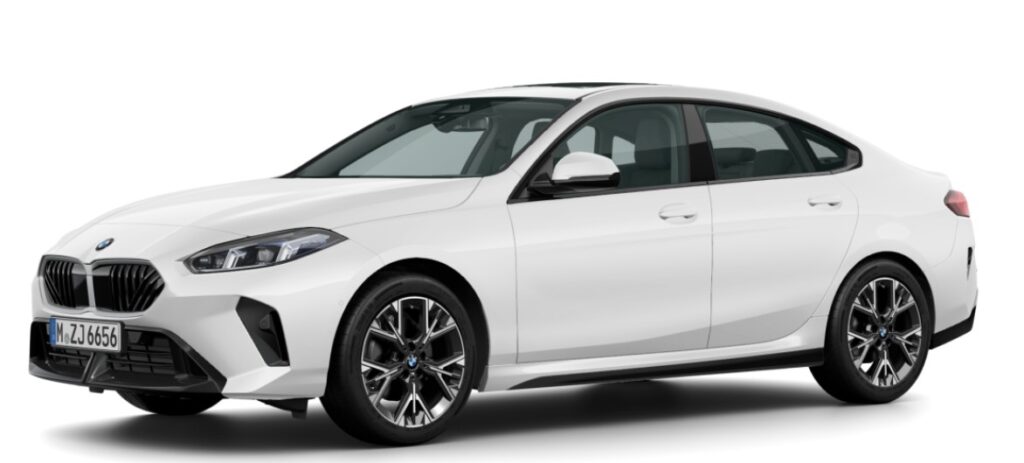
Choosing which BMW 2 Series to buy in the UK sounds simple—until we discover that the badge is attached to several cars with very different personalities.
There is the traditional two-door BMW 2 Series Coupé, the four-door 2 Series Gran Coupé, the family-focused 2 Series Active Tourer, and the high-performance BMW M2. Then we step into the used market and find convertibles, diesel engines, manual gearboxes, older rear-wheel-drive models and performance bargains that can make new cars look rather expensive.
So, which BMW 2 Series should we actually buy?
For most enthusiastic drivers, the BMW 220i Coupé is the best all-round new choice. It blends rear-wheel-drive handling, sensible running costs and enough performance for everyday roads. Buyers wanting more speed should look at the M240i xDrive, while families will get far more value from the 220i Active Tourer. Those needing four doors but preferring coupé styling should consider the 220 Gran Coupé.
However, the right answer depends on what we expect the car to do. Let us separate the polished commuters from the weekend toys, the practical family cars from the tyre-smoking troublemakers.
Content in this publication
- The BMW 2 Series Range Explained
- Which BMW 2 Series Is Best Overall?
- BMW 220i Coupé: The Sensible Enthusiast’s Choice
- BMW M240i xDrive: Best for Everyday Performance
- BMW M2: Best for Serious Driving Enthusiasts
- BMW 2 Series Gran Coupé: Best for Four-Door Style
- BMW M235 xDrive Gran Coupé: Fast but Not the Purist’s Choice
- BMW 2 Series Active Tourer: Best for Families
- Best Used BMW 2 Series to Buy in the UK
- Petrol, Diesel or Plug-In Hybrid?
- Which BMW 2 Series Is Cheapest to Run?
- Which Options Are Worth Having?
- Common Buying Mistakes to Avoid
- New or Used: Which Offers Better Value?
- Our BMW 2 Series Recommendations by Buyer Type
- Which BMW 2 Series Should We Avoid?
- Final Verdict: Which BMW 2 Series Should You Buy in the UK?
- Frequently Asked Questions
The BMW 2 Series Range Explained
The first thing we need to understand is that the current 2 Series range is not one car offered in several body styles. It is more like a small family whose members share a surname but have grown up with completely different interests.
The current UK range includes:
- BMW 2 Series Coupé – a two-door, rear-wheel-drive sports coupé
- BMW 2 Series Gran Coupé – a compact four-door model with front-wheel-drive-based engineering
- BMW 2 Series Active Tourer – a practical five-door family MPV
- BMW M240i xDrive – a rapid six-cylinder version of the Coupé
- BMW M235 xDrive Gran Coupé – the performance version of the four-door model
- BMW M2 – the full-fat performance car developed by BMW M
Current official starting prices place the petrol Active Tourer from approximately £36,125, the Gran Coupé from £36,570 and the two-door Coupé from £39,840. BMW lists the M Performance Coupé range from about £50,215 and the M2 from roughly £74,255. These figures can change with specifications, model-year revisions and retailer offers.
This wide spread explains why there is no universal winner. Asking which BMW 2 Series to buy is a little like asking which shoes are best. Running shoes, work boots and polished loafers can all be excellent, but only when matched to the correct job.
Which BMW 2 Series Is Best Overall?
Our Pick: BMW 220i Coupé
The BMW 220i Coupé is our best overall recommendation for UK buyers who want a genuine BMW driving experience without stepping into expensive performance-car territory.
Its greatest strength is balance.
We get the classic proportions enthusiasts expect: a long bonnet, a compact cabin, two doors and power sent to the rear wheels. BMW itself highlights the Coupé’s low centre of gravity, wide stance and rear-wheel-drive layout as central to its driving character.
The 220i does not attempt to overwhelm the road. Instead, it gives us enough power to enjoy a winding B-road while remaining civilised during a motorway commute. It is quick enough to feel premium but not so aggressive that every journey becomes a negotiation with fuel costs, insurance premiums and speed cameras.
That makes it the sweet spot.
Why the 220i Coupé Makes Sense
The 220i Coupé suits buyers who:
- Usually travel alone or with one passenger
- Want rear-wheel drive
- Value handling more than rear-seat space
- Prefer petrol to diesel
- Want reasonable performance without M-car costs
- Plan to keep the car for several years
- Enjoy driving but do not regularly visit racetracks
It is not the cheapest 2 Series to purchase, nor is it the fastest. Yet it lands in the middle of the target like a well-thrown dart.
BMW 220i Coupé: The Sensible Enthusiast’s Choice
The modern 220i Coupé is the model many private buyers should place at the top of their shortlist.
Its turbocharged petrol engine delivers smooth everyday acceleration, while the automatic gearbox suits British traffic. It feels compact enough for narrow streets yet substantial enough for long motorway journeys. More importantly, the rear-wheel-drive platform gives the car a natural sense of balance that distinguishes it from ordinary premium hatchbacks.
We should not expect the steering to feel like an old analogue BMW from the 1990s. Modern systems filter out some texture. Nevertheless, the chassis remains composed and predictable, and the car turns into corners with far more enthusiasm than the Active Tourer.
The 220i also avoids the “too much car for the road” problem. In an M240i, a quick burst of acceleration can erase the distance between two corners before we have properly enjoyed either of them. The 220i gives us room to participate.
Is the 220i Fast Enough?
For normal UK use, yes.
It should feel brisk when joining a motorway, overtaking slower traffic or climbing through a series of bends. Drivers coming from an ordinary 1.0- or 1.5-litre hatchback will find it comfortably quick.
Anyone expecting neck-snapping acceleration may be disappointed, but that is not the point. The 220i is less like a firework and more like a sharp kitchen knife: controlled, useful and satisfying every day.
Which 220i Trim Should We Choose?
An M Sport specification usually makes the most sense in the UK used market because it is desirable, widely available and visually suits the Coupé. However, we should avoid assuming that larger wheels automatically improve the car.
Big alloy wheels may sharpen the appearance, but they can also:
- Increase tyre replacement costs
- Make potholes feel harsher
- Raise the risk of wheel damage
- Create more road noise
- Reduce low-speed comfort
A well-equipped car on sensible wheels is often better than an aggressively styled example with every cosmetic option.
BMW M240i xDrive: Best for Everyday Performance
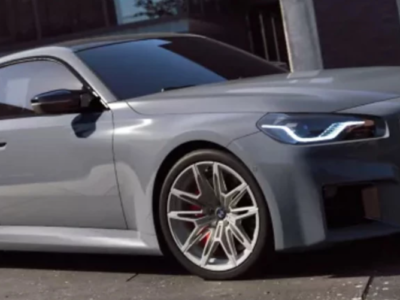
The BMW M240i xDrive Coupé is arguably the most complete performance car in the 2 Series range.
BMW’s current UK information lists the M240i xDrive with 392hp, 540Nm of torque and a claimed 0–62mph time of 4.3 seconds. Those numbers place it firmly in serious sports-car territory, yet it remains comfortable, automatic and easy to drive.
Its turbocharged six-cylinder engine is the star. It delivers the sort of smooth, muscular acceleration that smaller four-cylinder engines struggle to imitate. Press the accelerator and the car gathers speed like a storm rolling over open countryside—effortless at first, then suddenly very serious.
Who Should Buy the M240i?
We should buy the M240i if we:
- Want six-cylinder performance
- Need a car that works every day
- Prefer all-wheel-drive traction
- Regularly travel on wet or cold roads
- Want something faster than a hot hatch
- Cannot justify the price or intensity of an M2
The xDrive system makes the performance accessible in typical British weather. Rather than lighting up the rear tyres whenever the road becomes damp, the car puts its power down cleanly and confidently.
Why the M240i May Be Better Than the M2
The M2 is more exciting, but the M240i may be easier to own.
It is calmer on long drives, friendlier in traffic and less demanding on rough roads. Insurance, tyres and servicing will still be expensive, but the car does not constantly feel as though it is waiting for a racetrack to appear.
The M240i is the better choice when the car must handle commuting, shopping, motorway trips and weekend entertainment. The M2 is the model we buy when driving excitement sits at the centre of the decision.
Reasons Not to Buy the M240i
Its weaknesses include:
- High purchase price
- Expensive insurance for younger drivers
- Greater fuel consumption than a 220i
- Costly tyres and brakes
- Limited rear-seat access
- Performance that can feel excessive on crowded roads
It is a brilliant machine, but brilliance does not automatically equal suitability.
BMW M2: Best for Serious Driving Enthusiasts
The BMW M2 is the wildest member of the family.
The current model produces 480hp and as much as 600Nm, while BMW quotes 0–62mph in 4.0 seconds for the standard rear-wheel-drive version. The newer M xDrive version reduces that figure to 3.7 seconds.
Those figures tell only half the story. The M2 also receives more focused suspension, stronger brakes, a wider body and a chassis tuned for aggressive driving. It feels more alert, more physical and more dramatic than the M240i.
Should We Buy an M2 for Daily Driving?
We can, but we should understand the compromises.
An M2 can commute, carry luggage and complete motorway journeys. It is not an impractical supercar. Still, its ride, noise, fuel use and consumable costs make it less relaxing than a normal Coupé.
On broken urban roads, the M2 may feel like a racehorse being asked to walk around a supermarket. It can do the job, but its talents remain underused.
Who Is the M2 Really For?
The M2 makes sense for buyers who:
- Prioritise driving excitement above comfort
- Have a suitable insurance budget
- Can afford premium tyres and brakes
- Plan to attend track days
- Want stronger resale desirability
- Accept a firm ride and compact rear seats
- Already understand high-performance-car ownership
It should be a deliberate purchase, not an impulsive upgrade made after watching acceleration videos.
Manual or Automatic M2?
A manual gearbox offers more involvement and may appeal to collectors, while the automatic generally delivers quicker acceleration and easier daily use.
We should choose the manual because we enjoy changing gear, not because internet opinion says “real drivers” must do so. An automatic M2 is still a genuine M car. The best gearbox is the one that makes us look forward to driving.
BMW 2 Series Gran Coupé: Best for Four-Door Style
The BMW 2 Series Gran Coupé targets buyers who want a lower, sleeker alternative to a family hatchback but still require four doors.
You may be interested in reading BMW 2 Series vs 1 Series: Which BMW Should You Buy?
The current UK range uses front-wheel-drive-based engineering rather than the rear-wheel-drive layout of the two-door Coupé. That difference matters. The Gran Coupé is not simply a practical Coupé with two additional doors. Its platform, cabin proportions and driving behaviour are distinct.
The regular UK range includes a 220 model with 170hp and front-wheel drive, while the 223 offers 218hp and all-wheel drive. The performance-focused M235 raises output to around 300hp.
Which Gran Coupé Should We Buy?
For most buyers, the BMW 220 Gran Coupé is the sensible choice.
It should provide enough performance for daily use while keeping purchase and running costs below the stronger variants. Its four-door body makes it easier to live with than the Coupé, and the cabin delivers the polished digital experience many buyers expect from a modern premium car.
We should choose the 223 only when the additional performance and all-wheel-drive traction genuinely matter. Otherwise, we may be paying more for ability that rarely leaves the garage.
Advantages of the 220 Gran Coupé
- Four proper side doors
- Easier access to the rear seats
- Stylish frameless-door appearance
- Modern cabin technology
- Manageable exterior dimensions
- Lower starting price than the two-door Coupé
- More distinctive than a conventional hatchback
Gran Coupé Weaknesses
The rear seats remain tighter than the roofline suggests. Taller passengers may notice limited headroom, while some rivals offer more useful cabin space. Reviews also tend to praise its interior and driving manners while noting that competing models can be more practical.
The Gran Coupé works best for couples, small families or business users who occasionally carry rear passengers. Anyone transporting adults every day should test the back seats before signing a finance agreement.
BMW M235 xDrive Gran Coupé: Fast but Not the Purist’s Choice
The M235 xDrive Gran Coupé is the fastest version of the four-door 2 Series.
It offers strong acceleration, all-weather traction and aggressive styling. Yet buyers should remember that it is an M Performance model, not the same kind of machine as the M2.
Its front-wheel-drive-based platform gives it a different personality. It grips hard and covers ground quickly, but it does not have the same rear-driven adjustability or six-cylinder character as the M240i.
M235 Gran Coupé or M240i Coupé?
Choose the M235 when we need:
- Four doors
- Easier rear-seat access
- Compact dimensions
- Strong wet-weather traction
- A practical performance commuter
Choose the M240i when we want:
- A six-cylinder engine
- A more traditional BMW layout
- Better driver involvement
- Stronger long-term enthusiast appeal
- A genuine sports-coupé silhouette
For most keen drivers, the M240i is the more memorable car. The M235 is the more convenient one.
BMW 2 Series Active Tourer: Best for Families
The BMW 2 Series Active Tourer is the most practical member of the range and arguably the easiest to underestimate.
It lacks the glamorous profile of the Coupé, but it offers a higher seating position, five doors, flexible rear accommodation and a much more useful boot. BMW quotes a variable luggage capacity of approximately 415 to 1,405 litres for the 220i Active Tourer.
That transforms the ownership experience.
A pushchair, shopping bags, children’s equipment or holiday luggage can swallow the Coupé’s cargo area surprisingly quickly. The Active Tourer handles these duties without turning every journey into a game of automotive Tetris.
Which Active Tourer Is Best?
BMW 220i Active Tourer: Best Petrol Choice
The 220i Active Tourer is the strongest all-round choice for buyers who do not have reliable access to charging.
It offers a useful balance of power, refinement and practicality. It suits mixed driving and avoids the complexity of planning regular charging around a plug-in hybrid.
This is the version we would recommend to many family buyers.
BMW 225e xDrive: Best for Company-Car or Charging Users
The plug-in-hybrid 225e xDrive Active Tourer may make sense for drivers who can charge at home or work and complete many short trips.
However, a plug-in hybrid becomes much less attractive when it is rarely plugged in. Carrying a battery and electric motor while relying mainly on petrol is like taking camping equipment to every office meeting: possible, but inefficient.
We should calculate our actual use rather than buying the technology because it looks impressive on a specification sheet.
Who Should Buy the Active Tourer?
It is ideal for:
- Families with young children
- Drivers needing easy access
- Buyers who prefer a higher seating position
- Anyone regularly carrying bulky items
- Older drivers who dislike climbing into low cars
- Company-car users considering a plug-in hybrid
It may not make our heart race, but neither does searching for a lost shoe beneath a Coupé seat while rain pours through an open door.
Best Used BMW 2 Series to Buy in the UK
The used market changes the equation dramatically.
Previous-generation cars can provide strong performance, traditional controls and attractive pricing. Some also offer body styles no longer available in the current new-car range, including the 2 Series Convertible.
Best Used All-Rounder: BMW 220i Coupé
A used 220i Coupé remains one of the safest recommendations.
It provides petrol power, respectable performance and lower running costs than six-cylinder models. Later examples generally feel more modern, while older first-generation cars often deliver a lighter, more compact character.
We should prioritise condition and maintenance history over a long options list.
A modestly equipped car with annual servicing is usually preferable to a fully loaded example that has survived on stretched maintenance intervals and bargain tyres.
Best Used Performance Bargain: BMW M240i
The previous-generation M240i has become an appealing used performance car.
Its turbocharged six-cylinder engine offers substantial tuning potential and effortless standard performance. Yet modified examples require caution. Additional power may increase stress on cooling systems, transmissions, tyres and driveline components.
A standard, privately owned car with detailed invoices may cost more initially but save us considerable money later.
What to Check on a Used M240i
Look for:
- Consistent servicing
- Quality matching tyres
- Evidence of careful warm-up and cooling
- Smooth automatic gearbox operation
- Undamaged alloy wheels
- Original or professionally fitted modifications
- Healthy brakes with no vibration
- No unexplained warning lights
- Clean vehicle-history records
The cheapest M240i online is rarely the cheapest M240i to own.
Best Used Driver’s Car: First-Generation M2
The original M2 remains deeply desirable because it combines compact dimensions, rear-wheel drive and muscular performance.
Early cars provide rawer character, while later Competition versions offer more power and upgraded components. Prices vary significantly according to mileage, gearbox, condition and originality.
A carefully maintained standard car is likely to be easier to resell than a heavily modified example. Track use is not automatically a reason to reject a car, but we should expect thorough documentation and inspect brakes, tyres, suspension and cooling systems carefully.
Best Used Family Choice: 218i or 220i Active Tourer
Used Active Tourers can provide excellent value because they are often less fashionable than SUVs.
The 218i suits lower-mileage urban users, while the 220i feels more relaxed when carrying passengers or travelling on motorways. Diesel versions may suit high-mileage drivers, but modern emissions systems dislike repeated short journeys.
We should avoid buying a diesel simply because its advertised fuel economy is better. If our routine is mainly school runs, supermarket visits and short commutes, petrol is normally the safer fit.
Petrol, Diesel or Plug-In Hybrid?
Choose Petrol for Mixed and Low Mileage
Petrol is the default recommendation for most private 2 Series buyers.
It works well for:
- Short journeys
- Mixed urban and motorway use
- Annual mileage below roughly 12,000 miles
- Drivers wanting simpler ownership
- Buyers interested in performance versions
The exact break-even point varies, but diesel savings need enough mileage to outweigh higher purchase prices and potential emissions-system maintenance.
Choose Diesel for Regular Long Journeys
A used diesel 2 Series can still make sense when we regularly drive long distances.
Ideal diesel use includes:
You may be interested in readingBMW 2 Series vs 1 Series: Which BMW Should You Buy?You may be interested in reading
BMW 2 Series vs Audi A4: Which Is Better Value in the UK?- Frequent motorway travel
- High annual mileage
- Long commuting routes
- Regular journeys that fully warm the engine
- Buyers prioritising fuel range
Diesel is a tool, not an automatic economy button. Used correctly, it can be excellent. Used only for two-mile journeys, it may become an expensive collection of warning lights.
Choose a Plug-In Hybrid Only When We Can Charge
The Active Tourer plug-in hybrids offer useful electric capability, but they depend on charging habits.
Before buying one, ask:
- Can we charge at home?
- Can we charge at work?
- How many daily journeys fit within the electric range?
- Will the smaller fuel tank or altered boot space matter?
- Does the purchase price make sense after incentives and tax treatment?
- Are we comfortable with additional mechanical complexity?
A plug-in hybrid is most effective when used as designed.
Which BMW 2 Series Is Cheapest to Run?
The cheapest version to own is not always the one with the smallest monthly payment.
We should consider:
- Insurance
- Vehicle Excise Duty
- Fuel or electricity
- Servicing
- Tyres
- Brake replacement
- Depreciation
- Finance interest
- Warranty coverage
A base petrol Gran Coupé or Active Tourer will normally cost less to insure and fuel than an M240i or M2. However, depreciation can outweigh small differences in fuel economy.
Performance models can require wide premium tyres, sometimes with different sizes at the front and rear. Replacing a complete set may cost far more than expected. Large brakes and specialist suspension components also raise maintenance costs.
Do Not Ignore Insurance Quotes
Insurance can completely change the recommendation, particularly for younger drivers or buyers living in areas with higher theft risk.
Obtain quotes using the exact registration or model derivative before paying a deposit. “BMW 2 Series insurance” is too broad. A 218i Active Tourer and an M2 may as well belong to different planets.
Which Options Are Worth Having?
BMW’s optional equipment can quickly inflate the price, but some features improve everyday ownership more than cosmetic additions.
Useful options may include:
- Heated front seats
- Reversing camera
- Parking sensors
- Adaptive LED headlights
- Upgraded audio
- Comfort access
- Driver-assistance systems
- Adaptive suspension on performance models
- Electric memory seats for shared cars
Less essential options include oversized wheels, carbon-fibre trim and cosmetic packages that add expense without improving function.
Adaptive Suspension: Worth It or Not?
Adaptive suspension can be valuable on an M240i or M2 because it broadens the car’s personality. A softer setting helps on motorways and poor surfaces, while a firmer mode adds control during enthusiastic driving.
However, it also introduces additional complexity and potential replacement cost. Used buyers should check that all modes work correctly and listen for suspension knocks.
Common Buying Mistakes to Avoid
Buying the Badge Instead of the Body Style
A Gran Coupé does not drive like the Coupé, and an Active Tourer does not offer the same practicality as an SUV-sized vehicle. We should test the exact body style we intend to purchase.
Choosing M Sport Only for Appearance
M Sport trim may bring attractive styling but can also include firmer suspension and larger wheels. Comfort-focused buyers should drive the car over rough roads before deciding.
Underestimating Rear-Seat Space
The two-door Coupé has rear seats, but that does not make it an ideal four-person family car. Access is awkward and taller passengers may feel confined.
Ignoring Tyre Quality
A powerful BMW on cheap tyres is like a mountaineer wearing slippers. The badge and engine cannot compensate for poor contact with the road.
Buying a Modified Car Without Documentation
Not every modified BMW is abused. Some are maintained obsessively. Nevertheless, undocumented engine software, lowering springs or exhaust changes should trigger careful inspection.
New or Used: Which Offers Better Value?
Buying new provides:
- Full manufacturer warranty
- Latest technology
- Custom specification
- Finance incentives
- No unknown ownership history
Buying used provides:
- Lower purchase price
- Reduced initial depreciation
- Access to discontinued engines and body styles
- More performance for the budget
- A wider choice of specifications
For value, a two- to four-year-old approved-used 220i or M240i may be the smartest point in the market. Much of the early depreciation has already occurred, yet the car can still feel modern and may include warranty coverage.
We should compare the total amount payable on finance, not merely the monthly figure. A discounted new car with manufacturer-supported finance can occasionally cost less overall than a nearly new example carrying a high used-car interest rate.
Our BMW 2 Series Recommendations by Buyer Type
Best for Most Drivers: BMW 220i Coupé
Choose it for classic styling, rear-wheel drive and balanced performance.
Best for Families: BMW 220i Active Tourer
Choose it for easy access, flexible seating and a useful boot.
Best for Four-Door Style: BMW 220 Gran Coupé
Choose it when we want a premium compact car with coupé-inspired design.
Best Fast Daily Driver: BMW M240i xDrive
Choose it for six-cylinder speed without the M2’s sharper compromises.
Best for Track Days: BMW M2
Choose it when performance and driver engagement matter more than economy.
Best Used Bargain: Previous-Generation 220i Coupé
Choose it for manageable costs and a traditional compact-coupé experience.
Best Used Performance Buy: Previous-Generation M240i
Choose it for extraordinary engine performance at a more attainable price.
Which BMW 2 Series Should We Avoid?
There is no single 2 Series that everyone should avoid, but there are poor matches.
Avoid an M2 when we mainly drive through congested cities and resent high running costs. Avoid a Coupé when we regularly install child seats. Avoid a plug-in hybrid when we cannot charge. Avoid a diesel when almost every journey is short. Avoid the Gran Coupé when rear-seat space is the top priority.
We should also walk away from any used example with:
- Missing service records
- Mismatched budget tyres
- Persistent warning lights
- Signs of crash repairs
- Unexplained modifications
- Rough gearbox behaviour
- Suspiciously low mileage without supporting history
- A seller unwilling to permit inspection
The model badge matters far less than the condition of the individual car.
Final Verdict: Which BMW 2 Series Should You Buy in the UK?
For most UK drivers asking which BMW 2 Series to buy, our answer is the BMW 220i Coupé.
It represents the clearest expression of what many of us want from a compact BMW: rear-wheel drive, elegant two-door styling, enjoyable handling and enough performance to feel special without becoming financially exhausting.
The M240i xDrive is the standout upgrade when speed and six-cylinder character justify the additional cost. It is one of the best all-weather performance coupés in its class and may be the most complete car in the range.
Families should ignore the temptation to force their lives into a stylish two-door body and choose the 220i Active Tourer. It may be less dramatic in photographs, but its space and accessibility will improve every ordinary journey.
The 220 Gran Coupé suits buyers needing four doors and compact dimensions, while the M2 remains the emotional choice—the one we purchase because driving matters enough to accept the cost and compromise.
Ultimately, the right BMW 2 Series should fit our real routine, not an imaginary version of it. We should count the passengers we actually carry, measure the mileage we genuinely drive and calculate the costs we will truly pay.
Buy for that reality, and the 2 Series can feel like a tailored jacket. Buy only for the badge, and it may soon feel like someone else’s suit.
Frequently Asked Questions
1. Which BMW 2 Series is the most reliable?
A well-maintained petrol 218i or 220i is generally a sensible choice because it avoids the greater running costs of high-performance variants and may suit typical private mileage better than a diesel. Reliability depends heavily on servicing, previous use and condition, so a complete history is more important than choosing a badge alone.
2. Is the BMW 220i powerful enough?
Yes. The 220i provides more than enough performance for everyday UK roads, motorway overtaking and enjoyable weekend driving. The M240i is considerably faster, but many drivers will find the 220i easier and cheaper to use.
3. Should we buy a BMW 2 Series Coupé or Gran Coupé?
Buy the Coupé for rear-wheel-drive character, two-door styling and a more engaging driving experience. Buy the Gran Coupé when four-door access and everyday convenience matter more than traditional sports-coupé engineering.
4. Is the BMW M240i worth buying over the 220i?
The M240i is worth the additional cost when we value its six-cylinder engine, much stronger acceleration and all-wheel-drive traction. The 220i is the better-value choice for drivers who rarely use the extra performance.
5. Is a used BMW 2 Series expensive to maintain?
It can cost more to maintain than a mainstream hatchback, especially in M240i and M2 form. Premium tyres, specialist servicing, brakes and insurance can be expensive. A pre-purchase inspection and complete maintenance history reduce the risk of unpleasant surprises.
You may be interested in readingBMW 2 Series vs 1 Series: Which BMW Should You Buy?You may be interested in reading
BMW 2 Series vs Audi A4: Which Is Better Value in the UK?You may be interested in reading
BMW 2 Series vs Mercedes A-Class: Which Performs Better?If you want to know other articles similar to Which BMW 2 Series to Buy in the UK: Complete Buyer’s Guide you can visit the category Models.
Land Rover Defender 90 Alternative: The Best Rivals Worth Considering
Land Rover Defender 90 Models: Complete Guide to Trims, Engines and Versions
Toyota Hilux Generations: Complete History, Evolution, and Key Differences
BMW M2 vs M340i: Which BMW Performance Car Should We Buy?
BMW M2 vs Porsche 911: Which Sports Car Makes More Sense?
BMW M2 vs Mustang GT: Which Performance Coupe Should We Buy?
Leave a Reply
More content of your interest