

GMC Sierra Reliability: A Complete Buyer’s Guide

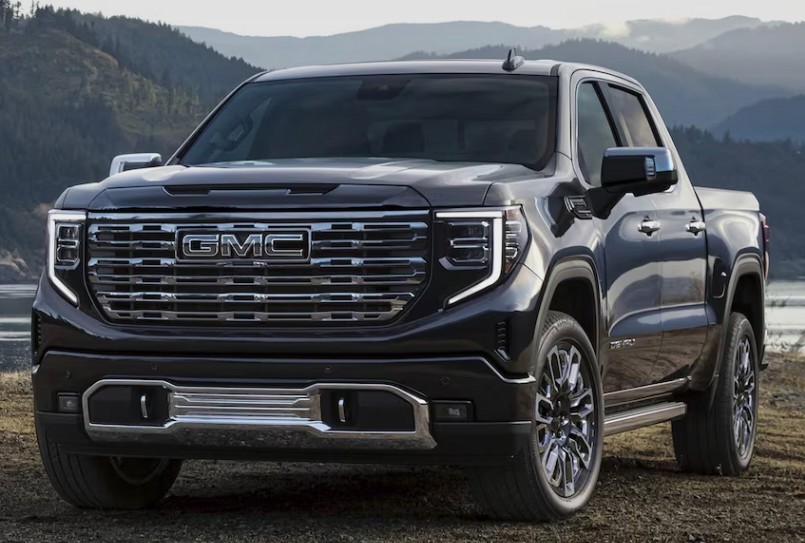
The GMC Sierra has always carried itself like a truck wearing a clean work shirt. It can tow a trailer, haul building materials, crawl through muddy roads, and still look comfortable parked outside a nice restaurant. But beneath the chrome, large screens, diesel torque, and Denali badges, buyers have one practical question: Is the GMC Sierra reliable?
The honest answer is yes—but with conditions.
Across its many generations, the GMC Sierra has generally proved capable of covering high mileages when owners maintain it correctly. Its traditional V8 engines, body-on-frame construction, available diesel powertrains, and widely available replacement parts give it a solid foundation. However, reliability varies considerably by model year, engine, transmission, maintenance history, and previous workload.
A Sierra that spent its life commuting on highways is a very different proposition from one that pulled a heavy fifth-wheel trailer through mountain passes every weekend. Two trucks may have the same mileage while carrying completely different levels of mechanical wear.
That is why we should not judge GMC Sierra reliability with a single score. We need to look beneath the surface, compare generations, understand common trouble areas, and inspect each used truck as an individual machine.
Content in this publication
- Is the GMC Sierra a Reliable Truck?
- Understanding the GMC Sierra Generations
- GMC Sierra 2500HD and 3500HD Reliability
- Which GMC Sierra Engines Are Most Reliable?
- Common GMC Sierra Reliability Problems
- How Long Does a GMC Sierra Last?
- Are Older GMC Sierras More Reliable?
- GMC Sierra 1500 Versus Sierra HD Reliability
- Does the Denali Trim Affect Reliability?
- How Maintenance Influences GMC Sierra Reliability
- How to Inspect a Used GMC Sierra
- Red Flags When Buying a Used Sierra
- Are Modified GMC Sierras Reliable?
- What Is the Most Reliable GMC Sierra to Buy?
- Should You Buy an Extended Warranty?
- GMC Sierra Reliability Verdict
- Frequently Asked Questions
Is the GMC Sierra a Reliable Truck?
Overall, the GMC Sierra can be a reliable full-size pickup, especially when purchased with a documented service history and inspected before purchase. Many examples remain in daily use well beyond 150,000 miles, while properly maintained trucks can travel considerably farther.
Its strongest reliability qualities include:
- Durable body-on-frame construction
- Proven gasoline V8 engine designs
- Strong heavy-duty chassis components
- Broad parts availability
- Extensive mechanic familiarity
- Capable Duramax diesel engines
- Good long-distance durability when maintained
The Sierra is not mechanically unique within the General Motors family. It shares many major components with the Chevrolet Silverado, including engines, transmissions, frames, suspension parts, and electronic systems. This shared engineering has an important advantage: parts are widely available, and most repair shops already understand the platform.
However, Sierra ownership is not always trouble-free. Certain generations have been associated with oil consumption, transmission behavior, electronic glitches, fuel-system repairs, lifter problems, cooling-system leaks, and emissions-equipment issues.
In other words, the Sierra can be dependable, but buying blindly is like walking into deep water without checking the depth.
Understanding the GMC Sierra Generations
To evaluate reliability properly, we need to understand how the truck evolved. The Sierra name has existed in different forms for decades, although it became GMC’s primary full-size pickup nameplate for the 1999 model year.
Early Sierra and C/K-Based Trucks
Before 1999, GMC used the Sierra name primarily as a trim designation on its C/K pickups. These older trucks are mechanically simple compared with modern models. They use fewer control modules, fewer sensors, and less complicated emissions equipment.
Their simplicity can make repairs straightforward, but age creates its own challenges. Rubber seals harden, electrical connections corrode, fuel lines deteriorate, frames rust, and previous owners may have performed questionable modifications.
An older Sierra may be mechanically uncomplicated, yet it can still become expensive if decades of neglect are hiding beneath fresh paint.
1999–2006 GMC Sierra
The 1999 redesign introduced the GMT800 generation. These trucks built much of the Sierra’s modern reputation for durability.
Gasoline engine choices included versions of GM’s Vortec V8 family, while heavy-duty models could be equipped with the Duramax diesel and Allison transmission combination. Many buyers consider this generation attractive because it blends modern drivability with relatively manageable technology.
Common age-related concerns may include:
- Instrument-cluster failures
- Fuel-pump wear
- Steering-component looseness
- Brake-line corrosion
- Transfer-case wear
- Rust around rocker panels and wheel arches
- Oil leaks from aging seals
- Worn front suspension components
The engines themselves can be long-lasting, but we must remember that even the newest truck from this generation is now an older vehicle. Condition matters more than reputation.
Why GMT800 Trucks Remain Popular
These Sierras often feel refreshingly straightforward. They are not stripped of electronics, but they are less software-dependent than newer trucks.
A well-preserved example can be an excellent work vehicle. A neglected one can become a rolling repair invoice. The smartest purchase is rarely the cheapest truck listed online; it is usually the truck with the best maintenance history.
2007–2013 GMC Sierra
The GMT900 generation introduced a more refined cabin, updated styling, additional safety features, and more sophisticated engine-management systems.
These trucks can deliver long service lives, but some gasoline V8 models deserve careful evaluation because of oil-consumption complaints and issues involving the Active Fuel Management system.
Active Fuel Management allows certain engines to deactivate cylinders under light loads to improve fuel economy. It is clever technology, but additional complexity introduces additional failure points.
Potential concerns include:
- Excessive oil consumption
- Valve-lifter problems
- Carbon buildup
- Cracked dashboards
- Transmission wear
- Rust in cold-weather regions
- Electrical faults
- Deteriorated engine mounts
Not every truck develops these issues. Some operate for years with little more than normal maintenance. Nevertheless, buyers should inspect oil levels, listen for valvetrain noise, review service records, and watch for exhaust smoke.
2014–2018 GMC Sierra
The 2014 redesign brought sharper styling, improved interiors, direct-injected engines, upgraded technology, and new transmission combinations.
These trucks are comfortable, powerful, and widely available on the used market. They also introduced greater mechanical and electronic complexity.
Potential reliability concerns may include:
- Rough or delayed transmission shifts
- Torque-converter vibration
- Air-conditioning condenser leaks
- Active Fuel Management lifter trouble
- Direct-injection carbon buildup
- Infotainment malfunctions
- Steering or suspension noises
- Brake-system concerns
- Electronic tailgate problems
A harsh shift does not automatically mean a transmission is dying. Software calibration, fluid condition, torque-converter wear, internal components, and adaptive shift behavior can all influence operation.
Still, we should never accept “they all do that” as a complete diagnosis. A properly functioning truck should operate consistently without severe clunks, prolonged hesitation, persistent shuddering, or slipping.
Checking the Eight-Speed Transmission
Some Sierra 1500 models use an eight-speed automatic transmission. When inspecting one, we should drive it cold and fully warmed up.
Pay attention to:
- Delayed engagement into Drive or Reverse
- Shuddering at steady speeds
- Hard downshifts
- Engine-speed flares between gears
- Repeated hunting on mild inclines
- Clunks during low-speed driving
GM has issued service communications concerning specific transmission conditions in certain Sierra vehicles. One 2021 customer-satisfaction document, for example, addressed the possibility of a broken reaction carrier in certain Sierra 1500 trucks equipped with a specific eight-speed transmission. That does not mean every eight-speed Sierra is defective, but it reinforces the importance of checking the VIN and service history.
2019–Present GMC Sierra 1500
The current-generation Sierra 1500 arrived for the 2019 model year with lighter construction, new engine options, updated transmissions, advanced trailering technology, and increasingly sophisticated electronics.
Depending on the model year and configuration, buyers may encounter four-cylinder gasoline engines, naturally aspirated V8s, and the 3.0-liter Duramax diesel.
These trucks are more efficient and capable than earlier models, but they are also computers on wheels. Cameras, sensors, dynamic fuel-management systems, digital dashboards, electronic tailgates, and complex transmissions all need to communicate correctly.
Potential concerns include:
- Dynamic Fuel Management lifter failures
- Software-related warning messages
- Camera or infotainment faults
- Transmission shift irregularities
- Diesel emissions-system problems
- Electronic tailgate malfunctions
- Battery-related electrical symptoms
- Sensor failures
- Water leaks or interior rattles
Modern trucks can sometimes display several warning messages because of one weak battery or poor electrical connection. That does not make every warning harmless; it means diagnosis matters.
Recent Sierra Recall Considerations
Recalls should not automatically frighten us away from a vehicle. They do, however, reveal why checking a VIN is essential.
A 2024 safety recall addressed unintended tailgate opening on certain GM trucks. The issue involved possible water intrusion affecting the electronic gate-release switch.
Another 2024 recall covered certain diesel-powered Sierra 1500, 2500, and 3500 trucks because wear in a transmission control valve could lead to momentary rear-wheel lockup.
Recall status depends on the exact year, configuration, production date, and VIN. Buyers in the United States can search NHTSA’s recall database by VIN or, in supported cases, by licence plate.
GMC Sierra 2500HD and 3500HD Reliability
Heavy-duty Sierra models require a separate discussion because their construction, engines, transmissions, and typical workloads differ from the Sierra 1500.
The Sierra 2500HD and 3500HD are designed for demanding towing and hauling. Their stronger frames, larger brakes, heavy-duty axles, and available Duramax diesel engines make them excellent working machines.
However, heavy-duty capability does not guarantee an easy life. Many used HD trucks have pulled large trailers, carried commercial loads, idled for long periods, or operated on rough job sites.
Gasoline Sierra HD Reliability
Gasoline-powered HD trucks are often overlooked because diesel models dominate towing conversations. Yet a gasoline Sierra HD may be the more sensible reliability choice for buyers who do not tow extremely heavy loads every day.
Advantages can include:
- Lower purchase price
- Simpler emissions equipment
- Less expensive fuel-system repairs
- Easier short-trip operation
- Lower maintenance complexity
- Fewer diesel-specific components
The trade-off is higher fuel consumption and less low-speed torque than a comparable Duramax.
For occasional towing, local work, snowplowing, or moderate annual mileage, the gasoline HD can be a dependable and financially sensible option.
Duramax Diesel Reliability
Duramax diesel engines have built a strong reputation for torque and longevity, but the word “diesel” should never be treated as a synonym for “indestructible.”
A well-maintained Duramax can deliver excellent long-term service. At the same time, modern diesel repairs can be expensive because the engine operates with complex high-pressure fuel equipment, turbocharging, emissions controls, sensors, and after-treatment systems.
Potential diesel-related expenses may involve:
- Fuel injectors
- High-pressure fuel pumps
- Turbocharger components
- Diesel particulate filters
- Exhaust-gas recirculation systems
- Selective catalytic reduction components
- DEF heaters and sensors
- Glow plugs
- Cooling-system components
Modern diesel trucks are happiest when driven long enough to reach operating temperature and complete emissions-system regeneration cycles. Repeated short trips can be harder on a diesel than long highway drives.
Older Versus Newer Duramax Engines
Older Duramax models have less complicated emissions equipment but may now suffer from age, corrosion, injector wear, or years of heavy towing.
You may be interested in reading Chevrolet Silverado Reliability: A Complete Owner’s Guide
Newer Duramax engines produce remarkable power and operate more quietly, but their emissions and fuel systems are more complex.
There is no universal “perfect” Duramax year. The right choice depends on our budget, mechanical knowledge, emissions regulations, towing requirements, and willingness to pay for specialized repairs.
GMC’s warranty documents also illustrate how seriously diesel powertrain components are treated. For example, the 2024 U.S. GMC warranty booklet listed five-year or 100,000-mile coverage for 3.0-liter and 6.6-liter Duramax engines. Coverage varies by year and market, so buyers should verify the warranty applicable to their exact truck.
Which GMC Sierra Engines Are Most Reliable?
Engine reliability depends on design, maintenance, usage, and luck. Still, some configurations are easier to recommend for certain buyers.
The 4.8-Liter and 5.3-Liter V8 Engines
Earlier 4.8-liter and 5.3-liter V8 engines are known for straightforward construction and broad parts availability.
The 4.8-liter V8 may lack the low-end pulling strength of larger engines, but its relative simplicity makes it appealing in older trucks. Earlier 5.3-liter engines can also be durable, although later versions using cylinder-deactivation systems require closer inspection.
When evaluating a used V8, we should check:
- Cold-start noise
- Oil pressure
- Oil level
- Exhaust smoke
- Misfires
- Cooling-system condition
- Service history
- Evidence of overheating
A clean engine bay is not proof of maintenance. Sometimes it means the seller washed away evidence of leaks ten minutes before we arrived.
The 6.0-Liter Gasoline V8
The 6.0-liter V8 used in many heavy-duty trucks has a reputation for toughness. It is not a fuel-saving champion, but reliability buyers may appreciate its simpler nature compared with newer diesel and cylinder-deactivation systems.
Its personality is similar to a sturdy old hammer: not elegant, not particularly economical, but usually ready to work.
High-mileage examples may still require repairs to gaskets, sensors, cooling components, ignition parts, and accessories. Durability does not cancel normal wear.
The 6.2-Liter V8
The 6.2-liter V8 offers strong acceleration and towing performance. In a Sierra 1500, it can make a large pickup move with surprising urgency.
However, buyers should examine cylinder-deactivation components, oil-change history, valvetrain noise, and service records carefully. Greater output and additional technology can increase repair exposure.
The 6.2-liter is appealing for buyers who value performance, but it is not automatically the lowest-risk option for someone focused exclusively on inexpensive long-term ownership.
The Turbocharged Four-Cylinder
The turbocharged four-cylinder used in newer Sierra 1500 models may sound undersized, but modern turbocharging allows it to produce substantial low-end torque.
Its advantages include useful pulling power and potentially lower fuel consumption in suitable driving conditions. Nevertheless, long-term buyers must consider turbocharger heat, direct injection, engine loading, and added complexity.
We should not reject it simply because it has four cylinders. Nor should we assume it will match the long-term ownership pattern of an older naturally aspirated V8. It is a different tool built for a different era.
The 3.0-Liter Duramax Diesel
The 3.0-liter inline-six Duramax appeals to drivers who want strong torque and good highway efficiency without moving into a heavy-duty truck.
It can be an excellent long-distance engine, particularly for regular highway driving and moderate towing. Reliability-minded buyers should still understand diesel emissions systems, fuel quality requirements, maintenance costs, and the importance of correct oil specifications.
A diesel can save fuel while costing more when repairs arrive. We need to evaluate total ownership cost rather than staring only at the fuel-economy display.
Common GMC Sierra Reliability Problems
No generation suffers from every issue listed below, and many owners never experience major failures. These are areas worth checking—not guaranteed defects.
Cylinder-Deactivation Lifter Problems
Active Fuel Management and Dynamic Fuel Management are designed to improve efficiency by altering cylinder operation under certain conditions.
When a lifter fails, symptoms may include:
- Ticking or tapping noises
- Misfires
- Rough running
- Reduced power
- Check-engine lights
- Poor acceleration
Ignoring valvetrain noise can turn a manageable repair into a more serious engine problem. Any persistent ticking deserves professional diagnosis.
Transmission Shudder and Harsh Shifting
Transmission complaints can range from mild calibration behavior to serious internal wear.
A test drive should include:
- A cold start
- Stop-and-go traffic
- Steady cruising
- Moderate acceleration
- Highway speeds
- Reverse engagement
- Hill driving, when possible
A truck that drives smoothly for five minutes may behave differently after the fluid reaches operating temperature.
Oil Consumption
Some Sierra engines may consume oil between changes. The danger is not only the consumption itself; it is the possibility that a previous owner rarely checked the dipstick.
Low oil can affect timing components, bearings, lifters, and overall engine life.
We should ask how often the owner added oil, not merely how often it was changed.
Air-Conditioning System Leaks
Air-conditioning performance is easy to overlook during a winter inspection. On certain models, condenser or refrigerant leaks can lead to weak or warm airflow.
Run the system at its coldest setting, check both sides of the cabin, and listen for unusual compressor noise.
Electrical and Infotainment Issues
Modern Sierras depend on stable voltage and reliable communication between modules.
Possible symptoms include:
- Frozen touchscreens
- Camera errors
- Random warning messages
- Bluetooth disconnections
- Intermittent starting
- Power-accessory failures
- Instrument-cluster resets
A weak battery can create a carnival of warning lights, but we should still scan the vehicle for stored diagnostic codes.
Rust and Corrosion
Rust may be more damaging than mileage, particularly in areas that use road salt.
Inspect:
- Frame rails
- Brake lines
- Fuel lines
- Rocker panels
- Cab corners
- Wheel arches
- Bed supports
- Suspension mounts
- Spare-tire hardware
Surface rust is common on older trucks. Deep scaling, perforation, weakened mounts, or heavily corroded lines require more concern.
Diesel Emissions-System Trouble
Modern diesel emissions systems help trucks meet regulatory requirements, but their components can be expensive.
Warning signs include:
- Frequent regeneration
- Reduced-power messages
- DEF warnings
- Check-engine lights
- Strong exhaust smells
- Poor fuel economy
- Excessive idling history
A deleted or modified emissions system may create legal, inspection, registration, resale, and warranty problems. A modified truck should be evaluated carefully under the rules of the buyer’s jurisdiction.
How Long Does a GMC Sierra Last?
There is no guaranteed lifespan, but a properly maintained Sierra may remain useful well beyond 150,000 miles. Reaching 200,000 miles is realistic for many trucks, while some exceed that figure by a wide margin.
Mileage is only one chapter of the story.
A 90,000-mile truck may be worn out if it spent years towing at maximum capacity with poor maintenance. A 180,000-mile truck may still feel healthy if it travelled mostly on highways and received consistent servicing.
What Determines Sierra Longevity?
The most important factors include:
- Oil-change frequency
- Correct fluid specifications
- Cooling-system maintenance
- Transmission servicing
- Towing weight
- Trailer-brake setup
- Rust exposure
- Warm-up and driving habits
- Idle hours
- Repair quality
- Modification history
Why Engine Hours Matter
Work trucks may accumulate extensive idle time without adding many miles. Police vehicles, construction trucks, oil-field pickups, and fleet vehicles can spend hours running while stationary.
When possible, compare engine hours with mileage. Low mileage paired with unusually high engine hours may reveal a harder life than the odometer suggests.
Are Older GMC Sierras More Reliable?
Older trucks often feel more reliable because they are simpler. They have fewer cameras, fewer electronic convenience systems, and less complicated emissions equipment.
However, simplicity and reliability are not identical.
An older Sierra may avoid touchscreen failures but suffer from:
- Brittle wiring
- Dried seals
- Corroded grounds
- Worn steering parts
- Rusted brake lines
- Weak fuel pumps
- Aging cooling systems
- Previous-owner repairs
Newer trucks may require more specialized diagnosis, yet they also offer improved crash protection, stronger performance, better trailering technology, and more comfortable daily driving.
The best balance for many buyers is a well-documented truck that is old enough to have a known track record but new enough to avoid severe age-related deterioration.
GMC Sierra 1500 Versus Sierra HD Reliability
The Sierra 1500 is usually better for commuting, family use, lighter payloads, and moderate towing. Its components may be less expensive to replace, and its ride is generally more comfortable.
The Sierra HD offers stronger chassis hardware and greater towing capability, but repairs can be more expensive—especially on diesel models.
You may be interested in readingChevrolet Silverado Reliability: A Complete Owner’s GuideYou may be interested in reading
Chevrolet Silverado Years to Avoid: A Used-Truck Buyer’s GuideChoosing the HD because it “must last longer” can backfire if we never need its capability. A lightly used gasoline Sierra 1500 may be cheaper and easier to maintain than an HD diesel loaded with emissions equipment.
Buy the truck that fits the job. Oversizing can be as wasteful as undersizing.
Does the Denali Trim Affect Reliability?
Denali models share their core engines and transmissions with other Sierra trims, so the badge itself does not inherently make the powertrain less reliable.
However, Denali trucks often include more equipment:
- Adaptive suspension systems
- Larger wheels
- Advanced cameras
- Powered running boards
- Premium audio equipment
- Additional driver-assistance features
- Electronic interior controls
More features create more opportunities for age-related problems. A base work truck may have fewer luxury items to fail, while a Denali may cost more to restore when electronic accessories stop working.
Buyers should test every button. A beautiful interior can hide expensive faults behind polished leather and chrome.
How Maintenance Influences GMC Sierra Reliability
GMC provides model-specific maintenance information through its vehicle-support and owner-manual resources. Maintenance schedules differ by year, engine, drivetrain, operating conditions, and market.
The oil-life monitor is useful, but owners should also consider towing, dust, heat, short trips, idling, and severe operating conditions.
Essential Sierra Maintenance Habits
For long-term reliability, we should:
- Check engine oil regularly
- Use the specified oil grade
- Replace filters on schedule
- Monitor coolant condition
- Inspect transmission fluid
- Service differentials as required
- Maintain the transfer case
- Rotate tires
- Inspect brakes and lines
- Keep batteries and grounds healthy
- Address warning lights promptly
- Review recall status
Do Not Ignore Small Symptoms
A faint vibration can become a worn torque converter. A tiny coolant smell can become an overheating event. A soft brake pedal can reveal corroded lines. A small tick can signal valvetrain trouble.
Trucks often whisper before they shout.
How to Inspect a Used GMC Sierra
A pre-purchase inspection is one of the best investments we can make. Ideally, the inspection should be performed by a technician who regularly works on GM trucks.
Exterior and Frame Inspection
Look for uneven panel gaps, overspray, mismatched paint, bed damage, rust, and evidence of previous collisions.
Check whether the cab and bed sit evenly over the frame. Inspect trailer-hitch wear, bent bumper components, and damaged electrical connectors.
A heavily worn hitch receiver can tell us more about the truck’s past than the seller’s description.
Engine Inspection
Start the engine from cold. Sellers sometimes warm a vehicle before our arrival to hide startup noises.
Watch for:
- Blue, white, or black smoke
- Ticking
- Knocking
- Belt squeal
- Fluid leaks
- Rough idle
- Low oil pressure
- Warning lights
Remove the oil cap only when safe and appropriate, and inspect visible deposits. Heavy sludge may indicate neglected oil changes.
Transmission Inspection
Test every gear, including Reverse. Drive slowly through a parking area, then accelerate onto a faster road.
The transmission should not slip, flare, bang repeatedly into gear, or shudder under light throttle.
Four-Wheel-Drive Inspection
Engage the available four-wheel-drive modes according to the owner’s manual and test them on a suitable surface.
Listen for grinding, binding, clicking, or delayed engagement. Transfer-case and front-differential repairs can be expensive.
Electronic Inspection
Test:
- Infotainment
- Cameras
- Parking sensors
- Heated and ventilated seats
- Power windows
- Door locks
- Tailgate functions
- Trailer-brake controller
- Climate control
- Driver-assistance systems
Scan all modules, not only the engine computer. A professional diagnostic scan may reveal stored history codes even when no dashboard warning is currently visible.
Service Records and Recall Check
Ask for invoices rather than relying on verbal claims. Records should show dates, mileage, fluid types, repairs, and inspection findings.
Check the VIN for outstanding recalls before handing over money. NHTSA maintains searchable vehicle and recall resources for U.S.-market trucks, while buyers elsewhere should use the official recall database for their country.
Red Flags When Buying a Used Sierra
Walk away—or investigate much more deeply—when we find:
- Unexplained engine ticking
- Low oil on the dipstick
- Transmission shudder
- Deleted emissions equipment
- Severe frame corrosion
- Multiple electrical faults
- Overheating history
- Coolant mixed with oil
- Undocumented engine tuning
- Oversized tires with poor suspension work
- Missing maintenance records
- Recently cleared diagnostic codes
- A seller refusing an inspection
One red flag may have an innocent explanation. Several red flags usually form a pattern.
Are Modified GMC Sierras Reliable?
Modifications can improve capability, appearance, or performance, but they can also reduce reliability.
Large tires increase stress on wheel bearings, steering parts, brakes, gearing, and transmission components. Lift kits can alter suspension geometry. Aggressive engine tuning may raise cylinder pressure, exhaust temperature, and transmission load.
A properly engineered modification is different from a collection of inexpensive parts installed in someone’s driveway.
When purchasing a modified Sierra, ask:
- Who installed the parts?
- Are receipts available?
- Was the truck professionally aligned?
- Was the speedometer recalibrated?
- Were supporting components upgraded?
- Is the warranty affected?
- Does it comply with local laws?
For the lowest ownership risk, a stock or lightly modified truck is usually the safer choice.
What Is the Most Reliable GMC Sierra to Buy?
There is no single model year that suits every buyer, but we can identify sensible patterns.
Best Choice for Simplicity
A well-preserved 1999–2006 gasoline-powered Sierra can be appealing because of its relatively simple electronics and proven engine architecture.
The challenge is finding one without serious rust, neglected maintenance, or decades of hard use.
Best Choice for Affordable Daily Use
A later gasoline Sierra 1500 with complete records, no abnormal engine noise, smooth transmission behavior, and a clean inspection can offer a strong combination of comfort and capability.
Exact condition matters more than choosing a year from an online “best” list.
Best Choice for Heavy Towing
A properly maintained Sierra 2500HD or 3500HD is the logical choice for heavy trailers. Buyers who tow frequently over long distances may benefit from the Duramax diesel.
Those who tow occasionally or drive mainly short distances may find a gasoline HD easier and less expensive to own.
Best Choice for Luxury
A Denali can be dependable, but buyers should budget for the upkeep of its additional equipment. Test every feature and avoid assuming that low mileage guarantees perfect electronics.
Should You Buy an Extended Warranty?
An extended warranty may be worth considering on a newer Sierra with advanced electronics, a diesel engine, or an expensive trim level.
However, contracts differ dramatically. Before purchasing, examine:
- Covered components
- Exclusions
- Deductibles
- Claim limits
- Labour-rate limits
- Diagnostic coverage
- Maintenance requirements
- Transferability
- Approved repair facilities
A contract that excludes emissions parts, electronics, seals, consequential damage, and diagnostic time may offer far less protection than its sales presentation suggests.
New-truck warranty coverage also varies by model year, engine, mileage, country, and in-service date. Buyers should read the official warranty booklet rather than relying on dealership shorthand.
GMC Sierra Reliability Verdict
The GMC Sierra is capable of being a dependable, long-lasting truck, but its reliability is not uniform across every generation and configuration.
Older models offer simpler mechanics but face rust and age-related deterioration. Middle-generation trucks can provide excellent value, though some require careful screening for oil consumption, cylinder-deactivation issues, and transmission behavior. Newer Sierras deliver impressive power, comfort, efficiency, and technology, but their complexity raises the importance of software updates, diagnostic scans, recall checks, and complete maintenance records.
Sierra HD models can withstand serious work, yet buyers must investigate how they were used. Diesel engines offer extraordinary towing strength, but their emissions and fuel systems can produce expensive repairs.
The central lesson is simple: buy condition, maintenance history, and configuration—not merely mileage or model year.
A clean inspection report is more valuable than shiny wheels. Service records matter more than a freshly detailed engine bay. A stock truck with 120,000 well-maintained miles may be a much safer purchase than a modified truck showing 70,000 mysterious miles.
When we choose carefully and maintain the Sierra as the working machine it is, the truck can remain a loyal partner for many years. Treat it well, and it can pull through life like a strong draft horse. Ignore its warnings, and even the toughest-looking Sierra can become an expensive lawn ornament.
Frequently Asked Questions
1. Is the GMC Sierra more reliable than the Chevrolet Silverado?
The GMC Sierra and Chevrolet Silverado share many engines, transmissions, chassis components, and electronic systems. Their fundamental reliability is therefore similar when comparing equivalent years and configurations. Differences in condition, maintenance, trim equipment, and previous use are generally more important than the badge.
2. How many miles can a GMC Sierra last?
A properly maintained Sierra may remain serviceable beyond 150,000 miles, and many trucks reach or exceed 200,000 miles. There is no guaranteed figure. Towing history, rust, engine hours, fluid maintenance, driving conditions, and repair quality strongly affect longevity.
3. Are GMC Sierra diesel trucks reliable?
Duramax-powered Sierras can provide excellent durability and towing performance. However, diesel injectors, turbochargers, high-pressure fuel systems, DEF components, particulate filters, and other emissions equipment can be expensive to repair. Diesel ownership makes the most sense when the truck’s towing and long-distance efficiency benefits justify the additional complexity.
You may be interested in readingChevrolet Silverado Reliability: A Complete Owner’s GuideYou may be interested in reading
Chevrolet Silverado Years to Avoid: A Used-Truck Buyer’s GuideYou may be interested in reading
 Is the Nissan Note a Good Car? Complete Buyer’s Guide
4. What should I check before buying a GMC Sierra?
Check the cold start, oil level, engine noise, transmission behavior, four-wheel-drive system, frame corrosion, electronics, service history, engine hours, modifications, towing equipment, and recall status. A professional pre-purchase inspection and full-module diagnostic scan are strongly recommended.
5. Is a high-mileage GMC Sierra worth buying?
It can be. A high-mileage truck with complete maintenance records, minimal rust, smooth operation, and mostly highway use may be a better purchase than a low-mileage truck with poor maintenance or severe towing history. Have the truck inspected and budget for age-related repairs.
If you want to know other articles similar to GMC Sierra Reliability: A Complete Buyer’s Guide you can visit the category Blog.
Land Rover Defender 90 Reliability: How Dependable Is It Really?

How Long Will a Subaru XV Last? Mileage, Lifespan, and Reliability Explained
Is Subaru XV a Good Car? An Honest Look at Reliability, Comfort, AWD and Ownership
Is Mazda CX-9 a Luxury Car? A Surprisingly Complicated Answer

How to Charge Leapmotor C10: Complete Charging Guide
Is Leapmotor C10 a Good Car? Full Review and Buyer’s Guide
Leave a Reply
More content of your interest