
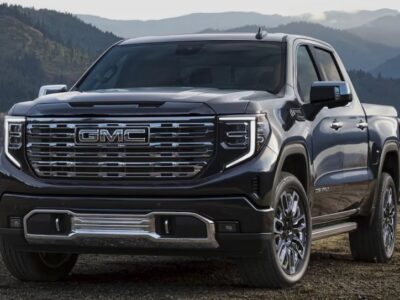
GMC Sierra MPG: Fuel Economy Across All Generations and Engines

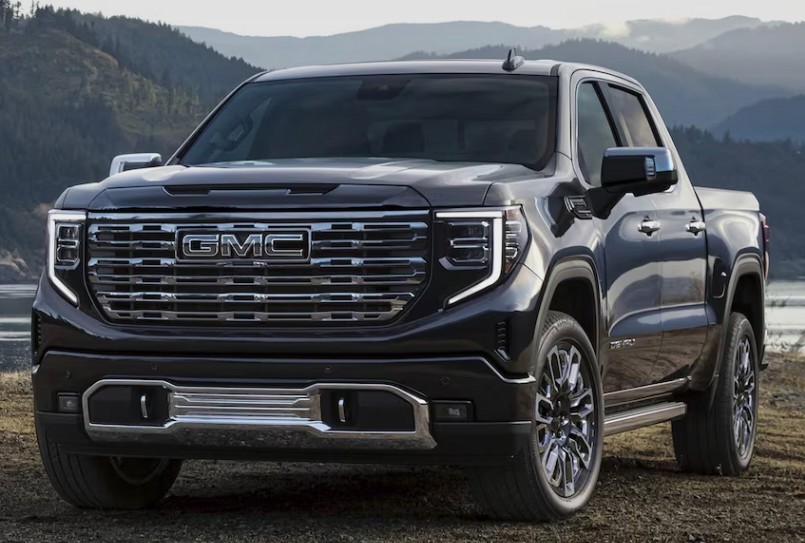
The GMC Sierra has never pretended to be a tiny fuel-sipping commuter. It is a full-size pickup built to haul equipment, tow trailers, cross muddy job sites, and carry families without breaking a sweat. Still, fuel economy matters. Whether we drive ten miles to work or pull a camper across several states, every extra mile per gallon eventually leaves more money in our pocket.
So, what kind of GMC Sierra MPG can we realistically expect?
The answer depends on much more than the model year. Engine size, drivetrain, cab configuration, transmission, tires, axle ratio, cargo weight, terrain, weather, and driving habits all affect fuel consumption. A two-wheel-drive diesel Sierra cruising on an open highway lives in a completely different world from a lifted V8 Sierra pushing through city traffic.
Across its history, the Sierra has been offered with naturally aspirated V6 engines, turbocharged four-cylinder engines, several generations of V8s, heavy-duty gasoline engines, and multiple diesel powertrains. Some combinations are surprisingly efficient. Others drink fuel like a thirsty workhorse after a long day.
In this guide, we will examine GMC Sierra gas mileage across generations, engines, drivetrains, and everyday driving conditions. We will also explain why official numbers sometimes differ from what owners see at the pump.
Content in this publication
- What Does GMC Sierra MPG Mean?
- GMC Sierra MPG at a Glance
- Why GMC Sierra Gas Mileage Varies So Much
- GMC Sierra MPG by Generation
- GMC Sierra MPG by Modern Engine
- GMC Sierra 2500HD MPG
- GMC Sierra 3500HD MPG
- Two-Wheel Drive vs Four-Wheel Drive MPG
- Cab and Bed Configuration Effects
- How Towing Changes GMC Sierra MPG
- GMC Sierra MPG in City Driving
- GMC Sierra Highway MPG
- How Tires Affect Sierra MPG
- Does a Lift Kit Reduce GMC Sierra MPG?
- How to Calculate Real GMC Sierra MPG
- How to Improve GMC Sierra MPG
- Which GMC Sierra Has the Best MPG?
- Which Sierra Engine Offers the Best Overall Value?
- Is GMC Sierra MPG Good for a Full-Size Truck?
- Final Thoughts on GMC Sierra MPG
- Frequently Asked Questions
What Does GMC Sierra MPG Mean?
MPG means miles per gallon. It tells us approximately how many miles a vehicle can travel using one U.S. gallon of fuel.
A Sierra returning 20 MPG can theoretically travel 20 miles on one gallon. A truck returning 12 MPG travels only 12 miles on the same amount of fuel.
Fuel-economy ratings are usually divided into three figures:
- City MPG: Stop-and-go traffic, lower speeds, and frequent acceleration
- Highway MPG: Longer trips at relatively steady speeds
- Combined MPG: A calculated blend of city and highway driving
The U.S. Environmental Protection Agency provides the fuel-economy data displayed on new light-vehicle window stickers. EPA testing uses standardized procedures so buyers can compare different vehicles under consistent conditions. The agency has updated its methods over time, including major changes for the 2008 model year that accounted more closely for cold temperatures, faster driving, air-conditioning use, and stronger acceleration.
That historical change matters. A Sierra from the early 2000s and a modern Sierra may display ratings produced under different testing methods. We should therefore avoid treating old and new MPG labels as perfectly identical measuring sticks.
GMC Sierra MPG at a Glance
Most gasoline-powered Sierra 1500 models generally fall somewhere between the low teens and low twenties, depending on configuration. Diesel-powered light-duty models can climb into the upper twenties on the highway under favorable conditions.
As a practical overview, drivers may encounter ranges like these:
| Sierra configuration | Typical MPG expectation |
|---|---|
| Older gasoline V8 Sierra 1500 | 12–18 MPG |
| Modern 5.3-liter V8 Sierra 1500 | 15–21 MPG |
| Modern 6.2-liter V8 Sierra 1500 | 14–20 MPG |
| Turbocharged four-cylinder Sierra 1500 | 17–22 MPG |
| Modern 3.0-liter Duramax diesel | 20–28 MPG |
| Sierra 2500HD gasoline | Roughly 10–16 MPG |
| Sierra 3500HD gasoline | Roughly 8–15 MPG |
| Sierra HD diesel | Roughly 12–20 MPG |
These are broad expectations rather than promises. Heavy-duty trucks often do not carry the same EPA fuel-economy labels as light-duty pickups, so HD estimates frequently come from owner calculations, fleet experience, and trip-computer readings.
Why GMC Sierra Gas Mileage Varies So Much
Two trucks wearing the same Sierra badge can produce wildly different fuel-economy results.
Imagine a regular-cab, two-wheel-drive Sierra with highway tires and an empty bed. Now place it beside a crew-cab four-wheel-drive model with all-terrain tires, a suspension lift, steel accessories, and a loaded trailer. They may share an engine, yet the second truck must move far more weight and overcome greater aerodynamic and rolling resistance.
The most important variables include:
- Engine and transmission
- Two-wheel drive or four-wheel drive
- Cab and bed length
- Axle ratio
- Tire size and tread pattern
- Suspension height
- Vehicle payload
- Trailer weight
- Average road speed
- Traffic conditions
- Outside temperature
- Fuel quality
- Maintenance condition
Think of MPG as a moving target rather than a tattoo stamped permanently onto the truck.
GMC Sierra MPG by Generation
The Sierra name has existed for decades, although GMC gradually transformed it from a trim designation into the primary name for its full-size pickup line. For practical shopping purposes, most buyers focus on late-1990s and newer models.
First-Generation GMC Sierra MPG: 1999–2006
The redesigned Sierra that arrived for the 1999 model year introduced the GMT800 platform. These pickups were lighter and simpler than many modern trucks, but their four-speed automatic transmissions and older engine-management systems limited efficiency.
Common engines included:
- 4.3-liter V6
- 4.8-liter V8
- 5.3-liter V8
- 6.0-liter V8
- 8.1-liter V8 in heavy-duty applications
- 6.6-liter Duramax diesel in HD models
4.3-Liter V6 MPG
The 4.3-liter V6 was usually the economy-minded entry engine. In lighter two-wheel-drive configurations, it could approach the high teens on the highway. City driving often dragged it toward the low-to-mid teens.
It was not always dramatically more efficient than the smaller V8s because the V6 had to work hard when the truck carried a load. An engine that looks economical on paper can become less impressive when it spends every hill with the accelerator buried.
4.8-Liter and 5.3-Liter V8 MPG
The 4.8-liter and 5.3-liter V8s became popular because they balanced usable power with acceptable fuel consumption.
Many owners can expect approximately:
- City: 13–16 MPG
- Highway: 17–21 MPG
- Mixed driving: 14–18 MPG
Rear-wheel-drive regular-cab trucks may sit near the upper end. Crew-cab four-wheel-drive models usually fall lower.
6.0-Liter and 8.1-Liter Gasoline MPG
These large engines prioritized strength rather than thrift.
A 6.0-liter V8 might return around 10–15 MPG in mixed use, while the massive 8.1-liter V8 can slip into single digits when towing or driving in town. Empty highway runs may improve the result, but nobody buys an 8.1-liter Sierra because the fuel gauge moves slowly.
Early Duramax Diesel MPG
The 6.6-liter Duramax brought strong towing torque to Sierra HD models. Depending on gearing, load, speed, and modifications, unloaded highway mileage may reach the high teens. Towing often produces figures in the low-to-mid teens.
Diesel economy was attractive, but buyers also had to consider higher purchase prices, maintenance expenses, and the condition of the fuel and emissions systems.
Second-Generation GMC Sierra MPG: 2007–2013
The GMT900 generation brought a more aerodynamic body, updated interiors, improved engines, and eventually six-speed automatic transmissions.
Engine options included:
- 4.3-liter V6
- 4.8-liter V8
- 5.3-liter V8
- 6.0-liter V8
- 6.2-liter V8
- Duramax diesel engines in HD models
5.3-Liter V8 Fuel Economy
The 5.3-liter remained the volume engine. Some versions used cylinder-deactivation technology, allowing the engine to operate with fewer cylinders under light-load conditions.
Typical real-world mileage often lands around:
- City: 13–16 MPG
- Highway: 18–22 MPG
- Combined: 15–18 MPG
The six-speed transmission helped keep engine speed lower during highway cruising, although four-wheel drive, heavier trims, and aggressive tires could erase part of that advantage.
6.2-Liter V8 MPG
The 6.2-liter V8 offered stronger acceleration and towing confidence. Despite its displacement, highway economy could occasionally resemble the 5.3-liter when driven gently because the larger engine did not need to work as hard.
City mileage, however, frequently remained in the low teens. Drivers using its power enthusiastically would see the fuel gauge behave like sand pouring through an hourglass.
Third-Generation GMC Sierra MPG: 2014–2018
The K2-generation Sierra introduced direct injection, updated cylinder management, improved aerodynamics, and newer six- and eight-speed transmissions.
Its main gasoline engines were:
- 4.3-liter EcoTec3 V6
- 5.3-liter EcoTec3 V8
- 6.2-liter EcoTec3 V8
4.3-Liter EcoTec3 V6 MPG
The modernized V6 was a respectable choice for lighter work.
Depending on drivetrain and body configuration, drivers often see figures around:
- City: 16–18 MPG
- Highway: 21–24 MPG
- Combined: 18–20 MPG
Its weakness appeared under heavy loads. Once a trailer or substantial payload entered the picture, the V6 could consume fuel at a rate close to a V8 while delivering less effortless power.
5.3-Liter EcoTec3 V8 MPG
The 5.3-liter remained the all-rounder. It could deliver highway mileage around the low twenties in favorable two-wheel-drive setups, while four-wheel-drive trucks typically gave up a small amount.
Realistic mixed-driving results often hover around 16–19 MPG.
6.2-Liter EcoTec3 V8 MPG
The 6.2-liter was the muscular choice. It offered lively performance and strong towing capability, but drivers commonly experienced approximately 14–18 MPG in mixed conditions.
On a gentle highway journey, it could surprise us by approaching 20 MPG. Add city traffic, oversized tires, or repeated hard acceleration, and that figure quickly shrinks.
Fourth-Generation GMC Sierra MPG: 2019 to Present
The current-generation Sierra introduced lighter body construction, more advanced transmissions, improved cylinder-management systems, a turbocharged four-cylinder engine, and the 3.0-liter Duramax inline-six diesel.
Major engine families have included:
- 2.7-liter turbocharged four-cylinder, later marketed as TurboMax
- 4.3-liter V6 on earlier versions
- 5.3-liter EcoTec3 V8
- 6.2-liter EcoTec3 V8
- 3.0-liter Duramax turbo-diesel
GMC Sierra MPG by Modern Engine
TurboMax 2.7-Liter MPG
The turbocharged four-cylinder may sound small for a full-size truck, but turbocharging gives it substantial low-end torque.
Typical expectations are approximately:
You may be interested in reading What to Expect When Driving a Fiat 500: Owner's Perspective
- City: 17–19 MPG
- Highway: 20–22 MPG
- Combined: 18–20 MPG
Its economy advantage over the 5.3-liter V8 may be modest in real life, especially when towing. Turbocharged engines can be economical under light throttle, but boost pressure and heavy acceleration demand more fuel.
Who Should Choose the TurboMax?
It makes sense for drivers who:
- Spend most of their time commuting
- Tow only occasionally
- Want strong low-speed response
- Prefer a lower entry price
- Do not need the sound or character of a V8
It may be less appealing to buyers who tow heavy trailers frequently or expect dramatic fuel savings over the V8.
5.3-Liter V8 MPG
The modern 5.3-liter remains one of the most balanced Sierra engines.
Depending on drivetrain, tires, trim, and configuration, reasonable expectations include:
- City: 15–17 MPG
- Highway: 19–22 MPG
- Combined: 17–19 MPG
The engine can deactivate cylinders under light demand in some applications, helping it conserve fuel during steady cruising. Yet real-world performance depends on how often the truck can remain in its economy-oriented operating mode.
Why the 5.3-Liter Is the Safe Middle Ground
The 5.3-liter gives us:
- Familiar V8 performance
- Broad parts and service availability
- Good towing capability
- Better economy than many larger gasoline engines
- Less diesel-related complexity
It is rarely the absolute best in any one category, but it performs well across nearly all of them. Think of it as the comfortable pair of boots we reach for because they work almost everywhere.
6.2-Liter V8 MPG
The 6.2-liter V8 is designed for drivers who want stronger performance without moving into a heavy-duty truck.
Typical mileage may fall near:
- City: 14–16 MPG
- Highway: 18–20 MPG
- Combined: 16–18 MPG
Premium gasoline may be recommended or required for optimum performance in certain applications, adding another layer to operating costs.
Can the 6.2-Liter Be Surprisingly Efficient?
Yes, under the right conditions.
At steady highway speeds, the engine can move the truck without constant downshifts or deep throttle inputs. A patient driver may record numbers close to a smaller V8.
However, the 6.2-liter feels eager, and eager engines tempt eager feet. Frequent acceleration turns respectable fuel economy into a disappearing act.
3.0-Liter Duramax Diesel MPG
For drivers focused on light-duty Sierra fuel economy, the 3.0-liter Duramax inline-six is usually the star.
GMC advertises the 2026 Sierra 1500 diesel at an EPA-estimated 23 MPG city and 28 MPG highway in two-wheel-drive form. The engine produces 305 horsepower and 495 pound-feet of torque and is paired with a 10-speed automatic transmission.
Four-wheel drive, off-road trims, aggressive tires, and heavier configurations can reduce those numbers.
Typical real-world expectations might include:
- City: 20–23 MPG
- Highway: 24–29 MPG
- Combined: 22–26 MPG
Why the 3.0 Duramax Uses Less Fuel
Diesel engines generally operate efficiently under load and produce strong torque at low engine speeds. The 10-speed transmission helps the engine remain within a useful operating range instead of revving aggressively.
The result is a truck that can cruise like a long-legged runner rather than sprinting between every gear.
Diesel MPG Is Not the Whole Story
Better MPG does not automatically mean lower total ownership cost.
Diesel owners may also pay for:
- A higher initial vehicle price
- Diesel exhaust fluid
- More expensive oil changes
- Fuel-filter replacement
- Emissions-system maintenance
- Potentially costly out-of-warranty repairs
We should compare annual fuel savings against the full ownership picture.
GMC Sierra 2500HD MPG
The Sierra 2500HD is built around payload and towing capability. Fuel economy is secondary.
Gasoline-powered HD trucks may return roughly:
- City or loaded use: 9–13 MPG
- Open highway: 13–17 MPG
- Towing: 7–12 MPG
Diesel-powered 2500HD models may achieve:
- Mixed unloaded driving: 14–18 MPG
- Highway driving: 16–20 MPG
- Heavy towing: 9–15 MPG
Actual results vary enormously because an HD truck may be driven empty one day and pull a large fifth-wheel trailer the next.
6.0-Liter Gas V8 MPG
The older 6.0-liter V8 is durable and straightforward, but fuel economy is not its strongest quality. Many trucks live in the low teens when empty and drop below 10 MPG under demanding towing conditions.
Its appeal lies in simplicity and lower maintenance complexity rather than efficiency.
6.6-Liter Gas V8 MPG
The newer 6.6-liter gasoline V8 provides more torque and stronger towing performance. It may not deliver a dramatic MPG improvement over the 6.0-liter, but it can perform the same task with less strain.
When lightly loaded, mid-teen highway mileage may be possible. Around town or while towing, expect considerably less.
GMC Sierra 3500HD MPG
The Sierra 3500HD may carry dual rear wheels, heavy equipment, service bodies, or large trailers. In these conditions, MPG becomes less about chasing a perfect number and more about measuring operating cost per job.
A gasoline 3500HD may return around 8–14 MPG, while a diesel version may produce roughly 12–18 MPG unloaded. Towing a large trailer can push either engine lower.
Single-Rear-Wheel vs Dual-Rear-Wheel MPG
A dual-rear-wheel truck usually consumes more fuel because it has:
- More tire contact with the road
- Additional weight
- Greater rolling resistance
- Often lower gearing
- Frequently heavier payloads or trailers
The MPG penalty may appear small during gentle highway driving but becomes more noticeable in traffic and under load.
Two-Wheel Drive vs Four-Wheel Drive MPG
Two-wheel-drive Sierra models normally hold a fuel-economy advantage.
Four-wheel-drive trucks carry extra components, including a transfer case, front differential, driveshafts, and related hardware. That equipment adds weight and mechanical resistance.
The difference may be only one or two MPG in some configurations, but over thousands of miles, even a small gap matters.
Still, choosing two-wheel drive solely to save fuel makes little sense when we regularly face snow, mud, loose gravel, steep boat ramps, or off-road work. Capability has value, even when it costs a little at the pump.
Cab and Bed Configuration Effects
A regular-cab short-bed Sierra generally weighs less than a crew-cab long-bed truck. Lower weight helps during acceleration, while a shorter body may also reduce the effort required in stop-and-go conditions.
Crew-cab trucks tend to use more fuel because they are:
- Heavier
- Often paired with four-wheel drive
- Frequently equipped with larger wheels
- Commonly sold in feature-rich trims
- More likely to carry passengers and cargo
The difference may not be enormous, but weight accumulates like coins in a jar.
How Towing Changes GMC Sierra MPG
Towing is where fuel economy can fall off a cliff.
A large trailer increases weight, rolling resistance, and aerodynamic drag. The engine must produce more power, the transmission may hold lower gears, and the truck may spend more time under boost or at higher RPM.
A Sierra that normally returns 20 MPG might deliver only 10–14 MPG while towing a large travel trailer. Headwinds, mountain grades, and high speeds can push it lower.
Trailer Shape Matters
Weight is only part of the story.
A low utility trailer may create a manageable penalty. A tall enclosed trailer or travel trailer behaves like a wall being pushed through the air.
At highway speed, aerodynamic drag can matter more than a few hundred pounds of extra cargo.
Best Engine for Towing Fuel Economy
For frequent towing, the 3.0-liter diesel Sierra 1500 or a larger Duramax-powered HD model may provide better loaded economy than a gasoline alternative.
You may be interested in readingWhat to Expect When Driving a Fiat 500: Owner's PerspectiveYou may be interested in reading
 Comparing the Fiat 500e to the Traditional Fiat 500: Pros and Cons
For occasional towing, however, the fuel savings may not recover the diesel’s higher purchase and maintenance costs.
GMC Sierra MPG in City Driving
City driving is particularly hard on full-size pickups.
Every stop forces the engine to accelerate several thousand pounds again. Idling burns fuel while adding no miles. Short journeys prevent the engine and transmission from reaching ideal operating temperatures.
A Sierra that records 22 MPG on the highway might return only 14–17 MPG in dense urban traffic.
Cold starts, air conditioning, remote-start use, and long idle periods can reduce it further.
GMC Sierra Highway MPG
The Sierra performs best when it can settle into its highest transmission gear and maintain a moderate speed.
Highway economy improves when we:
- Keep speed steady
- Avoid unnecessary passing
- Maintain correct tire pressure
- Remove unused cargo
- Limit roof-mounted accessories
- Avoid excessive idling
- Leave enough space to reduce braking and acceleration
However, faster is not always better. Aerodynamic drag rises significantly as speed increases. EPA materials also recognize that high speeds, aggressive driving, cold temperatures, and air-conditioning use affect real-world fuel economy.
A truck may achieve impressive mileage at 60 or 65 mph, then lose several MPG at 75 or 80 mph.
How Tires Affect Sierra MPG
Tires can quietly steal fuel economy.
Large off-road tires are heavier and often create more rolling resistance than highway-oriented tires. Increasing tire diameter also changes effective gearing and may cause the speedometer and trip computer to report inaccurate information unless properly recalibrated.
Common MPG-reducing modifications include:
- Oversized all-terrain tires
- Mud-terrain tires
- Heavy aftermarket wheels
- Wheel spacers
- Lift kits
- Leveling kits
- Roof racks
- Steel bumpers
A modified Sierra may look ready to wrestle a mountain, but the fuel pump will notice.
Does a Lift Kit Reduce GMC Sierra MPG?
Usually, yes.
A lift kit raises more of the truck into the airflow and may expose suspension and underbody components. Larger tires often accompany the lift, adding weight and rolling resistance.
A modest leveling kit may create only a small change. A tall lift combined with heavy mud tires can reduce economy by several MPG.
The exact penalty depends on height, tire size, gearing, speed, and driving style.
How to Calculate Real GMC Sierra MPG
The dashboard reading is useful, but the fill-to-fill method gives us a better long-term picture.
Follow these steps:
- Fill the tank completely.
- Reset the trip odometer.
- Drive normally.
- Refill the tank at the same pump if possible.
- Divide miles driven by gallons added.
For example:
360 miles ÷ 20 gallons = 18 MPG
Repeat the calculation over several tanks. A single fill can be distorted by pump shutoff differences, traffic, weather, towing, or unusual routes.
Why the Dashboard MPG May Be Wrong
The onboard computer estimates fuel use from engine data. It may be optimistic or pessimistic.
Changes in tire size can also affect distance calculations. If the truck travels farther per tire rotation than the computer expects, displayed mileage may not reflect the true result.
Hand calculations across multiple tanks provide a stronger baseline.
How to Improve GMC Sierra MPG
We cannot make a Sierra behave like a compact hybrid, but small habits can produce meaningful improvements.
Drive Smoothly
Hard acceleration burns more fuel. Gradual throttle inputs allow the transmission to shift efficiently and reduce unnecessary engine load.
Control Highway Speed
Reducing cruising speed can improve MPG, especially in a tall, wide pickup. The Sierra must shove a large hole through the air, and that task becomes harder as speed rises.
Maintain Tire Pressure
Underinflated tires increase rolling resistance. Check pressure when the tires are cold and follow the specification on the driver’s door-jamb label rather than guessing from the number printed on the tire sidewall.
Remove Unnecessary Weight
Toolboxes, recovery equipment, sandbags, and forgotten cargo all add weight. Essential equipment should stay, but the bed does not need to become a mobile storage unit.
Reduce Idling
Idling produces zero MPG. Remote start may be comfortable, but extended warm-up periods consume fuel without moving the truck.
Keep the Truck Maintained
Fuel economy can suffer from:
- Dirty air filters in applicable conditions
- Worn spark plugs
- Faulty oxygen sensors
- Dragging brakes
- Incorrect alignment
- Low tire pressure
- Poor-quality fuel
- Engine or emissions faults
A check-engine light should not become permanent dashboard decoration.
Which GMC Sierra Has the Best MPG?
Among conventional fuel-powered Sierra pickups, the light-duty 3.0-liter Duramax diesel generally offers the strongest MPG potential.
A two-wheel-drive configuration with road-focused tires is usually the efficiency champion. GMC lists an EPA estimate of 23 city and 28 highway MPG for an applicable 2026 two-wheel-drive diesel configuration.
Drivers who prefer gasoline will often find the TurboMax four-cylinder or 5.3-liter V8 more economical than the 6.2-liter V8, although configuration and driving style can narrow the difference.
Which Sierra Engine Offers the Best Overall Value?
The answer depends on use.
Choose the TurboMax If:
- Most trips are unloaded
- City commuting is common
- Purchase price matters
- Towing needs are moderate
Choose the 5.3-Liter V8 If:
- We want a versatile all-purpose engine
- We tow occasionally
- We value familiar V8 performance
- We prefer gasoline simplicity
Choose the 6.2-Liter V8 If:
- Performance matters more than maximum MPG
- We tow heavier loads
- We want strong passing power
- We accept higher fuel costs
Choose the 3.0-Liter Duramax If:
- We drive many highway miles
- We tow regularly
- Long-distance efficiency matters
- We intend to keep the truck long enough to benefit from fuel savings
Choose an HD Duramax If:
- Towing and payload requirements exceed light-duty limits
- Fuel economy under load matters more than empty MPG
- We need heavy-duty durability and torque
Is GMC Sierra MPG Good for a Full-Size Truck?
Modern Sierra fuel economy can be competitive for a traditional full-size pickup, especially with the 3.0-liter diesel.
Still, we must compare equivalent configurations. A two-wheel-drive diesel should not be compared directly with a lifted four-wheel-drive gasoline model. Likewise, an empty half-ton and a loaded one-ton truck are performing entirely different jobs.
Fuel economy is best understood in context. A pickup returning 16 MPG while towing thousands of pounds may be doing impressive work. A truck returning the same number while empty on a flat highway may need attention—or a gentler right foot.
Final Thoughts on GMC Sierra MPG
The history of GMC Sierra MPG reflects the evolution of the pickup itself.
Older Sierras relied on simple engines and four-speed transmissions. They were rugged but often thirsty. Newer models combine direct injection, advanced transmissions, turbocharging, cylinder management, and efficient diesel technology to travel farther on each gallon.
For pure highway economy, the 3.0-liter Duramax Sierra 1500 stands above the traditional gasoline choices. For balanced ownership, the 5.3-liter V8 remains hard to dismiss. The TurboMax serves commuters and lighter-duty users well, while the 6.2-liter V8 and heavy-duty engines trade fuel savings for power.
The key is not chasing the highest MPG number in isolation. We should choose a truck that matches our real work, driving distance, towing habits, and ownership budget.
After all, the most economical Sierra is not necessarily the one that burns the least fuel. It is the one that completes our jobs without making us pay for capability we never use.
Frequently Asked Questions
1. What MPG Does a GMC Sierra 1500 Get?
A gasoline Sierra 1500 commonly returns somewhere around 15–22 MPG, depending on engine, drivetrain, model year, and driving conditions. The 3.0-liter Duramax diesel can reach the upper twenties on the highway in efficient configurations.
2. Which GMC Sierra Engine Gets the Best MPG?
The 3.0-liter Duramax turbo-diesel generally offers the best fuel economy among conventional Sierra engines. Two-wheel-drive models with standard highway tires usually achieve the strongest results.
3. Does the 5.3-Liter or 6.2-Liter Sierra Get Better MPG?
The 5.3-liter V8 usually delivers slightly better fuel economy. However, the difference can be small during steady highway driving because the 6.2-liter produces more power without working as hard. In city traffic or aggressive driving, the 6.2-liter normally uses more fuel.
4. Why Is My GMC Sierra Getting Bad Gas Mileage?
Common causes include short trips, idling, low tire pressure, oversized tires, a lift kit, heavy cargo, towing, high speed, aggressive acceleration, cold weather, mechanical problems, or overdue maintenance. Compare several hand-calculated tanks before assuming something is wrong.
You may be interested in readingWhat to Expect When Driving a Fiat 500: Owner's PerspectiveYou may be interested in reading
Comparing the Fiat 500e to the Traditional Fiat 500: Pros and ConsYou may be interested in reading
 Understanding the Fiat 500's Infotainment System and Common Issues
5. Does Four-Wheel Drive Reduce Sierra MPG?
Yes, in most cases. Four-wheel-drive hardware adds weight and mechanical resistance. The difference may be modest, but a comparable two-wheel-drive Sierra generally uses less fuel.
If you want to know other articles similar to GMC Sierra MPG: Fuel Economy Across All Generations and Engines you can visit the category Driving.
GMC Sierra EV Max Range: Complete Driving Guide
GMC Sierra Fuel Economy: A Complete Canadian Buyer’s Guide
Chevrolet Silverado Gas Mileage: Complete MPG Guide
Nissan Note Fuel Economy: New Zealand Petrol and e-POWER Guide

Ford Ranger Long Range Fuel Tank: Complete Australian Guide

Vauxhall Adam MPG: Fuel Economy, Real-World Figures and Running Tips
Leave a Reply
More content of your interest