

GMC Sierra 4x4 Not Working: Causes, Diagnosis, and Fixes

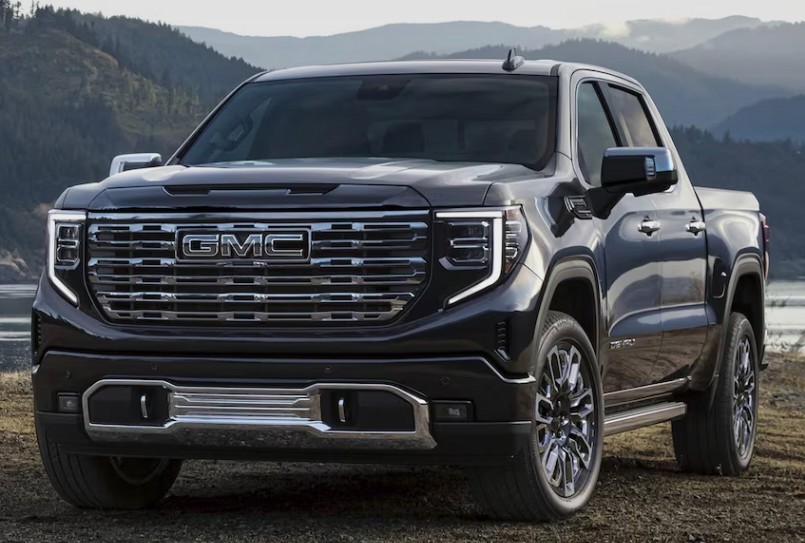
A GMC Sierra without a working four-wheel-drive system can feel like a hiking boot with a broken sole. The truck may still move, but the moment we hit mud, snow, loose gravel, a steep boat ramp, or a demanding worksite, its biggest advantage suddenly disappears.
The good news is that a GMC Sierra 4x4 not working does not automatically mean the transfer case is ruined. Sometimes the problem is as simple as a blown fuse, a weak battery, a damaged ground connection, or a failed dashboard selector switch. Other times, the fault lies deeper within the transfer-case motor, front differential actuator, wiring harness, control module, or internal drivetrain components.
Because Sierra trucks have used different 4WD systems across multiple generations, there is no single repair that applies to every model. However, the diagnostic logic remains similar. We need to identify what the truck is doing, listen for clues, check the electrical basics, scan the proper control modules, and confirm whether the front wheels are physically receiving power.
In this guide, we will break down the most common symptoms, likely causes, practical tests, estimated repair difficulty, and mistakes to avoid when a GMC Sierra’s four-wheel drive refuses to cooperate.
Content in this publication
- How the GMC Sierra 4x4 System Works
- Common Signs That the GMC Sierra 4x4 Is Not Working
- Why Is My GMC Sierra 4x4 Not Working?
- Dashboard 4WD Selector Switch Failure
- Transfer-Case Encoder Motor Problems
- Front Differential Actuator Failure
- Transfer-Case Control Module Failure
- Damaged Wiring and Corroded Connectors
- Faulty Ground Connections
- Speed Sensor or Position Sensor Problems
- Mechanical Transfer-Case Damage
- Low, Incorrect, or Contaminated Transfer-Case Fluid
- Can Tire Differences Cause GMC Sierra 4x4 Problems?
- Why the 4WD Light Keeps Flashing
- Why the GMC Sierra Is Stuck in 4WD
- Why the 4WD Works Intermittently
- How to Diagnose a GMC Sierra 4x4 Not Working
- Common 4WD Diagnostic Trouble Codes
- Can Disconnecting the Battery Reset the 4WD System?
- Can We Drive With the 4x4 Not Working?
- Can We Use 4HI on Dry Pavement?
- How Much Does It Cost to Fix a GMC Sierra 4x4?
- DIY Fixes We Can Try First
- Mistakes to Avoid When Troubleshooting Sierra 4WD
- How to Prevent Future 4x4 Problems
- When Should We Visit a GMC Dealer or 4x4 Specialist?
- Final Thoughts on a GMC Sierra 4x4 Not Working
- Frequently Asked Questions
How the GMC Sierra 4x4 System Works
Before we start replacing parts, it helps to understand what must happen when we select four-wheel drive.
Most GMC Sierra 4x4 systems rely on several components working together:
- A dashboard selector switch, buttons, or rotary control
- A transfer-case control module
- A transfer-case shift motor or encoder motor
- The transfer case itself
- A front differential actuator
- Front axle components
- Wheel-speed and position sensors
- Wiring, fuses, relays, grounds, and connectors
- Supporting modules connected through the vehicle communication network
When we select 4HI, 4LO, or Auto 4WD, the switch sends a request to the control system. The module evaluates vehicle speed, transmission position, sensor information, and the current transfer-case position. It then commands the shift motor to move the transfer case into the requested mode.
On many systems, the front axle must also engage before four-wheel drive becomes fully operational.
If any link in that chain fails, the truck may remain in two-wheel drive, flash a warning light, display a service message, or become stuck in one drive mode.
What 2HI, Auto, 4HI, and 4LO Mean
Understanding the modes can prevent us from mistaking normal operation for a malfunction.
2HI
Two-wheel-drive high range is designed for normal dry-road driving. Engine power generally goes to the rear wheels.
Auto 4WD
Auto mode monitors wheel slip and can send power to the front axle when needed. It is useful when road conditions vary, although it may not behave exactly like permanently locked four-wheel drive.
4HI
Four-wheel-drive high range is intended for slippery surfaces such as snow, mud, sand, or loose gravel. It mechanically connects the front and rear driveline more directly.
4LO
Four-wheel-drive low range provides lower gearing for slow, demanding situations. It is intended for steep climbs, deep mud, difficult trails, heavy pulling at low speed, and similar conditions.
Most Sierra models require the truck to be stopped or moving extremely slowly, with the transmission in Neutral, before shifting into 4LO. The exact procedure varies by model year, so the owner’s manual should remain our primary reference.
Common Signs That the GMC Sierra 4x4 Is Not Working
A 4WD failure does not always appear as a complete loss of operation. The symptoms can be subtle, intermittent, or confusing.
Common warning signs include:
- The truck stays in 2HI after selecting 4HI
- The 4WD indicator light flashes continuously
- The selector switch has no lights
- A “Service 4WD” message appears
- The truck shifts into 4WD but the front wheels do not pull
- The system works only when cold
- The system fails after driving through water or snow
- The truck becomes stuck in 4HI or 4LO
- A clicking or grinding noise comes from underneath
- The transfer case shifts unexpectedly
- The 4WD system works intermittently
- The selected mode does not match the dashboard display
Each symptom points us toward a slightly different diagnostic path.
Why Is My GMC Sierra 4x4 Not Working?
The most common causes can be divided into electrical, electronic, mechanical, and procedural problems.
1. Incorrect Four-Wheel-Drive Engagement Procedure
Before reaching for tools, we should make sure we are using the correct shift procedure.
Many GMC Sierra models can shift between 2HI and 4HI while moving within an approved speed range. However, shifting into or out of 4LO usually requires a more specific process.
A typical sequence may involve:
- Slow the truck to a crawl or stop completely.
- Keep the engine running.
- Press the brake pedal.
- Shift the transmission into Neutral.
- Select 4LO.
- Wait for the indicator to stop flashing.
- Shift the transmission back into Drive.
If the vehicle is moving too quickly, the transmission is not in Neutral, or the driveline is under heavy load, the system may reject the request.
That rejection does not necessarily mean a component has failed. The truck may simply be protecting the transfer case.
2. Weak Battery or Low System Voltage
Modern four-wheel-drive systems depend heavily on stable electrical voltage. A battery may still start the engine while being too weak to support reliable operation from multiple control modules and actuators.
Low voltage can cause:
- Flashing 4WD lights
- Intermittent selector operation
- Communication codes
- Failed transfer-case shifts
- Incorrect module readings
- Random service messages
We should inspect the battery terminals for looseness or corrosion and test the battery under load. Charging-system output should also be checked.
A weak alternator, corroded cable, or failing ground connection can imitate a much more expensive 4WD problem.
3. Blown Fuse or Faulty Relay
A blown fuse can disable the transfer-case control module, selector switch, encoder motor, or related circuit.
The fuse locations and labels vary by model year, but relevant circuits may be identified with names related to:
- Transfer case
- Four-wheel drive
- ATC
- TCCM
- Drivetrain control
- Ignition
- Instrument panel
- Front axle
- Electronic brake control
We should never rely solely on visual inspection. A fuse can look intact while failing electrically. Testing both sides with a test light or multimeter is more reliable.
If a replacement fuse blows again, we should stop replacing it. Repeated failure usually indicates a short circuit, damaged wiring, water intrusion, or an overloaded motor.
Dashboard 4WD Selector Switch Failure
The dashboard selector is one of the simplest possible failure points.
On rotary-switch systems, internal contacts may wear out. Buttons can also become unresponsive, lose illumination, or send an incorrect request to the control module.
Signs of a bad selector switch include:
- No indicator lights
- Only one mode responds
- Lights flicker when the switch is touched
- The selected mode changes without driveline movement
- The system works after tapping or rotating the switch repeatedly
A selector switch is often easier and less expensive to replace than a transfer-case motor. However, we should verify power, ground, and signal operation before condemning it.
A dead switch can also result from a fuse, wiring fault, or control-module problem.
Transfer-Case Encoder Motor Problems
The transfer-case encoder motor, sometimes called the shift motor or actuator motor, physically moves the transfer case between operating modes.
Inside the assembly, position-sensing components tell the control module where the transfer case is currently located. If the motor becomes weak or the position feedback becomes inaccurate, the module may not know whether the requested shift occurred.
Symptoms of a Failing Encoder Motor
We may notice:
- Repeated clicking under the truck
- A flashing 4HI or 4LO light
- The truck remaining in 2HI
- The truck becoming stuck in one mode
- A “Service 4WD” warning
- Intermittent operation
- Failure that improves after restarting the engine
- A mismatch between the switch light and actual drive mode
The motor can fail electrically, mechanically, or because of corrosion in the connector. In some cases, the transfer case itself binds and overloads a perfectly functional motor.
That distinction matters. Replacing a motor without checking for transfer-case resistance can turn a repair into an expensive guessing game.
Can We Test the Transfer-Case Motor?
Yes, but proper testing requires more than listening for movement.
A capable scan tool can command the transfer-case motor while displaying requested and actual position data. We can then compare module commands with motor response.
Electrical testing may include checking:
- Battery voltage at the motor
- Ground quality
- Control signals
- Connector condition
- Harness continuity
- Motor resistance
- Position-sensor feedback
Directly applying power to an actuator without a wiring diagram can damage the motor or control circuit. Unless we understand the system, scan-tool testing is the safer route.
Front Differential Actuator Failure
A Sierra can appear to shift its transfer case correctly while still failing to send usable power to the front wheels.
Why? The front axle may not be engaging.
Many 4WD systems use an electric actuator mounted on the front differential. When commanded, it moves an internal mechanism that connects the axle components needed for four-wheel-drive operation.
Signs the Front Axle Is Not Engaging
Typical clues include:
- The 4HI light becomes solid, but the truck still behaves like 2WD
- The rear wheels spin while the front wheels remain motionless
- The transfer-case motor can be heard operating
- No obvious service message appears
- The problem is worse in cold weather
- Engagement is delayed
- The actuator works after repeated attempts
Older systems may use a thermal-style actuator that reacts slowly, especially in cold conditions. Later electric designs generally engage faster, but they can still fail because of wear, wiring damage, internal binding, or connector corrosion.
Transfer-Case Control Module Failure
The transfer-case control module acts like the conductor of an orchestra. The switch, sensors, motor, and axle actuator may all be healthy, but the performance falls apart if the conductor sends the wrong commands—or sends none at all.
Possible signs of a module issue include:
You may be interested in reading GMC Sierra Check Engine Light Flashing Then Stops: Causes, Risks, and Fixes
- No communication with the 4WD system
- Multiple inconsistent fault codes
- A dead selector switch despite proper power
- Random mode changes
- Failure after jump-starting or battery replacement
- A service message with no mechanical symptoms
- Problems that temporarily disappear after disconnecting the battery
However, we should not assume the module is defective simply because a scan tool cannot communicate with it.
No communication can also result from:
- Missing power
- Poor ground
- A damaged data wire
- A blown fuse
- Connector corrosion
- Network problems caused by another module
A replacement control module may require programming, calibration, or a relearn procedure. Installing a used or unprogrammed module is not always a plug-and-play solution.
Damaged Wiring and Corroded Connectors
Trucks live hard lives. They face water, mud, salt, vibration, heat, stones, ice, and road debris. Wiring beneath a Sierra can become brittle, chafed, stretched, or corroded.
Common trouble areas include wiring near:
- The transfer case
- The transmission crossmember
- The front differential
- Exhaust components
- Frame brackets
- Battery grounds
- Connectors exposed beneath the truck
A wire can look fine from the outside while being broken internally. Corrosion may also travel beneath the insulation like rust creeping under paint.
What Should We Look For?
During a visual inspection, we should check for:
- Green or white corrosion
- Bent connector pins
- Water inside connectors
- Broken locking tabs
- Melted insulation
- Harness sections rubbing on metal
- Previous repair splices
- Loose grounds
- Oil contamination
- Rodent damage
Wiggling a harness while monitoring scan data or system operation can expose an intermittent connection.
Faulty Ground Connections
Ground problems deserve their own section because they cause an astonishing range of misleading symptoms.
A high-resistance ground can allow enough current for indicator lights but not enough for an actuator motor. It can also distort sensor signals and create communication errors.
Important ground locations may include:
- Battery-to-engine ground
- Battery-to-body ground
- Engine-to-frame strap
- Module grounds
- Grounds near the front differential
- Grounds near the transfer case or transmission
A ground may appear tight while corrosion hides between the terminal and mounting surface. Voltage-drop testing under load provides better information than checking resistance with the circuit inactive.
Speed Sensor or Position Sensor Problems
The 4WD control system needs accurate information before allowing a shift. Depending on the model and system, it may monitor vehicle speed, transmission range, transfer-case position, wheel speed, and other inputs.
If a sensor sends impossible or unstable information, the module may prevent engagement.
Possible related symptoms include:
- 4LO refusing to engage
- ABS or traction-control warnings appearing at the same time
- A speedometer acting strangely
- Transfer-case shifts being delayed
- The system dropping out of Auto 4WD
- Warning lights appearing after driving through deep water
A wheel-speed sensor fault does not always disable every 4WD function, but it can affect traction management and Auto 4WD behavior.
Mechanical Transfer-Case Damage
Electrical failures are common, but we cannot ignore mechanical damage.
The transfer case contains gears, bearings, chains, shafts, clutches, forks, and lubrication. Wear or fluid loss can prevent proper engagement even when the electronic controls are working.
Signs of Internal Transfer-Case Damage
Watch for:
- Grinding during mode changes
- A loud clunk from underneath
- Metallic debris in the fluid
- Fluid leaks
- Whining that changes with speed
- Slipping or jerking under load
- The truck moving in one mode but not another
- A motor that operates but cannot complete the shift
- Repeated failure of a new encoder motor
A stretched transfer-case chain may slap the housing or skip under load. Worn shift forks can prevent complete engagement. Damaged clutch components may affect Auto 4WD operation.
Mechanical diagnosis often requires checking fluid condition, driveline play, shift effort, and internal component movement.
Low, Incorrect, or Contaminated Transfer-Case Fluid
Transfer-case fluid is easy to overlook because it does not receive the same attention as engine oil.
Low fluid can lead to heat, bearing wear, chain damage, clutch problems, and poor shift quality. The wrong fluid can also affect operation, especially in electronically controlled transfer cases.
We should use only the fluid specification listed for the exact model year and transfer-case identification. “Universal” fluid is not automatically suitable.
Transfer-Case Fluid Warning Signs
Possible indicators include:
- Whining or humming
- Burnt-smelling fluid
- Dark fluid
- Metallic particles
- Fluid leaks around seals
- Delayed engagement
- Shuddering in Auto 4WD
- Noisy operation during acceleration or deceleration
Changing the fluid cannot repair broken gears, but correcting a fluid problem early may prevent a minor issue from becoming a major one.
Can Tire Differences Cause GMC Sierra 4x4 Problems?
Yes. Four-wheel-drive systems expect all four tires to rotate at compatible speeds.
Problems can occur when the truck has:
- Different tire sizes
- One new tire and three heavily worn tires
- Large pressure differences
- Mismatched brands with different actual diameters
- A compact spare installed
- Uneven tread wear
When front and rear rolling circumferences differ, the driveline can remain under constant tension. This condition is often called driveline windup or binding.
It may cause:
- Difficulty shifting out of 4WD
- Jerking during turns
- Tire hopping
- Transfer-case stress
- Clutch overheating in Auto mode
- Premature component wear
All four tires should be closely matched in size, construction, inflation, and tread depth.
Why the 4WD Light Keeps Flashing
A flashing light usually means the system has received a shift request but has not confirmed successful completion.
The module may be waiting for:
- The transfer case to reach the commanded position
- The front axle to engage
- The transmission to enter Neutral
- Vehicle speed to drop
- Driveline tension to release
- A sensor signal to stabilize
If the light continues flashing, we can try a simple pressure-relief maneuver on a safe, loose surface.
Drive slowly forward, then reverse a short distance while keeping the wheels straight. This may relieve driveline tension and allow the shift mechanism to complete its movement.
We should not perform sharp turns on dry pavement while 4HI or 4LO is engaged. That can increase binding and place unnecessary stress on the drivetrain.
Why the GMC Sierra Is Stuck in 4WD
A truck stuck in 4HI or 4LO may have one of several problems:
- The shift motor cannot return
- The transfer case is mechanically bound
- The position sensor is inaccurate
- The selector switch is faulty
- The control module has stored a fault
- Tire mismatch is creating driveline tension
- The shift procedure is incorrect
- Internal transfer-case parts are damaged
Safe Steps to Try
On a suitable surface, we can:
- Stop the truck.
- Keep the wheels straight.
- Press and hold the brake pedal.
- Shift the transmission into Neutral.
- Select the desired mode.
- Wait for the indicator to stop flashing.
- Roll forward or backward slightly if necessary.
- Restart the engine and try again.
If the truck remains in 4LO, we should avoid high-speed driving. Low-range gearing can force the engine to run at excessive speed and may damage driveline components.
Why the 4WD Works Intermittently
Intermittent failures are often electrical.
The system may work one day and fail the next because of:
- A loose connector
- Moisture intrusion
- A worn selector switch
- Weak battery voltage
- A failing encoder motor
- A cracked wire
- A poor ground
- Temperature-sensitive electronics
- Corrosion that changes resistance
Intermittent problems can be frustrating because the truck may behave perfectly at the repair shop. Recording the conditions surrounding each failure can help.
We should note:
- Outside temperature
- Whether the truck was wet
- Vehicle speed
- Selected mode
- Warning messages
- Whether the engine was just started
- Whether restarting fixed the problem
- Whether any sound came from the transfer case
Patterns often reveal what random part replacement cannot.
How to Diagnose a GMC Sierra 4x4 Not Working
A logical sequence saves time and money.
Step 1: Confirm the Symptom
We should determine whether the problem affects:
- 4HI only
- 4LO only
- Auto 4WD only
- Every 4WD mode
- The dashboard display
- Actual front-wheel engagement
- Shifting into 4WD
- Shifting out of 4WD
The indicator light alone does not prove that the front wheels are receiving power.
Step 2: Check Battery Voltage
Inspect the battery, terminals, charging voltage, and primary grounds.
A battery at rest should have enough charge to support reliable module operation. More importantly, voltage should not collapse excessively when the system is commanded to shift.
Step 3: Inspect Fuses and Connectors
Test relevant fuses electrically and inspect visible wiring near the transfer case and front differential.
Look for moisture, corrosion, broken wires, and impact damage.
Step 4: Listen for Actuator Movement
With the truck safely parked, have another person operate the selector while we listen near the transfer case.
Possible outcomes include:
You may be interested in readingGMC Sierra Check Engine Light Flashing Then Stops: Causes, Risks, and FixesYou may be interested in reading
 Chevrolet Silverado Transmission Issues: Symptoms, Causes, and Solutions
- No sound: power, module, switch, wiring, or motor problem
- Repeated clicking: weak motor, binding, or incomplete shift
- Normal motor sound but no front engagement: possible axle-actuator problem
- Grinding: possible mechanical transfer-case damage
We should never crawl beneath a running vehicle unless it is properly secured and safe working procedures are followed.
Step 5: Scan the Correct Modules
A basic engine-code reader may show no faults even when the 4WD system has stored several codes.
We need a scan tool capable of communicating with:
- The transfer-case control module
- The body control module
- The transmission control module
- The ABS or electronic brake module
- Other related network modules
Stored codes should guide testing, not automatically dictate which part to replace.
Step 6: Compare Requested and Actual Positions
Live data can reveal whether the module commands a shift and whether the transfer case reports reaching the requested position.
For example:
- Requested 4HI, actual 2HI: motor, position sensor, wiring, or mechanical problem
- Requested mode never changes: switch or input problem
- Module commands engagement but front axle remains open: axle-actuator or differential problem
- Data changes randomly: wiring, voltage, sensor, or module concern
Step 7: Verify Front-Wheel Engagement
A professional can safely raise the truck and inspect driveline behavior. This helps separate transfer-case engagement from front-axle engagement.
Improperly lifting or running a four-wheel-drive vehicle on stands is dangerous. This test should be left to experienced technicians with suitable equipment.
Common 4WD Diagnostic Trouble Codes
Exact codes vary by year and system, but transfer-case faults often relate to:
- Encoder or position-sensor circuits
- Shift-motor circuits
- Front-axle engagement
- Range selection
- Module communication
- Invalid mode signals
- Speed-sensor information
- Internal control-module performance
A trouble code identifies the circuit or condition detected by the system. It does not always identify the failed part.
For example, an actuator-related code might be caused by:
- A bad actuator
- A damaged wire
- A corroded connector
- Low voltage
- Mechanical binding
- A control-module fault
The code is the beginning of the investigation, not the final verdict.
Can Disconnecting the Battery Reset the 4WD System?
Disconnecting the battery may temporarily clear a software glitch or force modules to restart. However, it is not a dependable repair.
A battery reset may also:
- Erase useful fault information
- Reset learned settings
- Create window or steering relearn requirements
- Temporarily hide an intermittent defect
- Cause additional low-voltage codes
If the system works after a reset but fails again, the underlying problem remains.
Scanning the modules before disconnecting power usually gives us better diagnostic evidence.
Can We Drive With the 4x4 Not Working?
If the truck remains safely in 2HI, has no severe noises, and drives normally, short-term driving may be possible. However, we should remember that four-wheel drive will not be available when traction is needed.
Driving should stop immediately if we notice:
- Grinding
- Severe vibration
- Fluid loss
- Transfer-case overheating
- Binding on turns
- Unexpected mode changes
- The truck stuck in 4LO
- A disconnected or damaged driveshaft
- Loud clunking under load
A minor electrical fault is inconvenient. A mechanical transfer-case failure can become dangerous.
Can We Use 4HI on Dry Pavement?
Traditional part-time 4HI should not normally be used on dry, high-traction pavement.
Because the front and rear axles travel slightly different distances during turns, the drivetrain needs some tire slip to release tension. On snow, mud, sand, or gravel, that slip occurs naturally. On dry pavement, the tires grip too firmly.
Using locked 4HI on dry roads can cause:
- Tire hopping
- Difficult steering
- Driveline binding
- Stress on universal joints
- Transfer-case damage
- Difficulty returning to 2HI
Auto 4WD is designed differently and may be suitable for changing road conditions, but we should still follow the owner’s manual for the specific truck.
How Much Does It Cost to Fix a GMC Sierra 4x4?
Repair cost depends on the exact fault, model year, labor rate, and whether programming is required.
A simple problem may involve:
- A fuse
- Cleaning a connector
- Repairing a ground
- Replacing the selector switch
- Correcting battery voltage
More involved repairs may include:
- Replacing a front differential actuator
- Repairing a wiring harness
- Replacing and calibrating the transfer-case motor
- Programming a control module
- Rebuilding or replacing the transfer case
- Repairing internal front differential components
The smartest approach is to pay for accurate diagnosis before authorizing major parts. An hour of skilled testing can cost far less than a pile of unnecessary components.
DIY Fixes We Can Try First
For owners comfortable with basic vehicle checks, several low-risk steps may help.
Basic Inspection Checklist
- Confirm the correct shift procedure
- Test the battery and charging system
- Clean and tighten battery terminals
- Check visible ground straps
- Test relevant fuses
- Inspect transfer-case wiring
- Inspect the front differential actuator connector
- Check for transfer-case fluid leaks
- Confirm all tires match
- Read all available module codes
- Record when the fault occurs
Repairs Better Left to a Professional
Professional help is recommended for:
- Module programming
- Network communication faults
- Internal transfer-case repairs
- Advanced voltage-drop testing
- Transfer-case motor calibration
- Front differential disassembly
- Driveline testing on a lift
- Intermittent harness faults
- Grinding or binding concerns
Guessing becomes expensive quickly. A 4WD system is a team of parts, and replacing the loudest player does not always fix the game.
Mistakes to Avoid When Troubleshooting Sierra 4WD
Replacing the Encoder Motor Without Testing
The encoder motor is a common suspect, but it is not responsible for every 4WD failure.
Assuming a Solid Indicator Means 4WD Is Engaged
The dashboard can show the requested mode even when the front axle has not fully connected.
Ignoring Battery and Ground Problems
Electrical basics should come before expensive components.
Using 4HI on Dry Pavement
This can create binding that feels like a mechanical failure.
Installing Mismatched Tires
Small diameter differences can place continuous stress on the system.
Clearing Codes Before Recording Them
Stored codes and freeze-frame information may be our best clues.
Using the Wrong Transfer-Case Fluid
The correct fluid depends on the specific transfer case and model year.
Forcing the Truck Out of 4LO
Aggressive shifting or high-speed driving can turn a control problem into mechanical damage.
How to Prevent Future 4x4 Problems
We cannot prevent every electrical failure, but routine care reduces the risk.
Helpful habits include:
- Operate the 4WD system periodically
- Follow the correct shift procedure
- Change transfer-case fluid at the recommended interval
- Repair leaks promptly
- Keep all four tires closely matched
- Maintain correct tire pressure
- Protect connectors from mud and salt buildup
- Keep the battery and charging system healthy
- Address warning messages early
- Avoid high-traction surfaces in locked 4WD
- Inspect underbody wiring after off-road use
A four-wheel-drive system that sits unused for years may not engage smoothly when suddenly needed. Exercising the system occasionally can help keep actuators and internal mechanisms moving.
When Should We Visit a GMC Dealer or 4x4 Specialist?
A qualified technician should inspect the truck when:
- The Service 4WD message returns
- The truck is stuck in 4LO
- The transfer case grinds or leaks
- Communication with the control module is lost
- A replacement module requires programming
- The 4WD system shifts by itself
- The problem remains after basic checks
- Wiring damage is extensive
- The front axle will not engage
- Multiple drivetrain warning lights appear
A dealership may have factory-specific diagnostic equipment and programming access. An experienced independent 4x4 specialist may offer strong mechanical expertise at a lower labor rate.
The best choice is the shop that diagnoses before replacing.
Final Thoughts on a GMC Sierra 4x4 Not Working
When a GMC Sierra 4x4 is not working, we should resist the temptation to blame the transfer case immediately. The failure may come from something small, such as a fuse, battery connection, selector switch, or corroded plug. It may also involve the encoder motor, front axle actuator, control module, mismatched tires, sensor data, or internal transfer-case damage.
The fastest route to a reliable fix is a structured diagnosis:
- Confirm the correct operating procedure.
- Identify which 4WD modes are affected.
- Check battery voltage, fuses, grounds, and connectors.
- Scan the transfer-case and related control modules.
- Compare commanded and actual system positions.
- Verify whether the front axle physically engages.
- Investigate mechanical damage only after electrical controls are checked.
Think of the 4WD system as a relay race. The selector switch passes the request to the control module, the module commands the transfer case, the transfer case sends power forward, and the axle completes the connection. If one runner drops the baton, four-wheel drive disappears.
Find the runner that stopped—and fix that component rather than replacing the entire team.
Frequently Asked Questions
Why does my GMC Sierra say Service 4WD?
The Service 4WD message means the control system detected a fault involving the transfer case, shift motor, position sensor, front axle actuator, switch, wiring, voltage supply, or communication network. A module-capable scan tool is needed to retrieve the relevant codes.
Why does my Sierra’s 4WD light flash but not engage?
A flashing light normally means the shift was requested but not completed. The transfer-case motor may be unable to reach the commanded position, the front axle may not be engaging, or the required speed and transmission conditions may not be met.
Why does my GMC Sierra go into 4HI but not 4LO?
Shifting into 4LO usually requires the truck to be stopped or moving very slowly, with the brake applied and the transmission in Neutral. If the correct procedure does not work, possible causes include a shift-motor problem, position-sensor fault, wiring issue, or mechanical binding.
Can a bad front differential actuator stop 4WD from working?
Yes. The transfer case may send power toward the front axle, but a failed differential actuator can prevent the axle from fully connecting. The dashboard may indicate 4HI even though the front wheels provide little or no traction.
Will a bad transfer-case motor make noise?
It can. A failing motor may click repeatedly, operate slowly, or make no sound at all. Grinding usually suggests mechanical resistance or internal transfer-case damage rather than a simple electrical motor fault.
You may be interested in readingGMC Sierra Check Engine Light Flashing Then Stops: Causes, Risks, and FixesYou may be interested in reading
Chevrolet Silverado Transmission Issues: Symptoms, Causes, and SolutionsYou may be interested in reading
Chevy Silverado Jerking When Slowing Down: Causes and FixesIf you want to know other articles similar to GMC Sierra 4x4 Not Working: Causes, Diagnosis, and Fixes you can visit the category Common Problems.
Vauxhall Adam Touch Screen Not Working: Causes, Fixes, and Troubleshooting Guide
Vauxhall Adam Gear Selector Problems: Causes, Fixes, and Warning Signs
Vauxhall Adam Air Conditioning Not Working: Complete Troubleshooting Guide
Vauxhall Adam Fuel Gauge Not Working: Causes and Fixes
Vauxhall Adam Clutch Pedal Not Returning: Causes, Diagnosis, and Repair Guide
Vauxhall Adam Not Starting: Causes, Checks, and Fixes
Leave a Reply
More content of your interest