
Which Ford Ranger Should I Buy? A Complete Buyer’s Guide

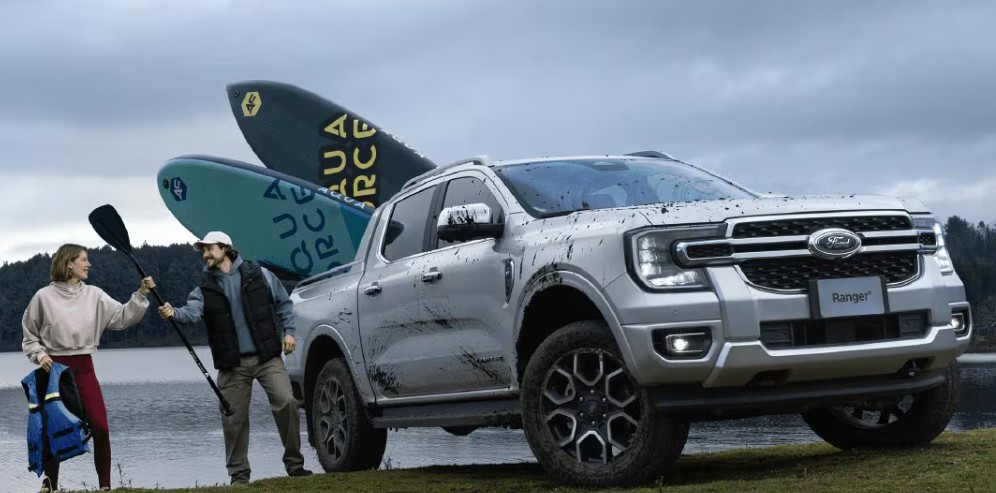
Choosing a Ford Ranger should be simple. After all, every version shares the same basic recipe: a practical pickup body, a useful cargo bed, strong towing credentials, and enough rugged character to make an ordinary supermarket run feel like the beginning of an expedition.
Then we open the configurator.
Suddenly, we face different cab styles, engines, drivetrains, trim levels, option packages, wheel sizes, suspension setups, and prices. Names such as XL, XLT, Wildtrak, Lariat, Platinum, Tremor, and Raptor start flying around like tools inside an unsecured toolbox.
So, which Ford Ranger should we buy?
For most private buyers, the smartest choice is a mid-range Ranger such as the XLT. It usually delivers the best balance of price, comfort, technology, towing capability, and resale appeal. Buyers who want extra style and convenience may prefer a Wildtrak, Sport, or Lariat, depending on the country. Serious off-road enthusiasts should consider the Tremor or Raptor, while commercial operators will often get better value from the straightforward XL or XLS.
That is the quick answer. The right answer, however, depends on how we will actually use the truck.
Ford sells different Ranger configurations around the world. For example, the current US range includes XL, XLT, Lariat, and Raptor, while Australia offers a much broader selection that includes XL, XLS, XLT, Wildtrak, Platinum, Tremor, and Raptor. Engines and body styles also vary by market.
Rather than recommending one badge to everyone, let us match each type of buyer with the Ranger that genuinely makes sense.
Content in this publication
- The Best Ford Ranger for Most Buyers
- Start With One Question: What Will the Ranger Do?
- Ford Ranger Trim Levels Explained Simply
- Which Ford Ranger Should I Buy for Work?
- Which Ford Ranger Is Best for Everyday Driving?
- Which Ford Ranger Should I Buy for a Family?
- Should I Buy the Ranger Sport?
- Should I Buy a Ranger Wildtrak or Platinum?
- Which Ford Ranger Is Best for Towing?
- Which Ford Ranger Is Best for Off-Road Driving?
- Which Ranger Engine Should I Choose?
- Should I Buy a Manual or Automatic Ranger?
- Which Ford Ranger Cab Style Should I Buy?
- Which Used Ford Ranger Should I Buy?
- New or Used Ford Ranger: Which Is Better?
- Common Ranger Buying Mistakes
- Ford Ranger Recommendations by Buyer Type
- Best Ranger for Most People: XLT 4x4 Double Cab
- Best Ranger for Work: XL or XLS
- Best Ranger for Families: XLT or Wildtrak Double Cab
- Best Ranger for Luxury: Platinum or Lariat
- Best Ranger for Towing: Stronger-Engine XLT, Sport, Wildtrak, or Lariat
- Best Ranger for Occasional Off-Roading: XLT 4x4
- Best Ranger for Serious Off-Roading: Tremor
- Best Ranger for Off-Road Performance: Raptor
- Best Ranger for Heavy-Duty Commercial Towing: Super Duty
- Best Ranger for Lower-Emission Daily Use: PHEV
- Our Final Ford Ranger Buying Checklist
- Conclusion: Which Ford Ranger Should I Buy?
- Frequently Asked Questions
The Best Ford Ranger for Most Buyers
The Ford Ranger XLT is the sweet spot for most people.
It usually sits high enough in the range to include the equipment we use every day, but not so high that we pay thousands more for decorative trim, oversized wheels, or features we may rarely notice.
Think of the XLT as a good pair of hiking boots. It is comfortable enough for daily wear, sturdy enough for difficult terrain, and sensible enough that we do not feel guilty when it gets muddy.
Depending on the market, an XLT may offer:
- A more refined interior than the base model
- Useful driver-assistance technology
- A larger or better-equipped infotainment system
- Improved exterior styling
- Multiple engine or drivetrain choices
- Better resale appeal than an entry-level work truck
- Access to optional towing and off-road equipment
In the United States, Ford describes the current Ranger XLT as a combination of capability, functionality, and technology, with an available 2.7-litre EcoBoost V6 and standard Ford Co-Pilot360 equipment. In Australia, the XLT is offered in several body configurations and can be paired with different engines, depending on availability.
The XLT is not the cheapest Ranger. It is not the fastest, fanciest, or most extreme either. That is exactly why it works.
It gives us enough truck without forcing us to buy every truck.
Start With One Question: What Will the Ranger Do?
Before comparing badges, we should write down what the vehicle will do during an ordinary month.
Not the imaginary version of our life where we cross deserts every weekend. Not the rare holiday when we tow a caravan. We should focus on the other 95 percent of our driving.
Will the Ranger:
- Carry tools and equipment every weekday?
- Tow a boat, trailer, horsebox, or caravan?
- Transport children and function as the family car?
- Spend most of its time in city traffic?
- Travel long distances on motorways?
- Regularly tackle mud, sand, rocks, or remote tracks?
- Serve mainly as a lifestyle vehicle?
- Need to minimise fuel and ownership costs?
Once we answer that honestly, half the lineup usually disappears.
A tradesperson may value payload, washable materials, smaller wheels, and a simple cab. A family may care more about rear-seat room, parking cameras, safety technology, and ride comfort. An off-road enthusiast will examine tyres, suspension travel, underbody protection, and locking differentials.
The right Ranger is not necessarily the most expensive version. It is the one whose strengths overlap with our routine.
Ford Ranger Trim Levels Explained Simply
Trim names are not identical in every country, but most Ranger lineups can be divided into five broad groups.
Entry-Level Work Rangers
These include versions such as:
- XL
- XLS
- Basic chassis-cab models
- Lower-spec single-cab or SuperCab variants
They prioritise utility over luxury.
Mid-Range All-Rounders
These commonly include:
- XLT
- Sport
- Some appearance editions
- Mid-level Double Cab models
This is where most personal buyers should begin.
Depending on the market, these may include:
- Wildtrak
- Lariat
- Platinum
- Limited
They add comfort, visual upgrades, cabin technology, and more premium materials.
Off-Road-Focused Rangers
These include versions such as:
- Tremor
- Wildtrak X in some markets
- Special off-road packages
They provide more trail ability without going all the way to a Raptor.
High-Performance Rangers
At the top sits the:
- Ranger Raptor
The Raptor is designed around high-speed off-road performance rather than maximum practicality or minimum cost.
Which Ford Ranger Should I Buy for Work?
Choose the Ranger XL for No-Nonsense Utility
For construction work, agriculture, fleet use, deliveries, or regular equipment hauling, the Ranger XL is often the logical choice.
Base Rangers generally avoid many expensive cosmetic details. That can be an advantage rather than a sacrifice.
A smaller wheel with a taller tyre sidewall may tolerate potholes, gravel, and worksite debris better than a huge alloy wheel with low-profile rubber. Simpler seat materials can be easier to clean. Fewer decorative pieces mean fewer things to scratch.
The XL is the hammer in the toolbox. It may not be polished, but it does the job.
Why the XL Makes Sense
- Lower purchase price
- More practical interior materials
- Less anxiety about dents and scratches
- Suitable body styles for commercial use
- Potentially lower replacement-wheel and tyre costs
- Strong basis for toolboxes, canopies, racks, or service bodies
The XL may also be the right platform when we plan to customise the truck heavily. There is little reason to pay for a premium factory sports bar, tonneau cover, or decorative wheels if we intend to replace them immediately.
When We Should Skip the XL
A base Ranger can feel sparse when it doubles as a family vehicle. Depending on the specification, we may miss upgraded seats, additional cameras, premium lighting, improved audio, advanced driver aids, or extra storage features.
Adding options one by one can also erase the initial saving. If our XL build starts looking suspiciously like an XLT, buying the XLT may be simpler and better for resale.
Choose the XLS When Available for Affordable Comfort
In markets where it is offered, the Ranger XLS often bridges the gap between the commercial XL and the more polished XLT.
It suits buyers who need a genuine work truck but do not want to feel as though they are sitting in a mobile storage cupboard.
An XLS can be especially appealing for owner-operators. The truck still needs to earn money, but it also represents the business. A slightly smarter cabin and exterior may be worth the modest increase in cost.
Which Ford Ranger Is Best for Everyday Driving?
The XLT Is Usually the Everyday Champion
For commuting, shopping, school runs, weekend trips, and occasional towing, we would start with the XLT.
Mid-range Rangers tend to contain the features that matter repeatedly rather than occasionally. These might include better phone integration, extra safety systems, parking assistance, more comfortable seating, improved exterior lighting, and additional convenience equipment.
That matters because pickups are large vehicles. A feature such as a reversing camera may sound less exciting than an aggressive grille, but we will appreciate it every time we enter a tight parking space.
The XLT also tends to wear sensible wheels and tyres. This can deliver a better blend of comfort, replacement cost, and off-road durability than the biggest wheel packages.
Consider Rear-Wheel Drive Only When It Truly Fits
Some Ranger versions are available with two-wheel drive or rear-wheel drive, depending on the market.
A 4x2 Ranger can be cheaper, lighter, and potentially more efficient. It may be perfectly adequate when we:
- Drive mainly on paved roads
- Live in a dry or mild climate
- Carry moderate rather than extreme loads
- Do not launch boats on slippery ramps
- Do not visit muddy worksites
- Have no serious off-road ambitions
However, four-wheel drive adds versatility and may improve resale demand in markets where buyers expect a pickup to have it.
The important distinction is this: four-wheel drive helps the truck find traction. It does not automatically make it stop faster, corner better, or ignore the laws of physics.
If the price difference is manageable and we expect mixed use, 4x4 is usually the safer long-term choice. If the Ranger will spend its whole life on urban roads, paying extra for a system we never engage may be wasteful.
Which Ford Ranger Should I Buy for a Family?
Choose a Double Cab XLT, Wildtrak, Lariat, or Platinum
A family Ranger should begin with a Double Cab or Crew Cab.
Extended-cab versions can be useful for tools, dogs, or occasional passengers, but full-size rear doors and a proper back seat make everyday family life much easier.
For most families, the best value remains a Double Cab XLT. A Wildtrak, Lariat, or Platinum becomes attractive when comfort and cabin finish matter more than the lowest possible price.
We should examine:
You may be interested in reading What Ford Ranger Engine Is Best? Complete Buyer’s Guide
- Rear-seat legroom
- Child-seat anchor access
- Side-step height
- Door-opening width
- Cabin storage
- Air vents for rear passengers
- Parking sensors and cameras
- Blind-spot monitoring
- Bed security
- Ride quality when the cargo bed is empty
A pickup can function as a family vehicle, but we should test it as a family vehicle. Bring the child seat. Sit in the rear. Load the pushchair. Try parking it. The brochure cannot tell us whether our knees hit the front seat or whether the truck fits inside our garage.
The Wildtrak Is the Lifestyle Sweet Spot
In markets where it is available, the Ranger Wildtrak is one of the most appealing choices for private buyers.
It combines the presence of a premium pickup with genuine working ability. It often adds upgraded interior materials, distinctive exterior styling, useful bed features, extra technology, and desirable engine options.
The Wildtrak makes sense when the Ranger is both a tool and a reward. It can tow on Friday, carry bicycles on Saturday, and arrive at a restaurant on Sunday without looking as if it escaped from a building site.
However, we should avoid buying one purely for the badge. If an XLT provides all the functional equipment we need, the price difference may pay for years of fuel, servicing, insurance, or travel.
Should I Buy the Ranger Sport?
The Ranger Sport is aimed at buyers who want a tougher appearance and a little more personality without entering full luxury territory.
In Australia, for example, Ford has offered the Ranger Sport with a 2.0-litre Bi-Turbo diesel or an optional 3.0-litre V6 turbo-diesel. The latter is paired with full-time four-wheel drive in the listed specification.
That combination can make the Sport an attractive middle ground:
- More distinctive than an XLT
- Less lavish than a Platinum
- Less specialised than a Raptor
- Potentially available with a stronger engine
- Well suited to towing, touring, and lifestyle use
We should buy the Sport when we genuinely like its equipment package and appearance. We should not buy it when we are stretching the budget just to obtain darker trim and larger wheels.
Should I Buy a Ranger Wildtrak or Platinum?
The Wildtrak usually feels adventurous and upscale without forgetting that it is still a pickup.
It is a good match for:
- Touring families
- Caravan owners
- Buyers who use the truck for work and leisure
- Drivers who want a premium appearance
- People who value bed-management features
- Buyers who want a stronger engine option
Choose the Platinum for Maximum Everyday Luxury
The Ranger Platinum, where offered, is the more road-oriented luxury choice.
It makes the most sense when we want Ranger capability but spend most of our time on paved roads. The Platinum may bring richer cabin materials, additional convenience equipment, distinctive exterior details, and larger wheels.
It is less convincing when our Ranger will constantly squeeze through narrow forest tracks or collect worksite scars. Premium wheels and polished trim can turn every branch and kerb into a small emotional crisis.
Wildtrak vs Platinum: Our Verdict
Choose the Wildtrak for the best blend of adventure, towing, style, and practicality.
Choose the Platinum when cabin comfort and prestige outweigh off-road simplicity.
For many buyers, the Wildtrak is the more natural Ranger. The Platinum is the Ranger for someone who might otherwise buy a luxury SUV but still needs an open cargo bed.
Which Ford Ranger Is Best for Towing?
The best towing Ranger is not automatically the model with the most powerful engine.
We must consider the complete vehicle specification, including:
- Maximum braked towing rating
- Gross combination mass or combined weight rating
- Payload after passengers and accessories
- Tow-ball or tongue weight
- Cooling system
- Axle ratios
- Trailer-brake controller availability
- Tow mirrors
- Suspension behaviour
- Drivetrain
- Local licence and legal requirements
A truck may advertise an impressive towing figure, yet its practical payload can become tight after we add passengers, luggage, accessories, and trailer nose weight.
For Regular Towing, Choose a Strong Mid-Range 4x4
A four-wheel-drive XLT, Sport, Wildtrak, or Lariat with the stronger available engine is often the best towing combination.
It provides useful power without the expense and specialised suspension of the Raptor. Depending on the market, that might mean choosing a turbocharged V6 petrol engine, a V6 turbo-diesel, or a higher-output four-cylinder diesel.
The Australian XLT, for example, is available with different engine and body-style combinations, while the US XLT offers an available 2.7-litre EcoBoost V6.
Do We Need the V6?
Not always.
A modern four-cylinder turbo engine may tow a moderate trailer perfectly well. It can also cost less to buy and may use less fuel when unladen.
The V6 becomes easier to justify when we:
- Tow near the vehicle’s limits regularly
- Drive through steep or mountainous areas
- Carry passengers and equipment while towing
- Want more effortless overtaking
- Plan to keep the vehicle for many years
- Value refinement under load
The larger engine often feels calmer. Instead of working like a cyclist climbing a hill in the wrong gear, it maintains speed with less apparent strain.
That does not mean it will always be cheaper or more efficient. We should buy the extra engine capacity for a real workload, not for a number on a specification sheet.
What About the Ranger Super Duty?
Australia’s Ranger Super Duty is a distinct heavy-duty proposition designed for demanding towing and payload work. Ford lists a maximum braked towing capacity of 4,500 kg and a specially calibrated 3.0-litre V6 turbo-diesel, although exact capability depends on configuration and local rules.
This is the Ranger to consider when conventional versions no longer provide enough legal capacity.
For ordinary family caravans, boats, or utility trailers, it may be unnecessary. The Super Duty is a specialised tool, not simply a fancier Ranger.
Which Ford Ranger Is Best for Off-Road Driving?
Choose a 4x4 XLT for Occasional Trails
Most owners do not need the most extreme Ranger to travel on gravel, reach a campsite, cross a muddy field, or explore a moderate trail.
A sensibly specified 4x4 XLT can be remarkably capable, especially with:
- Appropriate all-terrain tyres
- A rear differential lock
- Underbody protection
- Recovery points
- Suitable tyre pressures
- Basic recovery equipment
Driver judgement often matters more than a dramatic grille.
Choose the Tremor for Serious Low-Speed Off-Road Use
Where available, the Ranger Tremor is a compelling choice for buyers who regularly leave the road but still need a practical working pickup.
The Tremor concept generally focuses on usable trail upgrades such as:
- Off-road-oriented suspension
- All-terrain tyres
- Additional underbody protection
- Improved ground clearance
- Off-road drive modes
- Locking or traction-enhancing hardware
- More functional exterior equipment
It can be more sensible than the Raptor for technical terrain, worksite access, overlanding, or slow-speed exploration.
Choose the Raptor for High-Speed Off-Road Performance
The Ford Ranger Raptor is not merely a trim package. It is a specialised performance truck.
In the United States, the current Ranger Raptor uses a 405-horsepower 3.0-litre EcoBoost V6 and performance-oriented suspension. Ford Australia similarly positions the Raptor as the ultimate off-road model in its Ranger range.
The Raptor is the Ranger to buy when we genuinely want:
- High-speed control on rough surfaces
- Specialised long-travel suspension
- A powerful engine
- Aggressive off-road tyres
- Wider bodywork and a dramatic stance
- Advanced terrain modes
- A playful, performance-focused driving experience
It can float across rough ground like a speedboat over choppy water. That ability is intoxicating, but it comes with compromises.
Reasons Not to Buy the Raptor
- Higher purchase price
- Greater fuel use
- More expensive tyres
- Wider dimensions
- Potentially reduced payload compared with work-focused versions
- Specialised components that may cost more to replace
- Capability that many owners will never use
We should not buy a Raptor simply because it is the top Ranger. It is not the universal “best.” It is the best for a narrow, exciting purpose.
For towing, payload, city parking, and value, a conventional Ranger may be better.
Which Ranger Engine Should I Choose?
Engine availability varies enormously by country, so we should compare engine types rather than assume every option is sold everywhere.
Four-Cylinder Turbo Petrol
A turbocharged petrol four-cylinder can suit:
- Daily commuting
- Moderate towing
- Buyers who cover lower annual mileage
- Drivers who prefer petrol refinement
- Markets where diesel ownership is less attractive
It may feel smooth and responsive, but fuel consumption can rise quickly under load.
Four-Cylinder Turbo-Diesel
The four-cylinder diesel remains a strong all-round choice in many international markets.
It tends to offer:
- Useful low-speed torque
- Good touring range
- Strong towing manners
- Potentially lower fuel use on long journeys
- Lower purchase cost than a V6 in some versions
For normal work, family travel, and occasional towing, it may be all we need.
Bi-Turbo Diesel
A Bi-Turbo diesel usually provides more output and a broader spread of torque than the basic diesel.
It can be the sweet spot when we want stronger performance without paying for the largest engine. The Australian Ranger Sport, for example, lists a 2.0-litre Bi-Turbo diesel producing 154 kW and 500 Nm in its published specification.
V6 Petrol
A turbocharged petrol V6 provides strong acceleration and smooth power delivery.
It suits buyers who:
- Want effortless performance
- Prefer petrol engines
- Tow regularly
- Live in a market where petrol is the primary Ranger option
- Do not prioritise minimum fuel use
In the US lineup, the standard Ranger engine is a 2.3-litre EcoBoost, while selected versions offer a 2.7-litre EcoBoost V6 and the Raptor uses a higher-performance 3.0-litre EcoBoost V6.
V6 Turbo-Diesel
For long-distance touring and heavy towing, the V6 turbo-diesel is one of the most desirable Ranger engines where available.
You may be interested in readingWhat Ford Ranger Engine Is Best? Complete Buyer’s GuideYou may be interested in reading
 Is GMC Sierra a Full-Size Truck? A Complete Guide
It offers abundant low-speed torque and a relaxed character. In Australia, Ford lists the 3.0-litre V6 turbo-diesel in several Ranger applications, with published outputs that vary by model and specification.
The trade-off is cost. We may pay more upfront, more at the fuel pump, and potentially more for certain maintenance items.
Plug-In Hybrid Ranger
Ford now offers or is introducing Ranger plug-in hybrid variants in selected markets. The system combines a 2.3-litre EcoBoost petrol engine with an electric motor and externally rechargeable battery.
A Ranger PHEV may suit us when:
- We can charge at home or work
- Daily journeys are relatively short
- We still need towing and pickup utility
- We want to reduce petrol use on routine trips
- Tax rules favour plug-in commercial vehicles
It makes less sense when we cannot charge regularly. A plug-in hybrid without a plug can become a heavy petrol truck carrying electrical hardware it rarely uses.
Should I Buy a Manual or Automatic Ranger?
In markets and generations where both are available, the decision depends on use.
Choose the Automatic When We:
- Drive in heavy traffic
- Tow regularly
- Share the vehicle with multiple drivers
- Want smoother daily operation
- Prefer easier low-speed manoeuvring
- Intend to resell the truck easily
Choose the Manual When We:
- Prefer direct control
- Work in an environment where simplicity matters
- Find a substantially cheaper used example
- Are comfortable managing clutch wear
- Know that local buyers still value manual pickups
Modern Ranger ranges increasingly favour automatic transmissions. For most buyers, the automatic is the easier recommendation.
With a used automatic Ranger, however, service history matters. A neglected gearbox can turn a tempting price into an expensive lesson.
Which Ford Ranger Cab Style Should I Buy?
Single Cab
Best for maximum working space, service bodies, farming, and commercial conversion.
Buy it when carrying equipment matters more than carrying people.
SuperCab or Extended Cab
Best for buyers who need occasional rear seating or secure interior storage while preserving a longer cargo bed.
The back seat may be acceptable for short trips, but adults will not mistake it for a limousine.
Double Cab or Crew Cab
Best for families, private buyers, touring, and anyone carrying passengers regularly.
It sacrifices some cargo-bed length in certain configurations, but it is by far the most versatile body for mixed personal use.
For most readers asking which Ford Ranger they should buy, the answer begins with a Double Cab.
Which Used Ford Ranger Should I Buy?
A well-maintained mid-range used Ranger is often a better purchase than a neglected top-spec model.
We should prioritise condition and history in this order:
- Documented servicing
- Evidence of careful ownership
- Correct operation of the engine and transmission
- Absence of serious accident or flood damage
- Condition of the chassis and underbody
- Signs of responsible towing
- Function of the four-wheel-drive system
- Tyre condition and matching tyre types
- Accessory installation quality
- Trim level and cosmetic extras
A shiny Wildtrak with incomplete records can be a worse buy than a plain XLT with a thick folder of invoices.
Check for Evidence of Hard Towing
Look for:
- Worn tow-hitch components
- Sagging rear suspension
- Aftermarket brake-controller wiring
- Excessive transmission heat history
- Uneven tyre wear
- Cracked or distorted cargo accessories
- Oil or coolant leaks
- A seller who gives vague answers about trailer weight
Towing is not automatically harmful. A Ranger maintained correctly can spend years pulling a trailer. The danger is heavy towing combined with neglected fluid changes, overloading, overheating, or poor driving habits.
Inspect Modified Rangers Carefully
Accessories can add real value, but only when selected and installed correctly.
A heavily modified Ranger may have:
- Increased suspension stress
- Altered steering geometry
- Illegal tyre or lift combinations
- Reduced payload
- Incorrect speedometer readings
- Poor-quality electrical wiring
- Warranty complications
- Hidden off-road damage
A bull bar, canopy, roof rack, winch, auxiliary battery, drawers, and long-range tank all consume payload. A truck can look ready to cross a continent while being legally unable to carry its passengers.
New or Used Ford Ranger: Which Is Better?
Buy New When We Value:
- Full factory warranty
- Latest safety technology
- Exact colour and specification
- Predictable financing
- Known ownership history
- Access to a newly introduced powertrain
- Lower risk of hidden abuse
Buy Used When We Value:
- Lower purchase cost
- Reduced initial depreciation
- Included accessories
- Greater choice within a fixed budget
- A proven engine and generation
- The ability to buy a higher trim for less
The best compromise may be a two- or three-year-old XLT or Wildtrak with complete servicing and moderate mileage.
Let the first owner pay for the showroom shine. We can buy the truck after the steepest part of the depreciation hill, provided an inspection confirms that it has not spent those years being launched over dunes.
Common Ranger Buying Mistakes
Buying the Highest Trim Automatically
More expensive does not mean more appropriate.
A Raptor may be worse for payload. A Platinum may be worse for rough work. A base XL may be worse for family life.
Ignoring Payload
Payload is not just the material in the cargo bed. It can include passengers, accessories, luggage, tow-ball weight, tools, and additional equipment.
Choosing Wheels Before Tyres
Large wheels look impressive. Smaller wheels with more tyre sidewall often ride better, cost less to replace, and survive harsh roads more effectively.
Overestimating Our Off-Road Use
We should buy for the terrain we regularly encounter, not the terrain in an advertisement.
Underestimating the Truck’s Size
Test the garage, workplace entrance, shopping-centre ramp, and usual parking spaces. A five-minute measurement can prevent years of awkward manoeuvring.
Forgetting the Total Ownership Cost
The monthly payment is only one line in the budget.
We must also consider:
- Fuel
- Insurance
- Registration and taxes
- Servicing
- Tyres
- Depreciation
- Accessories
- Finance interest
- Unexpected repairs
A lower trim owned comfortably is more enjoyable than a premium Ranger that turns every fuel stop into a financial negotiation.
Ford Ranger Recommendations by Buyer Type
Here is the simplest way to narrow the lineup.
Best Ranger for Most People: XLT 4x4 Double Cab
It balances comfort, capability, equipment, value, and resale demand.
Best Ranger for Work: XL or XLS
Choose the body style that suits the job. Add only the equipment that improves productivity or safety.
Best Ranger for Families: XLT or Wildtrak Double Cab
The XLT wins on value. The Wildtrak adds comfort, style, and lifestyle appeal.
Best Ranger for Luxury: Platinum or Lariat
These are best when the truck replaces a premium SUV and spends most of its time on the road.
Best Ranger for Towing: Stronger-Engine XLT, Sport, Wildtrak, or Lariat
Verify the exact towing, payload, and combined-weight limits of the chosen configuration.
Best Ranger for Occasional Off-Roading: XLT 4x4
Add appropriate tyres and recovery gear before paying for extreme factory hardware.
Best Ranger for Serious Off-Roading: Tremor
It offers purposeful trail upgrades while retaining everyday practicality.
Best Ranger for Off-Road Performance: Raptor
Buy it for its suspension, power, and specialised character—not merely because it sits at the top of the range.
Best Ranger for Heavy-Duty Commercial Towing: Super Duty
Where available, it targets workloads beyond the capability of ordinary Ranger models.
Best Ranger for Lower-Emission Daily Use: PHEV
It is most convincing when we can charge regularly and our routine includes short daily journeys.
Our Final Ford Ranger Buying Checklist
Before signing anything, we should confirm:
- The cab comfortably fits every regular passenger
- The cargo bed suits our equipment
- The vehicle fits our parking space
- The payload remains legal after accessories
- The towing capacity applies to the exact variant
- The engine matches our real workload
- Four-wheel drive is necessary for our use
- Tyre replacement costs are affordable
- Insurance has been quoted in advance
- Service intervals fit our annual mileage
- The test drive includes city and open-road driving
- The ride remains acceptable with an empty bed
- Cameras and visibility are sufficient
- Every option provides real value
- We can afford the vehicle beyond the monthly payment
Conclusion: Which Ford Ranger Should I Buy?
For the broadest range of buyers, we would choose a Ford Ranger XLT 4x4 Double Cab.
It is the porridge that is neither too hot nor too cold. It works during the week, carries a family at the weekend, tows when needed, handles moderate off-road driving, and includes enough comfort to make long journeys pleasant.
Choose the XL or XLS when work value comes first. Move to a Sport, Wildtrak, or Lariat when we want additional style, comfort, and stronger engine options. Pick the Platinum when the Ranger will serve as a luxury road vehicle with a cargo bed.
For regular technical off-roading, consider the Tremor. For fast, dramatic, specialised off-road performance, buy the Raptor—but only after accepting its price, running costs, dimensions, and practical compromises.
The smartest Ranger is rarely the model with the longest equipment list. It is the one that fits our passengers, workload, roads, budget, and plans with the least compromise.
In other words, we should not buy the Ranger that looks best beneath showroom lights. We should buy the one that will still feel right on a rainy Monday morning, loaded with people, tools, shopping, or a trailer.
Frequently Asked Questions
1. Which Ford Ranger model is the best value?
The Ranger XLT is usually the best-value model because it combines useful comfort, technology, capability, and resale appeal without reaching premium-trim prices. Exact equipment varies by country, so compare the local XLT against the trim immediately below and above it.
2. Should I buy a Ranger XLT or Wildtrak?
Choose the XLT when value and practical equipment are the priorities. Choose the Wildtrak when we want additional styling, convenience features, premium cabin details, and potentially stronger engine options. Both can be excellent family and towing vehicles.
3. Is the Ford Ranger Raptor worth buying?
The Raptor is worth buying for enthusiasts who will appreciate its powerful engine, specialised suspension, and high-speed off-road capability. It is harder to justify for buyers focused on payload, fuel economy, towing value, or ordinary urban driving.
You may be interested in readingWhat Ford Ranger Engine Is Best? Complete Buyer’s GuideYou may be interested in reading
Is GMC Sierra a Full-Size Truck? A Complete GuideYou may be interested in reading
 Peugeot 206 Insurance Group: Costs, Ratings and Ways to Save
4. Is a 4x2 Ford Ranger worth buying?
A 4x2 Ranger can be a smart, economical choice for paved-road driving, light commercial use, and mild climates. A 4x4 is more versatile for slippery boat ramps, mud, snow, remote travel, and off-road driving, and it may be easier to resell in some markets.
5. Which Ford Ranger engine is best?
A four-cylinder turbo or turbo-diesel is usually sufficient for commuting, normal work, and occasional towing. A V6 is better suited to regular heavy towing, stronger acceleration, and drivers who prefer more effortless performance. A plug-in hybrid may suit short daily journeys when reliable charging is available.
If you want to know other articles similar to Which Ford Ranger Should I Buy? A Complete Buyer’s Guide you can visit the category Blog.
Mitsubishi Pajero Sport Reliability: Is It a Dependable SUV?
Mitsubishi Pajero Sport Years to Avoid: A Used Buyer’s Guide
Is Infiniti QX60 Reliable? A Complete Reliability Guide
Peugeot RCZ Insurance Group: Complete UK Guide
Peugeot RCZ Reliability: How Dependable Is This Stylish Coupé?
Mazda CX-8 Reliability: How Dependable Is This 7-Seat SUV?
Leave a Reply
More content of your interest