

Peugeot 206 Problems: Common Faults, Symptoms, and Fixes

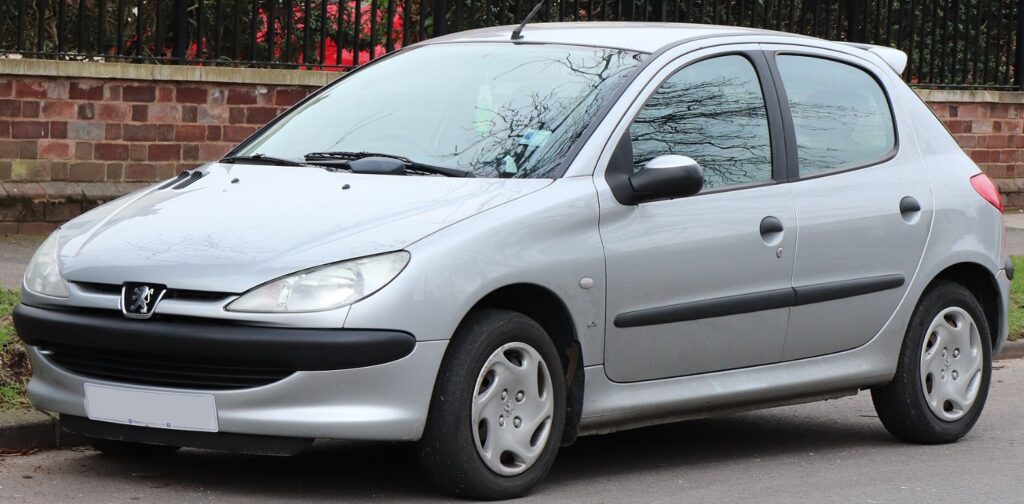
The Peugeot 206 earned its place as one of Europe’s most recognisable small cars. It looks cheerful, feels light on its feet, and can still make an inexpensive first car or urban runabout. Yet time waits for no hatchback. Even the youngest examples are now mature vehicles, while early cars have been on the road for more than two decades.
Does that mean the Peugeot 206 is unreliable? Not necessarily.
A well-maintained 206 can remain economical, comfortable, and surprisingly enjoyable. However, neglected examples can become a rolling collection of warning lights, suspension noises, electrical tantrums, and cooling-system concerns. The difference usually comes down to maintenance history, previous repairs, mileage, climate, and the particular engine or transmission fitted.
In this guide, we explore the most common Peugeot 206 problems, explain the symptoms, and discuss what owners and used-car buyers should check. Because specifications vary between countries, model years, body styles, and engines, we should always confirm parts and repair procedures using the vehicle identification number.
Content in this publication
- Are Peugeot 206 Problems Really That Serious?
- Peugeot 206 Rear Axle Problems
- Front Suspension Knocking and Steering Wear
- Peugeot 206 Electrical Problems
- Indicator Stalk and Lighting Problems
- Peugeot 206 Central Locking Problems
- Electric Window Failures
- Peugeot 206 Engine Warning Light Problems
- Rough Idle, Hesitation, and Stalling
- Peugeot 206 Cooling-System Problems
- Head-Gasket Failure Concerns
- Timing Belt and Water Pump Problems
- Oil Leaks and Oil-Level Concerns
- Diesel Peugeot 206 Problems
- Clutch Problems
- Manual Gearbox Problems
- Peugeot 206 Automatic Gearbox Problems
- Engine Mount Problems
- Exhaust and Catalytic Converter Problems
- ABS and Airbag Warning Lights
- Brake Problems
- Water Leaks and Damp Interior
- Heater and Blower Problems
- Peugeot 206 Interior Problems
- Peugeot 206 Recall Checks
- Which Peugeot 206 Problems Are Most Expensive?
- How to Inspect a Used Peugeot 206
- Can We Prevent Common Peugeot 206 Problems?
- Is the Peugeot 206 Still a Good Car?
- Final Thoughts on Peugeot 206 Problems
- Frequently Asked Questions
Are Peugeot 206 Problems Really That Serious?
Most Peugeot 206 faults are not mysterious disasters. They are generally age-related problems affecting suspension components, electrical connections, cooling-system parts, engine sensors, clutches, and interior equipment.
The real danger lies in accumulation.
One worn component may be manageable. Five neglected problems arriving together can turn a cheap car into an expensive project. A noisy rear axle, an intermittent airbag light, a coolant leak, tired brakes, and a failing clutch could easily cost more to correct than the car’s market value.
That is why condition matters more than mileage alone. A 206 with higher mileage and a folder full of invoices may be a safer purchase than a low-mileage example that has spent years sitting outside with little maintenance.
The Most Common Peugeot 206 Problems at a Glance
Issues frequently reported or worth checking include:
- Rear axle and trailing-arm bearing wear
- Front suspension knocking
- Electrical and central-locking faults
- Indicator-stalk and lighting problems
- Engine warning lights
- Rough idle or engine hesitation
- Cooling-system leaks and overheating
- Head-gasket concerns on neglected engines
- Clutch and gearbox wear
- Automatic transmission faults
- Airbag and ABS warning lights
- Exhaust corrosion
- Water leaks
- Window-regulator problems
- Interior trim deterioration
Not every Peugeot 206 will experience these faults. The list simply shows where we should look before buying or when diagnosing an existing car.
Peugeot 206 Rear Axle Problems
The rear axle is arguably the best-known Peugeot 206 weak point. The car uses a compact torsion-beam arrangement with trailing arms and bearings. As the bearings wear or moisture reaches internal components, the rear wheels can begin to lean inward.
A healthy rear end should sit squarely. When something is wrong, the car can look as though it is standing awkwardly on tired ankles.
Symptoms of Rear Axle Wear
Watch for:
- Rear wheels leaning inward at the top
- Uneven wear on the inner edges of the tyres
- Knocking or creaking from the rear
- Unstable handling
- A loose or wandering feeling
- The rear of the car sitting lower on one side
- Excessive movement around the trailing arms
Rear-axle deterioration has been widely identified as a common age-related Peugeot 206 issue, with bearing damage potentially causing wheel misalignment, noise, and poor handling.
Can a Peugeot 206 Rear Axle Be Repaired?
Sometimes a specialist can rebuild the axle with new bearings, seals, shafts, or trailing-arm components. In other cases, replacing the complete axle assembly is more practical.
The correct choice depends on the extent of the wear. Continuing to drive with severe axle damage can accelerate tyre wear and compromise handling. A heavily tilted wheel is not merely cosmetic; it is the car waving a mechanical red flag.
Front Suspension Knocking and Steering Wear
The front suspension takes a beating from potholes, speed bumps, and broken urban roads. Over time, several components can produce knocking sounds.
Possible causes include:
- Worn anti-roll-bar links
- Deteriorated control-arm bushes
- Worn ball joints
- Damaged top mounts
- Weak shock absorbers
- Broken springs
- Loose steering components
A knock over small bumps may point toward links or bushes. A heavier thud during braking or acceleration may indicate movement in a control arm, engine mount, or another loaded component.
How to Diagnose a Front-End Knock
We should avoid replacing parts based solely on sound. Suspension noises travel through the body, making one worn bush sound like a completely different component.
A proper inspection should include:
- Checking for wheel play
- Inspecting bushes for cracking or separation
- Examining springs for broken ends
- Checking shock absorbers for leaks
- Inspecting ball joints and steering joints
- Testing the car on different road surfaces
Tyre wear can also provide clues. Feathered tread, wear on one edge, or an off-centre steering wheel may indicate alignment or suspension trouble.
Peugeot 206 Electrical Problems
Electrical gremlins are another recurring theme. The Peugeot 206 uses interconnected electronic systems, switches, relays, sensors, wiring, earth points, and control modules. As the vehicle ages, weak batteries, corrosion, water intrusion, or disturbed wiring can cause unpredictable behaviour.
Typical complaints include:
- Central locking operating intermittently
- Electric windows stopping
- Dashboard lights appearing without an obvious cause
- Exterior lights failing
- The horn behaving incorrectly
- Wipers working erratically
- The remote key losing synchronisation
- The immobiliser refusing to recognise the key
- The battery draining while parked
Electrical problems can resemble a bowl of tangled spaghetti: pulling one strand may disturb several others.
Battery and Ground Connection Issues
Before blaming an expensive control module, we should check the basics.
A weak battery can cause strange warning messages, poor starting, flickering displays, and temporary communication errors. Corroded terminals or weak earth connections can create equally confusing symptoms.
Useful first checks include:
- Battery voltage and condition
- Terminal tightness
- Main engine and body earth connections
- Alternator charging voltage
- Relevant fuses
- Signs of moisture around wiring and fuse boxes
Replacing modules without testing the power supply can waste money and introduce additional programming problems.
BSI and Multiplexed Electrical Faults
Many later Peugeot 206 versions use a Body Systems Interface, commonly called the BSI. This electronic unit coordinates functions such as locking, lighting, immobilisation, wipers, and interior electronics.
Problems attributed to the BSI may actually originate from:
- Low battery voltage
- Incorrect battery disconnection
- Water damage
- Poor wiring repairs
- Corroded connectors
- Faulty switches
- Communication errors
A reset procedure may restore operation after a temporary electronic confusion, but it will not repair damaged wiring or a failing component. Repeatedly resetting the system without diagnosis is like silencing a smoke alarm while leaving the smoke in the room.
Indicator Stalk and Lighting Problems
The indicator and lighting stalk assembly can wear with age. Owners may notice indicators that fail to cancel, headlights that switch modes unexpectedly, or lighting functions that become intermittent.
Common symptoms include:
- Indicators working only when the stalk is held
- Main beam activating unexpectedly
- Headlights flickering
- Turn signals failing to cancel
- A loose-feeling stalk
- Horn or lighting functions behaving inconsistently
Before replacing the steering-column switch assembly, we should inspect bulbs, bulb holders, fuses, connectors, and earth points. Rear-light clusters can also suffer from poor connections, sometimes causing one circuit to interfere with another.
Peugeot 206 Central Locking Problems
Central locking faults can involve one door, several doors, or the entire system.
Possible causes include:
- A failed door-lock actuator
- Broken wires near a door hinge
- A worn remote-key button
- A flat key-fob battery
- Key synchronisation loss
- A weak vehicle battery
- BSI communication trouble
- Mechanical stiffness inside a lock
If one door refuses to lock while the others work, the local actuator or wiring is the likely starting point. If every door stops responding, we should examine the remote, battery, fuses, and system-level electronics.
Electric Window Failures
Electric windows may become slow, noisy, crooked, or completely inactive. The usual suspects are the regulator mechanism, motor, switch, wiring, or glass guides.
Warning Signs of a Failing Window Regulator
Look out for:
- Grinding or crunching
- Glass dropping inside the door
- A window rising unevenly
- Movement that becomes slower near the top
- A motor sound without glass movement
- Intermittent operation
We should address a strained regulator early. Repeatedly holding the switch while the mechanism jams can overheat the motor or damage cables.
Peugeot 206 Engine Warning Light Problems
An illuminated engine-management light does not identify a specific component. It tells us that the engine computer has detected a fault.
Possible causes range from minor to serious:
- Oxygen sensor faults
- Ignition-coil problems
- Misfires
- Throttle-body contamination
- Injector problems
- Air leaks
- Crankshaft or camshaft sensor faults
- Catalytic-converter inefficiency
- Emissions-system issues
- Wiring faults
The correct first step is reading the diagnostic trouble codes. Replacing parts based on internet guesses can become an expensive game of mechanical roulette.
Flashing Versus Steady Engine Light
A steady light may indicate an emissions or sensor fault that still requires diagnosis. A flashing engine light often accompanies an active misfire and demands greater urgency because unburned fuel can damage the catalytic converter.
If the engine shakes, loses substantial power, smells strongly of fuel, or flashes the warning light, we should reduce driving and seek diagnosis promptly.
Rough Idle, Hesitation, and Stalling
A Peugeot 206 that idles poorly may hunt up and down, vibrate, hesitate when accelerating, or stall when approaching a junction.
Potential causes include:
- Dirty throttle body
- Ignition-coil failure
- Worn spark plugs
- Intake air leak
- Faulty idle-control system
- Weak fuel pressure
- Injector contamination
- Temperature-sensor error
- Crankshaft-position sensor failure
- Exhaust restriction
The engine fitted matters greatly. A fault pattern common to one petrol engine may have little relevance to a diesel version.
Ignition Coil and Spark Plug Problems
Petrol engines depend on a healthy ignition system. A deteriorated coil pack can cause misfires under load, rough running, hard starting, and a loss of power.
Spark plugs should be inspected for:
- Excessive gap
- Oil contamination
- Heavy carbon deposits
- Cracked insulation
- Uneven colour between cylinders
Installing a new coil without checking worn or incorrect plugs can shorten the life of the replacement.
Peugeot 206 Cooling-System Problems
Cooling-system faults deserve immediate attention. Engines can survive a faulty window switch for years; they may not survive one severe overheating event.
Common leakage points may include:
- Radiator
- Expansion tank
- Hoses
- Hose connections
- Thermostat housing
- Water pump
- Heater matrix
- Cooling-fan components
Warning signs include:
- Coolant level dropping
- A sweet smell
- Dampness under the dashboard
- Steam
- Temperature rising in traffic
- The heater changing temperature unexpectedly
- Cooling fan failing to operate
- Visible residue around hose joints
Why Does a Peugeot 206 Overheat?
Overheating may result from low coolant, a leak, a faulty thermostat, cooling-fan failure, poor circulation, a damaged water pump, radiator blockage, or an internal engine problem.
We should never open a hot expansion tank. Pressurised coolant can escape violently and cause serious burns.
The owner information for the 206 treats the central STOP warning and engine oil-pressure or temperature warnings as urgent signals requiring the driver to stop safely.
Head-Gasket Failure Concerns
The phrase “head gasket” can frighten owners because the repair may be labour-intensive. However, we should not diagnose one based on a single symptom.
Possible warning signs include:
- Repeated coolant loss without a visible leak
- Persistent overheating
- Cooling hoses becoming extremely hard
- Bubbles in the expansion tank
- White exhaust vapour after warm-up
- Coolant contamination
- Oil contamination
- Poor compression
- Misfiring after a cold start
A little creamy residue under the oil cap does not automatically confirm gasket failure. Cars used for short trips can develop condensation. Proper testing may include a cooling-system pressure test, combustion-gas test, compression test, or cylinder leak-down test.
We can reduce risk by:
- Checking coolant regularly
- Investigating small leaks immediately
- Using the correct coolant specification
- Avoiding plain water as a permanent replacement
- Replacing aging hoses
- Confirming the cooling fan operates
- Following water-pump and timing-belt recommendations
Prevention is far cheaper than rebuilding an overheated engine.
Timing Belt and Water Pump Problems
Many Peugeot 206 engines use a timing belt, although service requirements vary by engine and market. A neglected belt can fail without much warning, potentially allowing internal engine contact.
A sensible timing-belt service may include:
- Timing belt
- Tensioner
- Idler components
- Water pump where belt-driven or practical
- Auxiliary belt if worn
- Fresh coolant when the pump is replaced
We should confirm the interval through engine-specific documentation rather than relying on a universal number. Age can be just as important as mileage.
Signs That Require Immediate Inspection
Possible warning signs include:
- Chirping or rubbing near the belt cover
- Coolant leaking near the water pump
- Uncertain replacement history
- Visible belt damage
- Abnormal tensioner noise
Unfortunately, a timing belt can look acceptable shortly before failure. Documentary evidence is more valuable than a quick visual glance.
Oil Leaks and Oil-Level Concerns
Older 206 engines may develop oil seepage around seals, gaskets, the sump, filter housing, or breather system.
A small film of oil is different from an active leak. We should clean the area, monitor it, and identify the highest wet point because oil runs downward and can mislead us.
The 206 oil-level display is a convenience, not a substitute for checking the dipstick. Owner guidance warns that a confirmed low oil level must be corrected because insufficient oil can damage the engine.
What If the Oil Pressure Light Comes On?
An oil-pressure warning is urgent. We should stop safely, switch off the engine, and check the oil level. If the level is adequate but the warning remains, continuing to drive could destroy the engine.
Diesel Peugeot 206 Problems
Diesel versions can be economical, especially on longer journeys, but neglected examples may suffer fuel-system, turbocharger, glow-plug, air-metering, or exhaust-related problems.
Potential symptoms include:
- Difficult cold starting
- Black smoke
- Loss of power
- Turbo whistle
- Oil around intake hoses
- Injector noise
- Limp mode
- Uneven acceleration
- Excessive fuel consumption
Not every oily intake pipe means the turbo has failed. Some oil mist can be normal within the intake system. Diagnosis should consider boost pressure, hose integrity, turbo shaft condition, oil consumption, smoke, and fault codes.
Diesel Injector and Fuel-System Issues
Poor starting or uneven running may involve injectors, low fuel pressure, air entering the fuel system, glow plugs, or electrical controls.
High-pressure diesel systems can be dangerous. Fuel can penetrate skin, so testing should be performed with appropriate equipment and safety procedures.
Clutch Problems
Manual-transmission cars may develop a heavy clutch pedal, slipping, juddering, or difficulty selecting gears.
Symptoms of a Worn Clutch
Common clues include:
- Engine speed rising without matching acceleration
- A high biting point
- Burning smell
- Judder when moving away
- Difficulty selecting first gear or reverse
- Noise when pressing or releasing the pedal
Clutch judder can also result from worn engine mounts, contamination, or uneven flywheel surfaces.
Manual Gearbox Problems
The manual gearbox is generally straightforward, but age, low lubricant, worn linkages, clutch drag, or internal wear can cause poor shifting.
Possible symptoms include:
- Crunching during gear changes
- Gear lever movement under acceleration
- Difficulty selecting reverse
- Whining
- Oil leakage
- A gear jumping out
- Excessive play in the linkage
We should check whether the clutch fully disengages before condemning the gearbox. A dragging clutch can make a healthy transmission feel damaged.
Peugeot 206 Automatic Gearbox Problems
Automatic versions require particular caution. Symptoms may include delayed engagement, harsh shifting, flashing transmission indicators, limp mode, or refusal to select a gear correctly.
Potential causes include:
- Low or degraded transmission fluid
- Pressure-control problems
- Solenoid faults
- Sensor errors
- Wiring defects
- Internal wear
- Control-unit faults
Automatic transmission fluid is not a magical lifetime potion. Heat and wear affect it, although the correct servicing method depends on the transmission. Using the wrong fluid can make matters worse.
Before buying an automatic 206, test it from cold and after a thorough warm-up. A brief drive around the block may hide a fault that appears only when the fluid becomes hot.
Engine Mount Problems
Worn engine or gearbox mounts can cause vibration, knocking, or excessive movement.
Symptoms may include:
- A clunk when accelerating or lifting off
- Vibration at idle
- Movement when selecting drive or reverse
- Gear lever movement
- Harshness through the cabin
A failed mount can strain hoses, exhaust components, and wiring, so it should not be ignored indefinitely.
Exhaust and Catalytic Converter Problems
Exhaust systems corrode with age, especially on cars used for short journeys where moisture remains trapped inside the system.
Listen for:
- Blowing noises
- Metallic rattles
- Exhaust smell
- Reduced power
- A loose heat shield
- A warning light related to emissions
A rattling catalytic converter may have internal damage, but similar noises can come from a heat shield or broken bracket. Diagnosis prevents unnecessary replacement.
ABS and Airbag Warning Lights
An ABS warning may result from a wheel-speed sensor, wiring damage, contamination, a damaged reluctor ring, low voltage, or an electronic control fault.
An airbag light may involve:
- Seat wiring
- Connector problems
- Seat-belt pretensioner circuits
- Steering-wheel clock spring
- Impact sensors
- Control-unit faults
- Low-voltage events
The Peugeot 206 instrument panel includes dedicated ABS, airbag, brake-system, engine-management, and central STOP warnings. These lights communicate different levels of urgency and should not be treated as interchangeable decorations.
Should We Clear Warning Lights Before Repairing the Fault?
Clearing codes may temporarily switch off a light, but it does not fix the cause. We should save the fault codes and related data before erasing anything. That information may be the strongest clue available.
Brake Problems
Brake issues can include worn pads, corroded discs, sticking calipers, seized rear components, damaged hoses, fluid leaks, or handbrake problems.
Warning signs include:
- Pulling to one side
- Grinding
- Steering-wheel vibration
- A soft pedal
- Excessive pedal travel
- Brake warning light
- One wheel becoming unusually hot
- Weak handbrake performance
A brake-fluid or braking-system warning linked to the central STOP light requires immediate attention.
Water Leaks and Damp Interior
Water can enter through door seals, rear-light seals, aerial mounts, body seams, blocked drainage paths, or poorly fitted replacement glass.
Dampness can cause:
- Musty smells
- Fogged windows
- Wet carpets
- Electrical corrosion
- Mould
- Damaged control modules
- Poor sound insulation
To locate a leak, we should dry the interior first and test one area at a time. Pouring water over the entire car may confirm that it leaks without revealing where.
Heater and Blower Problems
A heater fan that works only on certain speeds may have a resistor or control issue. No heat can indicate low coolant, air in the system, thermostat trouble, a blocked heater matrix, or a control-flap fault.
A sweet smell, misty windows, and damp front carpets may suggest heater-matrix leakage.
Peugeot 206 Interior Problems
Interior materials can show their age through:
- Loose trim
- Worn seat bolsters
- Broken door handles
- Failed display illumination
- Sticky switches
- Sagging fabric
- Rattles
- Damaged ventilation controls
These faults are rarely catastrophic, but they help reveal how the car was treated. A neglected cabin often accompanies neglected mechanical maintenance.
Peugeot 206 Recall Checks
Recall eligibility depends on the exact vehicle, production period, and VIN. Peugeot provides an official VIN-based recall checker and states that qualifying recall work is performed free of charge.
UK owners can also use the government recall service, which provides access to DVSA-registered vehicle safety recalls.
We should not assume that a recall was completed merely because the car is old. Ask a Peugeot dealer to check the VIN when service history is incomplete.
Which Peugeot 206 Problems Are Most Expensive?
Costs vary dramatically by country and labour rate, but potentially expensive repairs include:
- Complete rear-axle replacement or rebuilding
- Automatic gearbox repair
- Head-gasket or overheating damage
- Timing-belt failure
- Major electrical or wiring diagnosis
- Clutch replacement
- Catalytic-converter replacement
- Multiple suspension repairs
- Severe corrosion
- Combined neglected faults
A cheap purchase price should leave room in the budget for repairs. Buying the least expensive example available can be like choosing the cheapest parachute: the initial saving may not feel clever later.
How to Inspect a Used Peugeot 206
A careful inspection should include more than starting the engine and checking whether the radio works.
Exterior and Underbody Checklist
Check:
- Rear-wheel angle
- Tyre wear
- Suspension height
- Rust and corrosion
- Fluid leaks
- Exhaust condition
- Accident-repair evidence
- Door and panel alignment
- Headlight and rear-light operation
- Windscreen condition
Engine Bay Checklist
Look for:
- Coolant level and condition
- Oil level
- Signs of oil and coolant mixing
- Leaks
- Cracked hoses
- Poor wiring repairs
- Battery condition
- Timing-belt evidence
- Excessive engine movement
- Strong fuel or coolant smells
Test-Drive Checklist
During the drive, test:
- Cold starting
- Idle quality
- Acceleration
- Clutch operation
- Every gear
- Steering response
- Braking
- Suspension noise
- Temperature stability
- Warning lights
- Electric windows
- Central locking
- Heater and air conditioning
A longer test drive is preferable because some gearbox, cooling, and electrical faults appear only after the vehicle warms up.
Can We Prevent Common Peugeot 206 Problems?
We cannot stop every component from aging, but we can prevent small faults from becoming large ones.
Good habits include:
- Checking fluid levels regularly
- Investigating warning lights promptly
- Following engine-specific timing-belt guidance
- Repairing coolant leaks immediately
- Keeping drainage channels clear
- Replacing weak batteries before they create electronic chaos
- Using quality replacement parts
- Inspecting suspension and tyres annually
- Keeping invoices and service records
- Avoiding random parts replacement without diagnosis
Maintenance is less dramatic than repair, but that is precisely the point. The best breakdown is the one that never happens.
Is the Peugeot 206 Still a Good Car?
Yes, a Peugeot 206 can still be a good car when it is structurally sound, correctly maintained, and realistically priced.
Its strengths include compact dimensions, generally affordable parts, straightforward basic servicing, and a comfortable ride for a small hatchback. The largest concern is no longer whether the original design was good. It is how each individual car has survived years of use, repairs, weather, and ownership.
We should buy on condition rather than emotion. A glossy body and clean seats cannot compensate for a damaged rear axle, overheating engine, or faulty automatic gearbox.
Final Thoughts on Peugeot 206 Problems
The Peugeot 206 is neither a reliability hero nor a guaranteed nightmare. It is an aging small car with several recognisable weak points.
Rear-axle wear deserves special attention, while cooling-system maintenance, electrical health, suspension condition, warning lights, clutch operation, and transmission behaviour should also be assessed carefully. Most problems become more expensive when ignored, so early diagnosis is the owner’s strongest defence.
When buying one, we should seek maintenance records, inspect it from cold, take a meaningful test drive, and arrange an independent mechanical inspection. A good Peugeot 206 can still serve faithfully. A neglected one may nibble at our wallet until it has eaten the entire budget.
Frequently Asked Questions
1. What is the most common Peugeot 206 problem?
Rear-axle and trailing-arm bearing wear is one of the most widely recognised problems. Symptoms can include rear wheels leaning inward, knocking noises, unstable handling, and uneven tyre wear. Electrical and front-suspension faults are also common on older examples.
2. Why does my Peugeot 206 keep showing warning lights?
Possible causes include a weak battery, poor electrical connections, damaged wiring, faulty sensors, or a genuine system fault. The car should be scanned with compatible diagnostic equipment before parts are replaced.
3. Is a Peugeot 206 expensive to repair?
Routine repairs can be affordable because parts are widely available in many markets. However, rear-axle work, automatic gearbox repairs, overheating damage, or multiple accumulated faults can exceed the value of a low-priced car.
4. How do I know whether the Peugeot 206 rear axle is failing?
Inspect the rear wheels from behind. Excessive inward lean, inner-edge tyre wear, knocking, creaking, looseness, or poor handling may indicate bearing or axle damage. A workshop should confirm the diagnosis.
5. Should I buy a used Peugeot 206?
A well-maintained manual model with a healthy cooling system, straight rear wheels, no persistent warning lights, and documented timing-belt maintenance can make sense. Avoid cars with severe overheating, structural corrosion, gearbox trouble, or several unresolved electrical faults.
If you want to know other articles similar to Peugeot 206 Problems: Common Faults, Symptoms, and Fixes you can visit the category Common Problems.
Mitsubishi Pajero Sport Touch Screen Not Working: Causes, Fixes, and Troubleshooting Guide
Mitsubishi Pajero Sport DPF System Service Required: Causes, Diagnosis, and Fixes
Mitsubishi Pajero Sport Problems: Common Faults, Symptoms, and What Owners Should Know
Peugeot RCZ Engine Fault Repair Needed: Causes, Diagnosis, and Fixes
Peugeot RCZ Problems: Common Faults, Warning Signs, and What to Check

Mazda CX-8 Issues: Common Problems, Warning Signs, and What Owners Should Know
Leave a Reply
More content of your interest