
Peugeot 206 207 Comparison: Which Small Peugeot Is Better?

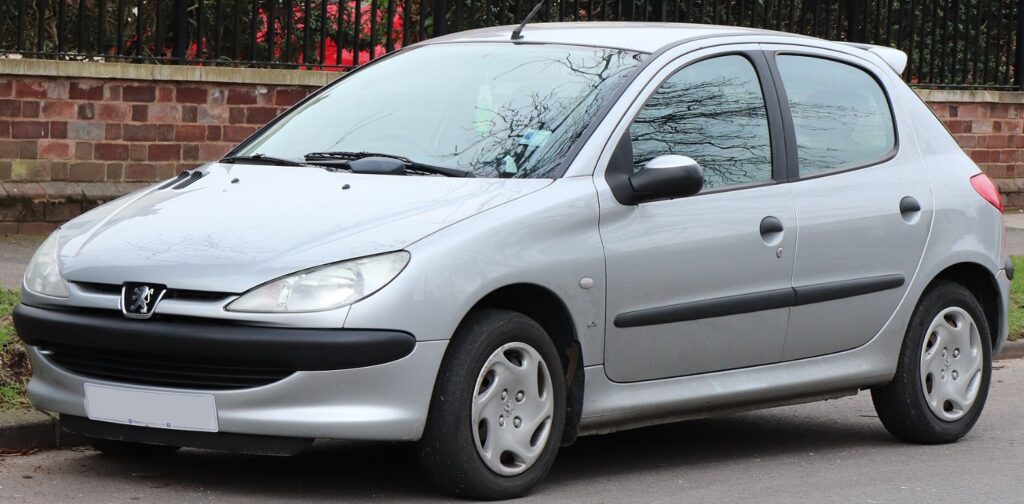
Choosing between the Peugeot 206 and Peugeot 207 can feel like comparing two chapters from the same book. Both cars carry Peugeot’s familiar French personality, both were designed for everyday life, and both remain appealing options on the used-car market. Yet they deliver noticeably different ownership experiences.
The Peugeot 206 is the lighter, simpler, and more charming choice. It feels compact in the truest sense of the word, making it easy to park, inexpensive to run, and surprisingly entertaining on a winding road. The Peugeot 207 is newer, larger, safer, and more refined. It brings extra comfort and equipment, but it also introduces more weight, complexity, and potential repair costs.
So, which one should we buy?
That depends on what matters most. Are we searching for a cheap first car? Do we need more space for passengers? Are modern safety features essential? Or do we simply want the model that is less likely to empty our wallet when something breaks?
In this detailed Peugeot 206 207 comparison, we will examine design, interior space, engines, fuel economy, reliability, driving experience, maintenance costs, safety, practicality, and overall value. By the end, we should have a clear idea of which little French hatchback deserves a place in our driveway.
Content in this publication
- Peugeot 206 vs 207 at a Glance
- A Brief History of the Peugeot 206 and 207
- Exterior Design Comparison
- Size and Dimensions
- Interior Design and Cabin Quality
- Passenger Space and Practicality
- Engine Choices
- Performance and Acceleration
- Driving Experience
- Ride Comfort
- Fuel Economy
- Reliability Comparison
- Maintenance and Repair Costs
- Safety Comparison
- Insurance and Ownership Expenses
- Manual vs Automatic Transmission
- Peugeot 206 CC vs Peugeot 207 CC
- Peugeot 206 GTI vs Peugeot 207 GTI
- What to Check Before Buying a Peugeot 206
- What to Check Before Buying a Peugeot 207
- Which One Is Better for a First-Time Driver?
- Which One Is Better for Commuting?
- Which One Offers Better Value?
- Peugeot 206 or 207: Which Should We Buy?
- Closing Thoughts
- Frequently Asked Questions
Peugeot 206 vs 207 at a Glance
Before diving into the details, let us look at the basic personalities of these two cars.
| Category | Peugeot 206 | Peugeot 207 |
|---|---|---|
| Main character | Light, simple, affordable | Refined, solid, more modern |
| Exterior size | Smaller and easier to park | Larger and wider |
| Interior space | Adequate for light use | Better for passengers |
| Driving feel | Nimble and playful | Stable and mature |
| Fuel economy | Often better with small engines | Good, but weight can affect economy |
| Safety | Basic by modern standards | Generally more advanced |
| Maintenance | Usually simpler and cheaper | Potentially more expensive |
| Best suited to | City drivers and budget buyers | Families and motorway users |
| Used-car appeal | Low purchase price | More equipment for the money |
The Peugeot 206 resembles a comfortable pair of lightweight trainers: uncomplicated, flexible, and ready to go anywhere. The Peugeot 207 feels more like a sturdier walking shoe. It offers greater support and protection, although it is heavier and not quite as lively.
A Brief History of the Peugeot 206 and 207
How the Peugeot 206 Became a Small-Car Icon
The Peugeot 206 arrived in the late 1990s as the spiritual successor to the beloved Peugeot 205. That was no easy assignment. The 205 had earned a reputation for sharp handling, simple engineering, and motorsport success.
Rather than copying the 205, Peugeot gave the 206 a smoother and more fashionable appearance. Its swept-back headlights, curved roofline, and compact proportions helped it age remarkably well. Even today, a tidy 206 does not look completely lost among newer city cars.
The model was offered in numerous forms, including:
- Three-door and five-door hatchbacks
- The 206 SW estate
- The 206 CC folding-roof convertible
- Performance-oriented GTI and RC versions
- Various petrol and diesel engines
- The later 206+ in selected markets
This enormous variety made the 206 popular with young drivers, families, commuters, and enthusiasts alike.
Why Peugeot Replaced It With the 207
The Peugeot 207 arrived during the mid-2000s, when small cars were becoming larger, safer, and more sophisticated. Buyers expected stronger crash protection, improved refinement, more equipment, and interiors that felt closer to those of larger vehicles.
The 207 answered those demands. It was wider, heavier, more substantial, and more mature than the 206. It also offered multiple body styles, including hatchback, estate, convertible, and performance variants.
However, the transformation came with a trade-off. The 207 lost some of the 206’s featherweight simplicity. It felt more solid, but less delicate. More features also meant more components that could eventually require attention.
Exterior Design Comparison
Peugeot 206: Small, Curved, and Timeless
The Peugeot 206 remains one of the most recognisable small hatchbacks of its era. Its design is soft without appearing weak, sporty without becoming aggressive, and compact without looking awkward.
Its strongest visual features include:
- Teardrop-shaped headlights
- A gently curved bonnet
- Short front and rear overhangs
- A rising side window line
- Compact wheels pushed toward the corners
The design works especially well on three-door models. Sportier versions with larger wheels and subtle body trim still look attractive when kept in original condition.
The 206 also hides its age surprisingly well. It belongs to an era before oversized grilles, sharp creases, and complicated lighting signatures took over. Its simplicity is refreshing, like a clean sketch beside a crowded painting.
Peugeot 207: Bigger and More Assertive
The Peugeot 207 continued the family resemblance but turned up the volume. It introduced a larger front grille, stretched headlights, thicker pillars, and a noticeably broader stance.
It looks more substantial than the 206 because it is more substantial. The body appears better planted, and the overall shape suggests greater crash protection and cabin space.
Some buyers prefer the 207’s stronger road presence. Others feel that its large grille and heavy-looking front end lack the elegance of the 206. Beauty is subjective, of course, but there is no denying that the 207 appears more modern.
Which Peugeot Has the Better Design?
For visual charm, the Peugeot 206 wins. Its proportions are cleaner, and its styling has aged gracefully.
For a more contemporary and confident appearance, the Peugeot 207 has the advantage. It looks newer because it is newer, particularly in well-maintained facelifted form.
Size and Dimensions
The Peugeot 207 is clearly the larger vehicle. It is longer, wider, and generally heavier than the Peugeot 206. That growth improves cabin comfort and road stability, but it also affects manoeuvrability and fuel consumption.
What the Extra Size Means in Daily Driving
In a crowded city, the 206 feels almost tailor-made for narrow streets. It slips through traffic, fits into small parking spaces, and makes tight manoeuvres less stressful.
The 207 is still a compact hatchback, but we notice its extra width from behind the steering wheel. It requires a little more care in tight car parks and older urban streets.
On faster roads, the situation reverses. The 207’s broader body and extra weight help it feel more settled. The 206 can seem slightly busy or exposed during strong crosswinds, while the 207 carries itself with greater confidence.
Interior Design and Cabin Quality
Inside the Peugeot 206
The Peugeot 206 cabin is straightforward and driver-focused. Controls are generally easy to understand, and the dashboard has a flowing shape that matches the exterior.
However, age plays a major role. Many surviving cars have worn steering wheels, faded displays, loose trim, broken ventilation controls, or rattles from years of use.
Common interior strengths include:
- Clear instruments
- Simple controls
- Good forward visibility
- A pleasantly compact driving environment
- Reasonably comfortable front seats
Its weaknesses include limited rear space, modest storage, and materials that may feel thin by modern standards.
The driving position can also divide opinion. Some drivers find the pedals slightly offset, while taller people may struggle to create the ideal relationship between the seat, steering wheel, and pedals.
Inside the Peugeot 207
The Peugeot 207 cabin feels like a meaningful step forward. The dashboard is broader, the materials generally appear more substantial, and the doors close with a heavier sound.
Depending on the trim level, a 207 may include:
- Climate control
- Cruise control
- Steering-wheel audio functions
- Automatic lights or wipers
- Upgraded audio equipment
- Additional airbags
- Trip-computer functions
- Panoramic roof options
The extra technology makes the cabin more pleasant, but it can also create extra failure points. A simple manual heater control is unlikely to deliver unpleasant surprises. Electronic climate-control panels, sensors, and display systems are another story.
Cabin Winner
The Peugeot 207 wins for comfort, solidity, and equipment.
The Peugeot 206 wins for simplicity. There is less to distract us and, in many versions, less to go wrong.
Passenger Space and Practicality
Front-Seat Comfort
Both cars can accommodate two adults comfortably in the front, but the 207 provides more shoulder room and a greater sense of space.
The 206 feels cosy. That can be charming when we are driving alone, yet slightly restrictive when two broad-shouldered adults are seated side by side.
The 207 offers a more substantial centre console and greater separation between occupants. It feels closer to a modern supermini than a basic city car.
Rear-Seat Space
Rear-seat space is one of the clearer differences in this Peugeot 206 207 comparison.
The 206 can carry adults in the rear, but it is better suited to children or occasional passengers. Legroom becomes limited when tall people sit in front, and access is particularly awkward in three-door models.
The 207 provides more usable rear accommodation. It is not limousine-like, but adults are less likely to feel folded into the seats like camping chairs.
Boot Space
Both models offer enough luggage space for groceries, small suitcases, or daily errands. The 207 generally provides a more practical load area, though exact capacity depends on body style and configuration.
For maximum practicality, buyers may also consider the estate versions:
- The Peugeot 206 SW offers useful flexibility in a compact body.
- The Peugeot 207 SW provides more room and a more mature long-distance experience.
For normal hatchback use, the 207 is the more family-friendly car. For drivers who rarely carry more than a couple of shopping bags, the 206 remains perfectly adequate.
Engine Choices
Engine availability varies by country, year, trim, and body style. That is important because the badge alone does not tell the whole story. A basic 206 petrol and a high-performance 206 RC are completely different machines, just as an entry-level 207 differs sharply from a turbocharged performance version.
Peugeot 206 Petrol Engines
The Peugeot 206 was sold with a broad selection of petrol engines. Smaller engines focused on affordability and economy, while larger units offered stronger motorway performance.
Small petrol models are usually best for:
- Urban commuting
- First-time drivers
- Low annual mileage
- Cheap insurance
- Straightforward maintenance
Larger petrol engines suit drivers who want more confident acceleration or a sportier experience.
The key is matching expectations. A small-engine 206 may feel lively around town because the car is light, but it can become noisy when fully loaded or driven at motorway speeds.
You may be interested in reading Ford Taurus Generations: A Complete Guide to Every Era
Peugeot 206 Diesel Engines
Diesel versions appeal to drivers covering longer distances. Some older diesel engines are known for strong economy and durable basic construction when serviced properly.
However, age matters more than reputation. A neglected diesel can bring expensive injector, turbocharger, emissions, or fuel-system problems. A petrol car with a clean history may be a wiser purchase than a diesel with impressive claimed economy but uncertain maintenance.
Peugeot 207 Petrol Engines
The Peugeot 207 also offered multiple petrol choices, ranging from simple entry-level units to more sophisticated engines with variable valve timing or turbocharging.
Some of the more advanced petrol engines deliver good performance and refinement, but they can demand careful maintenance. Timing-system wear, oil consumption, cooling issues, sensor faults, and carbon accumulation may affect certain versions.
This does not mean every 207 petrol engine is unreliable. It means engine selection matters more than simply buying the newest or most powerful example.
Peugeot 207 Diesel Engines
The 207 diesel range can deliver excellent real-world fuel economy, particularly during longer journeys. These engines may suit high-mileage drivers, but short urban trips can be problematic for versions equipped with more complex emissions-control equipment.
Before buying, we should check:
- Service records
- Oil-change frequency
- Turbo condition
- Injector operation
- Diesel particulate filter history, where fitted
- Signs of exhaust smoke
- Clutch and flywheel condition
A diesel engine should pull smoothly and consistently. Hesitation, warning lights, excessive smoke, or unusual whistling deserve investigation.
Performance and Acceleration
The Peugeot 206 benefits enormously from its low weight. Even versions with modest power can feel energetic at urban speeds. The car responds quickly to steering and throttle inputs, creating a sense of speed without requiring excessive horsepower.
The Peugeot 207 is heavier, so equivalent entry-level engines may feel more strained. It needs more power to deliver the same sense of urgency.
Which One Feels Faster?
With comparable engine output, the 206 often feels faster because it has less mass to move. Its cabin is less isolated, which also makes acceleration feel more dramatic.
The 207 may be genuinely quicker in more powerful forms, especially turbocharged models, but it delivers speed with greater refinement. It is more composed and less theatrical.
For relaxed everyday driving, the difference is not only about stopwatch figures. The real question is whether the engine feels comfortable carrying passengers, climbing hills, and joining fast traffic.
Driving Experience
Peugeot 206 Handling
The 206’s handling is one of its strongest qualities. It feels light on its feet, eager to turn, and easy to position on the road. On a twisty route, a healthy 206 can be genuinely enjoyable.
Its steering is generally direct, while the compact body makes the car feel responsive. We do not need a high-performance version to appreciate the chassis.
However, worn suspension components can ruin the experience. Tired bushes, damaged springs, worn dampers, steering play, or rear-axle problems can make the car unstable or noisy.
A good 206 feels lively. A neglected one can feel like a shopping trolley with one rebellious wheel.
Peugeot 207 Handling
The 207 feels heavier and more planted. Its steering may not communicate quite as delicately, but the car inspires confidence at higher speeds.
It absorbs long journeys more effectively and offers greater isolation from road and wind noise. On a motorway, it is clearly the more relaxed companion.
The 207 still handles competently, but it has traded some agility for maturity. It behaves like a car that has grown up, bought sensible shoes, and started checking the weather before leaving home.
Best for City Driving
The Peugeot 206 wins. It is smaller, lighter, and easier to manoeuvre.
Best for Motorway Driving
The Peugeot 207 wins. It feels more stable, quieter, and better protected.
Best for Driving Fun
For most ordinary versions, the Peugeot 206 is more playful. The 207 can still entertain, particularly in sportier trims, but it rarely feels as light or delicate.
Ride Comfort
The 206 generally delivers a comfortable ride for such a compact car, especially on sensible wheel sizes. Larger aftermarket wheels can damage both comfort and handling, so an original setup is often preferable.
The 207 feels more substantial over long, flowing roads, but some versions ride firmly over sharp bumps. Sport trims and low-profile tyres may become tiring on poor surfaces.
Tyre choice also matters. Cheap, mismatched, or incorrectly inflated tyres can transform either car for the worse.
For broken urban roads, a well-maintained 206 on smaller wheels may feel surprisingly comfortable. For long-distance travel, the 207’s better noise insulation and heavier body make it the stronger option.
Fuel Economy
The Peugeot 206 usually has an advantage because it is lighter. Small petrol versions can be economical in town, while diesel models can return impressive mileage during longer trips.
The 207 remains efficient by used-car standards, but its extra weight means smaller engines may work harder. Real-world economy depends on:
- Engine type
- Transmission
- Driving style
- Tyre pressure
- Traffic conditions
- Vehicle load
- Service condition
- Journey length
A larger engine operating comfortably may sometimes use less fuel than a small engine being pushed hard. That is why we should not choose solely by engine size.
Petrol or Diesel?
Petrol is generally the safer choice when we:
- Drive mostly in the city
- Cover relatively low annual mileage
- Make frequent short journeys
- Want simpler maintenance
- Prefer quieter cold starts
Diesel may make more sense when we:
- Drive long distances regularly
- Spend considerable time on motorways
- Need stronger low-speed torque
- Can verify a complete maintenance history
- Understand the potential cost of diesel-system repairs
Buying an old diesel merely because its fuel economy looks attractive can be false economy. Saving a little at the pump means little if the next repair bill arrives like a brick through the letterbox.
Reliability Comparison
Is the Peugeot 206 Reliable?
A maintained Peugeot 206 can be dependable, but age is now its greatest enemy. Even the newest examples are no longer young cars in many markets.
Common areas that may require attention include:
- Rear suspension or axle wear
- Electrical connection problems
- Central locking faults
- Window regulator failures
- Cooling-system leaks
- Ignition coil or sensor issues
- Worn engine mounts
- Clutch wear
- Interior trim deterioration
- Oil leaks on older engines
The advantage is simplicity. Many independent mechanics understand the car, parts are often widely available, and repairs can be relatively affordable.
Condition matters more than mileage alone. A carefully maintained high-mileage 206 may be a better purchase than a low-mileage car that has spent years being neglected.
Is the Peugeot 207 Reliable?
The 207 can also provide reliable service, but it tends to contain more complex systems. Faults may involve electronics, engine-management components, power steering, cooling equipment, or emissions controls.
Potential trouble areas vary significantly by engine. Buyers should watch for:
- Timing-system noises
- Oil consumption
- Cooling-system faults
- Turbocharger wear
- Electrical warning messages
- Window and locking problems
- Suspension knocks
- Clutch or gearbox wear
- Power-steering issues
- Emissions-system faults on diesels
The 207’s newer age does not automatically make it safer financially. A newer car with a complicated engine and poor service history can be far more troublesome than an older 206 with simple mechanicals and careful ownership.
Reliability Winner
For mechanical simplicity and low-cost repairs, the Peugeot 206 has the edge.
For newer construction and potentially lower age-related deterioration, the Peugeot 207 may be preferable—but only when its engine and service history have been checked carefully.
Maintenance and Repair Costs
The Peugeot 206 is usually cheaper to maintain. Its smaller tyres, lighter components, simpler engines, and broad parts availability make it appealing to budget-conscious drivers.
The Peugeot 207 can still be affordable, but repair costs vary more dramatically. Advanced petrol engines, turbocharged models, diesel emissions equipment, and electronic systems may increase expenses.
Routine Maintenance We Should Never Ignore
For either car, we should prioritise:
- Correct engine oil and regular changes
- Timing-belt or timing-chain maintenance according to the engine
- Coolant replacement and leak inspection
- Brake fluid changes
- Transmission-fluid checks where applicable
- Suspension and steering inspections
- Tyre pressure and alignment
- Battery and charging-system tests
- Air, cabin, and fuel-filter replacement
- Immediate diagnosis of warning lights
Skipping maintenance rarely saves money. It simply postpones the bill until it returns wearing heavier boots.
Safety Comparison
Safety is one of the strongest arguments for choosing the Peugeot 207.
The 206 was designed in an earlier period. Depending on specification, it may have basic airbags, anti-lock braking, and other essential features, but its structure and protection standards reflect its age.
The 207 was developed with more modern crash requirements in mind. Many versions offer additional airbags, stronger occupant protection, and more sophisticated electronic assistance.
Equipment varies by market and trim, so we should inspect the specific vehicle rather than relying on the model name.
Which Is Better for a Family?
The Peugeot 207 is generally the better family choice because it offers:
You may be interested in readingFord Taurus Generations: A Complete Guide to Every EraYou may be interested in reading
 Mitsubishi Outlander Competitors: The Best Alternatives Compared
- More rear-seat space
- Easier access in five-door form
- A stronger sense of structural solidity
- More modern safety equipment
- Better high-speed refinement
- Greater luggage flexibility
The 206 can still work for a small family, particularly as a second car, but the 207 is the more reassuring all-rounder.
Insurance and Ownership Expenses
Insurance costs depend on location, driver profile, engine, trim, and claims history. Basic Peugeot 206 models are often inexpensive to insure, which helps explain their popularity among new drivers.
Performance versions are a different matter. A 206 GTI, 206 RC, or powerful 207 variant may attract significantly higher premiums.
Other ownership costs include:
- Annual registration or road taxes
- Fuel
- Tyres
- Servicing
- Repairs
- Inspection fees
- Depreciation
The 206 often costs less to purchase and maintain. However, extremely cheap examples may need immediate work. The cheapest advertised car is not always the cheapest car to own.
The 207 costs more upfront but may offer better comfort, safety, and equipment. A clean 207 can represent strong value when its maintenance history is complete.
Manual vs Automatic Transmission
Manual gearboxes suit both cars well. They keep costs down, improve driver involvement, and are often easier to repair than older automatic systems.
A healthy manual transmission should shift smoothly without crunching, excessive movement, or clutch slip. During a test drive, we should accelerate firmly in a higher gear to check whether engine speed rises without a matching increase in road speed.
Automatic versions require greater caution. Transmission type varies by engine and market, and some automated or conventional systems can feel hesitant compared with modern gearboxes.
Before buying an automatic Peugeot 206 or 207, we should check:
- Smooth engagement from rest
- Consistent changes when cold and warm
- No warning lights
- No severe jolts
- No delayed response
- Evidence of appropriate maintenance
- Correct operation in manual or sport modes, where fitted
A cheap automatic with transmission symptoms can quickly become an expensive driveway ornament.
Peugeot 206 CC vs Peugeot 207 CC
Both generations were offered as coupé-cabriolets with folding metal roofs. They combine open-air motoring with greater security than a fabric-roof convertible, but the roof mechanisms add weight and complexity.
Peugeot 206 CC
The 206 CC is compact, distinctive, and often affordable. It can be fun as a weekend car, but rear-seat space is extremely limited and roof-seal leaks are possible.
We should inspect:
- Roof operation
- Hydraulic components
- Boot sensors
- Water leaks
- Window alignment
- Drainage channels
- Corrosion around damp areas
Peugeot 207 CC
The 207 CC feels more solid and refined. It provides better motorway comfort, but it is also heavier and more complicated.
Neither convertible should be purchased without cycling the roof several times. A folding hardtop that works perfectly during the viewing is valuable. One that stops halfway becomes a mechanical umbrella with commitment issues.
Peugeot 206 GTI vs Peugeot 207 GTI
Enthusiasts may also compare the sportier versions.
The 206 GTI is lighter and more analogue. It feels connected to the road and delivers a traditional hot-hatch experience. The rare higher-performance variants are especially desirable when original and well maintained.
The 207 GTI offers stronger turbocharged performance and more modern equipment. However, its additional weight and engine complexity mean ownership demands greater care.
Which Performance Peugeot Is More Enjoyable?
For raw simplicity, steering feel, and classic hot-hatch character, we would choose the 206.
For stronger everyday acceleration, refinement, and modern usability, the 207 may be more appealing.
Collectors and enthusiasts should prioritise originality. Modified examples may look exciting, but poor tuning, oversized wheels, harsh suspension, and neglected maintenance often hide behind the visual drama.
What to Check Before Buying a Peugeot 206
A proper inspection should include the following:
- Check whether the rear wheels lean inward unusually.
- Listen for knocks from the rear suspension.
- Confirm the timing-belt history where relevant.
- Inspect for coolant and oil leaks.
- Test every electrical switch.
- Check central locking and all windows.
- Look for corrosion or poor accident repairs.
- Confirm the engine starts cleanly when cold.
- Test the clutch for slipping.
- Check tyre wear for alignment problems.
- Inspect the roof carefully on CC models.
- Make sure warning lights illuminate and then switch off correctly.
The 206 is inexpensive enough that some owners delay maintenance. We should therefore judge the seller as carefully as the car.
What to Check Before Buying a Peugeot 207
For a Peugeot 207, we should pay particular attention to:
- Engine noise during a cold start
- Timing-chain or belt history, depending on engine
- Oil level and evidence of excessive consumption
- Cooling-system condition
- Turbocharger performance
- Dashboard warning messages
- Power-steering operation
- Clutch and gearbox behaviour
- Air-conditioning performance
- Diesel particulate filter history, where fitted
- Suspension noises
- Electrical accessories
- Convertible-roof operation on CC models
A diagnostic scan is highly recommended. Modern warning systems can store useful fault information even when no dashboard light is currently visible.
Which One Is Better for a First-Time Driver?
The Peugeot 206 is often the stronger first-car choice.
It is easy to park, relatively inexpensive, and available with modest engines. Its light controls and compact body help new drivers build confidence.
However, we should not ignore safety. A young driver who frequently travels on fast roads or carries passengers may benefit from the 207’s stronger structure and newer safety technology.
The ideal first car might therefore be:
- A simple petrol Peugeot 206 for low-speed urban use
- A well-maintained basic Peugeot 207 for mixed driving and longer journeys
We should avoid buying a powerful version merely because the purchase price appears low. Insurance, tyres, fuel, and repairs can quickly overwhelm the original saving.
Which One Is Better for Commuting?
For short city commutes, the 206 makes excellent sense. It warms up quickly, fits into small spaces, and feels lively in traffic.
For a commute involving motorways, the 207 is better. Its improved sound insulation, stability, seating comfort, and safety reduce fatigue.
Our decision should reflect the road we travel every day—not the road we imagine driving once a year.
Which One Offers Better Value?
The Peugeot 206 usually wins on absolute affordability. Purchase prices are low, parts are common, and basic versions are simple to maintain.
The Peugeot 207 offers better value in terms of equipment. For a modest increase in price, we may receive more space, stronger safety, better refinement, and additional comfort features.
There is no universal winner because value depends on condition. A £1,000 or equivalent 206 that immediately needs tyres, a clutch, and rear-suspension work is not a bargain. A more expensive 207 with complete records may cost less over the first two years.
Peugeot 206 or 207: Which Should We Buy?
Choose the Peugeot 206 If We Want:
- The lowest possible purchase price
- Simple mechanical components
- Cheap urban transportation
- Light and enjoyable handling
- Easy parking
- A charming, compact design
- Affordable parts
- A good first car
- A classic small-hatchback feel
Choose the Peugeot 207 If We Want:
- More cabin space
- Better motorway comfort
- Greater crash protection
- More modern equipment
- A quieter driving experience
- A more substantial interior
- Better family practicality
- A newer-feeling car
- Stronger high-speed stability
Our Overall Verdict
In this Peugeot 206 207 comparison, the Peugeot 206 wins our affection, while the Peugeot 207 wins our practical vote.
The 206 is the more characterful car. It is smaller, lighter, simpler, and often cheaper to keep alive. For city use, a first-time driver, or anyone who enjoys nimble handling, it remains a compelling little hatchback.
The 207 is the more complete car. It offers better space, safety, refinement, and long-distance comfort. It suits families, regular motorway users, and buyers who want a small car that feels more substantial.
However, condition is more important than generation. We would rather own a carefully maintained 206 than a neglected 207. Likewise, a clean 207 with the right engine and full records can be a much wiser investment than a tired 206 purchased solely because it is cheap.
Ultimately, we should buy the best individual car—not simply the newest badge.
Closing Thoughts
The Peugeot 206 and 207 represent two different periods in small-car design. The 206 belongs to an era when lightness and simplicity shaped the driving experience. The 207 reflects a time when buyers demanded more safety, comfort, technology, and refinement.
Neither approach is inherently better.
The 206 feels like a lively café conversation: informal, imperfect, and full of personality. The 207 feels like a quieter restaurant meal: more polished, more comfortable, and slightly less spontaneous.
Our best choice depends on our priorities. For low-cost city driving and old-school charm, the 206 is difficult to resist. For family use, longer journeys, and modern convenience, the 207 is the stronger companion.
Whichever model we choose, a complete service history, a thorough inspection, and a careful test drive matter more than shiny paint or low mileage. A good Peugeot can provide years of enjoyable service. A neglected one can transform French charm into a monthly appointment with a mechanic.
Frequently Asked Questions
1. Is the Peugeot 207 better than the Peugeot 206?
The Peugeot 207 is better for safety, cabin space, refinement, equipment, and motorway driving. The Peugeot 206 is often better for affordability, simplicity, fuel economy, parking, and driving enjoyment. The best choice depends on how we plan to use the car.
2. Which is more reliable, the Peugeot 206 or 207?
The Peugeot 206 is generally simpler and may be cheaper to repair, although age-related problems are increasingly common. The 207 is newer but can contain more complicated engines and electronics. Service history and condition are more important than the model name alone.
3. Is the Peugeot 206 cheaper to maintain than the 207?
In many cases, yes. The 206 commonly uses simpler components, smaller tyres, and less sophisticated technology. The 207 may cost more when engine-management, turbocharger, emissions, power-steering, or electronic problems occur.
4. Which Peugeot is better for a first car?
A small-engine Peugeot 206 is often ideal for city-based beginners because it is compact and affordable. A basic Peugeot 207 may be preferable for drivers who need more safety, passenger space, or motorway stability.
You may be interested in readingFord Taurus Generations: A Complete Guide to Every EraYou may be interested in reading
Mitsubishi Outlander Competitors: The Best Alternatives ComparedYou may be interested in reading
Mitsubishi Outlander ES vs SE: Which Trim Is Better?5. Should we buy a petrol or diesel Peugeot 206 or 207?
Petrol is usually better for short journeys, city use, and lower annual mileage. Diesel can suit regular motorway driving and high annual mileage, but buyers must carefully inspect the turbocharger, injectors, emissions equipment, and service history.
If you want to know other articles similar to Peugeot 206 207 Comparison: Which Small Peugeot Is Better? you can visit the category Models.
BMW i7 vs Porsche Taycan: Luxury EVs With Very Different Personalities
BMW i7 vs 7 Series: Which BMW Flagship Makes More Sense?
BMW i7 vs Mercedes EQS: The Ultimate Luxury EV Comparison
BMW i7 vs M760e: Electric Luxury or Plug-In Hybrid Power?
NFINITI QX60 or Similar: Luxury SUVs Worth Comparing
Infiniti QX60 vs VW Atlas: Which Three-Row SUV Makes More Sense?
Leave a Reply
More content of your interest