
Ford Taurus Years: Generations, Best Models, and Years to Avoid

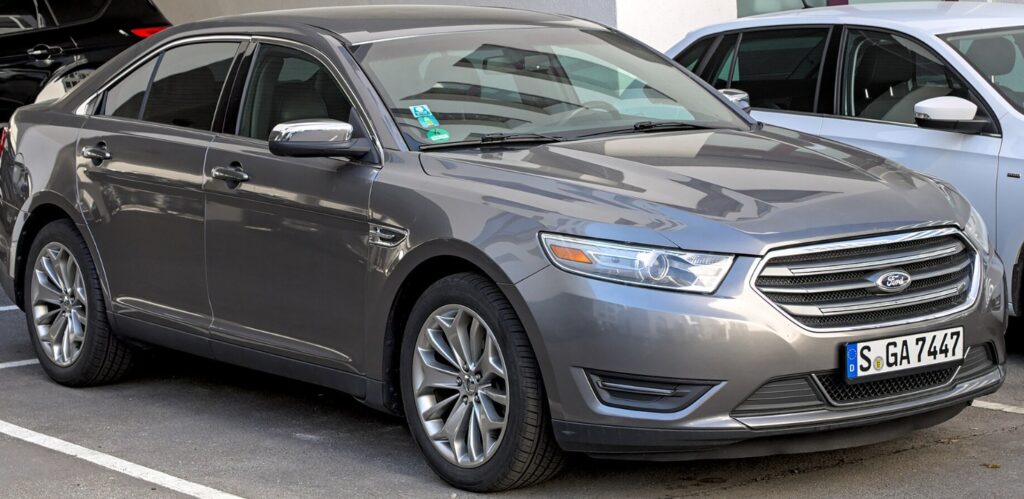
The Ford Taurus has one of the most interesting histories in the American car market. It arrived in the mid-1980s looking as though it had driven in from the future, became one of the best-selling cars in the United States, disappeared briefly, returned as a larger sedan, and eventually left the North American market after more than three decades.
That long timeline creates an obvious question: which Ford Taurus years are actually worth considering?
Not every Taurus was built for the same buyer. Early models focused on aerodynamic design and family practicality. Later versions became softer, roomier cruisers. The final generation moved upmarket, while the Taurus SHO transformed the sensible sedan into something far more energetic.
In this guide, we will explore the Ford Taurus years from the original 1986 model through the final 2019 North American version. We will break down each generation, examine important changes, identify better used-car choices, and discuss the years that deserve extra caution.
Whether we are hunting for an inexpensive commuter, researching a classic SHO, or simply trying to understand the Taurus family tree, this guide puts the full story in one place.
Content in this publication
- What Years Was the Ford Taurus Made?
- Ford Taurus Years at a Glance
- First-Generation Ford Taurus Years: 1986–1991
- Second-Generation Ford Taurus Years: 1992–1995
- Third-Generation Ford Taurus Years: 1996–1999
- Fourth-Generation Ford Taurus Years: 2000–2007
- Fifth-Generation Ford Taurus Years: 2008–2009
- Sixth-Generation Ford Taurus Years: 2010–2019
- Ford Taurus SHO Years Explained
- Best Ford Taurus Years to Buy Used
- Ford Taurus Years to Approach Carefully
- How Long Can a Ford Taurus Last?
- Sedan or Wagon: Which Taurus Body Style Is Better?
- Front-Wheel Drive or All-Wheel Drive?
- How to Choose the Right Ford Taurus Year
- Ford Taurus Pre-Purchase Inspection Checklist
- Is the Ford Taurus a Good Used Car?
- The Legacy of the Ford Taurus Years
- Conclusion: Which Ford Taurus Years Make the Most Sense?
- Frequently Asked Questions
What Years Was the Ford Taurus Made?
The Ford Taurus was sold in North America across two major production periods:
- 1986 through 2007
- 2008 through 2019
There was no 2007-model-year gap in the traditional sense, but the Taurus name briefly disappeared from Ford’s active passenger-car lineup after the older model ended production. Ford then revived the name for 2008 by renaming the Five Hundred sedan.
Across its North American lifespan, the Taurus passed through six generations:
- First generation: 1986–1991
- Second generation: 1992–1995
- Third generation: 1996–1999
- Fourth generation: 2000–2007
- Fifth generation: 2008–2009
- Sixth generation: 2010–2019
Those dates tell only part of the story. Mechanically and stylistically, the Taurus changed so much that a 1989 model and a 2018 model barely seem related. They share a badge, but they belong to completely different automotive eras.
Ford Taurus Years at a Glance
Here is a simplified overview of the Taurus timeline:
| Generation | Model Years | General Character | Notable Versions |
|---|---|---|---|
| First | 1986–1991 | Aerodynamic, innovative family sedan | Early Taurus SHO |
| Second | 1992–1995 | Refined evolution of the original | SHO sedan |
| Third | 1996–1999 | Rounded, controversial styling | V8-powered SHO |
| Fourth | 2000–2007 | Conventional, affordable, comfortable | SES and SEL trims |
| Fifth | 2008–2009 | Large, upright, practical sedan | AWD available |
| Sixth | 2010–2019 | Modern, powerful, more premium | SHO and Police Interceptor |
This overview helps us see that the Taurus was not one continuous formula. It repeatedly changed shape to match shifting customer expectations.
First-Generation Ford Taurus Years: 1986–1991
The first-generation Taurus was introduced for the 1986 model year, and its design represented a dramatic break from the boxy sedans of the early 1980s.
Its rounded body, flush headlights, curved dashboard, and aerodynamic profile looked radical at the time. Today, the styling may appear simple, but in 1986 it was like placing a smooth river stone beside a row of bricks.
Ford offered the Taurus as both a sedan and a station wagon. Most versions used a 3.0-liter V6, although certain models were available with a smaller four-cylinder engine or a larger 3.8-liter V6.
Why the 1986 Taurus Mattered
The 1986 Taurus helped reshape Ford’s passenger-car identity. It was practical enough for families, modern enough to attract younger buyers, and distinctive enough to stand apart from more conservative competitors.
Its influence went beyond sales. Other manufacturers gradually adopted smoother, more aerodynamic styling, making the Taurus an important design landmark.
The Arrival of the Taurus SHO
The Taurus SHO debuted for the 1989 model year. SHO stood for Super High Output, and the car featured a high-revving Yamaha-developed 3.0-liter V6 paired with a manual transmission.
It looked subtle from a distance, yet it delivered performance that surprised drivers who expected an ordinary family sedan. The SHO was a sleeper before the term became common—a business suit hiding running shoes underneath.
First-Generation Years to Consider
Among early Taurus models, the later years are generally more appealing because Ford had time to resolve some first-year production issues.
The following years often attract the most interest:
- 1989, because it introduced the SHO
- 1990, for a more mature version of the original design
- 1991, as the final year of the first generation
Age matters more than the model-year badge when shopping for one today. Rust, neglected cooling systems, worn transmissions, and scarce interior parts can turn a cheap classic into a demanding project.
Second-Generation Ford Taurus Years: 1992–1995
The second-generation Taurus arrived for 1992. Rather than reinventing the car, Ford refined the original recipe.
The exterior became smoother and more polished, while the interior gained a more contemporary layout. The Taurus continued to be available as a sedan and wagon, and it remained an important family car throughout the early 1990s.
These models generally feel softer and more traditional than the first-generation cars. They still carried the aerodynamic theme, but the design was less experimental.
Second-Generation Taurus SHO Models
The SHO continued through this generation, using a Yamaha-developed V6. Manual-transmission versions retained a 3.0-liter engine, while automatic models received a 3.2-liter variant.
For enthusiasts, this period offers an appealing mix of performance, practicality, and understated styling. A clean second-generation SHO can still feel special because it represents a time when Ford quietly placed an exotic-feeling engine into an everyday sedan.
What to Inspect on 1992–1995 Models
These cars are now several decades old, so condition should guide the purchase more than mileage alone.
We should inspect:
- Automatic transmission operation
- Cooling-system condition
- Engine mounts
- Power-steering leaks
- Rust around the rocker panels and wheel arches
- Suspension wear
- Electrical accessories
- Service records
A well-maintained example can remain enjoyable, but an abandoned one may require restoration rather than routine maintenance.
Third-Generation Ford Taurus Years: 1996–1999
The third-generation Taurus was introduced for 1996 with one of the most recognizable designs in the model’s history.
Ford embraced oval shapes almost everywhere. The headlights were oval. The rear window was oval. The dashboard controls followed the same theme. Even the cabin seemed designed with a compass rather than a ruler.
Some buyers appreciated the futuristic appearance, while others found it excessive. That styling controversy has followed the third-generation Taurus ever since.
Sedan and Wagon Versions
Ford continued offering sedan and station-wagon body styles. The wagon remained practical, although the heavily rounded exterior reduced some of the visual simplicity found in earlier versions.
Most standard models used either a 3.0-liter Vulcan V6 or a more advanced 3.0-liter Duratec V6. The Duratec generally offered stronger performance, making it a desirable engine when comparing otherwise similar cars.
The V8 Taurus SHO
For 1996, the SHO changed dramatically. The earlier manual-transmission V6 formula disappeared, replaced by a 3.4-liter V8 and an automatic transmission.
The V8 produced a distinctive sound and gave the SHO a more mature personality. However, these engines became known for potentially serious camshaft sprocket problems. Many enthusiasts address the risk by having the cam sprockets welded.
A V8 SHO with documented preventive work can be fascinating. One without records may be a gamble wrapped in leather seats.
Which Third-Generation Years Are Better?
The 1998 and 1999 Ford Taurus years may be preferable to the earliest 1996 cars because later production models often benefit from small refinements. Still, maintenance history remains critical.
These vehicles can be inexpensive, but low purchase prices do not erase the cost of transmission repairs, cooling-system work, or age-related electrical problems.
Fourth-Generation Ford Taurus Years: 2000–2007
For 2000, Ford softened the controversial oval-heavy design and gave the Taurus a more conventional appearance.
The fourth-generation model was calmer, simpler, and easier on the eyes. Ford retained the basic platform but revised the front and rear styling, redesigned parts of the interior, and improved the car’s overall usability.
This generation became a familiar sight in family driveways, rental fleets, company parking lots, and government fleets. It was not glamorous, but it was practical—more like a dependable pair of work shoes than an expensive watch.
Engines Available From 2000 to 2007
Most fourth-generation models used one of two 3.0-liter V6 engines:
- The Vulcan V6, known for simple construction and modest power
- The Duratec V6, offering better acceleration and stronger performance
The Duratec engine is generally the more satisfying choice, especially for highway driving. The Vulcan can still provide dependable service when maintained properly, but it may feel strained when the car is fully loaded.
Why These Taurus Years Remain Popular
The 2000–2007 Taurus remains attractive in the low-cost used-car market because it offers:
- Comfortable seating
- A spacious trunk
- Affordable replacement parts
- Simple controls
- Broad mechanic familiarity
- Reasonable highway comfort
- Low initial purchase prices
However, these benefits come with an important warning: many surviving cars have passed through several owners and may have received minimal maintenance.
You may be interested in reading Mazda BT-50 Models: Complete Range and Buyer’s Guide
Common Concerns on 2000–2007 Models
Potential issues include:
- Automatic transmission wear
- Coil-spring corrosion or breakage
- Cooling-system leaks
- Air-conditioning problems
- Oil leaks
- Worn suspension components
- Power-steering noise
- Rust in regions that use road salt
- Broken interior trim
- Aging engine and transmission mounts
A pre-purchase inspection is essential. At this age, a poorly maintained Taurus can cost more to repair than its market value.
Best Fourth-Generation Ford Taurus Years
The 2005, 2006, and 2007 models can make sense when they have been maintained well. These later cars benefited from years of production experience, and replacement parts remain relatively accessible.
That does not mean every late model is automatically reliable. A neglected 2007 Taurus may be a worse purchase than a carefully maintained 2002 example with complete service records.
Fifth-Generation Ford Taurus Years: 2008–2009
The Taurus changed direction again for 2008.
Ford had introduced the Five Hundred sedan several years earlier, but the company later renamed it Taurus. As a result, the 2008 Taurus was not a direct redesign of the old 2007 model. It was a different, larger vehicle wearing a familiar badge.
The fifth-generation Taurus featured an upright roof, generous interior room, a large trunk, and a commanding seating position. It felt closer to a sedan shaped by SUV-era preferences.
A Stronger V6 and Six-Speed Automatic
The 2008 and 2009 Taurus used a 3.5-liter V6 paired with a six-speed automatic transmission. This combination offered considerably more power than many earlier standard Taurus models.
Front-wheel drive was standard, while all-wheel drive was available. The AWD option made the Taurus appealing in regions with snow, although it also added mechanical complexity and maintenance needs.
Why the 2008–2009 Taurus Is Often Overlooked
These years tend to live in the shadow of the sharper-looking 2010 redesign. Yet they offer several practical advantages:
- Excellent passenger space
- High seating position
- Good outward visibility
- Large trunk
- Comfortable highway ride
- Available all-wheel drive
- Straightforward controls
The design may not quicken anyone’s pulse, but practicality rarely asks permission to be beautiful.
Are 2008 and 2009 Good Ford Taurus Years?
Both can be reasonable used-car choices. The 2009 model may have a slight advantage simply because it represents the final year of a short production run.
We should still examine the transmission, AWD system, suspension, brakes, wheel bearings, and electrical equipment. On AWD models, consistent tire sizing and proper maintenance are especially important.
Sixth-Generation Ford Taurus Years: 2010–2019
The sixth-generation Taurus debuted for 2010 and gave the nameplate a far more modern identity.
The body became lower, wider, and more dramatic. The interior gained more technology, the available engines grew stronger, and the Taurus moved closer to the full-size premium-sedan category.
This generation was also the last Taurus sold in North America.
2010–2012 Ford Taurus Models
Early sixth-generation cars offered a 3.5-liter V6 in standard versions. The Taurus SHO returned with a twin-turbocharged EcoBoost V6, all-wheel drive, and significantly stronger acceleration.
The standard Taurus focused on comfort, while the SHO attempted to blend executive-sedan refinement with muscular performance.
The 2010 model delivered fresh styling, but as the first year of a major redesign, it can present more uncertainty than later versions. Buyers should carefully test all electronic features and inspect the transmission, cooling system, suspension, and steering.
2013 Ford Taurus Refresh
Ford updated the Taurus for 2013 with revised styling, new technology, and powertrain changes.
A turbocharged four-cylinder engine became available in some versions, while the standard V6 continued. The SHO also received updates while retaining its twin-turbocharged V6 and all-wheel-drive layout.
The refreshed models generally look more polished than the 2010–2012 versions. For many used-car shoppers, 2013 marks the beginning of the more desirable part of the final generation.
2014–2016 Ford Taurus Years
These middle years offer a strong balance between modern equipment and used-car affordability.
Available features could include:
- All-wheel drive
- Heated and ventilated seats
- Adaptive cruise control
- Blind-spot monitoring
- Premium audio
- Navigation
- Rear parking aids
- Power-adjustable seating
- Turbocharged performance in the SHO
The cabin is wide, but the large center console can make the front seating area feel more enclosed than the car’s exterior size suggests. The rear seat is comfortable, although headroom may feel less generous than expected because of the sloping roofline.
2017–2019 Final Taurus Years
The last three North American Taurus model years changed relatively little. By this point, the platform was mature, the available equipment was familiar, and Ford’s attention had begun shifting away from traditional sedans.
The final North American Ford Taurus was produced for the 2019 model year.
Late-production models can be attractive because they combine the newest build dates with the most developed version of the sixth-generation platform. However, newer does not always mean cheaper to own. Advanced electronics, all-wheel drive, turbochargers, and tightly packaged components can raise repair costs.
What Made the Final Taurus Different?
The last Taurus was no longer the simple, lightweight family car that had debuted in 1986. It had become a large, heavy, powerful sedan with a substantial road presence.
In other words, the Taurus grew up, put on a tailored jacket, and stopped pretending it was a basic commuter.
Ford Taurus SHO Years Explained
The SHO badge appeared in several distinct eras:
- 1989–1991: First-generation Yamaha V6 models
- 1992–1995: Second-generation V6 models
- 1996–1999: Third-generation V8 models
- 2010–2019: Twin-turbocharged EcoBoost V6 models
Each SHO generation offers a different personality.
Early SHO models appeal to collectors who appreciate manual transmissions, high-revving engines, and understated 1980s or 1990s styling.
The V8 SHO is unusual and charismatic, but its camshaft-related concerns demand careful research.
The 2010–2019 SHO is dramatically quicker and more sophisticated. It offers all-weather traction and effortless highway power, but ownership costs can rise sharply when turbochargers, the cooling system, transmission, power transfer unit, suspension, or electronics require attention.
Best SHO Years for Different Buyers
For a classic experience, we might seek a clean 1989–1995 SHO, preferably with documented maintenance.
For rarity and personality, a properly sorted 1996–1999 V8 SHO has appeal.
For modern speed, a 2013–2019 SHO may be the strongest all-around choice because it benefits from the refreshed styling and later-generation updates.
No SHO should be purchased solely because it looks inexpensive. Performance cars often hide expensive stories beneath polished paint.
Best Ford Taurus Years to Buy Used
There is no universal best year because budget, intended use, and mechanical tolerance matter. Still, several periods stand out.
Best Budget Years: 2005–2007
Late fourth-generation models are simple, affordable, and widely understood by repair shops. They can work well as basic transportation when rust is limited and maintenance has been consistent.
Their greatest advantage is simplicity. Their greatest risk is neglect.
Best Practical Years: 2008–2009
These models offer excellent cabin space, good visibility, and available AWD. They are especially suitable for drivers who value comfort over sporty handling.
They are often overlooked, which may help buyers find better value.
Best Modern Value: 2013–2016
The refreshed sixth-generation Taurus provides a useful mix of styling, features, performance, and depreciation.
These years are new enough to offer modern convenience without always carrying the higher asking prices of the final models.
You may be interested in readingMazda BT-50 Models: Complete Range and Buyer’s GuideYou may be interested in reading
 Peugeot 206 vs Honda Civic: Which Used Car Is Better?
Best Late-Production Years: 2017–2019
The final Taurus years are attractive for buyers who want the newest possible example. A low-mileage, well-documented 2018 or 2019 model can make a comfortable long-distance sedan.
We should not pay a large premium merely for the model year. Condition and maintenance records remain more important.
Ford Taurus Years to Approach Carefully
Calling a model year “bad” can be misleading. Reliability varies by engine, transmission, maintenance history, climate, mileage, and previous ownership.
Nevertheless, some periods deserve added scrutiny.
1986 and Other Very Early Models
The 1986 Taurus is historically important, but today it is more suitable as a hobby vehicle than a worry-free daily driver. Parts availability, aging materials, rust, and decades of wear are the main concerns.
1996 Models
The 1996 Taurus introduced a major redesign and unusual styling. First-year vehicles can experience teething problems, and surviving examples may now require substantial age-related work.
The 1996 SHO also carries the V8 camshaft sprocket concern shared by that SHO generation.
2000–2003 High-Mileage Cars
These years are not automatically poor choices, but many were used heavily and maintained cheaply. Transmission wear, suspension fatigue, rust, and cooling-system problems can outweigh the low purchase price.
2010 Models
The 2010 Taurus launched the sixth generation. It brought major improvements, but first-year examples should receive a more detailed inspection than later versions.
Electronic features, transmission behavior, steering, cooling performance, and AWD components should all be evaluated carefully.
Neglected EcoBoost SHO Models
Any EcoBoost SHO can become costly when maintenance has been ignored. Oil-change history, cooling-system condition, turbocharger health, transmission behavior, and AWD servicing deserve close attention.
The badge promises speed, but neglected performance hardware can empty a wallet just as quickly.
How Long Can a Ford Taurus Last?
A maintained Ford Taurus can exceed 200,000 miles, but reaching that number depends heavily on the generation and service history.
A simple 3.0-liter V6 Taurus may survive high mileage with routine repairs. A newer SHO may also travel far, but its more complicated powertrain creates additional failure points.
To extend the life of a Taurus, we should prioritize:
- Timely oil changes
- Transmission-fluid service
- Cooling-system maintenance
- Prompt repair of leaks
- Suspension inspections
- Rust prevention
- Correct tire replacement on AWD models
- Quality replacement parts
- Early attention to unusual noises or warning lights
Mileage is only one chapter of the story. A 120,000-mile car with neglected fluids may be riskier than a 180,000-mile car with organized records and careful ownership.
Sedan or Wagon: Which Taurus Body Style Is Better?
Ford offered Taurus wagons through the 2005 model year, giving buyers a practical alternative to the sedan.
The wagon provides:
- More cargo flexibility
- A wide rear opening
- Family-friendly utility
- Distinctive classic appeal
- Greater usefulness for large items
The sedan is easier to find and often has a quieter, more conventional cabin. It may also have fewer trim and body-sealing complications simply because there are fewer cargo-area components.
Today, Taurus wagons are becoming less common. Clean examples may appeal to enthusiasts who enjoy unusual, practical vehicles.
Front-Wheel Drive or All-Wheel Drive?
Most Taurus models used front-wheel drive. All-wheel drive became available on later generations and was standard on modern SHO models.
Front-wheel drive offers:
- Lower mechanical complexity
- Potentially lower maintenance costs
- Fewer drivetrain components
- Good everyday fuel economy
All-wheel drive offers:
- Better traction in snow
- More confident wet-weather acceleration
- Improved power delivery on SHO models
The AWD system should not be treated as maintenance-free. We need to inspect the power transfer unit, rear-drive components, seals, fluid condition, and tire consistency.
For mild climates, front-wheel drive is often the sensible choice. For snowy regions or high-powered SHO ownership, AWD can be worthwhile.
How to Choose the Right Ford Taurus Year
The best Taurus is not necessarily the newest or cheapest. We should begin by defining what we actually need.
Choose a 2000–2007 Taurus When:
- The budget is limited
- Simple transportation is the priority
- Low-cost parts matter
- Advanced technology is unnecessary
- A trusted mechanic has inspected the car
Choose a 2008–2009 Taurus When:
- Interior space is important
- We prefer a high seating position
- A large trunk is useful
- AWD is desirable
- Conservative styling is acceptable
Choose a 2013–2019 Taurus When:
- Modern safety and comfort features matter
- Highway performance is a priority
- We want a more premium cabin
- Higher repair costs fit the budget
- We can verify maintenance history
Choose a Taurus SHO When:
- Performance matters as much as practicality
- We understand generation-specific risks
- Fuel and repair costs are acceptable
- The car has detailed service records
- A specialist can complete the inspection
Ford Taurus Pre-Purchase Inspection Checklist
Before buying any Taurus, we should examine more than the paint and mileage.
Mechanical Checks
- Start the engine when it is cold
- Listen for knocking, ticking, or rattling
- Look for oil and coolant leaks
- Test the transmission in every gear
- Check for delayed engagement
- Inspect engine temperature during the test drive
- Test the brakes for vibration
- Listen for wheel-bearing noise
- Check suspension movement over bumps
- Verify smooth steering assistance
Body and Interior Checks
- Inspect rocker panels and wheel arches for rust
- Look underneath the car for corrosion
- Check the trunk for water intrusion
- Test every window and lock
- Verify climate-control operation
- Test the infotainment system
- Check seat controls
- Inspect warning lights at startup
- Confirm that airbags have not been disabled
- Compare panel gaps for accident damage
Document Checks
- Review service invoices
- Verify the vehicle identification number
- Check title status
- Look for accident history
- Confirm recall work where applicable
- Compare recorded mileage over time
- Ask when the transmission fluid was last serviced
- Request proof of major repairs
A twenty-minute inspection in a parking lot is not enough. A professional pre-purchase inspection can reveal problems that a polished exterior easily hides.
Is the Ford Taurus a Good Used Car?
The Ford Taurus can be a good used car when we choose the right generation and buy based on condition rather than emotion.
Its strongest qualities include:
- Comfortable highway manners
- Spacious seating
- Large trunk capacity
- Affordable prices
- Strong V6 performance in later years
- Available AWD
- Broad selection of trims
- Interesting SHO variants
Its weaknesses include:
- Inconsistent transmission durability across older examples
- Age-related rust
- Limited fuel economy in larger models
- Tight engine-bay packaging on some versions
- Expensive performance-system repairs
- Lower resale demand than some Japanese rivals
- Heavy curb weight in later generations
The Taurus is often a value purchase rather than an aspirational one. That can work in our favor. Because the badge attracts less attention than some competitors, a carefully selected example may provide a great deal of comfort for the money.
The Legacy of the Ford Taurus Years
The Taurus story mirrors the evolution of the American sedan.
The 1986 model arrived when aerodynamic design felt daring. The 1990s versions competed in a crowded family-car market. The 2000s Taurus became affordable fleet transportation. The final generation grew larger and more luxurious just as buyers began moving toward crossovers and SUVs.
By 2019, the Taurus had become a veteran standing at the edge of a changing marketplace.
Its influence should not be measured only by the final sales numbers. The original Taurus helped redefine mainstream car design, the SHO built a cult following, and millions of regular models carried families, commuters, police officers, and business travelers across North America.
Few nameplates have shifted personalities so many times while remaining recognizable.
Conclusion: Which Ford Taurus Years Make the Most Sense?
The Ford Taurus spans more than three decades, so choosing the right year requires more than pointing at the newest car in the listings.
For simple and inexpensive transportation, 2005–2007 models may offer good value when rust and transmission condition are carefully checked.
For maximum space and practicality, the 2008–2009 Taurus deserves more attention than it usually receives.
For a stronger blend of modern design, comfort, technology, and performance, 2013–2019 models are generally the most appealing.
Enthusiasts may prefer an early Yamaha-powered SHO or a later EcoBoost SHO, but these cars demand a larger maintenance budget and a more thorough inspection.
Ultimately, the best Ford Taurus year is the one with the cleanest history, strongest maintenance records, and fewest hidden problems. A well-cared-for Taurus can be a comfortable companion. A neglected one can feel like buying a cheap house with a leaking roof—the price looks attractive until the repairs begin.
Frequently Asked Questions
What Were the Final Ford Taurus Years?
The final North American Ford Taurus belonged to the 2019 model year. Ford ended production as it reduced its traditional sedan lineup and focused more heavily on trucks, SUVs, and crossovers.
What Are the Best Ford Taurus Years?
The 2005–2007 models can be good low-budget choices, while the 2013–2019 Taurus generally offers the best combination of modern features, comfort, and performance. Condition and maintenance history remain more important than the year alone.
Which Ford Taurus Years Had All-Wheel Drive?
All-wheel drive became available on the larger 2008–2009 Taurus and continued as an option on several sixth-generation models. The 2010–2019 Taurus SHO used all-wheel drive as standard equipment.
You may be interested in readingMazda BT-50 Models: Complete Range and Buyer’s GuideYou may be interested in reading
Peugeot 206 vs Honda Civic: Which Used Car Is Better?You may be interested in reading
Opel Corsa vs Peugeot 206: Which Used Hatchback Wins?How Many Generations of the Ford Taurus Were Made?
Six Ford Taurus generations were sold in North America. They covered the 1986–1991, 1992–1995, 1996–1999, 2000–2007, 2008–2009, and 2010–2019 model years.
Is an Older Ford Taurus Worth Buying?
An older Taurus can be worth buying when it has minimal rust, a healthy transmission, a sound cooling system, and documented maintenance. A professional inspection is especially important because repair costs can quickly exceed the value of a neglected car.
If you want to know other articles similar to Ford Taurus Years: Generations, Best Models, and Years to Avoid you can visit the category Models.
BMW i7 vs Porsche Taycan: Luxury EVs With Very Different Personalities
BMW i7 vs 7 Series: Which BMW Flagship Makes More Sense?
BMW i7 vs Mercedes EQS: The Ultimate Luxury EV Comparison
BMW i7 vs M760e: Electric Luxury or Plug-In Hybrid Power?
NFINITI QX60 or Similar: Luxury SUVs Worth Comparing
Infiniti QX60 vs VW Atlas: Which Three-Row SUV Makes More Sense?
Leave a Reply
More content of your interest