
Opel Corsa vs Peugeot 206: Which Used Hatchback Wins?

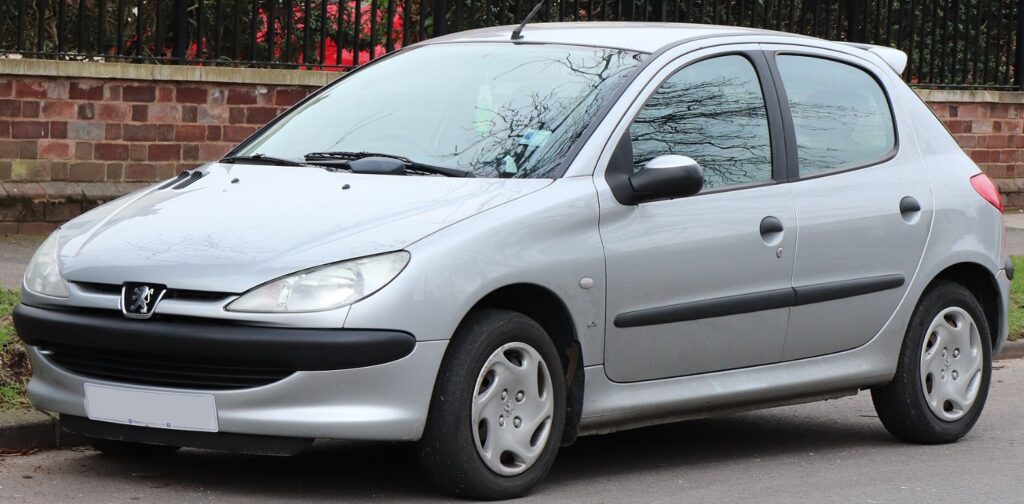
Choosing between the Opel Corsa and Peugeot 206 can feel like deciding between two familiar neighborhood cafés. Both are affordable, compact, easy to recognize, and still common on used-car listings. Yet once we look beyond their similar size and age, they reveal noticeably different personalities.
The Opel Corsa generally feels sensible, sturdy, and straightforward. It is the practical pair of shoes we can wear almost anywhere. The Peugeot 206, meanwhile, brings more visual flair and a lighter, more playful character. It is the stylish jacket we keep reaching for, even when something simpler might be easier.
Both hatchbacks were sold across several generations, with different engines, transmissions, trim levels, and safety equipment depending on the country. For this comparison, we will mainly focus on the versions most frequently encountered on the used market, especially the Opel Corsa C and early Corsa D alongside the Peugeot 206 and 206+.
So, which one makes the better second-hand purchase? Let us compare their design, performance, reliability, running costs, cabin space, safety, and everyday usability.
Content in this publication
- Opel Corsa vs Peugeot 206 at a Glance
- Understanding the Cars We Are Comparing
- Exterior Design: Sensible Shape or French Flair?
- Interior Design and Cabin Quality
- Space and Practicality
- Engine Options and Performance
- Driving Experience
- Ride Comfort and Refinement
- Fuel Economy
- Opel Corsa Reliability
- Peugeot 206 Reliability
- Which Car Is More Reliable?
- Maintenance and Repair Costs
- Transmission Choices
- Safety Comparison
- Visibility and Urban Driving
- Opel Corsa vs Peugeot 206 for New Drivers
- Which Car Is Better for Families?
- Which Car Is Better for Highway Driving?
- Which Car Is More Fun to Drive?
- Which Car Holds Its Value Better?
- Common Buying Mistakes to Avoid
- Used-Car Inspection Checklist
- Opel Corsa Advantages and Disadvantages
- Peugeot 206 Advantages and Disadvantages
- Opel Corsa vs Peugeot 206: Which Should We Buy?
- Final Verdict
- Frequently Asked Questions
Opel Corsa vs Peugeot 206 at a Glance
Before we dig into the mechanical details, here is the basic personality of each car.
| Category | Opel Corsa | Peugeot 206 |
|---|---|---|
| Overall character | Practical and solid | Stylish and playful |
| Ride comfort | Generally composed | Comfortable but sometimes lively |
| Handling | Predictable and stable | Agile and entertaining |
| Interior quality | Functional and durable | Attractive but less consistent |
| Rear-seat space | Usually slightly better | Fair for its size |
| Boot practicality | Competitive | Useful but modest |
| Reliability | Depends heavily on engine and maintenance | Simple versions can be dependable |
| Parts availability | Usually very good | Usually very good |
| Best suited to | Practical daily drivers | Style-conscious urban drivers |
| Main concern | Electrical and timing-related issues on some versions | Rear axle, electrics, and neglected maintenance |
On paper, neither car completely dominates. The winner depends on what we value most.
Understanding the Cars We Are Comparing
The Opel Corsa
The Opel Corsa has long been one of Europe’s most recognizable superminis. Depending on the market, it may also appear under the Vauxhall name. Used examples commonly include the rounded Corsa C, produced during the 2000s, and the larger, more mature Corsa D that followed.
Typical engine options include small petrol units designed for urban use, larger petrol engines for stronger performance, and economical diesel choices. Equipment varies dramatically. A basic Corsa may feel almost agricultural, while a higher trim can include alloy wheels, air conditioning, cruise control, and improved audio systems.
The Peugeot 206
The Peugeot 206 became popular partly because it looked more expressive than many rivals of its era. Its swept-back headlights, compact proportions, and curved body gave it a sense of movement even while parked.
It appeared as a three-door hatchback, five-door hatchback, estate, sedan in selected markets, and the well-known 206 CC convertible. Engine choices ranged from modest petrol units to sporty and diesel-powered alternatives.
The 206 was later updated into the Peugeot 206+, which borrowed styling cues from newer Peugeot models while retaining much of the older car underneath.
Exterior Design: Sensible Shape or French Flair?
Why the Peugeot 206 Still Looks Distinctive
The Peugeot 206 has aged surprisingly well from a styling perspective. It does not look modern in the strict sense, but it still carries a clear identity. Its curved roofline, pointed headlights, and compact tail give it a sporty posture.
Even ordinary versions have a little visual spark. Sportier models, particularly those with larger wheels, spoilers, or body-colored trim, can still catch the eye.
The design is not merely decoration. The compact body makes the 206 easy to place in narrow streets, crowded car parks, and tight driveways. It feels tailor-made for urban environments.
Why the Opel Corsa Looks More Conservative
The Opel Corsa is less adventurous. Most versions favor a taller roof, simpler body lines, and a more upright shape. That restraint can be an advantage. The Corsa often looks neat without trying too hard, and its shape supports better visibility and easier access.
A Corsa may not turn many heads, but it blends into daily life effortlessly. For some buyers, that is exactly the point. A used city car does not need to behave like a fashion accessory. It needs to start every morning, carry shopping bags, and fit into a small parking space.
Exterior Design Winner
The Peugeot 206 wins for visual personality. The Opel Corsa wins for practical proportions and understated appeal.
If we buy with our hearts, the Peugeot may pull us closer. If we buy with a spreadsheet, the Corsa begins to look more persuasive.
Interior Design and Cabin Quality
Inside the Opel Corsa
The Opel Corsa cabin usually prioritizes function over excitement. Controls tend to be logically arranged, the dashboard is relatively easy to understand, and the driving position suits a broad range of people.
Materials are not luxurious, especially in entry-level versions, but many components feel reasonably substantial. Buttons, knobs, and storage areas were generally designed for frequent use rather than visual theatre.
The cabin can look plain, yet plainness ages better than gimmicks. A simple dashboard with working controls is more valuable than a stylish one filled with broken switches.
Inside the Peugeot 206
The Peugeot 206 interior has more character, but it can also feel more cramped and less ergonomically consistent. The dashboard curves attractively around the cabin, and some trims use brighter fabrics or sportier details.
However, the driving position does not suit everyone equally. Some drivers may find the pedal placement, steering wheel position, or seat adjustment slightly awkward. Taller people should test the car carefully before buying.
Interior plastics can also develop rattles with age. That does not necessarily mean the car is mechanically unhealthy, but a noisy cabin can make a cheap hatchback feel older than it really is.
Which Cabin Is Better?
The Opel Corsa usually has the more straightforward interior. The Peugeot 206 offers more design flair but may require greater compromise.
For long-term daily use, we would generally give the Corsa a narrow advantage.
Space and Practicality
Front-Seat Space
Both cars provide enough room for average-sized adults in the front, though the exact experience depends on the generation and body style.
The Opel Corsa often feels taller and airier. Its more upright body helps create useful headroom, while large windows can make the cabin feel less enclosed.
The Peugeot 206 places occupants in a slightly sportier environment. It can feel cozy rather than spacious. Some people will enjoy that sensation, while others may feel hemmed in.
Rear-Seat Accommodation
Neither car is a limousine in miniature. Rear-seat passengers will accept the journey rather than celebrate it.
The Corsa generally offers a little more usable space, especially in five-door form. It is often easier to install a child seat, help a passenger enter, or use the rear seats regularly.
The Peugeot 206 is acceptable for children and shorter trips, but adult passengers may find legroom limited. Three-door models also make rear access less convenient.
Boot Space and Everyday Use
Boot capacity varies by body style and generation, but both cars can handle normal grocery runs, small suitcases, and everyday errands.
The Corsa often benefits from a more squared-off load area. The Peugeot 206 boot is useful, though its shape may be less accommodating for bulky objects.
Folding the rear seats expands cargo room in both vehicles. However, buyers should inspect seat-release mechanisms, boot locks, parcel shelves, and tailgate wiring. Small failures can become surprisingly annoying.
Practicality Winner
The Opel Corsa takes this category. It usually feels more versatile, especially for families, commuters, and anyone who carries passengers regularly.
Engine Options and Performance
Because both cars were produced with numerous engines, there is no single performance verdict. A small 1.0-liter Corsa and a sporty Peugeot 206 are not natural rivals. We must compare equivalent versions.
Small Petrol Engines
Small petrol engines are common in both models. They are attractive because they can be inexpensive to insure, simple to drive, and suitable for city traffic.
However, the smallest engines may feel strained on highways, steep hills, or when carrying several passengers. Acceleration can be patient rather than powerful.
In urban conditions, that may not matter. A light hatchback does not need huge horsepower to feel responsive at low speeds. Yet buyers who regularly travel outside the city should consider a mid-sized petrol engine instead of the absolute entry-level option.
Mid-Range Petrol Engines
Mid-range petrol engines usually offer the best balance. They provide enough power for overtaking, highway driving, and air-conditioned summer journeys without creating the higher costs of a performance model.
The Peugeot 206 often feels livelier because of its steering response and compact dimensions. The Corsa tends to deliver power in a calmer, more predictable way.
Diesel Engines
Diesel versions can return excellent fuel economy, particularly on longer journeys. Older diesel engines may also be mechanically simpler than more modern emissions-heavy designs.
You may be interested in reading Peugeot 206 vs Toyota Yaris: Which Used Car Is Better?
Still, an old diesel is not automatically a bargain. We need to check for:
- Difficult cold starting
- Excessive smoke
- Turbocharger noise
- Injector problems
- Oil leaks
- Weak acceleration
- Neglected timing-belt replacement
- Clutch or dual-mass flywheel wear, where applicable
For drivers who mainly complete short urban trips, a petrol engine is often the safer choice. A diesel only makes sense when the annual mileage and driving pattern justify it.
Driving Experience
How the Opel Corsa Feels on the Road
The Corsa usually feels secure and predictable. Steering may be light at urban speeds, which helps with parking and low-speed maneuvering. On faster roads, the car generally maintains a stable and composed attitude.
It is not necessarily exciting, but excitement is not always a virtue in an aging budget hatchback. Predictability builds confidence.
Ride quality depends on wheel size, suspension condition, and generation. Standard models usually absorb ordinary road imperfections reasonably well. Sportier trims with larger wheels can feel firmer.
How the Peugeot 206 Feels on the Road
The Peugeot 206 often feels more playful. Its compact body and responsive front end can make ordinary roads feel engaging. The steering and chassis give the car a sense of agility that many practical rivals lack.
This character is one of the 206’s strongest qualities. It feels light on its feet, like a small dog darting through an open gate.
However, suspension wear can alter that personality. A tired rear axle, damaged bushings, poor-quality tires, or worn shock absorbers may make the car feel unstable rather than agile.
Handling Winner
The Peugeot 206 wins when it is in good mechanical condition. It offers the more entertaining driving experience.
The Opel Corsa is better for drivers who prefer calm, simple, and predictable road manners.
Ride Comfort and Refinement
Neither model provides modern luxury-car refinement. Wind noise, engine noise, and road noise become noticeable at highway speeds, particularly in basic versions.
The Corsa often feels a little more substantial, especially in later generations. It can isolate passengers more effectively from rough surfaces and general vibration.
The Peugeot 206 is comfortable around town, but its lighter and more playful character can make it feel busier on poor roads. Suspension condition plays a huge role. A well-maintained 206 may ride pleasantly, while a neglected example can crash and rattle over every pothole.
For frequent motorway driving, we would lean toward the Corsa. For short urban trips, either car can work well.
Fuel Economy
Fuel consumption depends on engine size, transmission, body style, traffic, maintenance, tire pressure, and driving habits.
Small petrol versions of both cars can be economical when driven gently. Diesel models may deliver stronger long-distance efficiency, although repair costs can erase fuel savings if major components fail.
The Peugeot 206’s relatively light body can help it achieve good economy. The Opel Corsa is also competitive, particularly with smaller engines.
How to Improve Fuel Economy in Either Car
We can reduce fuel consumption by:
- Maintaining correct tire pressure.
- Replacing clogged air filters.
- Using the correct engine oil.
- Avoiding unnecessary weight.
- Accelerating progressively.
- Fixing warning lights promptly.
- Checking for dragging brakes.
- Keeping wheel alignment within specification.
- Avoiding prolonged idling.
- Servicing the engine at appropriate intervals.
A cheap used car with poor maintenance can consume far more fuel than expected. Economy begins in the workshop before it appears at the fuel pump.
Opel Corsa Reliability
The Corsa can be dependable, but reliability varies significantly between engines and generations. A clean service history is more valuable than a shiny dashboard or freshly polished bodywork.
Potential trouble spots may include:
- Timing-chain noise on certain petrol engines
- Timing-belt neglect on belt-driven versions
- Ignition coil or spark-plug issues
- Electrical faults
- Power-steering problems
- Cooling-system leaks
- Sensor failures
- Clutch wear
- Gear-selection problems
- Suspension knocking
- Central-locking faults
A rattling noise from the engine during cold start should never be ignored. Likewise, warning lights that “come and go” are not charming personality traits. They are invitations to spend money.
What Makes a Corsa a Good Purchase?
A good Corsa should start cleanly, idle steadily, change gears smoothly, and drive without steering or suspension noises. Its cooling fan should operate correctly, and the temperature gauge should remain stable.
Service receipts, timing-system evidence, and a recent inspection can turn an ordinary Corsa into a smart purchase.
Peugeot 206 Reliability
A simple, well-maintained Peugeot 206 can be reliable. Unfortunately, many examples have passed through multiple owners, received inconsistent maintenance, or been repaired as cheaply as possible.
Common areas requiring attention may include:
- Rear axle wear
- Electrical glitches
- Central-locking problems
- Window-regulator failures
- Cooling-system faults
- Ignition coil issues
- Timing-belt neglect
- Oil leaks
- Suspension wear
- Exhaust corrosion
- Clutch wear
- Dashboard warning lights
The Peugeot 206 Rear Axle Issue
One of the most discussed 206 problems involves the rear axle assembly. Wear in the bearings or related components can cause the rear wheels to lean, produce knocking sounds, or create unstable handling.
Stand behind the car and look at the rear wheels. If one or both appear to tilt noticeably inward at the top, further inspection is essential.
A rebuilt or replaced axle does not automatically make the car undesirable. In fact, documented professional repair can be reassuring. The danger lies in buying a car with obvious axle wear and pretending it will somehow repair itself.
Which Car Is More Reliable?
There is no universal winner because condition matters more than the badge. A properly serviced Peugeot 206 is better than a neglected Opel Corsa, and the reverse is equally true.
That said, the Corsa often feels slightly more robust in everyday use. Its practical design and widespread parts supply make it attractive as a low-cost daily car.
The Peugeot can be equally rewarding, but we should inspect its rear suspension and electrical systems carefully.
Maintenance and Repair Costs
Both cars benefit from broad parts availability. Independent garages are generally familiar with them, and many routine service components are affordable.
Common maintenance tasks include:
- Engine oil and filter replacement
- Air-filter replacement
- Spark-plug replacement
- Brake-pad and disc replacement
- Coolant renewal
- Battery replacement
- Tire replacement
- Suspension-bushing replacement
- Timing-belt or timing-chain service
- Clutch replacement
The cheapest car to purchase is not always the cheapest to own. A neglected bargain may need tires, brakes, a clutch, a timing belt, and suspension repairs within months.
Imagine buying a low-priced hatchback and then rebuilding half of it before winter. The attractive purchase price quickly becomes a trapdoor.
Which Is Cheaper to Maintain?
Routine costs are broadly similar. The Corsa may have a slight advantage in some markets because parts and specialist knowledge are exceptionally widespread.
The Peugeot 206 can also be inexpensive to maintain, particularly with a simple petrol engine. However, axle repairs or recurring electrical issues may increase the bill.
Transmission Choices
Manual Transmissions
Manual versions are usually the safest used-car option when the gearbox and clutch are healthy. We should check for:
- A high clutch biting point
- Clutch slipping under acceleration
- Difficulty engaging first or reverse
- Grinding during gear changes
- Gear-lever movement under acceleration
- Unusual whining noises
- Oil leaks around the transmission
A clutch is a wear item, but replacement can still represent a significant percentage of the car’s value.
Automatic and Automated Manual Transmissions
Some versions were offered with conventional automatic or automated manual transmissions. These require more caution.
An automated manual may feel slow or awkward even when functioning normally. If it jerks excessively, delays gear selection, displays warning messages, or refuses to engage a gear, diagnosis can become expensive.
For budget-focused buyers, a conventional manual is usually the simplest choice.
You may be interested in readingPeugeot 206 vs Toyota Yaris: Which Used Car Is Better?You may be interested in reading
 Ford Taurus vs Fusion: Which Ford Sedan Fits You Best?
Safety Comparison
Safety standards evolved considerably during the production lives of both models. Equipment can vary by year, body style, and trim.
Some cars may have only basic airbags and anti-lock braking, while later or higher-spec versions may include additional airbags, electronic stability control, or improved structural protection.
We should check whether the specific car has:
- Driver and passenger airbags
- Side airbags
- Anti-lock brakes
- Electronic stability control
- ISOFIX child-seat points
- Working seat-belt pretensioners
- Undamaged crash structures
- Matching quality tires
A historic safety rating should not be treated as directly equivalent to a modern rating. Testing methods and vehicle standards have changed.
Neither car offers the protection of a newer supermini. Buyers who prioritize safety should consider the newest, best-equipped example they can realistically afford.
Visibility and Urban Driving
The Opel Corsa’s upright body often provides good outward visibility. Its higher seating position can make city driving feel easy and relaxed.
The Peugeot 206 has a lower, sportier sensation. Front visibility is generally good, but the shape of the rear body and small mirrors on some versions may demand more attention while parking.
Both cars are compact enough to thrive in cities. Their narrow bodies fit through gaps that larger modern vehicles approach with the grace of a refrigerator on wheels.
Parking sensors are uncommon on basic examples, but the cars’ modest size means most drivers will not miss them.
Opel Corsa vs Peugeot 206 for New Drivers
Both cars can suit inexperienced drivers because they are compact, relatively easy to maneuver, and commonly available with modest engines.
The Corsa may be the easier car to recommend broadly. Its controls often feel intuitive, the cabin is practical, and its road behavior is predictable.
The 206 can also make an enjoyable first car, especially for someone who values style and responsive handling. However, buyers should pay close attention to insurance costs, previous accident repairs, suspension condition, and modifications.
A standard, unmodified car is usually preferable. Oversized wheels, lowered suspension, loud exhausts, and questionable wiring can convert a simple hatchback into a rolling detective story.
Which Car Is Better for Families?
The Corsa has the advantage for small families, particularly in five-door form. It generally provides easier rear access, useful cabin space, and a practical boot shape.
The Peugeot 206 can manage family duties, but it works better as a second car or an urban runabout than as the household’s only vehicle.
For parents, we should inspect:
- Rear-door child locks
- ISOFIX points, where fitted
- Seat-belt condition
- Airbag warning lights
- Boot-lock operation
- Rear-seat folding mechanisms
- Tire age and quality
The number of cup holders matters less than the condition of the brakes.
Which Car Is Better for Highway Driving?
The Opel Corsa usually feels more settled at higher speeds, particularly in later versions with stronger engines. Its cabin can feel more mature and substantial.
The Peugeot 206 is capable of highway travel, but smaller engines may require planning during overtaking. Wind and road noise can also become tiring on long journeys.
For regular motorway use, choose a mid-range petrol or appropriate diesel engine rather than the smallest available option. Engine condition and gearing matter more than headline horsepower alone.
Which Car Is More Fun to Drive?
The Peugeot 206 wins this round.
A good 206 has a light, energetic character. It changes direction eagerly and can make slow roads interesting without requiring illegal speeds. That quality is rare in many modern small cars, which have become heavier and more insulated.
The Corsa is not unpleasant, but its strengths lie elsewhere. It behaves responsibly. The Peugeot occasionally winks at us.
Which Car Holds Its Value Better?
Used-car values vary by country, engine, trim, mileage, and condition. At this age, depreciation is no longer the dominant cost. Mechanical condition determines value far more strongly.
A well-preserved, low-mileage, documented example may command a premium. Sporty or unusual Peugeot 206 versions can also attract enthusiasts.
For ordinary models, buyers should focus less on future resale value and more on avoiding immediate repair costs. Saving a small amount today is meaningless if the car needs major work next month.
Common Buying Mistakes to Avoid
Choosing by Appearance Alone
A clean exterior can hide mechanical neglect. Fresh paint, shiny tires, and a detailed engine bay prove only that someone knows how to prepare a car for sale.
Ignoring Warning Lights
The seller may claim a warning light is “just a sensor.” Sometimes that is true. Sometimes the sensor is warning us about a real problem.
Skipping the Cold Start
Ask to see the car before the engine has been warmed. Cold starting can reveal chain rattles, smoke, weak batteries, poor idle quality, and injector problems.
Accepting Missing Service History
A missing history does not guarantee disaster, but it increases uncertainty. The purchase price should reflect that risk.
Failing to Inspect Underneath
Rust, leaks, damaged exhaust components, and worn suspension parts may not be visible from above.
Used-Car Inspection Checklist
Before buying either an Opel Corsa or Peugeot 206, check the following.
Body and Exterior
- Uneven panel gaps
- Mismatched paint
- Rust around arches, sills, and underbody
- Cracked lights
- Windscreen damage
- Tire wear patterns
- Damaged wheels
- Water inside the boot
Engine Bay
- Low coolant
- Oil contamination
- Visible leaks
- Cracked hoses
- Battery corrosion
- Untidy aftermarket wiring
- Unusual smells
- Evidence of recent overheating
Interior
- Airbag warning light
- Electric-window operation
- Central locking
- Heater and air conditioning
- Instrument-cluster functions
- Wiper controls
- Horn
- Seat adjustment
- Damp carpets
Road Test
- Smooth cold start
- Stable idle
- Clean acceleration
- Straight braking
- Consistent steering
- Quiet suspension
- Smooth gear changes
- Stable engine temperature
- No smoke under load
Documents
- Vehicle identification number
- Registration details
- Service records
- Timing-system invoices
- Inspection history
- Ownership documentation
- Accident or insurance records where available
Opel Corsa Advantages and Disadvantages
Main Advantages
- Practical cabin layout
- Good parts availability
- Easy urban maneuverability
- Usually predictable handling
- Broad engine selection
- Strong independent-garage support
- Suitable for new drivers
- Competitive running costs
Main Disadvantages
- Some versions suffer timing-system problems
- Electrical faults can appear with age
- Basic interiors feel plain
- Small engines can be slow
- Neglected examples may have steering or suspension issues
- Automatic or automated transmissions require caution
Peugeot 206 Advantages and Disadvantages
Main Advantages
- Distinctive exterior design
- Agile handling
- Light and enjoyable driving feel
- Good urban dimensions
- Wide selection of body styles
- Affordable routine maintenance
- Economical engine choices
- Strong used-parts availability
Main Disadvantages
- Rear axle wear is a major concern
- Driving position may not suit everyone
- Electrical faults are fairly common on older examples
- Cabin materials can rattle
- Rear space is limited
- Many cars have been poorly maintained or modified
Opel Corsa vs Peugeot 206: Which Should We Buy?
We should buy the Opel Corsa when practicality, cabin usability, and predictable ownership matter most. It is generally the easier car to recommend to someone who simply needs dependable daily transport.
We should buy the Peugeot 206 when style, agility, and driving enjoyment carry greater weight. It feels more distinctive and can be genuinely charming when properly maintained.
Condition remains the final judge. A carefully owned Peugeot with service records is a better purchase than an abused Corsa. Likewise, a clean Corsa with documented maintenance is safer than a cheap 206 with a visibly tired rear axle.
Choose the Opel Corsa If We Want:
- A straightforward daily driver
- Better rear-seat usability
- A practical five-door hatchback
- Predictable road manners
- Broad workshop support
- A sensible first car
Choose the Peugeot 206 If We Want:
- More expressive styling
- Lighter, livelier handling
- A fun city car
- A wide choice of body styles
- A car with stronger personality
- A well-maintained bargain
Final Verdict
The Opel Corsa wins the rational argument. It is practical, easy to understand, widely supported, and generally well suited to daily life. For commuters, new drivers, and small families, it is often the safer all-round recommendation.
The Peugeot 206 wins the emotional argument. It looks more distinctive, feels more agile, and brings a touch of character to an otherwise ordinary commute. When maintained correctly, it can be both affordable and enjoyable.
Our overall winner is the Opel Corsa, but only by a narrow margin. It offers the stronger blend of practicality, comfort, and everyday usability.
Still, we would never choose purely by model name. At this age, individual condition outweighs reputation. Buy the car with the cleanest history, healthiest engine, strongest inspection result, and fewest signs of neglect.
A good used hatchback should feel like a reliable friend, not a mystery novel with an invoice hidden in the final chapter.
Frequently Asked Questions
1. Is an Opel Corsa more reliable than a Peugeot 206?
The Opel Corsa may feel more robust overall, but reliability depends heavily on the engine, maintenance history, and condition. Certain Corsas can suffer timing-chain, electrical, steering, or cooling-system issues. The Peugeot 206 can be dependable, though rear axle wear and electrical faults require careful inspection.
2. Is the Peugeot 206 cheaper to run than the Opel Corsa?
Running costs are broadly similar when comparing equivalent engines. Small petrol versions of both cars can be economical. The Peugeot’s lighter body may support good fuel efficiency, while the Corsa may offer easier access to parts and repairs in some markets.
3. Which is better for a first-time driver?
The Opel Corsa is generally the better all-round first car because it feels predictable, practical, and easy to drive. The Peugeot 206 is also suitable, especially for drivers who prefer livelier handling. Insurance, engine size, safety equipment, and condition should influence the final decision.
You may be interested in readingPeugeot 206 vs Toyota Yaris: Which Used Car Is Better?You may be interested in reading
Ford Taurus vs Fusion: Which Ford Sedan Fits You Best?You may be interested in reading
Ford Taurus vs Chevy Impala: Which Sedan Wins?4. What is the biggest Peugeot 206 problem?
Rear axle wear is one of the most important issues to check. Warning signs include leaning rear wheels, knocking noises, uneven tire wear, and unstable handling. Buyers should also inspect the electrical system, cooling system, timing-belt history, and suspension.
5. Should we buy an automatic Opel Corsa or Peugeot 206?
A manual transmission is often the safer choice on an older budget car. Conventional automatics and automated manual gearboxes can become expensive when faults develop. Any automatic version should be tested thoroughly for hesitation, warning lights, harsh shifting, or delayed engagement.
If you want to know other articles similar to Opel Corsa vs Peugeot 206: Which Used Hatchback Wins? you can visit the category Models.
BMW i7 vs Porsche Taycan: Luxury EVs With Very Different Personalities
BMW i7 vs 7 Series: Which BMW Flagship Makes More Sense?
BMW i7 vs Mercedes EQS: The Ultimate Luxury EV Comparison
BMW i7 vs M760e: Electric Luxury or Plug-In Hybrid Power?
NFINITI QX60 or Similar: Luxury SUVs Worth Comparing
Infiniti QX60 vs VW Atlas: Which Three-Row SUV Makes More Sense?
Leave a Reply
More content of your interest