
Are Alfa Romeo Tonale Good Cars? A Complete Owner-Focused Guide

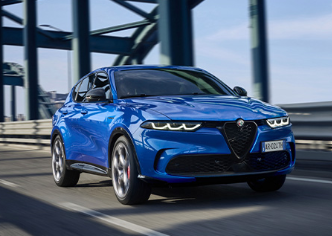
If you have found yourself staring at an Alfa Romeo Tonale and wondering, “Are Alfa Romeo Tonale good cars?”, we understand the hesitation.
The Tonale looks fantastic. It wears Alfa Romeo’s triangular grille, carries unmistakably Italian styling, and offers something refreshingly different from the endless parade of nearly interchangeable compact SUVs. Yet that Alfa Romeo badge also comes with baggage. Mention the brand at a barbecue and somebody will probably tell a story about an unreliable Italian car—even if the story dates back several decades.
So, should we judge the Tonale by history, or by what the vehicle actually delivers today?
The sensible answer lies somewhere in between.
The Alfa Romeo Tonale can be a good compact luxury SUV for buyers who prioritize styling, personality, strong performance, technology, and exclusivity. However, it is not necessarily the strongest choice if our priorities are maximum interior refinement, bulletproof long-term dependability, or the lowest possible ownership costs.
In other words, buying a Tonale is less like buying a refrigerator and more like choosing a beautifully designed espresso machine. Function matters, obviously, but emotion is part of the deal.
Let's dig deeper.
Content in this publication
- So, Are Alfa Romeo Tonale Good Cars Overall?
- What Is the Alfa Romeo Tonale?
- What Makes the Alfa Romeo Tonale Good?
- The Exterior Design Is One of Its Strongest Advantages
- Is the Alfa Romeo Tonale Fun to Drive?
- What About the Tonale Plug-In Hybrid?
- Is the Alfa Romeo Tonale Comfortable?
- Does the Tonale Interior Feel Premium?
- Is the Alfa Romeo Tonale Practical?
- Is the Alfa Romeo Tonale Good on Fuel?
- Are Alfa Romeo Tonales Reliable?
- Should Alfa Romeo's Reliability Reputation Scare Us Away?
- Is the Alfa Romeo Tonale Expensive to Maintain?
- How Good Is the Tonale's Technology?
- What Is the Tonale Like in Everyday Driving?
- Is the Alfa Romeo Tonale a Good Family Car?
- Is the Tonale a Good Car for City Driving?
- How Does the Tonale Compare With German Luxury SUVs?
- What About the Dodge Hornet Connection?
- Should We Buy a New or Used Alfa Romeo Tonale?
- Who Should Buy an Alfa Romeo Tonale?
- Who Should Probably Avoid the Tonale?
- Are Alfa Romeo Tonale Good Cars for Long-Term Ownership?
- Does the Tonale Offer Good Value for Money?
- Final Verdict: Are Alfa Romeo Tonale Good Cars?
- Frequently Asked Questions About the Alfa Romeo Tonale
So, Are Alfa Romeo Tonale Good Cars Overall?
Yes, Alfa Romeo Tonale models are generally good cars, but whether they are good for us depends heavily on what we expect from a compact premium SUV.
The Tonale combines distinctive styling, responsive handling, plenty of technology, all-wheel-drive capability in key versions, and punchy available powertrains. It feels considerably more interesting than many anonymous crossovers.
At the same time, some competitors offer more polished interiors, smoother powertrain calibration, larger cargo areas, broader dealership networks, or stronger historical reputations for reliability.
That distinction matters.
A Toyota buyer asking whether the Tonale is good may arrive at a very different conclusion from someone considering a BMW X1, Mercedes-Benz GLA, Volvo XC40, or another European premium crossover.
The Tonale's strongest argument isn't perfection.
It's personality.
What Is the Alfa Romeo Tonale?
The Tonale is Alfa Romeo's compact crossover SUV, positioned below the larger Stelvio. It represents an important step for the Italian manufacturer because it brings Alfa styling and dynamics into one of the world's most popular vehicle segments.
Depending on model year and market, Tonale configurations have included electrified and conventional turbocharged powertrains. That means we should always check specifications for the specific year and country rather than assuming every Tonale is mechanically identical.
In the United States, for example, the Tonale initially arrived principally as a plug-in hybrid before a turbocharged gasoline version joined the range for the 2025 model year. Car and Driver measured the gasoline Tonale at 268 horsepower and found that its reduced weight made it more entertaining to drive than the heavier hybrid.
That tells us something important about the Tonale as a whole: there isn't one single Tonale experience.
The Tonale's Position in the SUV Market
Although Alfa Romeo presents the Tonale as a premium compact crossover, its competition comes from several directions.
It can overlap with traditional luxury models such as the BMW X1, Mercedes-Benz GLA and Volvo XC40, while also competing indirectly against highly equipped mainstream SUVs.
That creates a difficult balancing act.
Buyers expect an Alfa to feel special because of the badge and styling. Yet once prices climb into premium territory, interior materials, refinement, dealership service and resale value become increasingly important.
The Tonale succeeds brilliantly in certain areas and merely adequately in others.
What Makes the Alfa Romeo Tonale Good?
There is plenty to like here.
The Tonale isn't simply attractive because it has an Alfa badge glued to its nose. Several characteristics genuinely distinguish it from ordinary compact SUVs.
Here's where we think its biggest strengths and weaknesses sit:
- Major strengths: distinctive Italian styling, responsive performance, interesting handling, strong technology, available electrification and relative exclusivity.
- Potential drawbacks: mixed long-term reliability expectations, some less-premium cabin materials, occasional powertrain refinement complaints, dealership availability and ownership costs that may exceed mainstream alternatives.
- Best suited to: drivers who want a stylish premium crossover without choosing the obvious German or Japanese option.
- Less suited to: buyers whose number-one priorities are rock-bottom running costs, maximum cargo capacity or proven decade-long reliability.
Let's examine those points more closely.
The Exterior Design Is One of Its Strongest Advantages
Park a Tonale beside several conventional compact SUVs and it is difficult to confuse one for another.
The familiar Alfa Romeo shield grille, sculpted headlights, muscular rear arches and distinctive wheel designs give the Tonale a strong visual identity.
That sounds superficial until we remember something obvious: we look at our car every day.
A vehicle doesn't need to resemble rolling artwork to be good, but there is value in owning something that makes us glance backwards after parking it.
Why Styling Matters More in This Segment
Compact crossovers are enormously practical, but practical shapes can quickly become generic.
The Tonale avoids that trap.
Where some rivals feel designed by committees armed with spreadsheets, the Alfa feels as though someone actually cared whether the finished product had character.
Naturally, design is subjective. Some buyers prefer understated luxury. But if visual personality sits near the top of our priority list, the Tonale earns serious points.
Is the Alfa Romeo Tonale Fun to Drive?
This is another area where the Tonale's Alfa DNA becomes apparent.
We shouldn't expect a compact crossover to behave like an Alfa Romeo Giulia sport sedan. Physics has not gone on holiday. The Tonale is taller, heavier and designed primarily for everyday practicality.
Nevertheless, it can feel more enthusiastic than many competitors.
Steering response is quick, body control is generally confident, and stronger versions provide enough acceleration to make overtaking effortless.
Car and Driver's testing of the 2025 turbocharged Tonale found particularly encouraging performance. Its 268-horsepower 2.0-liter turbocharged engine sent the vehicle from zero to 60 mph in a tested 5.6 seconds. The publication also described the lighter gasoline model as more communicative and entertaining than the plug-in hybrid.
That is properly quick for a compact crossover.
The Tonale Feels Better When the Road Gets Interesting
A lot of SUVs feel perfectly pleasant until the road begins twisting. Then they remind us that transporting groceries was their primary design brief.
The Tonale tries harder.
Its steering and chassis give it a livelier personality. We can still commute, carry passengers and run errands, but the car doesn't completely fall asleep when we find an empty curved road.
That distinction may sound small. Over several years of ownership, it can be surprisingly meaningful.
Is It a True Performance SUV?
Not really.
Drivers expecting Stelvio Quadrifoglio levels of madness will be disappointed. The Tonale's mission is different.
Think of it as sporty rather than genuinely high-performance.
That is perfectly appropriate for most owners.
What About the Tonale Plug-In Hybrid?
The plug-in hybrid version adds another dimension to the Tonale.
A PHEV can be particularly attractive when our daily journeys are relatively short and we have reliable access to charging. We can complete many local trips using electricity while retaining a gasoline engine for longer journeys.
The hybrid Tonale has also offered substantial combined power. Car and Driver lists the 2025 Tonale Hybrid at 285 horsepower and notes that it provides more than 30 miles of electric-only range under the relevant U.S. test framework.
That creates an appealing compromise between electric commuting and gasoline-powered flexibility.
Is the Hybrid Better Than the Gas Tonale?
Not automatically.
The PHEV delivers electric-driving capability and impressive combined output, but additional batteries and electrical hardware add weight and complexity.
The gasoline Tonale, where available, can therefore feel lighter and more responsive.
Our decision should come down to usage.
If we can charge regularly and most journeys are short, the plug-in hybrid makes significantly more sense.
If we routinely drive long distances without charging, paying extra for PHEV hardware may offer less benefit.
Is the Alfa Romeo Tonale Comfortable?
Generally, yes.
The Tonale's front seats provide a suitably supportive driving position, and the cabin is designed around the driver more deliberately than in many utility-focused SUVs.
Ride comfort can depend on wheel size, suspension specification and road quality. Larger wheels might look spectacular, but there is an old automotive truth hiding underneath all that fashionable alloy: less tire sidewall usually means less cushioning between us and broken pavement.
For everyday driving, however, the Tonale strikes a reasonable balance between sporty control and comfort.
It doesn't float around like a sofa mounted on wheels, but neither should it punish us during the school run.
This is where opinions become more complicated.
The dashboard has attractive shapes, digital instrumentation looks modern, and Alfa-specific design elements give the cabin some personality.
But buyers stepping directly from certain German or Swedish luxury competitors may notice that some materials don't feel quite as expensive as expected.
Car and Driver has similarly argued that rivals including the BMW X1, Mercedes-Benz GLA and Volvo XC40 can provide a more convincing premium atmosphere.
You may be interested in reading Do Alfa Romeos Break Down a Lot? A Realistic Reliability Guide
That doesn't make the Tonale interior bad.
It simply means style and luxury aren't exactly the same thing.
Driver-Focused Design Helps the Cabin
Fortunately, the Tonale earns back points through layout.
Alfa Romeo understands that the steering wheel should feel like the center of the experience rather than an inconvenient object mounted in front of an enormous tablet.
The instrument cluster, controls and driving-mode elements reinforce the feeling that the vehicle was designed around someone who actually enjoys driving.
That's refreshing.
Is the Alfa Romeo Tonale Practical?
For most small families, couples and urban drivers, yes.
We get five seats, a hatchback cargo area and crossover proportions that make getting in and out easier than in a low sports sedan.
The Tonale works well for groceries, luggage, everyday commuting and occasional road trips.
But buyers who regularly carry bulky cargo should compare measurements carefully.
The Tonale prioritizes compact dimensions and styling over maximum box-like storage efficiency.
Rear Seat Space
Adults can use the rear seats comfortably enough for normal journeys, although the Tonale isn't designed to imitate a large family SUV.
If we routinely carry three adults across the back seat, or have several child seats to accommodate, a physically larger model may be more sensible.
For two adults up front and children or occasional passengers behind, however, its packaging is entirely workable.
Is the Alfa Romeo Tonale Good on Fuel?
The answer depends heavily on the powertrain.
PHEV owners who charge frequently may use remarkably little gasoline during day-to-day driving. Someone commuting a modest distance and plugging in every night may go long stretches without visiting a fuel station.
Drivers who never charge a plug-in hybrid eliminate much of that advantage.
Meanwhile, gasoline Tonales trade electrical complexity for simplicity but aren't necessarily fuel-economy champions. The U.S.-spec 2025 turbo model was EPA-rated at 24 mpg combined, with 21 mpg city and 29 mpg highway, according to Car and Driver's published specifications.
So we shouldn't buy a gasoline Tonale expecting Prius-like thriftiness.
Its appeal revolves more around performance and character.
Are Alfa Romeo Tonales Reliable?
This may be the biggest question surrounding the entire vehicle.
And the most responsible answer is: the Tonale is too young for us to describe its decade-long reliability with the same confidence we could apply to vehicles with twenty years of ownership data.
That distinction matters enormously.
Alfa Romeo historically carries a weaker reliability reputation than brands such as Toyota or Lexus, but simply applying decades-old stereotypes to a modern vehicle isn't particularly useful either.
We should evaluate actual service history, recalls, warranty coverage and owner experiences for the individual model year we're considering.
The Tonale Has Had Recalls
Prospective used buyers should check recall completion by VIN rather than assuming every Tonale is affected—or unaffected.
For example, a U.S. recall filed in 2025 covered certain 2023-2025 Tonale vehicles because the rearview-camera image could fail to display while reversing. NHTSA documentation identified more than 8,000 Tonales within the affected population.
There have also been brake-pedal-related recalls affecting particular production ranges. NHTSA documentation for recall 24V-752 described certain 2024-2025 Tonales that could have a brake pedal assembly capable of collapsing under braking. A subsequent recall filing also covered some 2024 Tonale PHEVs.
Those are meaningful safety issues, but a recall doesn't automatically mean every example is defective forever. Recall campaigns exist specifically so manufacturers can identify affected vehicles and remedy them.
For a used Tonale, verifying that outstanding recalls have been completed is essential.
Should Alfa Romeo's Reliability Reputation Scare Us Away?
Not by itself.
Reputation is useful context, not a verdict.
Modern cars share suppliers, software platforms, transmissions, electronics and engineering resources across enormous global automotive groups. The old image of a temperamental Italian car sitting beside the road with smoke emerging from the bonnet shouldn't automatically define every new Alfa Romeo.
Still, buyers who intend to own a Tonale for 10 or 15 years should approach the purchase differently from someone leasing one for three.
We would want comprehensive service records, a clean diagnostic scan, confirmation of recall work and, ideally, warranty protection during the early ownership period.
Why Maintenance History Matters
A well-maintained Alfa is usually a much safer proposition than a neglected one bought cheaply because somebody ignored warning lights for six months.
European vehicles can be unforgiving when previous owners treat maintenance as optional.
That means the cheapest Tonale on a used-car marketplace may not actually be the cheapest Tonale to own.
Sometimes saving $3,000 at purchase is simply borrowing a $5,000 problem from the future.
Is the Alfa Romeo Tonale Expensive to Maintain?
Compared with mainstream compact SUVs, we should generally expect somewhat higher ownership costs.
Premium-brand labor rates, specialized parts and lower dealership density in some regions can raise expenses.
However, the Tonale isn't an exotic supercar. Routine servicing shouldn't resemble maintaining a Ferrari.
In the United States, Car and Driver lists the factory limited and powertrain warranties on the 2025 Tonale at four years or 50,000 miles, with one year or 10,000 miles of complimentary maintenance. Coverage varies by market and model year, so buyers should verify the exact terms applicable to their vehicle.
A useful rule is simple: budget like we are buying a European premium crossover, not a budget commuter car.
How Good Is the Tonale's Technology?
Technology is one of the Tonale's stronger areas.
The digital instrument display gives the cabin a contemporary appearance, while the central infotainment system handles the functions buyers now expect from a modern crossover.
Smartphone integration, navigation features, cameras and driver-assistance technology vary with trim and market.
Most importantly, Alfa resisted the temptation to make the entire cabin dependent on one giant touchscreen.
Some physical controls remain, which is a small victory for anyone who has ever tried adjusting a touchscreen climate menu while bouncing along a rough road.
Driver Assistance and Safety Technology
The Tonale offers a strong selection of modern assistance systems.
Depending on specification, features include technology such as automated emergency braking, adaptive cruise control, blind-spot monitoring, rear cross-traffic alert and lane assistance. Car and Driver notes many of these systems as standard on U.S.-market hybrid models, with equipment such as a 360-degree camera available depending on configuration.
We should still remember that driver-assistance systems assist the driver; they do not replace one.
What Is the Tonale Like in Everyday Driving?
Perhaps the best thing we can say about the Tonale is that normal journeys don't feel completely anonymous.
Steering is responsive. The cockpit surrounds us rather nicely. Acceleration is strong in the more powerful versions. And when we park it, there is something interesting to look at.
Yet there are imperfections.
In its testing of the gasoline Tonale, Car and Driver observed some hesitation and roughness from the nine-speed automatic at low speeds, particularly around initial acceleration and shifts between drive and reverse. Once moving more quickly, the publication found the drivetrain significantly more responsive.
That's the sort of detail a ten-minute test drive can reveal.
We wouldn't buy one without driving it in traffic, parking it, reversing it and accelerating from several low-speed situations.
Is the Alfa Romeo Tonale a Good Family Car?
For a small family, absolutely.
Its crossover ride height makes loading children easier than with a low sedan, while the rear hatch gives us useful flexibility.
Safety and assistance equipment are competitive, and the vehicle is small enough to navigate crowded cities without feeling like we're captaining a container ship.
The biggest question is space.
Families carrying multiple children, strollers, sports equipment and holiday luggage simultaneously might outgrow it.
A Tonale can handle family life.
It simply isn't trying to be a seven-seat family bus.
Is the Tonale a Good Car for City Driving?
Arguably, urban use is one of its natural habitats.
Its dimensions make parking manageable, while the elevated driving position provides the visibility people expect from a crossover.
A plug-in hybrid can be especially attractive for urban commuting when regular charging is available because short journeys can potentially be completed largely on electricity.
You may be interested in readingDo Alfa Romeos Break Down a Lot? A Realistic Reliability GuideYou may be interested in reading
 How Many Miles Can a BMW M4 Last? A Realistic Longevity Guide
One caveat is low-speed drivetrain refinement. Depending on version, stop-and-go traffic may reveal hesitation or abruptness that isn't noticeable during faster driving.
Again, testing the exact car matters more than reading specifications.
How Does the Tonale Compare With German Luxury SUVs?
This is where purchase decisions become particularly interesting.
A BMW X1 may feel more polished and spacious. A Mercedes-Benz GLA brings a more established luxury badge. Other rivals might deliver stronger resale value or more extensive dealer coverage.
So why buy the Alfa?
Because the Tonale brings something intangible.
It feels different.
That might sound like marketing nonsense until we drive three silver premium crossovers in one afternoon and struggle to remember which dashboard belonged to which one.
The Alfa has identity.
For some buyers, that matters more than having the softest plastic on the lower half of the dashboard.
What About the Dodge Hornet Connection?
North American shoppers will quickly discover that the Tonale shares significant architecture with the Dodge Hornet.
That can seem alarming if we expected every component beneath the Alfa's bodywork to have descended directly from an Italian racing car.
But platform sharing is normal in the modern automobile industry.
What matters is whether the Alfa delivers enough styling, chassis tuning, equipment, brand appeal and ownership experience to justify its positioning.
Car and Driver has been critical of the pricing relationship between the Tonale PHEV and Dodge Hornet, arguing that the mechanically related Dodge can offer similar capabilities for less money.
That's a fair consideration.
We shouldn't pay thousands extra merely because the badge makes our heart beat faster without first understanding what additional value we're receiving.
Should We Buy a New or Used Alfa Romeo Tonale?
Buying new provides warranty coverage, the latest production improvements and fewer questions about how the previous owner treated the car.
Buying used can potentially be much more attractive financially, particularly if depreciation has already removed a substantial chunk of the original price.
A well-priced used Tonale could therefore become a very compelling premium crossover.
But inspection matters.
We would verify the service history, confirm all recall work, scan the vehicle electronically, inspect the tires and brakes and test every major electrical feature.
The more complicated the powertrain, the more important that inspection becomes.
What Should We Check Before Buying a Used Tonale?
Service documentation comes first.
Then we should check the VIN for outstanding safety recalls using the appropriate national recall database. In the United States, NHTSA allows owners and shoppers to search by VIN to determine whether safety recalls remain outstanding.
We should also verify charging operation on PHEV models, inspect the infotainment system for glitches, listen for suspension noises, test the transmission from cold and make sure no dashboard warning lights are present.
A pre-purchase inspection from a qualified independent Alfa Romeo or European-car specialist can be money well spent.
Who Should Buy an Alfa Romeo Tonale?
The Tonale works best for somebody who looks at a row of conventional compact SUVs and thinks, “They're all perfectly sensible, but none of them make me want one.”
That's the Tonale buyer.
We want practicality, but not at the cost of personality.
We appreciate good steering.
We enjoy Italian design.
We don't necessarily require the biggest boot or lowest projected maintenance cost in the segment.
And we're willing to accept a little uncertainty in exchange for driving something less common.
Who Should Probably Avoid the Tonale?
Buyers seeking maximum predictability may feel more comfortable elsewhere.
If our absolute priorities are the strongest possible long-term reliability record, gigantic dealer coverage, minimal maintenance expenses and extremely strong resale values, there are safer conventional choices.
Likewise, anyone expecting the Tonale to provide Porsche-level driving dynamics simply because it wears an Alfa Romeo badge should recalibrate expectations.
It's a compact crossover with sporty character.
Not a disguised supercar.
Are Alfa Romeo Tonale Good Cars for Long-Term Ownership?
This remains the Tonale's biggest unanswered question.
The model hasn't existed long enough to produce the enormous pool of ten- and fifteen-year durability data available for older crossovers.
That doesn't mean the Tonale will age badly.
It means we don't yet have enough evidence to confidently declare it a 200,000-mile champion.
If we're planning extended ownership, preventative maintenance becomes especially important.
Fluids, tires, software updates, batteries, recall campaigns and warning lights should be addressed promptly rather than postponed.
Treat the car properly, and we give it the best opportunity to return the favor.
Does the Tonale Offer Good Value for Money?
Value is highly dependent on price.
At full premium pricing, the Tonale competes against extremely accomplished vehicles. That's difficult territory because shoppers can compare everything from material quality to dealership experience.
At an attractive transaction price or as a carefully selected used vehicle, however, the equation changes.
Suddenly we're getting Italian styling, strong performance and unusual road presence for money that may overlap with much more ordinary vehicles.
That's where the Tonale can become genuinely interesting.
Don't Confuse Value With Cheapness
The cheapest SUV isn't necessarily the best value.
Likewise, the most expensive premium crossover isn't automatically the best.
Value is what we receive relative to what we spend.
If driving enjoyment and design matter to us, the Tonale can provide value that a technically excellent but emotionally bland alternative simply can't.
Final Verdict: Are Alfa Romeo Tonale Good Cars?
Yes, Alfa Romeo Tonale models can be very good cars for the right buyer.
Their greatest strengths are easy to understand: beautiful design, distinctive character, impressive available performance, a driver-focused cabin and useful crossover practicality.
Their compromises are equally real.
Some rivals feel more luxurious inside. Certain Tonale powertrains could be smoother around town. Alfa Romeo's historical reliability reputation still makes cautious shoppers nervous, and the model remains too young for definitive long-term durability conclusions. Specific production years have also been subject to safety recalls, making VIN checks important when buying used.
So should we buy one?
If we want the compact SUV equivalent of sensible shoes, probably not.
If we want something practical that still has a pulse, the Tonale deserves a test drive.
Cars don't always have to be purchased exclusively with calculators. Sometimes we want the vehicle in our driveway to make us feel something.
The Alfa Romeo Tonale does that better than many crossovers.
And for the right owner, that might be precisely what makes it a good car.
Frequently Asked Questions About the Alfa Romeo Tonale
1. Is the Alfa Romeo Tonale reliable?
It is still too early to make a definitive judgment about extremely long-term Tonale reliability because the model is relatively young. Buyers should focus on maintenance history, warranty coverage and recall status rather than relying solely on Alfa Romeo's historical reputation.
2. Is the Alfa Romeo Tonale expensive to maintain?
Maintenance is likely to cost more than it would for many mainstream compact SUVs, particularly where Alfa Romeo dealership or specialist coverage is limited. However, the Tonale is still a mass-produced premium crossover rather than an exotic vehicle, so routine maintenance shouldn't automatically be prohibitively expensive.
3. Is the Alfa Romeo Tonale a luxury car?
Yes, the Tonale is positioned as a premium compact SUV. However, some competitors from BMW, Mercedes-Benz and Volvo may offer richer cabin materials or greater overall refinement. The Tonale distinguishes itself more through Italian styling and driving personality.
You may be interested in readingDo Alfa Romeos Break Down a Lot? A Realistic Reliability GuideYou may be interested in reading
How Many Miles Can a BMW M4 Last? A Realistic Longevity GuideYou may be interested in reading
 Is Nissan X-Trail a Good Car? An In-Depth Buyer’s Guide
4. Is the Alfa Romeo Tonale good for families?
Yes. The Tonale offers five seats, practical hatchback access, useful safety technology and manageable exterior dimensions. It works particularly well for smaller families, although buyers needing maximum cargo or rear-seat room may prefer a larger SUV.
5. Is an Alfa Romeo Tonale worth buying used?
A used Tonale can be attractive if the price reflects depreciation and the vehicle has been properly maintained. Before purchasing, we should check the service records, verify outstanding recalls by VIN, test all electronics and powertrain functions, and ideally arrange an independent pre-purchase inspection.
If you want to know other articles similar to Are Alfa Romeo Tonale Good Cars? A Complete Owner-Focused Guide you can visit the category Blog.
How Long Do Audi A6 Engines Last? A Complete Longevity Guide
Kia Carnival Quality: Is It Really a High-Quality Family Vehicle?
How Long Nissan X-Trail Last? Lifespan and Mileage Guide
Are Nissan X-Trail Reliable? A Complete Reliability Guide
Is Nissan X-Trail a Good Car? An In-Depth Buyer’s Guide
How Many Miles Can a BMW M4 Last? A Realistic Longevity Guide
Leave a Reply
More content of your interest