

Which Audi A6 to Buy? The Complete Buyer’s Guide

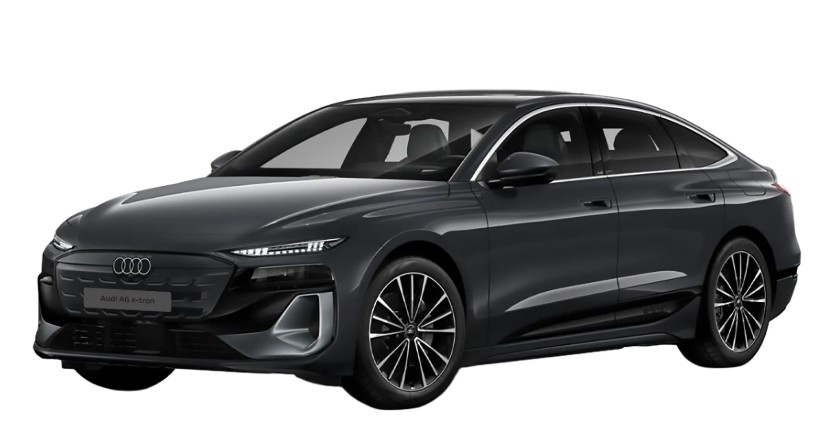
Choosing which Audi A6 to buy sounds simple until we actually start shopping. Then Audi throws generations, engine codes, quattro systems, S tronic gearboxes, diesels, petrols, Avants, Allroads, S lines, and enough option packages at us to make the decision feel like ordering coffee from a menu written by German engineers.
The good news? We can simplify it.
The Audi A6 has long occupied one of the sweetest spots in the luxury-car market. It delivers much of the refinement of the flagship A8 without its enormous dimensions or equally enormous running costs. At the same time, it feels noticeably more substantial than an A4.
But not every A6 makes an equally smart purchase.
Some versions are wonderfully balanced. Others are magnificent when working but potentially painful when neglected. And when we're buying used, condition and maintenance history can matter even more than mileage.
So, which Audi A6 should we buy?
For most used-car shoppers, our sweet spot is a well-maintained late C7/C7.5 Audi A6 from roughly 2015–2018, particularly a sensible 2.0 TDI, 2.0 TFSI, or carefully inspected 3.0 TDI depending on driving habits. Buyers wanting newer technology should look toward a later C8, preferably avoiding the earliest production cars unless their histories and updates are thoroughly documented.
Let's break down exactly why.
Content in this publication
- Which Audi A6 Is Best to Buy Overall?
- Understanding the Audi A6 Generations Before Buying
- Audi A6 C7: The Used-Buyer Sweet Spot
- Which Audi A6 Engine Should We Buy?
- Which Petrol Audi A6 Should We Buy?
- Audi A6 Diesel vs Petrol: Which Makes More Sense?
- Should We Buy quattro?
- Which Audi A6 Gearbox Is Best?
- Which Audi A6 C8 Should We Buy?
- Should We Buy a New Audi A6?
- Audi A6 Sedan vs Avant: Which Should We Buy?
- Is an S Line Audi A6 Worth Buying?
- Which Audi A6 Should Enthusiasts Buy?
- How Much Mileage Is Too Much for an Audi A6?
- What Should We Check Before Buying an Audi A6?
- Which Audi A6 Should We Avoid?
- What Is the Most Reliable Audi A6 to Buy?
- Which Audi A6 Offers the Best Value?
- Which Audi A6 Would We Buy With Our Own Money?
- Final Thoughts: Which Audi A6 to Buy?
- Frequently Asked Questions
Which Audi A6 Is Best to Buy Overall?
There isn't one universal answer because the best A6 for a motorway commuter isn't necessarily the best one for somebody driving five miles through town every morning.
Nevertheless, we can narrow the range dramatically.
For the typical used buyer who wants luxury without taking unnecessary mechanical risks, we'd lean toward a 2015–2018 C7.5 facelift A6 with a complete service history.
Why?
By this stage Audi had refined an already mature platform. The cabin still looks expensive, the cars drive beautifully, and the mechanical package is less digitally overwhelming than later generations.
The C7 also sits in an interesting depreciation window. It's old enough that somebody else has absorbed most of the original purchase-price hit, yet good examples still feel remarkably modern.
Think of it as buying yesterday's business-class cabin for today's economy-class money.
Our Quick Audi A6 Buying Verdict
Here is how we'd divide the range:
| Buyer | Audi A6 we'd consider |
|---|---|
| Best overall used buy | 2015–2018 C7.5 |
| Best economical motorway car | 2.0 TDI |
| Best petrol all-rounder | Later 2.0 TFSI |
| Best effortless performer | 3.0 TDI quattro |
| Best newer used A6 | Later C8 |
| Best family version | A6 Avant |
| Best poor-weather choice | quattro |
| Best brand-new choice | Current-generation A6 |
| Best enthusiast option | S6 |
| Best to approach carefully | Early, poorly maintained examples of any generation |
That table only tells half the story, though. Engine, transmission, mileage, usage and history can completely change the equation.
Understanding the Audi A6 Generations Before Buying
Knowing Audi's internal generation codes makes shopping much easier.
The A6 lineage stretches back decades, but most buyers today will realistically be considering the C6, C7, C8 or latest generation.
Audi A6 C6: The Budget Luxury Choice
The C6 generation comes from the mid-2000s era when Audi interiors seemed carved from granite.
Good examples can still be lovely cars. They're comfortable, stable at motorway speeds and surprisingly sophisticated considering their age.
But we're now dealing with old luxury cars.
That distinction matters.
A cheap A6 isn't necessarily a cheap car to own. Suspension components, electronics, cooling systems, transmissions and diesel-emissions equipment may all require attention.
We'd consider a C6 primarily for buyers who understand older German vehicles, have access to a good independent Audi/VW specialist and aren't frightened by preventative maintenance.
Should We Buy a High-Mileage C6?
Mileage alone wouldn't scare us.
A 150,000-mile A6 that spent its life cruising motorways and received proper maintenance can sometimes be a better proposition than an 80,000-mile car that survived years of short journeys and missed services.
Documentation wins.
If receipts form a folder thick enough to use as a doorstop, we're interested.
If the seller says, “My mate serviced it whenever it needed something,” we're considerably less excited.
Audi A6 C7: The Used-Buyer Sweet Spot
Now we reach arguably the most attractive generation.
The C7 A6 combines excellent cabin quality, mature styling, strong motorway refinement and a broad engine selection without feeling excessively dated.
It was produced through most of the 2010s and later received a substantial facelift commonly called the C7.5.
The C7 isn't flawless. Reported areas worth checking include diesel EGR and DPF equipment, petrol-engine oil consumption on some earlier cars, cooling-system components, front suspension wear and transmission servicing. Front-wheel-drive versions equipped with Audi's Multitronic CVT deserve particularly careful scrutiny.
Still, find the correct specification with genuine maintenance history and the C7 can be a tremendous executive car.
Why We Prefer the Facelift C7.5
Whenever our budget allows it, we'd usually move toward the facelift.
Later cars benefit from numerous detail improvements while keeping the fundamentals that make the C7 appealing.
They also tend to look fresher today. Headlights, bumpers, infotainment and cabin details received updates, allowing the facelift model to pass for a considerably newer car.
More importantly, shopping later in a generation often gives us the advantage of years of production development.
That's generally something we like when buying complicated luxury machinery.
Which Audi A6 Engine Should We Buy?
This is where things become interesting.
The badge on the boot tells us surprisingly little about whether the car suits our lifestyle.
Instead we should ask: How will we actually use it?
Somebody doing 20,000 motorway miles annually has very different requirements from somebody making short urban journeys.
Audi A6 2.0 TDI: Best for High-Mileage Drivers
For long-distance drivers, the four-cylinder diesel remains one of the logical A6 choices.
It may not possess the silkiness of the six-cylinder engines, but the combination of strong low-end torque and economical motorway cruising makes enormous sense.
The 2.0 TDI is particularly appealing if we're using the A6 as Audi probably imagined it: covering huge distances while barely disturbing the driver.
However, modern diesel engines dislike endlessly pottering around town.
DPFs need suitable driving conditions to regenerate, while EGR systems accumulate deposits. Later emissions systems can introduce additional components and potential expenses.
The C7 2.0 TDI is generally regarded as robust when maintained correctly, but EGR and DPF issues become more relevant on cars subjected primarily to short journeys.
So if our weekly driving consists largely of ten-minute trips, we wouldn't automatically choose diesel just because the advertised fuel economy looks attractive.
Audi A6 3.0 TDI: The Tempting Choice
Ah, the 3.0 TDI.
This is one of those engines that can make us wonder why anyone needs anything else.
Smooth power, muscular torque and effortless motorway acceleration transform the A6. Add quattro and the result becomes a formidable long-distance machine.
Overtaking feels less like an event and more like changing lanes.
But there's a catch.
A V6 diesel is more complicated and potentially more expensive to repair than the humble four-cylinder alternative. Timing-chain and tensioner concerns are among the issues worth investigating on used examples, especially at higher mileages. Cold-start noises therefore deserve attention during an inspection.
Would we buy one?
Absolutely—if its history is excellent.
Would we buy the cheapest 3.0 TDI on a classified site?
Absolutely not.
Which Petrol Audi A6 Should We Buy?
Petrol makes increasingly strong sense for buyers covering moderate annual mileage.
The A6's TFSI engines provide smooth, quiet performance and avoid some of the emissions-system considerations associated with modern diesels.
But again, model year matters.
2.0 TFSI: The Sensible Petrol
For many drivers, a later 2.0 TFSI represents the best petrol balance.
It is lighter and generally less intimidating to own than Audi's larger performance engines while still giving the A6 enough performance for everyday driving.
Early versions of Audi's EA888-family engines have developed a reputation for issues including excessive oil consumption, with later versions receiving improvements. Cooling-system and water-pump problems are also worth investigating on used examples.
This is another reason we're particularly attracted to later C7 cars rather than automatically chasing the cheapest early model.
Should We Buy an Audi A6 V6 Petrol?
If fuel costs aren't our priority, the V6 petrol options have enormous appeal.
You may be interested in reading What Audi A6 Is Supercharged? Complete Model and Engine Guide
Their character suits the A6 wonderfully. The car becomes smooth, quiet and seriously quick without necessarily advertising the fact to everyone on the street.
Yet stronger performance generally means higher costs elsewhere.
Fuel, tyres, brakes, insurance and potentially maintenance all move upward.
The question isn't whether we can afford to buy one.
It's whether we'll still enjoy paying for it two years later.
Audi A6 Diesel vs Petrol: Which Makes More Sense?
Forget the old assumption that diesel is automatically the intelligent choice.
We need to match the powertrain to our actual driving.
If we're covering huge motorway mileage, diesel can still make excellent sense.
If most trips are short, irregular or urban, petrol may save headaches despite using more fuel.
Our decision should therefore be based on driving pattern rather than simply annual fuel-cost calculations.
A diesel saving a few hundred pounds or dollars in fuel isn't a bargain if its emissions hardware spends its life unhappy.
Should We Buy quattro?
Audi and quattro go together like winter and heated seats.
But do we need it?
Not necessarily.
Quattro adds tremendous traction, particularly in wet, icy or snowy environments. It can also make powerful versions of the A6 feel exceptionally secure when accelerating.
For buyers living in regions with difficult winters or regularly encountering poor road conditions, we'd happily seek it out.
Drivers in mild climates may decide the extra mechanical complexity isn't essential.
Does quattro Make an A6 More Reliable?
Not automatically.
It's a traction advantage, not a reliability guarantee.
Additional drivetrain hardware introduces additional components that need correct maintenance.
Our preference would always be a perfectly maintained front-wheel-drive car over an abused quattro.
Bad maintenance cannot be cured by four driven wheels.
Which Audi A6 Gearbox Is Best?
Transmission choice matters almost as much as engine choice on an older A6.
Audi has used several gearbox designs depending on generation, engine and drivetrain.
The key lesson is straightforward: don't judge an automatic merely by whether it changes gear smoothly during a five-minute test drive.
Maintenance history matters enormously.
S tronic: Brilliant When Properly Maintained
Audi's dual-clutch S tronic transmission can deliver beautifully fast changes and helps make the A6 feel surprisingly responsive for such a large car.
But maintenance shouldn't be treated as optional.
We'd want evidence of appropriate gearbox servicing and would pay attention to hesitation, rough low-speed behaviour, inconsistent engagement or other unusual shifting symptoms.
Used-car guides frequently identify mechatronics and clutch-related problems as areas to investigate on S tronic-equipped C7s.
A gearbox behaving strangely isn't “just how Audis drive.”
It's a reason to investigate.
What About Multitronic?
This is where we'd become more cautious.
Multitronic was Audi's continuously variable transmission used on certain front-wheel-drive models. Older examples have acquired a reputation for potentially expensive faults.
That doesn't mean every Multitronic A6 is doomed.
It means we'd demand exceptionally convincing evidence of proper maintenance and flawless operation before buying one.
Given two otherwise similar used A6s, we'd generally choose the one with the drivetrain carrying fewer question marks.
Which Audi A6 C8 Should We Buy?
The C8 generation pushed the A6 firmly into the digital age.
Its cabin looks considerably more futuristic than the C7, with multiple displays, sophisticated driver-assistance systems and a more technology-heavy architecture.
It feels like stepping from an expensive hotel room into the cockpit of a private aircraft.
Great when everything works.
Potentially less amusing when it doesn't.
Should We Avoid Early C8 Cars?
We wouldn't automatically avoid them, but we'd inspect them more carefully.
Early C8 cars introduced substantially more electronics and mild-hybrid technology. Reports surrounding some early cars have focused on electrical and 48-volt system concerns, among other issues.
Therefore, when prices are reasonably close, we'd generally prefer a later-production C8 with comprehensive Audi or specialist maintenance records and evidence that applicable updates, campaigns and repairs have been completed.
This isn't unusual advice.
First-year cars often carry more risk simply because they're the first versions of complicated new platforms.
Best C8 for Everyday Ownership
For normal driving, we wouldn't automatically chase the biggest engine.
A mid-range four-cylinder petrol or diesel can provide enough performance while retaining the refinement people buy an A6 for in the first place.
The V6 options are wonderful, but buying more engine than we need is an easy way of turning an executive-car bargain into an expensive hobby.
Should We Buy a New Audi A6?
The answer changed significantly with the latest generation.
In the United States, Audi introduced an all-new ninth-generation A6 sedan for the 2026 model year. It uses a 3.0-liter turbocharged V6 producing 362 hp and 406 lb-ft, paired with a seven-speed S tronic transmission and standard quattro. Audi quotes 0–60 mph in 4.5 seconds.
That's serious performance for the regular A6.
Audi subsequently announced mid-model-year 2026 updates covering infotainment, steering-wheel controls, voice functions and driver-assistance technology. New 2026 Audis in the U.S. also include scheduled maintenance for three years or 30,000 miles under Audi Signature Care.
Specifications vary substantially by country, though. For example, Audi's 2026 Mexican-market technical sheet lists 2.0-liter four-cylinder versions with both front-wheel drive and quattro configurations.
That illustrates an important point when researching which Audi A6 to buy: recommendations have to account for regional engine availability.
Audi A6 Sedan vs Avant: Which Should We Buy?
The sedan is classic executive transport.
Elegant, understated and aerodynamic, it looks equally comfortable parked outside an office tower or crossing a continent.
The Avant, however, is arguably the more complete car.
We retain almost everything good about the sedan while adding substantially more practical cargo space.
For families, dog owners, cyclists, golfers or anyone tired of playing luggage Tetris, the Avant deserves serious consideration.
Should We Buy an A6 Allroad?
The Allroad takes the Avant formula and adds extra ground clearance, rugged styling and greater versatility.
It's a niche choice, but a compelling one.
For 2026 in the U.S., the A6 Allroad continues with a 3.0-liter six-cylinder TFSI producing 335 hp, paired with quattro and S tronic.
Used examples can make excellent alternatives to SUVs.
Just remember that equipment such as sophisticated suspension systems can add expense as the car ages.
Is an S Line Audi A6 Worth Buying?
This question causes more disagreement than we'd expect.
S line cars usually look fantastic.
Larger wheels, sportier styling and more aggressive trim transform the conservative A6 into something much sharper.
You may be interested in readingWhat Audi A6 Is Supercharged? Complete Model and Engine GuideYou may be interested in reading
 Alfa Romeo Tonale vs Dodge Hornet: Which SUV Is Better?
But visual aggression doesn't always improve daily comfort.
Big wheels mean thinner tyres. Thinner tyres mean less cushioning against potholes. Replacement tyres generally cost more too.
If we're buying an A6 because we want serene motorway comfort, the standard or moderately specified suspension might actually suit us better.
Sometimes the “boring” specification is secretly the clever one.
Which Audi A6 Should Enthusiasts Buy?
For performance-minded buyers, the hierarchy changes.
Now we're looking beyond efficiency and concentrating on character.
An A6 with a strong V6 already moves extremely quickly. An S6 moves the conversation much further.
Then we reach the RS6, which is practically its own universe.
The 2026 U.S.-market RS6 Avant Performance, for example, produces 621 hp and 627 lb-ft from its 4.0-liter V8.
That's magnificent.
It's also irrelevant to somebody wondering how cheaply they can commute.
Buy an RS6 because you specifically want an RS6—not because it happens to share part of its name with the sensible A6.
How Much Mileage Is Too Much for an Audi A6?
There is no magic number.
We wouldn't automatically reject an A6 at 100,000 miles.
Nor would we automatically trust one at 50,000.
Luxury cars age according to how they're treated.
Motorway mileage can be comparatively gentle. Engines stay warm, transmissions aren't constantly cycling through low gears and suspension components avoid endless potholes and speed bumps.
By contrast, low-mileage cars aren't immune from problems caused by short journeys, long storage periods or neglected servicing.
Service History Matters More Than the Odometer
This deserves emphasis.
We'd rather buy a 110,000-mile A6 with invoices showing oil changes, transmission servicing, cooling-system work and preventative repairs than a suspiciously cheap 65,000-mile example with three stamps and a seller shrugging at every question.
Maintenance history tells us how somebody regarded the car.
That's priceless information.
What Should We Check Before Buying an Audi A6?
An A6 deserves a proper inspection, especially once it reaches the age where depreciation makes it look temptingly affordable.
Our pre-purchase priorities would be:
- Verify the complete service history, including engine-oil and transmission servicing where applicable.
- Start the engine completely cold and listen for unusual rattles, knocking or prolonged mechanical noise.
- Test every electronic feature, including climate control, infotainment, cameras, seat functions and driver-assistance systems.
- Drive the transmission at low and high speeds, checking for hesitation, shuddering or abrupt changes.
- Look for coolant and oil leaks and ask about unusual oil consumption.
- Inspect suspension and tyres, particularly uneven tyre wear or knocking over rough roads.
- Check diesel emissions equipment carefully if considering a TDI.
- Scan the car electronically, ideally using Audi/VAG-compatible diagnostic equipment.
- Verify recalls and manufacturer campaigns against the individual VIN.
- Pay for an independent pre-purchase inspection if the car is expensive enough that one major repair could erase whatever saving attracted us to it.
That final step may be the best money we spend.
Which Audi A6 Should We Avoid?
We hesitate to declare entire years “bad” because individual condition varies dramatically.
Instead, we'd avoid types of cars.
A neglected A6 with missing history is more concerning than a particular badge or registration year.
We're especially cautious about suspiciously cheap luxury cars.
Why?
Because depreciation reduces purchase price much faster than it reduces repair complexity.
A $70,000 car that eventually becomes a $15,000 used car hasn't suddenly acquired $15,000-car suspension, electronics or engineering.
It remains an expensive machine wearing an inexpensive price tag.
Cheap Audi A6 vs Expensive Audi A6
Imagine two otherwise similar cars.
One costs $2,500 more but has impeccable history, four matching premium tyres, clean diagnostics and documented gearbox maintenance.
The cheaper example needs tyres, hasn't had the transmission serviced and produces a mysterious warning light every third Tuesday.
Which is actually cheaper?
Usually the expensive one.
That's the paradox of buying older premium cars: spending more initially can save considerably more later.
What Is the Most Reliable Audi A6 to Buy?
If reliability is our overriding priority, simplicity becomes valuable.
We'd look toward a later-generation, moderately powered model with excellent documentation rather than the most powerful, heavily optioned version we can afford.
For C7 shoppers, the facelift period is particularly attractive.
A carefully maintained 2.0 TDI can work brilliantly for high-mileage driving, while a later 2.0 TFSI makes more sense for drivers who don't give diesel emissions equipment regular long-distance exercise.
If we want a 3.0 TDI, we'd budget more aggressively for maintenance and inspection.
The engine's effortless torque is addictive, but mechanical complexity doesn't disappear merely because the car feels wonderful from behind the wheel.
Which Audi A6 Offers the Best Value?
The best value isn't necessarily the cheapest model.
It's the point where depreciation, technology, condition and potential repair exposure intersect.
That's why the C7.5 remains so appealing.
It feels luxurious enough to satisfy almost anybody, looks modern enough not to scream “old car,” and can cost dramatically less than a new premium sedan.
A later C8 can represent similarly strong value for buyers willing to spend more upfront for updated technology.
But as technology increases, our insistence on a clean diagnostic scan should increase with it.
Which Audi A6 Would We Buy With Our Own Money?
If we wanted the sensible choice, we'd hunt for an exceptionally maintained 2015–2018 C7.5, choosing the engine according to our mileage.
For lots of motorway driving, we'd seriously consider the 2.0 TDI.
For lower annual mileage and more short-distance use, we'd gravitate toward a later petrol model.
If we wanted effortless performance and accepted higher potential running costs, the 3.0 TDI quattro would be dangerously tempting.
For somebody with a larger budget who values modern cabin technology, we'd move into a later C8 rather than buying the earliest example simply to access the newer shape.
And if buying new in a market where the latest-generation A6 is available, we'd evaluate it separately from the older C8. The 2026 U.S. car, for instance, represents an entirely new ninth-generation sedan rather than merely another refresh.
Final Thoughts: Which Audi A6 to Buy?
The best Audi A6 isn't necessarily the newest, fastest or cheapest one.
It's the car whose specification fits our life and whose previous owner treated it properly.
For most used buyers, the facelift C7/C7.5 remains one of the strongest combinations of price, luxury and maturity. The 2.0 TDI suits regular long-distance driving, while later petrol versions can be smarter for lower-mileage ownership. The 3.0 TDI quattro is arguably the charismatic sweet spot if we're prepared for greater maintenance exposure.
The C8 delivers the digital experience buyers expect from a modern luxury sedan, but we'd generally favour later cars with strong histories rather than blindly purchasing the cheapest early example.
And whatever generation catches our eye, one principle sits above everything else:
Buy the history before buying the specification.
A basic A6 maintained obsessively will usually bring us more satisfaction than a fully loaded bargain that's been mechanically forgotten.
Luxury cars are a little like tailored suits. The badge gets our attention, but the fit determines whether we'll actually enjoy living with one.
Frequently Asked Questions
1. Which Audi A6 is the best one to buy used?
For many buyers, a well-maintained 2015–2018 C7.5 facelift Audi A6 represents the sweet spot. It combines modern equipment and excellent refinement with substantial depreciation from its original price. Engine choice should still depend on whether we primarily drive long distances or short urban journeys.
2. Which Audi A6 engine is the most reliable?
There's no completely trouble-free A6 engine. A properly serviced four-cylinder engine usually offers a more manageable ownership proposition than the more complicated high-output alternatives. A 2.0 TDI can be excellent for frequent long-distance use, while later 2.0 TFSI versions can make more sense for lower-mileage drivers.
3. Is the Audi A6 3.0 TDI worth buying?
Yes, provided we find one with excellent maintenance history and have it professionally inspected. The 3.0 TDI offers effortless torque and suits the A6 brilliantly, particularly with quattro, but potential repairs can be more expensive than those associated with simpler four-cylinder versions.
4. Should we buy an Audi A6 with more than 100,000 miles?
Potentially. Mileage should be judged alongside maintenance history, driving conditions and overall condition. A well-maintained motorway-driven A6 with 110,000 miles may be a better purchase than a neglected 70,000-mile example. A pre-purchase diagnostic scan and mechanical inspection become particularly valuable at higher mileage.
You may be interested in readingWhat Audi A6 Is Supercharged? Complete Model and Engine GuideYou may be interested in reading
Alfa Romeo Tonale vs Dodge Hornet: Which SUV Is Better?You may be interested in reading
Alfa Romeo Tonale vs Stelvio: Which Italian SUV Is Better?5. Is a C7 or C8 Audi A6 better to buy?
The C7 is generally the stronger value choice, particularly for buyers prioritizing purchase price and somewhat simpler technology. The C8 delivers a substantially more modern cabin and newer technology but introduces additional electronic complexity. If choosing a C8, we'd favour later examples with comprehensive maintenance records and verified software, recall and campaign history.
If you want to know other articles similar to Which Audi A6 to Buy? The Complete Buyer’s Guide you can visit the category Models.
Honda Passport vs Toyota 4Runner: Which SUV Is Better?
Honda Passport vs Ford Bronco: Which SUV Is Better?
Honda Passport vs Ford Explorer: Which SUV Is Better?
Honda Passport or Pilot: Which SUV Is Better?
Honda Passport vs Jeep Grand Cherokee: Which SUV Is Better?
Honda Passport vs Nissan Pathfinder: Which SUV Is Better?
Leave a Reply
More content of your interest