

Mitsubishi Pajero Sport Reliability: Is It a Dependable SUV?

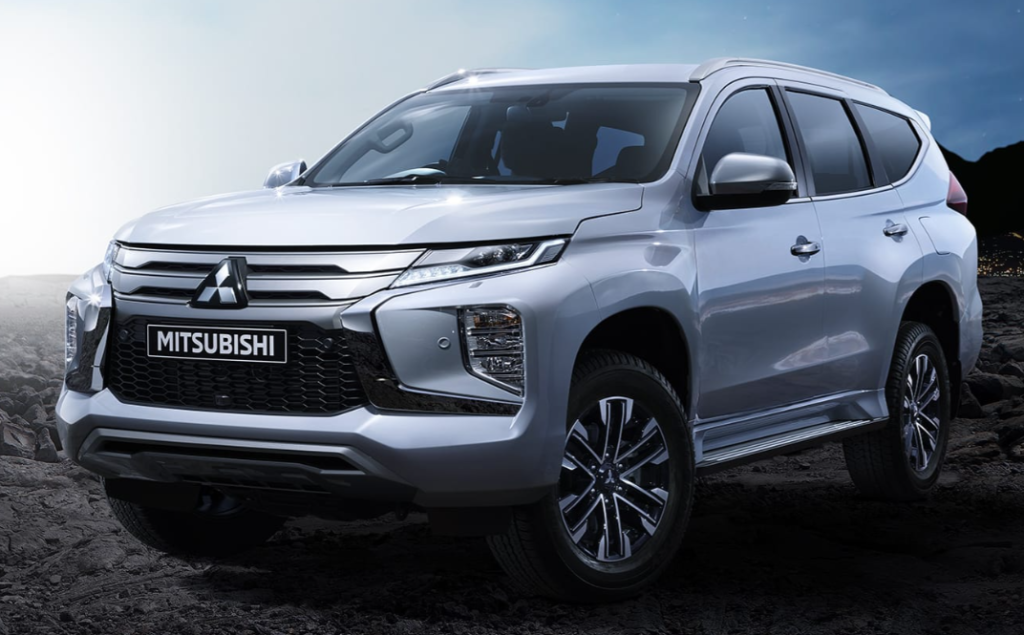
When we start researching Mitsubishi Pajero Sport reliability, one question quickly rises above everything else: can this rugged seven-seat SUV actually handle years of family driving, towing, road trips, and off-road adventures without becoming a permanent resident at the mechanic?
For the most part, the Pajero Sport has built a reputation around toughness rather than sophistication. It is based on heavy-duty pickup-truck engineering, uses proven diesel technology in many markets, and offers a proper four-wheel-drive system instead of simply looking like an off-roader.
That does not make it indestructible.
Like any modern diesel SUV, the Pajero Sport has components that dislike neglect. Diesel particulate filters, automatic transmissions, cooling systems, batteries, sensors, suspension parts, and emissions equipment can all create headaches when servicing is delayed.
The important distinction is this: many Pajero Sport problems are strongly connected to maintenance, usage patterns, mileage, and previous ownership rather than being universal catastrophic faults.
So, is the Mitsubishi Pajero Sport reliable?
Generally, yes. A well-maintained example can be a dependable long-term SUV, especially for owners who service it properly and occasionally give the diesel engine the longer journeys it prefers.
Let's dig deeper.
Content in this publication
- How Reliable Is the Mitsubishi Pajero Sport?
- Mitsubishi Pajero Sport Engine Reliability
- Mitsubishi Pajero Sport DPF Reliability
- Mitsubishi Pajero Sport Transmission Reliability
- Super Select 4WD Reliability
- Mitsubishi Pajero Sport Suspension Reliability
- Mitsubishi Pajero Sport Electrical Reliability
- Cooling System Reliability
- How Long Can a Mitsubishi Pajero Sport Last?
- Is a High-Mileage Pajero Sport Reliable?
- Are Older Mitsubishi Pajero Sport Models Reliable?
- Common Mitsubishi Pajero Sport Reliability Concerns
- Does the Pajero Sport Have Serious Engine Problems?
- Mitsubishi Pajero Sport Reliability for Towing
- Mitsubishi Pajero Sport Reliability Off Road
- Pajero Sport Maintenance Costs and Reliability
- How to Make a Mitsubishi Pajero Sport More Reliable
- Used Mitsubishi Pajero Sport Reliability Checklist
- Pajero Sport vs Modern Crossover Reliability
- Is the Mitsubishi Pajero Sport Expensive to Maintain?
- Who Should Buy a Mitsubishi Pajero Sport?
- So, Is the Mitsubishi Pajero Sport Reliable?
- Final Thoughts on Mitsubishi Pajero Sport Reliability
- Frequently Asked Questions About Mitsubishi Pajero Sport Reliability
How Reliable Is the Mitsubishi Pajero Sport?
The Mitsubishi Pajero Sport sits in an interesting part of the SUV market.
It is not really designed like a soft-road crossover. Underneath the family-friendly body sits a ladder-frame chassis derived from Mitsubishi's Triton/L200 pickup platform. That foundation matters because it was engineered with demanding work, towing, rough roads, and four-wheel-drive use in mind.
From a reliability perspective, that gives the Pajero Sport several advantages.
The drivetrain is relatively conventional, the diesel engines have been widely used, and Mitsubishi has decades of experience building rugged 4WD vehicles.
Still, reliability depends heavily on which Pajero Sport generation, engine, transmission, and market we are discussing.
A five-year-old SUV with complete servicing and mostly highway mileage can be dramatically different from an identical-looking vehicle that has spent its life towing heavy caravans through heat and dust.
What Makes the Pajero Sport Mechanically Tough?
Several characteristics work in its favor:
- Strong ladder-frame construction
- Proven four-cylinder diesel engines
- Traditional automatic transmission design
- Genuine low-range four-wheel drive on many versions
- Relatively straightforward mechanical architecture
- Robust suspension designed for challenging roads
- Large global owner base and parts availability in many markets
None of these guarantees reliability, but together they create a solid foundation.
Think of the Pajero Sport like a good pair of hiking boots. They're built for punishment, but even the toughest boots eventually fall apart if we never clean them, dry them, or replace worn soles.
Mitsubishi Pajero Sport Engine Reliability
Engine reliability is probably the biggest concern for anyone considering a used Pajero Sport.
Modern versions in many markets use Mitsubishi's 2.4-liter turbo-diesel engine, commonly associated with the 4N15 engine family.
It balances reasonable fuel economy with enough torque for a large SUV.
When properly serviced, the engine itself can provide strong longevity. However, the supporting systems surrounding a modern turbo-diesel require more attention than the simple diesel engines found in old-school 4WDs.
Is the 2.4 Diesel Engine Reliable?
In general, the 2.4-liter diesel is considered a durable engine when maintenance requirements are respected.
The areas we would pay particularly close attention to include:
- Correct engine oil specification
- Regular oil and filter changes
- Cooling-system condition
- Turbocharger lubrication
- Injector performance
- DPF operation
- Intake contamination
- Service history
Oil deserves special attention.
Turbocharged diesel engines operate under considerable heat and pressure. Old, contaminated, or incorrect oil can gradually increase wear in the turbocharger and internal engine components.
Skipping an oil change might save money today. Unfortunately, diesel engines have a habit of presenting the bill much later—with interest.
Why Service History Matters More Than Mileage
Imagine two Pajero Sports.
One has travelled 180,000 km but has meticulous servicing records. The other has covered only 90,000 km, yet its owner regularly exceeded maintenance intervals and used it almost exclusively for short urban journeys.
Which one would we rather buy?
Quite often, the higher-mileage vehicle.
Mileage tells us how far a vehicle has travelled. Maintenance tells us how it travelled.
Mitsubishi Pajero Sport DPF Reliability
The diesel particulate filter deserves its own discussion because it is one of the most misunderstood components in modern diesel vehicles.
The DPF traps soot produced by diesel combustion. Eventually, the vehicle needs to burn that soot away through regeneration.
Normally, this happens automatically when operating conditions allow it.
Problems begin when they don't.
Why Short Trips Can Cause DPF Problems
If a Pajero Sport spends almost all its time making five-minute trips around town, the exhaust may not remain hot enough for regeneration to complete properly.
Repeated interrupted regeneration cycles can eventually contribute to excessive soot accumulation.
Possible warning signs include:
- DPF warning lights
- Frequent regeneration
- Higher fuel consumption
- Increased idle speed
- Cooling fans operating unexpectedly
- Reduced engine performance
- Limp-home mode in severe cases
The DPF itself is not necessarily evidence that the Pajero Sport is unreliable. It is simply part of modern diesel ownership.
Someone regularly driving 100 km on the highway may never think about the DPF.
Someone commuting three kilometres through traffic every morning may become intimately familiar with it.
How We Can Reduce DPF Trouble
Regular longer drives help the exhaust system reach the conditions necessary for regeneration.
Owners should also avoid ignoring warning lights. Continuing to drive indefinitely with a heavily loaded DPF can turn a manageable issue into an expensive repair.
Mitsubishi Pajero Sport Transmission Reliability
Many Pajero Sport models use an eight-speed automatic transmission.
Generally, the gearbox provides smooth operation and helps keep engine speeds low during highway driving.
But automatic transmissions are not magic boxes filled with lifetime fluid and optimism.
They still depend on lubrication, correct operating temperatures, and proper servicing.
Common Transmission Warning Signs
During a used Pajero Sport test drive, we would watch for:
- Delayed engagement into Drive or Reverse
- Harsh gear changes
- Unusual vibration
- Transmission hesitation
- Excessive flaring between shifts
- Warning lights
- Fluid leaks
- Strange noises while changing gear
A slight difference in shifting behavior does not automatically mean the gearbox is failing. Software adaptations, operating temperature, towing history, fluid condition, and drivetrain wear can all influence how it feels.
Still, obvious hesitation or violent gear changes deserve investigation before purchase.
Does Towing Affect Reliability?
Absolutely.
The Pajero Sport is frequently purchased because owners want to tow caravans, boats, or trailers.
That is exactly the sort of work it was designed to perform, but towing creates additional heat and load.
The transmission, cooling system, brakes, suspension, and engine all work harder.
A Pajero Sport that has spent years towing close to its permitted limit deserves a more thorough inspection than one used primarily for commuting.
Super Select 4WD Reliability
One of the Pajero Sport's most attractive features in many specifications is Mitsubishi's Super Select four-wheel-drive system.
Depending on the model and market, it can offer multiple drive modes suitable for paved roads and loose terrain.
For adventurous owners, this is one of the reasons to choose the Mitsubishi rather than a conventional crossover.
Can the 4WD System Cause Problems?
Like any four-wheel-drive system, neglect can create problems.
We would check whether:
- 4WD modes engage correctly
- Dashboard indicators behave normally
- There are no drivetrain warning lights
- Transfer-case operation feels smooth
- Differential oils have been maintained
- There are no unusual clunks or vibrations
A vehicle that has rarely used its four-wheel-drive system can occasionally develop sticking actuators or engagement issues.
Ironically, mechanical systems sometimes benefit from actually being used.
Mitsubishi Pajero Sport Suspension Reliability
A ladder-frame SUV has different priorities from a road-focused crossover.
The Pajero Sport's suspension is built to cope with imperfect roads, heavier loads, towing, and off-road conditions. However, suspension components remain consumable items.
As kilometres accumulate, owners may eventually encounter worn:
- Shock absorbers
- Bushings
- Ball joints
- Wheel bearings
- Steering components
- Anti-roll-bar links
These are not necessarily design failures.
Rubber bushings, bearings, and dampers simply wear.
You may be interested in reading Peugeot RCZ Engine Swap: Options, Costs, Compatibility, and What You Need to Know
How Off-Road Driving Changes the Equation
A Pajero Sport used on rocky tracks deserves an underbody inspection.
We should look for evidence of:
- Impact damage
- Bent protection plates
- Scraped differentials
- Damaged suspension components
- Mud accumulation
- Corrosion
- Leaking shock absorbers
A little dirt underneath is expected.
A differential housing that looks as though it lost an argument with a boulder is something else entirely.
Mitsubishi Pajero Sport Electrical Reliability
Modern Pajero Sports contain far more electronics than the rugged Mitsubishi 4WDs of decades past.
We have infotainment systems, cameras, parking sensors, electronic safety aids, keyless entry systems, climate controls, driver-assistance features, and multiple computers communicating with one another.
Most work quietly in the background.
Occasional electronic glitches, however, can happen.
Battery Condition Can Cause Strange Symptoms
A weak 12-volt battery can create surprisingly confusing behavior in modern vehicles.
Drivers may encounter intermittent warning lights, slow starting, malfunction messages, or electronics behaving strangely.
Before assuming that multiple vehicle systems have simultaneously failed, checking battery health and charging voltage can be worthwhile.
Infotainment and Touchscreen Issues
Some owners may encounter infotainment problems such as:
- Slow response
- Bluetooth connection issues
- Frozen screens
- Smartphone integration problems
- Rebooting
- Touchscreen responsiveness issues
Software resets or updates may solve certain problems, while others can require further diagnosis.
They are annoying, certainly, but an infotainment glitch is very different from an engine reliability problem.
Cooling System Reliability
Cooling systems receive surprisingly little attention when people discuss reliability.
Yet overheating is one of the fastest ways to turn a perfectly good engine into a very expensive piece of garage decoration.
We would periodically inspect:
- Coolant level
- Radiator condition
- Cooling hoses
- Reservoir condition
- Water-pump leaks
- Radiator cap
- Cooling fans
Vehicles regularly used for heavy towing deserve particular attention.
High temperatures, steep climbs, trailers, and hot weather combine to place substantial demands on the cooling system.
How Long Can a Mitsubishi Pajero Sport Last?
There is no universal expiration mileage.
A properly maintained Pajero Sport can potentially remain useful well beyond 200,000 km, and higher-mileage examples are certainly possible.
But asking how many kilometres one can last is a little like asking how long a house lasts.
Which house?
Maintained how?
In what climate?
A carefully serviced vehicle doing long highway journeys faces a very different life from an SUV driven through deep water, heavy mud, extreme heat, constant short trips, and maximum-weight towing.
What Determines Pajero Sport Longevity?
The biggest influences are usually:
- Maintenance quality
- Oil-change history
- Driving conditions
- Towing frequency
- Off-road usage
- DPF management
- Cooling-system maintenance
- Transmission servicing
- Corrosion exposure
- Previous-owner behavior
A complete service history can therefore be worth more than shiny paint or oversized aftermarket wheels.
Is a High-Mileage Pajero Sport Reliable?
It can be.
High mileage should encourage inspection rather than immediate rejection.
A well-maintained Pajero Sport with 160,000 km can still have considerable life remaining, while a poorly maintained example with half that distance can become troublesome.
At higher mileage, though, we should budget for normal age-related maintenance.
Suspension bushes, wheel bearings, hoses, batteries, brake components, engine mounts, and other wear items eventually need replacement.
That's ownership, not necessarily unreliability.
Highway Kilometres vs City Kilometres
Long highway journeys can actually be relatively gentle on a diesel vehicle.
The engine reaches full operating temperature, the gearbox makes fewer shifts, the brakes experience less use, and the DPF gets good opportunities to regenerate.
Stop-start urban driving does almost the opposite.
So we should never evaluate mileage without understanding how those kilometres accumulated.
Are Older Mitsubishi Pajero Sport Models Reliable?
Older generations can be appealing because they generally offer simpler technology.
Less electronic equipment can mean fewer complicated systems to diagnose as the vehicle ages.
However, age creates different problems.
Rubber seals deteriorate. Hoses harden. Bushings crack. Corrosion develops. Electrical connectors age.
Therefore, an older Pajero Sport may be mechanically simple yet still require considerable maintenance.
Age Can Matter More Than Mileage
A 15-year-old SUV showing exceptionally low mileage may sound attractive.
But if it spent long periods unused, it could still suffer from deteriorated seals, old fluids, corrosion, flat-spotted tires, battery problems, and neglected servicing.
Cars enjoy being driven.
They just prefer being driven properly.
Common Mitsubishi Pajero Sport Reliability Concerns
Rather than assuming every Pajero Sport develops the same faults, we prefer to think in terms of areas worth monitoring.
Potential concerns can include:
- DPF issues on diesel vehicles used mainly for short trips
- EGR and intake contamination over time
- Aging suspension components
- Battery-related electronic warnings
- Infotainment glitches
- Transmission behavior on poorly maintained vehicles
- Cooling-system deterioration
- Sensor faults
- Wear related to heavy towing
- Underbody damage on heavily off-roaded examples
Importantly, availability and frequency of individual problems can vary by model year, engine, market, driving environment, and maintenance history.
Does the Pajero Sport Have Serious Engine Problems?
There is no reason to assume that every Pajero Sport is heading toward catastrophic engine failure.
However, no modern turbo-diesel should be purchased blindly.
Before buying a used vehicle, we want to know:
Has it been maintained correctly?
A clean engine bay proves almost nothing.
Paperwork is better.
Service receipts can tell us whether oils, filters, fluids, and important maintenance items were handled consistently.
Warning Signs We Would Never Ignore
Certain symptoms deserve immediate investigation:
- Persistent engine warning lights
- Blue exhaust smoke
- Heavy white smoke after warming up
- Loud mechanical knocking
- Significant coolant loss
- Oil contamination
- Excessive crankcase pressure
- Repeated overheating
- Major fluid leaks
- Severe loss of power
Walking away from a questionable vehicle is often considerably cheaper than convincing ourselves that a frightening noise is "probably normal."
Mitsubishi Pajero Sport Reliability for Towing
The Pajero Sport makes sense for towing because of its strong chassis, diesel torque, four-wheel-drive capability, and substantial towing capacity on appropriately specified models.
Reliability while towing depends heavily on operating conditions.
Heat becomes the enemy.
Before Regular Heavy Towing, Check
- Engine cooling system
- Transmission condition
- Brake condition
- Tire pressures
- Tire load ratings
- Suspension condition
- Trailer weight
- Tow-ball load
- Vehicle payload
Remember that towing capacity alone does not tell the entire story.
Passengers, cargo, accessories, fuel, and tow-ball weight all add load to the vehicle.
Mechanical sympathy matters.
Mitsubishi Pajero Sport Reliability Off Road
Off-road use is where the Pajero Sport begins to justify its engineering.
Low-range gearing and capable four-wheel-drive hardware make it significantly more adventurous than the average family SUV.
You may be interested in readingPeugeot RCZ Engine Swap: Options, Costs, Compatibility, and What You Need to KnowYou may be interested in reading
 Toyota Corolla AE86 Engine Swap – The Ultimate Guide
Reliability in rough terrain, though, still depends on the driver.
Launching a heavy SUV over rocks every weekend will eventually create wear regardless of the badge on the grille.
Water Crossings Require Extra Caution
Deep-water driving can potentially introduce water into components that were never intended to become aquariums.
After significant off-road exposure, inspecting differential oils, breathers, bearings, brakes, and underbody components is sensible.
A snorkel may raise the engine's air intake, but it does not magically waterproof the entire vehicle.
Pajero Sport Maintenance Costs and Reliability
Reliability and maintenance costs are closely related but not identical.
A vehicle can be reliable while still requiring predictable servicing and replacement parts.
The Pajero Sport is a large diesel 4WD, so we should not expect tiny hatchback running costs.
It has larger tires, more drivetrain components, more fluids, heavier brakes, and additional four-wheel-drive hardware.
But preventative maintenance usually costs far less than neglect.
Cheap Maintenance Can Become Expensive Ownership
Using bargain fluids, skipping filters, ignoring warning lights, and extending service intervals indefinitely is false economy.
We would rather spend money periodically maintaining a healthy vehicle than unexpectedly replacing a turbocharger, transmission, or engine.
Good reliability is often something owners create.
How to Make a Mitsubishi Pajero Sport More Reliable
Owners can substantially improve the odds of long-term trouble-free motoring through basic habits.
Follow the service schedule applicable to your exact model and market, and consider more frequent attention when the vehicle experiences severe operating conditions.
Those conditions can include:
- Frequent towing
- Repeated short trips
- Dusty roads
- Off-road driving
- Extreme temperatures
- Heavy urban traffic
Use the correct oil specification, keep fluids fresh, deal with warning lights promptly, and avoid driving indefinitely with known faults.
Small problems have a remarkable ability to become large problems when given enough time.
Used Mitsubishi Pajero Sport Reliability Checklist
Before buying, we would perform—or pay a qualified professional to perform—a thorough pre-purchase inspection.
Check the Service Records
Look for consistent servicing rather than occasional stamps separated by mysterious gaps.
Start the Engine Cold
A cold start can reveal noises, smoke, starting difficulty, and other symptoms that might disappear after the vehicle has warmed up.
Drive It Properly
Do not simply circle the dealership parking lot.
Test:
- Acceleration
- Braking
- Steering
- Transmission shifts
- Highway behavior
- Low-speed maneuvering
- 4WD operation where appropriate
Inspect the Underside
Look for damage, leaks, corrosion, and evidence of extreme off-road use.
Scan for Diagnostic Codes
An electronic diagnostic scan can uncover stored faults even if no warning light is currently illuminated.
Get an Independent Inspection
This may be the best money we spend during the buying process.
A qualified mechanic can spot issues hidden behind fresh detailing and glossy tire shine.
Pajero Sport vs Modern Crossover Reliability
A comparison with ordinary crossovers is not completely straightforward.
The Pajero Sport has heavier-duty construction and serious four-wheel-drive hardware, but that also means it carries more mechanical equipment.
A front-wheel-drive crossover may contain fewer drivetrain components.
The Mitsubishi, on the other hand, is designed to do jobs many crossovers simply are not built for.
The right question therefore isn't:
"Which car has fewer components?"
It is:
"Which vehicle is reliable for what we actually need it to do?"
For towing, long-distance touring, rough roads, and genuine off-road driving, the Pajero Sport's mechanical layout makes considerable sense.
Is the Mitsubishi Pajero Sport Expensive to Maintain?
Maintenance costs can be moderate to relatively substantial depending on location, mileage, and repairs required.
Routine servicing should be manageable for a vehicle in this class, but major diesel or drivetrain repairs can become expensive.
Consumables are also larger than those fitted to smaller SUVs.
Expect costs associated with:
- Diesel engine servicing
- Larger tires
- Brake replacement
- Automatic transmission maintenance
- Differential and transfer-case fluids
- Suspension wear
- Emissions-system maintenance
Buying the cheapest Pajero Sport available is therefore not always the cheapest way to own one.
A more expensive vehicle with excellent history can ultimately cost less.
Who Should Buy a Mitsubishi Pajero Sport?
The Pajero Sport works particularly well for drivers who genuinely benefit from its strengths.
We think it makes the most sense for families and owners who regularly need:
- Seven-seat practicality
- Long-distance touring ability
- Towing capacity
- Four-wheel drive
- Ground clearance
- Rough-road durability
- Strong diesel torque
Someone who drives almost exclusively through dense urban traffic may never exploit half of its abilities.
In that case, a petrol, hybrid, or smaller crossover might be easier to live with.
Who Should Think Twice?
If every journey is extremely short, diesel emissions equipment deserves consideration.
Likewise, buyers seeking sports-car handling, compact dimensions, or luxury-car refinement may discover that the Pajero Sport's truck-based roots are quite noticeable.
Reliability is only one part of choosing the right vehicle.
So, Is the Mitsubishi Pajero Sport Reliable?
Overall, Mitsubishi Pajero Sport reliability is one of the model's stronger qualities when the vehicle receives proper maintenance.
Its ladder-frame architecture, proven diesel drivetrain, strong four-wheel-drive capability, and workhorse heritage give it the bones required for long-term service.
But "reliable" does not mean maintenance-free.
Modern diesel emissions equipment needs suitable driving conditions. Automatic transmissions benefit from proper care. Cooling systems must remain healthy. Suspension components eventually wear. Vehicles exposed to severe towing or off-road environments deserve additional inspection.
Most importantly, used-car condition varies enormously.
We would choose a Pajero Sport with comprehensive maintenance records and sensible previous ownership over a suspiciously cheap example every single time.
Final Thoughts on Mitsubishi Pajero Sport Reliability
The Pajero Sport is the automotive equivalent of a sturdy backpack.
It may not always feel delicate or glamorous, but it is designed to carry plenty of weight and keep moving when the road starts looking more like a trail.
Look after it and it can become a dependable family workhorse.
Ignore servicing, interrupt every DPF regeneration, tow heavy loads with worn components, and treat warning lights like festive dashboard decorations, and reliability will naturally deteriorate.
For anyone shopping for a used example, history is king.
Inspect the vehicle carefully, confirm its maintenance record, test every major system, and arrange an independent mechanical inspection.
Do that, and the Mitsubishi Pajero Sport can make a compelling long-term choice for drivers who need an SUV that does considerably more than simply look rugged.
Frequently Asked Questions About Mitsubishi Pajero Sport Reliability
1. Is the Mitsubishi Pajero Sport a reliable car?
Yes, the Mitsubishi Pajero Sport can be a reliable SUV when maintained correctly. Its truck-based chassis and proven diesel drivetrain are designed for demanding use. Reliability depends strongly on service history, operating conditions, towing, and previous ownership.
2. How many kilometres can a Mitsubishi Pajero Sport last?
A well-maintained Pajero Sport can remain serviceable beyond 200,000 km, while carefully maintained examples may travel considerably farther. There is no guaranteed lifespan because maintenance, road conditions, towing, climate, and driving habits have a major influence on longevity.
3. Does the Mitsubishi Pajero Sport have DPF problems?
DPF trouble can occur, particularly when diesel models are repeatedly used for very short journeys that prevent proper regeneration. Regular longer drives and responding promptly to DPF warnings can reduce the likelihood of problems.
4. Is a high-mileage Pajero Sport worth buying?
It can be. A high-mileage Pajero Sport with complete servicing, careful ownership, and a good mechanical inspection can be preferable to a lower-mileage example with poor maintenance. Evaluate condition and history rather than mileage alone.
5. What should I check before buying a used Pajero Sport?
Check the service history, engine condition, DPF operation, transmission behavior, cooling system, suspension, 4WD system, electronics, tires, brakes, and underbody. We also strongly recommend an independent pre-purchase inspection and diagnostic scan.
You may be interested in readingPeugeot RCZ Engine Swap: Options, Costs, Compatibility, and What You Need to KnowYou may be interested in reading
Toyota Corolla AE86 Engine Swap – The Ultimate GuideYou may be interested in reading
 Does the Toyota Camry Have CVT Transmission?
If you want to know other articles similar to Mitsubishi Pajero Sport Reliability: Is It a Dependable SUV? you can visit the category Blog.
Mitsubishi Pajero Sport Years to Avoid: A Used Buyer’s Guide

Is Infiniti QX60 Reliable? A Complete Reliability Guide

Peugeot RCZ Insurance Group: Complete UK Guide
Peugeot RCZ Reliability: How Dependable Is This Stylish Coupé?

Mazda CX-8 Reliability: How Dependable Is This 7-Seat SUV?
Is Infiniti QX60 a Good Car? A Complete Buyer’s Guide
Leave a Reply
More content of your interest