

Toyota RAV4 Reliability: Is the RAV4 a Dependable SUV? Common Problems, Best Years, and Lifespan

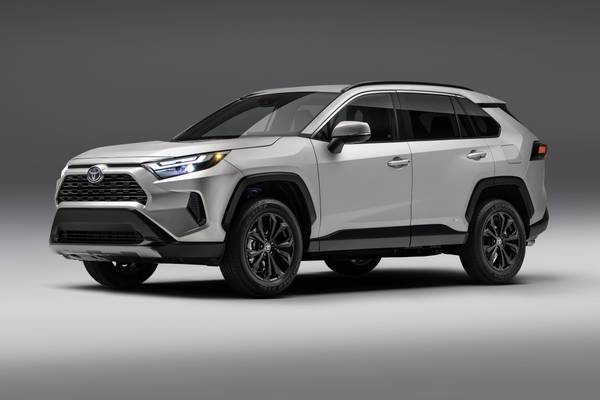
The Toyota RAV4 reliability record is one of the main reasons this compact SUV remains a popular choice among families, commuters, and drivers looking for a practical vehicle. Toyota has built a reputation for producing durable cars, and the RAV4 has contributed significantly to that image through its dependable engines, relatively affordable maintenance, and strong resale value.
But how reliable is the Toyota RAV4? Can it last 200,000 miles? Are hybrid models more dependable than gasoline versions? And which model years should buyers consider or avoid?
Although the RAV4 has a strong overall reputation, not every generation or model year offers the same ownership experience. Certain vehicles have experienced transmission complaints, electrical faults, water leaks, and hybrid-system problems.
In this guide, we examine Toyota RAV4 reliability by year, common mechanical issues, maintenance costs, engine durability, and long-term ownership expectations.
Content in this publication
- Is the Toyota RAV4 Reliable?
- Toyota RAV4 Reliability by Year
- What Are the Most Common Toyota RAV4 Problems?
- Toyota RAV4 Hybrid Reliability vs Gasoline Reliability
- How Long Does a Toyota RAV4 Last?
- Toyota RAV4 Maintenance Costs and Reliability
- Best Toyota RAV4 Years for Reliability
- Toyota RAV4 Reliability Compared With Competitors
- Is the Toyota RAV4 Expensive to Repair?
- Does the Toyota RAV4 Hold Its Value?
- Frequently Asked Questions About Toyota RAV4 Reliability
- Is the Toyota RAV4 a reliable car?
- Can a Toyota RAV4 last 300,000 miles?
- Is the Toyota RAV4 Hybrid reliable long term?
- What is the most reliable Toyota RAV4 year?
- Is the Toyota RAV4 engine reliable?
- Is the 2026 Toyota RAV4 reliable?
- Is the Toyota RAV4 more reliable than the Honda CR-V?
- Are high-mileage Toyota RAV4s worth buying?
- Does the Toyota RAV4 have transmission problems?
- Final Verdict: Is the Toyota RAV4 Reliable Enough to Buy?
Is the Toyota RAV4 Reliable?
Yes, the Toyota RAV4 is generally a reliable compact SUV, particularly when properly maintained. Its proven engineering, durable powertrains, and extensive service network make it an appealing option for buyers who prioritize long-term dependability.
Several factors contribute to its reliability:
- Proven engines: Toyota's naturally aspirated gasoline engines have generally demonstrated good durability.
- Reliable hybrid technology: Toyota has extensive experience developing hybrid powertrains.
- Reasonable maintenance requirements: Routine servicing is usually straightforward compared with many luxury SUVs.
- Strong resale value: The RAV4 tends to retain its value well.
- Long potential lifespan: Many properly maintained examples can exceed 200,000 miles.
Independent reliability assessments also support the RAV4's reputation, although results vary between model years.
For example, J.D. Power assigned the 2025 RAV4 a Quality and Reliability score of 77 out of 100, which falls within its Average category. Consumer Reports has also identified strong reliability among several RAV4 model years, particularly certain hybrid versions.
This distinction matters: the RAV4 has an excellent long-term reputation, but it is not automatically the highest-rated SUV in every annual reliability study.
Toyota RAV4 Reliability by Year
Reliability can change significantly depending on the model year, generation, engine, and maintenance history.
The following table summarizes the main generations and their general reliability characteristics.
| Model years | Reliability outlook | Main considerations |
|---|---|---|
| 2006–2012 | Generally good | Oil consumption on certain engines and aging components |
| 2013–2015 | Generally good | Some transmission and infotainment complaints |
| 2016–2018 | Very good overall | Mature generation with established powertrains |
| 2019–2021 | Good, with known issues | Transmission behavior, water leaks, and selected hybrid concerns |
| 2022–2025 | Strong overall | Improved fifth-generation models, although problems remain possible |
| 2026 | Promising but unproven | Redesigned hybrid-only lineup with limited long-term ownership history |
These are general buying assessments rather than official numerical reliability ratings. The condition of an individual used vehicle can be more important than its model year.
Toyota RAV4 2006–2012 Reliability
Third-generation RAV4 models can offer dependable transportation, but their age makes mechanical condition especially important.
Some earlier examples equipped with the 2.4-liter four-cylinder engine experienced excessive oil consumption. This problem can become expensive when ignored.
The available V6 engine is often appreciated for its performance, although maintenance history and mileage should be carefully evaluated.
Buyers should inspect the cooling system, suspension, transmission, and engine for signs of neglect.
Toyota RAV4 2013–2018 Reliability
The fourth-generation RAV4 developed a solid reputation for durability.
Its 2.5-liter gasoline engine and conventional automatic transmission were relatively straightforward compared with some competing powertrains.
The 2016–2018 models are particularly attractive used-car options because they represent later production years of an established generation.
However, buyers should still check for transmission hesitation, suspension noise, electrical problems, and evidence of accident damage.
Toyota RAV4 2019–2021 Reliability
Toyota introduced the fifth-generation RAV4 for the 2019 model year.
This generation brought significant improvements in fuel efficiency, performance, safety technology, and interior design.
However, some owners reported problems involving transmission behavior, fuel-system components, and water entering through roof rail mounting points.
Certain AWD hybrid vehicles also developed high-voltage cable corrosion, particularly in environments with road salt and moisture.
These issues do not affect every RAV4, but inspecting potentially affected vehicles is essential.
Toyota RAV4 2022–2025 Reliability
Later fifth-generation RAV4 models benefit from several years of production experience.
The gasoline and hybrid powertrains are generally regarded as dependable, while updated equipment and refinements improve the ownership experience.
The 2022–2025 models can be excellent choices for buyers seeking a relatively modern used SUV.
Nevertheless, hybrid AWD cable condition, infotainment operation, recall completion, and service history should be checked.
Toyota RAV4 2026 Reliability
The 2026 Toyota RAV4 introduces a redesigned generation with an electrified lineup consisting of hybrid and plug-in hybrid powertrains.
Toyota's experience with hybrid technology provides an encouraging foundation. Consumer Reports expects the redesigned RAV4 to be more reliable than the average new vehicle.
However, predicted reliability is not the same as demonstrated long-term durability.
Because the 2026 RAV4 is a new generation, its real-world performance over 100,000 or 200,000 miles remains unknown. Buyers prioritizing an extensive ownership record may prefer an established previous-generation model.
What Are the Most Common Toyota RAV4 Problems?
Despite its dependable reputation, the RAV4 has experienced several recurring issues across different generations.
1. Transmission Problems
Some RAV4 owners, particularly those with early fifth-generation gasoline models, have reported transmission hesitation, harsh engagement, or unusual shifting behavior.
Symptoms may include:
- Delayed acceleration after pressing the accelerator.
- Jerking during low-speed driving.
- Rough shifts between gears.
- Hesitation when accelerating from a stop.
Some concerns can be addressed through software updates or other manufacturer-specified repairs. Others require further diagnosis.
A proper test drive is important when purchasing a used RAV4.
2. Hybrid High-Voltage Cable Corrosion
One of the better-known fifth-generation RAV4 Hybrid issues involves corrosion at the rear electric motor's high-voltage cable connection.
The concern is particularly relevant to certain 2019–2022 RAV4 Hybrid AWD models and selected RAV4 Prime vehicles.
You may be interested in reading Toyota Corolla AE86 Engine Swap – The Ultimate Guide
Exposure to water, moisture, and road salt can contribute to corrosion.
Possible warning signs include electrical-system alerts, unusual radio interference, and difficulty starting the vehicle.
Toyota introduced customer support coverage for certain affected vehicles. Eligibility depends on the model, vehicle identification number, location, and applicable program terms.
Because high-voltage components can be dangerous, inspection and repair should be performed by qualified technicians.
3. Water Leaks Around Roof Rails
Some 2019–2021 RAV4 models experienced water entering through roof rail attachment points.
Symptoms can include damp headliners, water stains, wet interior trim, or moisture near the pillars.
Water intrusion should not be ignored because prolonged exposure can damage interior materials and electrical components.
Toyota issued technical guidance and customer support measures for certain affected vehicles.
4. Engine Cooling Problems
Some owners have reported coolant bypass valve failures, water pump problems, or coolant leaks.
Common symptoms include:
- Engine temperature warnings.
- Low coolant levels.
- Coolant leaks.
- Check engine lights.
- Poor heater performance.
Cooling-system problems should be diagnosed promptly because overheating can cause expensive engine damage.
5. Infotainment and Electrical Glitches
Like many modern SUVs, the RAV4 can experience electronic problems.
These may involve touchscreen freezing, smartphone connectivity, camera operation, sensors, or intermittent warning messages.
Electrical faults are not necessarily signs of serious engine or transmission failure, but they can be frustrating and expensive outside warranty coverage.
Toyota RAV4 Hybrid Reliability vs Gasoline Reliability
One of the most common buying questions is whether the Toyota RAV4 Hybrid is more reliable than the gasoline model.
Both versions have strong potential for long-term durability, but their mechanical systems differ.
| Feature | RAV4 Gasoline | RAV4 Hybrid |
|---|---|---|
| Engine design | Naturally aspirated gasoline engine | Gasoline engine with electric motors |
| Transmission | Conventional automatic on many earlier models | Electronic continuously variable transmission |
| Fuel efficiency | Good | Generally better |
| Hybrid battery | Not applicable | Additional component requiring long-term consideration |
| Brake wear | Conventional braking system | Regenerative braking can reduce friction-brake use |
| Main advantage | Familiar, relatively straightforward mechanical layout | Excellent efficiency and proven hybrid architecture |
The Toyota hybrid eCVT should not be confused with the belt-driven CVTs used by some other manufacturers. Toyota's power-split hybrid system uses a different mechanical design.
This is an important reason why a hybrid RAV4 should not automatically be considered less dependable simply because it uses an electronic continuously variable transmission.
Are Toyota RAV4 Hybrid Batteries Reliable?
Toyota hybrid batteries are engineered for extended service life and can last many years.
Some vehicles exceed 150,000 or 200,000 miles without requiring a replacement hybrid battery. However, battery lifespan depends on temperature, usage, age, and individual vehicle condition.
Hybrid battery replacement can be expensive outside warranty coverage, especially when genuine replacement components and dealership labor are involved.
A used hybrid should therefore be inspected for diagnostic trouble codes, battery cooling-system condition, and abnormal hybrid-system behavior.
Which Is More Reliable: RAV4 Hybrid or Gasoline?
There is no universal winner across every model year.
The gasoline RAV4 avoids certain hybrid-specific components, while the hybrid benefits from Toyota's established electrified powertrain technology.
For many buyers, a well-maintained RAV4 Hybrid is just as compelling a long-term purchase as a gasoline model.
The best choice depends on the model year, driving conditions, service history, and the condition of the individual vehicle.
How Long Does a Toyota RAV4 Last?
A Toyota RAV4 can reasonably be expected to provide 200,000 miles or more with appropriate maintenance, although that is a potential lifespan rather than a guarantee.
Some well-maintained examples reach 250,000 miles or beyond.
Actual longevity depends on several factors:
- Following the manufacturer's maintenance schedule.
- Changing engine oil at the appropriate intervals.
- Maintaining the cooling and transmission systems.
- Avoiding repeated overheating.
- Repairing small problems before they become serious.
- Driving conditions and climate.
- Vehicle age and previous ownership history.
A vehicle used primarily for steady highway driving may experience different wear patterns than one frequently driven on congested roads, short trips, or rough terrain.
Toyota RAV4 Lifespan in Years
For a driver covering approximately 12,000 miles annually, reaching 200,000 miles would take around 16 to 17 years.
This does not mean every RAV4 will remain trouble-free throughout that period.
Suspension components, batteries, sensors, cooling-system parts, and other wear items may require replacement as mileage increases.
Nevertheless, the RAV4's ability to remain useful well beyond the typical financing period is one of its most attractive ownership characteristics.
Toyota RAV4 Maintenance Costs and Reliability
Another major reason buyers choose the RAV4 is its generally manageable maintenance requirements.
Compared with many premium SUVs, it typically has more affordable routine servicing and a broad supply of replacement parts.
However, actual costs depend on the model year, region, repair shop, mileage, and condition.
Common maintenance tasks include engine oil changes, tire rotations, brake inspections, fluid replacement, filter changes, and periodic suspension checks.
Toyota RAV4 Maintenance Schedule
Toyota commonly recommends maintenance inspections every 5,000 miles or six months for many U.S.-market vehicles.
This does not necessarily mean the engine oil must be changed at every 5,000-mile visit. Oil change intervals vary according to the model year, engine, oil specification, and driving conditions.
You may be interested in readingToyota Corolla AE86 Engine Swap – The Ultimate GuideYou may be interested in reading
 Does the Toyota Camry Have CVT Transmission?
Owners should follow their vehicle's official maintenance guide rather than applying one universal service interval.
How to Improve Toyota RAV4 Reliability
To maximize the lifespan of a RAV4, we recommend these practical habits:
- Follow the correct maintenance schedule for your model year.
- Check the engine oil level regularly.
- Repair coolant leaks or overheating problems immediately.
- Keep the battery and electrical connections in good condition.
- Inspect suspension components as mileage increases.
- Address unusual transmission behavior promptly.
- Keep records of all maintenance and repairs.
- Check manufacturer recalls and customer support programs.
Preventive maintenance is particularly important for drivers planning to keep their SUV beyond 150,000 miles.
Best Toyota RAV4 Years for Reliability
If your main priority is buying a dependable used SUV, several model years stand out as sensible options.
2016–2018 Toyota RAV4
These years are often appealing because they represent the final production phase of the fourth-generation model.
Their established engine and transmission combinations, relatively straightforward technology, and mature design make them worthwhile choices.
A well-maintained 2017 or 2018 RAV4 can offer good value for drivers who do not require the latest infotainment or safety equipment.
2022–2025 Toyota RAV4
These vehicles are attractive for buyers seeking a newer SUV with modern technology and an established fifth-generation design.
They provide excellent practicality, and hybrid versions offer strong fuel economy.
However, buyers should verify recall completion and inspect known generation-specific concerns rather than assuming all later models are problem-free.
Which Toyota RAV4 Year Should You Avoid?
There is no single RAV4 model year that every buyer must avoid.
However, certain years deserve additional scrutiny:
- 2006–2008: Check certain four-cylinder engines for excessive oil consumption.
- 2019: Inspect transmission behavior, water intrusion, and applicable recalls.
- 2020–2021: Examine known fifth-generation concerns, including roof rail leaks and hybrid-specific problems.
- 2019–2022 Hybrid AWD: Verify the condition and applicable coverage of the rear high-voltage cable connection.
A vehicle with documented repairs and consistent maintenance can be a better purchase than a supposedly more reliable model year with neglected servicing.
Toyota RAV4 Reliability Compared With Competitors
The RAV4 competes with several well-established compact SUVs, including the Honda CR-V, Mazda CX-5, Subaru Forester, and Hyundai Tucson.
| SUV | Reliability considerations | Main advantage |
|---|---|---|
| Toyota RAV4 | Strong long-term reputation, especially established powertrains | Durability and resale value |
| Honda CR-V | Generally competitive dependability; results vary by engine and year | Comfort and interior practicality |
| Mazda CX-5 | Good ownership reputation, especially selected naturally aspirated versions | Driving experience and cabin quality |
| Subaru Forester | Dependability varies by generation and transmission | Standard AWD and visibility |
| Hyundai Tucson | Warranty and reliability depend on market, year, and powertrain | Technology and equipment |
The Toyota RAV4 is a particularly strong option for buyers who value durability, fuel efficiency, resale value, and broad service availability.
However, reliability comparisons should always account for the exact model year and powertrain.
Is the Toyota RAV4 Expensive to Repair?
Routine Toyota RAV4 repairs are generally manageable compared with repairs on many luxury SUVs.
Common wear-related components such as brake pads, filters, and suspension parts are widely available.
Major repairs can still become expensive, particularly when they involve transmission replacement, hybrid components, or complex electrical systems.
Hybrid high-voltage cable damage, engine overheating, and transmission faults are examples of problems that can significantly increase ownership costs.
This is why a thorough pre-purchase inspection is worth considering, even when buying a vehicle with an excellent reliability reputation.
Does the Toyota RAV4 Hold Its Value?
The Toyota RAV4 generally maintains strong resale value.
Its reputation for dependability, practical design, and broad market demand helps make it desirable among used-car buyers.
In J.D. Power's 2025 assessment, the RAV4 received a resale rating of 88 out of 100, classified as Great.
Strong resale value can reduce the long-term cost of ownership, although it may also mean paying more upfront for a used RAV4 compared with certain competitors.
Condition, mileage, accident history, local demand, and trim level remain important factors when determining resale prices.
Frequently Asked Questions About Toyota RAV4 Reliability
Is the Toyota RAV4 a reliable car?
Yes. The Toyota RAV4 has a generally strong reliability record, supported by durable engines, established hybrid technology, and manageable maintenance requirements. However, reliability varies depending on the model year and condition.
Can a Toyota RAV4 last 300,000 miles?
Some RAV4 vehicles can reach 300,000 miles with careful maintenance, but this is not a typical guaranteed lifespan. Reaching such high mileage may require replacing suspension parts, cooling-system components, and other mechanical or electrical items.
Is the Toyota RAV4 Hybrid reliable long term?
Yes, Toyota's hybrid systems have a strong history of durability. However, owners should consider hybrid battery aging, electrical components, and known high-voltage cable corrosion concerns on certain earlier AWD models.
What is the most reliable Toyota RAV4 year?
The 2016–2018 and 2022–2025 model years are sensible starting points for used-car buyers because they represent established designs. The most reliable individual purchase will depend on condition, service history, and whether known problems have been resolved.
Is the Toyota RAV4 engine reliable?
The RAV4's naturally aspirated gasoline engines generally have a strong reputation for longevity. Regular oil changes, proper cooling-system maintenance, and prompt repairs help protect engine reliability.
Is the 2026 Toyota RAV4 reliable?
The redesigned 2026 RAV4 has a promising reliability outlook based on Toyota's established hybrid technology and previous RAV4 generations. However, it is too early to establish its long-term reliability through extensive real-world ownership data.
Is the Toyota RAV4 more reliable than the Honda CR-V?
Both SUVs are generally dependable choices. The winner depends on the specific model year, engine, and reliability measurement used. Buyers should compare individual vehicles rather than relying solely on brand reputation.
Are high-mileage Toyota RAV4s worth buying?
A high-mileage RAV4 can be a good purchase when it has comprehensive maintenance records, no significant structural damage, and passes an independent mechanical inspection. Mileage matters, but maintenance history and condition are equally important.
Does the Toyota RAV4 have transmission problems?
Some RAV4 model years, especially certain early fifth-generation gasoline models, have received complaints about hesitation or rough transmission behavior. These problems do not affect every vehicle, and buyers should test-drive and inspect any used example.
Final Verdict: Is the Toyota RAV4 Reliable Enough to Buy?
The Toyota RAV4 remains one of the strongest compact SUV choices for buyers prioritizing long-term dependability, practicality, and resale value.
Its naturally aspirated gasoline engines, proven hybrid technology, and manageable routine maintenance make it attractive for drivers who want to keep their vehicle for many years.
However, no vehicle is completely trouble-free. Certain RAV4 model years have experienced transmission complaints, roof rail water leaks, electrical faults, and hybrid high-voltage cable corrosion.
For used-car buyers, the 2016–2018 models offer an established and relatively straightforward design, while the 2022–2025 versions combine modern features with a mature fifth-generation platform.
The redesigned 2026 RAV4 also looks promising, although its long-term durability has yet to be established.
You may be interested in readingToyota Corolla AE86 Engine Swap – The Ultimate GuideYou may be interested in reading
Does the Toyota Camry Have CVT Transmission?You may be interested in reading
 Toyota Camry Trim Levels 2014: A Detailed Guide to Choosing the Best
Ultimately, Toyota RAV4 reliability depends on choosing the right vehicle and maintaining it properly. With a documented service history, appropriate inspections, and timely repairs, the RAV4 can be an excellent SUV for drivers hoping to achieve 200,000 miles or more.
If you want to know other articles similar to Toyota RAV4 Reliability: Is the RAV4 a Dependable SUV? Common Problems, Best Years, and Lifespan you can visit the category Blog.
Kia Sportage Boot Space: Size, Litres and Dimensions
Top 10 Toyota Yaris Cross Alternatives: Best Small SUVs to Consider in 2026

Does Mercedes A-Class Have a Renault Engine?

Kia Sportage Gas Tank Size: Complete Guide

BMW X1 Life Expectancy: How Long Does It Last?
Is the Toyota Yaris Cross Reliable? 2026 Guide
Leave a Reply
More content of your interest