
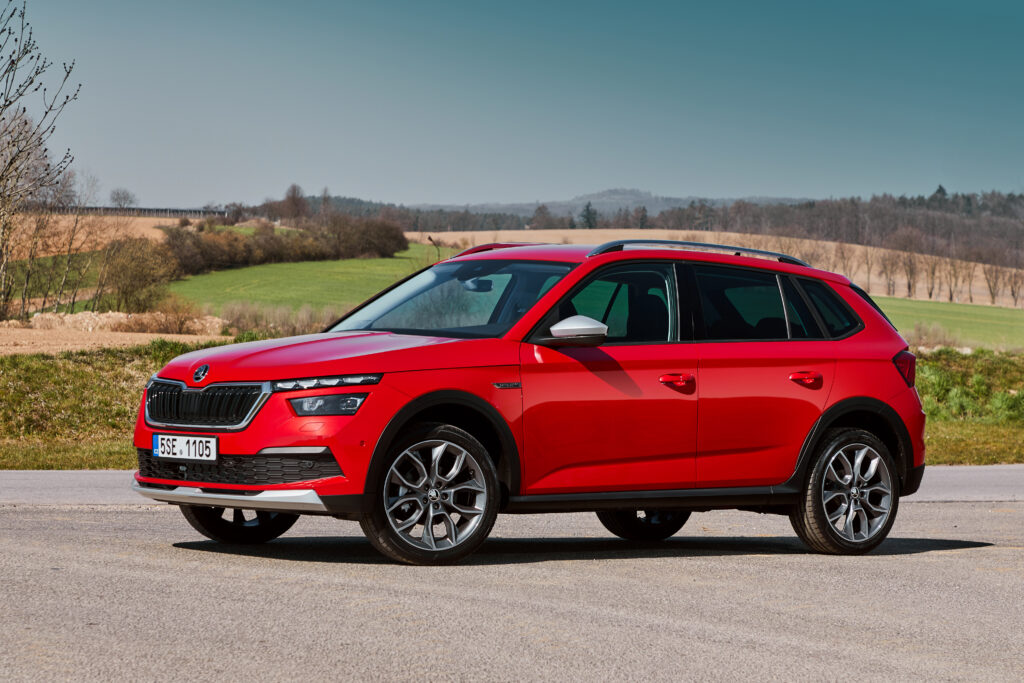
Skoda Kamiq MPG: The Complete Real-World Fuel Economy Guide

Content in this publication
- Understanding the Skoda Kamiq’s MPG Story
- Where the Skoda Kamiq Stands in Today’s Market
- Official MPG vs Real-World MPG: Why They Differ
- Skoda Kamiq MPG by Engine
- How Driving Conditions Affect Kamiq MPG
- Skoda Kamiq MPG by Transmission
- MPG Breakdown by Trim Levels
- Real-World MPG from Driver Communities
- Fuel Tank Size & Driving Range
- How the Kamiq’s MPG Compares to Rivals
- Factors That Influence Kamiq MPG
- Skoda Kamiq MPG Tips for Better Efficiency
- Fuel Costs: How Much Does the Kamiq Save You?
- Driving Scenarios: What MPG You Can Expect
- Is the Skoda Kamiq Good on Fuel?
- Closing Thoughts
- FAQs
Understanding the Skoda Kamiq’s MPG Story
When we talk about MPG, we’re not just rattling off numbers—we’re painting a picture of how efficiently a car moves through everyday life. The Skoda Kamiq is one of those compact SUVs that feels almost tailor-made for real drivers: practical enough for long commutes, comfy for road trips, and surprisingly frugal when driven wisely. In this guide, we dive deep into the Kamiq’s MPG performance across engines, trims, driving conditions, and real-world scenarios. Think of it as the MPG handbook we all wish came with the car.
Where the Skoda Kamiq Stands in Today’s Market
The Kamiq competes in the packed small SUV segment, but it has something many rivals lack: consistent efficiency across its engine lineup. Whether we’re talking about the smallest 1.0 TSI engine, the punchier 1.5 TSI, or the diesel options available in certain markets, Skoda has engineered the Kamiq to keep running costs comfortably low.
Official MPG vs Real-World MPG: Why They Differ
Before we get into specifics, there’s always that classic gap—official WLTP MPG vs what we actually see on the road. Official numbers come from controlled testing environments. Real life is full of surprises: traffic, weather, driving style, tyre pressure, passengers, and even how often we use the air-con.
To put it simply:
- WLTP MPG = Laboratory figures
- Real MPG = What happens with real humans driving in real conditions
The Kamiq’s official numbers are solid, but real-world MPG is often more revealing—and sometimes pleasantly surprising.
Skoda Kamiq MPG by Engine
1.0 TSI 95PS – The Economy Champ
The baby of the range, but an efficient warrior.
- Official MPG: ~49–55 mpg
- Real-world MPG: ~44–50 mpg
- Best for: City driving, short commutes, low-speed routes
This engine performs better than many expect. Think of it as a calm marathon runner—steady, consistent, and rarely thirsty. While it’s not the quickest off the line, drivers often report real-world numbers surprisingly close to official figures.
1.0 TSI 110PS – Balanced and Predictable
The most popular choice among Kamiq owners.
- Official MPG: ~48–54 mpg
- Real-world MPG: ~43–49 mpg
- Best for: Mixed city/motorway use
We consider this engine the sweet spot: not underpowered, not wasteful. It’s the Goldilocks of the range—just right.
1.5 TSI 150PS – More Power, Slightly Less MPG
If you enjoy overtakes and motorway merges, this is your pick.
- Official MPG: ~45–51 mpg
- Real-world MPG: ~38–46 mpg
- Best for: Motorway driving, faster pace, heavier passengers
The real-world MPG drop is expected—but still respectable. The active cylinder technology (ACT) does help, shutting down two cylinders during light cruising.
Diesel 1.6 TDI – The Long-Distance Hero (Market Dependent)
Diesel engines aren’t available everywhere, but where they exist, they shine.
- Official MPG: ~55–65 mpg
- Real-world MPG: ~52–58 mpg
- Best for: High-mileage drivers, long commutes, open-road travel
If your driving is mostly motorway or rural, this engine pays for itself over time.
How Driving Conditions Affect Kamiq MPG
City MPG: Start-Stop Reality
Urban environments challenge any engine, especially small turbo petrols. Expect:
- Frequent braking
- Traffic light cycles
- Slow speeds
- More idling
For the Kamiq, city driving often pulls real MPG down by 5–10 mpg from official figures.
Motorway MPG: Where Kamiq Performs Best
Long stretches at stable speeds are ideal for TSI efficiency:
- 1.0 TSI engines can hit 50 mpg or more
- 1.5 TSI ACT shines when cruising
- Diesel easily reaches mid-50s
Motorways are where the Kamiq shows its “stretch-your-legs” personality.
Rural & B-Road MPG: A Mixed Bag
Country roads are fun—but not always fuel-efficient:
- Lots of gear changes
- Speed variation
- Occasional sharp climbs
The Kamiq tends to average around 44–48 mpg on rural routes.
You may be interested in reading Skoda Kamiq Fuel Consumption: The Complete Real-World Guide for Smarter, Cheaper Driving
Skoda Kamiq MPG by Transmission
Manual Transmission: The MPG Optimizer
Manuals offer:
- Higher driver control
- Better gear-timing opportunities
- Slightly better MPG than DSG
Expect anywhere from 1–3 mpg improvements over the automatic.
DSG Automatic: Smooth but Slightly Thirstier
DSG gearboxes are known for quick shifts, but they sometimes hold revs longer than you might in a manual.
- Real-world MPG tends to drop by 2–4 mpg
Still, the comfort and ease of use are hard to beat, especially in traffic-heavy areas.
MPG Breakdown by Trim Levels
SE Trim: The Lightest and Most Efficient
The SE models usually carry fewer extras, so weight stays low.
Real-world MPG: Often at the top end.
SE L Trim: Balanced Efficiency
With additional comfort features and slightly more equipment, MPG dips minimally.
Real-world MPG: Stable and predictable.
Monte Carlo Trim: Sporty Look, Slight MPG Drop
Sportier wheels and wider tyres = more drag and rolling resistance.
Real-world MPG: Usually 1–2 mpg down from SE L.
Real-World MPG from Driver Communities
We’ve gathered commonly reported ranges from forums, owner groups, and consumer reports. These figures help paint a realistic picture:
- City-heavy drivers: 38–45 mpg
- Mixed driving: 43–50 mpg
- Motorway cruising: 50–57 mpg (diesel slightly higher)
Drivers note that MPG tends to improve significantly after the first 5,000 miles as engines bed in.
Fuel Tank Size & Driving Range
A fuel-efficient car becomes even better when matched with a generous tank, and the Kamiq delivers.
- Petrol models: 50-litre tank
- Diesel models: 50-litre tank
This means you can realistically expect:
- Petrol range: 420–500 miles on mixed driving
- Diesel range: 550–650 miles on motorway runs
Long road trips become stress-free and fuel stops infrequent.
How the Kamiq’s MPG Compares to Rivals
Skoda Kamiq vs SEAT Arona
- Arona slightly lighter
- Similar engine range
- Kamiq often more consistent in mixed driving
Skoda Kamiq vs Volkswagen T-Cross
- Almost identical mechanical setup
- Kamiq often achieves better real-world MPG due to weight differences
Skoda Kamiq vs Renault Captur
- Captur hybrid trims deliver strong city MPG
- Kamiq petrol engines often outperform Captur in motorway efficiency
Skoda Kamiq vs Ford Puma
- Puma’s mild hybrid tech helps in town
- Kamiq matches or beats it on highways
Factors That Influence Kamiq MPG
Driving Style
Subtle changes make huge improvements:
- Smooth acceleration
- Early gear shifts
- Avoiding heavy braking
Tyre Pressure
Underinflated tyres can steal 3–6 mpg easily.
Weight & Cargo
Every 50 kg added can reduce MPG by up to 2%.
Weather
Cold winters reduce efficiency. Expect 3–8 mpg lower.
You may be interested in readingSkoda Kamiq Fuel Consumption: The Complete Real-World Guide for Smarter, Cheaper DrivingYou may be interested in reading
 Skoda Kamiq Top Speed: The Complete, Data-Rich Performance Guide to Outrank Every Competitor
Fuel Quality
Premium fuels don’t increase MPG dramatically, but turbo engines often run smoother.
Air Conditioning
A/C can reduce MPG by:
- 1–2 mpg on motorway
- 2–4 mpg in city driving
Skoda Kamiq MPG Tips for Better Efficiency
Here’s a quick checklist to squeeze every drop of efficiency:
- Keep tyres inflated to recommended PSI
- Remove unnecessary roof racks
- Avoid carrying unnecessary weight
- Use Eco mode where available
- Anticipate traffic to avoid harsh braking
- Maintain steady motorway speeds
- Keep up with engine servicing
Small habits, big savings.
Fuel Costs: How Much Does the Kamiq Save You?
Let’s look at an example based on UK averages:
- Average fuel cost (Petrol): ~£1.55/litre
- Kamiq real-world MPG (1.0 TSI): ~47 mpg
For a 10,000-mile year, the Kamiq costs around:
£1,485–£1,600 per year in fuel
Compare that with less efficient rivals pushing £1,800–£2,000 annually, and the savings become quite clear.
Driving Scenarios: What MPG You Can Expect
Let’s break down what MPG you can expect in everyday situations:
Short Urban Commutes
- Lots of traffic? Expect 38–45 mpg
Weekend Trips
- Mixed roads? Expect 45–50 mpg
Long Holiday Journeys
- Motorway cruising? Expect 50–55 mpg
Diesel drivers add an extra 5–10 mpg to any of the above situations.
Is the Skoda Kamiq Good on Fuel?
In a word—yes.
The Kamiq consistently performs well in:
- Daily commuting
- Motorway travel
- Mixed conditions
It’s not just about the MPG numbers; it’s the stability and predictability. Whether we drive the entry-level 1.0 TSI or the punchier 1.5 TSI, we’re looking at a car that keeps running costs in check.
Closing Thoughts
The Skoda Kamiq is one of those rare cars that manages to blend comfort, practicality, and excellent fuel efficiency. Its MPG results aren’t just marketing lines—they’re lived-in, real-world numbers that stand up to scrutiny. If we want a compact SUV that won’t drain our wallet every time fuel prices go up, the Kamiq is a compelling choice.
It’s frugal without feeling slow, practical without feeling basic, and efficient without compromising driveability. In today’s world—where many small SUVs struggle to balance performance and economy—the Kamiq proves you can have both.
FAQs
1. What is the best Skoda Kamiq engine for MPG?
The 1.0 TSI 95PS and 110PS engines deliver the best overall MPG for most drivers.
2. Does the Skoda Kamiq 1.5 TSI use more fuel?
Yes, a bit—but the real-world numbers are still very reasonable due to cylinder deactivation.
3. What MPG does the Skoda Kamiq get on the motorway?
Depending on engine choice, expect 50–57 mpg, with diesels slightly higher.
4. How accurate is the Skoda Kamiq’s trip computer for MPG?
Most owners report the trip computer is within 2–3 mpg of manual calculations.
5. Why is my Kamiq’s MPG lower in winter?
Cold engines warm up slower, roads are denser with traffic, and A/C or heating use increases fuel consumption.
You may be interested in readingSkoda Kamiq Fuel Consumption: The Complete Real-World Guide for Smarter, Cheaper DrivingYou may be interested in reading
Skoda Kamiq Top Speed: The Complete, Data-Rich Performance Guide to Outrank Every CompetitorYou may be interested in reading
 Hyundai Kona MPG: The Complete Real-World Fuel Economy Guide
If you want to know other articles similar to Skoda Kamiq MPG: The Complete Real-World Fuel Economy Guide you can visit the category Driving.
Vauxhall Meriva MPG: Real-World Fuel Economy Guide

Hyundai i40 MPG: Real-World Fuel Economy Guide
Kia Rio Fuel Consumption: Real-World Efficiency, MPG Insights & Smart Driving Tips
Kia Rio Miles Per Gallon: Real MPG, Efficiency Tips & What to Expect

Citroen C1 Fuel Consumption: The Real-World Guide to MPG, Costs, and Smarter Driving
Vauxhall Insignia Top Speed: How Fast Can This Smart Executive Car Really Go?
Leave a Reply
More content of your interest