

Hyundai i20 Reliability: A Complete, Real-World Guide to How Dependable the i20 Really Is

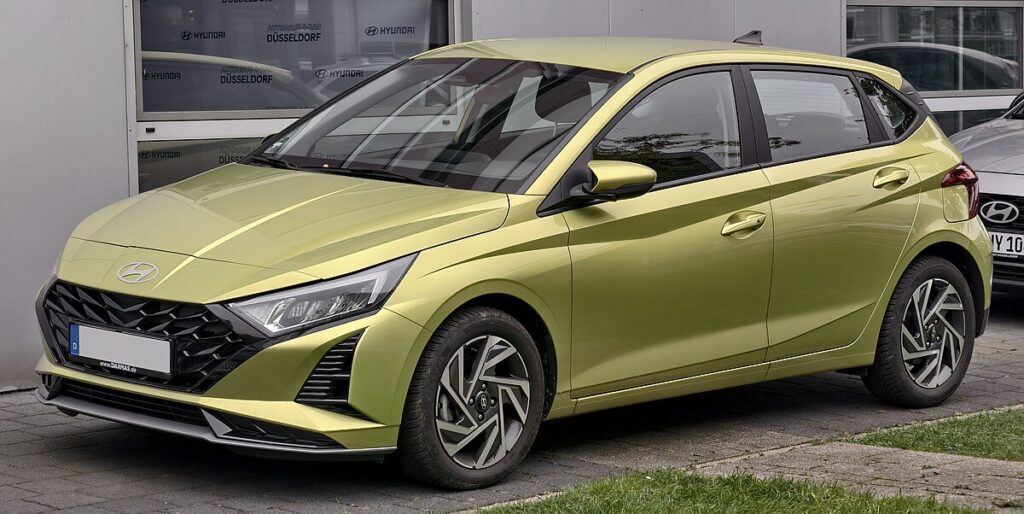
When we talk about small hatchbacks built for real life—urban traffic, chaotic parking lots, weekend getaways, and everything in between—the Hyundai i20 almost always sneaks into the conversation. But reliability? That’s the million-mile question we all care about. No matter how stylish the exterior or how techy the cabin feels, none of it matters if the car can’t promise a worry-free ownership experience.
In this deep-dive, we peel back the layers of the Hyundai i20’s reliability record and share what really matters: how it behaves over years of ownership, what its engines are like in the long run, the problems owners actually face, and why the i20 has quietly earned a reputation for being one of the more dependable superminis in the market.
Think of this piece as us sitting together with a cup of coffee, swapping stories as we take the i20 apart—metaphorically—and discover whether this little hatchback is truly built to last.
Content in this publication
- Why Reliability Matters More Than Ever in a Hatchback
- A Quick Overview of the Hyundai i20’s Reliability Reputation
- Understanding Reliability Through Generations
- Hyundai i20 Engine Reliability: Which Engines Are the Best?
- Hyundai i20’s Most Common Problems (Real-World Insights)
- Long-Term Durability: How Well Does the i20 Age?
- Hyundai i20 Reliability Compared to Rivals
- Hyundai’s 5-Year Warranty: The Secret Reliability Weapon
- Maintenance: The Real Key to i20 Long-Term Reliability
- The Cost of Keeping an i20 Running Smoothly
- Is the Hyundai i20 Reliable for High Mileage?
- Is the Hyundai i20 Reliable for Daily Commuting?
- Is the Hyundai i20 Good for Long Road Trips?
- Should You Buy a Used Hyundai i20 for Reliability?
- Final Verdict: How Reliable Is the Hyundai i20?
- FAQs
Why Reliability Matters More Than Ever in a Hatchback
We’ve all been there: choosing a car is easy when you focus on looks, fuel economy, or tech. But reliability? That’s the anchor. It’s the secret ingredient that saves you money, time, stress, and unexpected Uber rides at 6 AM.
The Hyundai i20 sits in a crowded field of rivals—Ford Fiesta, VW Polo, Suzuki Swift, Toyota Yaris—yet its long-term dependability often surprises shoppers who underestimate what Hyundai has built over the last decade.
A Quick Overview of the Hyundai i20’s Reliability Reputation
The Hyundai i20 has earned a reputation for:
- Strong mechanical durability
- Low running and repair costs
- Few serious long-term failures
- A robust 5-year unlimited-mileage warranty (in many markets)
- Engines that age remarkably well
If we had to sum it up, we’d say the i20 is the quiet achiever—rarely dramatic, rarely failing, always dependable.
Understanding Reliability Through Generations
Each i20 generation shaped how dependable the model became. Let’s walk through the timeline.
First Generation (2008–2014): The Foundation
The first-gen i20 already showed Hyundai’s shift toward stronger engineering. Although interior quality wasn’t premium, its engines were simple, hardy, and loved by mechanics.
Key strengths:
- Minimal electronic complications
- Durable naturally aspirated petrol engines
- Strong corrosion resistance
Weaknesses:
- Early suspension bushing wear
- Occasional electrical quirks
Second Generation (2014–2020): The Growth Spurt
This generation formalised the i20’s reliability identity. The car matured dramatically, offering fewer mechanical issues and stronger build consistency.
Strengths:
- Very low engine failure rate
- Better materials, fewer rattles
- Improved electronics stability
Weaknesses:
- Clutch wear on 1.2 and 1.4 petrols when driven aggressively
- AC compressor failures in hotter climates
Third Generation (2020–Present): The Modern Performer
The latest i20 arrived with turbo engines, more electronics than ever, and a premium-like cabin. Despite complexity, it has maintained a strong reliability rating.
Strengths:
- Surprisingly robust 1.0 T-GDi engine
- Advanced safety systems with few faults
- Better paint and body longevity
Weaknesses:
- Occasional software glitches
- Sensitive start-stop system
- Rare injector issues on early turbo models
Hyundai i20 Engine Reliability: Which Engines Are the Best?
Let’s rank the i20 engines from “bulletproof” to “needs more care.”
Most Reliable Engines
1.2 MPi (Petrol – All Generations)
A simple, naturally aspirated heart that survives anything from city abuse to long-term high mileage.
Why it’s great:
- No turbo to fail
- Cheap servicing
- Few known weak points
1.4 MPi (Petrol)
Similar reliability to the 1.2, just more power. Very few serious issues reported.
1.4 CRDi Diesel (Early Generations)
Surprisingly robust, provided it’s maintained properly and driven long enough to keep the DPF clean.
You may be interested in reading Hyundai i20 Benefits: Why This Compact Hatchback Continues to Win Drivers Over
Moderately Reliable Engines
1.0 T-GDi Turbo Petrol
Modern, punchy, and efficient. But like all turbo three-cylinders, it needs:
- Timely oil changes
- High-quality fuel
- Proper warm-up and cool-down
Strong reliability overall, but higher complexity = higher risk.
Engines to Approach with Slight Caution
None are bad, but some engines require more attentive maintenance.
- High-mileage diesel models with DPF
- Turbo models driven exclusively on short trips
Still, we’re far from “unreliable”—just “needs awareness.”
Hyundai i20’s Most Common Problems (Real-World Insights)
Even reliable cars have their quirks. Here’s what i20 owners are most likely to face.
1. Clutch Wear (Manual Models)
Common across many hatchbacks, but the i20 seems to experience this earlier if driven hard.
Symptoms:
- High biting point
- Slipping under acceleration
- Burning smell
2. Weak Factory Batteries
Especially on newer models loaded with electronics.
Many owners replace the battery within 3 years.
3. AC Compressor Failures
More prevalent in hotter climates, but not widespread enough to label a “major” issue.
4. Suspension Bushing Wear
Early i20 generations were known for:
- Rear torsion beam noise
- Front bushing premature wear
Newer models improved dramatically.
5. Infotainment & Software Glitches
Mostly on the latest generation:
- Bluetooth drops
- Frozen screens
- Reverse camera delays
Nothing catastrophic—but annoying.
Long-Term Durability: How Well Does the i20 Age?
Reliability isn’t just about avoiding breakdowns. It’s about how the car feels after years on the road.
Interior Quality
The i20 holds up surprisingly well, even after 7–10 years:
- Minimal dashboard cracking
- Buttons resist fading
- Seat fabric ages gracefully
Body & Paint
Hyundai’s corrosion protection is excellent, especially from the second generation onward.
Electronics
Modern i20s use sophisticated systems that remain stable as long as:
- Battery voltage is healthy
- Software updates are performed
Hyundai i20 Reliability Compared to Rivals
Let’s be bold. Here’s where the i20 stands among its biggest competitors:
i20 vs Ford Fiesta
- Fiesta = more fun
- i20 = more reliable
i20 vs VW Polo
- Polo = more premium
- i20 = fewer expensive failures
i20 vs Toyota Yaris
- Yaris = king of reliability
- i20 = very close behind, but cheaper to run
i20 vs Suzuki Swift
- Swift = mechanically simple
- i20 = better for long-term comfort & electronics reliability
The verdict?
The i20 is consistently among the top 3 most reliable hatchbacks across most ownership surveys.
Hyundai’s 5-Year Warranty: The Secret Reliability Weapon
Few brands offer a warranty as generous as Hyundai. It sends a clear message:
“We trust our engineering enough to back it.”
Owners enjoy:
You may be interested in readingHyundai i20 Benefits: Why This Compact Hatchback Continues to Win Drivers OverYou may be interested in reading
 Is Hyundai i20 a Good First Car? A Complete, Friendly, and Deep-Dive Guide for New Drivers
- 5 years of full coverage
- Often unlimited mileage
- Roadside assistance
- Transferable ownership (boosts resale value)
This warranty doesn’t make the i20 reliable—it proves it already is.
Maintenance: The Real Key to i20 Long-Term Reliability
Even the strongest car needs love. Here’s what keeps the i20 running flawlessly.
Essential Maintenance Tasks
- Oil & filter change every 10,000–12,000 km
- Air filter replacement every 20,000–30,000 km
- Spark plugs every 40,000–60,000 km
- Brake fluid every 2 years
- Coolant every 3–5 years
For Turbo Engines
Add these habits:
- Let the engine warm before hard acceleration
- Idle 10–20 seconds before shutting off
- Use premium fuel when possible
These tiny steps extend the engine’s life dramatically.
The Cost of Keeping an i20 Running Smoothly
Owners often praise the i20 for its low running costs.
Typical Maintenance Costs
- Routine service: Low
- Brake replacements: Low
- Clutch replacement: Moderate
- Turbo repairs (if ever needed): Moderate-High
Compared to a Polo or Fiesta, the i20 is the wallet-friendly choice.
Is the Hyundai i20 Reliable for High Mileage?
Absolutely. Many early models regularly cross:
- 150,000 km
- 200,000 km
- Even 300,000 km with proper care
The naturally aspirated engines are especially marathon-ready.
Is the Hyundai i20 Reliable for Daily Commuting?
Short answer: yes.
Long answer: completely yes.
The i20 is built for repetitive city cycles. It tolerates stop-start traffic, low-speed manoeuvres, and tight parking. The only caution is for turbo models driven exclusively in very short trips—DPF (diesel) or carbon build-up (petrol) can occur.
Is the Hyundai i20 Good for Long Road Trips?
You bet. Despite being compact, it excels in long journeys thanks to:
- Comfortable seats
- Stable ride quality
- Reliable engines
- Good fuel economy
- Low cabin noise on the latest generation
Many owners use the i20 as an intercity travel companion with no complaints.
Should You Buy a Used Hyundai i20 for Reliability?
If reliability is the primary concern, the answer is a confident yes—with a few caveats.
Best Used Models
- Second-generation 1.2 MPi
- Third-generation 1.0 T-GDi with full service history
What to Check
- Clutch condition
- Software update records
- AC operation
- Suspension noises
Do that, and the i20 will reward you with years of trouble-free driving.
Final Verdict: How Reliable Is the Hyundai i20?
If we had to sum up the i20’s reliability in one sentence, we’d say this:
“The Hyundai i20 is one of the most dependable small hatchbacks you can buy—simple where it counts, modern where it matters, and engineered to last.”
It’s not flawless, but no car is. Yet the i20 manages to blend durability, affordability, and peace of mind better than many of its rivals. Whether you’re buying new or used, you’re getting a hatchback that takes reliability seriously.
FAQs
1. Is the Hyundai i20 a reliable car overall?
Yes. The i20 consistently ranks among the most reliable hatchbacks, thanks to strong engines, durable materials, and Hyundai’s extensive warranty.
2. Which Hyundai i20 engine is the most reliable?
The 1.2 MPi is widely considered the most reliable due to its simplicity and low maintenance requirements.
3. Do Hyundai i20 models have common problems?
Yes, but most are minor: clutch wear, weak batteries, AC compressor issues, and occasional infotainment glitches.
4. Is the i20 reliable for long-distance driving?
Absolutely. It’s stable, comfortable, fuel-efficient, and rarely develops issues during long road trips.
You may be interested in readingHyundai i20 Benefits: Why This Compact Hatchback Continues to Win Drivers OverYou may be interested in reading
Is Hyundai i20 a Good First Car? A Complete, Friendly, and Deep-Dive Guide for New DriversYou may be interested in reading
 Kia Ceed Reliability: The Complete Long-Term Ownership Guide
5. Is the Hyundai i20 expensive to maintain?
No. In fact, the i20 is one of the cheapest hatchbacks to service and repair, especially compared to VW and Ford rivals.
If you want to know other articles similar to Hyundai i20 Reliability: A Complete, Real-World Guide to How Dependable the i20 Really Is you can visit the category Blog.
Kia Sportage Gas Tank Size: Complete Guide

BMW X1 Life Expectancy: How Long Does It Last?
Is the Toyota Yaris Cross Reliable? 2026 Guide

Kia Sportage Weight Guide: Curb, Kerb & GVWR

Toyota RAV4 Gas Tank Size (Chart & Explanation)

Toyota RAV4 Depreciation: Complete Resale Value Guide
Leave a Reply
More content of your interest