

Hyundai i20 MPG: The Complete Fuel Efficiency Guide

Content in this publication
- Understanding Why Hyundai i20 MPG Matters
- What MPG Really Means in Day-to-Day Driving
- Hyundai i20 MPG by Engine Type
- Real-World MPG vs Official Figures
- How Driving Habits Shape Hyundai i20 MPG
- Hyundai i20 MPG by Driving Conditions
- Fuel Efficiency Technology Inside the Hyundai i20
- How Tyre Pressure Affects Hyundai i20 MPG
- The Impact of Vehicle Load on MPG
- Seasonal MPG Changes: Why Winter Hurts Efficiency
- Best Practices to Improve Hyundai i20 MPG
- MPG Comparison: Hyundai i20 vs the Competition
- Hyundai i20 MPG Table Overview
- Final Thoughts on Hyundai i20 MPG
- FAQs
Understanding Why Hyundai i20 MPG Matters
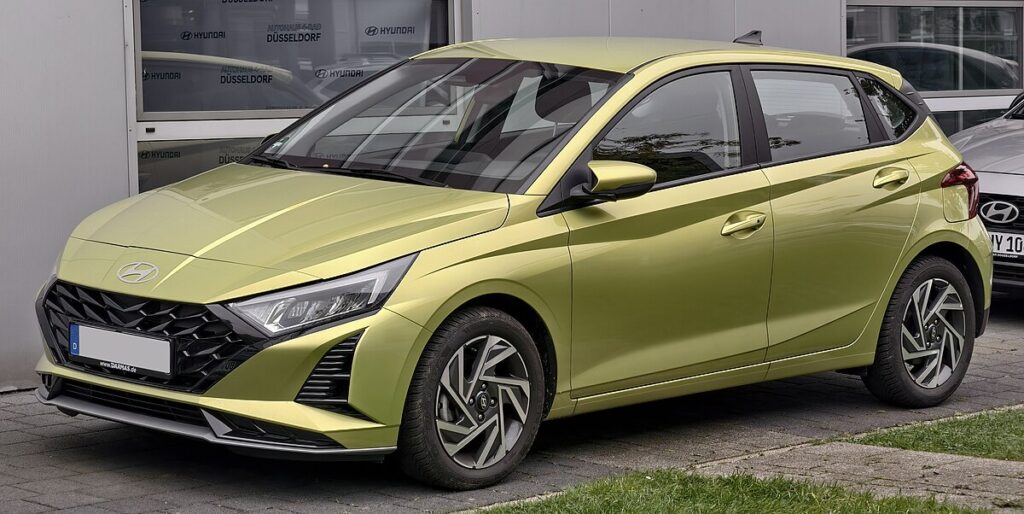
When we talk about the Hyundai i20, we’re not just chatting about another hatchback on the road—we’re exploring a car built for drivers who crave efficiency without sacrificing comfort. Fuel economy, or MPG, plays a massive role in ownership costs, environmental impact, and overall satisfaction. That’s why we’ve broken down every angle of the Hyundai i20’s MPG performance so we can collectively understand how economical it truly is.
What MPG Really Means in Day-to-Day Driving
MPG, or miles per gallon, is more than just a number on a brochure. It answers questions like: How far can I really go on a tank? and How much am I spending each month?
Think of MPG as the heartbeat of the car’s efficiency—steady, consistent, and telling us exactly how healthy our driving habits are.
Hyundai i20 MPG by Engine Type
The i20 range offers several engines, each with its own personality. Here’s how they stack up in terms of real-world efficiency.
1.2 MPi (Naturally Aspirated)
- Average MPG: 45–50 mpg
- Best For: City driving, calm cruising
- Driving Feel: Smooth but modest acceleration
The 1.2 MPi engine is the gentle workhorse of the lineup. It’s ideal for daily commutes and predictable urban routes. While it won’t impress on motorways with rapid pick-up, it rewards soft-foot drivers with consistent fuel savings.
1.0 T-GDi (Turbocharged)
- Average MPG: 48–55 mpg
- Best For: Mixed driving, spirited runs
- Driving Feel: Punchy, agile, efficient
The 1.0 T-GDi is where engineering gets exciting. Turbo efficiency works its magic by providing more power only when needed. You get the best of both worlds—lighter fuel use in town and confident acceleration on the open road.
Mild-Hybrid (48V) Versions
- Average MPG: 52–60 mpg
- Best For: Drivers seeking maximum efficiency
- Driving Feel: Refined, modern, smooth
Mild hybrids take the i20’s MPG to another level. By using a small battery to reduce engine load during take-off and cruising, the i20 becomes far more economical—especially in stop-start traffic where hybrids shine.
Real-World MPG vs Official Figures
Official WLTP numbers often paint a rosy picture, but the real world tells a slightly different story. We’ve noticed a common pattern:
- Urban drivers see 5–10 mpg less than advertised
- Motorway drivers often match or exceed published figures
- Mild-hybrid owners experience the most consistent savings
The reason? Real-world road surfaces, climate conditions, and our own driving rhythm all influence MPG.
How Driving Habits Shape Hyundai i20 MPG
Fuel economy isn’t static. It shifts based on how we treat the car. Here's how driving styles impact MPG:
Smooth Acceleration = Higher MPG
Accelerating like you're holding a cup of hot coffee? Great. Sudden throttle pushes burn extra fuel.
You may be interested in reading Hyundai i20 Fuel Consumption: The Complete, Data-Driven Efficiency Guide
Maintaining Speed = Less Fuel Burn
Constant speed is like meditation for your engine—steady, calm, efficient.
Hard Braking = Energy Waste
Braking early and gently preserves momentum and keeps MPG healthier.
Idling is one of the biggest, quietest fuel killers, especially in city environments.
Hyundai i20 MPG by Driving Conditions
City Driving
- Expect: 38–50 mpg
Traffic lights, congestion, and constant gear changes lower the MPG significantly.
Motorway Driving
- Expect: 50–62 mpg
The i20 is surprisingly economical at motorway speeds, especially the mild-hybrid version.
Rural / Mixed Roads
- Expect: 45–56 mpg
This blend tends to produce the most balanced MPG results.
Fuel Efficiency Technology Inside the Hyundai i20
The i20 packs several smart technologies that help squeeze every last drop of economy.
Idle Stop & Go (ISG)
Turns the engine off at stops—ideal for city dwellers.
Turbo Efficiency Mapping
Adjusts boost delivery based on throttle demand.
48V Mild Hybrid Integration
Reduces strain on the petrol engine, especially during take-off.
Lightweight Chassis Design
Every kilogram saved contributes to better MPG.
How Tyre Pressure Affects Hyundai i20 MPG
Under-inflated tyres create rolling resistance—imagine trying to walk on soft sand. Over-inflated tyres reduce grip. Keeping tyres at the recommended PSI ensures MPG stays optimal.
- Recommended: 32–35 PSI depending on load
- Low Tyre Pressure: Up to 10% MPG loss
- Over-Inflation: Uneven wear, reduced comfort
Proper tyre pressure can be one of the easiest, cheapest MPG boosts available.
The Impact of Vehicle Load on MPG
The more we carry, the harder the i20 has to work. Roads aren’t treadmills—we’re not meant to drag around excess weight daily.
You may be interested in readingHyundai i20 Fuel Consumption: The Complete, Data-Driven Efficiency GuideYou may be interested in reading
 Kia Ceed Fuel Consumption Guide: Real-World MPG, Engine Efficiency & Complete Model Data
Extra Load Effects
- Each additional 45 kg can cut MPG by 1–2 mpg
- Roof racks worsen aerodynamics
- Clutter adds unnecessary drag
Travel light and drive free.
Seasonal MPG Changes: Why Winter Hurts Efficiency
Cold engines burn more fuel. Winter tyres add resistance. Even heaters impact MPG. It's natural to see a 5–20% dip in winter months.
Meanwhile, the summer sun helps engines reach optimal temperature faster, improving fuel economy noticeably.
Best Practices to Improve Hyundai i20 MPG
Regular Maintenance
Treat the engine well, and it will reward you.
- Oil changes
- Air filter replacements
- Spark plug health
- Throttle body cleaning
Driving Style Tweaks
- Accelerate gently
- Plan overtakes
- Reduce unnecessary braking
- Glide when possible
Fuel Quality
Higher-quality fuel burns cleaner and helps turbocharged engines operate more efficiently.
MPG Comparison: Hyundai i20 vs the Competition
Hyundai i20 vs Ford Fiesta
- Fiesta MPG Range: 45–55 mpg
- Winner: Slight edge to the i20 mild-hybrid
Hyundai i20 vs Toyota Yaris
- Yaris Hybrid MPG: 55–65 mpg
- Winner: Yaris (hybrid advantage), but i20 mild-hybrid narrows the gap
Hyundai i20 vs Kia Rio
- Rio MPG Range: 45–52 mpg
- Winner: i20 with its newer engines
The i20 stands strong in this competitive field—especially with newer powertrains.
Hyundai i20 MPG Table Overview
| Engine Variant | Official MPG | Real-World MPG | Best Environment |
|---|---|---|---|
| 1.2 MPi | 50–55 mpg | 45–50 mpg | City + light rural |
| 1.0 T-GDi | 50–57 mpg | 48–55 mpg | Mixed + motorway |
| 1.0 T-GDi Mild Hybrid | 55–62 mpg | 52–60 mpg | Urban + motorway |
Final Thoughts on Hyundai i20 MPG
Fuel efficiency is more than a statistic—it’s a reflection of how we drive, how we maintain our vehicles, and how well the engineering behind the car supports us. The Hyundai i20 proves itself to be a reliable, economical partner for daily life, whether we’re weaving through city streets or taking wide-open motorway runs.
The combination of smart tech, lightweight design, and modern engine choices positions the i20 as one of the most fuel-efficient hatchbacks in its segment.
FAQs
1. What is the best MPG the Hyundai i20 can achieve?
The mild-hybrid version can reach around 60 mpg in real-world motorway conditions.
2. Does the Hyundai i20 use more fuel in winter?
Yes, colder temperatures reduce efficiency, typically lowering MPG by 5–20%.
3. Is the turbocharged 1.0 T-GDi more efficient than the 1.2 MPi?
Generally, yes. The turbo uses fuel more intelligently, especially during mixed driving.
You may be interested in readingHyundai i20 Fuel Consumption: The Complete, Data-Driven Efficiency GuideYou may be interested in reading
Kia Ceed Fuel Consumption Guide: Real-World MPG, Engine Efficiency & Complete Model DataYou may be interested in reading
 How Many Miles Will a Kia Ceed Last? The Ultimate Longevity Guide
4. How can I improve my Hyundai i20’s MPG quickly?
Check tyre pressure, remove excess weight, drive smoothly, and ensure regular maintenance.
5. Which fuel is best for the Hyundai i20?
Standard unleaded is fine, but premium fuels can help keep turbo engines cleaner and more efficient.
If you want to know other articles similar to Hyundai i20 MPG: The Complete Fuel Efficiency Guide you can visit the category Driving.
Vauxhall Meriva MPG: Real-World Fuel Economy Guide

Hyundai i40 MPG: Real-World Fuel Economy Guide
Kia Rio Fuel Consumption: Real-World Efficiency, MPG Insights & Smart Driving Tips
Kia Rio Miles Per Gallon: Real MPG, Efficiency Tips & What to Expect

Citroen C1 Fuel Consumption: The Real-World Guide to MPG, Costs, and Smarter Driving

Vauxhall Insignia Top Speed: How Fast Can This Smart Executive Car Really Go?
Leave a Reply
More content of your interest