

Fuel Consumption Nissan Qashqai Petrol 2WD vs 4WD: The Real-World Guide We All Needed

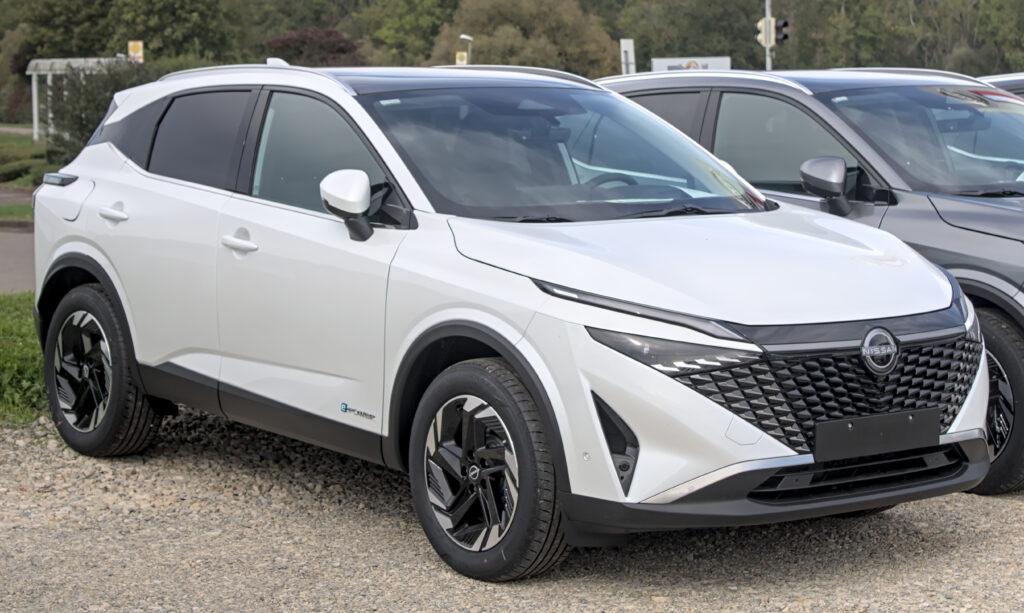
When we talk about compact SUVs, the Nissan Qashqai always finds its way into the conversation. It’s practical, stylish, and—most importantly for many of us—reasonably efficient.
But here’s the question that keeps popping up: Does choosing 4WD over 2WD significantly affect fuel consumption?
Let’s break it down together—no fluff, no recycled specs—just real insights, comparisons, and practical takeaways.
Content in this publication
- Why Fuel Consumption Matters More Than Ever
- Understanding 2WD vs 4WD: The Basics
- Fuel Consumption Overview: 2WD vs 4WD
- Why Does 4WD Use More Fuel?
- Real-World Driving: Where Differences Become Clear
- Engine Variants: Not All Petrol Qashqais Are Equal
- Driving Style: The Hidden Factor
- Weather and Terrain Impact
- Cost Analysis: What Does It Mean for Your Wallet?
- Maintenance Considerations
- Performance Trade-Off: Efficiency vs Capability
- When 2WD Is the Smarter Choice
- When 4WD Is Worth It
- Hybrid Alternatives: A Middle Ground?
- Common Myths About 4WD Fuel Consumption
- Tips to Improve Fuel Efficiency (Regardless of Drivetrain)
- Resale Value Considerations
- Environmental Impact: The Bigger Picture
- Quick Comparison Summary
- Final Verdict: Which One Should We Choose?
- Closing Thoughts
- FAQs
Why Fuel Consumption Matters More Than Ever
Fuel economy isn’t just about saving money anymore—it’s about making smarter decisions.
We’re dealing with:
- Rising fuel prices
- Environmental concerns
- Daily commuting realities
And when choosing between 2WD and 4WD, we’re not just picking a drivetrain—we’re choosing a lifestyle.
Understanding 2WD vs 4WD: The Basics
Before diving into fuel consumption, let’s quickly clarify the difference.
What Is 2WD in the Qashqai?
2WD (Two-Wheel Drive) means:
- Power goes to the front wheels only (FWD in most Qashqais)
- Lighter system
- Fewer moving parts
👉 Think of it as the minimalist runner—efficient, streamlined, and built for everyday roads.
What Is 4WD in the Qashqai?
4WD (All-Wheel Drive in modern terms) means:
- Power can be distributed to all four wheels
- Better traction in difficult conditions
- Heavier and more complex drivetrain
👉 This is the all-terrain athlete—stronger grip, but it carries more weight.
Fuel Consumption Overview: 2WD vs 4WD
Let’s get straight to what you came for.
Typical Fuel Consumption (Petrol Engines)
| Drivetrain | Combined MPG (UK) | L/100 km |
|---|---|---|
| 2WD | 45–52 MPG | 5.4–6.3 |
| 4WD | 38–45 MPG | 6.3–7.4 |
👉 Difference: Around 10–20% higher fuel consumption for 4WD.
Why Does 4WD Use More Fuel?
This isn’t magic—it’s physics.
1. Extra Weight
4WD systems add:
- Driveshafts
- Differential components
- Transfer case
More weight = more fuel needed.
2. Increased Mechanical Resistance
More moving parts create:
- Friction
- Energy loss
It’s like pedaling a bike uphill with a backpack.
3. Power Distribution Loss
Sending power to all four wheels requires:
- Additional energy transfer
- Less efficiency
Real-World Driving: Where Differences Become Clear
Specs are one thing. Real life? Totally different.
City Driving
- 2WD wins easily
- Stop-start traffic favors lighter vehicles
- 4WD adds unnecessary fuel drain
👉 Expect up to 15% more fuel use with 4WD in urban driving.
You may be interested in reading Toyota Prius MPG UK: The Real-World Fuel Economy Guide You Can’t Ignore
Highway Driving
- Gap narrows slightly
- Aerodynamics matter more than drivetrain
👉 Difference drops to around 8–12%
Rural & Off-Road Conditions
- 4WD shines
- Prevents wheel spin
- Maintains traction
👉 Ironically, 4WD can be more efficient here because it avoids wasted energy from slipping.
Engine Variants: Not All Petrol Qashqais Are Equal
Fuel consumption also depends on the engine.
1.3 DIG-T Petrol Engine
- Most common modern engine
- Turbocharged efficiency
2WD: ~6.0 L/100 km
4WD: ~6.8 L/100 km
Older 1.6 Petrol Engines
- Less efficient
- Higher consumption overall
Difference between 2WD and 4WD becomes even more noticeable.
Let’s be honest—we all drive differently.
Aggressive Driving
- Hard acceleration
- High RPM
👉 Amplifies the 4WD fuel penalty.
Smooth Driving
- Gradual acceleration
- Predictive braking
👉 Minimizes the gap between 2WD and 4WD.
Weather and Terrain Impact
Dry Roads
- 2WD is sufficient
- 4WD becomes unnecessary weight
Rain, Snow, or Mud
- 4WD improves stability
- Reduces wheel slip
👉 Here, fuel consumption becomes secondary to safety.
Cost Analysis: What Does It Mean for Your Wallet?
Let’s translate fuel consumption into money.
Annual Fuel Cost Difference
Assuming:
- 15,000 km/year
- Petrol price: average global rate
2WD yearly fuel cost: Lower baseline
4WD yearly fuel cost: +10–20% increase
👉 That’s roughly $150–$400 more per year, depending on driving habits.
Maintenance Considerations
Fuel consumption isn’t the only cost.
2WD Maintenance
- Simpler system
- Lower servicing costs
4WD Maintenance
- More components to service
- Higher long-term costs
👉 Think of it as owning a smartwatch vs a mechanical watch.
Performance Trade-Off: Efficiency vs Capability
Here’s where things get interesting.
2WD Advantages
- Better fuel economy
- Lower weight
- Cheaper to run
4WD Advantages
- Better grip
- More confidence in bad conditions
- Improved resale value in some markets
When 2WD Is the Smarter Choice
Choose 2WD if:
- You drive mostly in the city
- You live in a mild climate
- You want maximum fuel efficiency
👉 It’s the logical choice for most drivers.
When 4WD Is Worth It
Choose 4WD if:
- You face snow, mud, or steep terrain
- You travel off-road regularly
- Safety in poor conditions is a priority
👉 It’s about capability, not just consumption.
Hybrid Alternatives: A Middle Ground?
Modern Qashqai models now offer hybrid options.
You may be interested in readingToyota Prius MPG UK: The Real-World Fuel Economy Guide You Can’t IgnoreYou may be interested in reading
Toyota Prius 1.8 Hybrid Fuel Consumption: The Real-World Efficiency Guidee-Power Technology
- Electric motor drives wheels
- Petrol engine acts as generator
👉 Fuel consumption improves significantly compared to traditional petrol.
Common Myths About 4WD Fuel Consumption
“4WD Always Uses Double the Fuel”
❌ False
✔ Reality: Usually 10–20% more
“4WD Is Always Safer”
❌ Not entirely
✔ It helps traction, but doesn’t improve braking distance
Tips to Improve Fuel Efficiency (Regardless of Drivetrain)
Let’s squeeze every drop of efficiency:
- Maintain proper tire pressure
- Avoid unnecessary weight
- Use cruise control on highways
- Drive smoothly
- Keep up with servicing
👉 Small habits = big savings.
Resale Value Considerations
Interestingly:
- 4WD models may have higher resale value in certain markets
- 2WD models appeal more in urban environments
👉 It depends on your buyer’s needs.
Environmental Impact: The Bigger Picture
Lower fuel consumption means:
- Reduced CO₂ emissions
- Smaller carbon footprint
👉 Choosing 2WD is generally the greener option.
Quick Comparison Summary
2WD vs 4WD at a Glance
2WD:
- Better fuel economy
- Lower cost
- Ideal for city driving
4WD:
- Higher fuel consumption
- Better traction
- Ideal for challenging conditions
Final Verdict: Which One Should We Choose?
If we’re being honest—most drivers don’t need 4WD.
2WD delivers:
- Better fuel economy
- Lower running costs
- Enough capability for daily life
But 4WD?
It’s like carrying a Swiss Army knife—you may not need it every day, but when you do, you’re glad it’s there.
Closing Thoughts
Fuel consumption in the Nissan Qashqai petrol 2WD vs 4WD debate isn’t just about numbers—it’s about how we drive, where we go, and what we truly need.
So ask yourself:
👉 Are we chasing efficiency… or capability?
Because the answer will point you to the right drivetrain every single time.
FAQs
1. Does 4WD significantly increase fuel consumption in the Qashqai?
Yes, typically by 10–20%, depending on driving conditions and habits.
2. Is 2WD enough for everyday driving?
Absolutely. For city and highway use, 2WD is more than sufficient.
3. Can 4WD be more efficient in some situations?
Yes, in off-road or slippery conditions where it reduces wheel spin.
4. Which engine is most efficient in the Qashqai petrol range?
The 1.3 DIG-T turbo engine offers the best balance of power and efficiency.
You may be interested in readingToyota Prius MPG UK: The Real-World Fuel Economy Guide You Can’t IgnoreYou may be interested in reading
Toyota Prius 1.8 Hybrid Fuel Consumption: The Real-World Efficiency GuideYou may be interested in reading
 Volkswagen Up Fuel Consumption: The Real-World Efficiency Guide We All Need
5. Should I choose 4WD for safety?
Only if you regularly drive in harsh conditions like snow or mud.
If you want to know other articles similar to Fuel Consumption Nissan Qashqai Petrol 2WD vs 4WD: The Real-World Guide We All Needed you can visit the category Driving.
Hyundai i40 MPG: Real-World Fuel Economy Guide
Kia Rio Fuel Consumption: Real-World Efficiency, MPG Insights & Smart Driving Tips
Kia Rio Miles Per Gallon: Real MPG, Efficiency Tips & What to Expect
Citroen C1 Fuel Consumption: The Real-World Guide to MPG, Costs, and Smarter Driving
Vauxhall Insignia Top Speed: How Fast Can This Smart Executive Car Really Go?
Vauxhall Insignia MPG: Real Fuel Economy, Running Costs, and Tips to Maximize Efficiency
Leave a Reply
More content of your interest