

Vauxhall Crossland Miles Per Gallon: Real-World MPG, Tips & Truths

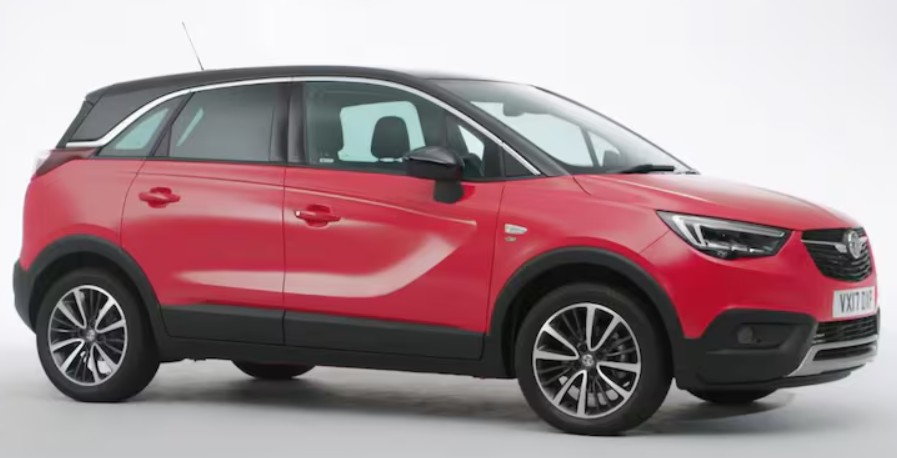
When we talk about fuel efficiency, we’re really asking one simple question: how far can we go on a single tank without breaking the bank? If you’re considering the Vauxhall Crossland, you’re in the right place. This compact SUV promises practicality, comfort, and—most importantly for many drivers—solid miles per gallon (MPG).
But here’s the catch: official MPG figures rarely tell the full story.
So, let’s dive deep together. We’ll explore real-world MPG, engine variations, driving habits, and clever ways to stretch every drop of fuel like it’s liquid gold.
Content in this publication
- Understanding MPG: What It Really Means
- Vauxhall Crossland MPG Overview
- Petrol Engine MPG Breakdown
- Diesel Engine MPG Breakdown
- Manual vs Automatic: Does It Affect MPG?
- Real-World MPG: What Drivers Actually Experience
- Driving Style: The Hidden MPG Killer
- City vs Motorway MPG Comparison
- Fuel Economy by Trim Levels
- Tyres, Weight, and Aerodynamics
- Maintenance and MPG
- Seasonal Effects on MPG
- Comparing Crossland MPG to Rivals
- Is the Crossland Fuel-Efficient Enough?
- Tips to Maximize Your MPG
- Common MPG Myths Debunked
- Closing Thoughts: Is the Crossland Worth It for MPG?
- FAQs
Understanding MPG: What It Really Means
The Basics Behind Miles Per Gallon
Miles per gallon (MPG) measures how far your vehicle can travel using one gallon of fuel. Simple in theory—but layered in reality.
- Higher MPG = better fuel efficiency
- Lower MPG = more fuel consumption
But here’s the twist: MPG depends on how, where, and even when you drive.
Official vs Real-World MPG
Manufacturers often quote MPG based on lab tests (WLTP cycle). These are ideal conditions—no traffic, perfect roads, and steady speeds.
Real life? Not so perfect.
- Stop-start traffic
- Cold engines
- Hills and rough roads
All of these chip away at your MPG.
Vauxhall Crossland MPG Overview
Average MPG Across Models
Let’s break it down into digestible chunks:
- Petrol engines: ~44–50 MPG
- Diesel engines: ~55–65 MPG
Diesel models generally lead the pack, especially for long-distance drivers.
Why MPG Varies Between Models
Not all Crosslands are created equal. MPG depends on:
- Engine size (1.2L vs 1.5L)
- Transmission (manual vs automatic)
- Weight and trim level
Think of it like shoes—same brand, different performance depending on the design.
Petrol Engine MPG Breakdown
1.2 Turbo Petrol Efficiency
This is the most common engine—and for good reason.
- Average MPG: 45–50 MPG
- Ideal for: city driving and short commutes
It’s smooth, responsive, and efficient—but not unbeatable on highways.
Urban Driving Reality
In city traffic, expect:
- Frequent braking
- Idling at lights
- Lower MPG (around 38–44 MPG)
It’s like running a marathon with constant stops—you burn more energy.
Diesel Engine MPG Breakdown
1.5 Diesel Power and Efficiency
If you’re chasing maximum MPG, diesel is your ally.
- Average MPG: 55–65 MPG
- Ideal for: motorway cruising and long trips
Why Diesel Excels on Highways
Diesel engines:
- Operate efficiently at lower RPM
- Use less fuel over long distances
It’s like a long-distance runner—steady, efficient, unstoppable.
Manual vs Automatic: Does It Affect MPG?
Manual Transmission
- Typically more efficient
- Better control over gear shifts
Automatic Transmission
- Slightly lower MPG
- More convenient for city driving
The difference? Usually 2–5 MPG.
Real-World MPG: What Drivers Actually Experience
Typical User Reports
From everyday drivers, we see:
- City: 38–45 MPG
- Combined: 45–55 MPG
- Motorway: 55–65 MPG (diesel)
Factors That Influence Real MPG
- Driving style (aggressive vs smooth)
- Load (passengers, luggage)
- Weather conditions
Even something as simple as tyre pressure can shift your MPG.
Aggressive Driving vs Smooth Driving
Let’s be honest—we’ve all done it.
- Rapid acceleration = more fuel burned
- Sudden braking = wasted energy
Smooth driving can improve MPG by up to 20%.
Eco Driving Techniques
Here’s what works:
- Maintain steady speeds
- Anticipate traffic
- Shift gears early
Think of it as gliding instead of pushing.
City vs Motorway MPG Comparison
City Driving MPG
- Lower efficiency
- Frequent stops
Motorway MPG
- Higher efficiency
- Constant speed
Which Environment Is Best?
Motorways win—hands down.
But if you’re mostly in the city, petrol engines make more sense.
Fuel Economy by Trim Levels
Does Trim Affect MPG?
Yes, slightly.
Higher trims add:
- Bigger wheels
- Extra features
- More weight
Result? Slightly reduced MPG.
Best Trim for Efficiency
Lower trims often offer:
- Better MPG
- Lower running costs
Minimalism pays off here.
Tyres, Weight, and Aerodynamics
Tyre Pressure Matters More Than You Think
Underinflated tyres:
- Increase rolling resistance
- Reduce MPG
Check them monthly—it’s a small habit with big impact.
Weight and Fuel Consumption
Extra weight = more fuel burned.
- Roof racks
- Heavy cargo
All act like anchors on your efficiency.
Maintenance and MPG
Regular Servicing Benefits
A well-maintained Crossland:
- Runs smoother
- Uses less fuel
Key Maintenance Tips
- Change oil regularly
- Replace air filters
- Keep injectors clean
Neglect maintenance, and MPG drops quietly over time.
Seasonal Effects on MPG
Winter vs Summer Efficiency
Cold weather reduces MPG because:
- Engines take longer to warm up
- Heating systems consume energy
How to Adapt
- Warm up gently (don’t idle too long)
- Use climate controls wisely
Comparing Crossland MPG to Rivals
How It Stacks Up
Compared to similar SUVs:
- Competitive MPG
- Strong diesel performance
Key Competitors
- Ford Puma
- Nissan Juke
- Peugeot 2008
The Crossland holds its own—especially in diesel variants.
Is the Crossland Fuel-Efficient Enough?
Who Will Benefit Most
The Crossland is perfect for:
- Daily commuters
- Small families
- Budget-conscious drivers
When It Might Not Be Ideal
If you want:
- Hybrid tech
- Ultra-high MPG
You may want to explore alternatives.
Tips to Maximize Your MPG
Simple Daily Habits
- Avoid idling
- Drive smoothly
- Remove unnecessary weight
Long-Term Strategies
- Regular servicing
- Smart route planning
- Use cruise control on highways
Efficiency isn’t luck—it’s strategy.
Common MPG Myths Debunked
Not always. Stick to manufacturer recommendations.
Myth 2: Idling Saves Fuel
False. It wastes fuel unnecessarily.
Myth 3: Bigger Cars Always Use More Fuel
Not entirely—engine efficiency matters more.
Closing Thoughts: Is the Crossland Worth It for MPG?
So, where do we land?
The Vauxhall Crossland offers solid, dependable fuel economy—especially if you choose the right engine and adopt smart driving habits.
It’s not the most revolutionary SUV in terms of MPG, but it’s consistent, reliable, and practical. And sometimes, that’s exactly what we need.
If we treat fuel efficiency like a game—fine-tuning our habits, maintaining our car, and driving smart—we can squeeze every mile out of every gallon.
And honestly, that’s where the real magic happens.
FAQs
1. What is the average MPG of a Vauxhall Crossland?
Most models deliver between 44–65 MPG, depending on engine type and driving conditions.
2. Is the diesel Crossland more efficient than petrol?
Yes, diesel models typically achieve higher MPG, especially on long journeys.
3. Does driving style affect MPG significantly?
Absolutely. Smooth driving can improve fuel economy by up to 20%.
4. Is the Crossland good for city driving?
Yes, particularly petrol versions, which handle stop-start traffic better.
5. How can I improve my Crossland’s MPG?
Maintain your car, drive smoothly, keep tyres inflated, and avoid carrying unnecessary weight.
If you want to know other articles similar to Vauxhall Crossland Miles Per Gallon: Real-World MPG, Tips & Truths you can visit the category Driving.
Kia Sorento Fuel Economy: MPG, Hybrid, and Plug-In Hybrid Explained
BYD Shark 6 Fuel Consumption: Real-World Economy, Range and What to Expect
Vauxhall Agila MPG: Real-World Fuel Economy and Engine Guide

Honda Passport MPG: Real-World Fuel Economy, Ratings, and What to Expect

Nissan Rogue Fuel Economy: MPG, Range, Costs, and Real-World Efficiency
BYD Shark 6 Long Range Fuel Tank: Is the 120L Upgrade Worth It?
Leave a Reply
More content of your interest