

Alfa Romeo MiTo Warning Lights: Complete Dashboard Guide

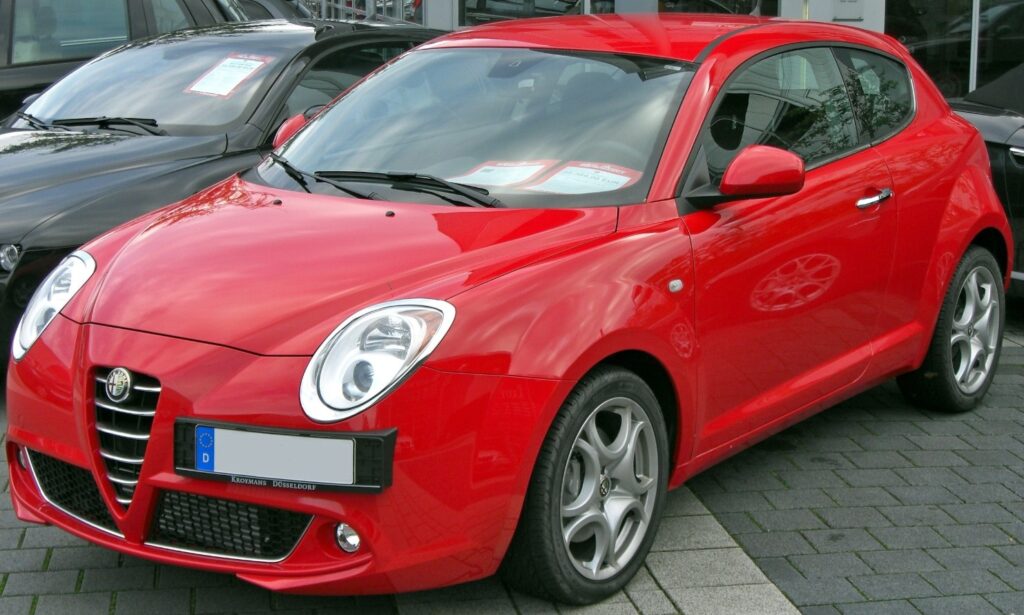
The Alfa Romeo MiTo warning lights can sometimes feel like the car is trying to speak to us in a language made entirely of tiny glowing symbols. One minute everything looks normal; the next, an amber engine icon, red steering wheel, or mysterious triangle appears on the dashboard.
Should we pull over immediately? Can we finish the journey? Is the car facing an expensive mechanical problem, or has a sensor simply had a bad morning?
That distinction matters.
Dashboard warning lights in an Alfa Romeo MiTo are designed to alert us to everything from routine functions to potentially serious failures involving the engine, brakes, steering, charging system, airbags, and emissions equipment. Some lights disappear a few seconds after startup. Others deserve immediate attention.
In this guide, we'll break down the most important Alfa Romeo MiTo dashboard symbols, explain what their colors mean, explore common causes, and discuss what to do when a warning refuses to disappear.
Content in this publication
- What Alfa Romeo MiTo Warning Lights Mean
- Understanding Alfa Romeo MiTo Dashboard Light Colors
- Alfa Romeo MiTo Check Engine Warning Light
- Alfa Romeo MiTo Oil Pressure Warning Light
- Alfa Romeo MiTo Battery Warning Light
- Alfa Romeo MiTo Coolant Temperature Warning Light
- Alfa Romeo MiTo Brake Warning Light
- Alfa Romeo MiTo ABS Warning Light
- Alfa Romeo MiTo Power Steering Warning Light
- Alfa Romeo MiTo Airbag Warning Light
- Alfa Romeo MiTo Start/Stop Warning Light
- Alfa Romeo MiTo ESC Warning Light
- Alfa Romeo MiTo Hill Holder Warning
- Alfa Romeo MiTo Tyre Pressure Warning Light
- Alfa Romeo MiTo Diesel Particulate Filter Warning
- Alfa Romeo MiTo Glow Plug Warning Light
- Alfa Romeo MiTo Low Fuel Warning Light
- Alfa Romeo MiTo Seat Belt Warning
- Alfa Romeo MiTo Door Open Warning
- Alfa Romeo MiTo Generic Warning Triangle
- Why Several MiTo Warning Lights Can Appear at Once
- Alfa Romeo MiTo Warning Lights After Battery Replacement
- Why Warning Lights Sometimes Disappear by Themselves
- How to Diagnose Alfa Romeo MiTo Warning Lights
- Can You Drive an Alfa Romeo MiTo With Warning Lights On?
- Can You Reset Alfa Romeo MiTo Warning Lights?
- How to Prevent Dashboard Warning Problems
- Are Alfa Romeo MiTo Warning Lights Expensive to Fix?
- Should You Buy a Used MiTo With Warning Lights Showing?
- Alfa Romeo MiTo Warning Lights: Final Thoughts
- Frequently Asked Questions About Alfa Romeo MiTo Warning Lights
- 1. What does the triangle warning light mean on an Alfa Romeo MiTo?
- 2. Why are multiple warning lights showing on my Alfa Romeo MiTo?
- 3. Can a weak battery cause Alfa Romeo MiTo warning lights?
- 4. Is it safe to drive with the engine warning light on?
- 5. How do I clear a warning light on an Alfa Romeo MiTo?
What Alfa Romeo MiTo Warning Lights Mean
Warning lights are essentially the MiTo's early-warning system. Sensors positioned throughout the vehicle constantly monitor operating conditions such as engine temperature, oil pressure, battery charging, braking assistance, airbag readiness, emissions performance, and electronic stability systems.
When the car detects something outside the expected range, the dashboard illuminates a symbol.
That doesn't automatically mean something catastrophic has happened.
Sometimes the warning is informational. Sometimes it signals that a system has temporarily switched off. In other situations, however, the car is effectively waving a red flag and saying, "Stop before this gets expensive."
Knowing the difference is half the battle.
Understanding Alfa Romeo MiTo Dashboard Light Colors
Before worrying about individual symbols, we should pay attention to their color. Dashboard warning colors generally provide the quickest clue about urgency.
Red Warning Lights
Red usually indicates something that needs immediate attention.
Examples may include:
- Low engine oil pressure
- Brake system problems
- Excessive coolant temperature
- Battery charging failure
- Seat belt warnings
- Serious steering faults
A persistent red mechanical warning should rarely be ignored.
Think of red lights like a fire alarm. We don't necessarily know how serious the situation is yet, but continuing without checking isn't a smart gamble.
Amber or Yellow Warning Lights
Amber lights generally indicate a fault that should be investigated soon rather than an immediate emergency.
Common examples include:
- Check engine light
- ABS warning
- Start/Stop unavailable
- Electronic stability system fault
- Diesel particulate filter warnings
- Tyre pressure monitoring warnings
The vehicle may continue driving normally, although certain functions may be limited.
Green, Blue, and White Dashboard Lights
These are usually status indicators rather than warnings.
They may show:
- Turn signals
- Headlights
- High beams
- Cruise control
- Exterior lighting functions
If the dashboard glows green or blue, we normally have little reason for concern.
Alfa Romeo MiTo Check Engine Warning Light
The engine management light is one of the most familiar—and most misunderstood—Alfa Romeo MiTo warning lights.
It usually resembles the outline of an engine.
When illuminated steadily, it often means the engine management system has detected a fault involving fuel delivery, ignition, emissions control, airflow measurement, or another monitored component.
Possible causes can include:
- Ignition coil faults
- Worn spark plugs
- Oxygen sensor problems
- Air intake leaks
- Fuel system faults
- Turbo-related issues
- Emissions sensor problems
- Electrical or wiring faults
What If the Engine Light Stays On?
If the engine seems to run normally and the light remains steady, we can usually drive cautiously while arranging a diagnostic check.
However, we shouldn't simply cover the symbol with tape and pretend it has disappeared. Modern engines rely heavily on electronic controls, and seemingly minor faults can sometimes lead to higher fuel consumption, poor performance, or catalytic converter damage.
What If the Check Engine Light Flashes?
A flashing engine warning deserves considerably more attention.
It can indicate severe combustion misfires capable of damaging emissions components.
If the engine is shaking, losing power, or running roughly while the warning flashes, reducing speed and stopping safely is the sensible approach.
Alfa Romeo MiTo Oil Pressure Warning Light
The red oil-can symbol is one warning we should treat seriously.
It usually indicates insufficient engine oil pressure—not simply that the oil level is slightly low.
Without adequate oil pressure, internal engine components can lose lubrication extremely quickly.
What Should We Do?
If the oil pressure warning stays illuminated while the engine is running:
- Stop somewhere safe.
- Switch off the engine.
- Allow the vehicle to settle.
- Check the engine oil level according to the owner's manual.
- Add the correct oil if the level is genuinely low.
- Avoid continuing if the warning remains illuminated.
Driving an engine without proper oil pressure can transform a manageable fault into major engine damage.
Alfa Romeo MiTo Battery Warning Light
The battery symbol normally appears when we turn the ignition on and disappears after the engine starts.
If it remains illuminated while driving, the charging system may not be working correctly.
Possible causes include:
- Alternator failure
- Alternator belt problems
- Weak battery connections
- Electrical wiring faults
- Charging-system sensor issues
- Failing battery
Interestingly, the warning does not necessarily mean the battery itself is defective.
The battery is more like the bucket; the alternator is the tap filling it. If the alternator stops producing electricity, the vehicle gradually drains whatever energy remains in the battery.
Eventually, the engine may stop.
Alfa Romeo MiTo Coolant Temperature Warning Light
An overheating warning should never become background decoration.
If the coolant temperature warning appears—particularly in red—the engine may be operating above its safe temperature range.
Potential causes include:
- Low coolant
- Coolant leaks
- Thermostat failure
- Radiator problems
- Cooling fan malfunction
- Water pump issues
Can We Keep Driving an Overheating MiTo?
Generally, no.
Continuing to drive an overheating engine can cause serious damage, including cylinder-head distortion or head-gasket failure.
If the temperature rises dramatically, stop safely and switch off the engine.
Never remove the coolant expansion tank cap immediately from a hot engine. The cooling system can remain pressurized, and hot coolant may escape violently.
Alfa Romeo MiTo Brake Warning Light
The red brake warning symbol deserves immediate investigation.
It may simply indicate that the parking brake is engaged. However, if the parking brake has been fully released and the warning remains illuminated, the vehicle may have detected a brake-system fault or low brake fluid.
Possible explanations include:
- Parking brake still applied
- Low brake fluid
- Brake hydraulic issue
- Brake-system sensor fault
- Related electronic braking malfunction
Because brakes aren't an area where we want to play detective at motorway speed, persistent red brake warnings should be inspected promptly.
Alfa Romeo MiTo ABS Warning Light
The ABS warning normally appears as the letters ABS surrounded by a circle.
If it stays illuminated, the anti-lock braking system may be unavailable.
The conventional brakes may still operate, but ABS assistance could be disabled.
That matters most during emergency braking or slippery conditions, where wheel lock-up becomes more likely.
Common causes include:
- Wheel speed sensor failure
- Damaged sensor wiring
- ABS control unit problems
- Low system voltage
- Damaged magnetic encoder rings
ABS and Brake Lights Together
When both ABS and brake-system warnings appear simultaneously, the problem may be more significant.
Treat the combination more seriously than an isolated amber ABS lamp.
Alfa Romeo MiTo Power Steering Warning Light
Some MiTo models use electrically assisted steering, so steering faults can trigger a dashboard warning.
Drivers may notice:
- A steering wheel warning symbol
- Suddenly heavier steering
- Intermittent steering assistance
- Assistance disappearing after startup
Electrical voltage problems can sometimes contribute to steering warnings, especially when the battery is weak.
What If the Steering Suddenly Feels Heavy?
We should slow down, avoid aggressive manoeuvres, and have the vehicle investigated.
The car may still physically steer, but significantly increased steering effort can make low-speed turns and emergency movements harder.
Alfa Romeo MiTo Airbag Warning Light
The airbag or Supplemental Restraint System warning often depicts a seated passenger with a circular airbag in front.
If the light remains illuminated after startup, the airbag system may have detected a fault.
Possible areas include:
- Airbag modules
- Seat wiring
- Seat belt pretensioners
- Occupancy sensors
- Steering-wheel clock spring
- Electrical connectors
This isn't usually a warning about drivability. The engine can run perfectly normally.
The concern is passenger protection.
An illuminated airbag warning may mean one or more restraint components will not operate correctly during an accident.
Alfa Romeo MiTo Start/Stop Warning Light
MiTo models equipped with automatic Start/Stop may occasionally display messages stating that the system is unavailable.
That doesn't always mean something is broken.
The system can remain inactive under certain operating conditions, including:
- Low battery charge
- Very cold temperatures
- Heavy electrical demand
- Engine not fully warmed
- Climate control requirements
- Frequent short journeys
Could the Battery Be Responsible?
Absolutely.
Start/Stop systems depend heavily on battery condition. A battery may still have enough energy to start the engine while being too weak to satisfy the Start/Stop control strategy.
When several apparently unrelated electrical warnings begin appearing together, checking battery voltage can be a sensible first step.
Alfa Romeo MiTo ESC Warning Light
ESC refers to electronic stability control.
A flashing ESC warning may simply indicate that the system is actively intervening because the tyres are approaching their grip limits.
A warning that remains continuously illuminated is different.
It can indicate a fault within the stability-control system.
Potential causes include:
- Wheel speed sensor faults
- Steering-angle sensor issues
- ABS-related faults
- Low electrical voltage
- Electronic control problems
The car may still drive, but electronic stability assistance may be reduced or unavailable.
Alfa Romeo MiTo Hill Holder Warning
Hill Holder helps prevent the vehicle from rolling backward when setting off on an incline.
A Hill Holder warning may sometimes appear alongside ESC or ABS messages because these systems share information from several sensors.
This is a useful clue.
When several warning lights appear at exactly the same time, we should avoid assuming that five components failed simultaneously.
One bad sensor, voltage problem, damaged connector, or communication fault can sometimes trigger a whole Christmas tree of dashboard warnings.
Alfa Romeo MiTo Tyre Pressure Warning Light
Some MiTo versions may be equipped with tyre-pressure monitoring or related tyre-pressure warning functionality depending on specification and market.
The familiar symbol resembles a flattened tyre containing an exclamation mark.
If it appears, check the tyres.
Look for:
- Clearly underinflated tyres
- Nails or punctures
- Damaged sidewalls
- Incorrect pressures
- Significant differences between tyres
Always use the pressure specifications provided for the specific vehicle rather than guessing based on what appears printed on the tyre sidewall.
Alfa Romeo MiTo Diesel Particulate Filter Warning
Diesel MiTo models can use a diesel particulate filter, commonly called a DPF.
The filter traps soot from the exhaust and periodically burns accumulated material through regeneration.
Repeated short journeys can interrupt this process.
Possible signs of DPF trouble include:
- DPF warning messages
- Increased fuel consumption
- Reduced performance
- Cooling fan running frequently
- Elevated idle speed
- Engine warning light
Can Driving Clear a DPF Warning?
Sometimes a vehicle may request driving conditions that allow regeneration to complete.
However, we shouldn't assume every DPF warning can be fixed by simply driving faster.
A heavily blocked filter, sensor failure, engine fault, or repeated regeneration problem may require diagnostic work.
Alfa Romeo MiTo Glow Plug Warning Light
Diesel models have glow plugs that assist cold starting.
The glow-plug symbol usually resembles a small coil or spring.
It normally illuminates briefly when the ignition is switched on and disappears when the engine is ready to start.
If the light flashes or remains illuminated abnormally, there may be a fault involving:
- Glow plugs
- Glow-plug relay
- Wiring
- Engine management electronics
A MiTo with defective glow plugs may become harder to start in cold conditions.
Alfa Romeo MiTo Low Fuel Warning Light
This one's thankfully straightforward.
When the low-fuel symbol illuminates, our MiTo is politely suggesting that our optimism regarding the fuel gauge has gone far enough.
Refuel soon.
Repeatedly driving with extremely little fuel isn't ideal, particularly because running completely dry can create additional problems on some diesel vehicles.
Alfa Romeo MiTo Seat Belt Warning
The seat belt light normally remains illuminated until required occupants fasten their belts.
Some models also provide an audible warning.
If the warning continues despite the seat belt being correctly fastened, there may be an issue involving the buckle switch, occupancy sensor, wiring, or electrical connector.
Alfa Romeo MiTo Door Open Warning
A door, tailgate, or bonnet warning means the vehicle believes something has not been properly closed.
If everything appears physically shut but the warning remains present, inspect the relevant latch.
A faulty microswitch can sometimes convince the vehicle that a perfectly closed door is still open.
Alfa Romeo MiTo Generic Warning Triangle
The triangle containing an exclamation mark can be confusing because it isn't tied to one single component.
It may accompany another message or warning displayed elsewhere on the instrument cluster.
Rather than focusing exclusively on the triangle, read any additional dashboard message.
The triangle is often the messenger rather than the actual problem.
Why Several MiTo Warning Lights Can Appear at Once
This situation terrifies owners.
You start the car and suddenly ABS, ESC, steering, Start/Stop, and miscellaneous warning messages illuminate simultaneously.
Surely the entire vehicle hasn't decided to resign overnight?
Probably not.
Modern vehicles operate through interconnected electronic control systems. A single fault can disrupt information used by several modules.
Possible culprits include:
- Weak battery
- Poor battery terminals
- Low charging voltage
- Failed wheel speed sensor
- Damaged wiring
- Poor earth connection
- Communication faults between modules
- Water or corrosion around electrical connectors
Start With Battery Condition
Voltage should be one of the first things we examine when multiple electrical warnings appear, particularly if the car also:
- Cranks slowly
- Has trouble starting
- Resets the clock
- Shows warnings mainly during cold starts
- Has recently been unused for long periods
A weak battery can turn a dashboard into a Christmas tree even though the underlying systems are physically fine.
Alfa Romeo MiTo Warning Lights After Battery Replacement
Warning lights appearing after battery work aren't unheard of.
Disconnecting or replacing the battery can interrupt stored electronic information. Certain systems may need to relearn parameters, while an incorrect battery type or poorly connected terminal can create additional faults.
Check that:
- Battery terminals are tight
- The battery specification is appropriate
- Ground connections are secure
- Charging voltage is correct
- No connectors were accidentally disturbed
Persistent lights should be scanned rather than repeatedly disconnecting the battery in hopes that the car magically forgets the problem.
Why Warning Lights Sometimes Disappear by Themselves
Electronic faults can be intermittent.
A sensor may temporarily produce an implausible signal, trigger a warning, and then operate normally again.
The dashboard light might disappear after restarting the vehicle.
Does that mean the problem has vanished?
Not necessarily.
Diagnostic trouble codes may remain stored in the control module even when the warning light switches off.
That's why scanning the vehicle can still be useful after intermittent dashboard warnings.
How to Diagnose Alfa Romeo MiTo Warning Lights
Guessing is expensive.
Replacing parts because an internet forum says "it's probably the sensor" can quickly become an automotive version of throwing darts blindfolded.
A structured approach works better.
Step 1: Identify the Exact Warning
Note:
- Symbol
- Color
- Dashboard message
- Whether it stays illuminated or flashes
- When it first appeared
Step 2: Observe the Vehicle
Pay attention to accompanying symptoms.
Is the MiTo:
- Losing power?
- Running roughly?
- Overheating?
- Difficult to steer?
- Making unusual noises?
- Struggling to start?
These clues can dramatically narrow the possibilities.
Step 3: Check Basic Items
Depending on the warning, inspect simple things first:
- Engine oil level
- Coolant level when safe
- Brake fluid
- Tyre pressures
- Battery terminals
- Exterior lights
Step 4: Scan Diagnostic Codes
A suitable diagnostic scanner can retrieve trouble codes stored by electronic modules.
Generic OBD-II scanners are useful for many engine-related faults, but deeper Alfa Romeo systems may require more capable diagnostic equipment.
Step 5: Diagnose Before Replacing Parts
A trouble code points us toward a problem area. It doesn't always identify the failed component.
For example, a sensor-related code could actually result from:
- Broken wiring
- Poor connectors
- Incorrect voltage
- Vacuum leaks
- Mechanical faults
- The sensor itself
Proper diagnosis saves money.
Can You Drive an Alfa Romeo MiTo With Warning Lights On?
Sometimes yes. Sometimes absolutely not.
The decision depends on the warning and vehicle behavior.
Amber warnings often allow cautious continued driving, particularly when the car behaves normally.
Red warnings involving oil pressure, overheating, braking, or serious electrical faults demand much more caution.
Stop Driving If You Notice
Consider stopping immediately when there is:
- Red oil pressure warning
- Severe overheating
- Major brake warning
- Smoke
- Burning smell
- Severe engine knocking
- Flashing engine warning with rough running
- Sudden major steering assistance loss
Saving the engine—or ourselves—is worth more than finishing a journey five minutes earlier.
Can You Reset Alfa Romeo MiTo Warning Lights?
Some people immediately look for a reset procedure when a warning appears.
But resetting a light is not the same as repairing the fault.
If we clear a diagnostic code without correcting the cause, the warning will often return.
It's like silencing a smoke detector while leaving the toaster on fire.
A reset makes sense after:
- Repairs have been completed
- Maintenance has been carried out
- The underlying fault has been diagnosed
- A temporary electrical issue has been resolved
It shouldn't replace proper troubleshooting.
How to Prevent Dashboard Warning Problems
We can't prevent every warning light, but sensible maintenance goes a long way.
A practical MiTo routine includes:
- Keeping the battery healthy
- Using the correct engine oil
- Monitoring coolant
- Maintaining correct tyre pressures
- Servicing the vehicle on time
- Addressing engine misfires quickly
- Avoiding endless short journeys with diesel models
- Fixing electrical faults before they multiply
- Investigating unusual noises or behavior early
Preventive maintenance isn't glamorous, but neither is sitting beside the road waiting for recovery.
Are Alfa Romeo MiTo Warning Lights Expensive to Fix?
The warning symbol alone cannot predict repair cost.
Two visually identical engine warning lights could represent completely different problems.
One car may simply need an inexpensive sensor repair. Another could have a turbocharger or emissions-system issue.
Likewise, ABS warnings might come from a relatively straightforward wheel sensor or a more complex control-unit fault.
This is why diagnosis matters more than the symbol itself.
The light tells us where to begin looking, not necessarily what needs replacing.
Should You Buy a Used MiTo With Warning Lights Showing?
Approach carefully.
A seller may claim:
"It's only a sensor."
Maybe.
But if it really were such an easy and inexpensive repair, we'd reasonably ask why the seller hasn't fixed it already.
Before buying a MiTo with dashboard warnings, arrange:
- A diagnostic scan
- Mechanical inspection
- Battery and charging test
- Test drive
- Review of maintenance history
Unresolved warning lights should influence both the purchasing decision and price negotiation.
Alfa Romeo MiTo Warning Lights: Final Thoughts
The Alfa Romeo MiTo warning lights aren't there to ruin our morning. They're the vehicle's way of giving us information before a minor problem potentially becomes a much larger one.
The easiest rule to remember is color and behavior.
Green and blue lights are generally informational. Amber warnings normally mean investigate soon. Red mechanical warnings deserve immediate attention.
We should also remember that modern cars are interconnected. Several dashboard warnings appearing simultaneously don't necessarily mean several systems have failed. Battery voltage, sensors, wiring, and shared electronic signals can trigger multiple messages from a single underlying fault.
Most importantly, don't diagnose a MiTo exclusively from a glowing symbol.
Check the symptoms, inspect the basics, scan the electronic modules, and identify the actual cause before replacing components. Treat the dashboard like a conversation with the car. Sometimes it's whispering. Sometimes it's shouting. Knowing which is which can save us plenty of stress—and potentially a sizeable repair bill.
Frequently Asked Questions About Alfa Romeo MiTo Warning Lights
1. What does the triangle warning light mean on an Alfa Romeo MiTo?
The triangle with an exclamation mark is generally a broader warning indicator that may accompany another dashboard message. Check the instrument display for additional information explaining which system requires attention.
2. Why are multiple warning lights showing on my Alfa Romeo MiTo?
Several lights appearing simultaneously can result from one shared fault. Weak battery voltage, charging problems, damaged wheel speed sensors, wiring faults, or communication problems between electronic modules can sometimes trigger several warnings at once.
3. Can a weak battery cause Alfa Romeo MiTo warning lights?
Yes. Low or unstable battery voltage can contribute to various electronic warnings, particularly during startup. ABS, stability control, Start/Stop, steering, and other systems rely on stable electrical power.
4. Is it safe to drive with the engine warning light on?
A steady amber engine warning may sometimes allow cautious driving if the vehicle runs normally. A flashing warning—especially when accompanied by misfires, shaking, smoke, or serious power loss—requires much greater caution and should be investigated immediately.
5. How do I clear a warning light on an Alfa Romeo MiTo?
The correct approach is to identify and repair the underlying fault first. Diagnostic equipment can then clear stored codes when appropriate. Simply deleting the warning without solving the cause will often result in the light returning.
If you want to know other articles similar to Alfa Romeo MiTo Warning Lights: Complete Dashboard Guide you can visit the category Service and Parts.
Vauxhall Mokka Tyre Pressure Reset: Complete Guide

How to Reset the Tire Pressure System on Your Hyundai Tucson

Hyundai Kona Tire Pressure: Complete PSI Guide

Vauxhall Corsa Timing Belt Replacement Cost UK 2026
Mazda CX-5 Tire Size Chart: 2013–2026 Guide
How to Reset a Honda Civic: Complete Step-by-Step Guide
Leave a Reply
More content of your interest