
Are Volkswagen Amarok Good Cars? An In-Depth Ownership Guide

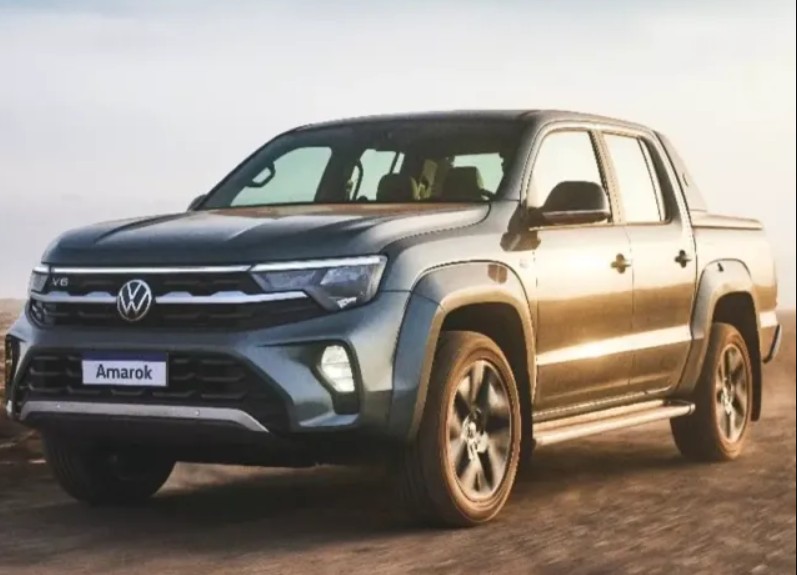
If we are shopping for a tough, comfortable pickup that can tow a trailer during the week, carry tools to a worksite, and still feel civilized enough for a long weekend road trip, the Volkswagen Amarok naturally lands on the shortlist. But one question matters more than the badge, styling, or horsepower figures: are Volkswagen Amarok good cars to actually own?
For many drivers, the answer is yes. The Amarok has built a reputation for blending pickup-truck toughness with the kind of refinement we normally associate with SUVs. Depending on the generation and market, buyers can find strong diesel engines, impressive towing ability, roomy cabins, sophisticated four-wheel-drive systems, and a driving experience that feels surprisingly composed for a vehicle designed to haul heavy loads.
That does not mean every Amarok is perfect. Running costs can climb, some engines and transmissions demand careful maintenance, and buying a neglected used example can turn an attractive bargain into a money pit surprisingly quickly.
So, rather than simply declaring the Amarok "good" or "bad," let's look at what ownership is really like, where the truck shines, what can go wrong, and which buyers are most likely to enjoy living with one.
Content in this publication
- Are Volkswagen Amarok Good Cars Overall?
- What Is the Volkswagen Amarok Like to Drive?
- Is the Volkswagen Amarok Comfortable?
- Are Volkswagen Amarok Engines Good?
- The Four-Cylinder Diesel Amarok
- Is the Amarok V6 Good?
- How Reliable Is a Volkswagen Amarok?
- Does the Amarok Have Expensive Maintenance?
- Is the Volkswagen Amarok Good for Towing?
- Is the Amarok Good Off-Road?
- Is the Volkswagen Amarok a Good Work Truck?
- How Practical Is the Amarok for Families?
- What Is Amarok Fuel Economy Like?
- Is an Amarok Expensive to Insure?
- How Long Can a Volkswagen Amarok Last?
- What Should We Check Before Buying a Used Amarok?
- Are Automatic Amaroks Good?
- Is the Interior Quality Good?
- Is the Amarok Better Than a Toyota Hilux?
- Is the Amarok Better Than a Ford Ranger?
- Amarok Pros and Cons
- Who Should Buy a Volkswagen Amarok?
- Who Should Avoid the Amarok?
- New vs Used Volkswagen Amarok: Which Makes More Sense?
- Are Volkswagen Amaroks Good Value for Money?
- Should You Buy an Amarok With High Mileage?
- Are Volkswagen Amarok Good Cars for Everyday Use?
- What Is the Best Thing About the Amarok?
- What Is the Biggest Amarok Weakness?
- Final Verdict: Are Volkswagen Amarok Good Cars?
- Frequently Asked Questions About Volkswagen Amarok
Are Volkswagen Amarok Good Cars Overall?
Yes, Volkswagen Amaroks are generally good vehicles, particularly for drivers who want a pickup that combines towing and hauling capability with strong road manners.
The Amarok has never felt like Volkswagen simply built a commercial truck and added nicer seats afterward. From the beginning, it was designed to compete with established pickups while offering something slightly different: a more European approach to steering, cabin comfort, handling, and long-distance refinement.
That combination is important.
A pickup can be incredibly capable off-road yet become exhausting after three hours on a motorway. Another may ride beautifully but struggle when loaded with tools or towing a large caravan. The Amarok tries to sit in the middle, almost like a hiking boot lined with the cushioning of a running shoe.
What Makes the Amarok Stand Out?
The Amarok's strongest qualities usually include:
- Strong diesel torque and towing performance
- Comfortable highway manners
- A spacious double-cab interior
- Stable handling for a body-on-frame pickup
- Good four-wheel-drive capability
- High-quality cabin materials on upper trims
- Strong road presence
- Useful payload and cargo capacity
- Powerful V6 versions in earlier generations
- Modern technology in newer models
That mix explains why the Amarok appeals to such a wide range of owners. Farmers, tradespeople, caravan owners, outdoor enthusiasts, and families can all see something useful in it.
What Is the Volkswagen Amarok Like to Drive?
This is arguably where the Amarok earns many of its fans.
Pickups traditionally drive like exactly what they are: commercial vehicles with tall bodies, heavy frames, and rear suspension designed to support substantial loads. An empty pickup bed can therefore make some trucks bounce and shuffle over rough surfaces.
The Amarok generally feels more polished.
Steering is reassuringly controlled, highway stability is excellent, and body movement is relatively well managed. Nobody will confuse it with a Volkswagen Golf through a tight series of bends, but the truck does not feel like a boat searching for a dock either.
Highway Driving
At motorway speeds, an Amarok can be a fantastic long-distance companion. Higher-spec models tend to provide supportive seats, reasonably controlled wind noise, and excellent overtaking performance.
This becomes particularly noticeable with strong diesel engines. Put your foot down and torque arrives with the confidence of a freight train leaving the station.
We do not need to constantly rev the engine or plan overtaking maneuvers several minutes in advance.
Driving Around Town
The downside appears when streets get narrow.
The Amarok is a large pickup. Parking garages, tight supermarket spaces, old city streets, and crowded urban neighborhoods can quickly remind us of its dimensions.
Parking sensors and cameras make life easier, but owners coming from a compact SUV should still expect an adjustment period.
Does the Amarok Feel Like an SUV?
To a degree.
It offers an SUV-like seating position, comfortable cabin, and relatively refined driving experience, but underneath it remains a pickup engineered to carry and tow.
Expect firmer rear suspension when the bed is empty and more body movement than we would experience in a conventional crossover.
Is the Volkswagen Amarok Comfortable?
Comfort is one of the Amarok's biggest selling points.
Many pickups have improved dramatically over the years, but Amarok models have long placed noticeable emphasis on driver comfort. Well-shaped seats, sensible ergonomics, and a commanding driving position make long journeys easier.
Higher trims can feel surprisingly premium.
Leather upholstery, heated seats, climate control, large infotainment displays, and advanced driver-assistance features can transform the cabin from "work truck" into something closer to an upscale family SUV.
Rear-Seat Comfort
Double-cab Amaroks offer useful rear seating, although passengers should not expect limousine levels of space.
Adults can travel comfortably enough, especially on shorter journeys, while children and teenagers generally have plenty of room.
The upright seating position found in many pickups remains noticeable, though. If rear-seat comfort is the absolute priority, a large SUV may still be better.
Are Volkswagen Amarok Engines Good?
Engine choice matters enormously when judging the Amarok.
Different markets and generations have received several diesel configurations, while newer Amarok lineups may include both diesel and petrol power depending on location.
Historically, two engine families tend to attract the most attention: the four-cylinder turbo-diesels and the muscular V6 TDI.
The Four-Cylinder Diesel Amarok
Four-cylinder diesel versions provide a good compromise between operating costs and capability.
They can deliver respectable torque, reasonable fuel consumption, and sufficient performance for everyday driving.
For owners who rarely tow extremely heavy trailers, a four-cylinder Amarok can make more financial sense than buying the most powerful engine simply because it sits at the top of the brochure.
Twin-Turbo Diesel Versions
Some Amaroks use twin-turbo diesel technology to improve power delivery.
When everything is functioning properly, these engines can feel impressively flexible. However, turbocharger systems, emissions hardware, cooling components, and diesel injection equipment introduce complexity.
Complexity is not automatically bad, but maintenance becomes crucial.
A truck that has covered high mileage with documented servicing may be a safer purchase than a lower-mileage example whose owner treated oil changes as optional.
Is the Amarok V6 Good?
For many enthusiasts, the V6 is the Amarok people remember.
Its combination of torque, smoothness, towing muscle, and effortless highway acceleration gives the truck a completely different personality.
Where smaller diesel engines work hard, the V6 often feels relaxed.
Imagine two people carrying the same suitcase. One manages it with both hands and clenched teeth; the other picks it up casually with one arm. That difference captures some of the appeal of the larger engine.
Is the V6 Amarok Worth Buying?
It can be, particularly if we:
- Tow frequently
- Carry heavy loads
- Drive long highway distances
- Want stronger overtaking performance
- Prefer effortless acceleration
The tradeoff is higher potential maintenance expense.
More performance generally means more expensive components surrounding it, and neglected diesel engines rarely become cheaper with age.
How Reliable Is a Volkswagen Amarok?
Reliability depends heavily on the exact engine, model year, service history, use, and previous ownership.
A carefully maintained Amarok can cover substantial mileage. A neglected one can become expensive far earlier.
That principle applies to most modern diesel pickups, but it becomes especially relevant with vehicles frequently used for towing, construction, agriculture, or off-road driving.
Common Amarok Reliability Concerns
Problems owners may encounter as vehicles age can involve areas such as:
- Diesel particulate filter systems
- Exhaust gas recirculation components
- Turbochargers
- Fuel injection equipment
- Cooling-system parts
- Suspension bushings
- Wheel bearings
- Electrical sensors
- Automatic transmission servicing
- Four-wheel-drive components
None of these automatically makes the Amarok unreliable. What matters is frequency, maintenance history, and repair cost.
A well-maintained truck with 150,000 kilometers can sometimes be a better purchase than a neglected truck showing only 80,000.
Does the Amarok Have Expensive Maintenance?
It can.
Volkswagen pickups are not usually the cheapest vehicles in the segment to maintain, particularly once specialist diesel work becomes necessary.
Routine maintenance such as oil, filters, brakes, and tires is manageable, but repair costs rise if major drivetrain or emissions components fail.
Think of the Amarok as a quality power tool rather than a cheap hammer. It can perform demanding work beautifully, but it expects proper maintenance in return.
Why Service History Matters So Much
When shopping used, we should look for evidence of consistent maintenance rather than simply relying on a seller saying, "It's always been looked after."
Invoices are better than promises.
Check for:
- Regular engine oil changes
- Correct oil specifications
- Transmission servicing where applicable
- Cooling-system maintenance
- Differential and transfer-case servicing
- Timing-system maintenance where required
- Diesel emissions-system repairs
- Brake and suspension work
- Recall or campaign completion
A thick folder of receipts may be worth more than shiny aftermarket wheels.
Is the Volkswagen Amarok Good for Towing?
Yes. Towing is one of the Amarok's strongest talents.
Depending on version and market specification, properly equipped Amaroks can offer serious towing capacity suitable for caravans, boats, horse trailers, and work equipment.
Power is only part of the equation.
The Amarok's broad footprint and substantial chassis help create a planted feeling while towing, particularly with suitable trailer loading and correct tire pressures.
Why Torque Matters When Towing
Diesel engines produce strong low-rpm torque, meaning we do not need to rev aggressively every time the road climbs.
That becomes especially valuable on hills.
A properly maintained Amarok can pull substantial loads without feeling constantly stressed.
You may be interested in reading How Long Do Ram 1500 Last? Mileage, Lifespan, and Reliability Guide
Should You Buy an Amarok Mainly for Towing?
It makes sense if towing is frequent.
However, check the precise towing rating for the exact model rather than assuming every Amarok has identical capability.
Engine, transmission, drivetrain, body configuration, and local regulations can affect the allowable figure.
Is the Amarok Good Off-Road?
The Amarok is more capable away from pavement than its comfortable road manners might suggest.
Four-wheel-drive versions can handle muddy tracks, farms, gravel roads, snow, sand, and moderate technical terrain confidently.
Ground clearance and strong torque help, while electronic traction systems can compensate for limited wheel grip.
Still, tires are enormously important.
A sophisticated four-wheel-drive system wearing inappropriate road tires is like a mountain climber wearing dress shoes.
Permanent vs Selectable Four-Wheel Drive
Different Amarok variants may use different drivetrain setups.
Some emphasize convenient full-time traction, while others use more traditional selectable four-wheel-drive arrangements.
Drivers planning serious off-road use should understand which system their chosen truck has rather than assuming all Amaroks behave identically.
Is the Volkswagen Amarok a Good Work Truck?
Absolutely, provided the chosen specification matches the job.
The cargo bed can carry tools, materials, camping equipment, sports gear, and supplies, while the cabin remains considerably more comfortable than older commercial pickups.
That versatility is one of the Amarok's greatest strengths.
We can finish work on Friday afternoon, clean the truck, load mountain bikes on Saturday morning, and drive several hundred kilometers without feeling as though we are still sitting inside a work vehicle.
Payload Matters Too
Towing capacity gets most of the advertising attention, but payload is equally important.
Toolboxes, canopies, accessories, passengers, fuel, and cargo all contribute to vehicle weight.
Owners adding bull bars, winches, roof tents, drawer systems, larger wheels, or heavy canopies should carefully calculate remaining payload capacity.
How Practical Is the Amarok for Families?
Surprisingly practical.
A double-cab Amarok can serve as a family vehicle if we genuinely need pickup capability.
Child seats can be fitted in the rear, the cabin offers numerous storage spaces, and the cargo bed can swallow equipment that would quickly overwhelm a conventional SUV.
Camping trips suddenly become much easier.
Instead of performing a game of luggage Tetris inside the trunk, we can place bulky equipment in the bed and preserve passenger space.
The Pickup-Bed Problem
The open bed has one obvious drawback: weather and security.
A canopy, hard lid, roller shutter, or tonneau cover becomes almost essential for owners carrying valuable luggage regularly.
Once fitted, practicality improves dramatically.
What Is Amarok Fuel Economy Like?
Fuel economy varies considerably with engine, transmission, load, terrain, tire choice, and driving style.
Diesel Amaroks can be reasonably efficient considering their size, but nobody should buy a large pickup expecting economy-car fuel bills.
Urban driving, towing, oversized all-terrain tires, roof racks, and aggressive acceleration can all increase consumption.
V6 vs Four-Cylinder Fuel Use
Four-cylinder diesels generally have the advantage when minimizing fuel expenses.
The V6 trades some efficiency for smoother, stronger performance.
Interestingly, the difference may feel less dramatic during towing because the larger engine can move heavy loads with less effort.
Still, owners covering enormous annual mileage should calculate fuel costs before choosing purely on performance.
Is an Amarok Expensive to Insure?
Insurance costs depend heavily on country, driver history, age, postcode, trim level, vehicle value, modifications, and usage.
High-performance V6 models may cost more to insure than basic work-oriented versions.
Accessories can also matter.
Suspension lifts, aftermarket wheels, bull bars, engine tuning, and other modifications should be declared where required.
Saving a little on a policy by failing to disclose modifications is rarely worth risking a disputed claim later.
How Long Can a Volkswagen Amarok Last?
There is no fixed expiration mileage.
A properly maintained Amarok can remain useful well beyond the mileage at which many passenger cars have already changed owners several times.
However, longevity depends more on maintenance than odometer numbers.
A highway-driven Amarok receiving regular servicing may age gracefully. A truck used every day in mud, overloaded, frequently towing near maximum capacity, and serviced irregularly has lived a much harder life.
High Mileage Isn't Always Bad
When inspecting a used Amarok, ask how the mileage accumulated.
Long highway journeys can be relatively gentle on engines, while repeated short trips can be difficult for modern diesels because emissions systems may not consistently reach ideal operating temperatures.
Condition matters more than psychological milestones such as 100,000 or 200,000 kilometers.
What Should We Check Before Buying a Used Amarok?
Used Amaroks deserve a thorough inspection.
Ideally, have an independent mechanic familiar with Volkswagen diesel vehicles examine the truck before purchase.
Used Amarok Inspection Checklist
Pay particular attention to:
- Cold starting behavior
- Excessive smoke
- Turbocharger noises
- Coolant level and condition
- Oil leaks
- Transmission smoothness
- Four-wheel-drive operation
- Suspension knocks
- Uneven tire wear
- Dashboard warning lights
- DPF or emissions-related history
- Service records
- Tow-bar wear
- Underbody damage
- Signs of heavy off-road use
Check for Towing Abuse
A tow bar is not automatically bad news.
The Amarok was designed to tow.
However, excessive wear around the hitch, sagging suspension, overheated brakes, transmission issues, or poor servicing may indicate a difficult previous life.
Are Automatic Amaroks Good?
Automatic transmissions suit the Amarok's relaxed character particularly well.
They make towing, city traffic, and long highway journeys easier, while allowing the engine to stay within its most useful torque range.
The important question is maintenance.
Even when manufacturers describe fluids using optimistic terms such as "lifetime," many long-term owners choose preventive servicing based on vehicle use and specialist advice.
A transmission is considerably more expensive than fluid.
Manual Amarok Advantages
Manual versions may appeal to drivers wanting greater control, particularly in work environments or certain off-road situations.
However, heavy towing and poor driving technique can accelerate clutch wear.
There is no universally superior choice. It depends on how we use the truck.
Is the Interior Quality Good?
Yes, particularly when compared with older generations of utilitarian pickups.
Volkswagen traditionally pays attention to dashboard layout and ergonomics, and this philosophy translated well to the Amarok.
Upper specifications can include excellent seats, premium trim, advanced infotainment, and numerous convenience features.
The cabin still needs durable materials because it is a pickup, but it rarely feels crude.
Newer Amarok Interior Technology
Newer-generation models emphasize technology more heavily, including larger displays, digital instrumentation, driver-assistance systems, and modern connectivity.
That creates a more contemporary experience but also means there are more electronic systems to potentially troubleshoot as the vehicle ages.
More technology is fantastic when everything works; it becomes less charming when a warning message appears Monday morning.
Is the Amarok Better Than a Toyota Hilux?
This depends on priorities.
The Toyota Hilux has a formidable global reputation for rugged durability, simple toughness, and resale strength.
You may be interested in readingHow Long Do Ram 1500 Last? Mileage, Lifespan, and Reliability GuideYou may be interested in reading
Will Ram 1500 Seats Fit a 2500? Complete Compatibility GuideThe Amarok often counters with stronger road refinement, premium-feeling interiors, and—in certain versions—more effortless performance.
If we prioritize remote-area dependability and widespread parts support, the Hilux may hold an advantage in some regions.
If highway comfort and powerful performance matter more, the Amarok becomes extremely tempting.
Is the Amarok Better Than a Ford Ranger?
This comparison has become especially interesting because newer Amarok and Ranger models share significant underlying engineering.
Even so, branding, styling, tuning, equipment packages, warranty conditions, and dealer support can create meaningful ownership differences.
The correct choice may therefore come down less to basic capability and more to:
- Local pricing
- Dealer quality
- Trim features
- Warranty coverage
- Resale value
- Styling preference
- Engine availability
Test-driving both is worthwhile.
Amarok Pros and Cons
Every vehicle becomes easier to judge once we remove the marketing gloss and place the strengths beside the compromises.
Volkswagen Amarok Advantages
The Amarok makes a compelling case through:
- Strong engines
- Excellent towing capability
- Comfortable long-distance driving
- Stable road manners
- Useful off-road ability
- Premium-feeling trims
- Spacious double-cab configurations
- Strong diesel torque
- Good versatility
- Attractive styling
Volkswagen Amarok Disadvantages
Potential drawbacks include:
- Higher maintenance costs than simpler pickups
- Expensive diesel-system repairs
- Large exterior dimensions
- Firm ride when unloaded
- Potential emissions-system issues
- Higher fuel consumption than conventional SUVs
- Costly tires and brakes
- Premium pricing on desirable versions
- Dependence on good maintenance history when buying used
No truck is all sunshine.
The real question is whether these disadvantages conflict with how we intend to use it.
Who Should Buy a Volkswagen Amarok?
An Amarok makes particular sense for drivers who need genuine pickup capability but refuse to sacrifice too much comfort.
It can be ideal for:
- Caravan owners
- Tradespeople
- Rural drivers
- Boat owners
- Outdoor enthusiasts
- Families needing a pickup bed
- Drivers covering long highway distances
- Buyers who value powerful diesel performance
If the most demanding thing we carry is a grocery bag, however, a pickup may be excessive.
A midsize SUV will usually be easier to park, quieter, more efficient, and more comfortable around town.
Who Should Avoid the Amarok?
The Amarok may not be ideal if we want the cheapest possible vehicle to maintain.
It may also be excessive for predominantly short urban trips, especially in diesel form.
Modern diesel engines generally prefer regular longer journeys where the engine reaches full operating temperature.
Drivers who travel only a few kilometers each day may find a petrol SUV or hybrid better suited to their lifestyle.
New vs Used Volkswagen Amarok: Which Makes More Sense?
A new Amarok offers warranty protection, modern safety technology, and predictable maintenance history.
The downside is depreciation and higher purchase cost.
Used Amaroks can provide excellent value, particularly well-maintained examples owned by careful private drivers.
However, bargain hunting requires discipline.
The cheapest truck online is often cheap for a reason.
Buy Condition, Not Just Mileage
We should prioritize:
Service history > overall condition > ownership history > mileage > cosmetic appearance.
A gleaming exterior can be detailed in an afternoon.
A neglected drivetrain cannot.
Are Volkswagen Amaroks Good Value for Money?
They can be.
Value depends on what we expect the vehicle to accomplish.
If we need a vehicle capable of towing, carrying, commuting, exploring, and serving as family transport, the Amarok effectively replaces several specialized vehicles with one versatile package.
That makes the purchase price easier to justify.
On the other hand, someone buying an Amarok purely for its aggressive appearance may spend considerably more on fuel, tires, insurance, and maintenance than necessary.
Capability only creates value when we use it.
Should You Buy an Amarok With High Mileage?
A high-mileage Amarok can still be worth considering when maintenance records are excellent.
We should examine the vehicle more carefully, though.
At higher mileage, components such as suspension bushings, wheel bearings, injectors, turbochargers, cooling-system parts, and driveline components may be approaching replacement intervals.
This does not necessarily mean we should walk away.
Instead, factor potential repairs into the price.
Sometimes paying less for a well-documented high-mileage truck and reserving money for maintenance is smarter than spending everything on a lower-mileage vehicle of uncertain history.
Are Volkswagen Amarok Good Cars for Everyday Use?
Yes, but lifestyle matters.
For drivers living in suburbs, rural areas, or regions with generous parking spaces, daily Amarok ownership can be surprisingly easy.
The commanding driving position provides excellent visibility, highway stability is confidence-inspiring, and the cabin can be very comfortable.
City-center drivers may find things different.
Length and width become noticeable in parking garages, narrow streets, and crowded shopping districts.
An Amarok can handle everyday life, but it never magically shrinks.
What Is the Best Thing About the Amarok?
Its versatility.
Few vehicles can combine legitimate work capability, impressive towing, off-road confidence, highway comfort, family practicality, and strong performance quite so convincingly.
The Amarok does not merely tolerate long trips after a working week. In the right specification, it actually makes us look forward to them.
That balance is difficult to achieve.
What Is the Biggest Amarok Weakness?
Potential ownership cost.
Modern diesel technology brings strong performance and good efficiency, but it also introduces expensive emissions systems, turbochargers, sensors, and injection components.
A neglected Amarok can therefore become financially painful.
The solution is not to fear the vehicle; it is to buy carefully.
A pre-purchase inspection and documented maintenance history can save thousands later.
Final Verdict: Are Volkswagen Amarok Good Cars?
Yes, Volkswagen Amaroks are good cars—and often excellent pickups—for the right owner.
They combine the muscle we expect from a capable truck with road manners that feel noticeably more polished than traditional commercial vehicles. Strong diesel engines, serious towing potential, comfortable cabins, effective four-wheel-drive systems, and impressive long-distance refinement make the Amarok particularly appealing to people who need one vehicle to perform several different roles.
The V6 versions stand out for effortless performance, while smaller diesel variants may provide a better balance between capability and operating costs.
The biggest condition attached to our recommendation is maintenance.
An Amarok that has received regular servicing, correct fluids, careful ownership, and timely repairs can be a dependable and rewarding machine. A neglected example can rapidly erase whatever money we saved at purchase.
So, are Volkswagen Amarok good cars?
If we need genuine pickup capability and appreciate comfort, refinement, towing strength, and strong road performance, the Amarok deserves serious consideration. Shop carefully, inspect thoroughly, maintain it properly, and it can feel less like a compromise between work truck and family vehicle—and more like the best parts of both.
Frequently Asked Questions About Volkswagen Amarok
1. Is the Volkswagen Amarok reliable?
The Volkswagen Amarok can be reliable when maintained correctly. Reliability depends heavily on model year, engine, usage, and service history. Diesel emissions equipment, turbochargers, cooling systems, and drivetrain components deserve particular attention on used vehicles. A complete maintenance record is one of the strongest indicators that an Amarok has been cared for properly.
2. Is a Volkswagen Amarok expensive to maintain?
Maintenance can be more expensive than on simpler pickups, especially if major diesel, turbocharger, transmission, or emissions-related repairs become necessary. Routine servicing is relatively predictable, but buyers should keep a maintenance reserve for older or high-mileage Amaroks.
3. Is the V6 Amarok a good engine?
The V6 diesel Amarok is highly appealing for drivers who value strong torque, towing ability, and relaxed highway performance. It feels considerably more effortless than smaller engines under heavy loads. However, prospective owners should prioritize service history because repairs to complex diesel systems can be expensive.
4. Is an Amarok good for towing caravans?
Yes. Properly specified Amaroks are strong tow vehicles thanks to substantial torque, a stable chassis, and capable drivetrains. Always check the exact towing capacity, gross combination limits, payload, tow-ball load, and local regulations for the specific Amarok model before towing.
5. Is buying a used Volkswagen Amarok worth it?
A used Amarok can offer excellent value if it has been maintained properly. Look beyond mileage and inspect service records, transmission behavior, turbo performance, emissions systems, suspension condition, four-wheel-drive operation, and signs of heavy towing or off-road abuse. A professional pre-purchase inspection is highly recommended.
You may be interested in readingHow Long Do Ram 1500 Last? Mileage, Lifespan, and Reliability GuideYou may be interested in reading
Will Ram 1500 Seats Fit a 2500? Complete Compatibility GuideYou may be interested in reading
Will Ram 1500 Fit in Garage? Complete Size GuideIf you want to know other articles similar to Are Volkswagen Amarok Good Cars? An In-Depth Ownership Guide you can visit the category Blog.
How to Reset the Oil Light on a Kia Sportage
Volvo S90 Reliability: Problems, Costs & Best Years
Is Haval Jolion a Good Car? Honest Review, Reliability, Pros and Cons
How to Start Haval Jolion With Spare Key: Complete Guide
How to Calculate Per Diem on an Auto Loan

How to Calculate the Residual Value of a Car
Leave a Reply
More content of your interest