
Is VW Amarok a Ford Ranger? The Real Story Behind These Two Pickups

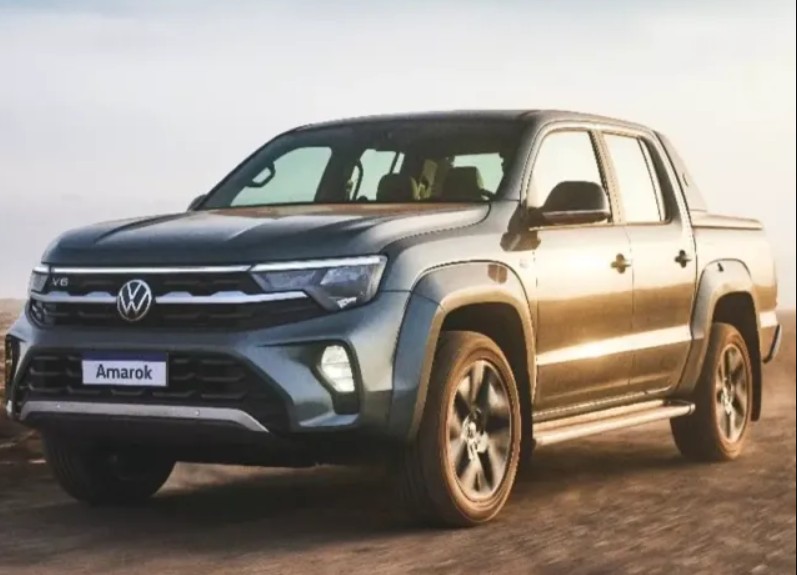
If we park a modern Volkswagen Amarok beside a Ford Ranger, we can understand why people ask one surprisingly common question: is VW Amarok a Ford Ranger?
The short answer is no—but the relationship is much closer than ordinary badge engineering.
The latest-generation Volkswagen Amarok shares its basic platform and a significant amount of engineering with the Ford Ranger. Ford developed the underlying pickup architecture, while Volkswagen worked with Ford to create an Amarok that fits its own design, equipment, tuning, and brand identity.
Think of them as two houses built on the same foundation. The concrete slab and structural beams may be related, but the exterior, furniture, atmosphere, and ownership experience can still feel different.
That distinction matters if we're deciding between them. If the Amarok were simply a Ranger with Volkswagen badges glued onto the grille, choosing between them would mostly come down to price. In reality, there are meaningful differences in styling, specifications, suspension tuning, interior design, warranties, trim strategies, dealer support, and market positioning.
Let's break down exactly how closely these pickups are related.
Content in this publication
- Is VW Amarok a Ford Ranger? Quick Answer
- Why Are the VW Amarok and Ford Ranger Related?
- Are the VW Amarok and Ford Ranger Built on the Same Platform?
- Does the VW Amarok Use Ford Engines?
- Is the Amarok V6 a Ford Engine?
- Is the First-Generation VW Amarok a Ford Ranger?
- Do the Amarok and Ranger Use the Same Transmission?
- Do the Amarok and Ford Ranger Have the Same 4WD System?
- Does the VW Amarok Look Like a Ford Ranger?
- Is the Amarok Interior the Same as the Ranger?
- Are the Amarok and Ranger the Same Size?
- Does the Amarok Drive Like a Ford Ranger?
- Is the VW Amarok More Luxurious Than the Ford Ranger?
- Which Is Better: VW Amarok or Ford Ranger?
- Is the Amarok Just a Rebadged Ranger?
- Where Are VW Amarok Trucks Built?
- Does Ford Actually Build the Volkswagen Amarok?
- Does Sharing the Ranger Platform Make the Amarok Worse?
- Are Amarok Parts the Same as Ford Ranger Parts?
- Can Ranger Accessories Fit a VW Amarok?
- Does the Amarok Have Volkswagen Technology?
- Which Amarok Is Most Like a Ford Ranger?
- Which Ford Ranger Is Equivalent to the VW Amarok?
- Is the Amarok More Expensive Than the Ranger?
- Is the Amarok More Reliable Because It Is Based on the Ranger?
- Should Ranger Owners Consider an Amarok?
- Should Amarok Buyers Worry That It Uses Ford Engineering?
- VW Amarok vs Ford Ranger: Key Differences at a Glance
- What Does the Ford-VW Partnership Mean for Used Amarok Buyers?
- Is the New Amarok Better Than the Old Amarok?
- Is Sharing a Platform Common in the Car Industry?
- So, Is VW Amarok a Ford Ranger Underneath?
- Conclusion: Is the Volkswagen Amarok Really a Ford Ranger?
- Frequently Asked Questions
Is VW Amarok a Ford Ranger? Quick Answer
The second-generation Volkswagen Amarok is based on the same underlying platform as the current Ford Ranger, and the two pickups share numerous mechanical components.
However, the Amarok isn't literally a Ford Ranger.
Volkswagen gives the Amarok:
- Its own exterior styling
- A distinctive interior treatment
- Volkswagen-specific trim levels
- Different equipment combinations
- Brand-specific suspension and chassis tuning in certain configurations
- Unique wheel, grille, lighting, and body designs
- Volkswagen dealer servicing and warranty coverage
So, when somebody says, "The Amarok is just a Ford Ranger," they're simplifying things a little too much.
A better description would be:
The Amarok and Ranger are closely related pickups developed through a Ford-Volkswagen commercial vehicle partnership.
Developing a modern pickup truck is enormously expensive.
We're talking about much more than designing a ladder frame and attaching a body. Manufacturers must engineer crash structures, electronics, emissions systems, four-wheel-drive hardware, towing systems, driver-assistance technology, infotainment, suspension, engines, transmissions, and countless smaller components.
Sharing platforms allows manufacturers to divide some of those development costs.
Ford already had extensive experience building the Ranger as a global pickup. Volkswagen, meanwhile, wanted a successor to the original Amarok.
Rather than developing a completely independent second-generation Amarok, Volkswagen partnered with Ford.
Ford Provides the Core Pickup Architecture
The latest Amarok uses the Ranger's underlying architecture.
That means much of what sits beneath the sheet metal comes from Ford's engineering foundation.
We can think of the Ranger as the skeleton.
Volkswagen then dresses that skeleton differently.
Volkswagen Adds Its Own Character
Volkswagen didn't simply request a Ford Ranger and stick VW emblems over the badges.
The Amarok received substantial design work intended to make it visually and emotionally fit the Volkswagen commercial vehicle range.
The result is a pickup that looks clearly related mechanically but visually distinct enough that few casual observers would confuse the two.
Are the VW Amarok and Ford Ranger Built on the Same Platform?
Yes.
The modern Amarok and Ranger share the same fundamental ladder-frame pickup architecture.
That's one of the biggest reasons the vehicles can feel similar from behind the wheel.
Their proportions are comparable because engineers are working around many of the same structural hard points.
We see similarities in areas such as:
Wheelbase and General Architecture
The wheelbase, cabin placement, chassis structure, drivetrain packaging, and suspension layout follow closely related engineering principles.
That's not coincidence.
They're platform siblings.
Body-on-Frame Construction
Both trucks use body-on-frame construction rather than the unibody structure commonly found in crossovers.
This traditional pickup layout provides the strength needed for demanding duties such as:
- Towing
- Carrying heavy loads
- Off-road driving
- Commercial work
- Rural driving
That rugged foundation is central to both vehicles.
Does the VW Amarok Use Ford Engines?
This is one of the biggest clues showing how deep the partnership goes.
Depending on country and specification, the current Amarok uses engines closely associated with Ford's Ranger powertrain family.
That can include diesel engines offered in different outputs and configurations.
The specific engine lineup varies by market, so we shouldn't assume every Amarok sold worldwide has exactly the same engine choices.
Still, the broader point remains:
The second-generation Amarok's mechanical relationship with Ford extends well beyond the chassis.
Is the Amarok V6 a Ford Engine?
For many buyers, the V6 is particularly interesting.
The newer Amarok's diesel V6 is fundamentally tied to Ford's modern diesel engine family rather than being the older Volkswagen-designed V6 used by the first-generation Amarok.
That's an important distinction when shopping used.
First-Generation Amarok V6
The original Amarok had Volkswagen-developed powertrains.
That truck was genuinely a Volkswagen-designed pickup.
Second-Generation Amarok V6
The newer truck comes from the Ford-VW collaboration.
Mechanically, it therefore has much more in common with the Ranger.
This difference between generations is crucial.
If someone asks, "Is an Amarok basically a Ranger?" our answer depends heavily on which Amarok generation we're discussing.
Is the First-Generation VW Amarok a Ford Ranger?
No.
The original Volkswagen Amarok was an independent Volkswagen product.
It wasn't based on the Ford Ranger platform.
That means used-car shoppers need to separate the two generations in their minds.
Original Amarok
The first Amarok had Volkswagen engineering, Volkswagen engines, and a distinct platform.
New Amarok
The second-generation truck shares its core architecture with the Ford Ranger.
The name stayed the same.
The engineering philosophy changed dramatically.
Do the Amarok and Ranger Use the Same Transmission?
In many configurations, there is considerable transmission overlap between the two vehicles.
Again, exact specifications depend on engine, market, and trim.
But the platform-sharing strategy includes drivetrain technology, making the mechanical connection far deeper than merely sharing a chassis.
That can actually be good news for owners.
Why?
Because widely used mechanical components may benefit from:
- Greater parts availability
- Larger technician knowledge bases
- More aftermarket support
- Easier access to replacement components
- More accumulated real-world reliability data
A component fitted to tens of thousands of vehicles is often easier to support than something used by only one niche model.
Do the Amarok and Ford Ranger Have the Same 4WD System?
The answer depends on the model.
Different Ranger and Amarok configurations may use different four-wheel-drive arrangements.
Some systems offer conventional selectable four-wheel drive, while higher specifications may offer more sophisticated full-time or electronically managed operation.
So we shouldn't assume every Ranger and Amarok has an identical drivetrain just because they're platform siblings.
Why Trim Level Matters
A basic work-oriented Ranger might be mechanically quite different from a high-spec Amarok.
Likewise, comparing a premium Amarok with a performance-focused Ranger variant can produce major differences.
The platform provides the foundation.
Specification determines the personality.
Does the VW Amarok Look Like a Ford Ranger?
Not particularly.
Once we move above the chassis, Volkswagen has done a decent job creating visual separation.
The front end is unmistakably Volkswagen.
We get:
- Different headlights
- A different grille
- Distinctive bumpers
- Volkswagen badging
- Unique alloy wheel designs
- Different rear styling details
- Different trim-specific exterior elements
Put them side by side and their shared proportions become more noticeable, but they don't look like identical twins.
They're closer to brothers wearing completely different wardrobes.
Is the Amarok Interior the Same as the Ranger?
Here's where the shared DNA becomes more obvious.
Certain major interior structures and technologies reveal the Ford connection.
Depending on specification, the Amarok uses similar digital displays, infotainment architecture, controls, switchgear, and cabin packaging.
However, Volkswagen changes several design elements.
Volkswagen-Specific Interior Touches
Depending on trim, we may see differences in:
- Upholstery
- Dashboard materials
- Seat design
- Steering wheel appearance
- Trim inserts
- Colour combinations
- Branding
- Equipment packages
Volkswagen wants an Amarok buyer to feel like they've entered a Volkswagen—not accidentally climbed into a Ranger.
Can We Still Spot the Ford DNA?
Absolutely.
Spend enough time in both trucks and some shared controls, interfaces, dimensions, and component placements become easy to identify.
But that isn't necessarily a negative.
Shared parts don't automatically make one vehicle inferior.
You may be interested in reading What Ram 1500 Is Best for Towing? Complete Guide
Most modern automotive groups share components extensively.
Are the Amarok and Ranger the Same Size?
They are very close because their body structures are built around the same core platform.
Overall length, width, height, wheelbase, tray dimensions, and cabin dimensions vary somewhat according to trim and configuration, but the general footprint is similar.
That makes sense.
You can't dramatically change the size of a house without altering its foundation.
The shared pickup architecture imposes certain packaging boundaries.
Does the Amarok Drive Like a Ford Ranger?
This is where things get interesting.
They can feel similar, but not necessarily identical.
The shared architecture naturally creates similarities in:
- Steering characteristics
- Seating position
- Suspension movement
- Brake feel
- Body control
- General refinement
- Off-road capability
Yet manufacturers can transform how a vehicle feels through relatively small calibration changes.
Suspension Tuning Matters
Different springs, dampers, tires, wheels, and electronic calibration can noticeably affect ride quality.
A truck running 18-inch wheels with comfort-focused tires may feel completely different from the same platform wearing large wheels and aggressive off-road rubber.
Steering Calibration Matters Too
Manufacturers can alter steering weight and responsiveness electronically.
The underlying hardware might be related, while the final experience feels different.
Tires Change Everything
Never underestimate tires.
They're the only parts actually touching the road.
A premium highway tire can make a pickup feel smooth and quiet.
An aggressive all-terrain tire can make that exact vehicle feel louder and heavier.
Is the VW Amarok More Luxurious Than the Ford Ranger?
Historically, Volkswagen has often positioned higher Amarok specifications toward buyers wanting a lifestyle-oriented, premium-feeling pickup.
However, the Ranger lineup has also become increasingly luxurious.
High-end Ranger models offer advanced technology, premium cabins, sophisticated driver assistance, and impressive comfort.
So we can no longer automatically say:
Amarok = luxury, Ranger = work truck.
Modern Rangers can be seriously plush.
Instead, compare equivalent trims.
A premium Amarok may feel more luxurious than a mid-range Ranger, but a highly equipped Ranger could easily match or exceed certain Amarok specifications.
Which Is Better: VW Amarok or Ford Ranger?
There isn't one universal winner.
Because they're closely related underneath, our decision may come down to the smaller differences that manufacturers usually can't share.
These include dealer network, trim packaging, price, styling, warranty coverage, servicing costs, and resale demand.
Choose the Amarok If We Prefer Volkswagen Styling
Some buyers simply prefer the Amarok's design.
That's completely reasonable.
We're going to look at our truck every day.
Appearance matters.
Choose the Ranger If We Want the Broader Ranger Ecosystem
The Ranger has enormous global popularity.
That can translate into a large ecosystem of:
- Accessories
- Canopies
- Bull bars
- Suspension kits
- Wheels
- Off-road modifications
- Replacement parts
- Owner communities
Depending on the country, Ranger aftermarket support can be difficult to beat.
Choose Based on the Deal, Not Just the Badge
If two mechanically similar trucks are available and one comes with a much better finance deal, warranty package, servicing plan, or price, we'd take that seriously.
Brand loyalty shouldn't cost us thousands unless we genuinely value what the brand provides.
Is the Amarok Just a Rebadged Ranger?
This phrase appears constantly online.
Calling the Amarok "just a rebadged Ranger" isn't completely accurate.
A true rebadge usually involves changing little more than badges, grille styling, and perhaps a few cosmetic details.
The Amarok involves more engineering and design differentiation than that.
They broadly share:
- Core platform
- Chassis architecture
- Major powertrain technology
- Electrical systems
- Transmission technology
- Structural components
- Some interior technology
What Is Different
The Amarok can have different:
- Body panels
- Front-end styling
- Rear-end styling
- Interior trim
- Equipment packages
- Suspension calibration
- Wheels
- Tires
- Software settings
- Brand-specific specifications
So "platform sibling" is more accurate than "rebadge."
Where Are VW Amarok Trucks Built?
The current-generation Amarok is produced alongside the Ranger in South Africa for numerous global markets.
Shared manufacturing is logical.
Building two closely related trucks on the same production infrastructure reduces complexity and allows both companies to benefit from economies of scale.
Imagine two restaurants sharing the same professional kitchen while serving different menus.
The equipment and ingredients may overlap, yet what arrives at the table can still taste different.
Does Ford Actually Build the Volkswagen Amarok?
Yes, in the context of the current-generation collaboration, Ford handles production of the Amarok at facilities that also produce the Ranger.
This often surprises Volkswagen buyers.
But it shouldn't automatically concern us.
Automotive manufacturing partnerships happen everywhere.
The badge on a vehicle doesn't always indicate which company's factory physically assembled every component.
What matters more is whether the final truck meets the engineering, quality, safety, and durability standards expected by the brand selling it.
Does Sharing the Ranger Platform Make the Amarok Worse?
Not at all.
In fact, we could argue it provides several advantages.
Ford has decades of experience building pickup trucks.
The Ranger competes in demanding markets where owners use trucks for agriculture, mining, construction, towing, long-distance travel, and serious off-road driving.
Volkswagen gaining access to that engineering base isn't a weakness.
It's like hiring an experienced builder rather than reinventing the hammer.
Owners may benefit from:
- Proven pickup engineering
- Broad mechanical knowledge
- Strong aftermarket availability
- High towing capability
- Improved off-road technology
- Modern safety systems
- Wider parts sharing
Platform sharing can produce excellent vehicles when executed properly.
Are Amarok Parts the Same as Ford Ranger Parts?
Some are.
Some aren't.
This distinction matters if we're thinking about maintenance or modifying the truck.
Mechanical Parts
Certain engine, transmission, drivetrain, suspension, electronic, and chassis components may cross over.
Body Parts
Exterior panels often differ significantly.
A Ranger grille won't magically transform an Amarok after a five-minute garage swap.
Headlights, bumpers, fenders, trim pieces, and other exterior components may be Amarok-specific.
Interior Components
Some underlying parts may be shared, but Volkswagen-specific trim and upholstery won't necessarily interchange.
We should always confirm part numbers rather than assuming compatibility.
Can Ranger Accessories Fit a VW Amarok?
Sometimes.
Because both trucks share major dimensions and structural architecture, certain accessories may be compatible or adaptable.
But again, don't assume.
Accessories attached to shared chassis mounting points have a better chance of crossing over than pieces designed around body styling.
Examples that may require careful compatibility checking include:
- Bull bars
- Roof racks
- Tow bars
- Canopies
- Side steps
- Suspension kits
- Underbody protection
- Bed accessories
- Snorkels
Always check manufacturer fitment specifications.
A part being labelled "Ranger compatible" doesn't automatically make it Amarok compatible.
Does the Amarok Have Volkswagen Technology?
Yes, although the Ford partnership is obvious in many technical areas.
Volkswagen still determines how the Amarok is packaged, positioned, specified, branded, and sold.
Modern vehicles aren't defined solely by who designed the engine block.
Brand experience also comes through:
- Styling
- Interior materials
- trim selection
- Dealer service
- Warranty
- Marketing position
- Software configuration
- Equipment combinations
That's why two platform-sharing vehicles can appeal to very different buyers.
Which Amarok Is Most Like a Ford Ranger?
Every second-generation Amarok shares significant Ranger DNA, although similarity depends on trim level and engine.
A mid-range Amarok might compare mechanically with one Ranger grade, while a premium Amarok might overlap more closely with another.
We shouldn't compare them only by price.
Instead, compare:
You may be interested in readingWhat Ram 1500 Is Best for Towing? Complete GuideYou may be interested in reading
 Mazda 6 vs Mazda 3: Which Mazda Is Better for You?
- Engine
- Transmission
- Four-wheel-drive system
- Towing capacity
- Payload
- Wheel size
- Suspension setup
- Cabin technology
- Driver-assistance features
- Warranty and servicing
That's where the meaningful differences emerge.
Which Ford Ranger Is Equivalent to the VW Amarok?
There's no perfect one-to-one equivalent across every market.
Trim names and specifications differ by country.
A premium Amarok may sit somewhere alongside higher Ranger trims, while rugged Amarok specifications may compete with off-road-oriented Ranger versions.
Instead of asking, "Which badge matches which badge?" we should compare actual equipment.
That's far more useful.
Compare Features Rather Than Trim Names
Check things such as:
- Leather seating
- Heated seats
- Digital instruments
- Infotainment screen size
- Surround-view cameras
- Parking sensors
- Adaptive cruise control
- Lane assistance
- Matrix or LED headlights
- Differential locks
- Drive modes
- Wheel size
Marketing departments create trim names.
Specifications tell us what we're actually buying.
Is the Amarok More Expensive Than the Ranger?
It can be, particularly when Volkswagen positions the Amarok toward the more premium end of the pickup market.
But pricing varies dramatically by country, trim, incentives, dealer discounts, and model year.
That's why sticker price alone isn't enough.
Calculate the Real Ownership Cost
We should compare:
- Purchase price
- Finance rate
- Insurance
- Scheduled servicing
- Tire replacement
- Fuel economy
- Warranty length
- Depreciation
- Resale value
A truck that's $3,000 cheaper initially could ultimately cost more over five years.
Is the Amarok More Reliable Because It Is Based on the Ranger?
Platform sharing doesn't automatically guarantee reliability, but it provides an interesting advantage.
The Ranger is produced in significant volume and sold globally.
When a mechanical platform is widely used, problems tend to become visible quickly.
That gives manufacturers, technicians, independent workshops, and owners more real-world information.
However, reliability still depends heavily on:
- Engine choice
- Maintenance
- Operating conditions
- Manufacturing quality
- Software
- Driving habits
- Towing frequency
- Off-road use
No badge can protect a poorly maintained pickup.
Maintenance Matters More Than Many Buyers Realize
If we're buying used, a documented service history is often more valuable than arguing endlessly about whether Volkswagen or Ford makes the better truck.
A carefully maintained Ranger can outperform a neglected Amarok.
A carefully maintained Amarok can outperform a neglected Ranger.
Simple as that.
Should Ranger Owners Consider an Amarok?
Definitely.
Anyone already considering a modern Ranger should probably test-drive the Amarok too.
The shared architecture means Ranger buyers aren't stepping into unfamiliar mechanical territory.
Yet the Amarok may offer:
- Preferred styling
- Better equipment at a particular price
- A more attractive warranty deal
- More comfortable seats
- Different suspension tuning
- A quieter cabin
- Better dealership treatment locally
Even subtle differences can matter during daily ownership.
Should Amarok Buyers Worry That It Uses Ford Engineering?
We wouldn't.
Buying the Amarok means benefiting from engineering developed for one of the world's major global pickup platforms while receiving Volkswagen's own design treatment.
Badge loyalty sometimes makes enthusiasts uncomfortable with these partnerships.
But modern cars are increasingly collaborative products.
Manufacturers share engines, transmissions, platforms, software, factories, electronics, and suppliers constantly.
What matters is whether the resulting vehicle works well.
And that's the question we'd focus on.
VW Amarok vs Ford Ranger: Key Differences at a Glance
Although specifications vary by market, we can summarize the relationship like this:
| Area | VW Amarok | Ford Ranger |
|---|---|---|
| Core platform | Shared architecture | Original platform basis |
| Body styling | Volkswagen-specific | Ford-specific |
| Engines | Closely related/shared Ford-derived options | Ford powertrains |
| Transmission | Significant overlap | Ford-related units |
| Interior | VW styling over shared architecture | Ford design |
| Suspension | Amarok-specific tuning may apply | Ranger-specific tuning |
| Aftermarket | Growing | Usually very extensive |
| Dealer network | Volkswagen | Ford |
| Brand positioning | Often lifestyle/premium | Work, lifestyle, off-road and performance |
| Manufacturing | Built through Ford collaboration | Ford production |
The takeaway?
They're closely related but not identical.
What Does the Ford-VW Partnership Mean for Used Amarok Buyers?
This partnership creates an unusual situation in the used market.
Someone shopping for an older Amarok and someone shopping for a newer Amarok are effectively considering two very different engineering families.
Buying the Original Amarok
Research Volkswagen-specific engines, transmissions, drivetrain systems, and known issues.
Buying the New Amarok
Research the related Ford Ranger platform and powertrains too.
That's one of our favourite ownership tips.
Don't search only:
"VW Amarok problems."
Also research the equivalent Ranger engine and transmission.
Because shared components mean Ranger owner experiences may reveal useful information about Amarok reliability.
Is the New Amarok Better Than the Old Amarok?
"Better" depends on what we value.
The new platform brings modern technology, improved driver assistance, stronger connectivity, sophisticated infotainment, and the benefit of Ford's pickup development expertise.
The original Amarok, however, has something enthusiasts may value deeply:
Identity.
It was Volkswagen's own pickup engineering project.
Some owners particularly love the original V6 Amarok for exactly that reason.
The newer truck is arguably more sophisticated.
The older truck may feel more uniquely Volkswagen.
Neither viewpoint is wrong.
Is Sharing a Platform Common in the Car Industry?
Extremely common.
Platform sharing is practically the rule rather than the exception.
Vehicles from different brands routinely share:
- Engines
- Transmissions
- Chassis
- Electrical systems
- Infotainment technology
- Safety hardware
- Suspension components
The goal is efficiency.
Developing every bolt from scratch would make vehicles dramatically more expensive.
The Ford Ranger and Volkswagen Amarok relationship simply attracts more attention because both are major pickup brands and buyers tend to have strong opinions about trucks.
So, Is VW Amarok a Ford Ranger Underneath?
Broadly speaking, yes—the second-generation Amarok is heavily based on Ford Ranger engineering underneath.
But that's different from saying they're exactly the same vehicle.
The Amarok has its own:
- Styling
- Brand positioning
- Trim strategy
- Equipment packages
- Interior details
- Calibration
- Customer experience
Underneath the skin, they're close relatives.
From the driver's seat, they can still have noticeably different personalities.
The Simplest Way to Explain It
If somebody asks us at a barbecue:
"Isn't the new Amarok basically a Ranger?"
We'd say:
It's built on the Ranger's platform and shares a lot of Ford engineering, but Volkswagen turns that foundation into its own version of the truck.
That's accurate without oversimplifying things.
Conclusion: Is the Volkswagen Amarok Really a Ford Ranger?
So, is VW Amarok a Ford Ranger?
Not literally.
The modern Volkswagen Amarok and Ford Ranger are platform siblings developed through cooperation between Volkswagen and Ford. The Ranger supplies much of the fundamental architecture and mechanical engineering, while Volkswagen gives the Amarok its own styling, specifications, tuning, and brand character.
If we peel away the body panels, the family resemblance becomes obvious.
Put the panels back on, sit inside, compare trim levels, drive both vehicles, and the differences become clearer.
And perhaps that's the best way to look at them.
The Ranger is the foundation.
The Amarok is Volkswagen's interpretation of that foundation.
For buyers, that's actually useful. Instead of worrying about which company deserves credit for each bolt and bracket, we can compare the things that influence everyday ownership: price, comfort, styling, warranty, servicing, equipment, towing capability, and dealer support.
If the Amarok gives us the package we prefer, the Ford connection shouldn't discourage us.
If anything, it means we're getting Volkswagen style wrapped around one of the most established modern pickup platforms available.
Frequently Asked Questions
1. Is the VW Amarok made by Ford?
The current-generation Amarok is produced through Volkswagen's collaboration with Ford and shares its underlying architecture with the Ford Ranger. Ford plays a major role in the engineering and manufacturing of the vehicle, while Volkswagen specifies and designs the Amarok as a distinct Volkswagen product.
2. Does the VW Amarok have a Ford engine?
The current Amarok uses powertrains closely related to those found in the Ford Ranger range, with exact engines depending on country and model specification. This differs from the first-generation Amarok, which used Volkswagen-developed powertrains.
3. Are the VW Amarok and Ford Ranger exactly the same?
No. Although they share a platform and numerous mechanical components, they have different exterior designs, interior treatments, equipment packages, trim structures, and certain calibration differences. They're platform siblings rather than identical trucks.
4. Can Ford Ranger parts fit a VW Amarok?
Some mechanical and chassis parts may be shared or compatible, but not every Ranger component fits an Amarok. Exterior panels, interior trim, electronics, accessories, and certain mechanical components can differ. Always verify part numbers before buying replacement parts.
5. Which is better, Ford Ranger or Volkswagen Amarok?
Neither is automatically better. Because they share significant engineering, the best choice often depends on price, trim level, styling preference, warranty, servicing costs, dealer support, and equipment. Test-driving equivalent versions of both trucks is the best way to decide.
You may be interested in readingWhat Ram 1500 Is Best for Towing? Complete GuideYou may be interested in reading
Mazda 6 vs Mazda 3: Which Mazda Is Better for You?You may be interested in reading
Mazda 6 vs CX-5: Which Mazda Is the Better Choice?If you want to know other articles similar to Is VW Amarok a Ford Ranger? The Real Story Behind These Two Pickups you can visit the category Models.
Haval Jolion vs Omoda C5: Which SUV Is Better?
Haval Jolion vs Chery Tiggo 4 Pro: Full Comparison
Haval Jolion vs H6: Which SUV Is Better in 2026?
Haval Jolion vs Toyota Corolla Cross: Which SUV Is Better?
Haval Jolion vs Jaecoo J5: Which SUV Is Better?
Volkswagen T-Cross vs Volkswagen T-Roc: Which Is Better?
Leave a Reply
More content of your interest