

Audi A6 vs BMW 3 Series: Which Luxury Sedan Should You Buy?

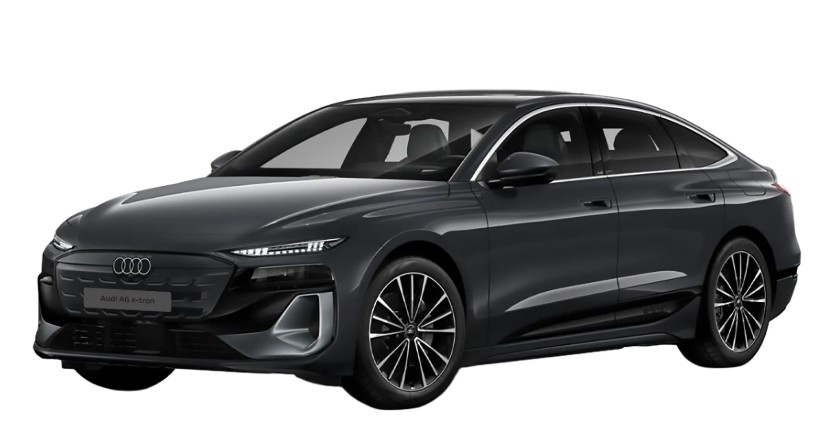
Choosing between the Audi A6 vs BMW 3 Series might seem strange at first. After all, these two luxury sedans don't technically occupy the same rung of the ladder. The Audi A6 is larger, more spacious, and positioned higher in the premium hierarchy, while the BMW 3 Series is a compact executive sedan built with a stronger emphasis on agility.
But here's the thing: real-world car shopping rarely follows neat manufacturer categories.
We might have a budget that stretches to a lightly used A6 or a newer 3 Series. We might want German luxury without knowing whether extra cabin space matters more than nimble handling. Perhaps we simply like both cars and want to know which one makes more sense.
That's exactly where this comparison gets interesting.
The A6 feels like a sophisticated business-class lounge rolling down the highway. The 3 Series feels more like a tailored sports jacket—smaller and tighter, but ready to move.
So which philosophy works better?
Let's find out.
Content in this publication
- Audi A6 vs BMW 3 Series at a Glance
- Understanding the Size Difference
- Exterior Design: Business Class vs Sportswear
- Interior Quality and Cabin Atmosphere
- Front-Seat Comfort
- Rear-Seat Space
- Cargo Space and Everyday Practicality
- Audi A6 vs BMW 3 Series Performance
- Which Car Is Faster?
- Handling: BMW Strikes Back
- Ride Comfort
- Noise and Refinement
- Quattro vs BMW Rear-Wheel-Drive Character
- Technology and Infotainment
- Safety and Driver Assistance
- Fuel Economy
- Maintenance and Running Costs
- Reliability: Audi A6 or BMW 3 Series?
- Used Audi A6 vs Used BMW 3 Series
- Audi A6 vs BMW 3 Series for City Driving
- Audi A6 vs BMW 3 Series for Highway Driving
- Audi A6 vs BMW 3 Series for Families
- Audi A6 vs BMW 3 Series for Enthusiasts
- Which One Feels More Expensive?
- Who Should Buy the Audi A6?
- Who Should Buy the BMW 3 Series?
- Audi A6 vs BMW 3 Series: Pros and Cons
- Which Is Better Value for Money?
- Audi A6 vs BMW 3 Series: Which One Would We Choose?
- Final Verdict
- Frequently Asked Questions
Audi A6 vs BMW 3 Series at a Glance
Before diving deeper, here's the simplest way to understand the difference.
| Category | Audi A6 | BMW 3 Series |
|---|---|---|
| Vehicle class | Midsize luxury sedan | Compact luxury sedan |
| Main personality | Refined and comfortable | Sporty and agile |
| Interior space | Excellent | Good |
| Rear-seat comfort | Better | Adequate |
| Highway cruising | Excellent | Very good |
| City maneuverability | Good | Excellent |
| Handling | Composed | More playful |
| Luxury feel | Stronger | Sportier |
| Best for | Comfort and long trips | Drivers and urban use |
| Overall character | Executive sedan | Sports sedan |
Neither car is objectively superior everywhere.
We're really choosing between more car and more agility.
Understanding the Size Difference
This is probably the most important point in the entire Audi A6 vs BMW 3 Series comparison.
The A6 is not Audi's direct equivalent to the 3 Series. Traditionally, that job belongs closer to Audi's smaller executive offerings. The A6 competes in the larger executive-sedan category.
The BMW 3 Series, meanwhile, has spent decades defining what a compact premium sports sedan should feel like.
That means an A6 generally gives us more exterior length, passenger room, and a stronger sense of occasion.
Why the A6 Feels Like More Car
Walk toward an Audi A6 in a parking lot and it carries noticeable presence. Its longer body, wide stance, and executive proportions make it look like something designed to shuttle CEOs between airports and boardrooms.
That extra size isn't purely cosmetic.
It translates into:
- More generous rear accommodation
- A broader-feeling cabin
- Greater long-distance comfort
- Stronger road presence
- A more substantial driving experience
The tradeoff?
Parking garages and narrow streets remind us that we're driving a bigger sedan.
Why the 3 Series Feels More Manageable
The BMW feels noticeably easier to place on the road.
That matters more than specification sheets suggest.
The smaller footprint makes the 3 Series particularly enjoyable around crowded urban areas, winding roads, and tight parking spaces. Instead of feeling like we're piloting a luxury yacht through traffic, the BMW slips into gaps almost instinctively.
For daily commuting, that can be a serious advantage.
Exterior Design: Business Class vs Sportswear
Styling is subjective, but these cars speak different visual languages.
The A6 leans toward sophistication.
The BMW leans toward athleticism.
Audi A6 Design
Audi has traditionally been good at making cars that look expensive without screaming for attention.
The A6 follows that formula.
Its proportions are elegant, its detailing tends to be clean, and its broader body delivers the kind of understated authority many executive-sedan buyers appreciate.
It's like a beautifully tailored navy suit. Nobody needs to see the label to understand what they're looking at.
The A6 Has More Road Presence
Size plays a major role.
Park an A6 beside a regular 3 Series and the Audi generally appears more substantial and prestigious simply because it belongs to a larger segment.
That doesn't necessarily make it prettier.
But it certainly makes it feel more expensive.
BMW 3 Series Design
The 3 Series has traditionally worn its sporting intentions closer to the surface.
Shorter dimensions, aggressive detailing, and a driver-focused silhouette give it a more energetic personality.
Where the Audi says, "We're arriving at an important meeting," the BMW says, "Can we take the long way there?"
That's the fundamental difference.
Interior Quality and Cabin Atmosphere
Get inside and the personalities separate even further.
The Audi A6 prioritizes serenity and technology.
The BMW 3 Series prioritizes the driver.
Audi A6 Interior
The A6 cabin is one of the strongest reasons to choose it.
We generally get a broader dashboard, more visual width, generous passenger accommodation, and an environment designed to feel substantial.
Current versions also lean heavily into Audi's digital-cockpit philosophy, combining large displays with an increasingly technology-rich interface.
More importantly, the cabin feels appropriate for long journeys.
That's something dimensions cannot fully explain.
There's breathing room.
Passengers don't feel squeezed together, and the car tends to create that calming, isolated feeling we expect from a proper executive sedan.
BMW 3 Series Interior
The BMW cockpit feels noticeably more intimate.
That isn't necessarily a criticism.
Drivers who enjoy feeling connected to a car may actually prefer it.
The controls, seating position, and cabin proportions reinforce the impression that we're sitting in the vehicle rather than simply occupying a luxurious room that happens to move.
Which Has Better Interior Quality?
Purely in terms of luxury ambience, we'd lean toward the A6.
It belongs to a higher market segment, and that difference becomes apparent in cabin scale and overall presentation.
However, the 3 Series doesn't feel cheap.
Far from it.
It simply feels sportier and more compact.
Front-Seat Comfort
Both cars can make long drives pleasant, but the A6 has an advantage if comfort sits near the top of our shopping list.
The Audi's larger platform naturally provides more room to stretch out, and its overall personality encourages relaxed cruising.
The BMW uses a more compact environment that can actually feel better for enthusiastic driving.
Think airplane seats versus a racing cockpit—not literally, of course, but philosophically.
One invites us to relax.
The other encourages us to participate.
Rear-Seat Space
Here's an easy victory for the Audi.
If we're regularly carrying adults in the back, the A6 is the smarter choice.
There's simply more vehicle to work with.
Legroom, shoulder room, and the general sensation of spaciousness make the Audi better suited to family use, business passengers, and long trips with four adults.
Is the BMW 3 Series Too Small for a Family?
Not necessarily.
A 3 Series can function perfectly well as a family sedan, especially for smaller households.
But if rear passengers are frequently tall adults or teenagers, the extra room of an A6 begins looking less like a luxury and more like something we'll appreciate every single day.
Cargo Space and Everyday Practicality
Both cars use the traditional sedan formula, so neither offers the enormous square cargo area of an SUV.
Still, they provide useful trunks for everyday life.
The real difference is broader practicality.
The Audi's larger dimensions make it feel like the more natural option for long-distance travel with passengers and luggage.
The BMW's advantage appears elsewhere: navigating cities.
So practicality depends on what we're doing.
For family road trips, A6.
For squeezing into downtown parking, 3 Series.
Audi A6 vs BMW 3 Series Performance
Now things get more complicated.
Comparing engines directly can be misleading because both model families have been offered with multiple powertrains depending on model year and market.
The current-generation cars can also vary significantly in performance.
What matters more is philosophy.
The Audi tends to deliver speed with composure.
The BMW tends to make speed feel entertaining.
How the Audi A6 Delivers Power
A strong A6 rarely feels desperate.
Press the accelerator and acceleration builds with the effortless confidence we associate with premium executive cars.
The experience tends to emphasize stability rather than theatrics.
The current U.S.-market 2026 Audi A6 demonstrates how far that philosophy has evolved, with Audi quoting 362 horsepower and a 0–60 mph time of 4.5 seconds.
That's properly quick.
You may be interested in reading Audi A6 vs RS6: Which Audi Is Really Better for You?
Yet raw acceleration isn't really the point.
The A6 wants performance to feel easy.
How the BMW 3 Series Delivers Power
BMW has spent generations developing the 3 Series around driver engagement.
Even relatively ordinary versions tend to feel lighter on their feet than larger executive sedans.
A current BMW 330i, for example, uses a 255-horsepower powertrain, while higher-performance versions dramatically increase output.
But horsepower doesn't tell the full story.
The chassis matters.
So does steering response, body control, weight distribution, and the way the car reacts when we change direction.
Which Car Is Faster?
There's no universal answer.
An Audi A6 can be significantly faster than an entry-level 3 Series, while performance-oriented BMW versions can turn the comparison upside down.
Trim level matters more than the badge.
That's why shoppers comparing used vehicles should compare the specific engine, drivetrain, and model year, not simply search "A6 versus 3 Series" and assume every example performs identically.
Handling: BMW Strikes Back
If there's one category where the 3 Series has built its reputation, it's handling.
The smaller BMW generally feels more eager to change direction.
We sit closer to the action.
Corners become something to enjoy rather than merely navigate.
Why the 3 Series Feels Sportier
Several factors work in its favor:
- Smaller exterior dimensions
- A more compact driving environment
- Sport-sedan tuning
- Responsive chassis behavior
- Strong emphasis on driver involvement
On a twisting country road, the BMW makes a compelling argument for itself.
We may arrive with a bigger smile.
Is the Audi A6 Fun to Drive?
Absolutely.
Don't confuse refinement with boredom.
An A6 can cover ground extremely quickly and confidently, especially when equipped with quattro all-wheel drive.
It simply approaches the task differently.
Instead of dancing around corners, it tends to crush distance.
The BMW feels like a scalpel.
The Audi feels like a high-speed train.
Both are effective tools.
They're just designed for different jobs.
Ride Comfort
And now the pendulum swings back toward Audi.
The A6's larger executive-car positioning generally translates beautifully to motorway and highway driving.
Long-distance refinement is one of its strongest talents.
The 3 Series can still ride comfortably, especially in less aggressively configured versions, but its sporting character may result in a firmer experience depending on wheels, tires, suspension, and trim.
Which Is Better for Long Road Trips?
We would pick the Audi A6.
The extra passenger space, refined road manners, stronger rear-seat accommodation, and executive personality combine brilliantly on long journeys.
After three or four hours behind the wheel, those qualities start to matter far more than razor-sharp turn-in.
Noise and Refinement
Premium cars aren't judged purely by what they do.
They're judged by what they prevent us from noticing.
Wind noise.
Tire roar.
Engine vibration.
Road imperfections.
The A6's mission makes isolation particularly important, and its larger executive-sedan character generally produces a calm environment at cruising speeds.
The 3 Series remains refined by normal-car standards but makes less effort to hide the outside world completely.
For some drivers, that's actually desirable.
Quattro vs BMW Rear-Wheel-Drive Character
Drivetrain is another fascinating difference.
Audi's quattro system is deeply tied to the brand's identity, and the 2026 U.S. A6 comes with quattro all-wheel drive as standard.
BMW, meanwhile, has traditionally made rear-wheel-drive dynamics central to the 3 Series formula, although xDrive all-wheel-drive versions are widely available.
When Quattro Makes Sense
All-wheel drive can be valuable if we regularly encounter:
- Snow
- Heavy rain
- Slippery roads
- Steep terrain
- Variable winter conditions
It also helps powerful vehicles deploy their performance confidently.
When Rear-Wheel Drive Makes Sense
For enthusiastic drivers in suitable climates, a rear-wheel-drive 3 Series can offer a purer sporting experience.
There's a sense of balance to it.
The front wheels steer while the rear wheels provide propulsion, giving the car that classic sports-sedan character enthusiasts have appreciated for decades.
Technology and Infotainment
Both Audi and BMW have invested heavily in digital interfaces.
Modern versions offer large displays, smartphone connectivity, navigation options, configurable instrumentation, driver assistance, and increasingly sophisticated connected features.
The difference is presentation.
Audi cabins often feel like digital lounges.
BMW cabins feel like digital cockpits.
Audi's Tech-Heavy Approach
The latest A6 pushes technology further than ever, using an 11.9-inch digital instrument cluster alongside a 14.5-inch central MMI display, while an additional passenger display is available.
It's visually impressive.
Some buyers will love the futuristic aesthetic.
Others may miss simpler physical controls.
BMW's Driver-Centered Approach
BMW also uses a heavily digitized interface, but the philosophy still tends to revolve around the driver.
The important question isn't which screen looks cooler in a showroom.
It's which system we find intuitive after six months of ownership.
That's why a proper test drive should include ten minutes spent simply operating the infotainment system.
Safety and Driver Assistance
Both cars can offer sophisticated safety and assistance technology depending on market, trim, package, and model year.
Potential features can include systems such as:
- Adaptive cruise control
- Lane assistance
- Parking assistance
- Collision mitigation
- Blind-spot monitoring
- Surround-view cameras
- Traffic-sign recognition
Availability varies, so we shouldn't assume every used A6 or 3 Series includes everything.
Always check the actual equipment list.
That's especially important with German luxury cars because optional extras can radically alter two otherwise identical-looking vehicles.
Fuel Economy
Here's where the smaller BMW can make a strong case.
Larger cars need more energy to move, and more powerful engines or all-wheel-drive systems may further increase consumption.
A 3 Series equipped with a sensible four-cylinder engine can therefore make more sense for drivers covering substantial annual mileage.
Which Is Cheaper to Fuel?
In a comparable everyday configuration, we'd generally expect the smaller 3 Series to have the advantage.
But powertrain choice matters enormously.
A high-performance six-cylinder BMW may drink considerably more fuel than an efficiency-focused configuration.
The lesson?
Compare engine against engine.
Not badge against badge.
Maintenance and Running Costs
Neither car should be confused with an economy sedan when maintenance bills arrive.
We're talking about premium German vehicles with sophisticated electronics, turbocharged engines, complex suspension components, and expensive original-equipment parts.
Audi A6 Ownership Costs
Because the A6 belongs to a larger and more expensive vehicle category, certain replacement items can cost more.
Think:
- Larger tires
- More sophisticated equipment
- Potentially expensive suspension components
- Premium brakes
- Complex electronics
- Higher insurance values
Current U.S. 2026 A6 models do at least include scheduled maintenance coverage for three years or 30,000 miles, whichever comes first.
BMW 3 Series Ownership Costs
The 3 Series is hardly cheap to maintain, but the smaller vehicle can have an advantage in certain routine expenses.
Again, configuration matters.
An M Sport-equipped car sitting on large performance tires could easily cost more to operate than a modestly configured A6 in certain areas.
Reliability: Audi A6 or BMW 3 Series?
This question cannot be answered responsibly with one blanket verdict.
Reliability differs significantly between generations, engines, transmissions, drivetrains, maintenance histories, and specific vehicles.
You may be interested in readingAudi A6 vs RS6: Which Audi Is Really Better for You?You may be interested in reading
Audi A6 or S6: Which One Should You Buy?A meticulously maintained A6 can be a better ownership proposition than an abused 3 Series.
The opposite is equally true.
What Matters Most When Buying Used
For either vehicle, we'd prioritize:
- Complete maintenance records
- Correct oil-change history
- Evidence of cooling-system maintenance
- Transmission servicing where applicable
- Diagnostic scan results
- Suspension condition
- Electrical-system testing
- Independent pre-purchase inspection
A cheap German luxury car can quickly become an expensive German luxury car.
Purchase condition, not merely purchase price.
Used Audi A6 vs Used BMW 3 Series
This is arguably where the comparison becomes most compelling.
Depreciation can push older A6 models into the same price territory as newer or lower-mileage 3 Series examples.
Suddenly we're comparing two very different ownership propositions for similar money.
Choose the Used A6 If You Want More Luxury
A used A6 can deliver tremendous value.
We're potentially getting a car that originally occupied a substantially more expensive market position, complete with greater space, richer materials, and stronger highway refinement.
But complexity comes with the territory.
Have it inspected.
Seriously.
Choose the Used 3 Series If You Want Simplicity and Sportiness
"Simple" is relative here.
We're still talking about a sophisticated premium sedan.
Nevertheless, the 3 Series' smaller format can make it easier to live with while preserving much of the German luxury-car experience.
For younger buyers, commuters, couples, and driving enthusiasts, that's a powerful combination.
Audi A6 vs BMW 3 Series for City Driving
We'd choose the BMW.
Its smaller footprint makes parking easier, tight streets less intimidating, and stop-start urban driving more manageable.
The A6 isn't difficult to drive around town, particularly with parking cameras and assistance systems.
But physics remains physics.
Smaller cars fit into smaller spaces.
Audi A6 vs BMW 3 Series for Highway Driving
Now we'd take the Audi.
This is where the A6 starts feeling completely at home.
It settles into a cruise with the confidence of a car designed for covering enormous distances on European motorways.
Passengers get more room.
The cabin feels broader.
The car feels substantial.
We arrive less fatigued.
Audi A6 vs BMW 3 Series for Families
The A6 wins again.
Families benefit from space more often than they benefit from perfect chassis balance.
Rear-seat legroom, easier passenger accommodation, long-trip comfort, and the overall sense of spaciousness make the Audi the more family-friendly sedan.
That said, a 3 Series remains perfectly viable for smaller families.
Just take the child seats to the dealership before buying.
It's amazing how quickly a spacious-looking back seat disappears once a rear-facing seat enters the equation.
Audi A6 vs BMW 3 Series for Enthusiasts
This one's BMW.
Yes, performance-focused Audi models can be outrageously capable.
But if we're talking about the fundamental personalities of the regular model lines, the 3 Series places greater emphasis on driver involvement.
It feels smaller because it is smaller.
It reacts quickly.
It makes ordinary roads more interesting.
Sometimes driving enjoyment isn't about going faster.
It's about feeling more.
Which One Feels More Expensive?
The Audi A6.
That's not particularly surprising because it occupies a larger, higher-positioned category.
The cabin dimensions, exterior presence, and executive-sedan atmosphere give it greater prestige.
If we're frequently carrying clients or simply enjoy arriving somewhere in something substantial, the A6 makes a stronger statement.
The 3 Series feels premium.
The A6 feels executive.
There's a difference.
Who Should Buy the Audi A6?
The A6 makes more sense if our priorities include comfort, space, refinement, long-distance travel, and an upscale atmosphere.
We'd particularly recommend considering it if:
- Adults regularly use the rear seats.
- We drive long motorway or highway distances.
- Interior space matters.
- We prefer effortless speed to playful handling.
- We appreciate understated luxury.
- We want standard AWD on current U.S. models.
- We're comfortable paying potentially higher running costs.
The A6 isn't merely a bigger alternative.
It's a fundamentally different kind of luxury car.
Who Should Buy the BMW 3 Series?
The BMW makes more sense if we value handling, smaller dimensions, easier urban use, and a stronger connection with the road.
Consider the 3 Series if:
- Driving enjoyment is a priority.
- We primarily travel alone or with one passenger.
- City parking matters.
- We want premium quality without a large sedan.
- Fuel efficiency is important.
- We prefer sporty styling.
- We don't need generous rear-seat space.
For many people, the BMW offers exactly enough luxury without unnecessary bulk.
Audi A6 vs BMW 3 Series: Pros and Cons
Audi A6 Pros
- More spacious cabin
- Better rear-seat accommodation
- Excellent highway comfort
- Strong luxury ambience
- Greater road presence
- Refined performance
- Excellent all-weather capability with quattro
Audi A6 Cons
- Larger exterior dimensions
- Usually more expensive
- Potentially higher operating costs
- Less playful than a 3 Series
- More car than some owners actually need
BMW 3 Series Pros
- Excellent handling
- Easier to park
- Strong engine choices
- Sportier personality
- Better suited to urban environments
- Potentially lower fuel consumption
- Classic sports-sedan appeal
BMW 3 Series Cons
- Smaller rear seat
- Less prestigious cabin atmosphere
- Not as relaxing for rear passengers
- Can ride firmly depending on specification
- Doesn't have the A6's executive presence
Which Is Better Value for Money?
This depends on whether we're buying new or used.
New, the 3 Series generally represents a lower entry point into premium German motoring.
The A6 asks more money because we're getting a larger and more luxurious vehicle.
Used, however, depreciation can create fascinating bargains.
A three- or four-year-old A6 may offer astonishing equipment and comfort for the price.
But there's a golden rule:
The purchase price depreciates. Maintenance costs don't necessarily depreciate with it.
A used luxury car costing half its original price still contains components designed for a luxury car that once cost considerably more.
Budget accordingly.
Audi A6 vs BMW 3 Series: Which One Would We Choose?
If we had a long commute, regularly transported passengers, and spent weekends covering hundreds of highway miles, we'd choose the Audi A6.
It's quieter in spirit, roomier, and better aligned with effortless long-distance travel.
But if we drove mainly around town, loved winding roads, rarely carried rear passengers, and wanted our morning commute to contain at least a little entertainment, we'd take the BMW 3 Series.
That's what makes this comparison interesting.
Neither car defeats the other.
They simply prioritize different moments in our lives.
Final Verdict
The Audi A6 vs BMW 3 Series comparison ultimately comes down to one question:
Do we want a luxury sedan that happens to be enjoyable to drive, or a sports sedan that happens to be luxurious?
The Audi A6 is the former.
It's larger, more spacious, calmer, and better suited to drivers who value refinement and long-distance comfort. It surrounds us with the feeling of a proper executive car and asks very little from us while covering distance.
The BMW 3 Series takes the opposite approach.
It's smaller, more agile, easier to maneuver, and fundamentally more interested in the person holding the steering wheel. It sacrifices some rear-seat room and executive presence in exchange for responsiveness and everyday usability.
For comfort, choose the Audi A6.
For handling, choose the BMW 3 Series.
For regular adult passengers, choose the A6.
For city driving, choose the 3 Series.
And if we're still undecided?
Drive both on the same day.
Within ten minutes, we'll probably know which personality speaks our language.
Frequently Asked Questions
1. Is the Audi A6 better than the BMW 3 Series?
The Audi A6 is better for buyers prioritizing passenger space, rear-seat comfort, luxury, highway refinement, and overall road presence. The BMW 3 Series is generally more appealing to drivers who value handling, compact dimensions, maneuverability, and a sportier driving experience. Which one is "better" therefore depends on how we'll actually use the car.
2. Is an Audi A6 bigger than a BMW 3 Series?
Yes. The Audi A6 occupies a larger luxury-sedan segment than the BMW 3 Series. The difference is noticeable both externally and inside the cabin, particularly for rear passengers. Buyers who frequently travel with several adults are likely to appreciate the Audi's additional space.
3. Which is more comfortable, Audi A6 or BMW 3 Series?
The Audi A6 generally has the advantage for overall comfort, especially during long highway journeys. Its larger dimensions and executive-sedan orientation favor passenger space and relaxed cruising. The BMW 3 Series remains comfortable but puts a greater emphasis on sporty handling.
4. Which is more fun to drive, Audi A6 or BMW 3 Series?
For most enthusiastic drivers, the BMW 3 Series is likely to be more entertaining. Its smaller dimensions and sport-sedan character make it feel agile and responsive. The A6 can be extremely fast and capable, but it generally prioritizes effortless performance and stability rather than playful handling.
You may be interested in readingAudi A6 vs RS6: Which Audi Is Really Better for You?You may be interested in reading
Audi A6 or S6: Which One Should You Buy?You may be interested in reading
 Mazda CX-9 Generations: Complete Guide From 2007 to 2023
5. Should I buy a used Audi A6 or BMW 3 Series?
Buy a used Audi A6 if you need additional space, comfort, and executive-car refinement. Choose the BMW 3 Series if you prioritize agility, easier city driving, and driver engagement. In either case, maintenance history and vehicle condition should outweigh trim level or purchase price. A professional pre-purchase inspection is highly recommended.
If you want to know other articles similar to Audi A6 vs BMW 3 Series: Which Luxury Sedan Should You Buy? you can visit the category Models.
Honda Passport vs Toyota 4Runner: Which SUV Is Better?
Honda Passport vs Ford Bronco: Which SUV Is Better?
Honda Passport vs Ford Explorer: Which SUV Is Better?
Honda Passport or Pilot: Which SUV Is Better?
Honda Passport vs Jeep Grand Cherokee: Which SUV Is Better?
Honda Passport vs Nissan Pathfinder: Which SUV Is Better?
Leave a Reply
More content of your interest