

BMW 3 Series Heater Not Working: Complete Troubleshooting and Repair Guide

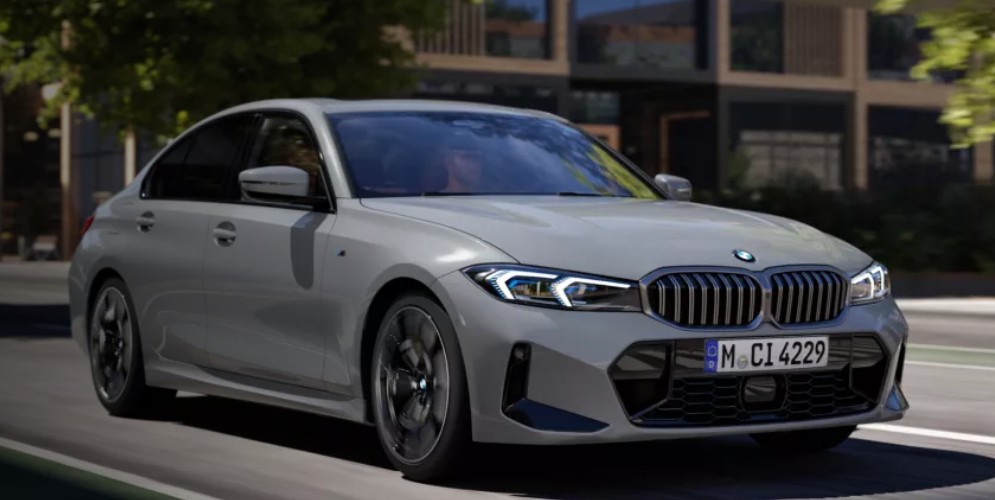
There are few things more frustrating than climbing into your BMW 3 Series on a cold morning, starting the engine, turning the temperature dial to maximum heat, and feeling nothing but chilly air flowing from the vents. A heater system that refuses to work can quickly transform a comfortable driving experience into an uncomfortable journey.
The good news is that a BMW 3 Series heater not working is often caused by a handful of common issues, many of which can be diagnosed before visiting a repair shop. Whether you own an E46, E90, F30, G20, or any other generation of the BMW 3 Series, understanding how the heating system works can help you identify the root cause and potentially save money on repairs.
In this comprehensive guide, we will explore the most common reasons why a BMW 3 Series heater stops working, how to diagnose the problem, repair options, costs, and preventive maintenance tips.
Content in this publication
- How the BMW 3 Series Heating System Works
- Common Symptoms of a BMW 3 Series Heater Problem
- Low Coolant Level: The Most Common Cause
- Thermostat Failure
- Air Trapped in the Cooling System
- Blocked Heater Core
- Faulty Water Pump
- Heater Control Valve Problems
- Climate Control Module Issues
- Blend Door Actuator Failure
- Blower Motor Problems
- Temperature Sensor Malfunctions
- Electrical Problems Affecting the Heater
- Diagnosing a BMW 3 Series Heater Step by Step
- BMW 3 Series Generations and Heater Issues
- Repair Costs for BMW 3 Series Heater Problems
- Preventing Future Heater Problems
- When Should We Visit a Professional?
- Final Thoughts
- Frequently Asked Questions
How the BMW 3 Series Heating System Works
Before troubleshooting, it helps to understand the basics.
Your BMW's heating system doesn't create heat directly. Instead, it uses heat generated by the engine. As coolant circulates through the engine, it absorbs heat and carries it through the cooling system.
A component called the heater core acts like a miniature radiator inside the dashboard. Warm coolant passes through the heater core, and the blower motor pushes air across it, delivering warm air into the cabin.
The system relies on several components working together:
- Engine coolant
- Thermostat
- Water pump
- Heater core
- Heater control valve
- Blower motor
- Climate control module
- Temperature sensors
If any of these components fail, cabin heat can disappear.
Common Symptoms of a BMW 3 Series Heater Problem
Different symptoms often point to different causes.
No Heat at All
The vents only blow cold air regardless of temperature settings.
Possible causes include:
- Low coolant
- Failed thermostat
- Air trapped in cooling system
- Heater core blockage
Heat Works Only While Driving
Warm air appears on the highway but disappears at idle.
This often indicates:
- Weak water pump
- Air pockets
- Low coolant level
Heat on One Side Only
Driver's side may be warm while passenger side remains cold.
Common causes include:
- Blend door actuator failure
- Climate control issues
- Partially clogged heater core
Intermittent Heating
The heater works unpredictably.
Potential culprits include:
- Electrical faults
- Failing heater valve
- Faulty sensors
Low Coolant Level: The Most Common Cause
Why Coolant Matters
Without sufficient coolant, the heater core cannot receive enough hot fluid to warm the cabin.
BMW engines are particularly sensitive to coolant levels.
Signs of Low Coolant
Look for:
- Coolant warning lights
- Temperature fluctuations
- Visible leaks
- Sweet smell from engine bay
How to Check Coolant
When the engine is cold:
- Open the hood.
- Locate the coolant expansion tank.
- Verify coolant is between minimum and maximum marks.
- Top up if necessary using BMW-approved coolant.
Ignoring low coolant is like trying to make coffee without water—it simply won't work.
Thermostat Failure
What the Thermostat Does
The thermostat regulates coolant flow through the engine.
When functioning properly, it allows the engine to reach operating temperature quickly.
Stuck Open Thermostat
A thermostat stuck open prevents the engine from warming up fully.
Symptoms include:
- Weak cabin heat
- Engine running cool
- Reduced fuel economy
- Longer warm-up times
Diagnosing Thermostat Issues
Monitor engine temperature.
If the temperature gauge never reaches normal operating range, the thermostat may be failing.
Air Trapped in the Cooling System
Why Air Causes Heating Problems
BMW cooling systems can be sensitive to trapped air.
Air pockets prevent coolant from circulating properly through the heater core.
Common Causes of Air Pockets
- Recent coolant replacement
- Cooling system repairs
- Small coolant leaks
Symptoms of Air in the System
- Gurgling sounds
- Inconsistent heat
- Temperature fluctuations
- Overheating episodes
Blocked Heater Core
Understanding the Heater Core
The heater core functions like a small radiator hidden behind the dashboard.
Over time, deposits and debris can clog internal passages.
Signs of a Clogged Heater Core
You may notice:
- Weak heat output
- One hose hot, one cold
- Sweet coolant odor
- Foggy windows
Can It Be Cleaned?
Sometimes.
A heater core flush can restore performance if blockage is moderate.
Severe clogs often require replacement.
Faulty Water Pump
The Heart of Coolant Circulation
The water pump keeps coolant moving throughout the engine and heater system.
Without proper circulation, heat delivery suffers.
Symptoms of Water Pump Failure
Watch for:
- Overheating engine
- Poor cabin heat
- Coolant leaks
- Unusual noises
BMW Water Pump Concerns
Many modern BMW models use electric water pumps.
These can fail suddenly and often trigger warning messages.
Heater Control Valve Problems
What Is a Heater Valve?
The heater control valve regulates coolant flow into the heater core.
Think of it as a faucet controlling hot coolant.
Failure Symptoms
A bad heater valve can cause:
- Constant cold air
- Inconsistent heating
- Temperature changes without adjustment
Testing the Valve
A mechanic can verify operation through diagnostic tools and voltage testing.
Climate Control Module Issues
The Brain Behind Cabin Comfort
Modern BMWs rely heavily on electronic climate control systems.
The climate control module communicates with sensors, actuators, and valves.
Symptoms of Module Failure
You may experience:
- Incorrect temperatures
- Non-responsive controls
- Random climate behavior
- Error codes
Electronic Diagnosis
Professional scanning equipment often identifies module-related faults quickly.
Blend Door Actuator Failure
What Does a Blend Door Do?
Blend doors control airflow across the heater core and evaporator.
They determine whether air becomes warm or remains cool.
Common Symptoms
A failed actuator may cause:
- Hot air on one side
- Clicking noises
- Inconsistent temperatures
Repair Difficulty
Unfortunately, accessing blend door actuators often requires dashboard disassembly.
Blower Motor Problems
When Heat Exists But Air Doesn't
Sometimes the heater is producing heat, but airflow is weak or nonexistent.
The culprit may be the blower motor.
Warning Signs
- Weak airflow
- No airflow
- Squealing sounds
- Intermittent operation
Associated Components
Also inspect:
- Blower motor resistor
- Fuses
- Wiring connections
Temperature Sensor Malfunctions
Why Sensors Matter
BMW climate systems depend on accurate temperature readings.
Faulty sensors can trick the system into making incorrect adjustments.
Symptoms
- Cabin temperature feels wrong
- Automatic climate control behaves strangely
- Fan speeds fluctuate unexpectedly
Diagnostic Solutions
Scanning tools typically reveal sensor-related trouble codes.
Electrical Problems Affecting the Heater
Modern BMWs Depend on Electronics
Many heating problems stem from electrical issues rather than mechanical failures.
Potential Electrical Causes
- Blown fuses
- Faulty relays
- Damaged wiring
- Corroded connectors
Initial Checks
Always inspect:
- Fuse box
- Relevant relays
- Battery condition
Sometimes the simplest explanation is the correct one.
Diagnosing a BMW 3 Series Heater Step by Step
Step 1: Check Coolant Level
Inspect the expansion tank.
Step 2: Verify Engine Temperature
Ensure the engine reaches normal operating temperature.
Step 3: Feel Heater Hoses
Both hoses should become warm when the engine reaches operating temperature.
Step 4: Check Airflow
Confirm the blower motor is functioning properly.
Step 5: Scan for Error Codes
Modern BMWs often store valuable diagnostic information.
Step 6: Inspect for Leaks
Look around:
- Water pump
- Radiator
- Expansion tank
- Heater hoses
BMW 3 Series Generations and Heater Issues
E46 (1997–2006)
Common issues:
- Heater control valve failures
- Cooling system weaknesses
- Clogged heater cores
E90 (2005–2013)
Frequent problems:
- Electric water pump failures
- Thermostat issues
- Climate control faults
F30 (2011–2019)
Known concerns:
- Electric coolant pump problems
- Sensor failures
- Electronic climate issues
G20 (2019–Present)
More advanced electronics create:
- Software-related HVAC faults
- Sensor calibration issues
- Module communication errors
Repair Costs for BMW 3 Series Heater Problems
Repair costs vary considerably.
| Component | Typical Cost |
|---|---|
| Coolant Top-Up | $20–$60 |
| Thermostat Replacement | $250–$700 |
| Water Pump Replacement | $500–$1,500 |
| Heater Valve Replacement | $200–$600 |
| Blower Motor Replacement | $300–$900 |
| Heater Core Replacement | $900–$2,000+ |
| Climate Control Module | $500–$1,500 |
Labor costs depend heavily on location and model year.
Preventing Future Heater Problems
Preventive maintenance is often cheaper than repairs.
Best Practices
- Check coolant regularly.
- Replace coolant at recommended intervals.
- Address leaks immediately.
- Monitor engine temperature.
- Service the cooling system proactively.
- Use genuine BMW-approved coolant.
Benefits of Prevention
Proper maintenance helps:
- Extend component life
- Improve reliability
- Prevent overheating
- Maintain cabin comfort
When Should We Visit a Professional?
Some heater issues are simple.
Others require specialized BMW diagnostic tools.
Seek professional assistance if:
- The engine overheats.
- Coolant leaks are present.
- Warning lights appear.
- Electrical faults persist.
- Heater core replacement is needed.
Waiting too long can transform a minor issue into a major repair bill.
Final Thoughts
A BMW 3 Series heater not working can range from a simple coolant issue to a more complex electronic or mechanical failure. The heating system relies on a carefully balanced network of components, and when one piece fails, the entire system can suffer.
The most common causes include low coolant, thermostat failure, trapped air, clogged heater cores, faulty water pumps, heater valves, and climate control problems. Fortunately, systematic troubleshooting can often pinpoint the problem before expensive repairs become necessary.
By maintaining the cooling system, monitoring engine temperature, and addressing issues early, we can keep our BMW 3 Series comfortable, reliable, and ready for every season. Like a well-conducted orchestra, every component must play its part to deliver the warm cabin experience BMW drivers expect.
Frequently Asked Questions
1. Why is my BMW 3 Series blowing cold air instead of heat?
The most common causes are low coolant, a faulty thermostat, trapped air in the cooling system, or a clogged heater core.
2. Can low coolant cause the heater to stop working?
Yes. Low coolant reduces the amount of hot fluid reaching the heater core, resulting in little or no cabin heat.
3. How much does it cost to fix a BMW 3 Series heater?
Costs range from under $100 for simple coolant-related issues to over $2,000 for heater core replacement.
4. Can I drive with a heater that isn't working?
In many cases yes, but if the cause is related to the cooling system, continued driving may lead to engine overheating.
5. How do I know if my BMW heater core is clogged?
Typical symptoms include weak heat, uneven temperatures, foggy windows, coolant odors, and one heater hose being significantly cooler than the other.
If you want to know other articles similar to BMW 3 Series Heater Not Working: Complete Troubleshooting and Repair Guide you can visit the category Common Problems.
Toyota Corolla Cross Issues: Common Problems and Fixes

MG HS Problems: Common Faults, Reliability and Years to Avoid (2019–2026)

Toyota Yaris Cross Battery Problems: Causes & Fixes

Volvo XC40 Sound Not Working? Complete Troubleshooting Guide

Mazda Diesel Engine Problems: Common Faults and Fixes

Volkswagen Key Not Detected or No Key Error: Causes and Fixes
Leave a Reply
More content of your interest