

BMW 3 Series Parking Sensors Not Working: Complete Troubleshooting and Repair Guide

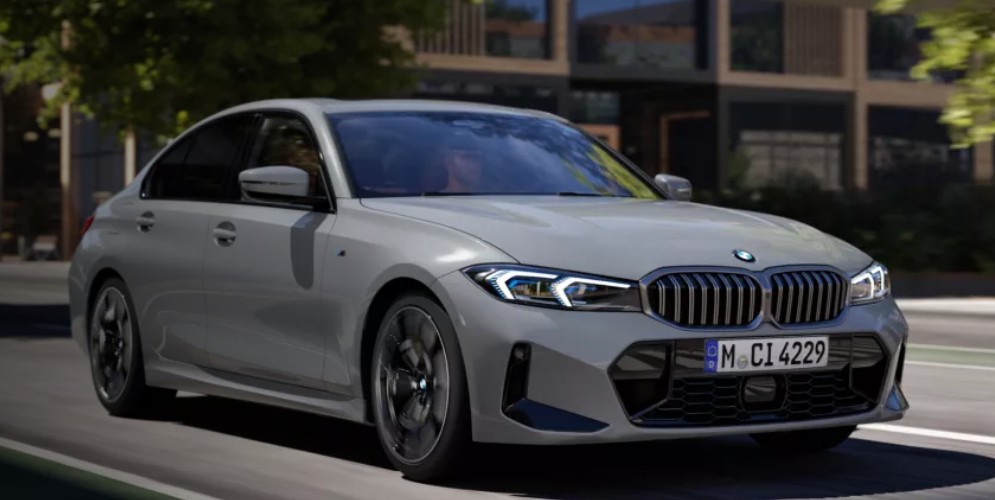
Parking sensors are one of those features we rarely think about—until they stop working. One day, your BMW 3 Series effortlessly guides you into tight parking spaces, and the next, you're greeted by warning messages, continuous beeping, or complete silence from the Park Distance Control (PDC) system.
If your BMW 3 Series parking sensors are not working, you're certainly not alone. This issue affects multiple generations of the 3 Series, from the E90 and F30 to the newer G20 models. The good news is that most parking sensor problems can be diagnosed and repaired without excessive expense.
In this guide, we'll explore the most common causes, diagnostic methods, repair solutions, replacement costs, and preventive maintenance tips to help restore your BMW's parking assistance system.
Content in this publication
- How BMW 3 Series Parking Sensors Work
- Signs Your BMW 3 Series Parking Sensors Are Not Working
- Most Common Causes of BMW 3 Series Parking Sensor Failure
- How to Diagnose BMW 3 Series Parking Sensor Problems
- How to Fix BMW 3 Series Parking Sensors
- OEM vs Aftermarket Parking Sensors
- BMW 3 Series Parking Sensor Repair Costs
- Can You Drive With Faulty Parking Sensors?
- BMW 3 Series Generations Commonly Affected
- How to Prevent Future Parking Sensor Problems
- Final Thoughts
- Frequently Asked Questions
How BMW 3 Series Parking Sensors Work
BMW's Park Distance Control system uses ultrasonic sensors installed in the front and rear bumpers. These sensors emit sound waves that bounce off nearby objects and return to the sensor. The system then calculates the distance and warns the driver through audible alerts and visual displays.
Think of the system as an invisible set of eyes constantly scanning your surroundings. When everything works correctly, parking becomes easier, safer, and far less stressful.
The PDC system typically consists of:
- Ultrasonic sensors
- PDC control module
- Wiring harnesses
- Dashboard display
- Audio warning system
- Vehicle communication network
A failure in any of these components can cause the system to malfunction.
Signs Your BMW 3 Series Parking Sensors Are Not Working
Parking sensor problems can appear in several ways. Understanding the symptoms can help narrow down the cause more quickly.
Continuous Beeping When Reverse Is Selected
One of the most common symptoms is a long, uninterrupted beep as soon as reverse gear is engaged. Instead of detecting obstacles, the system is informing you that a fault has been detected.
No Sound From the Sensors
Sometimes the system becomes completely inactive. There are no warning sounds, no visual indicators, and no obstacle detection.
Parking Assistance Error Messages
You may see messages such as:
- PDC Failure
- Parking Assistance Malfunction
- Park Distance Control Error
- Driver Assistance Restricted
These warnings indicate that the vehicle has identified a fault somewhere within the system.
Intermittent Sensor Operation
In some cases, the sensors work perfectly one day and fail the next. This often points toward wiring problems, moisture intrusion, or failing sensors.
Most Common Causes of BMW 3 Series Parking Sensor Failure
Several issues can prevent your parking sensors from functioning correctly.
Faulty Parking Sensor
The most common cause is a failed ultrasonic sensor.
Parking sensors operate in harsh conditions. They're constantly exposed to rain, road salt, debris, temperature fluctuations, and occasional impacts.
Over time, internal components can fail, causing the sensor to stop communicating with the PDC module.
Common signs of a bad sensor include:
- No clicking sound
- Cracked housing
- Water damage
- Physical impact marks
Even a single defective sensor can disable the entire parking assistance system.
Dirty or Obstructed Sensors
Parking sensors need a clear surface to transmit and receive ultrasonic waves.
Mud, snow, wax residue, road grime, and even excessive dirt can interfere with sensor performance.
A dirty sensor is like trying to look through a foggy window. The information becomes distorted or blocked entirely.
Fortunately, this is often the easiest problem to fix.
Moisture and Water Damage
Water is a major enemy of automotive electronics.
Although BMW parking sensors are designed to withstand the elements, prolonged exposure to moisture can eventually cause problems.
Common sources of water intrusion include:
- Heavy rainfall
- Snow accumulation
- Car washes
- Pressure washing
- Flooded road conditions
Moisture can enter connectors, damage circuitry, and create corrosion inside the sensor.
Damaged Wiring Harness
Every sensor communicates through electrical wiring connected to the PDC control module.
If a wire becomes damaged, the signal may never reach the module.
Wiring issues commonly occur because of:
- Corrosion
- Road debris
- Previous collision repairs
- Rodent damage
- Aging insulation
In many cases, the sensor itself is perfectly functional, but damaged wiring prevents it from working.
PDC Control Module Problems
The PDC module acts as the system's central processor.
Its job is to interpret information received from each sensor and determine when warnings should be issued.
When the module develops faults, multiple sensors may stop functioning simultaneously.
Signs of module failure may include:
- Multiple sensor errors
- Communication faults
- Complete PDC shutdown
- Persistent warning messages
Although less common than sensor failure, module issues do occur, particularly on older vehicles.
Software Issues
Modern BMW vehicles rely heavily on software.
Occasionally, corrupted programming or communication glitches can affect parking sensor performance.
Potential software-related problems include:
- Failed software updates
- Module synchronization issues
- Communication network faults
- System configuration errors
A diagnostic scan can often reveal whether software is contributing to the problem.
Weak Battery Voltage
BMW electronics are extremely sensitive to battery condition.
When battery voltage drops below normal operating levels, certain systems may behave unpredictably.
Parking sensors are often among the first convenience features affected.
If you're experiencing multiple electrical issues along with parking sensor failures, a battery test should be one of the first diagnostic steps.
How to Diagnose BMW 3 Series Parking Sensor Problems
Proper diagnosis prevents unnecessary repairs and replacement costs.
Perform the Sensor Clicking Test
One of the simplest diagnostic methods requires no special tools.
Turn on the ignition and activate the parking sensor system.
Place your finger lightly on each sensor.
A working sensor typically produces a faint ticking or clicking sensation.
A silent sensor often indicates failure.
Listen Closely to Each Sensor
You can also place your ear near the sensor while the system is active.
Healthy sensors usually emit a rhythmic clicking sound.
If one sensor remains silent while the others click, you've likely identified the faulty component.
Inspect the Sensors Visually
Take a close look at each sensor.
Check for:
- Cracks
- Impact damage
- Missing paint
- Water intrusion
- Loose mounting clips
Physical damage often provides immediate clues.
Use a BMW Diagnostic Scanner
The most accurate diagnostic method involves scanning the vehicle's control modules.
Diagnostic tools can identify:
- Faulty sensor locations
- Wiring faults
- Communication errors
- Module failures
- Software issues
Using a scanner often reduces troubleshooting time dramatically.
How to Fix BMW 3 Series Parking Sensors
The appropriate repair depends on the root cause.
Clean the Sensors Thoroughly
Before replacing anything, clean all sensors carefully.
Use:
- Warm water
- Automotive shampoo
- Microfiber cloth
Avoid abrasive cleaners that may damage the sensor surface.
Many sensor issues disappear after a proper cleaning.
Replace the Faulty Sensor
If diagnostics confirm sensor failure, replacement is usually straightforward.
The process generally involves:
- Accessing the bumper area.
- Disconnecting the sensor connector.
- Removing the defective sensor.
- Installing the replacement unit.
- Testing system operation.
Depending on the model, bumper removal may or may not be necessary.
Repair Damaged Wiring
If wiring damage is discovered, repairs may involve:
- Replacing connectors
- Repairing broken wires
- Cleaning corrosion
- Installing new harness sections
Electrical repairs require precision but often cost less than replacing multiple components unnecessarily.
Update Software
If software problems are identified, updating or reprogramming affected modules may restore functionality.
BMW dealerships and specialized independent workshops can perform these updates.
Replace the PDC Control Module
In rare cases, the control module itself may need replacement.
After installation, coding and programming are often required to ensure proper communication with the vehicle.
OEM vs Aftermarket Parking Sensors
When replacing sensors, you'll usually choose between OEM and aftermarket parts.
OEM Sensors
Benefits include:
- Perfect compatibility
- Factory-level performance
- Consistent reliability
- Easier installation
The downside is higher cost.
Aftermarket Sensors
Advantages include:
- Lower purchase price
- Wide availability
- Budget-friendly repairs
However, quality can vary significantly between manufacturers.
For long-term reliability, many BMW owners prefer OEM components.
BMW 3 Series Parking Sensor Repair Costs
Repair costs vary depending on the specific fault.
Typical ranges include:
| Repair Type | Estimated Cost |
|---|---|
| Sensor Replacement | $80–$350 |
| Wiring Repair | $100–$400 |
| Diagnostic Scan | $50–$150 |
| PDC Module Replacement | $300–$900+ |
| Software Update | $100–$300 |
Accurate diagnosis remains the best way to control repair expenses.
Can You Drive With Faulty Parking Sensors?
Yes.
Faulty parking sensors do not affect engine performance, braking, steering, or vehicle safety systems.
However, you'll lose the convenience and protection provided by the parking assistance system.
For drivers who regularly navigate crowded parking lots or tight garages, repairing the system sooner rather than later is highly recommended.
BMW 3 Series Generations Commonly Affected
E90 Generation
The E90 frequently experiences:
- Aging sensor failures
- Corrosion-related issues
- Wiring deterioration
F30 Generation
The F30 is known for:
- Individual sensor failures
- Connector corrosion
- Occasional software faults
G20 Generation
Newer G20 models experience fewer hardware failures but may occasionally encounter:
- Software glitches
- Camera integration issues
- Communication faults
How to Prevent Future Parking Sensor Problems
Preventive maintenance can significantly extend sensor life.
Keep Sensors Clean
Regular cleaning prevents dirt accumulation and signal interference.
Avoid Direct High-Pressure Washing
Pressure washers can force water into connectors and sensor housings.
Maintain a safe distance when cleaning the vehicle.
Repair Bumper Damage Promptly
Even minor bumper impacts can affect sensor alignment and functionality.
Maintain Battery Health
A healthy battery supports all electronic systems and reduces unexpected electrical faults.
Scan the Vehicle Periodically
Routine diagnostic scans can identify developing problems before they become expensive repairs.
Final Thoughts
When BMW 3 Series parking sensors stop working, the issue is usually caused by a faulty sensor, damaged wiring, moisture intrusion, software glitches, or battery-related electrical problems. While the symptoms may seem alarming, most faults are relatively straightforward to diagnose and repair.
The key is to approach the problem methodically. Start with simple inspections and cleaning, then move toward more advanced diagnostics if necessary. Replacing parts without identifying the root cause often leads to unnecessary expenses.
A properly functioning parking sensor system helps protect your BMW from dents, scratches, and low-speed parking accidents. By maintaining the sensors, monitoring electrical health, and addressing issues promptly, you can keep your parking assistance system operating reliably for years to come.
Frequently Asked Questions
Why do my BMW parking sensors beep continuously?
A continuous beep usually indicates that the PDC system has detected a fault, often caused by a failed sensor or wiring issue.
Can one bad sensor disable the entire parking system?
Yes. Many BMW 3 Series models disable the entire system when a single sensor fails.
How do I know which sensor is bad?
The clicking test and diagnostic scanner are the most effective methods for identifying a faulty sensor.
How much does it cost to replace a BMW parking sensor?
Most replacements cost between $80 and $350 depending on the sensor type and labor rates.
Do replacement parking sensors require coding?
Some BMW models require coding or initialization after installation, while others allow direct replacement.
If you want to know other articles similar to BMW 3 Series Parking Sensors Not Working: Complete Troubleshooting and Repair Guide you can visit the category Common Problems.
Kia Sorento Issues: Common Problems, Reliability and What to Watch For

Honda Passport Not Starting: Causes, Symptoms, and How to Fix It
Honda Passport Keyless Remote Battery Low: What It Means and How to Fix It

Nissan Rogue Apple CarPlay Not Working: Causes and Fixes
Nissan Rogue No Key Detected: Causes, Fixes, and What to Do
Nissan Rogue Engine Problems: Common Issues, Symptoms, Years and Solutions
Leave a Reply
More content of your interest