

BMW 3 Series Issues: The Complete Guide to Common Problems, Reliability, and Ownership Costs

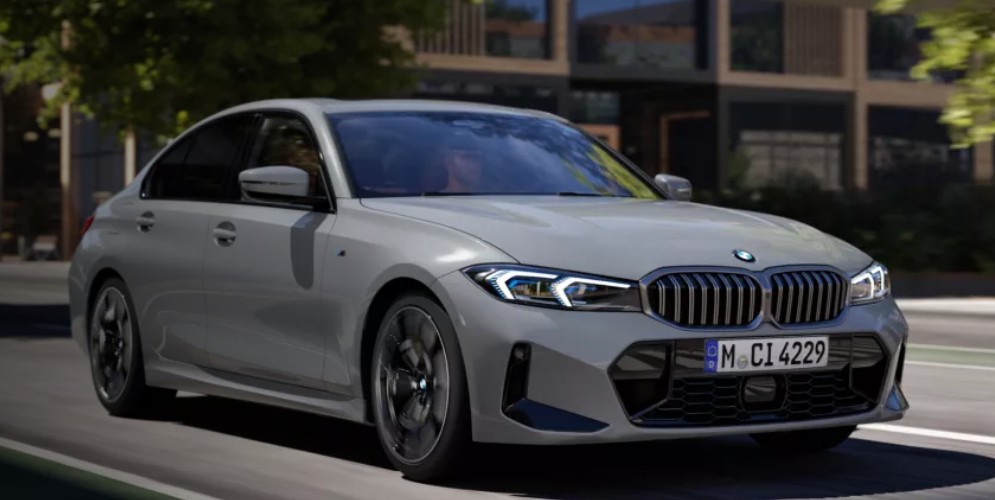
The BMW 3 Series has long been the benchmark for sports sedans. It combines luxury, performance, technology, and everyday practicality in a way few vehicles can match. For decades, drivers have viewed it as the perfect balance between excitement and sophistication.
Yet no car is perfect.
While the BMW 3 Series enjoys a strong reputation, every generation has developed its own set of common problems. Some issues are minor inconveniences, while others can become expensive repairs if ignored. Understanding these concerns before buying or owning a BMW 3 Series can save us thousands of dollars and countless headaches.
In this comprehensive guide, we'll explore the most common BMW 3 Series issues, which generations are most affected, warning signs to watch for, repair costs, and practical ownership advice.
Content in this publication
- Why the BMW 3 Series Remains So Popular Despite Its Issues
- The Most Common BMW 3 Series Issues Across All Generations
- BMW E46 Issues (1999–2006)
- BMW E90 Issues (2006–2013)
- BMW F30 Issues (2012–2019)
- BMW G20 Issues (2019–Present)
- Engine Problems That BMW 3 Series Owners Should Watch For
- Transmission Issues in BMW 3 Series Models
- Electrical System Problems Explained
- Suspension and Steering Issues
- Interior Problems Owners Commonly Report
- How Much Do BMW 3 Series Repairs Usually Cost?
- Which BMW 3 Series Generation Is Most Reliable?
- How to Prevent Major BMW 3 Series Problems
- Buying a Used BMW 3 Series: Red Flags to Avoid
- Are BMW 3 Series Issues Overblown?
- Conclusion
- Frequently Asked Questions
Why the BMW 3 Series Remains So Popular Despite Its Issues
The BMW 3 Series isn't just another luxury car. It's the model that helped define the modern sports sedan segment.
Drivers continue choosing it because it offers:
- Excellent handling
- Premium interiors
- Strong engine options
- Advanced technology
- Comfortable daily driving
- Impressive resale value
However, these benefits come with complexity. Modern BMW engineering often prioritizes performance and innovation, which can sometimes lead to maintenance challenges.
Think of the 3 Series as a talented athlete. It performs exceptionally well but requires consistent care to stay at its best.
The Most Common BMW 3 Series Issues Across All Generations
Although every generation has unique weaknesses, several recurring issues appear throughout the model's history.
Oil Leaks
Oil leaks are among the most frequently reported BMW 3 Series problems.
Common leak locations include:
- Valve cover gasket
- Oil filter housing gasket
- Oil pan gasket
These leaks often begin small but gradually worsen over time.
Ignoring them may result in:
- Burning oil smells
- Smoke from the engine bay
- Reduced oil levels
- Engine damage
Cooling System Failures
BMW cooling systems are often considered maintenance items rather than lifetime components.
Typical failure points include:
- Water pumps
- Thermostats
- Expansion tanks
- Radiators
- Coolant hoses
When cooling components fail, overheating can occur rapidly.
An overheated BMW engine can transform a manageable repair into a major engine rebuild.
Electrical Problems
Modern BMWs contain dozens of computers and sensors.
Common electrical complaints include:
- Faulty sensors
- Window regulator failures
- Battery drain
- Dashboard warning lights
- Infotainment glitches
Electrical issues tend to become more common as vehicles age.
Suspension Wear
BMW's sporty handling relies on sophisticated suspension systems.
Over time, owners often experience wear in:
- Control arm bushings
- Ball joints
- Shock absorbers
- Struts
- Sway bar links
Symptoms typically include:
- Clunking noises
- Uneven tire wear
- Poor handling
- Steering vibration
BMW E46 Issues (1999–2006)
The E46 remains one of the most beloved BMW 3 Series generations.
Many enthusiasts consider it the sweet spot between classic BMW simplicity and modern refinement.
However, it isn't without problems.
Rear Subframe Cracking
Perhaps the most infamous E46 issue is rear subframe cracking.
Repeated stress can cause structural damage where the rear suspension attaches to the body.
Signs include:
- Clunking sounds
- Alignment problems
- Visible cracks underneath the vehicle
Repair costs can be significant.
Cooling System Weaknesses
E46 cooling systems frequently require preventive replacement.
Parts commonly affected include:
- Water pumps
- Expansion tanks
- Thermostats
Many owners replace the entire cooling system every 80,000 to 100,000 miles.
VANOS System Problems
BMW's VANOS variable valve timing system can develop wear.
Symptoms include:
- Rough idle
- Reduced power
- Poor fuel economy
- Check engine lights
Fortunately, many VANOS repairs are relatively straightforward.
BMW E90 Issues (2006–2013)
The E90 generation introduced more technology and improved performance.
Unfortunately, increased complexity also created new concerns.
High-Pressure Fuel Pump Failures
Turbocharged engines in particular suffered from high-pressure fuel pump problems.
Warning signs include:
- Hard starting
- Reduced power
- Engine hesitation
- Check engine warnings
BMW issued extended warranties for many affected vehicles.
Turbocharger Problems
Some turbocharged models experienced:
- Wastegate rattle
- Boost leaks
- Turbo failure
Repair costs can quickly escalate due to labor-intensive replacement procedures.
Carbon Buildup
Direct injection engines often accumulate carbon deposits on intake valves.
Common symptoms include:
- Rough running
- Reduced performance
- Misfires
- Poor fuel economy
Periodic walnut blasting is often recommended.
BMW F30 Issues (2012–2019)
The F30 introduced modern efficiency while maintaining BMW's sporting character.
Yet several recurring issues emerged.
Timing Chain Concerns
Certain four-cylinder engines developed timing chain problems.
Failure can result in severe engine damage.
Symptoms include:
- Rattling noises
- Engine warnings
- Rough operation
Early diagnosis is crucial.
Electronic Steering Complaints
Some owners reported:
- Reduced steering feel
- Intermittent steering warnings
- Calibration issues
While generally reliable, the system lacks the feedback many traditional BMW enthusiasts prefer.
Air Conditioning Problems
Common air conditioning complaints include:
- Weak cooling
- Compressor failure
- Refrigerant leaks
Fortunately, many repairs are manageable compared to major engine work.
BMW G20 Issues (2019–Present)
The current-generation G20 is widely regarded as one of BMW's most reliable modern vehicles.
Still, no vehicle is completely immune to problems.
Software Glitches
As vehicles become more digital, software issues become more common.
Owners occasionally report:
- Frozen screens
- Connectivity issues
- Driver assistance malfunctions
- Navigation errors
Many problems can be resolved through software updates.
Battery and Electrical Concerns
Advanced electronics place greater demands on the battery.
Symptoms may include:
- Random warning lights
- Start-stop system failures
- Battery discharge messages
Regular battery health checks are increasingly important.
Engine Problems That BMW 3 Series Owners Should Watch For
Engine repairs represent some of the highest ownership costs.
Oil Consumption
Certain BMW engines consume oil at higher-than-average rates.
Monitoring oil levels regularly is essential.
Neglecting this simple habit can lead to catastrophic consequences.
Ignition Coil Failures
Ignition coils are wear items.
When they fail, drivers may notice:
- Rough idle
- Engine shaking
- Reduced power
- Misfires
Fortunately, coil replacement is usually straightforward.
Fuel Injector Problems
Direct injection systems improve efficiency but introduce complexity.
Faulty injectors can cause:
- Hard starts
- Fuel smell
- Rough operation
- Increased emissions
Transmission Issues in BMW 3 Series Models
BMW transmissions are generally durable.
However, certain problems do occur.
Automatic Transmission Jerking
Owners sometimes report:
- Rough shifts
- Delayed engagement
- Gear hunting
Software updates and fluid service may help.
Manual Clutch Wear
Manual transmission models often require clutch replacement after extended use.
Factors affecting lifespan include:
- Driving style
- Traffic conditions
- Performance modifications
Electrical System Problems Explained
Electrical systems have become increasingly complex.
Battery Registration Requirements
BMW battery replacement differs from many competitors.
New batteries often require electronic registration.
Skipping this step may create charging issues.
Faulty Sensors
Modern BMWs rely on numerous sensors.
Failures can trigger warning lights involving:
- ABS
- Traction control
- Tire pressure monitoring
- Engine management
Many sensor repairs are relatively inexpensive compared to major mechanical work.
Suspension and Steering Issues
BMW handling is legendary.
Unfortunately, handling excellence often comes with maintenance requirements.
Control Arm Bushing Wear
Worn bushings commonly produce:
- Steering looseness
- Vibration
- Uneven tire wear
Replacement restores much of the vehicle's original precision.
Shock Absorber Failure
Aging shocks can dramatically affect ride quality.
Warning signs include:
- Excessive bouncing
- Reduced cornering stability
- Fluid leaks
Interior Problems Owners Commonly Report
BMW interiors typically age well.
However, some recurring issues appear.
Peeling Interior Trim
Soft-touch surfaces may deteriorate over time.
Affected areas often include:
- Door handles
- Buttons
- Center console trim
Seat Wear
Higher-mileage vehicles may experience:
- Leather cracking
- Cushion compression
- Seat adjustment failures
Proper conditioning helps preserve interior materials.
How Much Do BMW 3 Series Repairs Usually Cost?
Repair costs vary depending on model, age, and location.
Typical repair ranges include:
| Repair | Estimated Cost |
|---|---|
| Valve Cover Gasket | $300–$900 |
| Water Pump | $600–$1,500 |
| Ignition Coils | $150–$800 |
| Timing Chain | $1,500–$4,500 |
| Turbocharger | $1,500–$5,000+ |
| Suspension Components | $300–$2,000 |
Preventive maintenance usually costs far less than reactive repairs.
Which BMW 3 Series Generation Is Most Reliable?
Reliability varies significantly.
Best Choices
Many experts consider these strong options:
- Late-model E46
- Naturally aspirated E90 models
- BMW G20 generation
These vehicles tend to balance performance and dependability effectively.
Generations Requiring More Caution
Potential buyers should carefully inspect:
- Early turbocharged E90 models
- Certain N20-powered F30 models
- High-mileage examples with poor maintenance records
Maintenance history often matters more than model year alone.
How to Prevent Major BMW 3 Series Problems
Preventive care is the secret weapon of successful BMW ownership.
Maintenance Tips
Follow these practices:
- Change oil regularly
- Monitor coolant levels
- Address warning lights immediately
- Inspect suspension annually
- Replace aging cooling system components
- Use high-quality parts
A BMW rewards attentive ownership.
Ignore maintenance, and problems multiply like weeds in a neglected garden.
Buying a Used BMW 3 Series: Red Flags to Avoid
Before purchasing, inspect for:
Service History Gaps
Missing records often indicate deferred maintenance.
Multiple Warning Lights
Dashboard warnings should never be ignored.
Cooling System Neglect
Cooling system repairs can become expensive quickly.
Oil Leaks
Even minor leaks deserve attention.
A pre-purchase inspection by a BMW specialist can reveal hidden issues before money changes hands.
Are BMW 3 Series Issues Overblown?
Many people assume BMWs are unreliable.
Reality is more nuanced.
The BMW 3 Series is not necessarily unreliable—it is simply less forgiving than some mainstream alternatives.
Owners who follow maintenance schedules often enjoy years of dependable service.
Those who postpone repairs frequently encounter costly consequences.
The difference lies in ownership habits.
Conclusion
The BMW 3 Series remains one of the most rewarding luxury cars ever built. Its combination of driving dynamics, refinement, technology, and prestige continues to attract enthusiasts around the world.
Yes, BMW 3 Series issues exist. Oil leaks, cooling system failures, electrical gremlins, suspension wear, and generation-specific concerns are all realities of ownership. Yet most problems are well-documented, predictable, and manageable when addressed early.
Rather than viewing the BMW 3 Series as unreliable, we should see it as a vehicle that demands commitment. Like a finely tuned instrument, it performs beautifully when maintained correctly. With careful inspections, regular servicing, and proactive repairs, a BMW 3 Series can provide hundreds of thousands of miles of enjoyable driving.
Frequently Asked Questions
1. What is the most common BMW 3 Series problem?
Oil leaks and cooling system failures are among the most frequently reported issues across multiple generations.
2. Which BMW 3 Series generation is the most reliable?
The G20 generation and well-maintained late E46 models are often considered among the most reliable.
3. Are BMW 3 Series repairs expensive?
Repairs can be more expensive than mainstream brands due to premium parts and specialized labor requirements.
4. How many miles can a BMW 3 Series last?
With proper maintenance, many BMW 3 Series models exceed 200,000 miles.
5. Should I buy a used BMW 3 Series?
Yes, provided it has a strong maintenance history, a clean inspection report, and no significant unresolved issues.
If you want to know other articles similar to BMW 3 Series Issues: The Complete Guide to Common Problems, Reliability, and Ownership Costs you can visit the category Common Problems.
Toyota Corolla Cross Issues: Common Problems and Fixes

MG HS Problems: Common Faults, Reliability and Years to Avoid (2019–2026)
Toyota Yaris Cross Battery Problems: Causes & Fixes

Volvo XC40 Sound Not Working? Complete Troubleshooting Guide

Mazda Diesel Engine Problems: Common Faults and Fixes

Volkswagen Key Not Detected or No Key Error: Causes and Fixes
Leave a Reply
More content of your interest