
BMW 3 Series Years to Avoid: A Complete Buyer’s Guide to Problematic Models

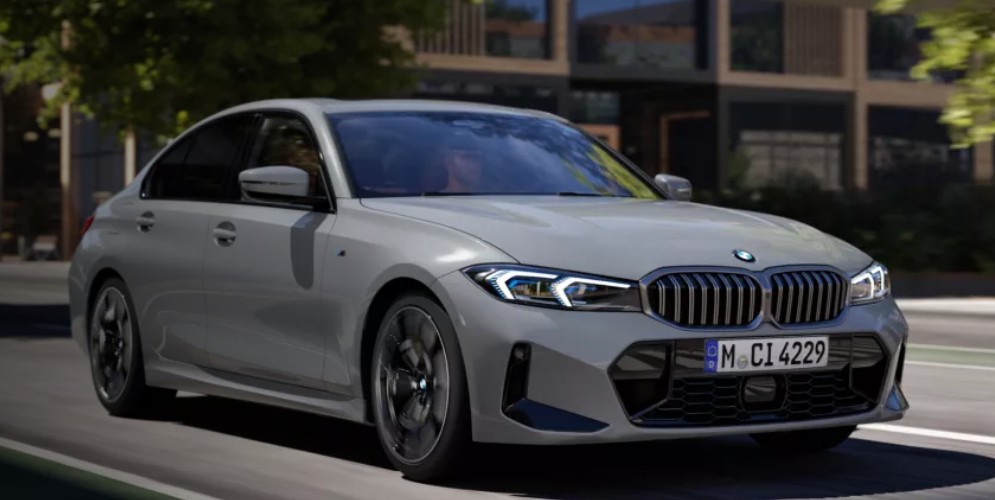
The BMW 3 Series has long been the benchmark for compact luxury sedans. For decades, it has blended performance, comfort, technology, and driving excitement in a way few rivals can match. Whether we're talking about a sporty daily commuter, a refined family sedan, or a thrilling weekend machine, the 3 Series has earned a reputation as one of the most desirable cars in its segment.
However, not every BMW 3 Series model year is created equal.
Some years have become known for expensive repairs, reliability concerns, and recurring mechanical problems that can quickly turn ownership into a costly experience. Knowing which BMW 3 Series years to avoid can save us thousands of dollars and countless headaches.
In this guide, we'll explore the most problematic BMW 3 Series years, the reasons behind their issues, common repair costs, and the generations that are generally considered safer purchases.
Content in this publication
- Why Some BMW 3 Series Years Are More Problematic Than Others
- A Quick Overview of BMW 3 Series Generations
- The BMW 3 Series Years to Avoid
- The Most Problematic BMW 3 Series Engine
- BMW E46 Models: Are They Years to Avoid?
- BMW E90 Generation Problems
- The Hidden Cost of Turbocharged BMW 3 Series Models
- BMW 320i Years That Require Extra Attention
- First-Year BMW Models: Why Buyers Should Be Careful
- BMW 3 Series Maintenance Costs: The Bigger Picture
- Warning Signs When Shopping for a Used BMW 3 Series
- BMW 3 Series Years That Are Generally Considered Reliable
- Best BMW 3 Series Generations for Long-Term Ownership
- Should We Avoid High-Mileage BMW 3 Series Models?
- How to Buy a Used BMW 3 Series Safely
- Is the BMW 3 Series Still Worth Buying?
- Conclusion
- Frequently Asked Questions
Why Some BMW 3 Series Years Are More Problematic Than Others
Every automotive generation goes through growing pains. New engines, transmissions, electronics, and technologies often introduce unforeseen reliability concerns.
BMW has consistently pushed innovation forward, but innovation sometimes comes with risks.
Several factors contribute to problematic model years:
- First-year production bugs
- New engine designs
- Complex electronic systems
- Turbocharger reliability issues
- Cooling system weaknesses
- High-mileage maintenance costs
- Poorly designed components
Understanding these patterns helps us identify which years deserve extra caution.
A Quick Overview of BMW 3 Series Generations
Before diving into specific years, let's look at the major generations:
| Generation | Production Years |
|---|---|
| E21 | 1975-1983 |
| E30 | 1982-1994 |
| E36 | 1990-2000 |
| E46 | 1997-2006 |
| E90/E91/E92/E93 | 2005-2013 |
| F30/F31/F34 | 2011-2019 |
| G20/G21 | 2018-Present |
While every generation has strengths, certain years stand out for the wrong reasons.
The BMW 3 Series Years to Avoid
2006 BMW 3 Series
The 2006 model marked the early years of the E90 generation.
As a first-year redesign, it introduced new technology and styling. Unfortunately, it also introduced several reliability concerns.
Common Problems
- Electric water pump failures
- Ignition coil issues
- Fuel pump failures
- Electronic glitches
- Cooling system leaks
Many owners reported expensive repairs occurring before reaching 100,000 miles.
Why We Recommend Caution
First-year models often reveal hidden design flaws. The 2006 BMW 3 Series is a classic example.
2007 BMW 335i
The 2007 335i became famous for its powerful twin-turbocharged N54 engine.
Unfortunately, it also became famous for repair bills.
Major Issues
- High-pressure fuel pump failures
- Turbocharger wastegate rattles
- Carbon buildup
- Injector failures
- Oil leaks
The N54 engine delivers incredible performance, but ownership costs can be significant.
The Performance Trap
Driving a 335i feels like taming a wild horse. Exciting? Absolutely. Affordable? Not always.
2008 BMW 335i
BMW improved some issues but many persisted.
Frequently Reported Complaints
Fuel System Failures
Owners continued reporting:
- Fuel pump replacements
- Fuel injector problems
- Hard starting
- Engine hesitation
Turbocharger Problems
Wastegate issues remained common.
Repair costs often exceeded several thousand dollars.
2011 BMW 335i
The 2011 model continued using turbocharged powertrains that delivered outstanding performance but suffered from reliability concerns.
Typical Problems
- Oil filter housing gasket leaks
- Valve cover leaks
- Water pump failures
- Carbon buildup
These repairs are not unusual on older BMWs, but they can add up quickly.
The Most Problematic BMW 3 Series Engine
Understanding the N54 Engine
Among BMW enthusiasts, the N54 engine generates endless debate.
Some love it.
Some fear it.
Both perspectives are understandable.
Strengths
- Excellent tuning potential
- Strong power output
- Responsive performance
Weaknesses
- Fuel pump failures
- Turbo problems
- Injector issues
- Carbon deposits
If considering an N54-powered BMW, maintenance history is critical.
BMW E46 Models: Are They Years to Avoid?
The E46 generation remains one of the most beloved BMWs ever built.
However, certain years deserve closer inspection.
2001 BMW 325i and 330i
These vehicles experienced:
You may be interested in reading BMW 3 Series Insurance Group: Everything You Need to Know Before You Buy
- Cooling system failures
- Expansion tank cracks
- Rear subframe concerns
- Window regulator issues
Cooling System Vulnerability
Think of the cooling system as the car's circulatory system.
When it fails, the consequences can be severe.
Preventive maintenance is essential.
BMW E90 Generation Problems
The E90 generation brought a modern design and advanced technology.
Unfortunately, complexity increased.
Electronic System Issues
Owners frequently reported:
- Dashboard warning lights
- Sensor failures
- Battery registration problems
- iDrive malfunctions
Cooling System Failures
Electric water pumps became a recurring weak point.
Unlike traditional pumps, replacement costs are substantially higher.
Turbocharging transformed the 3 Series.
Performance improved dramatically.
Reliability sometimes moved in the opposite direction.
Turbo Replacement
Potential symptoms include:
- Loss of power
- Whining noises
- Excessive smoke
Carbon Buildup Cleaning
Direct-injection engines accumulate carbon deposits over time.
Walnut blasting is often necessary.
BMW 320i Years That Require Extra Attention
The 320i generally enjoys a better reputation than some higher-performance models.
However, certain years still deserve scrutiny.
2012 and 2013 Models
Some owners experienced:
- Timing chain concerns
- Oil consumption
- Cooling system failures
Regular inspections are vital when shopping for these vehicles.
First-Year BMW Models: Why Buyers Should Be Careful
A recurring pattern appears throughout automotive history.
First-year redesigns often experience more issues.
Reasons First-Year Models Can Be Risky
New Engineering
New components haven't yet been fully tested in real-world conditions.
Manufacturing Adjustments
Production processes often improve after the first year.
Software Updates
Early electronic systems may contain bugs later corrected by updates.
Whenever possible, buying the second or third year of a generation can reduce risk.
BMW 3 Series Maintenance Costs: The Bigger Picture
A BMW isn't necessarily unreliable.
However, maintenance costs differ from mainstream brands.
Common BMW Repairs
| Repair | Typical Cost Range |
|---|---|
| Water Pump | High |
| Turbocharger Repair | Very High |
| Valve Cover Gasket | Moderate |
| Fuel Injector Replacement | High |
| Suspension Components | Moderate to High |
Luxury engineering comes with luxury maintenance expenses.
Warning Signs When Shopping for a Used BMW 3 Series
Before purchasing, inspect the vehicle carefully.
Look for These Red Flags
- Engine oil leaks
- Coolant leaks
- Rough idle
- Turbo noises
- Service history gaps
- Multiple dashboard warnings
- Excessive smoke
A thorough pre-purchase inspection can prevent costly surprises.
Why Service Records Matter
A well-maintained BMW can outperform a neglected newer model.
Documentation often tells the true story.
BMW 3 Series Years That Are Generally Considered Reliable
Avoiding bad years is only half the equation.
You may be interested in readingBMW 3 Series Insurance Group: Everything You Need to Know Before You BuyYou may be interested in reading
BMW 3 Series Reliability: The Complete Guide to Long-Term OwnershipLet's discuss the better options.
2015 BMW 328i
Many enthusiasts consider the 2015 model a sweet spot.
Benefits
- Improved reliability
- Modern technology
- Better fuel economy
- Fewer early-generation issues
2018 BMW 330i
By this point, BMW had refined many systems.
Owners generally report positive experiences.
2020 and Newer G20 Models
The latest generation has demonstrated encouraging reliability trends.
Advanced technology is paired with improved engineering maturity.
Best BMW 3 Series Generations for Long-Term Ownership
E46 (Late Production Years)
Many enthusiasts still consider late E46 models among BMW's finest achievements.
F30 (2015-2018)
This generation strikes an excellent balance between:
- Performance
- Comfort
- Reliability
- Technology
G20 (2020+)
Modern, efficient, and increasingly dependable.
Should We Avoid High-Mileage BMW 3 Series Models?
Not necessarily.
Mileage tells only part of the story.
A Well-Maintained 150,000-Mile BMW May Be Better Than a Neglected 70,000-Mile Example
Maintenance history matters more than odometer readings.
Ask questions such as:
- Has the water pump been replaced?
- Have oil leaks been repaired?
- Has the cooling system been serviced?
- Are maintenance records available?
The answers often reveal more than the mileage itself.
How to Buy a Used BMW 3 Series Safely
Step 1: Research the Model Year
Learn common issues before visiting the seller.
Step 2: Request Maintenance Records
Documentation reduces uncertainty.
Step 3: Get a Professional Inspection
This small investment can save thousands.
Step 4: Check for Recalls
Verify that recall work has been completed.
Step 5: Budget for Future Repairs
Even reliable BMWs require maintenance.
Planning ahead prevents unpleasant surprises.
Is the BMW 3 Series Still Worth Buying?
Absolutely.
Despite certain years being problematic, the BMW 3 Series remains one of the most rewarding luxury sedans ever built.
Its steering precision, balanced chassis, refined interiors, and engaging driving dynamics continue to attract enthusiasts worldwide.
The key is choosing the right year.
Avoiding models with known reliability concerns significantly improves the ownership experience. When we focus on well-maintained examples from proven model years, the 3 Series can provide years of enjoyable driving.
Think of it like selecting a house. The neighborhood may be fantastic, but we still need to inspect the foundation before signing the paperwork. The same principle applies to BMW ownership.
Conclusion
When researching BMW 3 Series years to avoid, several models consistently appear on buyers' caution lists. The 2006 E90, 2007-2008 335i, and some early turbocharged variants are known for fuel system failures, turbocharger issues, cooling system weaknesses, and costly repairs. These vehicles can still be worthwhile purchases if properly maintained, but they require extra scrutiny.
For buyers seeking fewer headaches, later F30 models from 2015 to 2018 and newer G20 models often represent safer choices. Ultimately, maintenance history, inspection results, and overall condition matter far more than the badge on the trunk or the number on the odometer.
Choose carefully, and the BMW 3 Series can remain one of the most satisfying cars you'll ever own.
Frequently Asked Questions
1. What is the worst BMW 3 Series year to buy?
Many experts consider the 2007 BMW 335i among the riskiest due to recurring high-pressure fuel pump and turbocharger problems.
2. Are BMW 3 Series cars expensive to maintain?
Yes. Maintenance and repair costs are generally higher than those of mainstream brands because of premium components and specialized labor.
3. Is the BMW 328i more reliable than the 335i?
In many cases, yes. Naturally aspirated and lower-stress engines often have fewer expensive issues than turbocharged 335i models.
You may be interested in readingBMW 3 Series Insurance Group: Everything You Need to Know Before You BuyYou may be interested in reading
BMW 3 Series Reliability: The Complete Guide to Long-Term OwnershipYou may be interested in reading
How Many Miles Can BMW 3 Series Last? The Ultimate Longevity Guide4. Which BMW 3 Series generation is the most reliable?
Late-production F30 models (2015-2018) are widely regarded as some of the most dependable modern BMW 3 Series vehicles.
5. Should I buy a BMW 3 Series with over 100,000 miles?
Yes, provided it has a strong maintenance history, documented repairs, and passes a professional inspection.
If you want to know other articles similar to BMW 3 Series Years to Avoid: A Complete Buyer’s Guide to Problematic Models you can visit the category Blog.
Volvo S90 Reliability: Problems, Costs & Best Years
Is Haval Jolion a Good Car? Honest Review, Reliability, Pros and Cons
How to Start Haval Jolion With Spare Key: Complete Guide
How to Calculate Per Diem on an Auto Loan

How to Calculate the Residual Value of a Car
Is the Honda Passport Selling Well? Sales Numbers Tell the Story
Leave a Reply
More content of your interest