
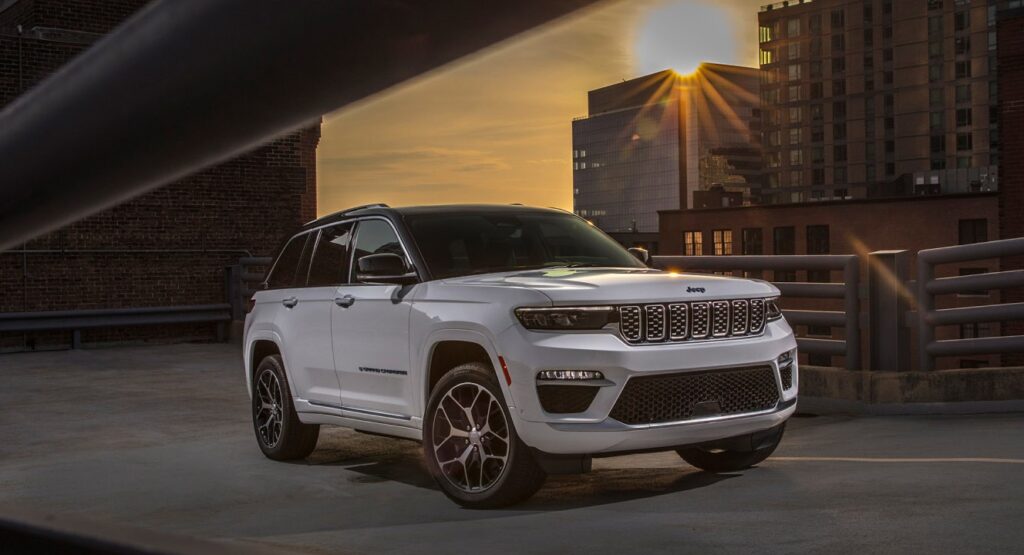
Electrical Problems in Jeep Grand Cherokee

Content in this publication
- Why Electrical Issues in the Jeep Grand Cherokee Matter
- Most Common Electrical Problems in Jeep Grand Cherokee
- Battery Drain Problems
- Alternator Failure in Jeep Grand Cherokee
- TIPM Problems and Electrical Chaos
- Infotainment System Problems
- Dashboard Warning Lights Everywhere
- Grounding Issues and Electrical Problems
- Starting Problems in Jeep Grand Cherokee
- Power Window and Door Lock Failures
- Wiring Problems in Jeep Grand Cherokee
- PCM and ECU Electrical Problems
- Electrical Problems by Generation
- Repair Costs for Jeep Grand Cherokee Electrical Problems
- How to Prevent Electrical Problems
- Should You Buy a Jeep Grand Cherokee With Electrical Issues?
- Why Electrical Problems Feel So Random
- When to Visit a Professional Mechanic
- Final Thoughts on Electrical Problems in Jeep Grand Cherokee
- FAQs About Electrical Problems in Jeep Grand Cherokee
Why Electrical Issues in the Jeep Grand Cherokee Matter
The Jeep Grand Cherokee has built a reputation as a rugged SUV that blends luxury, off-road capability, and everyday comfort. Yet for many owners, electrical problems become an unexpected chapter in the ownership experience. One moment the vehicle feels refined and dependable, and the next it behaves like a machine with a mind of its own.
A dashboard may suddenly light up with warning indicators. The radio can freeze without warning. Windows might stop responding halfway down during a storm. Some owners even discover their battery dead overnight despite replacing it recently.
Modern vehicles rely heavily on electronics, and the Jeep Grand Cherokee is no exception. Beneath the surface lies a network of sensors, control modules, wiring harnesses, relays, and software systems constantly communicating with one another. When one part fails, the ripple effect can spread quickly across the vehicle.
Understanding these electrical problems helps us recognize warning signs early, reduce repair costs, and avoid stressful breakdowns that appear out of nowhere.
Most Common Electrical Problems in Jeep Grand Cherokee
Electrical failures in the Jeep Grand Cherokee vary depending on model year and generation, but certain issues appear repeatedly across owner reports.
Some are relatively minor inconveniences, while others can prevent the SUV from starting altogether.
Frequently Reported Problems
- Battery drain
- Alternator failure
- TIPM malfunction
- Infotainment glitches
- Flickering dashboard lights
- Random warning indicators
- Power window issues
- Door lock malfunctions
- Push-button start failures
- Sensor communication errors
Many of these problems can overlap, making diagnosis frustrating even for experienced mechanics.
Battery Drain Problems
Why Does the Battery Keep Dying?
One of the most frustrating electrical complaints involves batteries draining overnight. Owners often replace the battery believing the problem is solved, only to discover the vehicle dead again a few days later.
The issue is commonly caused by a parasitic electrical draw. Certain modules or systems continue consuming power after the vehicle shuts off.
Common Causes of Battery Drain
Faulty Radio Modules
The infotainment system may remain active even when the vehicle is parked.
TIPM Issues
A malfunctioning Totally Integrated Power Module can keep circuits energized.
Interior Lights Staying On
A door sensor or switch may fail to detect closure properly.
Defective Relays
Relays stuck in the “on” position continue drawing current.
Software Glitches
Electronic modules sometimes fail to enter sleep mode.
Battery drain problems often feel mysterious because the SUV may function perfectly during the day yet refuse to start the following morning.
Alternator Failure in Jeep Grand Cherokee
How the Alternator Affects the Entire Electrical System
The alternator supplies electrical power while charging the battery. When it begins failing, voltage instability spreads throughout the vehicle like cracks across thin ice.
A weak alternator can create symptoms that appear unrelated at first glance.
Signs of Alternator Problems
- Flickering headlights
- Dim interior lights
- Battery warning light
- Sudden engine stalling
- Weak power accessories
- Burning electrical smell
Some Jeep Grand Cherokee owners describe the experience as watching the vehicle slowly lose energy while driving.
Affected Model Years
Alternator complaints appear frequently in:
- 2011 Jeep Grand Cherokee
- 2012 Jeep Grand Cherokee
- 2014 Jeep Grand Cherokee
- 2015 Jeep Grand Cherokee
Certain recalls also addressed alternator overheating concerns in specific models.
TIPM Problems and Electrical Chaos
What Is the TIPM?
The Totally Integrated Power Module acts as the electrical command center of the vehicle. It controls and distributes power across numerous systems.
When it fails, bizarre electrical behavior can emerge.
Common TIPM Symptoms
Fuel Pump Continues Running
Even after shutting off the vehicle.
Horn Activates Randomly
Unexpected honking without driver input.
Wipers Behave Erratically
Wipers may activate independently.
Engine Cranks but Will Not Start
Fuel delivery and communication failures can prevent ignition.
Power Accessories Stop Working
Locks, windows, and lighting systems may malfunction.
TIPM problems are especially frustrating because they mimic many other failures, leading to unnecessary repairs before the real cause is discovered.
Infotainment System Problems
When Technology Stops Cooperating
Modern Jeep Grand Cherokee models rely heavily on touchscreen technology and digital interfaces. While these features improve convenience, they also introduce more opportunities for electronic failure.
Common Uconnect Issues
- Frozen touchscreen
- Black display screen
- Bluetooth disconnecting
- Backup camera malfunction
- Radio reboot loops
- Delayed touchscreen response
A malfunctioning infotainment system may not seem critical initially, but daily frustration builds quickly when navigation, music, and communication systems fail repeatedly.
Software vs Hardware Failures
Some infotainment issues result from:
- Corrupted software
- Firmware bugs
- Low battery voltage
Others involve:
- Failed touchscreen components
- Damaged internal circuitry
- Loose connectors
Proper diagnosis becomes essential before replacing expensive hardware unnecessarily.
Dashboard Warning Lights Everywhere
Why Multiple Warning Lights Appear Simultaneously
Many Jeep Grand Cherokee owners describe moments when the dashboard suddenly resembles a Christmas tree.
Warning lights may include:
- ABS light
- Traction control light
- Battery warning
- Brake warning
- Airbag warning
- Check engine light
This often indicates a voltage problem or communication failure between control modules.
Voltage Stability Is Critical
Modern vehicles depend on stable electrical voltage. Even slight fluctuations can confuse sensors and modules, creating multiple false warnings simultaneously.
A weak battery or failing alternator may trigger widespread electronic confusion throughout the SUV.
Grounding Issues and Electrical Problems
Why Ground Connections Matter
Ground wires complete electrical circuits throughout the vehicle. Corroded or loose grounds can cause unpredictable symptoms that appear random.
Signs of Poor Ground Connections
Flickering Electronics
Lights may pulse inconsistently.
Intermittent Starting
The engine may start sometimes but not others.
Erratic Gauges
Instrument readings become unstable.
Random System Failures
Modules may temporarily lose communication.
Sometimes a simple ground cleaning resolves issues that initially seemed catastrophic.
Starting Problems in Jeep Grand Cherokee
When the Vehicle Refuses to Start
Few automotive experiences feel more frustrating than pressing the start button and hearing silence.
Electrical starting problems often involve:
- Weak battery
- Faulty starter relay
- Bad ignition switch
- TIPM failure
- Key fob communication errors
Push-button start systems depend heavily on electronics. A single failed signal can prevent the engine from starting entirely.
“Key Not Detected” Message
The vehicle cannot recognize the key fob.
No Crank Condition
Dashboard lights appear, but the engine never turns over.
Intermittent Starting
The SUV starts unpredictably.
Sometimes the solution is simple, such as replacing a key fob battery. Other situations require deeper electrical troubleshooting.
Power Window and Door Lock Failures
Small Problems That Become Constant Annoyances
Electrical issues involving windows and locks are common in aging Jeep Grand Cherokee models.
Typical Complaints
- Window stuck halfway
- Locks cycling repeatedly
- Rear hatch not opening
- Driver controls unresponsive
- Mirror adjustments failing
Repeated door movement gradually damages wiring inside the door harnesses over time.
Common Causes
Broken Wiring
Constant bending eventually weakens wires.
Faulty Switches
Switch contacts wear out with age.
Failed Door Actuators
Electronic lock motors stop functioning properly.
Moisture Damage
Water intrusion can corrode connectors.
Wiring Problems in Jeep Grand Cherokee
Wiring issues remain among the hardest electrical problems to diagnose because wires run throughout the entire vehicle.
Causes of Wiring Damage
- Heat exposure
- Corrosion
- Rodent damage
- Poor aftermarket installations
- Water leaks
- Vibration wear
A single damaged wire can create symptoms affecting multiple systems simultaneously.
Water Intrusion and Electrical Failures
Moisture becomes dangerous when it reaches electronic components.
Areas Prone to Water Leaks
Sunroof Drains
Blocked drains can overflow into interior electronics.
Door Seals
Worn seals allow moisture inside.
Windshield Edges
Leaks may damage hidden modules.
Rear Hatch Area
Water accumulation can corrode wiring.
Electrical issues often appear shortly after heavy rain or car washes when water intrusion exists.
PCM and ECU Electrical Problems
When the Vehicle’s Computer Fails
The Powertrain Control Module controls critical engine and transmission functions. When it malfunctions, symptoms become widespread and confusing.
Possible PCM Symptoms
- Random stalling
- Misfires
- Poor fuel economy
- Transmission shifting problems
- Communication errors
- Starting failures
Because PCM symptoms overlap with many sensor issues, professional diagnosis is usually necessary.
Electrical Problems by Generation
1999–2004 Jeep Grand Cherokee
Older models commonly experience:
- Gauge cluster issues
- Ignition switch failures
- Window regulator problems
- Ground corrosion
Age becomes the primary enemy in these vehicles.
2005–2010 Jeep Grand Cherokee
This generation often reports:
- TIPM failures
- Battery drain
- Door module malfunctions
- Ignition issues
The increasing complexity of electronics introduced more troubleshooting challenges.
2011–2021 Jeep Grand Cherokee
Modern WK2 models frequently encounter:
- Uconnect glitches
- Alternator problems
- Push-button start failures
- Air suspension electrical faults
- Sensor communication errors
Technology improved comfort but also increased electrical dependency.
Repair Costs for Jeep Grand Cherokee Electrical Problems
Electrical Repairs Can Become Expensive
Repair costs depend heavily on diagnosis accuracy and problem severity.
| Problem | Estimated Cost |
|---|---|
| Battery replacement | $150–$350 |
| Alternator replacement | $500–$1,200 |
| TIPM replacement | $800–$1,800 |
| Wiring repair | $150–$2,000+ |
| Starter replacement | $350–$900 |
| Infotainment replacement | $700–$2,500 |
Intermittent problems often increase labor costs because technicians spend hours tracing faults hidden deep inside the vehicle.
How to Prevent Electrical Problems
Preventive Maintenance Makes a Huge Difference
Electrical systems dislike neglect. Small maintenance habits can prevent larger failures later.
Helpful Prevention Tips
- Keep battery terminals clean
- Replace weak batteries early
- Repair water leaks immediately
- Avoid cheap aftermarket electronics
- Inspect grounds regularly
- Update vehicle software when available
Ignoring small electrical symptoms often allows larger problems to develop quietly over time.
Should You Buy a Jeep Grand Cherokee With Electrical Issues?
It Depends on the Severity
Not every electrical issue should scare buyers away. Some problems remain manageable and affordable.
Minor concerns include:
- Window switch replacement
- Battery replacement
- Small wiring repairs
More serious concerns include:
- Extensive corrosion
- Multiple failed modules
- TIPM replacement
- Water-damaged electronics
A professional inspection before purchase becomes extremely important.
What to Check Before Buying
Warning Lights
Look for unexplained dashboard indicators.
Battery Voltage
Low voltage may indicate hidden issues.
All Electronics
Test every switch, screen, and accessory.
Water Damage Signs
Inspect carpets and interior areas for moisture.
Proper inspection can save thousands in future repairs.
Why Electrical Problems Feel So Random
Modern SUVs Depend on Constant Communication
Today’s vehicles function like rolling computer networks. Multiple modules constantly exchange information regarding:
- Engine performance
- Stability systems
- Safety features
- Infotainment
- Suspension systems
When one component sends incorrect data, the entire system may react unpredictably.
That is why electrical issues sometimes appear inconsistent or impossible to reproduce.
When to Visit a Professional Mechanic
Do Not Ignore Serious Symptoms
Certain warning signs require immediate attention.
Seek Professional Help If You Notice
- Burning electrical smells
- Repeated battery failures
- Smoke from wiring areas
- Vehicle stalling while driving
- Multiple warning lights appearing suddenly
- Intermittent no-start conditions
Electrical problems rarely disappear on their own. More often, they grow quietly until a larger failure occurs.
Final Thoughts on Electrical Problems in Jeep Grand Cherokee
Electrical problems in the Jeep Grand Cherokee can range from mildly annoying to financially exhausting. A dead battery today may signal a hidden parasitic draw tomorrow. A flickering dashboard could point toward voltage instability or deeper module failures waiting beneath the surface.
Yet despite these concerns, the Jeep Grand Cherokee remains a popular SUV because it delivers strong comfort, road presence, towing ability, and genuine versatility. Owners continue returning to it because the driving experience often outweighs the occasional frustration.
The smartest strategy is proactive maintenance. Address small warning signs early, monitor battery health carefully, repair leaks quickly, and avoid ignoring unusual electrical behavior.
Because in modern vehicles, electrical systems rarely fail silently forever. Eventually, they demand attention.
FAQs About Electrical Problems in Jeep Grand Cherokee
What is the most common electrical problem in Jeep Grand Cherokee?
Battery drain is among the most common issues, often caused by parasitic electrical draws or faulty electronic modules.
Can a bad battery cause other electrical problems?
Yes. Low voltage can trigger false warning lights, infotainment glitches, and transmission communication errors.
How do I know if my TIPM is failing?
Symptoms include random stalling, fuel pump problems, erratic wipers, unexpected horn activation, and intermittent starting failures.
Are Jeep Grand Cherokee electrical repairs expensive?
Costs vary widely. Minor repairs may cost under $200, while module replacements or complex wiring repairs can exceed $2,000.
Which Jeep Grand Cherokee years have the most electrical complaints?
The 2011–2015 models receive frequent complaints involving alternators, infotainment systems, battery drain, and TIPM failures.
If you want to know other articles similar to Electrical Problems in Jeep Grand Cherokee you can visit the category Common Problems.
Volvo S90 Common Problems: Reliability & Repair Guide
Volvo S90 No Sound: Causes, Fixes and Solutions

Nissan Rogue Smells Like Gas: Causes and Fixes
Vauxhall Agila Problems: Common Faults & Fixes

Kia Sorento Jerking When Accelerating: Causes & Fixes

Jaguar F-Pace Low Battery: Causes, Warning Signs, and How to Fix It
Leave a Reply
More content of your interest