

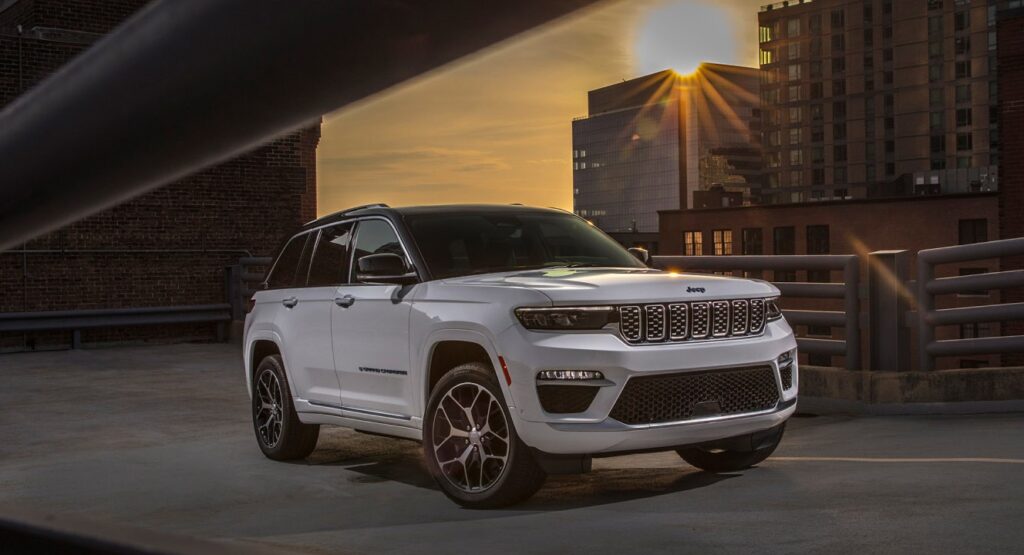
Jeep Grand Cherokee vs Compass

Content in this publication
- Why This SUV Comparison Matters
- Overview of the Jeep Grand Cherokee
- Overview of the Jeep Compass
- Exterior Design Comparison
- Size Differences Between the SUVs
- Interior Quality and Cabin Comfort
- Technology and Infotainment Features
- Engine Performance Comparison
- Off-Road Capability
- Ride Quality and Driving Feel
- Cargo Space and Practicality
- Pricing and Ownership Costs
- Which SUV Is Better for Families?
- Which SUV Is Better for City Driving?
- Which SUV Is Better for Road Trips?
- Reliability and Maintenance
- Final Verdict on Jeep Grand Cherokee vs Compass
- Frequently Asked Questions
Why This SUV Comparison Matters
Choosing between the Jeep Grand Cherokee and the Jeep Compass is not as simple as picking the bigger SUV or the cheaper one. These two Jeep models are built for entirely different lifestyles, even though they share the same adventurous DNA.
One feels like a luxury cabin on wheels ready to cross mountains without breaking a sweat. The other behaves more like a nimble urban explorer that can still get muddy on the weekend. Both are appealing, but they speak to different types of drivers.
If we are trying to decide which Jeep deserves a place in our garage, we need to look beyond badges and styling. We need to understand how they perform in real life.
Overview of the Jeep Grand Cherokee
The Grand Cherokee has long been one of Jeep’s flagship SUVs. It combines premium comfort, strong towing power, advanced technology, and genuine off-road capability.
This SUV targets buyers who want more than basic transportation. It is built for long road trips, family adventures, and drivers who enjoy a more refined driving experience.
Key Strengths of the Grand Cherokee
- Spacious interior
- Powerful engine options
- Strong towing capacity
- Premium materials
- Advanced safety technology
- Excellent highway comfort
- Serious off-road capability
The Grand Cherokee feels mature, confident, and upscale.
Overview of the Jeep Compass
The Compass sits lower in Jeep’s lineup, but that does not make it insignificant. In fact, it has become one of the brand’s most practical choices for everyday drivers.
It delivers Jeep styling and capability in a smaller, more affordable package.
Key Strengths of the Compass
- Lower purchase price
- Better fuel economy
- Easier city driving
- Compact dimensions
- Modern infotainment
- Affordable ownership costs
The Compass feels more approachable and urban-friendly.
Exterior Design Comparison
Both SUVs look unmistakably Jeep, but they project different personalities.
Grand Cherokee Styling
The Grand Cherokee carries a premium appearance. Its larger body, wider stance, and upscale details make it look expensive from almost every angle.
The LED lighting, muscular proportions, and elegant profile help it compete visually with luxury SUVs.
It looks bold without trying too hard.
Compass Styling
The Compass has a sportier and more youthful character.
Its compact shape makes it feel energetic and modern, especially in city environments. While it still embraces Jeep’s rugged image, it leans more toward crossover practicality.
For younger buyers, the Compass often feels more relatable.
Size Differences Between the SUVs
Size is one of the biggest differences between these models.
Grand Cherokee Dimensions
The Grand Cherokee offers:
- More passenger room
- Larger cargo area
- Wider cabin
- Greater rear-seat comfort
- Better long-distance practicality
Families immediately notice the extra space.
Compass Dimensions
The Compass shines in urban situations because it is:
- Easier to park
- Simpler to maneuver
- Less intimidating in traffic
- Better suited for tight spaces
That smaller footprint can make daily driving much less stressful.
Interior Quality and Cabin Comfort
The interior experience between these SUVs is dramatically different.
Grand Cherokee Interior Experience
Inside the Grand Cherokee, everything feels more premium.
Higher trims include:
- Leather upholstery
- Wood accents
- Ambient lighting
- Large digital displays
- Premium sound systems
- Heated and ventilated seats
It feels closer to a luxury SUV than a traditional off-roader.
Long highway drives become relaxing instead of tiring.
Rear Passenger Comfort
Rear-seat passengers benefit from:
- Extra legroom
- Better seat cushioning
- More shoulder room
- Improved ride comfort
For families and road-trip lovers, this matters enormously.
Compass Interior Experience
The Compass interior focuses more on practicality than luxury.
That does not mean it feels cheap. Jeep designed the cabin with modern styling and user-friendly technology, but harder plastics appear more often.
Still, it remains attractive and functional.
Is the Compass Comfortable Enough?
Absolutely.
The seats are supportive, visibility is strong, and the driving position feels natural. For commuting and daily errands, the Compass performs very well.
Not every driver needs luxury-level refinement.
Technology and Infotainment Features
Technology plays a major role in modern SUVs, and both Jeeps perform well here.
Grand Cherokee Technology
The Grand Cherokee offers more advanced systems, including:
- Large touchscreen displays
- Fully digital gauges
- Premium audio options
- Passenger-side screen
- Head-up display
- Advanced navigation systems
The cabin feels modern and sophisticated.
Safety Features in the Grand Cherokee
Available safety systems include:
You may be interested in reading Jeep Grand Cherokee Overland vs Summit
- Adaptive cruise control
- Lane centering assist
- Blind-spot monitoring
- Night vision technology
- 360-degree cameras
These features help reduce stress during long drives.
Compass Technology Features
The Compass may not feel futuristic, but it still includes strong technology value.
Common features include:
- Apple CarPlay
- Android Auto
- Touchscreen infotainment
- Wireless connectivity
- Driver assistance features
For many buyers, it provides everything necessary.
Engine Performance Comparison
Performance is another major dividing line.
Grand Cherokee Performance
The Grand Cherokee offers stronger engines and more power overall.
Depending on the model year and trim, buyers may find:
- V6 engines
- V8 options
- Plug-in hybrid versions
- High towing capability
Acceleration feels smooth and confident.
Even when fully loaded, the Grand Cherokee rarely feels overwhelmed.
Towing Capacity
One of the Grand Cherokee’s biggest advantages is towing strength.
It can handle:
- Boats
- Campers
- Trailers
- Outdoor equipment
For adventure-focused families, that capability becomes extremely valuable.
Compass Performance
The Compass focuses more on efficiency and practicality.
Its smaller turbocharged engine delivers enough power for daily driving without excessive fuel consumption.
It feels lighter and easier to manage in traffic.
Fuel Economy Comparison
The Compass generally wins in fuel efficiency.
Benefits include:
- Lower fuel costs
- Better city mileage
- Reduced long-term expenses
The larger Grand Cherokee naturally consumes more fuel because of its weight and power.
Off-Road Capability
Jeep has built its reputation on adventure, and both SUVs carry that spirit.
Grand Cherokee Off-Road Performance
The Grand Cherokee is a serious off-road machine when properly equipped.
Available systems include:
- Quadra-Drive systems
- Air suspension
- Terrain management modes
- Locking differentials
- Increased ground clearance
It can confidently tackle rough trails and difficult terrain.
Trailhawk Versions
Trailhawk trims elevate the Grand Cherokee even further.
These models are designed for drivers who genuinely plan to leave the pavement behind.
Mud, rocks, snow, and sand become far less intimidating.
Compass Off-Road Capability
The Compass performs surprisingly well compared to many compact SUVs.
Especially in Trailhawk trim, it includes:
- Raised suspension
- Hill descent control
- Terrain management systems
- Improved traction technology
It may not match the Grand Cherokee, but it easily outperforms many rivals in the compact SUV segment.
Ride Quality and Driving Feel
Driving experience matters more than many people realize.
Grand Cherokee Ride Comfort
The Grand Cherokee feels smooth and refined.
On highways, it absorbs bumps gracefully and keeps cabin noise low. The suspension tuning creates a calm and stable ride.
It behaves like a premium touring SUV.
Compass Driving Experience
The Compass feels more agile and easier to maneuver.
Advantages include:
- Better city handling
- Easier parking
- Faster directional changes
- Less intimidating size
For urban drivers, this can actually feel more enjoyable.
Cargo Space and Practicality
Space matters when traveling with family, pets, or luggage.
Grand Cherokee Cargo Space
The Grand Cherokee provides significantly more storage room.
That extra capacity helps during:
You may be interested in readingJeep Grand Cherokee Overland vs SummitYou may be interested in reading
Jeep Grand Cherokee vs Toyota Highlander: Which SUV Truly Deserves Your Garage?- Family vacations
- Camping trips
- Grocery runs
- Sports activities
Its flexibility makes life easier.
Compass Cargo Space
The Compass still offers respectable practicality for a compact SUV.
It works well for:
- Daily commuting
- Weekend travel
- Small families
- Urban lifestyles
Unless we regularly carry large items, it may provide enough room.
Pricing and Ownership Costs
Budget often becomes the deciding factor.
Grand Cherokee Pricing
The Grand Cherokee costs substantially more than the Compass.
However, buyers receive:
- More space
- Better comfort
- Greater towing power
- Premium features
- Higher-end materials
For many shoppers, the added refinement justifies the price.
Compass Pricing
The Compass appeals strongly to budget-conscious buyers.
Lower ownership costs include:
- Lower monthly payments
- Reduced fuel expenses
- More affordable insurance
- Lower maintenance costs
That affordability gives it broad appeal.
Which SUV Is Better for Families?
Grand Cherokee for Larger Families
The Grand Cherokee is the better family SUV for most households needing:
- Extra passenger space
- Greater cargo capacity
- Better road-trip comfort
- More rear-seat room
Its spacious cabin simply handles family life more comfortably.
Compass for Smaller Households
The Compass works very well for:
- Couples
- Small families
- Young professionals
- Urban drivers
Its smaller size can actually feel more practical in crowded cities.
Which SUV Is Better for City Driving?
Compass Dominates Urban Areas
The Compass feels purpose-built for city life.
Its compact dimensions help with:
- Parking garages
- Tight streets
- Heavy traffic
- Fuel efficiency
Daily commuting becomes easier.
Grand Cherokee Feels Larger in the City
The Grand Cherokee remains comfortable, but its size becomes noticeable in crowded urban environments.
Parking requires more attention, especially in tight spaces.
Which SUV Is Better for Road Trips?
Grand Cherokee Wins Long-Distance Comfort
For extended travel, the Grand Cherokee clearly shines.
Advantages include:
- Quieter cabin
- Better seating comfort
- More luggage space
- Smoother highway ride
- Superior passenger comfort
Long drives feel effortless.
Reliability and Maintenance
Grand Cherokee Maintenance Costs
Because it is larger and more advanced, maintenance can cost more over time.
Potential expenses include:
- Larger tires
- Bigger brakes
- More complex technology
- Higher fuel consumption
Luxury-level features may also increase repair costs.
Compass Maintenance Costs
The Compass is generally cheaper to maintain and operate daily.
Its smaller size and simpler mechanical setup help reduce expenses.
That practicality appeals to many buyers.
Final Verdict on Jeep Grand Cherokee vs Compass
The battle between the Grand Cherokee and Compass is not about determining which SUV is universally superior. It is about discovering which one fits our lifestyle best.
The Grand Cherokee feels like a luxury adventurer. It combines power, refinement, comfort, and serious capability into one impressive package. Families, road-trip enthusiasts, and drivers wanting premium features will likely prefer it.
The Compass, however, wins with practicality. It is easier to drive in cities, more affordable to own, and surprisingly capable for a compact SUV. For many people, it provides everything they truly need without unnecessary excess.
If we want comfort, towing power, and premium refinement, the Grand Cherokee is the clear winner.
If we prioritize affordability, fuel economy, and urban practicality, the Compass makes more sense.
And honestly, that is what makes Jeep’s lineup so appealing. There is an SUV for almost every type of adventure.
Frequently Asked Questions
Is the Jeep Grand Cherokee bigger than the Compass?
Yes. The Grand Cherokee is significantly larger in passenger space, cargo capacity, and overall dimensions.
Which SUV has better fuel economy?
The Compass generally offers better fuel efficiency because it is smaller and lighter.
Can the Jeep Compass go off-road?
Yes. Especially in Trailhawk trim, the Compass performs very well off-road compared to many compact SUVs.
You may be interested in readingJeep Grand Cherokee Overland vs SummitYou may be interested in reading
Jeep Grand Cherokee vs Toyota Highlander: Which SUV Truly Deserves Your Garage?You may be interested in reading
Jeep Grand Cherokee or Ford Explorer: Which SUV Truly Deserves Your Garage?Is the Grand Cherokee more luxurious than the Compass?
Absolutely. The Grand Cherokee includes more premium materials, advanced technology, and higher-end comfort features.
Which Jeep SUV is better for families?
The Grand Cherokee is usually better for larger families due to its spacious interior and cargo capacity.
If you want to know other articles similar to Jeep Grand Cherokee vs Compass you can visit the category Models.
Honda Passport vs Toyota 4Runner: Which SUV Is Better?
Honda Passport vs Ford Bronco: Which SUV Is Better?
Honda Passport vs Ford Explorer: Which SUV Is Better?
Honda Passport or Pilot: Which SUV Is Better?
Honda Passport vs Jeep Grand Cherokee: Which SUV Is Better?
Honda Passport vs Nissan Pathfinder: Which SUV Is Better?
Leave a Reply
More content of your interest