

Ford Mustang Mach-E vs Rivals

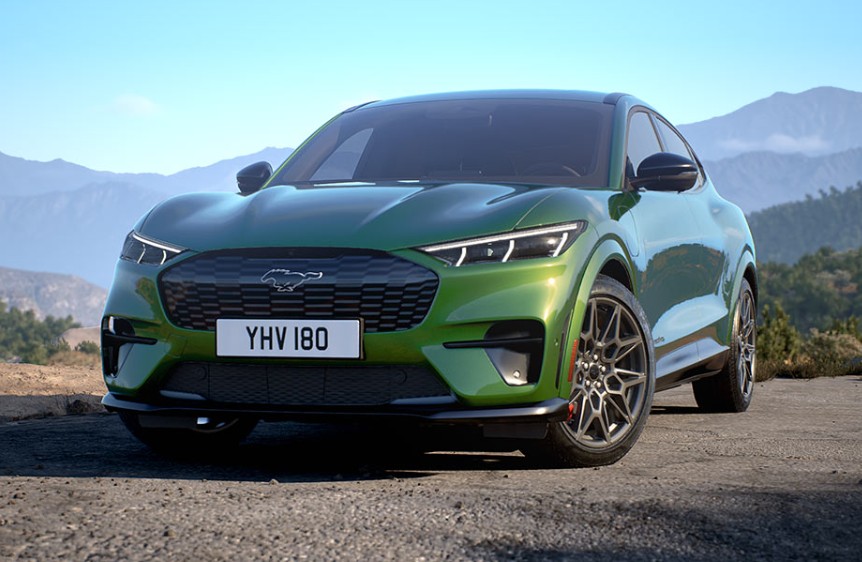
The electric SUV market feels like a high-speed chess match right now. Every automaker is trying to outmaneuver the others with longer range, faster charging, sharper technology, and bolder styling. In the middle of that battlefield stands the Ford Mustang Mach-E — a vehicle that arrived with controversy, swagger, and enough personality to make traditional EVs look a little bland.
But here’s the real question: how does the Mach-E stack up against its fiercest competitors?
When we compare the Mach-E to rivals like the Tesla Model Y, Hyundai Ioniq 5, Kia EV6, Volkswagen ID.4, and Nissan Ariya, the story becomes far more interesting than simple range numbers or acceleration figures.
Some rivals are smarter. Some are cheaper. Some charge faster. Yet the Mach-E still carries a certain wild-horse charisma that’s difficult to ignore.
Let’s dive deep into the battle of the modern electric crossovers and discover where the Mustang Mach-E shines — and where its rivals fight back.
Content in this publication
- Why the Ford Mustang Mach-E Changed the EV Conversation
- Ford Mustang Mach-E vs Tesla Model Y
- Ford Mustang Mach-E vs Hyundai Ioniq 5
- Ford Mustang Mach-E vs Kia EV6
- Ford Mustang Mach-E vs Volkswagen ID.4
- Ford Mustang Mach-E vs Nissan Ariya
- Ford Mustang Mach-E vs Chevrolet Blazer EV
- Range Comparison Across Major Rivals
- Which Rival Has the Best Interior?
- Driving Experience: Which EV Feels Most Fun?
- Practicality and Family Use
- Ownership Costs Compared to Rivals
- Software and Infotainment Battle
- Pricing Comparison
- Who Should Buy the Ford Mustang Mach-E?
- Who Should Choose a Rival Instead?
- The Future of the Mach-E Against Emerging Rivals
- Final Verdict: Does the Mach-E Beat Its Rivals?
- FAQs
Why the Ford Mustang Mach-E Changed the EV Conversation
Before the Mach-E appeared, many electric SUVs felt clinical. Efficient? Absolutely. Exciting? Not always.
Ford flipped the script by borrowing the Mustang name. Purists gasped. Critics argued. Yet curiosity exploded overnight.
The Mach-E brought:
- Aggressive styling
- Sporty acceleration
- Practical SUV space
- Competitive EV range
- Mainstream affordability compared to luxury EVs
It suddenly made electric driving feel emotional rather than merely responsible.
That emotional connection still gives Ford an edge against rivals that sometimes feel like rolling smartphones.
Ford Mustang Mach-E vs Tesla Model Y
Performance Battle Between American EV Titans
The biggest rival is unquestionably the Tesla Model Y. These two vehicles constantly collide in shopping comparisons because they target nearly identical buyers.
The Model Y focuses on ruthless efficiency and software dominance. The Mach-E leans into driving feel and personality.
Acceleration and Power
The Tesla still dominates raw acceleration numbers.
A Model Y Performance launches like a roller coaster with no rails. It pins passengers into their seats with almost unsettling force.
The Mach-E GT, however, fights back with more drama. Its steering feels heavier, its suspension more emotional, and its road manners closer to a traditional performance SUV.
If Tesla feels like a spaceship, the Mach-E feels like a muscle car that learned coding.
Interior Philosophy
Tesla embraces minimalism to an extreme.
No buttons. Nearly everything lives inside the touchscreen.
Ford takes a more balanced approach:
- Physical controls still exist
- Cabin feels more familiar
- Easier learning curve
- Better transition for gasoline-car owners
Some drivers adore Tesla’s futuristic simplicity. Others miss actual buttons the moment rain starts falling during a touchscreen adjustment.
Charging and Range
Tesla still owns the charging ecosystem advantage.
The Supercharger network remains one of the strongest reasons buyers choose the Model Y.
However, Ford has narrowed the gap significantly by gaining access to Tesla Superchargers in many regions.
Range comparison often looks like this:
- Model Y Long Range: slightly better efficiency
- Mach-E Premium Extended Range: competitive real-world usability
- Mach-E GT: more performance-focused, slightly lower range
For many families, the difference becomes smaller in daily life than spec sheets suggest.
Ford Mustang Mach-E vs Hyundai Ioniq 5
Retro-Futurism Meets American Muscle
The Hyundai Ioniq 5 feels like it came from the future while somehow borrowing design cues from the past.
It’s one of the Mach-E’s most compelling rivals because it excels in comfort, charging speed, and cabin innovation.
Interior Space Comparison
The Ioniq 5 feels shockingly spacious.
Its flat floor and airy cabin create lounge-like comfort. Rear passengers enjoy impressive legroom, and the sliding center console adds flexibility.
The Mach-E cabin feels more driver-focused.
Ford prioritizes cockpit energy. Hyundai prioritizes relaxation.
Think of it this way:
- Mach-E = sporty sneakers
- Ioniq 5 = luxury running shoes
Both are excellent. They simply approach comfort differently.
Fast Charging Advantage
This is where Hyundai lands a serious punch.
The Ioniq 5’s 800-volt architecture enables incredibly rapid charging under ideal conditions.
In some cases:
- 10% to 80% charging can happen in under 20 minutes
The Mach-E charges slower overall.
For road-trippers constantly hopping between fast chargers, Hyundai gains a meaningful advantage.
Ford Mustang Mach-E vs Kia EV6
The Athlete vs the Rebel
The Kia EV6 shares its platform with the Ioniq 5 but carries a much sportier personality.
Ironically, this makes it one of the Mach-E’s closest spiritual competitors.
Driving Dynamics
Both vehicles feel energetic.
The EV6 GT especially delivers startling speed that rivals exotic performance cars.
Still, the Mach-E often feels more grounded emotionally.
Ford tuned the steering and suspension to deliver something closer to traditional performance driving, while the EV6 feels more digitally precise.
Some drivers prefer Kia’s sharper reflexes.
Others prefer Ford’s analog-style confidence.
You may be interested in reading Ford Mustang Mach-E vs Volvo XC40: Which Electric SUV Truly Wins in 2026?
Technology Features
Kia impresses with:
- Augmented reality displays
- Advanced driver assistance
- Fast infotainment response
- Ultra-fast charging capability
Ford counters with:
- Simpler usability
- Strong smartphone integration
- Large vertical touchscreen
- Over-the-air software updates
Both vehicles prove that EV technology has evolved far beyond basic transportation.
Ford Mustang Mach-E vs Volkswagen ID.4
Comfort vs Character
The Volkswagen ID.4 takes a calmer approach.
It isn’t trying to dominate drag races or provoke emotional debates. Instead, it focuses on everyday comfort and approachable pricing.
Ride Quality Comparison
The ID.4 rides softer than the Mach-E.
Potholes disappear more gracefully. Highway cruising feels relaxed and quiet.
Meanwhile, the Mach-E prioritizes engagement.
You feel more connected to the road, which can either feel exciting or slightly firmer depending on personal taste.
Value Proposition
The ID.4 often appeals to buyers seeking:
- Lower ownership stress
- Comfortable commuting
- Traditional European tuning
- Practicality over excitement
The Mach-E appeals to buyers wanting:
- Stronger styling
- More performance options
- Emotional connection
- Sportier driving experience
It’s logic versus passion — the eternal automotive battle.
Ford Mustang Mach-E vs Nissan Ariya
A Quiet Challenger Emerges
The Nissan Ariya doesn’t receive as much attention, but it deserves serious consideration.
Its design feels upscale, refined, and calming.
Cabin Refinement
Nissan built the Ariya with serenity in mind.
The interior feels almost spa-like:
- Soft lighting
- Elegant dashboard layout
- Quiet cabin
- Smooth ride quality
The Mach-E feels louder in personality.
Ford wants adrenaline. Nissan wants tranquility.
Performance Differences
The Mach-E generally feels more athletic.
Acceleration hits harder, steering feels sharper, and overall driving engagement sits at a higher level.
The Ariya focuses more on refinement and comfort than aggressive dynamics.
Ford Mustang Mach-E vs Chevrolet Blazer EV
A Modern American EV Rivalry
The Chevrolet Blazer EV enters the fight with bold styling and familiar SUV practicality.
Like the Mach-E, it attempts to inject personality into the EV market.
Styling Comparison
Both SUVs look dramatic, but in different ways.
The Mach-E borrows coupe-like Mustang DNA.
The Blazer EV embraces aggressive SUV muscle.
Drivers wanting sleek sportiness may prefer Ford.
Drivers wanting a more traditional SUV stance may lean toward Chevrolet.
Technology and User Experience
Ford’s infotainment system currently feels more mature and intuitive.
Chevrolet’s Google-based system offers strong integration, but some buyers dislike reduced smartphone mirroring flexibility.
This category may ultimately come down to ecosystem preference.
Range Comparison Across Major Rivals
Which EV Goes Furthest?
Range remains one of the biggest deciding factors for EV buyers.
Approximate real-world competitive ranges often look like this:
| Vehicle | Approximate Range |
|---|---|
| Tesla Model Y Long Range | 330+ miles |
| Ford Mustang Mach-E Premium Extended Range | 300+ miles |
| Hyundai Ioniq 5 | 260–303 miles |
| Kia EV6 | 250–310 miles |
| Volkswagen ID.4 | 250–290 miles |
| Nissan Ariya | 265–304 miles |
The Mach-E remains highly competitive.
More importantly, its range rarely feels limiting during daily life.
Which Rival Has the Best Interior?
Cabin Quality Showdown
Interior preference is deeply personal.
Some buyers want futuristic minimalism. Others want warmth and familiarity.
Here’s how the rivals generally feel:
Tesla Model Y
- Ultra-minimalist
- Tech-centric
- Spacious but sparse
Ford Mustang Mach-E
- Sporty and balanced
- Familiar yet modern
- Driver-focused layout
Hyundai Ioniq 5
- Airy and futuristic
- Lounge-inspired comfort
- Clever storage solutions
Kia EV6
- Cockpit-like and modern
- Tech-heavy atmosphere
- Athletic design language
Nissan Ariya
- Elegant and calming
- Premium ambiance
- Japanese minimalist influence
The Mach-E lands in a sweet spot between tradition and innovation.
Driving Experience: Which EV Feels Most Fun?
The Emotional Side of Electric SUVs
This is where numbers stop telling the full story.
The Mach-E feels alive.
Even base models possess an eagerness that many rivals struggle to replicate.
Ford engineered the SUV to preserve a sense of Mustang spirit:
- Responsive steering
- Strong acceleration
- Sporty seating position
- Distinct driving modes
Some rivals may beat it in isolated metrics.
Yet few blend performance and personality as convincingly.
Practicality and Family Use
Can the Mach-E Replace a Gas SUV?
Absolutely.
You may be interested in readingFord Mustang Mach-E vs Volvo XC40: Which Electric SUV Truly Wins in 2026?You may be interested in reading
 BMW i3 vs Nissan Leaf
The Mach-E succeeds because it doesn’t force families to compromise heavily.
Practical features include:
- Large cargo area
- Rear passenger comfort
- Front trunk storage
- Easy urban maneuverability
- Strong safety technology
Rivals like the Ioniq 5 and Model Y may offer slightly more interior room, but Ford remains highly competitive for daily family life.
Ownership Costs Compared to Rivals
Maintenance Expectations
EV ownership generally reduces maintenance compared to gasoline vehicles.
The Mach-E benefits from:
- No oil changes
- Fewer moving parts
- Regenerative braking reducing brake wear
However, insurance costs can vary significantly depending on region and repair complexity.
Tesla repair costs sometimes concern owners due to parts availability and service center demand.
Ford’s traditional dealer network may feel more approachable for mainstream buyers.
Software and Infotainment Battle
Who Builds the Smartest EV?
Tesla still leads software innovation overall.
Its interface feels fluid, polished, and deeply integrated.
Ford, however, has improved dramatically through over-the-air updates.
SYNC 4A delivers:
- Responsive controls
- Wireless Apple CarPlay
- Android Auto
- Simple menu structure
Meanwhile:
- Hyundai and Kia offer feature-rich interfaces
- Volkswagen continues improving software reliability
- Nissan focuses on simplicity and ease of use
The gap between Tesla and rivals is shrinking faster than many expected.
Pricing Comparison
Which EV Offers the Best Value?
Pricing changes constantly due to incentives and market adjustments, but generally:
- Volkswagen ID.4 often undercuts premium rivals
- Hyundai Ioniq 5 offers strong value-to-tech ratio
- Kia EV6 balances sportiness and pricing well
- Tesla pricing fluctuates frequently
- Mach-E sits competitively in the middle
Ford’s advantage lies in offering a premium-feeling EV without drifting into ultra-luxury pricing territory.
Who Should Buy the Ford Mustang Mach-E?
Ideal Buyer Profile
The Mach-E fits buyers who want:
- Exciting styling
- Genuine driving engagement
- Practical EV ownership
- Strong technology
- A familiar transition into electric driving
It’s especially appealing for drivers who find some EVs emotionally cold.
The Mach-E adds heartbeat and character to the segment.
Who Should Choose a Rival Instead?
When Another EV Might Make More Sense
Some rivals may better suit specific lifestyles.
Choose the Tesla Model Y if:
- Charging network matters most
- You prioritize software above all
- Maximum efficiency is critical
Choose the Hyundai Ioniq 5 if:
- Fast charging is a priority
- Interior comfort matters most
- You love futuristic design
Choose the Kia EV6 if:
- You want sharper athleticism
- Performance excites you
- Tech-heavy cabins appeal to you
Choose the Volkswagen ID.4 if:
- Comfort and affordability lead your priorities
- You prefer relaxed driving
Choose the Nissan Ariya if:
- Quiet luxury matters most
- Smoothness outweighs sportiness
The Future of the Mach-E Against Emerging Rivals
Can Ford Stay Competitive?
The EV landscape evolves like shifting sand dunes.
New rivals appear constantly:
- Chinese EV manufacturers
- Legacy automaker transitions
- Tesla updates
- Software-focused newcomers
Ford’s challenge is maintaining momentum.
To stay ahead, the Mach-E will need:
- Faster charging
- Continued software refinement
- Improved battery efficiency
- Competitive pricing
Still, the foundation remains incredibly strong.
The Mach-E already possesses something many rivals chase endlessly: identity.
Final Verdict: Does the Mach-E Beat Its Rivals?
The answer depends on what we value most.
If we chase pure efficiency, Tesla may edge ahead.
If we crave ultra-fast charging, Hyundai and Kia shine brilliantly.
If comfort dominates our priorities, Volkswagen and Nissan become compelling.
But the Ford Mustang Mach-E blends excitement, usability, technology, and everyday practicality in a way few rivals fully achieve.
It feels less like an appliance and more like a companion.
And in a market overflowing with silent electric crossovers, that emotional spark matters more than ever.
The Mach-E may not win every category individually, but it remains one of the most complete and charismatic electric SUVs available today.
Sometimes the best EV isn’t the one with the biggest numbers.
Sometimes it’s the one that makes us look back after parking it.
FAQs
Is the Ford Mustang Mach-E better than the Tesla Model Y?
It depends on priorities. The Model Y excels in charging infrastructure and efficiency, while the Mach-E offers stronger emotional appeal, more traditional controls, and a sportier driving feel.
Which Mach-E rival charges the fastest?
The Hyundai Ioniq 5 and Kia EV6 currently lead this category thanks to their advanced 800-volt charging architecture.
Is the Mustang Mach-E reliable compared to rivals?
The Mach-E has improved steadily through software updates and ongoing refinements. It generally competes well with mainstream EV rivals in reliability.
Does the Mach-E have more cargo space than rivals?
The Tesla Model Y usually offers more cargo capacity overall, but the Mach-E remains highly practical for families and daily use.
Which electric SUV feels the most fun to drive?
Many drivers consider the Mach-E GT and Kia EV6 GT among the most exciting electric SUVs in the segment due to their sharp handling and rapid acceleration.
You may be interested in readingFord Mustang Mach-E vs Volvo XC40: Which Electric SUV Truly Wins in 2026?You may be interested in reading
BMW i3 vs Nissan LeafYou may be interested in reading
BMW i3 vs i3S: Which Electric Hatchback Truly Deserves Your Garage?If you want to know other articles similar to Ford Mustang Mach-E vs Rivals you can visit the category Models.
Nissan Rogue Dark Armor vs Platinum: Which Trim Is Better?

Kia Sorento Models: Complete Guide to Trims, Engines and Versions
BYD Shark 6 vs Ranger vs HiLux: Which Ute Makes the Most Sense in 2026?
BYD Shark 6 vs MG U9: Which Ute Makes More Sense in 2026?
BYD Shark 6 vs Ford Ranger Raptor: Which Performance Ute Is Better in 2026?
BYD Shark 6 vs Kia Tasman: Which Ute Is Better?
Leave a Reply
More content of your interest