
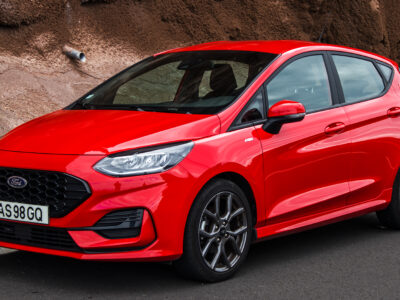
Ford Ranger Versus Hilux: Which Pickup Is Better?

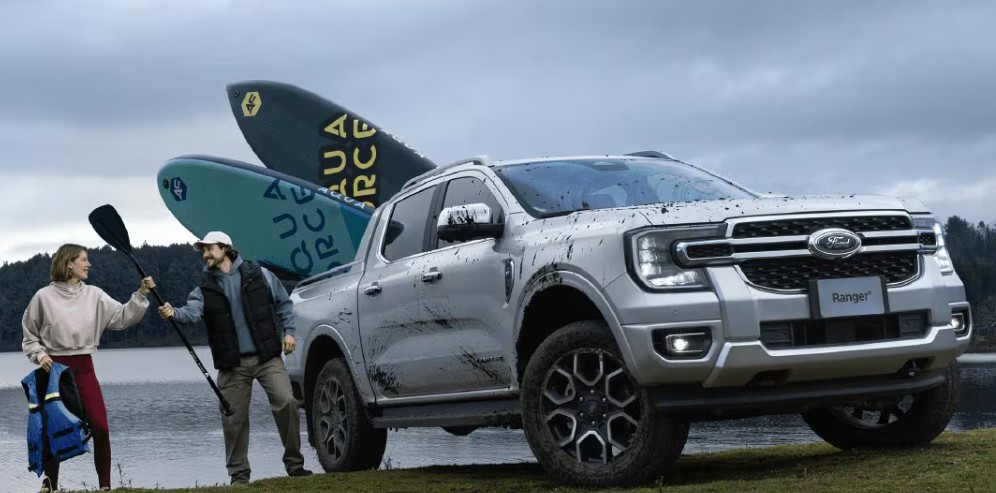
Few pickup rivalries generate as much debate as the Ford Ranger versus Hilux contest. Park these two trucks beside each other and opinions appear almost instantly. One driver praises the Ranger’s muscular engines and polished cabin. Another points toward the Hilux and says reliability matters more than touchscreens, driving modes, or clever trailer technology.
Both arguments make sense.
The Toyota Hilux has spent decades building a reputation as a nearly unbreakable workhorse. It is the pickup people imagine crossing deserts, climbing muddy hills, and surviving years of demanding commercial use. The Ford Ranger, meanwhile, has evolved into something broader. It still works hard, but it also aims to behave like a comfortable family SUV once the tools have been unloaded.
So, which one deserves our money?
The answer depends on whether we value refinement, raw durability, towing technology, payload, off-road ability, running costs, or long-term ownership. Specifications also differ substantially by country, model year, body configuration, engine, and trim. For example, mainstream Australian versions of both trucks can offer up to 3,500 kg of braked towing capacity, while payload limits vary considerably across individual configurations.
Let us put the sales brochures aside, roll up our sleeves, and compare these two pickups in the areas that matter.
Content in this publication
- Ford Ranger Versus Hilux at a Glance
- Design: Bold Ranger or Tough Hilux?
- Interior Quality and Cabin Comfort
- Infotainment and Everyday Technology
- Ford Ranger Versus Hilux Engine Options
- Road Manners and Daily Driving
- Towing Capacity and Trailer Control
- Payload and Work Capability
- Off-Road Capability
- Fuel Economy and Running Costs
- Reliability: Does the Hilux Still Rule?
- Safety and Driver Assistance
- Resale Value and Long-Term Ownership
- Ford Ranger Versus Hilux for Family Use
- Ford Ranger Versus Hilux for Off-Road Touring
- Choosing the Right Ranger Trim
- Choosing the Right Hilux Trim
- Advantages of the Ford Ranger
- Advantages of the Toyota Hilux
- Which Pickup Should We Buy?
- Final Thoughts
- Frequently Asked Questions
Ford Ranger Versus Hilux at a Glance
The Ranger and Hilux may occupy the same midsize pickup category, but they approach the job from different directions.
The Ford Ranger generally feels like the more modern, comfortable, and versatile machine. It offers a broad selection of engines in many markets, sophisticated towing assistance, strong multimedia technology, and road manners that make daily commuting easier.
The Toyota Hilux generally focuses on proven mechanical strength, simple usability, strong resale demand, and dependable performance in difficult environments. It may not always feel as refined, but refinement is not its only purpose. The Hilux is more like a dependable hammer: straightforward, familiar, and ready for work.
Quick Comparison
| Category | Ford Ranger | Toyota Hilux |
|---|---|---|
| On-road comfort | Usually smoother and quieter | Firmer and more work-focused |
| Interior technology | Typically more advanced | Functional and straightforward |
| Engine choice | Often broader | Usually simpler and proven |
| Towing assistance | Excellent on higher trims | Strong fundamentals |
| Payload | Competitive; configuration-dependent | Competitive; configuration-dependent |
| Off-road ability | Excellent, especially specialist variants | Excellent across traditional 4x4 models |
| Reliability reputation | Strong but more complex | Exceptional historical reputation |
| Resale value | Strong | Often outstanding |
| Family suitability | Usually better | Practical but less polished |
| Worksite simplicity | Good | Excellent |
This table tells us the broad story, but not the whole one. A basic Ranger should not be compared directly with a flagship Hilux, just as a Ranger Raptor belongs in a different conversation from a standard Hilux WorkMate. Price, trim, tyres, suspension, and drivetrain can transform either truck.
Design: Bold Ranger or Tough Hilux?
The latest Ranger wears its confidence openly. Its broad grille, C-shaped lighting, squared body, and pronounced wheel arches make it resemble a scaled-down American full-size truck. It looks wide, planted, and expensive, especially in Wildtrak, Platinum, Tremor, and Raptor form.
The Hilux takes a slightly more traditional path. Its styling tends to communicate toughness before luxury. Even highly equipped models retain the upright, purposeful character of a commercial vehicle. Sportier versions add wider tracks, larger wheels, distinctive bumpers, and aggressive exterior detailing, but the basic personality remains unmistakably Hilux.
Which looks better?
That is personal. We would choose the Ranger when visual presence and contemporary styling matter. We would lean toward the Hilux when we want a truck that looks ready to work rather than eager to pose outside a restaurant.
Body Styles and Practical Configurations
Depending on the market, both trucks may be offered in several forms:
- Single cab
- Extra cab, super cab, or equivalent
- Double cab
- Pickup bed
- Cab chassis
- Two-wheel drive
- Four-wheel drive
- Manual or automatic transmission
Fleet operators often prefer single-cab and cab-chassis models because they maximize tray space and payload. Families usually gravitate toward double cabs because they provide a second seating row, proper rear doors, and a more SUV-like ownership experience.
Availability differs by country, so we should compare the exact configurations offered locally rather than assuming every global version is available.
Interior Quality and Cabin Comfort
This is one of the Ranger’s clearest advantages.
The Ford’s cabin often feels more like the interior of a modern SUV than a traditional commercial pickup. Large portrait-oriented displays, digital instruments, supportive seats, abundant storage, and attractive dashboard materials help it feel sophisticated. Even when harder plastics appear lower in the cabin, the areas we regularly touch tend to feel thoughtfully designed.
The Hilux cabin is usually more conservative. Its controls are clear, its layout is familiar, and many surfaces appear ready to tolerate dusty boots, muddy gloves, and years of daily use. That simplicity can be refreshing. We can enter the truck, find the controls quickly, and get moving without exploring layers of menus.
However, drivers moving from a modern passenger SUV may find the Hilux less luxurious. Its interior often prioritizes durability over visual drama.
Which Pickup Has Better Seats?
Seat comfort depends heavily on trim, but the Ranger generally has the advantage on long journeys. Its driving position tends to feel natural, and upper grades may provide improved adjustment, heating, ventilation, or premium upholstery.
The Hilux seats are supportive enough for work and touring, but the firmer suspension can make occupants more aware of broken road surfaces. That matters when we spend several hours behind the wheel.
Rear-Seat Comfort
Double-cab pickups always involve compromise. The second row sits ahead of a working cargo bed, so rear legroom and seat-back angle cannot match a large SUV.
Even so, the Ranger usually feels more accommodating for adult passengers. Its cabin packaging, ride refinement, and storage options make it easier to use as a family vehicle.
The Hilux rear bench remains useful for children, workers, or occasional adult passengers. Yet on long trips, its more upright seating position and busier ride may become noticeable.
Infotainment and Everyday Technology
Modern Rangers tend to lead this category.
Depending on specification, Ford may provide:
- A large central touchscreen
- Digital instrument displays
- Apple CarPlay and Android Auto
- Multiple camera views
- Off-road information screens
- Trailer assistance features
- Drive-mode controls
- Connected vehicle services
- Wireless phone charging
- Premium audio systems
The Hilux also offers modern connectivity and safety technology, particularly in higher trims and newer generations. Nevertheless, its systems are usually presented more simply. That can be a weakness for buyers chasing the latest gadgets, but it can be a strength for owners who prefer fewer distractions.
The Ranger feels like a smartphone wearing work boots. The Hilux feels like a durable toolbox with a screen fitted to the lid.
Ford Ranger Versus Hilux Engine Options
Engine availability is one area where market differences become especially important.
The Ranger has been sold globally with various petrol, diesel, V6, four-cylinder, manual, automatic, performance, and electrified powertrains. The UK Ranger range now includes a plug-in hybrid option, while Australian buyers can encounter multiple diesel choices and specialist versions.
The Hilux has traditionally relied on four-cylinder diesel engines in many major markets, including widely used 2.4-litre and 2.8-litre units. Toyota has also introduced 48-volt assistance with its 2.8-litre diesel in selected newer versions, aiming to improve smoothness and efficiency without abandoning the truck’s conventional working character.
Ranger Performance
The Ranger generally offers the stronger performance experience when equipped with one of its more powerful engines.
A torquey diesel or available V6 can make acceleration feel effortless, particularly when overtaking, climbing hills, or carrying a heavy load. Ford’s automatic transmissions also tend to keep the engine within its useful torque range, although their additional gears and electronic complexity may concern owners who value mechanical simplicity.
The basic Ranger engines remain capable, but the truck’s personality changes significantly across the range. An entry-level work model and a high-performance Raptor share a name, yet they feel like distant cousins.
Hilux Performance
The Hilux is not normally designed to win traffic-light races. Its power delivery tends to be deliberate and predictable rather than dramatic.
The popular 2.8-litre diesel provides strong low-speed torque, making it suitable for towing, steep terrain, and loaded driving. In the 2024 UK GR Sport II, for example, Toyota quoted 500 Nm from the 2.8-litre diesel paired with a six-speed automatic transmission.
What the Hilux sometimes lacks in outright urgency, it replaces with confidence. The engine feels prepared to work steadily, like a marathon runner who ignores the sprinters and keeps moving.
Manual Versus Automatic
Manual transmissions remain attractive for drivers who want control, lower purchase costs, or familiar operation in remote conditions. Automatics are easier in traffic and generally make towing or technical off-road driving less tiring.
Availability is narrowing in some markets as manufacturers concentrate on automatic transmissions and electrified powertrains. Buyers who strongly prefer a manual should check local inventory rather than relying on specifications from another country.
Road Manners and Daily Driving
Drive both trucks without cargo and the difference becomes clear.
The Ranger generally feels calmer, more controlled, and more passenger-car-like. Its steering is manageable in town, its cabin is relatively quiet, and its suspension usually handles uneven roads with impressive composure for a body-on-frame pickup.
The Hilux feels tougher and more mechanical. Its ride can be firm, particularly with an empty bed, because rear suspension designed to carry heavy loads has little weight pressing it down. Add tools, camping equipment, or cargo and the ride may settle.
Which Is Easier to Drive in the City?
The Ranger normally wins.
Its cameras, steering assistance, parking sensors, and polished automatic transmission can make it less intimidating in narrow streets. Yet neither truck is small. Both require care in parking garages, urban lanes, and tight supermarket spaces.
You may be interested in reading Ford Ranger vs Mitsubishi Triton: The Complete Pickup Comparison
The Hilux remains perfectly manageable, but it may feel more agricultural at low speeds. Some owners enjoy that honesty. Others may grow tired of it during daily commutes.
Highway Refinement
On a long motorway or open-road journey, the Ranger often feels quieter and less tiring. Its cabin refinement and more settled ride allow us to cover distance without constantly remembering we are driving a pickup.
The Hilux can still be an excellent touring vehicle, particularly once equipped with appropriate tyres, a canopy, and sensible suspension. It simply communicates more road texture and mechanical activity.
Towing Capacity and Trailer Control
In several major markets, appropriately configured versions of both pickups can tow up to 3,500 kg with a braked trailer. That headline figure does not mean every Ranger or Hilux can legally tow the same amount. Engine, drivetrain, body type, transmission, tow package, gross vehicle mass, gross combined mass, payload, and local regulations all influence the real limit.
The Ranger’s advantage is often its towing technology. Depending on trim, Ford may provide trailer checklists, camera guidance, integrated brake control, blind-spot coverage that accounts for trailer length, and selectable towing modes.
The Hilux counters with proven fundamentals. Its strong ladder frame, low-range gearing, torquey diesel engine, and broad service network make it a familiar towing platform.
The Payload Trap Most Buyers Miss
A 3,500 kg towing rating does not automatically mean we can fill the cabin, load the bed, attach a heavy trailer, and remain legal.
Trailer nose weight or tow-ball download contributes to the vehicle’s payload. Passengers, accessories, bull bars, winches, canopies, drawers, fuel, tools, and luggage also reduce available capacity. Ford and Toyota both warn that actual payload changes with occupants, equipment, cargo, accessories, and tow-ball load.
Before towing near the maximum limit, we should calculate:
- Vehicle kerb weight
- Gross vehicle mass
- Available payload
- Trailer mass when fully loaded
- Tow-ball download
- Gross combined mass
- Front and rear axle limits
- Weight added by accessories
This calculation is less exciting than comparing torque figures, but it matters far more.
Payload and Work Capability
Both trucks can carry serious loads, although exact ratings vary dramatically.
A basic work-oriented model often carries more than a luxury version because premium equipment, larger engines, heavy wheels, protective hardware, and accessories increase kerb weight. Ford Australia quotes maximum Ranger payload of up to 1,412 kg depending on grade, body style, and configuration.
Toyota has historically offered Hilux configurations with payloads above one tonne, but the precise limit must be checked for the selected model. Toyota’s published guidance emphasizes that payload is reduced by passengers, luggage, accessories, and tow-ball download.
Which Is Better for Commercial Work?
For pure work, the answer may come down to local support.
The Hilux is compelling when we prioritize:
- Straightforward controls
- A long-established durability reputation
- Strong parts availability
- Familiarity among independent mechanics
- Excellent resale demand
- Proven use in remote environments
The Ranger is attractive when we need:
- Strong payload in the correct configuration
- Advanced towing tools
- Greater cabin comfort
- More engine choices
- Better integration between work and family use
- Modern driver-assistance technology
A fleet manager may choose the Hilux for consistency. An owner-operator who spends all day in the cabin may prefer the Ranger.
Off-Road Capability
Neither pickup is pretending.
Properly equipped 4x4 Rangers and Hilux models can tackle mud, sand, loose gravel, steep climbs, rocky trails, and water crossings. Both use ladder-frame construction, low-range gearing in conventional 4x4 variants, useful ground clearance, and electronic traction systems.
Ranger Off-Road Strengths
The Ranger often makes off-road driving easier through technology. Depending on the variant, we may find selectable terrain modes, locking differentials, hill-descent control, multiple cameras, off-road displays, and specialized suspension.
Ford Australia lists maximum water-wading capability of up to 800 mm for relevant Ranger models when the required conditions are followed. As always, the exact rating and operating instructions should be checked in the owner’s manual.
The Ranger Raptor goes much further toward high-speed off-road performance. Its suspension, track width, chassis tuning, and engine output place it in a specialist category rather than a direct comparison with ordinary work trucks.
Hilux Off-Road Strengths
The Hilux relies on predictable control, robust construction, and decades of field experience. Its off-road ability often feels less theatrical but deeply reassuring.
A Hilux with suitable tyres, low-range gearing, and a locking rear differential can crawl through difficult terrain without demanding constant menu adjustments. Its reputation has been shaped in mines, farms, construction sites, deserts, and rural communities where reliability is not a marketing phrase—it is the difference between returning home and being stranded.
Which Is Better in Remote Areas?
The Hilux usually receives our vote for extreme remoteness, especially where Toyota’s parts and service presence is stronger.
The Ranger may be equally capable on the trail, and in some situations its technology makes difficult terrain easier. However, greater electronic and mechanical complexity can make remote diagnosis more challenging.
That does not mean the Ranger is unreliable. It means simplicity becomes more valuable as distance from professional assistance increases.
Fuel Economy and Running Costs
Fuel consumption depends on the engine, transmission, tyres, body style, load, accessories, terrain, climate, and driving habits.
A four-cylinder diesel Ranger may be economical during relaxed driving, while a powerful V6 or performance model will consume more. The Hilux’s diesel engines can return respectable economy, but an empty pickup with off-road tyres and a high body is never going to sip fuel like a compact hatchback.
Adding a canopy, roof tent, bull bar, suspension lift, wide tyres, or heavy camping equipment can noticeably increase consumption in either vehicle.
Maintenance Costs
Routine servicing costs should be compared using local dealer schedules because service intervals, labour rates, warranty conditions, and prepaid maintenance programs differ.
The Hilux may have an advantage in regions with extensive Toyota representation and abundant aftermarket parts. Its long market presence also means many independent workshops know the platform well.
The Ranger’s maintenance costs can remain reasonable, but sophisticated engines, complex automatic transmissions, advanced driver-assistance sensors, and premium components may create larger repair bills outside warranty.
Insurance and Tyre Costs
Insurance varies according to location, driver profile, model value, theft statistics, repair expense, and intended use.
Premium Ranger variants may cost more to insure because of their value and technology. Specialist models with large wheels and unique body components can also be expensive to repair.
Hilux insurance is not automatically cheap. Strong demand can attract theft, while off-road or commercial use may increase premiums. Large all-terrain tyres for either truck can be costly, particularly when we replace all four at once.
Reliability: Does the Hilux Still Rule?
Reliability is the heart of this comparison.
The Hilux carries one of the strongest durability reputations in the automotive world. That reputation was earned over generations, not created by a single advertising campaign. Many owners have driven Hilux models for enormous mileages under difficult conditions.
However, no modern pickup is indestructible.
Diesel particulate filters, injectors, turbochargers, emissions equipment, transmissions, electronics, sensors, and cooling systems can create problems. A poorly maintained Hilux may be a worse purchase than a carefully serviced Ranger.
The Ranger also has a strong global following and countless hardworking examples. Yet its more complex powertrains and electronics may give cautious long-term owners more to consider.
What Matters More Than the Badge?
For a used truck, these factors often matter more than whether the grille says Ford or Toyota:
- Complete service history
- Correct oil and filter changes
- Evidence of overheating
- Previous towing use
- Off-road damage
- Corrosion underneath
- Suspension modifications
- Engine tuning or remapping
- Transmission behaviour
- Diesel emissions-system condition
- Accident repairs
- Water-crossing history
A clean, standard, properly maintained Ranger is usually a better choice than a neglected Hilux bought solely because of its reputation.
Safety and Driver Assistance
Newer versions of both pickups may provide autonomous emergency braking, lane support, adaptive cruise control, traffic-sign recognition, blind-spot monitoring, parking sensors, cameras, and multiple airbags.
The Ranger often integrates these features more comprehensively, especially in upper trims. It feels designed for drivers who want their pickup to offer the same assistance found in a contemporary SUV.
The Hilux provides strong safety equipment in many markets, but the exact package varies by grade. Entry-level commercial models may receive fewer convenience systems than premium double cabs.
You may be interested in readingFord Ranger vs Mitsubishi Triton: The Complete Pickup ComparisonYou may be interested in reading
Ford Ranger vs D-Max: Which Pickup Is Better?We should check the specification sheet for the exact model rather than assuming that every truck wearing the same badge has identical equipment.
Resale Value and Long-Term Ownership
The Hilux has traditionally been exceptionally strong in the used market. Buyers recognize the name, mechanics understand it, and businesses often seek dependable second-hand examples. That demand helps protect resale value.
The Ranger also holds value well in markets where it is popular. Desirable engines and trims may attract strong prices, although expensive flagship versions can lose more money in absolute terms because their initial prices are higher.
Which One Is Easier to Sell?
The Hilux may be easier to sell quickly in rural, commercial, or remote markets where Toyota loyalty runs deep.
The Ranger can be easier to sell to private buyers seeking a lifestyle truck with comfort, technology, and strong visual appeal.
Condition still determines the result. A dented bed, worn interior, incomplete service record, or heavily modified suspension can reduce buyer confidence regardless of brand.
Ford Ranger Versus Hilux for Family Use
The Ranger is generally the better family pickup.
Its smoother ride, quieter cabin, rear-seat comfort, technology, and storage make school runs and holiday journeys less tiring. It bridges the gap between commercial truck and family SUV more convincingly.
The Hilux can absolutely serve as a family vehicle, particularly in well-equipped double-cab form. It offers a commanding driving position, useful cabin space, and the freedom to carry dirty equipment outside the passenger compartment. Yet it feels more obviously derived from a work machine.
Families should also remember that an open bed is not a secure boot. A lockable canopy or roller cover may be essential for groceries, luggage, pushchairs, and valuables.
Ford Ranger Versus Hilux for Off-Road Touring
For long-distance touring, the decision becomes wonderfully difficult.
Choose the Ranger when we want:
- Better highway refinement
- Strong overtaking performance
- Modern navigation and camera systems
- Comfortable seating
- Sophisticated towing support
- A more premium cabin
Choose the Hilux when we want:
- Proven durability
- Simpler operation
- Broad parts support
- Strong resale value
- Confidence in remote communities
- A vast aftermarket ecosystem
For occasional camping and mixed road use, we would lean toward the Ranger. For months of remote travel where parts access and mechanical familiarity matter, the Hilux remains deeply persuasive.
Choosing the Right Ranger Trim
The ideal Ranger is not necessarily the most expensive one.
A sensible mid-range model often provides the best balance of capability, comfort, and cost. We receive the essential safety equipment, a capable engine, useful towing features, and an interior that feels modern without paying for every cosmetic extra.
Higher trims make sense when we spend significant time inside the vehicle or genuinely use their added equipment. Performance versions are exciting but may sacrifice payload, towing capacity, purchase affordability, tyre cost, or fuel economy.
Before choosing, ask:
- Will we tow regularly?
- How much payload do we genuinely need?
- Do we drive mainly in town?
- Will adults use the rear seats?
- Are we travelling remotely?
- Can we afford premium tyres and insurance?
- Do we need a V6, or merely want one?
Honesty here can save thousands.
Choosing the Right Hilux Trim
The same logic applies to the Hilux.
Basic work models may offer the greatest payload and lowest purchase price. Mid-range grades can add comfort without compromising the truck’s practical character. Premium and sport-oriented versions look impressive, but larger wheels and heavier equipment may not improve working ability.
A lower or mid-range Hilux with sensible tyres can be the sweet spot for farmers, contractors, tourers, and long-term owners.
The glamorous model catches our eye. The practical model often serves us better.
Advantages of the Ford Ranger
The Ranger’s strongest qualities include:
- Refined on-road behaviour
- Comfortable and modern cabin
- Strong engine choices in many markets
- Advanced towing technology
- Excellent multimedia systems
- Impressive off-road variants
- Good family practicality
- Strong payload in selected configurations
- Premium appearance
- Broad range of trims
Its main disadvantages are greater complexity, potentially higher repair costs, and the temptation to buy an expensive version containing features we may rarely use.
Advantages of the Toyota Hilux
The Hilux’s strongest qualities include:
- Outstanding durability reputation
- Strong resale value
- Proven off-road performance
- Straightforward operation
- Broad parts and service support
- Work-focused configurations
- Extensive aftermarket accessories
- Familiar diesel powertrains
- Strong remote-area appeal
- Long-term buyer confidence
Its weaknesses may include firmer ride quality, a less polished cabin, conservative technology, and performance that can feel modest beside stronger Ranger variants.
Which Pickup Should We Buy?
We should buy the Ford Ranger when comfort, technology, performance, towing assistance, and everyday versatility are our priorities.
We should buy the Toyota Hilux when durability reputation, simplicity, resale value, remote-area support, and proven work capability matter most.
Neither answer is wrong.
The Ranger is the better all-round lifestyle vehicle for many drivers. It works during the week, carries the family at the weekend, and feels polished enough for long journeys.
The Hilux is the safer emotional choice for buyers who value consistency above novelty. It may not sparkle in every comparison category, but it communicates the reassuring sense that it will still be working after the excitement surrounding newer technology has faded.
Our Verdict
In a broad, like-for-like comparison, the Ford Ranger wins for comfort, performance, technology, and daily usability.
The Toyota Hilux wins for traditional toughness, simplicity, resale confidence, and remote-area ownership.
If we were buying one pickup to combine commuting, family duties, towing, and weekend adventures, we would choose a well-specified Ranger.
If we were choosing a truck for remote work, long-term commercial use, or ownership in a region dominated by Toyota service support, we would choose the Hilux.
The smartest decision is not to ask which badge is universally better. It is to decide which truck better matches the work we actually do.
Final Thoughts
The Ford Ranger versus Hilux rivalry is not a battle between a good pickup and a bad one. It is a contest between two different ideas of what a pickup should be.
The Ranger says a work truck can be comfortable, clever, fast, and family-friendly. The Hilux says dependability, familiarity, and lasting toughness matter more than theatrical technology.
One feels like a multitool packed with modern attachments. The other feels like a steel spanner passed down through generations.
Before buying, test-drive both on the roads we regularly use. Compare equivalent engines and trims. Check payload plates, towing limits, warranty terms, service costs, insurance quotes, and local dealer support. Most importantly, calculate what passengers, accessories, cargo, and trailer load will do to the legal weight limits.
The best truck is not the one that wins the loudest online argument. It is the one that starts every morning, carries what we need, fits our budget, and makes us glad we chose it.
Frequently Asked Questions
1. Is the Ford Ranger better than the Toyota Hilux?
The Ranger is generally better for on-road comfort, cabin technology, engine performance, towing assistance, and family use. The Hilux is often preferred for its durability reputation, simple operation, resale value, and support in remote areas. The better truck depends on how we intend to use it.
2. Which is more reliable, the Ranger or Hilux?
The Hilux has the stronger historical reliability reputation. However, maintenance history, operating conditions, modifications, and previous use matter more when buying a particular vehicle. A carefully maintained Ranger can be more dependable than a neglected Hilux.
3. Which is better for towing, Ford Ranger or Toyota Hilux?
Appropriately configured versions of both pickups can offer up to 3,500 kg of braked towing capacity in several markets. The Ranger generally provides more advanced trailer technology, while the Hilux offers proven mechanical fundamentals. Exact limits must be confirmed for the selected model.
4. Is the Hilux better than the Ranger off-road?
Both are highly capable. The Ranger may offer more sophisticated terrain technology and specialized performance variants. The Hilux appeals through predictable control, robust construction, and strong support in remote regions. Tyres and driver experience can matter more than small specification differences.
You may be interested in readingFord Ranger vs Mitsubishi Triton: The Complete Pickup ComparisonYou may be interested in reading
Ford Ranger vs D-Max: Which Pickup Is Better?You may be interested in reading
Ford Ranger Versus Ford Maverick: Which Pickup Fits Your Life?5. Which holds its value better, Ranger or Hilux?
The Hilux often has an advantage because of its long-established reputation and strong global demand. The Ranger also retains value well in many markets, especially in desirable trims. Mileage, service history, condition, engine choice, and modifications strongly affect resale value.
If you want to know other articles similar to Ford Ranger Versus Hilux: Which Pickup Is Better? you can visit the category Models.
How to Identify Your Ford Fiesta Model
Toyota RAV4 Engine Oil Capacity: Complete Guide

Vauxhall Corsa Models: Complete Guide to Generations, Trims and Versions (1993–2026)
Kia Sportage Trim Levels: Complete 2027 Comparison
Toyota Corolla Cross vs RAV4: Which SUV Is Better?
Haval Jolion vs Omoda C5: Which SUV Is Better?
Leave a Reply
More content of your interest