

Holden Colorado Auto Transmission Problems: Symptoms, Causes, Fixes, and Costs

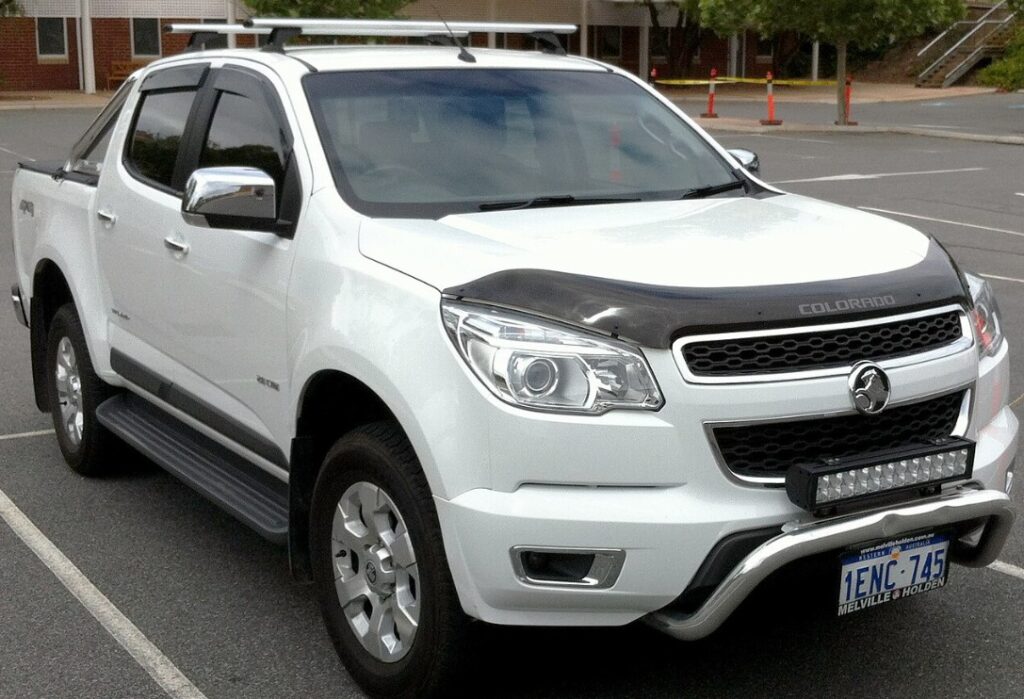
The Holden Colorado earned its reputation as a tough, practical ute. It can haul tools during the week, tow a caravan on Friday afternoon, and spend the weekend crawling along a dusty track without looking remotely out of place. Yet toughness does not make any vehicle immune to mechanical trouble, and Holden Colorado auto transmission problems are among the concerns that can become particularly expensive when symptoms are ignored.
Automatic transmission trouble rarely announces itself with one dramatic bang. More often, it starts quietly. We might notice a slightly harder shift than usual. Reverse takes an extra second to engage. The engine revs rise between gears. A vibration appears while cruising. Then, seemingly overnight, the gearbox that once felt perfectly normal starts behaving like it cannot decide which gear it wants.
The important thing is not to panic. A strange shift does not automatically mean the entire transmission needs rebuilding. Electronic controls, fluid condition, sensors, mounts, solenoids, hydraulic pressure, torque-converter operation, and internal clutch components can all produce similar symptoms.
In this guide, we'll break down the major Holden Colorado automatic transmission symptoms, explain what may be happening underneath the vehicle, discuss diagnostic steps, explore repair costs, and look at ways to reduce the chance of expensive gearbox trouble.
Important model note: Holden Colorado specifications differ by year, engine, market, and transmission version. Some GM technical information referenced below concerns Chevrolet Colorado vehicles fitted with related GM automatic transmissions, so it should be treated as diagnostic context rather than proof that every Holden Colorado has the same fault.
Content in this publication
- Are Holden Colorado Automatic Transmissions Problematic?
- Common Holden Colorado Auto Transmission Problems
- 1. Harsh or Jerky Gear Changes
- 2. Holden Colorado Transmission Shudder
- 3. Delayed Engagement Into Drive
- 4. Holden Colorado Has No Reverse
- 5. Transmission Slipping Under Acceleration
- 6. No Forward Drive but Reverse Still Works
- 7. Transmission Flare Between Gears
- 8. Torque Converter Problems
- 9. Transmission Overheating
- 10. Transmission Fluid Problems
- 11. Valve Body and Solenoid Problems
- 12. Transmission Warning Light or Check Engine Light
- 13. Transmission Limp Mode
- How to Diagnose Holden Colorado Auto Transmission Problems
- Holden Colorado Transmission Repair Cost
- Repair, Rebuild, or Replace the Transmission?
- Can We Keep Driving With a Bad Colorado Transmission?
- How to Reduce Holden Colorado Automatic Transmission Trouble
- What to Look for When Buying a Used Automatic Holden Colorado
- Are Later Holden Colorados Better?
- When Should We Visit a Transmission Specialist?
- The Biggest Mistake Owners Make
- Conclusion: Should Holden Colorado Transmission Problems Put Us Off?
- Frequently Asked Questions About Holden Colorado Auto Transmission Problems
Are Holden Colorado Automatic Transmissions Problematic?
Not every Holden Colorado develops transmission trouble. Plenty cover substantial distances without requiring major automatic gearbox repairs. The more useful question is whether there are recognisable symptoms worth watching for.
There are.
Owners investigating automatic transmission trouble commonly focus on symptoms such as rough or delayed shifting, slipping, hesitation when selecting Drive or Reverse, shuddering, unusual noises, warning lights, and situations where the vehicle suddenly loses normal forward or reverse engagement.
GM technical information for 6L50-equipped Chevrolet Colorado vehicles documents several such diagnostic scenarios. One bulletin, for example, addresses delayed Drive engagement, launch shudder, slipping through lower gears, and a bump or clunk during a 1–2 shift. In the specific transmissions covered by that bulletin, technicians are instructed to investigate possible internal pump-related leakage if normal diagnosis does not reveal the cause.
That does not mean every Holden Colorado exhibiting a harsh shift has this defect. It does tell us something important, though: similar driving symptoms can result from very different internal causes.
That is why diagnosis matters far more than guessing.
Common Holden Colorado Auto Transmission Problems
When a Colorado begins behaving strangely, paying attention to exactly how it misbehaves gives us valuable diagnostic clues.
Common complaints can include:
- Rough, hard, or jerky gear changes
- Delayed engagement after selecting Drive
- Delayed or missing Reverse
- Engine revving without proportional acceleration
- Transmission shudder under light acceleration
- Clunking between gears
- Flare between shifts
- Transmission warning messages or check-engine illumination
- Limp mode
- Gear hunting while towing or climbing hills
- Vibration at particular road speeds
- Transmission-fluid leaks
- Overheating
- Loss of forward drive
We should resist the temptation to diagnose the gearbox from one symptom alone. A clunk may come from transmission behaviour, but driveline backlash, mounts, universal joints, differential components, or another mechanical issue can produce a surprisingly similar sensation.
1. Harsh or Jerky Gear Changes
One of the first things drivers notice is a gearshift that suddenly feels more aggressive.
Instead of moving smoothly from one ratio into the next, the transmission may seem to kick, thump, or hesitate before engaging. Think of a normal shift as someone quietly closing a door. A bad shift feels more like somebody slamming it.
What Can Cause Harsh Shifting?
Possible causes include degraded or incorrect transmission fluid, hydraulic-pressure problems, adaptation issues, control-system faults, valve-body or solenoid problems, internal clutch wear, or mechanical issues deeper inside the transmission.
GM documentation covering certain 6L50 applications specifically describes a bump or clunk during the 1–2 shift alongside slipping and delayed engagement, with internal leakage around the pump assembly identified as one possible cause in affected units.
The key phrase is one possible cause.
Replacing parts before measuring fluid pressure, scanning transmission data, and checking applicable technical information can turn gearbox diagnosis into an extremely expensive guessing game.
When Should We Worry?
An isolated firm change while the transmission is cold does not necessarily mean disaster.
Concern rises when the problem:
- Happens repeatedly
- Becomes progressively worse
- Occurs once fully warmed up
- Is accompanied by slipping
- Triggers a warning light
- Appears with delayed engagement
- Produces metallic noises
At that stage, professional diagnosis makes sense.
2. Holden Colorado Transmission Shudder
Transmission shudder often feels like driving across a strip of fine corrugations even though the road is smooth.
Sometimes it appears during gentle acceleration. Sometimes it occurs at cruising speed. In other situations, the vibration becomes noticeable around the point where the torque converter is expected to lock.
Is Shudder Always a Bad Torque Converter?
No.
That is one of the easiest traps to fall into.
A shudder can originate from the engine, mounts, tyres, driveline, prop shaft, differential, transmission, or torque converter. Diagnosis should isolate the source rather than assuming the most expensive component is responsible.
GM has documented torque-converter-related conditions on particular Colorado applications. For example, one bulletin concerning specific 2015–2016 Chevrolet Colorado vehicles fitted with the 6L50 describes DTC P0741 and identifies damage to a turbine-shaft front bushing as a possible underlying cause requiring inspection of internal components.
Again, that bulletin is not a blanket diagnosis for Australian Holden Colorados. It illustrates why shudder plus a fault code should be investigated methodically.
A Useful Diagnostic Clue
We should note when the vibration happens.
Does it occur:
- Only when cold?
- Only when hot?
- Under very light throttle?
- While accelerating hard?
- At one particular road speed?
- Only while towing?
- In Drive while stationary?
- When the converter appears to lock?
Those details can save a technician considerable diagnostic time.
3. Delayed Engagement Into Drive
We move the selector from Park to Drive.
Nothing happens.
One second passes. Maybe two.
Then the Colorado suddenly engages with a thump.
That delay should not simply be dismissed as the personality of an ageing ute.
Why Does Drive Engagement Become Delayed?
The transmission requires hydraulic pressure to apply specific clutch elements. If the required pressure builds too slowly, engagement may be delayed.
Depending on the transmission and fault, the underlying issue could involve fluid condition or level, internal seals, hydraulic leakage, pump components, control valves, solenoids, or clutch assemblies.
GM's 6L50 technical information specifically recognises delayed Drive engagement as a symptom in one diagnostic scenario involving possible leakage around the stator-support-to-pump-cover area.
If our Colorado suddenly starts pausing before Drive engages, especially once warm, it deserves inspection rather than repeated heavy throttle to "make it go."
4. Holden Colorado Has No Reverse
Few gearbox symptoms attract attention faster than selecting Reverse and getting absolutely nothing.
The engine runs. Drive may work. The selector shows Reverse. Yet the ute sits still.
Why Can Reverse Stop Working?
Possible explanations range from an electrical or control problem to internal hydraulic or clutch damage.
GM issued a technical bulletin for certain 2019–2020 Chevrolet Colorado and GMC Canyon vehicles using the MYB automatic transmission after reports of intermittent slipping in Reverse or complete failure to engage Reverse. In the vehicles covered, the identified cause could be damage to the low-reverse piston seal from the centre-support housing; the specified correction involved replacing affected components.
That specific bulletin applies to the listed North American vehicles, not automatically to every Holden Colorado. Still, it demonstrates why no Reverse can indicate something substantially more serious than old fluid.
Don't Keep Revving the Engine
If Reverse does not engage, repeatedly raising engine speed can potentially make an existing transmission problem worse.
We should verify the vehicle is safe, check for warning lights or obvious leaks, and arrange diagnosis.
5. Transmission Slipping Under Acceleration
Transmission slipping is one of the symptoms we should take seriously.
Imagine accelerating onto a motorway. The engine jumps from 2,000 to 3,000 rpm, but the ute does not accelerate proportionally. A moment later, the gear catches.
That is very different from a normal automatic downshift.
What Causes Transmission Slipping?
Possible causes include insufficient hydraulic pressure, internal clutch wear, fluid problems, valve-body faults, damaged seals, solenoid trouble, or mechanical failure within a clutch assembly.
GM documentation for certain 6L50 transmissions lists slipping through first, second, third, or fourth gear among symptoms associated with a potential internal hydraulic leak.
Another GM bulletin concerning a specific 2015 Colorado diagnostic scenario describes vehicles with no forward movement but normal Reverse. In the affected application, technicians were directed to inspect a retaining ring and related clutch components.
This shows why "the transmission is slipping" is only the beginning of the diagnosis, not the conclusion.
6. No Forward Drive but Reverse Still Works
This symptom tends to feel catastrophic.
Reverse works perfectly, yet moving the selector into Drive produces little or no forward motion.
Could it be electronic? Yes.
Could it be internal? Also yes.
For certain GM 6L50-equipped Colorado vehicles, service information concerning loss of forward movement identifies an internal retaining-ring/clutch-assembly issue as a possible cause and specifically mentions diagnostic trouble codes P0777 or P2723 in some cases.
What Should We Do?
Do not keep trying to force the vehicle forward.
A professional transmission scan should usually come before anyone begins dismantling the gearbox. Codes, commanded gear, input speed, output speed, pressure behaviour, and solenoid information can tell a technician far more than a simple generic code reader.
7. Transmission Flare Between Gears
A transmission flare happens when engine rpm temporarily rises during a gear change before the next ratio engages.
For example:
Second gear → revs jump → third gear engages.
A small flare can initially seem harmless. If it grows progressively larger or begins happening once warm, it needs attention.
Possible Causes
We may be dealing with:
- Hydraulic-pressure loss
- Solenoid performance issues
- Internal clutch wear
- Valve-body problems
- Incorrect fluid level
- Fluid deterioration
- Adaptation or control issues
A road test with live scan data can be extremely useful because the technician can compare what the transmission computer is commanding with what the transmission actually does.
8. Torque Converter Problems
The torque converter sits between the engine and automatic transmission. We can loosely imagine it as the hydraulic bridge transferring engine power into the gearbox.
It also contains a lock-up clutch designed to reduce unnecessary slip under suitable driving conditions.
When something goes wrong, symptoms may include shuddering, excess heat, abnormal engine-speed behaviour, lock-up problems, warning lights, or transmission-related fault codes.
P0741 and the Colorado
GM service information for particular 2015–2016 6L50-equipped Chevrolet Colorado models discusses diagnostic code P0741, relating to torque-converter-clutch operation. The bulletin points technicians toward inspection of the turbine-shaft front bushing and associated components in the applicable condition.
This is a good reminder that even a "torque converter" fault code may have an underlying internal cause requiring proper inspection.
9. Transmission Overheating
Heat is an automatic transmission's enemy.
The gearbox relies on fluid not only for lubrication but also for hydraulic operation and heat management. Heavy towing, long climbs, hot Australian summers, repeated low-speed work, and demanding off-road use can place additional thermal load on the drivetrain.
Signs Worth Watching
Possible overheating symptoms include a warning message, altered shift behaviour, noticeable degradation when hot, or a hot/burnt smell.
We should not automatically assume that the transmission itself created the heat. Cooler flow, fluid condition, excessive slip, driving conditions, and other drivetrain issues can all contribute.
Towing Changes the Picture
A Colorado that spends its life commuting lightly around town has a very different workload from one regularly pulling a large caravan.
If we tow frequently, preventative inspection becomes more important, not less.
10. Transmission Fluid Problems
Automatic-transmission fluid is not simply "oil."
It has to lubricate components, operate hydraulic circuits, manage heat, and help clutches apply correctly.
That is why using the correct specification matters.
Can Old Fluid Cause Bad Shifts?
Degraded fluid can contribute to poor transmission behaviour, but we should avoid assuming a fluid change will magically repair damaged internal hardware.
If a gearbox already has significant clutch damage or hydraulic leakage, fresh fluid cannot replace missing friction material or repair a failed seal.
At the same time, ignoring fluid condition until the transmission behaves badly is hardly a clever maintenance strategy.
Should We Flush a Problem Transmission?
This question deserves caution.
If the gearbox already slips severely, has contaminated fluid, contains metallic debris, or has an unknown history, we would rather have the transmission properly assessed than demand an aggressive flush simply because someone on the internet said it cures everything.
The correct service procedure depends on the transmission, condition, mileage, and diagnosis.
11. Valve Body and Solenoid Problems
The valve body is essentially the transmission's hydraulic traffic controller.
Fluid moves through precisely engineered passages while electronically operated solenoids help regulate pressure and gear changes.
When something in this system stops behaving correctly, the transmission may shift too early, too late, too firmly, or not at all.
Symptoms That Can Point Toward Control Problems
We may see:
- Erratic shifts
- Limp mode
- Repeated fault codes
- Delayed engagement
- Harsh shifts
- Gear-selection problems
But similar symptoms can also originate from internal mechanical faults.
That overlap is precisely why throwing a new solenoid at every harsh-shifting Colorado is not a sound diagnostic strategy.
12. Transmission Warning Light or Check Engine Light
Modern automatic transmissions are heavily electronically controlled.
When the control system detects something outside expected limits, it can store diagnostic trouble codes. Sometimes the check-engine light appears. In other situations, the transmission may enter a protective mode and limit normal shifting.
Don't Just Clear the Code
Clearing a code before recording it can erase valuable clues.
Instead, we want to know:
- The exact fault code
- Whether it is current, pending, or historical
- Freeze-frame data
- Transmission temperature
- Commanded gear
- Input and output shaft speeds
- Whether the code returns
A $30 generic scanner may tell us that the powertrain has a problem. A capable diagnostic platform in experienced hands can reveal much more.
13. Transmission Limp Mode
Limp mode is the vehicle's way of saying, "Something is wrong, so I'm reducing my options."
The Colorado may remain in one gear or shift in a restricted manner.
This can feel frightening, but limp mode itself is generally a protective strategy rather than a diagnosis.
Potential triggers may include electrical faults, sensor problems, solenoid issues, abnormal pressure behaviour, or internal transmission trouble.
Switching the ignition off and restarting may temporarily restore normal operation in some situations, but that does not mean the fault has repaired itself.
How to Diagnose Holden Colorado Auto Transmission Problems
Good diagnosis follows evidence.
We can think of it like detective work. The gearbox leaves fingerprints everywhere: stored codes, fluid condition, temperatures, pressure data, noises, shift timing, and debris inside the pan.
Step 1: Record the Exact Symptom
Before visiting a workshop, write down what happens.
Does the problem occur:
- Cold or hot?
- At light or heavy throttle?
- When selecting Drive?
- When selecting Reverse?
- During one specific shift?
- While towing?
- On hills?
- At a particular speed?
Those observations are genuinely useful.
Step 2: Scan the Vehicle Properly
The transmission control system should be scanned with equipment capable of accessing relevant powertrain data.
A fault code is a clue, not permission to replace whichever component appears in its description.
Step 3: Inspect Fluid Condition and Leaks
A technician may check fluid level according to the correct procedure, inspect its appearance and odour, and look for external leaks.
The correct checking procedure can be temperature-sensitive on many modern automatics, so blindly checking fluid like old-fashioned engine oil is not always appropriate.
Step 4: Road-Test With Live Data
This is where an experienced transmission specialist earns their keep.
The technician can reproduce the problem while examining shift commands, converter behaviour, speed sensors, temperature, and other relevant parameters.
Step 5: Inspect Mechanical Components
If electronic diagnosis does not identify the cause, deeper hydraulic or mechanical inspection may be required.
GM's own technical bulletins show that conditions producing apparently simple symptoms such as delayed engagement, slipping, missing Reverse, or loss of forward drive can sometimes originate from internal seals, clutch components, pump assemblies, or support components.
Holden Colorado Transmission Repair Cost
There is no meaningful single price for "a Colorado transmission problem."
A fault can be inexpensive if it involves diagnosis, wiring, a minor leak, or a comparatively accessible component. Internal gearbox repairs can move into the thousands of Australian dollars because removing, dismantling, cleaning, measuring, rebuilding, refitting, filling, programming, and testing an automatic transmission requires substantial labour.
As a broad budgeting concept rather than a quote, we can expect the financial ladder to look like this:
| Repair Level | Typical Nature of Work | Cost Risk |
|---|---|---|
| Diagnostic scan | Codes, road test, live data | Low |
| Fluid/service work | Fluid, filter/pan work where applicable | Low–moderate |
| Electrical repair | Wiring, connectors, sensors | Low–moderate |
| Solenoid/valve-body work | Hydraulic/electronic control components | Moderate |
| Torque converter repair | Transmission removal often required | High |
| Internal gearbox repair | Clutches, seals, pump/internal assemblies | High |
| Full rebuild/replacement | Major internal restoration or unit replacement | Very high |
Australian labour rates, parts availability, transmission version, vehicle year, location, and whether new, rebuilt, or used components are fitted can change the final bill substantially.
For that reason, a workshop quote tied to the vehicle's VIN and diagnosis is far more useful than a generic internet price.
Repair, Rebuild, or Replace the Transmission?
Suppose a specialist confirms serious internal damage.
What then?
We generally face three paths.
Repair the Existing Unit
If the fault is limited to one area and the remainder of the transmission is healthy, targeted repair may make sense.
Rebuild the Transmission
A rebuild involves dismantling the gearbox, inspecting components, replacing worn or failed parts as required, reassembling it, and verifying operation.
The advantage is that we know what has been inspected.
Install Another Transmission
A replacement could be new, remanufactured, rebuilt, or used.
A cheap used transmission can look attractive until we realise we may simply be buying somebody else's unknown maintenance history.
Which Option Is Best?
Ask about:
- Warranty period
- Exactly what is being replaced
- Whether the torque converter is included
- Whether the cooler system will be inspected
- Whether programming/relearning is required
- Parts source
- Labour coverage if the repair fails
The cheapest quotation is not necessarily the cheapest repair over the next three years.
Can We Keep Driving With a Bad Colorado Transmission?
That depends on the symptom.
A mild occasional shift concern is different from:
- Serious slipping
- Loss of Drive
- Loss of Reverse
- Loud mechanical noises
- Major fluid leakage
- Overheating warnings
- Repeated limp mode
Continuing to drive a badly slipping transmission can turn a manageable repair into a much larger one.
If engine revs rise sharply without corresponding movement, the vehicle struggles to engage, or the transmission loses drive unpredictably, arranging inspection or towing is the safer decision.
How to Reduce Holden Colorado Automatic Transmission Trouble
No maintenance routine can guarantee that a mechanical component will never fail.
Still, sensible habits help.
Use the Correct Fluid
Never choose automatic-transmission fluid because the bottle says "suitable for many vehicles."
Use the specification required for the exact transmission.
Watch for Leaks
A small leak is easier to deal with before the transmission loses enough fluid to affect hydraulic operation.
Don't Ignore New Shift Behaviour
Gearboxes rarely become healthier because we wait six months.
An early diagnosis may catch a control, fluid, or hydraulic problem before secondary damage occurs.
Treat Towing as Severe Work
Regular towing creates additional workload and heat.
If our Colorado spends much of its life hauling a caravan or trailer, we should discuss an appropriate maintenance strategy with a technician familiar with the model rather than assuming ordinary light-duty use applies.
Keep the Cooling System Healthy
Managing heat matters to drivetrain longevity.
Check Recalls by VIN
Australia's Department of Infrastructure advises vehicle owners to use the national Vehicle Recalls system to determine whether their vehicle is affected by an active recall. Recall applicability should always be checked using the actual vehicle details rather than assumptions based only on model name.
Holden also continues to provide ownership, servicing, parts, and support information through its Australian website.
What to Look for When Buying a Used Automatic Holden Colorado
Buying used? The gearbox deserves more than a five-minute drive around the dealership block.
We want to test it cold and warm where possible.
Start the engine and listen.
Select Reverse.
Then Drive.
There should not be an excessive pause followed by a violent bang.
During the road test, use light throttle first. Pay attention to every change. Then apply moderate acceleration once the vehicle is properly warmed.
Used Colorado Transmission Checklist
Look for:
- Delayed Drive engagement
- Delayed Reverse
- Flare between gears
- Shudder at steady speed
- Harsh 1–2 changes
- Slipping during acceleration
- Transmission warnings
- Fluid leaks underneath
- Unexplained vibration
- Poorly documented servicing
- Recent transmission repairs without invoices
A pre-purchase inspection becomes even more valuable when the ute has spent years towing.
Ask the Seller One Simple Question
"Has anything ever been repaired in the transmission?"
Then ask for receipts.
Documentation beats memory every time.
Are Later Holden Colorados Better?
It is tempting to divide every vehicle into "good years" and "bad years," but transmission reliability is rarely that simple.
Production changes matter, yet maintenance, towing workload, kilometres travelled, driving environment, previous repairs, fluid servicing, and the exact gearbox fitted can matter just as much.
A beautifully maintained higher-mileage Colorado may be a better purchase than a lower-mileage example that spent its entire life overloaded and received minimal maintenance.
Condition beats mythology.
When Should We Visit a Transmission Specialist?
A normal general workshop can handle many diagnostic and maintenance tasks, but complex automatic-transmission faults benefit from specialist experience.
Consider a transmission specialist when:
- The gearbox slips repeatedly
- Drive or Reverse is disappearing
- Internal transmission codes persist
- Previous repairs have failed
- The fluid contains substantial debris
- The vehicle requires internal transmission work
- A rebuild is being considered
We want somebody who diagnoses before dismantling and can explain why they believe a component has failed.
"These transmissions always do that" is not much of a diagnosis.
Measurements, scan data, inspection results, and fault reproduction are much more convincing.
The Biggest Mistake Owners Make
The biggest mistake is not necessarily failing to service the gearbox.
It is assuming every symptom means the same thing.
A shudder becomes "the torque converter."
A harsh shift becomes "the valve body."
No Reverse becomes "needs a whole gearbox."
Then hundreds or thousands of dollars disappear before anyone proves what actually failed.
GM's own technical information demonstrates exactly why this approach is risky. Similar transmission symptoms across particular Colorado applications have been linked to several different internal areas, including pump leakage, a turbine-shaft bushing, low-Reverse components, and clutch-assembly hardware.
The gearbox is a system. We should diagnose it like one.
Conclusion: Should Holden Colorado Transmission Problems Put Us Off?
Holden Colorado auto transmission problems deserve attention, but they do not automatically make the Colorado a vehicle to avoid.
What matters is recognising warning signs early.
A gearbox that begins slipping, shuddering, engaging slowly, clunking between gears, losing Reverse, or entering limp mode is asking for diagnosis. Ignoring it is rather like hearing a smoke alarm and turning up the television—the noise disappears from our attention, but the underlying problem certainly does not.
Before approving an expensive rebuild, we should insist on a proper scan, fluid and leak assessment, road test, applicable technical-information check, and clear explanation of the suspected failure.
For existing owners, careful servicing and early investigation are our best allies. For used buyers, transmission behaviour should receive as much attention as engine condition, paintwork, tyres, and service history.
A healthy automatic Colorado should feel predictable. When it stops feeling predictable, listen to what the ute is telling us.
Frequently Asked Questions About Holden Colorado Auto Transmission Problems
1. What are the first signs of a Holden Colorado transmission problem?
Early warning signs can include delayed engagement, unusually harsh shifts, rev flare between gears, shuddering, gear hunting, slipping, unusual noises, or transmission-related warning lights. One odd shift does not necessarily indicate major failure, but repeated or worsening symptoms deserve diagnosis.
2. Why does my Holden Colorado shudder when accelerating?
The sensation may come from the transmission or torque converter, but it can also originate elsewhere in the engine or driveline. Because several faults can produce similar vibrations, we should record when the shudder happens and have the vehicle scanned and road-tested rather than immediately replacing the torque converter.
3. Why won't my Holden Colorado go into Reverse?
Possible causes include hydraulic-pressure problems, electronic-control faults, valve-body issues, or internal clutch/seal damage. GM has documented low-Reverse seal-related faults in certain 6L50 Colorado applications, demonstrating that internal failure is possible, although the applicability of any particular bulletin must be confirmed for the exact vehicle.
4. Can changing transmission fluid fix harsh shifting?
It can help when fluid condition or servicing is genuinely contributing to the problem, but fresh fluid cannot repair worn clutches, damaged seals, internal leakage, or broken mechanical parts. Diagnose first when the transmission is already slipping, banging heavily, or losing gears.
5. Is it worth repairing a Holden Colorado automatic transmission?
Often, yes, particularly when the rest of the vehicle is in good condition. The decision should compare the diagnosed repair cost with the ute's condition, value, kilometres, intended ownership period, and alternatives. A properly diagnosed targeted repair may make far more financial sense than replacing an otherwise sound vehicle.
If you want to know other articles similar to Holden Colorado Auto Transmission Problems: Symptoms, Causes, Fixes, and Costs you can visit the category Common Problems.
Volvo XC40 Sound Not Working? Complete Troubleshooting Guide

Mazda Diesel Engine Problems: Common Faults and Fixes
Volkswagen Key Not Detected or No Key Error: Causes and Fixes

Volvo S90 Common Problems: Reliability & Repair Guide
Volvo S90 No Sound: Causes, Fixes and Solutions

Nissan Rogue Smells Like Gas: Causes and Fixes
Leave a Reply
More content of your interest