
Holden Colorado Ignition Problems: Causes, Symptoms, and Fixes

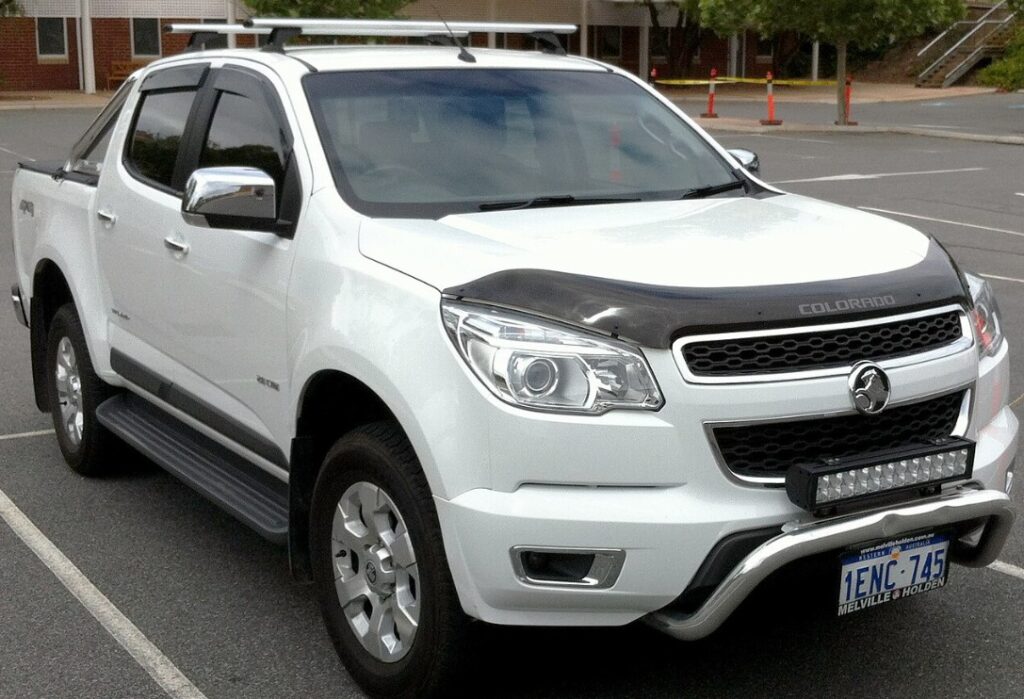
Holden Colorado ignition problems can turn an otherwise dependable ute into a frustrating lump of metal sitting in the driveway. One moment we turn the key and expect the diesel to fire into life; the next, nothing happens, the dashboard lights behave strangely, or the engine cranks without actually starting.
The tricky part is that an “ignition problem” does not always mean the ignition switch itself has failed. On a Holden Colorado, starting trouble can involve the battery, starter motor, ignition barrel, key transponder, immobiliser, wiring, relays, engine control module, or even a crankshaft position sensor.
That is why throwing parts at the problem rarely works. We need to follow the symptoms.
In this guide, we will break down the most common Holden Colorado ignition problems, explain what different symptoms usually mean, show what we can check ourselves, and identify the point where professional diagnostics become the smarter move.
Content in this publication
- What Does an Ignition Problem Mean on a Holden Colorado?
- Common Symptoms of Holden Colorado Ignition Problems
- Weak Battery Problems That Look Like Ignition Failure
- Holden Colorado Ignition Switch Problems
- Holden Colorado Ignition Barrel Problems
- Steering Lock Pressure Can Prevent the Key Turning
- Holden Colorado Immobiliser Problems
- Can a Key-Fob Battery Cause Ignition Problems?
- Starter Motor Problems
- Starter Relay and Fuse Problems
- Park/Neutral Safety Switch Problems
- Clutch Safety Switch Problems on Manual Models
- Crankshaft Position Sensor Problems
- Camshaft Position Sensor Problems
- Fuel-System Problems Can Mimic Ignition Trouble
- Wiring and Earth Faults
- Aftermarket Accessories Can Create Starting Problems
- Dashboard Lights Come On but the Colorado Will Not Start
- Intermittent Holden Colorado Ignition Problems
- How to Diagnose Holden Colorado Ignition Problems Step by Step
- What Not to Do
- Can Disconnecting the Battery Reset the Problem?
- Can a Bad Alternator Cause Ignition Problems?
- Ignition Problems After the Colorado Gets Hot
- Ignition Problems After Rain or Washing
- When Should We Call an Auto Electrician?
- How Much Can Holden Colorado Ignition Repairs Cost?
- Can We Keep Driving With an Intermittent Ignition Problem?
- How to Reduce Future Starting Problems
- Quick Holden Colorado Ignition Troubleshooting Guide
- Conclusion: Diagnose the Symptom Before Replacing the Ignition
- Frequently Asked Questions
What Does an Ignition Problem Mean on a Holden Colorado?
The word “ignition” is slightly misleading because several systems must cooperate before a Colorado starts.
When we turn the key or activate the starting system, the vehicle needs to recognise the key, power the electronic modules, energise the starter circuit, crank the engine, calculate engine position, supply fuel, and allow combustion.
Think of it like a relay race. If one runner drops the baton, the entire starting sequence stops.
An apparent ignition fault may therefore originate from:
- A weak or discharged battery
- Corroded battery terminals
- A worn ignition switch
- A damaged ignition barrel
- A faulty starter motor or solenoid
- A failed starter relay
- Immobiliser or transponder-key problems
- Crankshaft or camshaft sensor faults
- Damaged wiring or poor earth connections
- Body control module or ECU communication issues
The symptoms usually tell us where to begin.
Common Symptoms of Holden Colorado Ignition Problems
Before grabbing tools, we should pay attention to exactly what the vehicle does when we try to start it.
The Key Turns but Nothing Happens
If the key rotates normally but the starter does absolutely nothing, the problem may lie in the electrical starting circuit.
Possible causes include the battery, ignition switch, starter relay, neutral safety circuit, starter solenoid, wiring, or immobiliser.
Dashboard behaviour matters here. Bright lights with no starter response suggest something different from dashboard lights that immediately go dark.
The Engine Cranks but Will Not Start
This situation often gets blamed on the ignition switch even though the switch may be doing its job perfectly.
If the engine cranks at normal speed, the starter circuit is already working.
The problem may instead involve:
- Fuel delivery
- Immobiliser authorisation
- Crankshaft position sensing
- Camshaft position sensing
- ECU communication
- Fuel pressure
- Engine management faults
On diesel Colorados, fuel-system and sensor faults are particularly important possibilities whenever cranking sounds healthy.
The Starter Only Clicks
A single heavy click usually suggests that the starter solenoid is attempting to engage but the starter motor cannot turn properly.
A series of rapid clicks more commonly points toward low battery voltage.
This distinction is useful because the sounds themselves become diagnostic clues.
Weak Battery Problems That Look Like Ignition Failure
We should always begin with the battery because low voltage can imitate surprisingly complicated electrical faults.
Modern vehicles depend heavily on stable voltage. A battery can still illuminate the dashboard while lacking enough power to operate the starter correctly.
Typical Signs of a Weak Battery
We may notice:
- Rapid clicking when starting
- Slow engine cranking
- Dashboard lights dimming heavily
- Infotainment resetting
- Central locking behaving strangely
- Intermittent starting
- Warning lights appearing together
That last symptom can create panic. Several warning lights illuminating simultaneously does not necessarily mean several systems have failed. Low system voltage can make electronic modules behave like a computer running on a failing power supply.
Check the Battery Connections Too
Even a healthy battery cannot help if its electrical connections are poor.
Inspect both battery terminals for looseness, corrosion, damaged cables, or contamination.
We should also inspect major earth connections between the battery, body, and engine. A poor earth strap can create intermittent no-start conditions that are annoyingly difficult to reproduce.
Holden Colorado Ignition Switch Problems
The ignition switch is one of the more obvious suspects when starting trouble appears.
However, we should separate the electrical ignition switch from the mechanical key barrel. They work together but can fail independently.
Symptoms of a Faulty Ignition Switch
Potential warning signs include:
- No response when turning the key
- Accessories working intermittently
- Dashboard lights cutting in and out
- Engine starting only after moving the key
- Vehicle unexpectedly losing electrical power
- Starter operating inconsistently
If gently changing the key position causes dashboard power to disappear and return, the switch deserves closer inspection.
Intermittent Problems Are Especially Important
An ignition switch may not simply die overnight.
Electrical contacts inside the switch can wear gradually. That creates the classic frustrating situation where the vehicle starts perfectly ten times and refuses on the eleventh.
Heat, vibration, and movement can change the connection enough to make the fault seem random.
Holden Colorado Ignition Barrel Problems
Sometimes the electrical switch is fine but the mechanical ignition barrel is worn.
Signs the Ignition Barrel Is Wearing Out
We may experience:
- Key difficult to insert
- Key difficult to remove
- Key becoming stiff when turning
- Key sticking between positions
- Excessive movement inside the barrel
- Starting only when the key is held at a particular angle
A badly worn key can make the symptoms worse.
Before assuming the entire barrel needs replacing, inspect the key itself. Years of daily use can round the edges and change how it engages the lock mechanism.
Do Not Force a Stiff Key
If the key feels increasingly difficult to turn, forcing it is a bad strategy.
A broken key inside the ignition barrel transforms a manageable repair into a considerably more irritating afternoon.
Steering Lock Pressure Can Prevent the Key Turning
Here is one of the simplest causes of an apparent ignition problem.
If the steering wheel locks while pressure remains against the steering mechanism, the ignition key can become difficult or impossible to turn.
A Simple Test
Gently move the steering wheel left and right while applying light turning pressure to the key.
If the key suddenly releases, the ignition system itself may be perfectly healthy.
Why This Happens
When the vehicle is parked with the wheels loaded against a curb or on an incline, the steering system can place pressure against the lock.
The mechanism is doing exactly what it was designed to do.
Holden Colorado Immobiliser Problems
The immobiliser system prevents the engine from starting unless the vehicle recognises an authorised key.
When something goes wrong here, the vehicle may crank but refuse to start, or the starter may be inhibited depending on the system configuration.
Possible Immobiliser Symptoms
Watch for:
- Security warning light remaining illuminated
- Security indicator flashing unexpectedly
- Engine cranking without firing
- Intermittent recognition of the key
- Vehicle starting with one key but not another
If we have a spare key, trying it is one of the fastest diagnostic tests available.
Why the Spare Key Test Matters
If one key starts the Colorado normally while another does not, the vehicle itself suddenly becomes a less likely suspect.
The faulty key may have a damaged transponder or another recognition issue.
That small test can save hours of unnecessary electrical diagnosis.
Can a Key-Fob Battery Cause Ignition Problems?
Drivers commonly assume a weak key-fob battery automatically means the immobiliser cannot recognise the key.
That is not always the case.
Remote locking functions and immobiliser authentication may operate differently depending on the Colorado generation and key system.
A weak fob battery can certainly cause remote-control problems, but we should not automatically blame it for every no-start condition.
Still, replacing a clearly weak fob battery is inexpensive and worth doing when remote functions have become unreliable.
Starter Motor Problems
When the ignition system sends the correct start command but nothing substantial happens, the starter motor becomes another major suspect.
Signs of a Failing Starter Motor
Common symptoms can include:
- One loud click with no cranking
- Intermittent starting
- Slow cranking despite a healthy battery
- Starter working after repeated attempts
- Grinding noises
- No starter movement despite adequate voltage
A starter motor can wear gradually as brushes, bearings, internal contacts, or the solenoid deteriorate.
Why Intermittent Starter Failure Is Confusing
A tired starter may work perfectly when cold and refuse when hot. Another may fail in one armature position and work after the vehicle is moved slightly.
That unpredictability makes starter faults feel like electrical ghosts.
Testing voltage and voltage drop at the starter circuit is more useful than guessing.
Starter Relay and Fuse Problems
Before replacing an expensive starter motor, we should inspect the simpler parts of the circuit.
A starter relay acts like an electrically controlled switch. The ignition system commands the relay, and the relay helps deliver power to the starter solenoid.
Symptoms of a Starter Relay Fault
Possible signs include:
- Complete silence when attempting to start
- Intermittent starter operation
- Clicking from the fuse or relay box
- Starter working after repeated key cycles
A failed fuse is another possibility, although a blown fuse often indicates a reason rather than being the root problem itself.
Replacing a blown fuse repeatedly without investigating why it keeps blowing is like putting tape over a warning light.
Park/Neutral Safety Switch Problems
Automatic Colorados are designed to start only when the transmission is in Park or Neutral.
If the vehicle's position sensor or associated circuit does not correctly recognise the gear position, the starter may remain disabled.
Try Starting in Neutral
If the Colorado refuses to crank in Park, press the brake pedal, move the transmission into Neutral, and try again safely.
If it starts consistently in Neutral but not Park, the transmission-position circuit deserves attention.
Other Clues
We might also notice the gear-position display behaving oddly or requiring movement of the shifter before the starter engages.
Clutch Safety Switch Problems on Manual Models
Manual-transmission vehicles often require the clutch pedal to be fully depressed before starting.
A failing clutch switch can therefore produce a no-crank condition even when everything else is functioning normally.
If changing clutch pedal pressure affects whether the starter responds, that circuit should be checked.
Crankshaft Position Sensor Problems
Now we enter one of the most important categories of crank-but-no-start faults.
The engine computer needs to know where the crankshaft is positioned and how quickly it is rotating.
Without a reliable crankshaft position signal, the engine management system may not correctly command fuel injection or timing.
Symptoms Can Include
- Engine cranks but does not start
- Engine suddenly stalls
- Vehicle restarts after cooling
- Intermittent no-start condition
- Check-engine warning
- Rough running before failure
Heat-related sensor failure can be especially deceptive.
The vehicle may start perfectly every morning but refuse after reaching operating temperature.
Camshaft Position Sensor Problems
The camshaft position sensor provides another important reference signal for engine management.
Depending on the exact engine and fault, a failed camshaft sensor may cause hard starting, extended cranking, poor performance, warning lights, or complete starting failure.
Scanning the vehicle for diagnostic trouble codes can quickly narrow the search.
Fuel-System Problems Can Mimic Ignition Trouble
If the Colorado cranks strongly but refuses to fire, we should not become obsessed with the ignition system.
Diesel engines need sufficient fuel pressure before the ECU will allow normal operation.
Depending on the model and engine, possible problems include:
- Restricted fuel filter
- Air entering the fuel system
- Low fuel pressure
- Fuel-pressure sensor problems
- Pump problems
- Injector-related faults
- Contaminated fuel
This is why symptom-based diagnosis beats swapping ignition parts.
A perfectly functioning ignition switch cannot start an engine that is not receiving usable fuel pressure.
Wiring and Earth Faults
Electrical problems love poor connections.
A Colorado exposed to vibration, water, dust, heat, road salt, or previous repairs can develop wiring faults that cause intermittent starting problems.
What Should We Look For?
Inspect accessible wiring for:
- Loose connectors
- Corroded terminals
- Damaged insulation
- Pinched wires
- Previous modifications
- Poor aftermarket accessory installations
- Loose earth points
Aftermarket alarms, stereos, trackers, driving lights, and remote-start systems deserve particular attention when ignition problems began after installation work.
Aftermarket Accessories Can Create Starting Problems
Sometimes the Holden is blamed when the real culprit was added later.
Poorly installed accessories can interfere with ignition feeds, immobiliser circuits, battery voltage, or CAN-bus communications.
Think About Timing
Ask ourselves a simple question:
Did the problem begin shortly after electrical work was performed?
If yes, that connection is worth investigating before assuming an unrelated factory component suddenly failed.
Dashboard Lights Come On but the Colorado Will Not Start
This is one of the most common scenarios drivers describe.
Dashboard illumination confirms that some electrical power exists. It does not confirm that the battery, starter circuit, immobiliser, ECU, or engine sensors are functioning correctly.
We need to divide the problem into two categories.
No Cranking
If the engine does not rotate at all, investigate:
- Battery condition
- Battery terminals
- Starter circuit
- Ignition switch
- Starter relay
- Starter motor
- Park/Neutral switch
- Clutch switch
- Immobiliser
Normal Cranking
If the engine spins normally but refuses to start, investigate:
- Immobiliser
- Engine-position sensors
- Fuel pressure
- Engine management faults
- Wiring and ECU communication
That single distinction cuts the diagnostic tree almost in half.
Intermittent Holden Colorado Ignition Problems
Intermittent faults are often harder than complete failures because the vehicle behaves normally when we finally bring it to a workshop.
Record Exactly What Happens
Instead of simply telling a technician “sometimes it won't start,” record:
- Whether the engine cranks
- Whether dashboard lights appear
- Any clicking sounds
- Security-light behaviour
- Temperature of the engine
- Outside temperature
- Whether moving the shifter helps
- Whether the spare key works
- How long the failure lasts
- Any warning messages displayed
A short phone video of the dashboard during the fault can be surprisingly valuable.
Patterns Matter
If the problem appears only when hot, after rain, on cold mornings, after driving over rough roads, or following several hours of parking, mention it.
Patterns are breadcrumbs.
How to Diagnose Holden Colorado Ignition Problems Step by Step
We can approach the problem logically instead of throwing random parts at the vehicle.
Step 1: Observe What Happens
Turn the key and listen.
Does the starter crank normally, crank slowly, click once, click repeatedly, or remain silent?
Step 2: Check Battery Condition
Inspect battery voltage, terminal condition, and major connections.
If the battery is old or has recently gone flat, load testing is worthwhile.
Step 3: Try the Spare Key
This is particularly useful when an immobiliser problem is suspected.
Step 4: Try Park and Neutral
On an automatic, attempt starting in both positions.
Step 5: Watch the Security Indicator
Unusual immobiliser-light behaviour may point toward key recognition problems.
Step 6: Scan for Fault Codes
A capable diagnostic scan tool can reveal engine, immobiliser, transmission, body-module, and communication faults.
Cheap generic scanners may only read basic engine codes, so more advanced diagnostic equipment can be worthwhile.
Step 7: Test the Starter Circuit
If the engine does not crank, voltage testing should determine whether the starter is receiving the correct command and power.
Step 8: Investigate Engine Management
If the engine cranks normally but does not start, live data becomes extremely useful.
A technician can inspect engine-speed signals, fuel pressure, immobiliser status, and other parameters while the engine is cranking.
What Not to Do
Starting problems encourage desperate experiments.
Some of them create more trouble than they solve.
Avoid:
- Repeatedly cranking the starter for excessive periods
- Replacing parts without testing them
- Forcing a stiff ignition key
- Jump-starting with badly connected cables
- Bypassing immobiliser systems
- Installing larger fuses
- Ignoring damaged battery cables
- Assuming every no-start condition is an ignition-switch failure
Diagnosis first, parts second.
That principle saves money surprisingly often.
Can Disconnecting the Battery Reset the Problem?
Disconnecting the battery sometimes appears to “fix” electronic problems because modules reboot when power is restored.
However, a reset does not necessarily repair the underlying fault.
If the vehicle starts afterward but the problem later returns, the reset may simply have temporarily cleared the symptom.
Repeatedly disconnecting the battery can also erase useful diagnostic information or create other inconveniences depending on the vehicle's electronics.
Treat battery disconnection as a troubleshooting procedure, not a magical repair.
Can a Bad Alternator Cause Ignition Problems?
Indirectly, yes.
The alternator charges the battery while the engine is running. If charging output becomes inadequate, the battery gradually loses energy.
Eventually the driver experiences what looks like a starting or ignition problem.
Possible Warning Signs
Before complete failure, we may notice:
- Battery warning light
- Dimming lights
- Electronics behaving unpredictably
- Battery repeatedly going flat
- Slow starting
- Vehicle eventually shutting down
If a recently replaced or fully charged battery becomes weak again quickly, charging-system testing should be added to the diagnostic process.
Ignition Problems After the Colorado Gets Hot
Heat-related no-start conditions deserve special attention.
Electrical resistance changes with temperature, and components that operate normally when cold may fail once heated.
Potential heat-sensitive culprits include:
- Starter motor
- Crankshaft sensor
- Relays
- Electrical connectors
- Internal switch contacts
- Engine-management components
Suppose the Colorado starts instantly from cold, drives normally for 30 minutes, then refuses to restart until it cools.
That pattern is much more informative than simply saying, “It sometimes doesn't start.”
Ignition Problems After Rain or Washing
Moisture-related faults can indicate compromised connectors, wiring insulation, fuse-box sealing, or aftermarket electrical installations.
If starting trouble consistently appears after heavy rain or engine-bay washing, investigate moisture intrusion.
Random coincidence is possible once.
Repeated coincidence is a pattern.
When Should We Call an Auto Electrician?
Some basic checks are perfectly reasonable at home.
However, modern starting systems can involve several interconnected control modules.
Professional diagnosis becomes worthwhile when:
- Battery and terminals test correctly
- Starter operation is intermittent
- Security warnings appear
- The engine cranks but repeatedly refuses to start
- Communication faults appear
- Electrical accessories behave strangely
- Wiring modifications are present
- The failure cannot be reproduced consistently
An auto electrician with a wiring diagram, multimeter, oscilloscope, and advanced scan equipment can test the circuit rather than guess.
How Much Can Holden Colorado Ignition Repairs Cost?
Repair costs vary enormously because “ignition problem” covers everything from cleaning a loose battery terminal to replacing electronic modules.
A simple key or battery issue may be relatively inexpensive.
Starter motors, ignition assemblies, wiring diagnosis, control modules, immobiliser programming, and fuel-system faults can cost considerably more.
The best way to control the repair bill is not necessarily to choose the cheapest part.
It is to correctly identify the failed part before buying anything.
Misdiagnosis is often the most expensive component in the whole repair.
Can We Keep Driving With an Intermittent Ignition Problem?
If a Colorado occasionally struggles to start but eventually runs, it is tempting to ignore the issue.
That gamble can end with the ute refusing to restart at a fuel station, job site, campsite, or supermarket car park.
Intermittent electrical faults also tend to progress rather than politely disappear.
If starting behaviour has changed noticeably, diagnose it while the vehicle still gives us warning.
How to Reduce Future Starting Problems
We cannot prevent every electrical failure, but sensible maintenance removes several common triggers.
Useful Preventive Habits
- Keep battery terminals clean and secure.
- Test an aging battery before it becomes unreliable.
- Repair damaged wiring rather than temporarily twisting it together.
- Use qualified installers for electrical accessories.
- Keep a working spare key.
- Replace worn ignition keys before they become severely damaged.
- Investigate intermittent warning lights early.
- Follow appropriate fuel-filter servicing for diesel models.
- Scan unexplained engine-management warnings rather than ignoring them.
A little prevention costs less than a tow truck in the middle of nowhere.
Quick Holden Colorado Ignition Troubleshooting Guide
Here is a practical symptom-based shortcut:
| Symptom | Areas Worth Checking |
|---|---|
| Rapid clicking | Battery, terminals, earth connections |
| One heavy click | Starter motor, solenoid, battery cables |
| Complete silence | Ignition switch, relay, starter circuit, immobiliser, gear-position switch |
| Cranks slowly | Battery, starter, cables, earths |
| Cranks normally but won't start | Immobiliser, fuel system, crank/cam sensors, ECU |
| Starts in Neutral but not Park | Transmission-position switch/circuit |
| Starts with spare key only | Primary key/transponder issue |
| Key hard to turn | Steering lock, worn key, ignition barrel |
| Starts cold but not hot | Starter, sensors, relays, heat-sensitive wiring |
| Problems after rain | Moisture intrusion, wiring/connectors |
This table does not provide a guaranteed diagnosis, but it gives us a much better starting point than randomly replacing components.
Conclusion: Diagnose the Symptom Before Replacing the Ignition
Holden Colorado ignition problems can be simple, complicated, or somewhere frustratingly in between. The key is remembering that the ignition switch is only one piece of the starting system.
If the engine does not crank, we should concentrate first on battery power, terminals, the starter circuit, relays, switches, immobiliser operation, and transmission or clutch interlocks.
If the engine cranks normally but refuses to start, our attention shifts toward key recognition, fuel pressure, engine-position sensors, wiring, and engine-management systems.
The best clue is almost always the behaviour of the vehicle at the exact moment the fault occurs.
Listen to the clicks. Watch the lights. Try the spare key. Notice whether the engine is hot or cold. Scan for codes. Test circuits instead of guessing.
A stubborn Colorado may feel like it is speaking in riddles, but most starting problems leave clues behind. We simply need to read them in the right order.
Frequently Asked Questions
1. What is the most common cause of a Holden Colorado not starting?
There is no single cause for every Colorado, but battery condition and electrical connections are sensible first checks. If the engine cranks normally, however, the battery becomes less likely and we should investigate immobiliser, sensor, fuel, and engine-management issues.
2. Why does my Holden Colorado click but not start?
Rapid clicking usually indicates insufficient voltage reaching the starter, commonly because of a weak battery or poor connection. A single heavy click may point more toward the starter solenoid, starter motor, battery cables, or related circuit.
3. Why does my Holden Colorado crank but not fire?
A strong-cranking engine that will not start may have an immobiliser issue, insufficient fuel pressure, crankshaft or camshaft sensor fault, wiring problem, or another engine-management fault. Diagnostic scanning and live-data testing can narrow the cause significantly.
4. Can a faulty key stop a Holden Colorado from starting?
Yes. If the immobiliser cannot correctly recognise the transponder key, the vehicle may refuse to start. Trying a known-working spare key is a simple and useful diagnostic step.
5. How do I know if my Holden Colorado ignition switch is bad?
Possible signs include intermittent dashboard power, no starter response, accessories cutting out, or starting only when the key is moved into a particular position. Because battery, starter, relay, wiring, and immobiliser faults can create similar symptoms, electrical testing should confirm the switch before replacement.
If you want to know other articles similar to Holden Colorado Ignition Problems: Causes, Symptoms, and Fixes you can visit the category Common Problems.
Toyota Corolla Cross Issues: Common Problems and Fixes

MG HS Problems: Common Faults, Reliability and Years to Avoid (2019–2026)
Toyota Yaris Cross Battery Problems: Causes & Fixes

Volvo XC40 Sound Not Working? Complete Troubleshooting Guide

Mazda Diesel Engine Problems: Common Faults and Fixes
Volkswagen Key Not Detected or No Key Error: Causes and Fixes
Leave a Reply
More content of your interest