

Holden Colorado Not Starting: Causes, Diagnosis, and Fixes

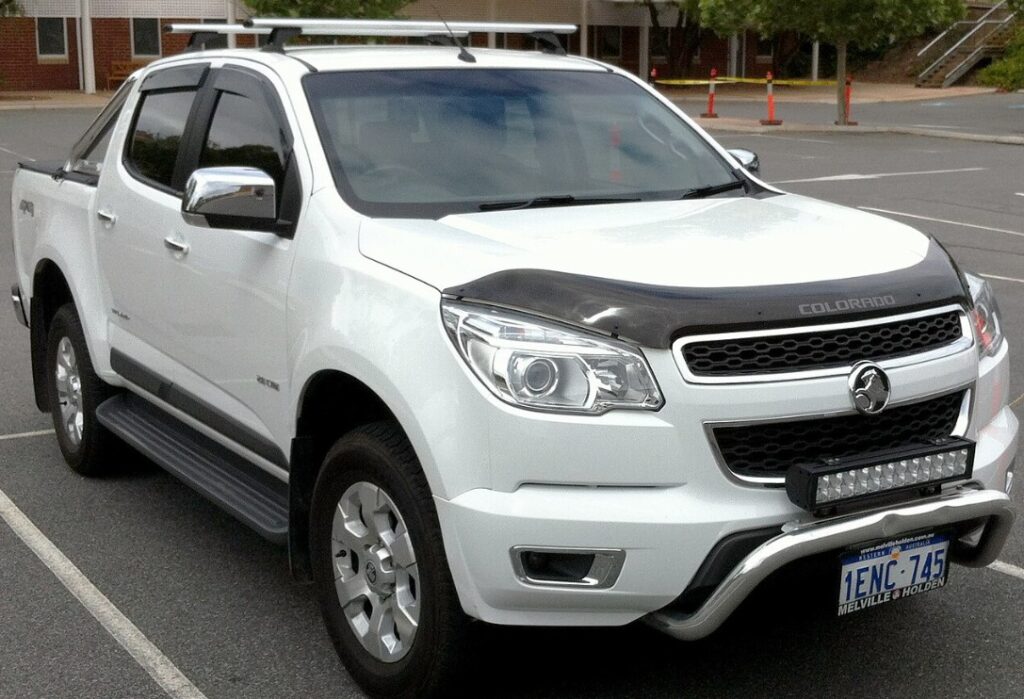
A Holden Colorado not starting can turn an ordinary morning into a frustrating guessing game. You climb into the ute, turn the key or press the starter, and instead of hearing that familiar diesel rumble, you get silence, clicking, slow cranking, or an engine that spins enthusiastically but refuses to fire.
The tricky part is that "not starting" describes several completely different faults. A weak battery can create similar symptoms to a bad starter motor. A diesel fuel-delivery problem can resemble a crankshaft sensor failure. An immobiliser problem may leave us staring at the dashboard wondering why a perfectly healthy engine suddenly seems dead.
Rather than replacing parts at random, we can narrow the problem down logically. In this guide, we'll look at the most common Holden Colorado starting problems, what the symptoms usually tell us, which checks we can perform ourselves, and when professional diagnosis becomes the smarter move.
Content in this publication
- What Does "Not Starting" Actually Mean?
- 1. Weak or Flat Battery
- 2. Faulty Starter Motor
- 3. Poor Earth or Ground Connections
- 4. Starter Relay or Fuse Failure
- 5. Immobiliser or Key Recognition Problems
- 6. Fuel Supply Problems
- 7. Blocked Diesel Fuel Filter
- 8. Air Entering the Diesel Fuel System
- 9. Crankshaft Position Sensor Failure
- 10. Camshaft Position Sensor Issues
- 11. Fuel Rail Pressure Too Low
- 12. Injector Problems
- 13. Glow Plug Problems
- 14. Park or Neutral Safety Switch Fault
- 15. Ignition Switch Problems
- 16. Faulty Engine Control Module or Wiring
- 17. Holden Colorado Starts Then Immediately Dies
- 18. Holden Colorado Won't Start When Hot
- 19. Holden Colorado Won't Start in the Morning
- 20. Clicking but Not Starting
- 21. Dash Lights Work but Holden Colorado Won't Start
- 22. What Should We Check First?
- 23. Can Jump-Starting Fix a Holden Colorado That Won't Start?
- 24. Could the Alternator Cause a No-Start Problem?
- 25. Should We Disconnect the Battery to Reset the Problem?
- 26. Why a Diagnostic Scan Can Save Money
- 27. Can We Fix a Holden Colorado No-Start Problem Ourselves?
- 28. When Should We Call a Mechanic?
- 29. How to Describe the Problem to a Mechanic
- 30. Preventing Future Starting Problems
- Conclusion: Diagnosing a Holden Colorado That Won't Start
- Frequently Asked Questions
- 1. Why is my Holden Colorado cranking but not starting?
- 2. Why does my Holden Colorado click but not start?
- 3. Can a bad battery cause a Holden Colorado not to start even if the lights work?
- 4. Why does my Holden Colorado struggle to start only in the morning?
- 5. Why won't my Holden Colorado start when the engine is hot?
What Does "Not Starting" Actually Mean?
Before reaching for jumper leads or calling a mechanic, we need to identify exactly what the Colorado is doing.
Starting problems usually fall into three broad categories:
- The engine does not crank at all.
- The engine cranks slowly or intermittently.
- The engine cranks normally but will not start.
That distinction matters enormously.
Think of starting the engine like opening a locked house. The battery provides the energy, the starter turns the lock, the fuel and air let us through the door, and the ECU controls the whole operation. If one stage fails, the end result looks the same: we're still standing outside.
Holden Colorado Does Not Crank
If we turn the key and the engine does absolutely nothing, start with the electrical side.
Possible causes include:
- Flat or failing battery
- Loose or corroded battery terminals
- Faulty starter motor
- Starter solenoid failure
- Starter relay or fuse problem
- Ignition switch fault
- Park/neutral safety switch issue
- Immobiliser or key recognition problem
- Poor engine or chassis earth connection
A completely silent engine usually points us away from fuel-system problems because the engine has not reached the stage where fuel delivery becomes relevant.
Holden Colorado Cranks but Won't Start
If the starter spins the engine at normal speed but the engine refuses to fire, the diagnostic road changes.
Now we're looking more closely at:
- Fuel pressure
- Fuel supply
- Crankshaft or camshaft sensors
- Immobiliser authorization
- Engine management faults
- Diesel injector operation
- Air entering the fuel system
- Glow plug operation in certain cold-start conditions
- ECU or wiring issues
This distinction alone can save us from replacing perfectly good components.
1. Weak or Flat Battery
A tired battery remains one of the simplest and most common explanations for a Holden Colorado that suddenly refuses to start.
Diesel engines demand considerable cranking power. A battery can still illuminate the dashboard, operate the radio, and power the headlights while lacking enough current to turn the engine properly.
That's why the classic statement—"the lights still work, so the battery must be fine"—can send us in circles.
Signs of a Weak Colorado Battery
Typical symptoms include:
- Rapid clicking when starting
- Slow engine cranking
- Dashboard lights dim dramatically
- Starter works after several attempts
- Vehicle starts successfully with jumper leads
- Electronic systems reset during cranking
- Starting becomes worse after the vehicle sits overnight
If the engine cranks sluggishly, battery condition should be one of our first checks.
Check the Battery Terminals Too
Sometimes the battery itself isn't the villain.
Inspect the terminals for corrosion, looseness, damaged clamps, or poor connections. A healthy battery connected through a badly corroded terminal is like a full water tank connected through a blocked pipe. The energy exists, but it cannot reach where it needs to go.
Clean connections and secure clamps can occasionally solve what initially looks like a much larger electrical failure.
2. Faulty Starter Motor
If the battery is healthy but the engine does not crank, the starter deserves attention.
Starter motors endure enormous mechanical and electrical stress. Brushes wear, solenoids fail, internal contacts deteriorate, and eventually the motor can become unreliable.
A failing starter may work perfectly one day and refuse the next.
Symptoms of a Bad Holden Colorado Starter
We might notice:
- One heavy click but no cranking
- Intermittent starting
- Starter spinning without turning the engine
- Grinding noises
- No response despite strong dashboard power
- Vehicle starts after several key attempts
One clue is inconsistency. A weak battery often produces progressively slower cranking, while a failing starter may behave more like an unreliable light switch—working perfectly one moment and completely failing the next.
3. Poor Earth or Ground Connections
Earth connections rarely receive the attention they deserve.
The starter motor needs a strong electrical return path through the engine and chassis. Corrosion, loose connections, damaged cables, or resistance in an earth strap can interfere with starting even when the battery and starter are technically healthy.
This can produce maddening intermittent symptoms.
What Poor Ground Connections Can Cause
Possible signs include:
- Slow cranking
- Clicking starter
- Electrical accessories behaving strangely
- Starter working intermittently
- Voltage dropping excessively during startup
- Heat around battery or cable connections
Inspect both the battery earth cable and major engine-to-body earth straps.
A few minutes spent checking these connections can save hours of chasing electronic ghosts.
4. Starter Relay or Fuse Failure
Between the ignition switch and starter motor sits a network of electrical controls.
A failed relay, damaged fuse, corroded connector, or wiring fault can prevent the starter from receiving its trigger signal.
If the battery tests well and the starter doesn't operate, checking the relevant starting circuit becomes the next logical step.
Why Relays Can Be Deceptive
Relays can fail intermittently.
That means the Colorado may start normally ten times and suddenly refuse on attempt eleven. Later it might start again as though nothing happened.
Intermittent electrical faults are automotive hide-and-seek champions.
Checking whether the starter solenoid receives voltage when the key is turned can help determine whether the problem sits before or inside the starter itself.
5. Immobiliser or Key Recognition Problems
Modern Holdens do more than mechanically unlock the ignition.
The vehicle needs to recognize the transponder chip in the key before the engine management system allows normal operation.
An immobiliser fault can therefore produce a vehicle that appears mechanically healthy but stubbornly refuses to start.
Signs of an Immobiliser Issue
Watch for:
- Security light remaining illuminated
- Security warning flashing
- Engine cranking but not firing
- Starter not operating
- Problem appearing after key damage
- One key working while another doesn't
If a spare key is available, trying it is one of the easiest diagnostic tests we can perform.
If the Colorado starts normally with the spare, the original key or its transponder becomes an obvious suspect.
6. Fuel Supply Problems
A diesel Colorado needs fuel delivered at the correct pressure and at exactly the right moment.
If the engine cranks strongly but doesn't start, fuel delivery moves much higher on the suspect list.
Potential causes include:
- Low fuel level
- Blocked fuel filter
- Air entering the fuel system
- Fuel pump problem
- Contaminated diesel
- Fuel pressure control fault
- Injector leakage
- High-pressure system problem
Diesel fuel systems operate differently from traditional petrol systems, so diagnosis can become increasingly specialized once we move beyond basic checks.
7. Blocked Diesel Fuel Filter
A clogged fuel filter can progressively restrict fuel flow until starting becomes difficult.
Instead of failing overnight, we may notice the Colorado slowly becoming harder to start or losing performance under load.
Symptoms of a Restricted Fuel Filter
Possible warning signs include:
- Long cranking before starting
- Hard starting in the morning
- Reduced engine power
- Hesitation under acceleration
- Engine stalling
- Difficult restarting after stalling
If the filter is overdue for replacement, it deserves serious consideration.
Don't Ignore Contaminated Fuel
Water, dirt, or poor-quality diesel can also create trouble.
If starting problems appeared shortly after refuelling, fuel contamination becomes more relevant. That's especially true if the engine simultaneously developed rough running, hesitation, unusual smoke, or reduced performance.
8. Air Entering the Diesel Fuel System
Diesel engines dislike air bubbles in the fuel supply.
A leaking hose, loose connection, damaged seal, or fuel-filter housing issue can allow air into the system. The engine may then require extended cranking before fuel reaches the necessary pressure.
This often becomes particularly noticeable after the vehicle has been parked overnight.
Common Pattern of Fuel-Air Problems
The Colorado may:
- Start normally once running
- Become difficult to start after sitting
- Require repeated cranking in the morning
- Start more easily after fuel-system priming
- Occasionally stall
- Produce inconsistent starting behavior
If that sounds familiar, inspecting fuel-line connections and seals may be worthwhile.
9. Crankshaft Position Sensor Failure
The crankshaft position sensor tells the engine computer where the crankshaft is and how quickly it is rotating.
Without reliable crankshaft information, the ECU may not know when to command injection correctly.
The result?
The starter spins confidently, but the engine behaves as if someone quietly disconnected its instructions.
Possible Crank Sensor Symptoms
We may experience:
- Cranking without starting
- Random stalling
- Engine cutting out when hot
- Restarting after cooling down
- Intermittent no-start condition
- Engine warning light
- Stored diagnostic trouble codes
A scan tool can be especially valuable here.
If the ECU reports no engine RPM while cranking, a crankshaft signal problem becomes much more suspicious.
10. Camshaft Position Sensor Issues
The camshaft position sensor works alongside the crank sensor to help the ECU determine engine timing.
Failure does not always prevent starting completely, but depending on the fault, it can cause extended cranking, poor starting, or intermittent no-start conditions.
Camshaft Sensor Symptoms Can Include
- Longer-than-normal cranking
- Intermittent starting
- Rough engine operation
- Check-engine light
- Reduced performance
- Diagnostic fault codes
Because crankshaft and camshaft sensor problems can produce overlapping symptoms, electronic diagnosis is preferable to throwing sensors at the engine and hoping one fixes it.
11. Fuel Rail Pressure Too Low
Common-rail diesel engines require substantial fuel pressure before the ECU allows normal injection.
If the system cannot build sufficient rail pressure while cranking, the engine may spin indefinitely without starting.
Causes can include:
- Injector return leakage
- Fuel pressure regulator problems
- Supply restriction
- Pump problems
- Air contamination in the fuel supply
- Rail pressure sensor faults
Why Diagnostic Data Matters Here
This is where a proper scan tool becomes incredibly useful.
Instead of guessing, a technician can observe actual fuel rail pressure during cranking and compare it with what the ECU expects.
Numbers cut through speculation.
If commanded and actual pressures differ dramatically, the diagnosis can move in a much more focused direction.
12. Injector Problems
Injectors need to meter fuel with extraordinary precision.
As they wear or become contaminated, starting performance can deteriorate.
A leaking injector may return too much fuel and prevent the rail from reaching adequate starting pressure.
Look for:
- Extended cranking
- Rough idle after starting
- Excessive smoke
- Diesel knock
- Loss of power
- Increased fuel consumption
- Hard cold or hot starting
Injector return-flow testing can help identify excessive internal leakage.
Replacing injectors purely because the Colorado won't start, however, is an expensive gamble. Testing should come first.
13. Glow Plug Problems
Glow plugs help cold diesel combustion by heating the combustion chambers.
In warmer Australian conditions, a diesel may still start with one or more weak glow plugs, which is why glow-plug problems aren't always the first suspect.
In genuinely cold conditions, though, they can become far more important.
Typical Glow Plug Trouble
We may see:
- Difficult cold starts
- Extended cranking
- White smoke immediately after starting
- Rough idle when cold
- Glow plug warning indication
- Easier starting once the engine is warm
If the Colorado starts badly only during cold mornings but behaves normally afterward, the glow-plug system deserves inspection.
14. Park or Neutral Safety Switch Fault
Automatic vehicles generally require the transmission to recognize Park or Neutral before allowing the starter to operate.
If the range or inhibitor switch becomes faulty or misadjusted, the vehicle may believe it is in gear even when the selector physically sits in Park.
A Simple Test
If the engine won't crank in Park:
- Hold the brake pedal.
- Move the gear selector through the positions.
- Try starting in Neutral.
- Gently move the selector while attempting to start.
If it suddenly cranks in Neutral but not Park, the transmission range or neutral-safety circuit deserves closer examination.
15. Ignition Switch Problems
A worn ignition switch can interrupt the electrical command needed to activate the starting system.
Symptoms can vary because ignition switches often contain several internal circuits.
We may notice:
- No starter response
- Starting only after moving the key
- Dashboard power cutting in and out
- Accessories behaving inconsistently
- Vehicle shutting down unexpectedly
An electrical test can determine whether the ignition switch is reliably supplying the expected start signal.
16. Faulty Engine Control Module or Wiring
ECU failure is possible, but it should not be our first assumption.
Modern vehicle computers are frequently blamed for problems actually caused by:
- Corroded connectors
- Broken wires
- Poor grounds
- Water ingress
- Low voltage
- Failed sensors
- Faulty relays
Before condemning an expensive control module, power supplies, grounds, communications, inputs, and wiring should be thoroughly checked.
When Wiring Faults Become Likely
Consider wiring problems when:
- Starting is highly intermittent
- Faults change when wiring looms are moved
- Multiple unrelated warning lights appear
- Scan-tool communication comes and goes
- The problem followed recent repairs
- Water exposure has occurred
Electrical diagnosis can feel like detective work, but that is exactly why a systematic approach pays off.
17. Holden Colorado Starts Then Immediately Dies
Sometimes the engine technically starts but shuts down almost immediately.
That's a valuable clue.
Possible causes include:
- Immobiliser intervention
- Fuel pressure collapse
- Air entering the fuel system
- Sensor signal loss
- ECU power interruption
- Wiring faults
Notice whether the security light behaves unusually when the engine dies.
Also consider whether the vehicle stays running if started again immediately or whether prolonged cranking returns.
Patterns matter.
18. Holden Colorado Won't Start When Hot
A Colorado that starts beautifully when cold but refuses after reaching operating temperature creates a different diagnostic picture.
Heat-sensitive electrical components can fail as temperatures rise.
Potential causes include:
- Crankshaft sensor
- Camshaft sensor
- Starter motor heat soak
- Wiring resistance
- Fuel pressure issues
- Injector leakage
Why Hot-Start Problems Are Valuable Clues
Temperature acts almost like a built-in diagnostic test.
If a component works cold but repeatedly fails warm, thermal expansion or heat-related electrical resistance may be exposing an underlying defect.
Tell your mechanic exactly when the failure occurs. "Won't start" is helpful. "Won't restart after driving 30 minutes but starts again after cooling for an hour" is much better.
19. Holden Colorado Won't Start in the Morning
Morning-only starting trouble often suggests another group of possibilities.
These include:
- Weak battery
- Fuel draining backward
- Air entering the fuel system
- Glow plug weakness
- Low rail pressure
- Injector leakage
If the engine needs prolonged cranking after sitting overnight but restarts easily throughout the rest of the day, fuel-system drain-back or air ingress becomes particularly interesting.
20. Clicking but Not Starting
Clicking sounds reveal useful information.
Rapid Clicking
Rapid repeated clicking commonly indicates insufficient voltage reaching the starter solenoid.
Think:
- Weak battery
- Loose battery terminal
- Corroded cable
- Poor earth
One Heavy Click
A single solid click may suggest:
- Starter solenoid activating
- Starter motor failure
- High-resistance cable connection
- Mechanical starter problem
Sound isn't a complete diagnosis, but it helps us choose where to look next.
21. Dash Lights Work but Holden Colorado Won't Start
This situation confuses many owners.
Dashboard lights require only a small amount of electrical power compared with the starter motor.
So yes, the dashboard can look completely alive while the battery remains incapable of cranking the diesel engine properly.
If the lights work but the engine doesn't crank, check:
- Battery voltage under load
- Battery terminals
- Starter circuit
- Starter motor
- Main earth connections
- Neutral-safety switch
- Immobiliser behavior
Don't eliminate the battery simply because the radio still plays.
22. What Should We Check First?
Random diagnosis gets expensive quickly. A logical sequence works much better.
Basic Holden Colorado No-Start Checklist
- Confirm whether the engine cranks.
- Check battery condition.
- Inspect battery terminals.
- Check major earth connections.
- Try a spare key.
- Try starting in Neutral if automatic.
- Check relevant fuses and relays.
- Observe security and warning lights.
- Confirm sufficient clean fuel.
- Scan for diagnostic trouble codes.
- Check live cranking RPM.
- Check fuel rail pressure if the engine cranks but won't fire.
- Investigate sensor, injector, fuel-system, or wiring faults based on test results.
That sequence keeps us from jumping to expensive conclusions too early.
23. Can Jump-Starting Fix a Holden Colorado That Won't Start?
If the battery is weak, yes.
A successful jump-start strongly suggests that battery condition, battery connections, or the charging system deserves investigation.
But there's an important catch.
Jump-starting doesn't automatically prove the battery is the only problem.
A Colorado may start with extra voltage because damaged connections or a tired starter temporarily receive enough current to operate.
After jump-starting, it's wise to test the battery and charging system rather than assuming everything is fixed.
24. Could the Alternator Cause a No-Start Problem?
The alternator usually isn't directly responsible for cranking the engine. The battery handles that job.
However, a failing alternator can leave the battery discharged.
This can create a familiar pattern:
The Colorado starts normally, the battery warning light appears, electrical systems gradually weaken, the vehicle eventually stops, and later it refuses to restart.
If a charged or replacement battery quickly goes flat again, charging-system testing becomes essential.
25. Should We Disconnect the Battery to Reset the Problem?
Battery disconnection sometimes clears temporary electronic glitches, but it isn't a reliable repair strategy.
More importantly, disconnecting power can erase useful diagnostic information and may reset vehicle settings.
If a warning light or fault is present, scanning the vehicle before disconnecting the battery is often smarter.
Fault codes are breadcrumbs. We don't want to sweep them away before following the trail.
26. Why a Diagnostic Scan Can Save Money
Modern diesel vehicles communicate constantly through electronic modules.
When starting fails, a scan tool can tell us far more than a dashboard warning lamp.
Useful information may include:
- Diagnostic trouble codes
- Cranking RPM
- Fuel rail pressure
- Immobiliser authorization
- Battery voltage
- Sensor synchronization
- Engine module communication
This information lets us test the correct system rather than replacing parts based on probability alone.
Codes Are Clues, Not Automatic Parts Orders
Suppose the scan tool reports a crankshaft sensor circuit fault.
That does not automatically mean the sensor itself is bad.
The true cause could be:
- Broken wiring
- Poor connector contact
- Damaged reluctor
- Power or ground fault
- Sensor failure
Codes tell us where to investigate, not necessarily which component to purchase.
27. Can We Fix a Holden Colorado No-Start Problem Ourselves?
Some checks are perfectly reasonable for a careful owner.
We can often inspect:
- Battery terminals
- Battery voltage
- Visible wiring
- Fuses
- Relays
- Fuel level
- Key operation
- Security warnings
- Transmission selector behavior
But high-pressure common-rail diesel systems demand respect.
Fuel pressures can be extremely high, and careless testing can be dangerous.
Repairs involving injectors, high-pressure fuel components, ECU wiring, or advanced electronic diagnosis are generally better handled by experienced technicians.
28. When Should We Call a Mechanic?
Professional assistance makes sense when:
- The engine cranks normally but never fires.
- Starting problems keep returning.
- Fuel pressure appears incorrect.
- Electrical diagnosis becomes complicated.
- Injector failure is suspected.
- Immobiliser faults are present.
- The starter circuit tests inconclusively.
- The vehicle repeatedly stalls before refusing to restart.
The goal isn't to avoid professional repairs at all costs. It's to arrive at the workshop with useful observations instead of simply saying, "It won't start."
29. How to Describe the Problem to a Mechanic
Good information speeds up diagnosis.
Tell the technician:
- Whether the engine cranks
- Whether cranking sounds normal
- Whether the failure happens cold or hot
- Whether jump-starting helps
- Whether a spare key works
- Whether warning lights appear
- Whether the engine recently lost power
- Whether the problem followed refuelling
- Whether the vehicle starts after sitting
- Whether the fault is constant or intermittent
One tiny detail can redirect the whole diagnostic process.
It's like giving a detective the difference between "someone disappeared" and "someone disappeared every Tuesday after visiting the same place." Patterns create direction.
30. Preventing Future Starting Problems
Not every breakdown can be prevented, but good maintenance reduces the odds.
Pay particular attention to:
- Battery condition
- Battery terminal cleanliness
- Fuel-filter replacement
- Correct diesel fuel
- Scheduled servicing
- Starter performance
- Unusual warning lights
- Hard-starting symptoms
- Electrical connections
Don't Ignore Gradually Longer Cranking
Engines often whisper before they shout.
If the Colorado once started instantly but now takes two or three extra seconds, don't automatically accept that as normal ageing.
Longer cranking may be the first clue of declining battery performance, low fuel pressure, injector leakage, air ingress, sensor deterioration, or another developing issue.
Investigating early can turn an inconvenient repair into something far less dramatic.
Conclusion: Diagnosing a Holden Colorado That Won't Start
A Holden Colorado not starting doesn't automatically mean an expensive engine or fuel-system failure.
The fault could be something as ordinary as a weak battery connection—or something more involved, such as insufficient diesel rail pressure or a failed crankshaft position signal.
The key is separating the symptoms before replacing anything.
If the engine doesn't crank, concentrate first on the battery, starter circuit, terminals, earths, immobiliser, and transmission safety system.
If the engine cranks normally but doesn't fire, shift attention toward fuel delivery, rail pressure, engine speed signals, injectors, immobiliser authorization, and ECU-related faults.
And if the problem appears only when hot, cold, or after sitting overnight, treat that timing as evidence rather than coincidence.
A no-start problem can feel like staring into mechanical fog. Work through the symptoms systematically, though, and that fog usually begins to clear remarkably quickly.
Frequently Asked Questions
1. Why is my Holden Colorado cranking but not starting?
If the engine cranks normally but doesn't start, possible causes include insufficient fuel pressure, a blocked fuel filter, air in the diesel system, crankshaft or camshaft sensor problems, injector leakage, immobiliser faults, or engine-management issues. A diagnostic scan and live fuel-pressure readings can significantly narrow the search.
2. Why does my Holden Colorado click but not start?
Rapid clicking often indicates a weak battery, poor terminal connection, or bad earth. A single heavy click may point toward the starter solenoid or starter motor. Checking battery voltage and cable connections should usually come before replacing the starter.
3. Can a bad battery cause a Holden Colorado not to start even if the lights work?
Yes. Dashboard lights and accessories need much less current than the starter motor. A weak battery can therefore operate lights normally while failing to provide enough cranking power to start the engine.
4. Why does my Holden Colorado struggle to start only in the morning?
Morning hard-starting can result from a weak battery, air entering the diesel fuel system, fuel draining back while parked, glow-plug problems, injector leakage, or inadequate fuel rail pressure. If restarting becomes easy once the engine has run, that pattern is especially useful diagnostically.
5. Why won't my Holden Colorado start when the engine is hot?
Hot-start problems may involve a heat-sensitive crankshaft or camshaft sensor, starter motor heat soak, excessive injector return leakage, wiring resistance, or fuel-pressure issues. If the vehicle restarts normally after cooling, mention that exact pattern during diagnosis.
If you want to know other articles similar to Holden Colorado Not Starting: Causes, Diagnosis, and Fixes you can visit the category Common Problems.
Nissan Rogue AC Not Working? Causes, Diagnosis, and Fixes

Kia Sorento Issues: Common Problems, Reliability and What to Watch For

Honda Passport Not Starting: Causes, Symptoms, and How to Fix It
Honda Passport Keyless Remote Battery Low: What It Means and How to Fix It
Nissan Rogue Apple CarPlay Not Working: Causes and Fixes
Nissan Rogue No Key Detected: Causes, Fixes, and What to Do
Leave a Reply
More content of your interest