
Kia Carnival Issues: Common Problems, Warning Signs, and What Owners Should Know

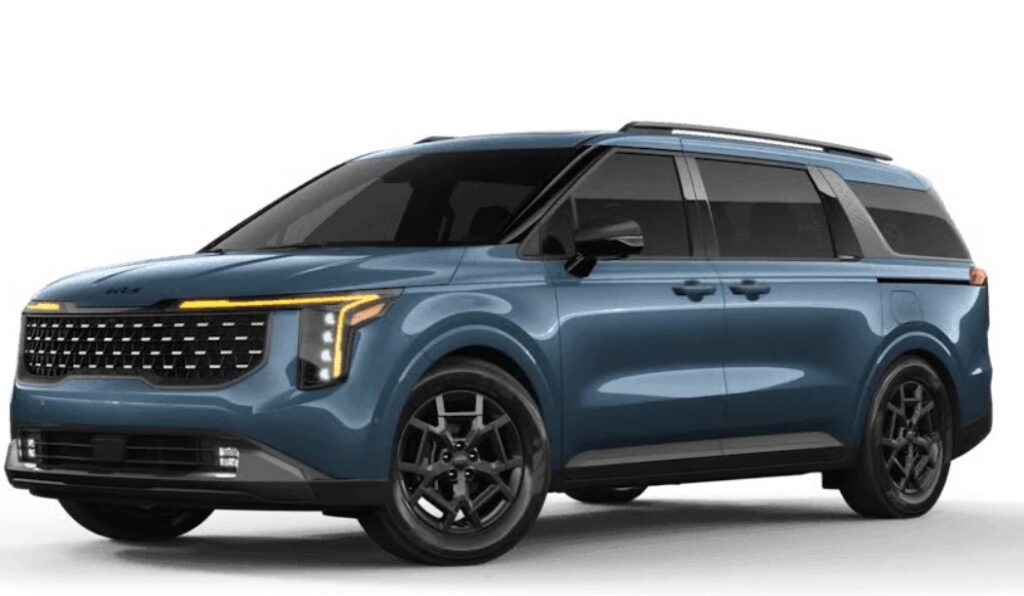
The Kia Carnival has carved out an unusual niche. It delivers minivan practicality while dressing itself like an SUV, giving families acres of cabin space without making them feel as though they have surrendered entirely to the school-run lifestyle.
That combination is appealing, but no vehicle is flawless. Searches for Kia Carnival issues have grown as more examples accumulate mileage and owners begin reporting problems ranging from minor electronic annoyances to sliding-door concerns and official safety recalls.
The important thing is not to assume every Carnival will develop every problem. That would be like avoiding an entire neighborhood because one house needed a new roof. Instead, we need to separate isolated complaints from recurring patterns, maintenance-related faults, and confirmed recalls.
In this guide, we will look at the most noteworthy Kia Carnival problems, the symptoms that deserve attention, which model years require extra homework, and what prospective buyers should inspect before handing over their money.
Content in this publication
- Are Kia Carnivals Problematic?
- Most Common Kia Carnival Issues at a Glance
- Kia Carnival Power Sliding Door Problems
- Kia Carnival Electrical Problems
- Kia Carnival Infotainment Problems
- 2026 Kia Carnival Instrument Cluster Recall
- Kia Carnival Roof Molding Recall
- Kia Carnival Tow Hitch Fire Recall
- Kia Carnival Transmission Issues
- Kia Carnival Engine Issues
- Kia Carnival Brake Problems
- Kia Carnival Suspension Noise
- Kia Carnival Steering and Alignment Issues
- Kia Carnival Air-Conditioning Problems
- Kia Carnival Driver-Assistance System Issues
- Kia Carnival Camera and Parking Sensor Problems
- Interior Quality and Rattle Complaints
- Kia Carnival Wind Noise and Seal Issues
- Are Some Kia Carnival Model Years Worse Than Others?
- How Serious Are Kia Carnival Recalls?
- How to Inspect a Used Kia Carnival
- What Kia Carnival Problems Are Most Expensive?
- Are Kia Carnival Issues Covered by Warranty?
- Can Regular Maintenance Prevent Kia Carnival Problems?
- Is the Kia Carnival Reliable Enough for a Family?
- Should You Buy a Used Kia Carnival?
- How Kia Carnival Issues Compare With Typical Minivan Problems
- Final Thoughts on Kia Carnival Issues
- Frequently Asked Questions
Are Kia Carnivals Problematic?
The short answer is no—not inherently.
The Carnival can be a perfectly sensible family vehicle, particularly when it has been properly maintained and all applicable recalls have been completed. Still, the current-generation Carnival introduced plenty of technology: power sliding doors, advanced driver-assistance equipment, multiple screens, cameras, parking sensors, powered seating and extensive electronic control systems.
Convenience is wonderful until one component decides not to cooperate.
Think of the Carnival as a modern house filled with smart devices. The plumbing may be excellent, but there are simply more switches, sensors and modules capable of producing an occasional headache.
Several reported Kia Carnival issues therefore relate less to catastrophic mechanical failure and more to electronics, powered doors, trim pieces, sensors and software.
That distinction matters.
Most Common Kia Carnival Issues at a Glance
Owners shopping for or already driving a Carnival should pay particular attention to the following areas:
- Power sliding-door operation and anti-pinch behavior
- Infotainment freezing, connectivity or display glitches
- Battery drain and occasional electrical complaints
- Driver-assistance warning messages
- Roof molding or exterior trim security
- Brake vibration, noise or premature-feeling wear
- Suspension noises over rough surfaces
- Air-conditioning performance complaints
- Transmission hesitation or unusual shifting behavior
- Interior rattles and power-seat concerns
- Recall-related instrument-cluster software faults on certain newer vehicles
Not every complaint represents a design defect, and frequency varies considerably between model years. The right approach is to investigate symptoms rather than diagnose the vehicle from an internet headline.
Kia Carnival Power Sliding Door Problems
Why the Sliding Doors Deserve Attention
Power sliding doors are one of the Carnival's biggest family-friendly advantages. Push a button and a huge opening appears without requiring children to swing a conventional door into the vehicle parked beside us.
Unfortunately, sliding-door operation has also been one of the Carnival's most prominent safety discussions.
Certain 2022 and 2023 Carnival vehicles were subject to a recall concerning the power sliding doors. Kia's investigation included customer complaints involving injuries, and the subsequent software strategy added warning sounds and modified door-closing behavior near the latching point.
That does not mean every Carnival door is dangerous. It does mean buyers of early examples should verify recall completion carefully.
Symptoms Owners May Notice
A sliding door that behaves normally should open and close smoothly, without violent hesitation, unusual grinding or unexpected resistance.
Potential warning signs include a door that pauses halfway, reverses unexpectedly, refuses to latch, needs several button presses or sounds considerably louder than the opposite door.
Sometimes dirt in the track or an obstruction can be responsible. Other times the cause may involve adjustment, sensors, rollers, wiring or the power-door mechanism itself.
Should We Disable a Problematic Power Door?
If a door is behaving unpredictably, avoiding automatic operation until it has been inspected is sensible. Children should never be allowed to treat the powered doors like toys, even when the system appears to work perfectly.
Kia Carnival Electrical Problems
Modern vehicles are rolling computer networks, and the Carnival is no exception.
Electrical complaints can take frustratingly inconsistent forms. One morning everything works. Later, a warning message appears, the infotainment system reboots or a convenience feature temporarily refuses to respond.
That inconsistency often makes electrical problems feel worse than they are.
Battery Drain and Low-Voltage Behavior
A weak 12-volt battery can cause symptoms that look far more dramatic than the underlying problem.
Owners may encounter slow starting, random warning lights, malfunction messages, memory-setting losses or electronics that behave strangely after the Carnival has been parked.
Before assuming an expensive control module has failed, technicians generally need to verify battery health and charging-system performance.
Low voltage is the automotive equivalent of trying to run an office during a brownout. Everything is technically connected, but nothing behaves quite normally.
Why Short Trips Can Make Matters Worse
Frequent short journeys can prevent the battery from recovering fully, particularly when the vehicle is powering climate control, screens, heated seats, cameras and other electrical accessories.
If a Carnival regularly sits unused for long periods, battery condition becomes even more important.
Kia Carnival Infotainment Problems
Screen Freezing and Slow Responses
A giant display looks impressive in a showroom. A frozen giant display looks considerably less glamorous.
Some owners report occasional infotainment frustrations such as delayed responses, Bluetooth reconnection issues, smartphone-integration glitches or screens that require a restart.
Software-related problems may improve with updates, while persistent failures can indicate a deeper hardware or connectivity issue.
Apple CarPlay and Android Auto Connectivity
Phone integration depends on several ingredients working together: the vehicle software, smartphone operating system, cable or wireless connection and app permissions.
Consequently, a connection failure does not automatically mean the Carnival itself is defective.
Trying another compatible cable, restarting the phone and vehicle, deleting and re-pairing the device and checking available updates can eliminate surprisingly many problems.
When a Dealer Visit Makes Sense
If the screen repeatedly blacks out, loses important vehicle functions or continues rebooting despite software updates, diagnostic attention is warranted.
This becomes especially important when instrument information rather than entertainment alone is affected.
2026 Kia Carnival Instrument Cluster Recall
Certain 2026 Carnival and Carnival Hybrid vehicles were included in a 2026 Kia recall concerning instrument-panel software.
According to NHTSA documentation, a software error could cause the instrument-panel display to fail, potentially removing critical information such as vehicle speed, tire-pressure information or warning lights. Kia's remedy involves an over-the-air software update or dealer update at no charge.
This is a useful reminder that newer does not automatically mean recall-free.
Software has become part of vehicle safety just as surely as brakes and tires.
What Owners Should Do
Owners should check their individual VIN rather than assuming their vehicle is included merely because it shares the same model year.
Recall populations are normally defined by production dates, components and VIN ranges.
Kia Carnival Roof Molding Recall
Certain 2022-2024 Kia Carnival vehicles were recalled because roof molding could become loose or detach.
Kia reported that the condition could result from interference involving retaining clips or improper installation during assembly. A detached molding could become a road hazard, and dealers were instructed to inspect and secure or replace affected components when necessary.
This problem sounds cosmetic until we imagine a strip of exterior trim leaving the vehicle at highway speed.
Suddenly it is not cosmetic at all.
What to Look for When Inspecting a Used Carnival
Look along both roof edges for trim that appears lifted, uneven or poorly seated.
Evidence of adhesive repairs does not necessarily mean there is a current problem, but it is worth asking whether the official recall repair was completed.
Kia Carnival Tow Hitch Fire Recall
Certain 2022-2023 Kia Carnival vehicles were also included in a recall related to the tow-hitch harness module.
NHTSA reported that an electrical short could potentially cause a fire and advised affected owners to park outside and away from structures until the recall repair had been performed.
A recall like this should never be treated as an optional maintenance item.
If we are considering an early Carnival, checking its VIN for completed safety campaigns should happen before worrying about leather condition, wheel scratches or whether the rear entertainment system works.
Kia Carnival Transmission Issues
The Carnival's automatic transmission should generally shift smoothly, but owners may occasionally describe hesitation, delayed engagement or shifts that feel more noticeable than expected.
That does not automatically equal transmission failure.
Hesitation at Low Speeds
Modern transmissions constantly balance fuel economy, emissions, smoothness and performance. Their behavior at parking-lot speeds can therefore feel different from the old hydraulic automatics many drivers remember.
A small pause is one thing.
A repeated clunk into gear, severe shudder, slipping sensation or engine revving without proportional acceleration is another.
Those symptoms deserve diagnosis.
Software Versus Mechanical Failure
Some shifting complaints may relate to adaptive behavior or software rather than internal transmission damage. Nevertheless, guessing is expensive.
A proper diagnosis may involve scanning for fault codes, checking software revisions, road-testing the vehicle and verifying fluid condition or leaks where appropriate.
Red Flags We Would Not Ignore
If the Carnival starts refusing gears, produces a burning smell, leaks transmission fluid or enters limp mode, continuing to drive it casually is not wise.
Kia Carnival Engine Issues
Major engine failure is not generally the first concern associated with the Carnival, but engine health still deserves attention—especially on neglected used examples.
Rough Idle or Check-Engine Light
A rough idle can stem from numerous causes, ranging from ignition or fueling problems to air leaks, sensors or contaminated components.
The check-engine light is therefore a starting point, not a diagnosis.
Reading stored diagnostic codes gives us direction. Replacing components at random usually gives us a lighter wallet.
Oil Consumption Concerns
Any used vehicle should be checked for signs of abnormal oil consumption regardless of brand.
Watch the oil level between services. Blue exhaust smoke, repeated low-oil warnings or the need to add substantial oil frequently deserve investigation.
Maintenance history matters enormously here.
A vehicle serviced on schedule is a far safer bet than one whose owner vaguely says, "I think the dealer changed it sometime last year."
Kia Carnival Brake Problems
Brakes inevitably wear, but the way they wear can reveal useful clues.
Some Carnival owners may encounter brake squeal, vibration or a steering-wheel shimmy during braking. These symptoms can result from pad wear, rotor condition, contamination, corrosion or driving conditions.
A heavy family vehicle repeatedly driven in stop-and-go traffic naturally works its brakes hard.
Brake Vibration
If the pedal or steering wheel pulses consistently when slowing from highway speeds, the braking system should be inspected.
Replacing parts without verifying the cause can lead to the same symptom returning.
Premature Brake Wear
Driving style plays a huge role.
A Carnival carrying seven passengers, luggage and perhaps towing within its rated limits asks considerably more from its brakes than an empty vehicle cruising gently through rural roads.
Wear should therefore be judged against usage rather than mileage alone.
Kia Carnival Suspension Noise
Clunks and rattles are irritating because they transform a quiet family cruiser into what sounds like a toolbox rolling down a staircase.
Suspension noises can come from bushings, links, mounts, loose hardware or even unrelated interior components.
Clunks Over Small Bumps
A noise that appears primarily over broken pavement can help technicians narrow the source.
The best diagnostic clue is consistency. Does it happen while turning? Only when cold? Only over speed bumps? From one corner?
Specific descriptions are far more useful than telling a mechanic simply, "It makes a noise."
Do Suspension Noises Mean the Carnival Is Unsafe?
Not necessarily.
A loose interior trim panel and a worn suspension component can sound astonishingly similar from the driver's seat.
However, steering looseness, abnormal tire wear or significant knocking should be checked promptly.
Kia Carnival Steering and Alignment Issues
A Carnival that pulls to one side may need alignment, but tire pressure should be checked first.
Unequal tire pressures can imitate alignment problems surprisingly well.
If the steering wheel sits off-center, the vehicle wanders excessively or tires begin wearing unevenly, an alignment inspection makes sense.
Impacts with potholes and curbs can alter alignment even on a relatively new vehicle.
Why Tire Condition Matters So Much
Large vehicles are sensitive to mismatched tire wear.
Four tires of the correct specification and similar condition generally produce better ride, braking and steering behavior than a mismatched collection of bargain replacements.
Kia Carnival Air-Conditioning Problems
In a large cabin, climate control has a difficult job.
A system that feels slightly weak on an extremely hot day is different from one that suddenly stops producing cold air.
Potential causes can range from refrigerant loss and compressor problems to sensors, actuators, fans or control faults.
Rear Climate Complaints
Because the Carnival is built to carry several passengers, rear cooling performance matters.
When inspecting a used example, do not test the front vents and assume the job is done.
Sit in the second and third rows. Try different fan speeds, temperature settings and vent modes.
Ten minutes spent doing that before purchase can reveal something a thirty-second dealership test drive will not.
Kia Carnival Driver-Assistance System Issues
The Carnival may include technology such as lane assistance, collision-warning systems, parking sensors, blind-spot monitoring and multiple cameras depending on specification.
These features rely heavily on sensors.
Mud, snow, heavy rain, road salt or a blocked camera can therefore trigger temporary warnings without indicating permanent failure.
Repeated Warning Messages
Occasional weather-related unavailability is understandable.
Repeated warnings in clear conditions deserve investigation.
A windshield replacement, minor collision or bumper repair can also disturb camera or radar calibration.
That is why a seemingly innocent used-car accident history matters more on modern vehicles than it did twenty years ago.
Kia Carnival Camera and Parking Sensor Problems
A family vehicle this large benefits enormously from cameras.
When they stop cooperating, however, the Carnival suddenly feels much larger.
Dirty camera lenses are the simplest explanation for poor images. Sensor contamination can likewise trigger phantom parking warnings.
Persistent black screens, distorted images or individual sensors that remain inactive may point toward wiring, module or hardware problems.
Always Test Every Camera Before Buying
Do not merely shift into reverse.
Cycle through every available view, activate parking sensors and verify that guidelines respond correctly while steering.
Electronics should be tested patiently because intermittent faults love short test drives.
Interior Quality and Rattle Complaints
The Carnival's cabin is one of its strongest selling points, but a vehicle full of seats, rails, storage compartments and trim pieces also contains countless opportunities for a rattle.
A small noise does not make the vehicle unreliable.
It can, however, become maddening on a long highway drive.
Second-Row Seat Problems
Depending on trim and market, the Carnival may be equipped with elaborate second-row seating.
Check all powered functions, manual releases, seat rails and folding mechanisms individually.
A complicated seat mechanism that is already reluctant to move during inspection is unlikely to become more cooperative after purchase.
Door and Dashboard Rattles
Road-test the vehicle with the radio off.
That simple trick lets us hear trim noises, suspension knocks, wheel-bearing hum and wind noise that a salesperson's carefully selected playlist might otherwise hide.
Kia Carnival Wind Noise and Seal Issues
Owners sometimes interpret wind noise as a door problem when the real cause may involve weather seals, mirror turbulence, roof accessories or exterior trim.
If wind noise suddenly appears where none existed before, inspect the surrounding seals and molding.
The previously mentioned roof-molding recall makes exterior trim inspection particularly worthwhile on affected model years.
Are Some Kia Carnival Model Years Worse Than Others?
Early years of a new generation naturally attract more scrutiny because they introduce new hardware, software and production processes simultaneously.
For U.S.-market buyers, 2022 and 2023 examples deserve particularly careful recall-history checks due to the power sliding-door and tow-hitch-related campaigns, while certain 2022-2024 vehicles were involved in the roof-molding recall.
Meanwhile, newer does not mean completely immune. Certain 2026 Carnival and Carnival Hybrid vehicles were included in the instrument-display software recall.
We therefore would not choose a Carnival solely by saying, "Buy year X and avoid year Y."
VIN-specific history matters more.
A 2022 Carnival with complete maintenance records and every recall resolved may be a much better purchase than a newer vehicle that has been neglected or repaired poorly after a collision.
How Serious Are Kia Carnival Recalls?
A recall is different from an ordinary reliability complaint.
Reliability issues primarily concern inconvenience or repair cost. Safety recalls address defects that regulators and manufacturers determine require corrective action because of safety or regulatory concerns.
The good news is that recall repairs are generally performed without charge to affected owners.
NHTSA recommends checking the 17-character VIN because a general year-and-model search cannot tell us whether one particular vehicle still has an unresolved campaign.
That should become routine whenever buying a used Carnival.
How to Inspect a Used Kia Carnival
Start the vehicle completely cold whenever possible. A seller who has warmed it before we arrive may unintentionally—or intentionally—hide cold-start noises.
Listen to the engine. Check warning lights. Test every powered door multiple times. Move all configurable seats. Run the front and rear air conditioning. Pair a phone. Inspect every camera. Drive at city and highway speeds.
Then brake firmly in a safe environment and listen over rough pavement.
Look at the tires rather than merely checking tread depth. Uneven wear can tell a story about alignment or suspension condition.
Finally, obtain the service history and run the VIN through the appropriate recall database for the country where the vehicle is registered.
A thirty-minute inspection can save months of frustration.
What Kia Carnival Problems Are Most Expensive?
The most financially uncomfortable problems on any modern people mover are usually those involving major drivetrain components, sophisticated electronics, powered doors, climate-control systems or advanced safety equipment.
Cost varies enormously depending on whether a problem involves a loose connector, software update or complete module replacement.
That is why diagnosis matters.
Imagine hearing a piano key that sounds wrong. We could replace the whole piano—or first discover that one string merely needs adjustment.
Cars deserve the same logic.
Are Kia Carnival Issues Covered by Warranty?
Potentially, yes, depending on vehicle age, mileage, country, warranty conditions and the nature of the fault.
Warranty coverage is different from recall coverage.
A component can fail under warranty without being part of a recall. Conversely, an eligible safety recall can remain applicable well after the vehicle's ordinary warranty period.
Owners should therefore avoid assuming that "out of warranty" means "I must pay for every recall repair."
Check the VIN and campaign status first.
Can Regular Maintenance Prevent Kia Carnival Problems?
Maintenance cannot prevent a software defect or manufacturing recall, but it can prevent many ordinary problems from becoming expensive.
Regular oil changes, correct fluids, healthy tires, proper alignment, battery testing and timely attention to warning lights make an enormous difference.
Neglect compounds.
A small coolant leak becomes overheating. Uneven tire wear becomes four ruined tires. A weak battery produces strange electronics, repeated jump-starts and an owner convinced the entire electrical system is haunted.
Cars usually whisper before they scream.
Listening early is cheaper.
Is the Kia Carnival Reliable Enough for a Family?
For many families, yes.
The Carnival remains attractive because its fundamental concept makes sense: broad sliding-door access, flexible seating, generous passenger room and road-trip practicality wrapped in relatively SUV-like styling.
Its known issues should be treated as buying criteria rather than automatic deal-breakers.
We would place much more confidence in a Carnival with documented servicing, smooth door operation, clean diagnostics and completed recalls than in one chosen simply because it has lower mileage.
Mileage matters.
History matters more.
Should You Buy a Used Kia Carnival?
A used Carnival can make excellent sense if we approach the purchase methodically.
Pay particular attention to powered doors, electrical accessories, air conditioning, camera systems, transmission behavior and recall history.
Avoid examples displaying multiple warning lights or sellers who dismiss obvious faults with phrases such as "They all do that."
Maybe they do.
Maybe they don't.
A pre-purchase inspection turns opinions into evidence.
For a sophisticated family vehicle, spending money on professional inspection before purchase is rarely wasted.
How Kia Carnival Issues Compare With Typical Minivan Problems
The Carnival is not alone in having power-door, infotainment, sensor or trim complaints.
Modern minivans combine the complexity of a passenger car with powered access systems, configurable seating and enormous amounts of family-focused electronics.
Consequently, the smartest comparison is not "Does the Carnival have problems?"
Every model does.
A better question is: Are the specific problems manageable, documented and acceptable relative to the vehicle's price, warranty and condition?
That question leads to far better buying decisions.
Final Thoughts on Kia Carnival Issues
The phrase Kia Carnival issues can make the vehicle sound more troublesome than the full picture suggests.
There are legitimate areas to investigate. Early current-generation vehicles have been associated with noteworthy recalls involving power sliding doors, tow-hitch wiring and roof molding, while certain 2026 examples have been included in an instrument-display software recall.
Yet recalls do not automatically make every affected model a bad vehicle.
What matters is whether the specific Carnival we own or want to buy has outstanding campaigns, neglected maintenance or symptoms pointing toward unresolved problems.
For existing owners, strange behavior should be diagnosed before it snowballs. For used-car shoppers, maintenance records, VIN checks and a proper inspection are worth more than endless forum scrolling.
A carefully maintained Carnival can still be a compelling family machine.
Just remember: with a vehicle containing this many powered doors, screens, sensors and comfort features, we should test everything.
And by everything, we really mean everything.
Frequently Asked Questions
1. What is the most common Kia Carnival issue?
Power sliding-door concerns have attracted significant attention, particularly on some 2022 and 2023 vehicles. Kia conducted a safety recall involving door behavior and software changes designed to increase awareness during closing.
Electrical glitches, infotainment complaints and sensor-related warning messages are also areas owners commonly investigate.
2. Which Kia Carnival years have recalls?
Recall applicability depends on country and VIN. In the United States, certain 2022-2023 Carnivals were involved in power sliding-door and tow-hitch-related recalls, certain 2022-2024 vehicles were recalled for roof molding, and certain 2026 Carnival and Carnival Hybrid vehicles were included in an instrument-panel software recall.
Always check the actual VIN rather than relying only on model year.
3. Does the Kia Carnival have transmission problems?
Some owners may report hesitation or noticeable shifts, but those symptoms do not automatically indicate transmission failure. Software behavior, adaptation and operating conditions can influence shift feel. Persistent slipping, harsh engagement, warning lights or loss of drive should be diagnosed promptly.
4. Is a Kia Carnival expensive to repair?
Routine maintenance is generally predictable, while sophisticated features can increase repair costs. Powered doors, electronic modules, cameras, climate-control components and driver-assistance hardware are potentially more expensive than traditional mechanical parts. Recall repairs, when applicable, are normally performed free of charge.
5. Is the Kia Carnival worth buying despite its issues?
Yes, provided the individual vehicle passes inspection. Check service history, recall completion, door operation, electronic systems, air conditioning, transmission behavior and tire wear. A well-maintained Carnival with resolved campaigns can still be an excellent family vehicle.
If you want to know other articles similar to Kia Carnival Issues: Common Problems, Warning Signs, and What Owners Should Know you can visit the category Common Problems.
Toyota Corolla Cross Issues: Common Problems and Fixes

MG HS Problems: Common Faults, Reliability and Years to Avoid (2019–2026)
Toyota Yaris Cross Battery Problems: Causes & Fixes

Volvo XC40 Sound Not Working? Complete Troubleshooting Guide

Mazda Diesel Engine Problems: Common Faults and Fixes
Volkswagen Key Not Detected or No Key Error: Causes and Fixes
Leave a Reply
More content of your interest