
Mazda 6 vs Honda Civic: Which Car Makes More Sense?

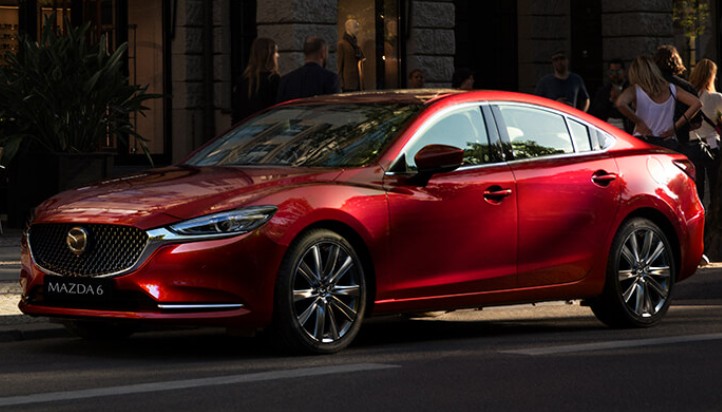
Choosing between the Mazda 6 vs Honda Civic sounds simple until we actually start comparing what each car brings to the driveway. Both have strong reputations, both can work beautifully as everyday cars, and both have attracted loyal owners for years. Yet they approach the same basic mission from noticeably different directions.
The Mazda 6 is the larger, more mature sedan. It leans toward comfort, elegant styling, highway refinement, and that slightly upscale feeling Mazda became known for during the model's later years. The Honda Civic is smaller, lighter, generally more economical, and designed around versatility and everyday practicality. Depending on the generation, it can also be surprisingly entertaining.
So, which should we buy?
If we want something spacious, composed, and almost executive in character, the Mazda 6 has an obvious appeal. If we want efficiency, easy maneuverability, broad model choice, and lower everyday running demands, the Civic starts looking very difficult to beat.
Let's break the comparison down carefully.
Content in this publication
- Mazda 6 vs Honda Civic at a Glance
- Mazda 6 vs Honda Civic Size: The First Big Difference
- Exterior Styling: Executive Elegance or Sporty Energy?
- Interior Quality: Mazda 6 Takes the Upscale Route
- Rear-Seat Space: Mazda 6 Has the Natural Advantage
- Cargo Space and Everyday Practicality
- Mazda 6 vs Honda Civic Performance
- Which One Is More Fun to Drive?
- Ride Comfort: Mazda 6 Usually Feels More Mature
- Fuel Economy: Honda Civic Has the Edge
- Mazda 6 vs Civic Reliability
- Maintenance Costs: Civic Is Usually Easier on the Wallet
- Insurance and Running Expenses
- Technology and Infotainment
- Safety: Generation Matters More Than Nameplate
- Mazda 6 vs Honda Civic for Highway Driving
- Mazda 6 vs Civic for City Driving
- Which Is Better for Families?
- Which One Is Better for Young Drivers?
- Resale Value and Used-Car Demand
- Mazda 6 vs Honda Civic: Which Has Better Value?
- Used Mazda 6 vs Used Honda Civic
- Mazda 6 vs Civic for Long-Term Ownership
- Who Should Buy the Mazda 6?
- Who Should Buy the Honda Civic?
- Mazda 6 vs Honda Civic: Which One Feels More Premium?
- Which One Is Better for Enthusiasts?
- The Biggest Reasons to Choose the Mazda 6
- The Biggest Reasons to Choose the Honda Civic
- Mazda 6 vs Honda Civic: Final Verdict
- Frequently Asked Questions
- Closing Thoughts
Mazda 6 vs Honda Civic at a Glance
Before getting buried in engine specifications, trim names, and model years, it helps to understand the personalities of these cars.
The Mazda 6 is essentially the calm older sibling. It is bigger, more substantial, and usually feels better suited to long-distance travel. Its steering and chassis are still engaging enough to keep driving interesting, but comfort and refinement play a major role in its appeal.
The Honda Civic, by comparison, feels younger and more energetic. It is easier to park, commonly cheaper to run, and available in a wider variety of body styles and performance levels depending on the market and year.
At the simplest level:
- Choose the Mazda 6 if space, refinement, comfort, and premium-feeling design matter most.
- Choose the Honda Civic if fuel economy, maneuverability, affordability, and versatility are higher priorities.
- Choose carefully by model year and engine, because reliability, equipment, transmission choices, and performance vary considerably across generations.
Neither car is automatically better. They're tools shaped for slightly different jobs.
Mazda 6 vs Honda Civic Size: The First Big Difference
The first thing we notice when placing these cars side by side is size.
The Mazda 6 belongs to the midsize sedan category, while the Civic is traditionally a compact car. That difference affects nearly everything: cabin space, exterior dimensions, parking ease, highway comfort, rear-seat accommodation, and sometimes running costs.
Mazda 6 Feels Like the Larger Car It Is
Inside a Mazda 6, we generally get a stronger sense of width and openness. Rear passengers have more room to stretch out, and adults are usually more comfortable over long journeys.
That extra footprint can be particularly useful if we regularly transport:
- Teenagers or adults in the second row
- Child seats
- Multiple passengers
- Luggage for longer trips
- Work equipment
The Mazda 6 feels like a car built to swallow highway miles without constantly reminding us that we're sitting in an economy-focused sedan.
The Civic Is Easier Around Town
The Honda Civic's smaller dimensions become an advantage in cities.
A Civic is typically easier to slot into tight parking spaces, navigate through crowded streets, and maneuver in cramped garages. The difference may not sound dramatic on paper, but anyone who parks daily in tight urban spaces knows that a few extra inches can feel like several feet.
Which Size Is Better?
It depends on where we spend our time.
For long-distance driving and carrying passengers, the Mazda 6 wins.
For city driving, narrow spaces, and easy daily maneuverability, the Civic makes more sense.
Exterior Styling: Executive Elegance or Sporty Energy?
Styling is subjective, but the Mazda 6 and Civic have traditionally aimed at different emotional targets.
Later Mazda 6 models are among the more elegant mainstream sedans of their era. Long proportions, a prominent grille, sculpted bodywork, and relatively restrained detailing give the car a mature presence.
The Civic tends to be more adventurous. Some generations are conservative, while others use sharp angles, dramatic lights, spoilers, aggressive bumpers, or coupe-like rooflines.
Why the Mazda 6 Looks More Expensive Than It Is
One of the Mazda 6's strongest tricks is visual sophistication.
Especially in higher trims, it can look surprisingly close to a premium-brand sedan without carrying the same badge or potentially the same ownership expenses. Park one in the right specification outside a hotel, and it doesn't look out of place.
The design isn't shouting for attention. It's more like a tailored jacket: quiet, clean, and confident.
Why Civic Buyers Get More Personality Choices
The Civic gives us more opportunities to choose a personality.
Depending on generation and market, Civics have been offered as sedans, hatchbacks, coupes, sporty Si models, and high-performance Type R versions.
That means two Civic owners might drive cars that feel almost unrelated.
The Mazda 6 lineup, by contrast, remains much more focused around one basic midsize-sedan formula.
Interior Quality: Mazda 6 Takes the Upscale Route
Step inside a well-equipped Mazda 6 and the strongest impression is usually sophistication.
The dashboard layout, materials, controls, and seating position often feel carefully considered. Mazda frequently avoided excessive visual clutter, creating cabins that age relatively gracefully from a design perspective.
The Civic interior can also be excellent, particularly in newer generations, but its mission is slightly different. Honda generally prioritizes logical ergonomics, useful storage, passenger space, and straightforward usability.
Mazda 6 Cabin Strengths
The Mazda often stands out for:
- Attractive dashboard design
- More premium-feeling materials in higher trims
- Comfortable front seats
- Driver-focused control placement
- Refined ambience
It feels like Mazda asked, "How do we make a mainstream sedan feel special?"
Honda Civic Cabin Strengths
The Civic counters with:
- Clever storage solutions
- Straightforward controls
- Efficient use of interior space
- Good visibility in many generations
- Practical everyday design
Honda's philosophy feels less theatrical. Everything is simply where we expect it to be.
Rear-Seat Space: Mazda 6 Has the Natural Advantage
If passengers frequently ride in the back, the Mazda 6 deserves extra attention.
As the larger vehicle, it generally provides a more comfortable environment for adult passengers. Legroom and shoulder room usually feel more generous, and the overall cabin experience is better suited to long road trips.
The Civic is hardly unusable in the rear. In fact, modern Civics use their footprint exceptionally well. Still, physics eventually wins.
If we're regularly carrying four adults, the Mazda 6 is likely to feel more relaxed.
Cargo Space and Everyday Practicality
This category is more complicated than simply saying "bigger car wins."
The Mazda 6 has a useful sedan trunk, and its longer body makes it well suited to luggage, shopping, and everyday family use.
However, Civic hatchback models add an enormous practical advantage: a wide rear opening.
That can completely change the comparison.
Sedan vs Sedan
Comparing sedan with sedan, the Mazda 6 generally feels like the more substantial family car.
Mazda 6 vs Civic Hatchback
Compare the Mazda 6 with a Civic hatchback, however, and suddenly the smaller Honda can be more useful for awkward cargo.
A hatchback lets us load items vertically and use the entire rear opening instead of feeding objects through a traditional trunk aperture.
Think About What We Actually Carry
A larger trunk isn't always the same as a more usable cargo area.
Suitcases? The Mazda 6 works beautifully.
Bicycles, bulky boxes, pet equipment, or irregularly shaped cargo? A Civic hatchback can be surprisingly clever.
Mazda 6 vs Honda Civic Performance
Neither car should be judged using one single performance figure because both were offered with different engines depending on generation and market.
Still, their broad personalities remain clear.
The Mazda 6 usually emphasizes smooth, usable power rather than outright speed. Some versions offer stronger naturally aspirated engines, diesels in certain regions, or turbocharged gasoline power.
The Civic ranges from economical commuter engines to genuinely serious performance models.
Mazda 6 Performance Character
A typical Mazda 6 feels responsive without being hyperactive. Steering is usually one of its strengths, and the chassis offers more engagement than we might expect from a comfortable family sedan.
It doesn't need enormous power to feel enjoyable.
Mazda's talent has often been making ordinary speeds entertaining.
Honda Civic Performance Character
The ordinary Civic is similarly easy to drive, but its lighter footprint gives it a nimble quality.
Then we reach performance versions.
A Civic Si or Civic Type R occupies an entirely different performance universe from a normal Mazda 6. If maximum cornering performance and driver excitement are our priorities, a performance-oriented Civic has an enormous advantage.
Which One Is More Fun to Drive?
For normal versions, this is closer than expected.
The Mazda 6 has excellent steering feel by mainstream sedan standards and a chassis that makes corners feel natural rather than intimidating. Its controls often have a cohesive quality: steering, brakes, and suspension seem to speak the same language.
The Civic feels lighter on its feet.
That can make it more playful, particularly on narrow roads and in urban traffic.
Mazda 6: The Grand Touring Personality
The Mazda behaves like a good grand-tourer in miniature.
It wants flowing roads, long journeys, and smooth inputs.
Civic: The Agile Personality
The Civic is more like a good pair of sneakers.
Light, flexible, easy to use, and ready for almost anything.
Neither analogy means one is superior. They simply suit different rhythms.
Ride Comfort: Mazda 6 Usually Feels More Mature
A larger wheelbase and more substantial midsize-car architecture usually help the Mazda 6 feel composed at speed.
You may be interested in reading Mazda 6 vs Toyota Avensis: Which Used Family Car Is Better?
On highways, the car settles into a relaxed rhythm particularly well.
Road and wind noise depend heavily on year, tire choice, trim, and road surface, but the Mazda generally feels more like a dedicated long-distance sedan.
The Civic has improved significantly over successive generations, yet smaller cars can transmit road imperfections more noticeably.
If we drive several hours at a time, the Mazda 6 becomes increasingly persuasive.
Fuel Economy: Honda Civic Has the Edge
This is one of the clearest reasons to choose the Civic.
Being smaller and lighter generally helps the Honda use less fuel, particularly with its economy-oriented engines.
The Mazda 6 is not necessarily inefficient. In fact, many versions deliver perfectly respectable consumption for a midsize sedan.
But the Civic starts with a fundamental advantage: there is simply less car to move.
When the Difference Matters Most
Fuel savings become particularly meaningful if we:
- Drive long annual distances
- Commute through traffic
- Pay high fuel prices
- Prioritize low ownership costs
- Spend most journeys driving alone
If we're mainly transporting one or two people, paying extra fuel costs to move a larger body around may not make sense.
Mazda 6 vs Civic Reliability
Both Mazda and Honda have produced vehicles with strong reliability reputations, but we should avoid judging a used car solely by the badge on the trunk.
Condition matters enormously.
A beautifully maintained Mazda 6 with complete service history may be a much safer purchase than an abused Civic with missed oil changes, accident repairs, and questionable modifications.
The reverse is equally true.
Honda Civic Reliability Reputation
The Civic has built a particularly strong long-term reputation because so many examples have covered substantial mileage around the world.
Its popularity can also make parts, independent repair knowledge, and used components easier to find in many regions.
Mazda 6 Reliability Considerations
Mazda 6 reliability can also be very good, especially when we choose the engine and model year carefully.
However, some generations, engines, diesel systems, and transmission combinations can have specific issues that require research.
Service History Beats Internet Reputation
When shopping used, we should prioritize:
- Maintenance records
- Mechanical inspection
- Accident history
- Fluid condition
- Tire wear
- Warning lights
- Ownership history
- Evidence of modifications
A model famous for reliability can still become expensive after years of neglect.
Maintenance Costs: Civic Is Usually Easier on the Wallet
Routine ownership often favors the Honda Civic.
Its widespread popularity means plenty of parts availability, mechanic familiarity, and aftermarket support.
Because many Civic models also use relatively modest wheels, brakes, engines, and suspension components, consumable costs can remain manageable.
The Mazda 6 is not inherently expensive to maintain, but bigger cars usually mean bigger consumables.
Larger tires cost more.
Larger brakes may cost more.
More powerful engines can consume more fuel.
Higher-specification trims may bring additional equipment to maintain.
Those individual differences seem small until we add them over five years.
Insurance and Running Expenses
Insurance pricing varies dramatically by country, driver profile, location, trim, age, and engine.
Still, a normal Civic often has the potential to be cheaper to operate because of its smaller size and lower fuel consumption.
Performance Civics complicate this dramatically.
A Type R, for example, should not be compared financially with an ordinary Mazda 6. Performance tires, brakes, insurance, and fuel can transform the ownership equation.
When comparing used cars, always compare exact trims rather than merely model names.
Technology and Infotainment
Technology changes significantly across model years, so this category requires extra care.
Older Mazda 6 systems can feel dated compared with newer interfaces, while later examples may include smartphone integration, advanced driver-assistance systems, premium audio, navigation, and larger displays.
The Civic follows a similar pattern.
Newer Civics generally benefit from more modern interfaces, digital instrumentation in certain trims, smartphone connectivity, and increasingly comprehensive safety equipment.
Don't Buy a Car Only for Its Screen
Infotainment technology ages faster than the rest of the vehicle.
A beautiful touchscreen feels impressive in a showroom, but five years later, it may resemble an old tablet glued to the dashboard.
Seats, driving position, visibility, cabin comfort, and mechanical condition matter much more in the long run.
Safety: Generation Matters More Than Nameplate
Both models have been available with sophisticated safety systems, especially in later generations.
Depending on year and trim, equipment may include:
- Autonomous emergency braking
- Lane-departure warning
- Lane-keeping assistance
- Adaptive cruise control
- Blind-spot monitoring
- Rear cross-traffic alert
- Multiple airbags
- Stability control
However, we should never assume every Mazda 6 or Civic includes the same features.
A base model from one year can differ dramatically from a higher trim produced only a few years later.
Always verify the exact vehicle.
Mazda 6 vs Honda Civic for Highway Driving
This is Mazda territory.
The larger body, longer wheelbase, comfortable seats, and more mature road manners generally make the Mazda 6 a stronger highway companion.
At steady cruising speeds, it tends to feel planted and relaxed.
The Civic can still be excellent on highways, particularly newer models, but the Mazda has the personality of a car designed to cover distance.
If our weekly routine includes hundreds of highway miles, the Mazda 6 deserves serious consideration.
Mazda 6 vs Civic for City Driving
Now the advantage swings toward Honda.
The Civic's smaller footprint makes it easier to:
- Park
- Navigate tight streets
- Execute U-turns
- Fit into compact garages
- Manage congested traffic
It also generally consumes less fuel.
For urban driving, those advantages repeat themselves every single day.
A few extra inches of cabin space might matter once a week. Easier parking can matter twice a day.
Which Is Better for Families?
For traditional sedan buyers with children, the Mazda 6 has clear advantages.
It offers more cabin volume, easier adult rear-seat accommodation, and a relaxed long-distance personality.
However, the Civic can work brilliantly for smaller families, especially in hatchback form.
Mazda 6 Works Better When Space Matters
Families who regularly carry older children, grandparents, or bulky travel gear may appreciate the Mazda.
Civic Works Better When Efficiency Matters
For a family mostly driving around town, a Civic can deliver everything genuinely necessary while using less road space and potentially less fuel.
Don't Automatically Buy the Bigger Car
It's easy to believe that family life requires maximum space.
Often it doesn't.
If we only use the rear seats occasionally, choosing a Civic can save money every day while costing us very little in practical terms.
Which One Is Better for Young Drivers?
A Civic often makes more sense as a first or early-career vehicle.
It's generally easier to maneuver, widely supported by mechanics and parts suppliers, and economical in ordinary configurations.
But there is an important warning.
Many older Civics have been modified.
Lowered suspension, aftermarket exhausts, engine tuning, oversized wheels, questionable wiring, and aggressive driving histories are not uncommon in certain markets.
A completely original Civic with careful ownership history may be worth paying extra for.
The Mazda 6 tends to attract a different demographic, so finding an unmodified example may be easier.
You may be interested in readingMazda 6 vs Toyota Avensis: Which Used Family Car Is Better?You may be interested in reading
 Is Ram 1500 V6 or V8? Complete Engine Guide
Resale Value and Used-Car Demand
Honda Civics traditionally enjoy strong demand in many used-car markets.
That's helpful when selling, although it can also make good examples expensive to buy.
The Mazda 6 may sometimes offer better value because buyers increasingly favor SUVs and crossovers over midsize sedans.
That creates an interesting opportunity.
A used Mazda 6 can sometimes provide a lot of car for the money: comfortable cabin, attractive design, good road manners, and generous equipment without the price premium attached to more fashionable vehicles.
Mazda 6 vs Honda Civic: Which Has Better Value?
Value isn't simply about buying the cheapest car.
It's about what we receive for every dollar spent.
A Mazda 6 may offer better car-for-the-money value. We're getting a larger platform, more cabin space, stronger highway manners, and often a richer-feeling interior.
The Civic may provide better ownership value because it can use less fuel, cost less to maintain, and retain strong demand.
That's an important distinction.
One gives us more vehicle.
The other may demand less from our wallet.
Used Mazda 6 vs Used Honda Civic
When shopping used, our decision should become more specific.
Forget the broad question "Mazda 6 or Honda Civic?"
Ask instead:
"Which exact Mazda 6 and which exact Civic am I comparing?"
A seven-year-old Mazda with excellent maintenance can be more desirable than a five-year-old Civic with hidden accident damage.
What to Inspect Before Buying
We should check:
- Cold-start behavior
- Engine noise
- Transmission operation
- Fluid leaks
- Steering alignment
- Suspension noises
- Tire wear
- Brake condition
- Air-conditioning performance
- Electrical accessories
- Warning lights
- Infotainment functions
- Service records
- Accident repairs
- Rust in applicable climates
A pre-purchase inspection is one of the smartest investments we can make.
Mazda 6 vs Civic for Long-Term Ownership
If we plan to keep the car for a decade, simplicity becomes valuable.
A naturally aspirated engine, sensible wheel size, complete maintenance history, and lower-complexity trim can sometimes be more appealing than the version with every possible option.
Honda's enormous Civic ecosystem gives it an advantage in long-term support.
Mazda's advantage lies in giving us a more substantial driving experience without stepping into true luxury-car ownership.
The best choice depends on whether we prioritize minimizing expenses or maximizing comfort.
Who Should Buy the Mazda 6?
The Mazda 6 makes the most sense for drivers who want something more mature than a compact car but don't want an SUV.
It's especially appealing if we value:
- Comfortable highway driving
- Adult-friendly rear seats
- Elegant exterior styling
- Upscale cabin design
- Engaging steering
- A quieter, more substantial driving experience
For someone commuting long distances, traveling frequently, or carrying passengers regularly, it can feel like the more complete car.
Who Should Buy the Honda Civic?
The Civic is ideal for buyers who want maximum flexibility from a relatively compact package.
It suits drivers who prioritize:
- Fuel economy
- Easy parking
- Lower operating costs
- Strong resale demand
- Wide parts availability
- Practical hatchback options
- Sporty variants
It's one of those cars that can disappear into daily life in the best possible way.
We simply get in, drive, park, refuel, and repeat.
The Mazda 6 generally wins.
Its cabin presentation, exterior proportions, seating environment, and driving refinement give it a more upscale character.
That doesn't mean the Civic feels cheap.
Modern Civics can be extremely well designed.
But Mazda often aims slightly higher emotionally. The goal isn't merely transportation; it wants the mundane trip to the supermarket to feel like a small occasion.
Which One Is Better for Enthusiasts?
This depends entirely on which Civic we're discussing.
Against a normal Civic, the Mazda 6 can be surprisingly satisfying. Its steering and chassis reward smooth driving, and it delivers enjoyment without sacrificing comfort.
Against a Civic Si or Type R, however, the comparison changes.
Those cars are purposefully designed around performance.
If driving excitement is the priority, an enthusiast-oriented Civic wins easily.
If we want subtle driving pleasure wrapped in a comfortable family sedan, the Mazda makes more sense.
The Biggest Reasons to Choose the Mazda 6
The Mazda 6 deserves our attention because it blends sensible ownership with a surprisingly refined personality.
Its greatest strengths are space, comfort, styling, and composure.
We could describe it as the choice for someone who has outgrown compact cars but isn't interested in following everyone else into an SUV.
That alone makes it refreshingly different.
The Biggest Reasons to Choose the Honda Civic
The Civic's greatest strength is balance.
It doesn't need to dominate every category because it performs well in almost all of them.
It's efficient, maneuverable, practical, widely supported, and available in everything from modest commuter form to outrageous performance specification.
Few cars stretch across such a wide range of buyers.
Mazda 6 vs Honda Civic: Final Verdict
So, Mazda 6 vs Honda Civic: which should we choose?
For most buyers prioritizing fuel economy, city usability, low running costs, and practical everyday transportation, the Honda Civic is the safer all-round choice.
It is smaller, easier to maneuver, generally economical, and supported by an enormous ownership ecosystem.
Yet the Mazda 6 is arguably the more satisfying choice for drivers who want space and refinement.
It feels more substantial. The cabin has a more premium atmosphere. Long-distance driving suits it beautifully, and its understated styling has aged remarkably well.
Our decision ultimately comes down to lifestyle.
If we're constantly driving through crowded streets with one passenger and a backpack, buying the larger Mazda may be like wearing hiking boots to walk around the kitchen.
If we're regularly transporting adults, taking road trips, and spending hours on the highway, the Civic may start feeling like we're trying to pack a weekend vacation into carry-on luggage.
Neither car is wrong.
The better one is simply the vehicle whose strengths we will actually use.
Frequently Asked Questions
1. Is a Mazda 6 better than a Honda Civic?
The Mazda 6 is better for buyers who prioritize interior space, highway comfort, refined styling, and a more premium cabin feel. The Civic is generally the better choice for fuel economy, maneuverability, low running costs, and everyday city use.
2. Is a Honda Civic cheaper to maintain than a Mazda 6?
In many cases, yes. The Civic's widespread popularity, smaller size, extensive parts availability, and generally modest running requirements can make ownership relatively affordable. Actual costs depend heavily on model year, engine, trim, and vehicle condition.
3. Which is more reliable, Mazda 6 or Honda Civic?
Both can be dependable when maintained properly. Honda has an especially strong reputation for Civic longevity, but individual condition and maintenance history matter more than badge reputation when buying used.
4. Is the Mazda 6 more comfortable than the Civic?
Generally, yes. The Mazda 6 is a larger midsize sedan and typically offers better rear-seat accommodation and a more relaxed highway ride. The Civic remains comfortable but is designed around a more compact footprint.
5. Should we buy a used Mazda 6 or Honda Civic?
Buy the Mazda 6 if we want more space, refinement, and long-distance comfort. Buy the Civic if we prioritize efficiency, urban usability, easy parts availability, and lower overall running demands. In either case, condition and service history should guide the final decision.
Closing Thoughts
The Mazda 6 and Honda Civic prove that buying a sensible car doesn't mean buying a boring one.
The Civic gives us efficiency and adaptability. It's the multi-tool of compact cars: small enough for city life, practical enough for families, and available in versions that range from calm to completely wild.
The Mazda 6 takes another path. It's elegant, spacious, and quietly rewarding. It turns an ordinary sedan into something that feels just a little more special without forcing us into luxury-car territory.
If we want the rational answer, the Civic often wins.
If we want the car that makes the highway feel shorter and the morning commute feel slightly less ordinary, the Mazda 6 can be incredibly persuasive.
The real winner isn't the car with the longest specification sheet.
You may be interested in readingMazda 6 vs Toyota Avensis: Which Used Family Car Is Better?You may be interested in reading
Is Ram 1500 V6 or V8? Complete Engine GuideYou may be interested in reading
 Toyota Sequoia vs Grand Highlander: Which Toyota SUV Is Better?
It's the one that fits the life we're actually living.
If you want to know other articles similar to Mazda 6 vs Honda Civic: Which Car Makes More Sense? you can visit the category Models.
Haval Jolion vs Omoda C5: Which SUV Is Better?
Haval Jolion vs Chery Tiggo 4 Pro: Full Comparison
Haval Jolion vs H6: Which SUV Is Better in 2026?
Haval Jolion vs Toyota Corolla Cross: Which SUV Is Better?
Haval Jolion vs Jaecoo J5: Which SUV Is Better?
Volkswagen T-Cross vs Volkswagen T-Roc: Which Is Better?
Leave a Reply
More content of your interest