
Mazda 6 or Honda Accord: Which Midsize Sedan Is Better?

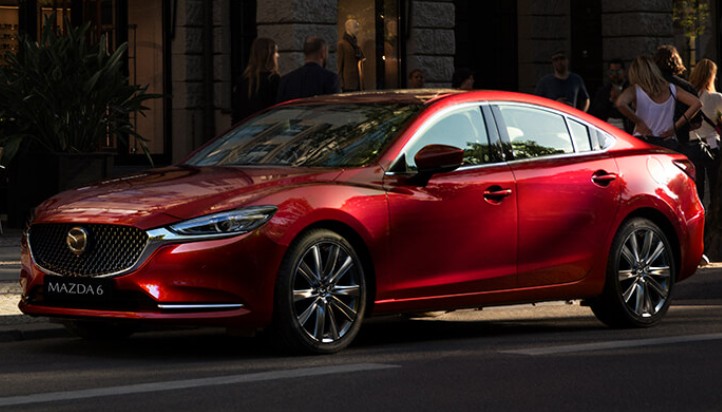
Choosing between the Mazda 6 or Honda Accord is a little like choosing between a tailored jacket and a high-quality everyday coat. Both can serve us brilliantly, both have earned strong reputations, and both belong among the most respected midsize sedans of their eras. Yet they approach the job from noticeably different angles.
The Mazda 6 has traditionally appealed to drivers who want their family sedan to feel a little special. It looks athletic, its cabin can feel surprisingly upscale, and its steering gives us more feedback than we might expect from a practical four-door car. The Honda Accord takes a broader approach. It emphasizes passenger space, efficiency, practicality, refinement, and a well-established reputation for lasting a long time when properly maintained.
So, should we choose the Mazda 6 or Honda Accord?
For many buyers, the Accord is the stronger all-around choice because of its spacious interior, practical packaging, strong resale reputation, and broad selection of powertrains depending on model year. However, the Mazda 6 can be the more satisfying car for drivers who value handling, elegant styling, and a premium-feeling cabin without moving into a luxury brand.
There is no universal winner. The smarter decision depends on what we expect our sedan to do every day.
Content in this publication
- Mazda 6 or Honda Accord at a Glance
- Mazda 6 vs Honda Accord: Different Personalities
- Exterior Design: Mazda 6 Brings More Drama
- Interior Quality: Does the Mazda 6 Feel More Premium?
- Front-Seat Comfort
- Rear Passenger Space
- Cargo Space and Everyday Practicality
- Mazda 6 Engine Options
- Honda Accord Engine Choices
- Honda Accord Hybrid Advantage
- Mazda 6 or Honda Accord for Fuel Economy?
- Transmission Differences
- Handling: Mazda 6 Takes the Lead
- Ride Comfort: Honda Accord or Mazda 6?
- Cabin Noise and Highway Refinement
- Technology and Infotainment
- Safety Features
- Mazda 6 Reliability
- Honda Accord Reliability
- Maintenance Costs: Which Is Cheaper?
- Resale Value
- Which Car Feels Faster?
- Mazda 6 or Honda Accord for Commuting?
- Mazda 6 or Honda Accord for Families?
- Which Is Better for Enthusiasts?
- Which Has the Better Interior?
- Mazda 6 vs Accord for Long-Term Ownership
- Used Mazda 6 or Used Honda Accord?
- What Should We Check Before Buying Either Car?
- Mazda 6 Pros and Cons
- Honda Accord Pros and Cons
- Mazda 6 or Honda Accord: Which Should We Buy?
- Final Verdict: Mazda 6 or Honda Accord?
- Frequently Asked Questions
Mazda 6 or Honda Accord at a Glance
Before digging into engines, reliability, interiors, and driving manners, we can simplify the comparison.
The Honda Accord tends to make more sense when passenger room, practicality, fuel economy, resale value, and everyday versatility sit near the top of our list.
The Mazda 6 tends to shine when steering feel, exterior design, cabin atmosphere, driving enjoyment, and value on the used market matter more.
A quick way of looking at the matchup is:
- Choose the Mazda 6 if we want a sportier, more stylish midsize sedan with engaging road manners.
- Choose the Honda Accord if we prioritize space, efficiency, practicality, and long-term ownership confidence.
- Consider the Mazda 6 turbo if stronger acceleration matters.
- Consider an Accord hybrid from applicable generations if fuel economy is a major priority.
- Compare model years carefully, because engines, transmissions, safety equipment, dimensions, and features changed considerably over time.
That last point matters. Comparing a 2014 Mazda 6 with a 2021 Accord is hardly an apples-to-apples contest. Condition, trim, mileage, maintenance history, and generation can matter as much as the badge on the trunk.
Mazda 6 vs Honda Accord: Different Personalities
The biggest difference isn't necessarily something we can measure with a ruler.
It's personality.
The Mazda 6 Feels More Driver-Focused
Mazda spent years building a reputation around making ordinary cars enjoyable to drive. We notice that philosophy in the Mazda 6.
The steering generally feels direct. The body stays relatively composed in corners. The seating position encourages us to feel connected with the car rather than perched on top of it.
We aren't talking about a rear-wheel-drive sports sedan, of course. The Mazda 6 remains a practical front-wheel-drive family car. Still, compared with many mainstream competitors, it often feels eager rather than merely competent.
That distinction matters if our commute includes winding roads or if we simply enjoy driving.
A Sedan That Doesn't Feel Like an Appliance
Plenty of midsize sedans move us from home to work comfortably.
The Mazda 6 tries to make the journey itself enjoyable.
It is the difference between listening to music through basic earbuds and putting on a good pair of headphones. Both work, but one communicates more texture.
The Honda Accord Prioritizes Balance
The Accord isn't boring simply because it focuses heavily on practicality.
Honda's midsize sedan has often delivered an impressive balance between responsive handling and everyday comfort. Depending on the generation, some Accords are remarkably enjoyable to drive.
Yet Honda generally aims for broader appeal.
The steering is easy to live with. Visibility tends to be good. Passenger space is generous. Controls usually make sense quickly. Highway manners are comfortable.
Instead of emphasizing one particular characteristic, the Accord tries to score highly everywhere.
For many families, that balance is exactly why it becomes the safer recommendation.
Exterior Design: Mazda 6 Brings More Drama
Style is subjective, but the Mazda 6 has frequently looked more expensive than its price tag suggests.
Its long hood, flowing body lines, relatively low stance, and restrained grille design give it an appearance that can resemble something from a premium manufacturer.
Even years after certain Mazda 6 models were introduced, their styling still looks surprisingly fresh.
The Accord Takes a More Functional Approach
Honda Accord styling has changed significantly from generation to generation.
Some versions look conservative. Others adopt a much more aggressive shape, particularly later fastback-inspired designs.
The Accord's strength isn't necessarily that everyone will fall in love with it at first glance. Instead, Honda tends to blend aerodynamic efficiency, interior packaging, visibility, and contemporary styling.
If curb appeal is our deciding factor, many of us may gravitate toward the Mazda.
If exterior design is secondary to cabin room, technology, and practicality, the Accord's styling becomes less important.
One reason people continue to search for used Mazda 6 models is the cabin.
Mazda increasingly pushed its interiors toward premium territory, particularly in higher trims. Soft-touch materials, elegant trim pieces, simple controls, and supportive seats created an atmosphere that felt more expensive than expected.
Mazda Keeps the Cabin Visually Clean
Instead of filling the dashboard with buttons, Mazda often favors a simple horizontal layout.
This minimalist approach gives the Mazda 6 a mature personality. Higher trims can feel genuinely upscale, especially with leather upholstery and richer interior finishes.
The Premium Feeling Has Limits
We shouldn't confuse premium-inspired with genuine luxury.
Noise isolation, infotainment sophistication, seat technology, and some materials still reveal the Mazda's mainstream roots.
Nevertheless, when we compare similarly priced used examples, the Mazda 6 often makes a strong first impression.
The Honda Accord Wins on Space
Where the Accord often pulls ahead is usable interior room.
Honda has historically been excellent at extracting space from relatively modest exterior dimensions. Rear passengers generally enjoy generous legroom, and the cabin feels airy.
For adults sitting in the rear regularly, that difference can matter more than decorative stitching or dashboard trim.
Front-Seat Comfort
Both cars can work well for long drives, although the experience is different.
Mazda seats often feel relatively supportive and snug. That suits drivers who prefer sitting securely in place.
Honda seats tend to prioritize broad comfort. Depending on trim and generation, adjustable lumbar support, heating, ventilation, and power adjustment may be available.
As always with seats, our own body is the real test instrument.
A seat that feels perfect to one person after ten minutes can become irritating to another after two hours. Anyone seriously choosing between a used Mazda 6 and Accord should spend meaningful time sitting in both.
Rear Passenger Space
This is one category where the Accord commonly has the advantage.
The Mazda 6 isn't cramped, but its more dramatic roofline and driver-oriented layout can make the back feel somewhat more intimate.
The Accord tends to provide more generous rear accommodation.
If we regularly carry teenagers, adult friends, clients, or family members, that additional room can become a major advantage.
For a couple or solo commuter, however, the Mazda's slightly tighter rear quarters may barely matter.
Cargo Space and Everyday Practicality
Sedans live or die by how easily they handle normal life.
Groceries. Suitcases. Strollers. Laptop bags. Sports gear. Airport runs.
The Accord generally performs extremely well here, typically providing a spacious trunk and useful cabin storage.
The Mazda 6 also offers a practical trunk, although Honda frequently has the edge when maximum usable cargo room is our priority.
Don't Compare Trunk Numbers Alone
Published cargo capacities tell only part of the story.
The trunk opening, wheel-arch intrusion, rear-seat folding arrangement, and shape of the cargo floor can matter just as much.
A theoretically larger trunk isn't always easier to load.
If we're buying a car for a particular purpose, we should literally bring the object we intend to carry. A stroller test tells us more than a specification sheet.
Mazda 6 Engine Options
Mazda 6 powertrains vary by market and model year, but many later examples are associated with Mazda's Skyactiv gasoline engines.
Naturally aspirated four-cylinder versions typically emphasize smooth power delivery, reasonable fuel economy, and simplicity.
Later turbocharged versions add considerably stronger acceleration.
Naturally Aspirated Mazda 6
The non-turbo Mazda 6 suits drivers who don't need neck-snapping performance.
Power delivery is generally predictable, and the engine pairs nicely with the car's balanced chassis.
It feels adequate around town and comfortable at highway speeds.
What it doesn't provide is effortless high-speed passing power when loaded with passengers.
Turbo Mazda 6
The turbo transforms the personality.
Extra torque gives the car much stronger midrange performance, making overtaking and merging easier.
Suddenly, the Mazda 6 feels less like a stylish economy sedan and more like a budget sports-luxury alternative.
Naturally, additional performance can bring higher fuel use and potentially greater mechanical complexity.
If buying used, maintenance history becomes especially important.
Honda Accord Engine Choices
One reason Accord comparisons become complicated is Honda's broad engine history.
Depending on year and region, shoppers may encounter four-cylinder engines, turbocharged engines, V6 models, and hybrid powertrains.
That variety gives Accord buyers more ways to match the car to their priorities.
Accord Turbo Engines
Later generations commonly used turbocharged four-cylinder engines.
Smaller turbo engines emphasize efficiency while providing good low-end torque.
More powerful turbo variants deliver surprisingly strong acceleration and can make the Accord genuinely quick.
Older Accord V6 Models
Older V6 Accords remain popular among enthusiasts.
They deliver smooth, linear power with the kind of naturally aspirated character that has become increasingly rare.
They can be appealing used purchases, but age matters.
Rubber components, cooling systems, suspension parts, timing-related maintenance where applicable, and transmission condition deserve careful inspection.
Age Can Matter More Than Reputation
A Honda badge doesn't make neglect disappear.
A poorly maintained Accord with an excellent theoretical reliability record may be a worse purchase than a meticulously maintained Mazda 6.
Service records beat stereotypes.
You may be interested in reading Mazda 6 vs Honda Civic: Which Car Makes More Sense?
Honda Accord Hybrid Advantage
One significant Accord advantage is the availability of hybrid versions in various generations.
For commuters covering substantial mileage, an Accord hybrid can dramatically change the comparison.
Hybrids are especially attractive when much of our driving occurs in urban or stop-and-go environments.
The Mazda 6, by contrast, remained much more conventional in its powertrain strategy.
So if maximum fuel efficiency is central to our decision, the Accord family gives us more options.
Mazda 6 or Honda Accord for Fuel Economy?
There is no single answer because fuel economy depends on engine, transmission, wheel size, model year, driving conditions, and hybrid availability.
Broadly speaking, naturally aspirated Mazda 6 models can be quite economical.
Standard Accord gasoline models can also return excellent consumption.
Accord hybrids take the efficiency argument further.
Driving Style Changes Everything
Official fuel economy figures are useful, but real-world behavior matters.
A turbocharged engine driven gently can return impressive mileage.
A smaller engine constantly pushed hard may drink more fuel than expected.
Short trips, cold weather, congestion, roof racks, tire pressure, and aggressive acceleration all influence consumption.
Instead of asking which badge uses less fuel, we should compare the exact engines we're considering.
Transmission Differences
Transmission choice can significantly affect how each car feels.
Mazda has often used traditional automatic transmissions in the Mazda 6, which many drivers appreciate for their predictable behavior and natural response.
Honda has used several transmission strategies depending on year and powertrain, including conventional automatics, continuously variable transmissions, manuals in certain variants, and hybrid-specific systems.
Is a Traditional Automatic Better Than a CVT?
Not automatically.
Traditional automatics often provide familiar gear changes and can feel more engaging.
CVTs can keep an engine operating efficiently and smoothly, but some drivers dislike the way engine speed can rise and stay elevated during strong acceleration.
Reliability depends less on transmission category than on engineering, servicing, heat management, and the specific unit.
A pre-purchase inspection remains essential.
Handling: Mazda 6 Takes the Lead
If we care deeply about handling, the Mazda 6 is usually the car we'd test first.
Its chassis tends to feel cohesive. Steering response is natural, and cornering behavior inspires confidence without becoming harsh.
There's a feeling of consistency between steering input, body movement, and road response.
The Accord Is Still Surprisingly Capable
Calling the Mazda better to drive shouldn't imply that the Honda drives poorly.
Many Accord generations handle extremely well for midsize family sedans.
Some versions have excellent steering, composed suspension tuning, and strong powertrains.
The difference is philosophical.
Mazda tends to treat driving engagement as a central part of its identity.
Honda tends to balance engagement against space, comfort, refinement, and efficiency.
Ride Comfort: Honda Accord or Mazda 6?
The Accord may have a slight advantage for buyers who prioritize relaxed cruising.
Its suspension often absorbs imperfections effectively while maintaining body control.
The Mazda 6 can feel slightly firmer, particularly on larger wheels.
Wheel Size Matters More Than We Think
A high-trim sedan riding on large alloy wheels can look fantastic but ride noticeably harder than a lower trim using smaller wheels with taller tire sidewalls.
Larger wheels can also increase tire replacement costs.
So when comparing comfort, we shouldn't judge the entire model line based on one trim.
A Mazda 6 on moderate wheels may ride differently from a sporty top trim. The same applies to the Accord.
Cabin Noise and Highway Refinement
Long-distance drivers should pay close attention to road and wind noise.
Both Mazda and Honda improved refinement substantially over successive generations.
Later Mazda 6 models can feel impressively quiet, particularly compared with older Mazda products.
Accords also tend to provide strong highway refinement, although specific tire choices can influence cabin noise dramatically.
Tires Can Change a Car's Personality
Two identical cars can sound remarkably different if one uses quiet touring tires and the other wears aggressive performance rubber.
Before assuming a car has poor sound insulation, check the tires.
Cheap or worn tires can turn an otherwise refined sedan into a rolling drum.
Technology and Infotainment
This category depends heavily on model year.
Newer Accords generally benefit from more modern infotainment platforms, smartphone integration, digital displays, and driver-assistance technology.
The Mazda 6's infotainment systems can feel elegant and straightforward, but older versions may appear dated beside newer competitors.
Mazda's Rotary Controller Approach
Some Mazda 6 models use a center-console controller that lets us operate major infotainment functions without reaching toward the screen constantly.
Some drivers love it.
Others prefer a touchscreen interface.
Neither philosophy is universally superior.
After a week, familiarity may matter more than first impressions.
Safety Features
Both manufacturers have offered increasingly sophisticated safety systems over time.
Depending on model year and trim, features may include forward-collision warning, automatic emergency braking, blind-spot monitoring, adaptive cruise control, lane-departure warning, lane-keeping assistance, rear cross-traffic alert, and additional driver aids.
Trim Level Matters
We should never assume every Mazda 6 or Accord from the same year carries identical safety equipment.
Entry-level and high-end trims may differ substantially.
Used-car listings are sometimes inaccurate, too.
The safest approach is to confirm the exact equipment using the vehicle's specification, VIN-related documentation where available, and physical inspection.
Mazda 6 Reliability
The Mazda 6 has generally developed a positive reputation among buyers seeking a straightforward midsize sedan.
Naturally aspirated versions can be particularly appealing because they avoid some of the complexity associated with more performance-focused setups.
But reliability is not simply a manufacturer score.
Mileage, climate, previous repairs, service intervals, accident history, driving environment, and ownership habits all matter.
Common Used-Car Areas to Inspect
Regardless of reputation, we should inspect:
- Engine oil level and service history.
- Coolant condition and signs of leakage.
- Transmission behavior when cold and warm.
- Suspension knocks or worn bushings.
- Uneven tire wear.
- Brake condition.
- Battery health.
- Air-conditioning operation.
- Warning lights.
- Infotainment and electronic accessories.
A professional inspection is cheap compared with repairing a neglected car.
Honda Accord Reliability
The Honda Accord's reputation for durability is one of its strongest selling points.
Many buyers associate the Accord name with long service life, and well-maintained examples can remain useful for many years.
Still, the phrase "Honda reliability" shouldn't become a blindfold.
Different generations use different engines, transmissions, electronics, and emissions systems.
Research the Exact Powertrain
Instead of searching only for "Honda Accord reliability," search for the precise year, engine, transmission, and trim we plan to buy.
That approach exposes generation-specific concerns that generic reliability scores can hide.
It's much more useful to know the history of a particular 1.5-liter turbo powertrain or older V6 configuration than to rely on a single rating covering decades of Accords.
Maintenance Costs: Which Is Cheaper?
Both cars are mainstream models, so routine maintenance should generally remain more manageable than maintenance on a comparable European luxury sedan.
Oil changes, filters, brakes, tires, spark plugs, fluids, batteries, and suspension components form the core of normal ownership.
Honda parts availability can be excellent in many markets because of the Accord's popularity.
Mazda maintenance is also generally straightforward, though local parts availability varies.
The Used-Car Price Is Only the Entry Ticket
Suppose one Mazda costs $2,000 less than a comparable Accord.
That doesn't automatically make it cheaper.
If it immediately needs four tires, brakes, a battery, and suspension work, the apparent bargain disappears.
We should compare total first-year ownership cost rather than purchase price alone.
Resale Value
Honda often enjoys an advantage in resale perception.
The Accord name is recognized almost everywhere, and used-car buyers frequently seek Hondas specifically because of their durability reputation.
Mazda resale value can still be respectable, but used Mazda 6 pricing may sometimes be more attractive.
Lower Resale Can Help Used Buyers
Depreciation isn't always bad.
If we're buying new, strong resale is valuable.
If we're buying used, greater depreciation can mean we're getting more equipment and refinement for the same money.
You may be interested in readingMazda 6 vs Honda Civic: Which Car Makes More Sense?You may be interested in reading
Mazda 6 vs Toyota Avensis: Which Used Family Car Is Better?A used Mazda 6 Grand Touring-style trim, for example, may offer an impressive list of features compared with a similarly priced mainstream competitor.
Which Car Feels Faster?
That depends entirely on engine choice.
A base naturally aspirated Mazda 6 won't necessarily outrun a stronger Accord.
A turbo Mazda 6 can feel powerful thanks to its healthy midrange torque.
Higher-output turbo Accords can also be extremely quick.
Older V6 Accords deliver strong acceleration in a completely different way.
The lesson?
Don't compare model names.
Compare powertrains.
Mazda 6 or Honda Accord for Commuting?
For a daily commute, the Accord may have the slight edge.
Why?
Space, comfort, efficiency, available hybrid powertrains, and practical cabin storage make it an excellent everyday tool.
Yet commuting isn't only about efficiency.
If we spend an hour every day behind the wheel and actually enjoy driving, the Mazda 6's sharper handling and elegant cabin could make that hour more pleasant.
The better commuter is the car whose strengths matter during our actual route.
Urban Drivers
In dense cities, priorities might include:
- Fuel economy.
- Visibility.
- Parking ease.
- Automatic emergency braking.
- Comfortable low-speed ride.
- Stop-and-go transmission behavior.
Highway Drivers
Frequent highway travelers may care more about:
- Seat comfort.
- Cabin noise.
- Adaptive cruise control.
- Passing power.
- Fuel range.
- Stability at speed.
Each use case reshuffles the comparison.
Mazda 6 or Honda Accord for Families?
The Honda Accord usually gets our vote for family duties.
Its spacious back seat is a significant advantage when child seats, teenagers, or adult passengers are part of normal life.
Cargo capacity also helps.
That doesn't make the Mazda 6 unsuitable for families. Far from it. The Mazda offers enough practicality for many households.
But when every extra centimeter of legroom becomes valuable, Honda's packaging expertise is difficult to ignore.
Which Is Better for Enthusiasts?
Mazda 6.
At least in broad terms.
Mazda typically gives us more steering character and chassis involvement.
Certain Accord variants can absolutely challenge that conclusion, particularly powerful or manual-transmission versions from specific generations.
Still, if we're choosing blind based purely on driving philosophy, the Mazda 6 feels like the enthusiast's option.
It's the sedan that seems to whisper, "Take the longer road home."
Which Has the Better Interior?
This is one of the closest categories because "better" can mean two completely different things.
The Mazda 6 interior may look and feel more premium.
The Honda Accord interior may feel more spacious and practical.
If visual quality, dashboard design, and atmosphere matter most, Mazda has a strong argument.
If rear space, storage, and usability dominate our decision, Honda gets the nod.
Mazda 6 vs Accord for Long-Term Ownership
Long-term ownership comes down to more than mechanical durability.
We should consider:
- Fuel consumption.
- Insurance.
- Depreciation.
- Tire costs.
- Scheduled servicing.
- Unscheduled repairs.
- Parts availability.
- Dealer or independent-shop access.
- How long we realistically intend to keep the car.
A vehicle that lasts 300,000 miles isn't necessarily economical if we sell it after four years.
Likewise, strong resale value means little if we plan to drive the car until it has almost no market value left.
Used Mazda 6 or Used Honda Accord?
This is where the Mazda becomes especially interesting.
Used Accords often command strong prices because buyers trust the Honda name.
That demand can create a premium.
The Mazda 6 may offer comparable refinement and features for less money, depending on location and year.
Condition Comes Before Brand
If we have a choice between:
A meticulously maintained Mazda 6 with full service records and one careful owner,
or
an Accord with questionable maintenance, mismatched tires, warning lights, and no service history,
we'd choose the Mazda without hesitation.
Used cars are individuals.
A badge tells us what the vehicle was designed to be. Maintenance tells us what it has become.
What Should We Check Before Buying Either Car?
A structured inspection saves us from emotional buying.
Before the Test Drive
Check body-panel alignment, paint consistency, tire condition, fluid levels, warning lights, service records, windshield condition, interior wear, and evidence of water leaks.
During the Test Drive
Listen for suspension noise. Test the air conditioning. Accelerate firmly. Brake from moderate speed. Drive over rough pavement. Check steering alignment. Test cruise control and driver-assistance features where fitted.
After the Test Drive
Look underneath for fresh leaks and notice any unusual smells.
Then have an independent mechanic inspect the vehicle.
This final step can uncover problems that aren't obvious during a casual drive.
Mazda 6 Pros and Cons
The Mazda's main strengths revolve around style and driving experience.
Advantages include attractive styling, a sophisticated cabin, engaging handling, intuitive controls, and potentially strong used-car value.
Disadvantages can include tighter rear passenger space than some rivals, less powertrain variety, infotainment that may feel dated in older models, and the absence of a widely available hybrid counterpart to the Accord.
Honda Accord Pros and Cons
The Accord wins through versatility.
Advantages include excellent passenger space, strong practicality, efficient engines, hybrid availability in applicable generations, broad parts availability, a strong resale reputation, and generally balanced road manners.
Potential disadvantages include higher used prices due to strong demand, styling that may feel less distinctive to some buyers, generation-specific powertrain concerns that require research, and CVT behavior that won't appeal to every driver.
Mazda 6 or Honda Accord: Which Should We Buy?
If we want the simplest recommendation for the widest range of drivers, we'd lean toward the Honda Accord.
It's roomy, versatile, efficient, comfortable, and supported by one of the strongest reputations in the midsize-sedan market.
But choosing a car isn't always about picking the statistically safest option.
The Mazda 6 has something the Accord sometimes struggles to replicate: emotional appeal.
It looks special.
It feels special.
And on a winding road, it can make us remember why we enjoyed driving in the first place.
Choose the Mazda 6 If…
We should seriously consider the Mazda if handling, styling, cabin quality, and used-car value are major priorities.
It may also appeal to buyers who want something less common than an Accord or Camry without jumping into luxury-car maintenance costs.
Choose the Honda Accord If…
The Accord makes more sense if we need rear-seat space, excellent practicality, strong efficiency, hybrid availability, and easy resale.
Families and high-mileage commuters will probably find its strengths especially compelling.
Final Verdict: Mazda 6 or Honda Accord?
The Mazda 6 or Honda Accord debate doesn't produce a single winner because these two sedans excel in different ways.
The Accord is the rational champion. It gives us generous room, strong efficiency, practical packaging, broad powertrain choices, and excellent everyday usability. It's the kind of car we can recommend without needing a lengthy explanation.
The Mazda 6 is the emotional challenger. It mixes mainstream affordability with attractive styling, responsive handling, and an interior that often feels a class above what we'd expect.
So which one belongs in our driveway?
For family practicality and all-around versatility, we'd pick the Honda Accord.
For driving enjoyment and design, we'd choose the Mazda 6.
When shopping used, however, the final decision should always come down to the exact vehicle. A carefully maintained Mazda 6 is better than a neglected Accord, just as a spotless Accord is preferable to a worn-out Mazda.
Drive both. Inspect both. Compare service history. Then choose the one that makes the most sense after the excitement of the test drive wears off.
That's how we turn a good car comparison into a good ownership decision.
Frequently Asked Questions
1. Is the Mazda 6 better than the Honda Accord?
The Mazda 6 can be better for drivers who prioritize handling, styling, and a premium-feeling interior. The Honda Accord generally has the advantage in passenger space, practicality, powertrain variety, and overall family usefulness. The better choice depends on our priorities and the specific model year.
2. Which is more reliable, Mazda 6 or Honda Accord?
Both can provide strong long-term reliability when properly maintained. The Accord carries an especially strong durability reputation, but reliability varies between generations, engines, and transmissions. A complete service history and professional inspection are more useful than judging a used car solely by brand reputation.
3. Which is more fuel-efficient, Honda Accord or Mazda 6?
Both offer efficient gasoline powertrains, but the Accord has an important advantage because hybrid versions are available in several generations. If maximum fuel economy is the priority, an Accord hybrid is likely to be the more compelling option. Exact consumption depends on model year and powertrain.
4. Is the Mazda 6 more fun to drive than the Accord?
Generally, yes. The Mazda 6 is known for responsive steering and balanced handling, giving it a slightly sportier personality. However, some Accord variants are also remarkably engaging, particularly more powerful versions. Test-driving the exact cars we're considering remains essential.
5. Should we buy a used Mazda 6 or used Honda Accord?
Buy whichever example is in better condition and has the stronger maintenance history. The Accord may offer better resale recognition, while the Mazda 6 can represent excellent value because used examples sometimes cost less despite offering strong equipment and refinement. Mileage, service records, accident history, tires, brakes, and mechanical condition should guide the final decision.
You may be interested in readingMazda 6 vs Honda Civic: Which Car Makes More Sense?You may be interested in reading
Mazda 6 vs Toyota Avensis: Which Used Family Car Is Better?You may be interested in reading
 Is Ram 1500 V6 or V8? Complete Engine Guide
If you want to know other articles similar to Mazda 6 or Honda Accord: Which Midsize Sedan Is Better? you can visit the category Models.
Haval Jolion vs Omoda C5: Which SUV Is Better?
Haval Jolion vs Chery Tiggo 4 Pro: Full Comparison
Haval Jolion vs H6: Which SUV Is Better in 2026?
Haval Jolion vs Toyota Corolla Cross: Which SUV Is Better?
Haval Jolion vs Jaecoo J5: Which SUV Is Better?
Volkswagen T-Cross vs Volkswagen T-Roc: Which Is Better?
Leave a Reply
More content of your interest