
Mazda 6 vs Ford Mondeo: Which Midsize Car Is Better?

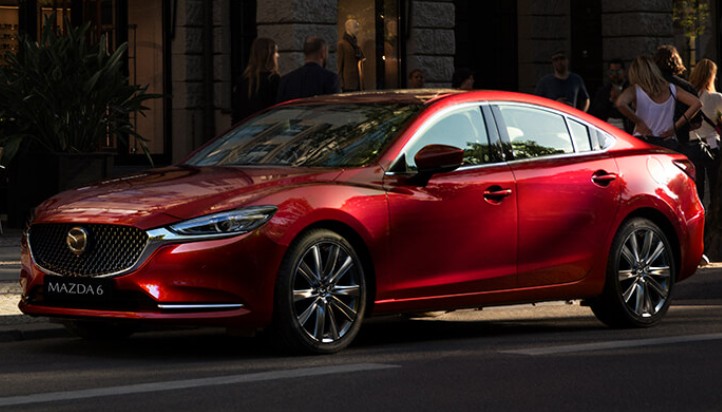
Choosing between the Mazda 6 vs Ford Mondeo is a bit like deciding between a tailored jacket and a comfortable pair of premium walking shoes. Both can look smart, both can serve us well every day, and both have earned loyal followings, yet they approach the midsize-car formula from noticeably different directions.
The Mazda 6 tends to appeal to drivers who want something elegant, responsive, and slightly more emotional. The Ford Mondeo, meanwhile, built much of its reputation around comfort, cabin space, motorway manners, and easy everyday usability.
Neither car can be declared universally superior. The better choice depends on whether we prioritize driving feel, passenger room, fuel economy, practicality, engine choice, or long-term ownership costs.
There is another important detail: both cars have been sold across multiple generations, engines, transmissions, and markets. Specifications therefore vary considerably by model year. Instead of pretending every Mazda 6 and Mondeo is identical, we'll compare their broader personalities, strengths, weaknesses, and ownership considerations.
So, which one deserves a place in our driveway? Let's dig in.
Content in this publication
- Mazda 6 vs Ford Mondeo at a Glance
- Exterior Design: Mazda Turns More Heads
- Interior Design and Cabin Quality
- Passenger Space: Ford Mondeo Takes the Lead
- Boot Space and Everyday Practicality
- Driving Experience: Mazda 6 Feels More Engaging
- Ride Comfort: Ford Mondeo Fights Back
- Mazda 6 vs Ford Mondeo Engine Choices
- Diesel Comparison
- Fuel Economy
- Transmission Choices
- Mazda 6 vs Ford Mondeo Reliability
- Maintenance Costs
- Technology and Infotainment
- Safety
- Refinement and Cabin Noise
- Steering and Handling
- Ford Mondeo for Long-Distance Driving
- Mazda 6 for Enthusiastic Drivers
- Which Car Is Better for Families?
- Which Is Better as a Used Car?
- Mazda 6 vs Ford Mondeo: Ownership Personality
- Resale Value
- Mazda 6 vs Ford Mondeo: Pros and Cons
- Which One Is Better for City Driving?
- Which One Is Better for Motorway Driving?
- Which One Is More Fun to Drive?
- Which One Feels More Premium?
- Mazda 6 vs Ford Mondeo: Final Verdict
- Frequently Asked Questions
Mazda 6 vs Ford Mondeo at a Glance
Before getting buried in engine codes and trim levels, it helps to understand what each car is trying to be.
The Mazda 6 feels like the more style-conscious choice. Mazda gave it sweeping bodywork, a driver-focused cabin, relatively sharp steering, and a chassis that often makes ordinary journeys feel more involving than they need to be.
The Mondeo takes a more pragmatic approach. It is generally roomy, relaxed, stable at speed, and particularly good at swallowing long journeys without making the driver or passengers feel exhausted.
In simple terms:
- Mazda 6: better suited to drivers who value styling, handling, simplicity, and a more intimate driving experience.
- Ford Mondeo: better suited to buyers who prioritize passenger space, motorway comfort, versatility, and an easygoing personality.
Of course, there is plenty of overlap. A Mondeo can still be enjoyable to drive, and a Mazda 6 can still handle family duties with ease.
The differences only become obvious when we start examining them closely.
Exterior Design: Mazda Turns More Heads
Beauty is subjective, but the Mazda 6 has always played the visual card aggressively.
Mazda's Kodo-inspired design language gave later generations long proportions, a prominent grille, narrow headlights, muscular rear arches, and flowing surfaces that make the car appear almost coupe-like from certain angles.
Even years after launch, a well-kept Mazda 6 can still look contemporary.
The Mondeo is more restrained.
That isn't necessarily a criticism. Ford designed the Mondeo as a mainstream family and business car, and it tends to wear cleaner, more conservative lines. Later generations still have plenty of presence, especially in higher trims with larger wheels and upgraded lighting, but the Mondeo rarely tries to steal the show.
We would give the advantage to the Mazda.
Its proportions make it look more expensive than many similarly priced mainstream sedans. Park one beside some entry-level premium cars from the same era and the Mazda does not look embarrassed.
The Mondeo looks substantial rather than exotic. Think business-class commuter rather than boutique hotel.
Styling Winner: Mazda 6
If appearance matters heavily in our buying decision, the Mazda 6 has the stronger emotional pull.
Interior Design and Cabin Quality
Open the doors and the difference in philosophy continues.
The Mazda 6 tends to wrap the dashboard around the driver. Controls are positioned logically, the center console sits fairly high, and later models use cleaner horizontal dashboard layouts that create an upscale atmosphere.
Ford's Mondeo cabin generally feels broader and more functional.
It may not have the minimalist visual drama of the Mazda, but the Mondeo's layout emphasizes accessibility and room. Depending on model year and trim, the cabin can include large infotainment displays, digital instruments, heated seating, advanced climate systems, and plenty of convenience features.
Material Quality
Higher-spec Mazda 6 models can feel surprisingly luxurious, with soft-touch materials, leather upholstery, tasteful metallic trim, and attractive stitching.
The Mondeo can also feel solid and expensive in upper trims, although some versions use harder plastics in less visible areas.
Neither is a luxury car, but both can deliver considerably more cabin sophistication than their mainstream badges suggest.
Passenger Space: Ford Mondeo Takes the Lead
This is where the Mondeo starts flexing its muscles.
Its generous dimensions translate into excellent passenger accommodation. Rear-seat occupants generally benefit from impressive legroom, good headroom, and a wide cabin.
For families, ride-sharing drivers, or anyone who regularly carries adults in the back, that extra breathing room matters.
The Mazda 6 is hardly cramped. Front-seat space is excellent, and rear passengers should be comfortable on normal journeys. However, its more dramatic roofline and styling priorities can make the rear feel slightly less airy than the Mondeo.
Rear-Seat Comfort
Imagine taking four adults on a three-hour motorway trip.
In the Mazda, everyone should survive happily.
In the Mondeo, they are more likely to arrive wondering why the journey felt so easy.
That is the difference.
Space Winner: Ford Mondeo
For maximum passenger room, Ford has the advantage.
Boot Space and Everyday Practicality
Practicality depends heavily on body style.
The Mazda 6 has been offered primarily as a sedan and wagon/estate in many markets. The Ford Mondeo has appeared as a sedan, hatchback/liftback, and estate depending on location and generation.
That hatchback configuration gives certain Mondeo versions a serious practical advantage.
A large rear opening makes it easier to load bulky objects that might struggle to fit through a traditional sedan boot aperture.
Which Is Better for Family Use?
If we regularly carry:
- strollers,
- large suitcases,
- sports equipment,
- flat-pack furniture,
- camping gear,
- or bulky shopping,
a Mondeo hatchback or estate can be exceptionally useful.
A Mazda 6 wagon is also highly practical and arguably more attractive, but sedan-versus-hatchback comparisons often favor Ford simply because of access.
Driving Experience: Mazda 6 Feels More Engaging
This is where Mazda reminds us that transportation does not have to feel like moving office furniture.
Mazda traditionally places significant emphasis on steering response, chassis balance, pedal feel, and predictable handling.
The Mazda 6 generally feels lighter on its feet than its dimensions suggest.
Turn into a sweeping road and the body responds naturally. The steering communicates enough information to make us feel connected to the front tires. Even when we are not driving fast, the car feels alert.
The Mondeo is no barge, though.
Ford has historically built excellent mainstream chassis, and the Mondeo earned considerable praise across generations for combining stability with competent handling.
However, it usually feels larger, softer, and more relaxed.
City Driving
Around town, the Mazda can feel slightly more agile.
Its controls are typically well weighted, and its responsive steering makes navigating narrower streets less intimidating.
The Mondeo's size can become more noticeable in tight parking spaces, though parking sensors, cameras, and driver aids can reduce the problem substantially on well-equipped versions.
Twisty Roads
Here, we would choose the Mazda 6.
It communicates with us more clearly and often changes direction with greater enthusiasm.
The Mondeo prefers flowing roads and broad curves. It is capable but less eager to dance.
Ride Comfort: Ford Mondeo Fights Back
If handling is Mazda's playground, ride comfort is one of the Mondeo's strongest areas.
The Mondeo is particularly good at covering distance.
Its suspension tends to absorb road imperfections with maturity, while its longer-wheelbase character gives it a planted feel at motorway speeds.
The Mazda 6 remains comfortable, but some versions—especially those with larger wheels and lower-profile tires—can transmit more road texture into the cabin.
Motorway Comfort
For someone commuting two hours a day, the Mondeo may be the more relaxing companion.
It feels like a car designed to sit at cruising speed for hours without drama.
The Mazda is still refined, but it always keeps a little more driver involvement in the recipe.
That is fantastic when we want engagement and slightly less appealing when we simply want the world to disappear behind us.
Mazda 6 vs Ford Mondeo Engine Choices
Engine availability varies dramatically by market and model year, so shoppers should always confirm specifications for the exact vehicle being considered.
Broadly, both ranges have included combinations of:
- naturally aspirated petrol engines,
- turbocharged petrol engines in selected markets,
- diesel engines,
- manual transmissions,
- conventional automatic transmissions,
- and, in the Mondeo's case, hybrid powertrains during parts of its production life.
Mazda's petrol engines often emphasize relatively simple naturally aspirated engineering rather than aggressive turbocharging.
Ford offered a broader mix of turbocharged petrol and diesel options across many Mondeo generations.
Which Engines Feel Better?
The answer depends on what we want.
Mazda petrol engines tend to reward revs and deliver power progressively. They may not always produce dramatic low-speed torque, but their predictable response suits the car's sporty personality.
Turbocharged Mondeo engines often feel stronger at lower rpm, which can make motorway overtaking and loaded driving effortless.
Neither philosophy is inherently better.
You may be interested in reading Mazda 6 or Honda Accord: Which Midsize Sedan Is Better?
One feels more mechanical and progressive; the other can feel more muscular.
Diesel Comparison
Used buyers often encounter diesel-powered examples of both cars, particularly in Europe and other diesel-friendly markets.
A diesel Mazda 6 can deliver excellent torque and fuel economy, but diesel ownership deserves careful research. Emissions-control equipment, driving patterns, maintenance history, and engine-specific weaknesses can significantly influence reliability.
The same rule applies to diesel Mondeos.
Modern diesel engines can be superb long-distance machines when properly maintained and driven regularly on longer journeys. Used primarily for short urban trips, however, diesel particulate filter and emissions-system issues can become more likely.
Should We Buy Diesel?
Diesel makes the most sense when our lifestyle genuinely suits it.
If we drive long motorway distances every week, it can be a strong choice.
If our typical journey is three miles to the supermarket and back, a petrol engine is usually easier to live with.
Fuel Economy
Fuel consumption varies by engine, transmission, wheel size, driving environment, and driving style.
Still, both cars can be reasonably economical for their size.
Diesel versions naturally tend to deliver the best long-distance economy. Smaller turbocharged Mondeo engines can also achieve respectable consumption when driven gently, while Mazda's naturally aspirated petrol engines can return solid real-world efficiency without relying on extreme downsizing.
Hybrid Mondeo variants add another dimension, particularly for urban driving.
Real-World Efficiency Matters More Than Brochure Numbers
Laboratory figures tell only part of the story.
A small turbo engine may look extraordinarily efficient on paper yet consume considerably more fuel when driven hard or heavily loaded.
A larger naturally aspirated Mazda engine may appear less impressive in official figures while returning relatively predictable consumption in daily use.
So instead of chasing the smallest number printed in a brochure, we should ask which drivetrain suits our actual driving.
Transmission Choices
Both models have been available with manual and automatic transmissions, depending on generation and market.
Mazda's conventional automatics generally match its smooth, linear driving style. They may not shift with the hyperactive urgency of modern dual-clutch units, but they can feel natural and predictable.
Ford used several transmission technologies across the Mondeo's lifespan, meaning automatic transmission reliability and behavior can vary substantially.
That makes service history especially important.
Used-Car Tip
Before buying either car, we should verify:
- The exact transmission fitted.
- Whether transmission-fluid servicing was completed.
- Whether there are service invoices.
- Whether gear changes remain smooth when cold and hot.
- Whether there are warning lights or stored transmission fault codes.
That little bit of homework can save a painful amount of money later.
Mazda 6 vs Ford Mondeo Reliability
Reliability is difficult to reduce to a single winner because both models cover many years and mechanical configurations.
The Mazda 6 has a reputation for relatively straightforward petrol drivetrains, particularly when naturally aspirated gasoline engines are involved.
The Mondeo can also be durable, especially when properly maintained, but the enormous diversity of engines, electronics, diesel systems, turbochargers, and transmissions means some versions can be more complicated than others.
Mazda 6 Reliability Strengths
A petrol Mazda 6 can be appealing because simplicity often works in our favor.
Fewer highly stressed components can mean fewer expensive surprises as a car ages.
That does not make every Mazda bulletproof. Suspension wear, infotainment faults, corrosion on older generations, sensors, air-conditioning components, and model-specific mechanical issues still deserve inspection.
Ford Mondeo Reliability Strengths
The Mondeo's huge fleet presence in various markets means there is often substantial mechanical knowledge surrounding it.
Independent garages generally know these cars well, and parts availability can be strong.
The trade-off is complexity on certain versions.
A heavily equipped diesel Mondeo with a turbocharged engine, emissions equipment, sophisticated automatic transmission, and extensive electronics naturally has more systems capable of requiring attention.
Maintenance Costs
Running costs depend on the country, engine, parts availability, and whether we use a dealer or independent mechanic.
Generally speaking, neither model sits in premium-car territory for routine maintenance.
Oil changes, filters, brake components, tires, and suspension parts should usually be manageable.
However, major failures tell a different story.
A complicated diesel emissions fault or transmission repair can quickly erase years of savings from buying the cheaper used car.
Which Is Cheaper to Own?
A simple petrol Mazda 6 may have the advantage for buyers seeking straightforward long-term ownership.
But a well-maintained Mondeo with the right engine can also be inexpensive to run.
Condition matters more than badge.
A carefully maintained Mondeo is a safer purchase than a neglected Mazda 6, and vice versa.
Technology and Infotainment
Technology changes dramatically depending on year.
Later Mazda 6 versions generally offer cleaner infotainment interfaces, controller-based menu navigation, Bluetooth connectivity, smartphone integration on compatible vehicles, premium audio options, navigation, and driver-assistance features.
Later Mondeos can offer similarly impressive equipment, including Ford's SYNC infotainment systems, digital displays, parking assistance, adaptive cruise technology, heated seating, and advanced connectivity.
Which System Is Easier to Use?
Mazda often wins us over with simplicity.
Its rotary controller can be easier to operate while driving than constantly tapping a touchscreen.
Ford's systems may offer more visual information, depending on generation, but older infotainment versions can feel dated today.
Neither should be judged without sitting inside the exact used car we are considering.
Safety
Both cars were designed as serious family vehicles and have been offered with extensive safety equipment.
Depending on model year and specification, features can include:
- autonomous emergency braking,
- blind-spot monitoring,
- lane-departure warning,
- lane-keeping assistance,
- adaptive cruise control,
- rear cross-traffic alerts,
- parking sensors,
- reversing cameras,
- multiple airbags,
- electronic stability control.
Later examples naturally tend to offer more advanced driver-assistance systems than older cars.
Do Driver Aids Decide the Winner?
Not really.
Trim level can matter more than model name.
A fully equipped Mondeo might offer considerably more safety technology than an entry-level Mazda 6 from the same era, while a higher-spec Mazda can reverse the equation.
Always compare the individual cars, not just the brochures.
Refinement and Cabin Noise
The Mondeo's long-distance personality gives it an edge in overall refinement.
Wind noise is generally well controlled, suspension movements feel measured, and the cabin creates a sense of isolation.
Mazda improved refinement substantially across later Mazda 6 revisions, but tire and road noise can still be more noticeable on certain wheel-and-tire combinations.
If our commute involves rough asphalt, we should test both cars on the exact roads we use.
A five-minute dealership loop will not tell the whole story.
Steering and Handling
Mazda's steering is typically one of its highlights.
It does not need to feel sports-car heavy. What matters is predictability.
The front tires respond naturally, the body follows smoothly, and the driver receives enough feedback to understand what the car is doing.
The Mondeo's steering is also competent and reassuring. Ford knows how to tune a chassis.
But while the Mondeo impresses us with its balance, the Mazda tends to make us want to take the longer road home.
That emotional distinction matters.
Cars are tools, yes—but they are tools we sometimes spend hundreds of hours inside.
Ford Mondeo for Long-Distance Driving
This is arguably the Mondeo's natural habitat.
Load up the family, fill the boot, merge onto the motorway, set the cruise control, and the Ford settles into a relaxed rhythm.
Its roomy cabin and stable chassis help it cover distance effortlessly.
For business users, high-mileage drivers, and families who frequently take long road trips, this can outweigh almost every other advantage Mazda offers.
Why the Mondeo Works So Well on Motorways
It feels planted.
You may be interested in readingMazda 6 or Honda Accord: Which Midsize Sedan Is Better?You may be interested in reading
Mazda 6 vs Honda Civic: Which Car Makes More Sense?That simple quality is surprisingly important.
Large cars that constantly require steering corrections become tiring. The Mondeo generally tracks confidently, allowing us to focus on traffic rather than babysitting the steering wheel.
Mazda 6 for Enthusiastic Drivers
The Mazda takes a different approach.
Instead of insulating us completely, it leaves the door cracked open.
We can feel the road.
We notice the steering load up through a corner.
We sense the balance shifting when we brake and turn.
None of this transforms the Mazda 6 into a dedicated sports sedan, but it gives the car personality.
For drivers who still enjoy driving even when the journey involves school runs and grocery bags, that personality can be surprisingly valuable.
Which Car Is Better for Families?
The Mondeo probably wins on pure practicality.
Its rear-seat room, broad cabin, and useful body configurations make it incredibly easy to live with.
The Mazda 6 remains a perfectly credible family car, though.
If we have two children rather than three tall teenagers, the difference may barely matter.
The best family choice therefore depends on whether we prioritize maximum interior volume or a slightly more stylish and engaging ownership experience.
Which Is Better as a Used Car?
This is where we stop comparing models and start comparing individual vehicles.
A used car's condition matters enormously.
Suppose we find a Mazda 6 with incomplete service records, mismatched tires, suspicious noises, and three previous owners who treated maintenance like an optional subscription.
Next to it sits a Mondeo with complete invoices, clean oil, recent brakes, documented transmission servicing, and one careful owner.
Buy the Ford.
Reverse those conditions and buy the Mazda.
Used Mazda 6 Checklist
Look carefully for:
- complete maintenance records,
- corrosion on older examples,
- diesel-system issues where applicable,
- smooth automatic transmission operation,
- suspension knocks,
- infotainment faults,
- oil leaks,
- warning lights,
- irregular tire wear.
Used Ford Mondeo Checklist
Pay attention to:
- transmission behavior,
- turbocharger condition,
- diesel particulate filter history,
- emissions-system faults,
- clutch and dual-mass flywheel wear on manuals,
- suspension components,
- electrical equipment,
- infotainment operation,
- cooling-system condition.
A professional pre-purchase inspection is usually money well spent.
Mazda 6 vs Ford Mondeo: Ownership Personality
Sometimes spreadsheets miss the most important difference.
The Mazda 6 feels like a car we choose because we want it.
The Mondeo often feels like a car we choose because it makes enormous practical sense.
That distinction sounds subtle, but ownership is emotional.
Walking up to a Mazda 6 in a parking lot can create a tiny spark of satisfaction because of its proportions and styling.
Walking up to a Mondeo can create a different feeling: confidence that whatever the day throws at us, there is probably enough room in the boot.
Neither emotion is wrong.
Resale Value
Used-car values vary massively by location.
Mazda's reputation for attractive design and straightforward petrol engines can help certain Mazda 6 versions remain desirable.
The Mondeo's discontinuation in several markets and broader fleet history may affect values differently depending on region.
However, depreciation can actually benefit used buyers.
A Mondeo that cost substantial money when new can become remarkable value several years later, offering huge amounts of space and equipment for relatively modest money.
The Mazda often commands a little more emotional appeal, which may support demand for clean examples.
Mazda 6 vs Ford Mondeo: Pros and Cons
If we strip everything down, the trade-offs become clearer.
Mazda 6 Advantages
The Mazda 6 generally offers:
- sharper styling,
- more engaging steering,
- enjoyable chassis balance,
- strong petrol-engine appeal,
- an upscale cabin,
- relatively simple mechanical options,
- a more premium-looking exterior.
Mazda 6 Disadvantages
Potential compromises include:
- less rear passenger room than the Mondeo,
- slightly firmer ride on some versions,
- more road noise on certain wheels,
- fewer ultra-practical body configurations in some markets,
- diesel versions requiring careful research.
Ford Mondeo Advantages
The Mondeo's key strengths include:
- excellent cabin space,
- strong motorway refinement,
- comfortable suspension,
- practical hatchback and estate options,
- wide engine availability,
- good parts and servicing knowledge in many markets,
- impressive used-car value.
Ford Mondeo Disadvantages
Potential downsides include:
- large exterior dimensions,
- less distinctive styling,
- complex drivetrains on some versions,
- transmission-specific concerns depending on model,
- less intimate driving feel than the Mazda.
Which One Is Better for City Driving?
We would lean toward the Mazda 6.
It typically feels slightly more manageable and responsive in busy traffic.
That said, neither car is genuinely small.
If our daily life involves ancient parking structures, narrow European lanes, or crowded city-center garages, both can feel larger than ideal.
Parking sensors and a reversing camera become valuable rather than luxurious.
Which One Is Better for Motorway Driving?
The Mondeo.
Its blend of stability, comfort, space, and relaxed cruising manners makes it particularly difficult to beat for long-distance work.
It is the automotive equivalent of a comfortable airport lounge chair: not wildly exciting, but after several hours we appreciate it enormously.
Which One Is More Fun to Drive?
The Mazda 6.
We would choose it for winding roads without much hesitation.
The Mazda reacts more eagerly and communicates more clearly.
The Mondeo remains competent—sometimes surprisingly so—but Mazda puts a little more spice into the recipe.
The answer depends on what we mean by premium.
For design, materials, and visual atmosphere, the Mazda often wins.
For space, ride quality, and long-distance refinement, the Mondeo can feel more luxurious.
One resembles a stylish boutique hotel.
The other resembles a large business-class lounge.
Pick your preferred version of comfort.
Mazda 6 vs Ford Mondeo: Final Verdict
There is no dramatic knockout punch in the Mazda 6 vs Ford Mondeo comparison.
Instead, we have two excellent interpretations of the traditional midsize family car.
The Mazda 6 is the stronger choice if we value appearance, driving enjoyment, a driver-focused cabin, and relatively straightforward petrol powertrains. It manages to turn practical transportation into something with a little character.
The Ford Mondeo is the stronger option if interior space, motorway refinement, cargo flexibility, and long-distance comfort sit at the top of our priorities. It is particularly appealing for families and high-mileage drivers.
If we had to summarize the decision in one sentence, it would be this:
Buy the Mazda 6 with your heart; buy the Ford Mondeo with your measuring tape.
That is an oversimplification, naturally, but it captures their personalities surprisingly well.
For most used-car buyers, however, condition should be the final judge. A full maintenance history, healthy drivetrain, good tires, clean bodywork, and professional inspection matter far more than winning a comparison on paper.
Find the best-maintained example of either car, choose an engine that suits your driving, and we could happily live with either for years.
Frequently Asked Questions
1. Is the Mazda 6 better than the Ford Mondeo?
The Mazda 6 is generally better for drivers who prioritize styling, steering feel, handling, and a more engaging driving experience. The Mondeo is usually better for buyers who want maximum interior space, ride comfort, motorway refinement, and practicality. The best choice depends on how we actually use the car.
2. Which is more reliable, the Mazda 6 or Ford Mondeo?
Reliability varies by generation, engine, and maintenance history. Petrol Mazda 6 models can be attractive for their relatively straightforward engineering, while well-maintained Mondeos can also achieve high mileages. Diesel engines and complicated automatic transmissions require more careful inspection on either model.
3. Is the Ford Mondeo bigger than the Mazda 6?
The Mondeo generally feels roomier inside, particularly in the rear passenger compartment. Its hatchback and estate body styles can also provide excellent cargo flexibility. Exact dimensions vary by generation, so buyers should compare the specific model years they are considering.
4. Which car is more economical, Mazda 6 or Ford Mondeo?
Fuel economy depends heavily on the engine. Diesel versions of either model can be very efficient on long journeys, while petrol models vary according to displacement, turbocharging, transmission, and driving style. Some Mondeo generations also offered hybrid powertrains that can be attractive for urban use.
You may be interested in readingMazda 6 or Honda Accord: Which Midsize Sedan Is Better?You may be interested in reading
Mazda 6 vs Honda Civic: Which Car Makes More Sense?You may be interested in reading
Mazda 6 vs Toyota Avensis: Which Used Family Car Is Better?5. Which should we buy used: Mazda 6 or Ford Mondeo?
Choose the best-maintained example rather than focusing entirely on the badge. If two cars are in equally good condition, the Mazda 6 suits buyers who want style and engaging handling, while the Mondeo is ideal for those who need passenger room, cargo flexibility, and relaxed motorway performance.
If you want to know other articles similar to Mazda 6 vs Ford Mondeo: Which Midsize Car Is Better? you can visit the category Models.
Haval Jolion vs Omoda C5: Which SUV Is Better?
Haval Jolion vs Chery Tiggo 4 Pro: Full Comparison
Haval Jolion vs H6: Which SUV Is Better in 2026?
Haval Jolion vs Toyota Corolla Cross: Which SUV Is Better?
Haval Jolion vs Jaecoo J5: Which SUV Is Better?
Volkswagen T-Cross vs Volkswagen T-Roc: Which Is Better?
Leave a Reply
More content of your interest